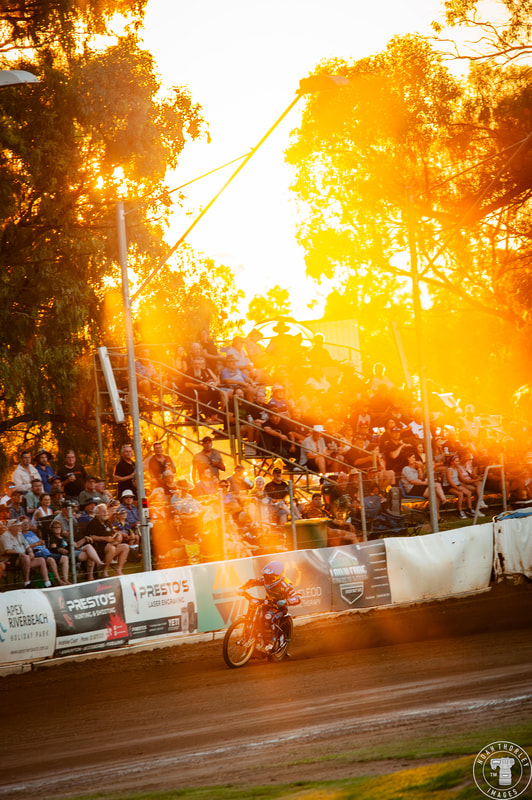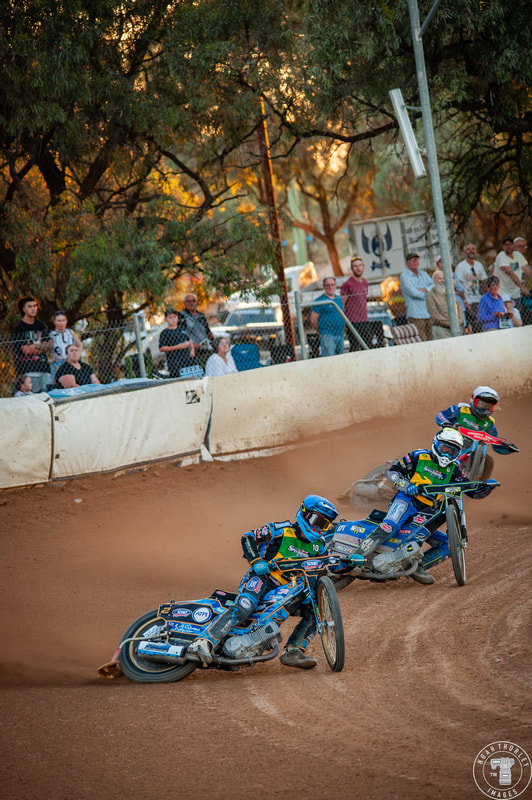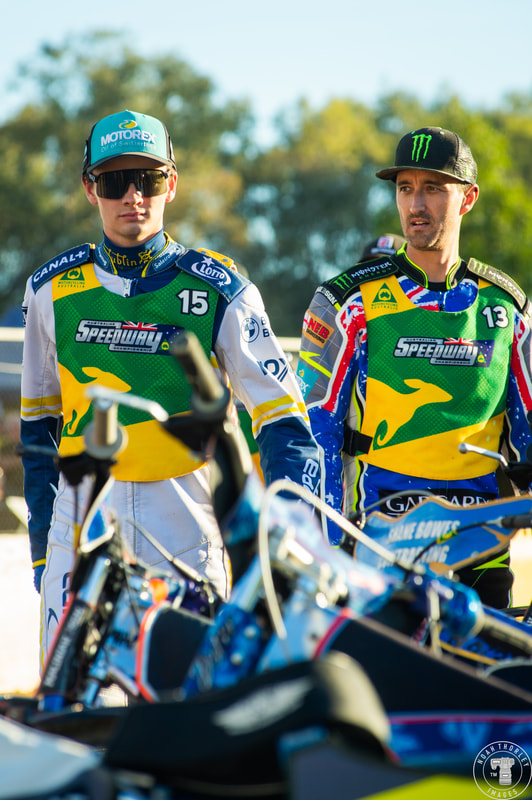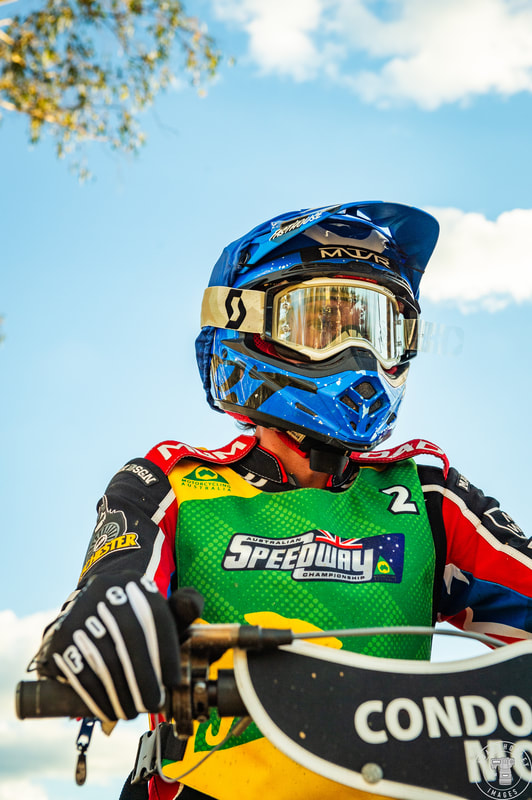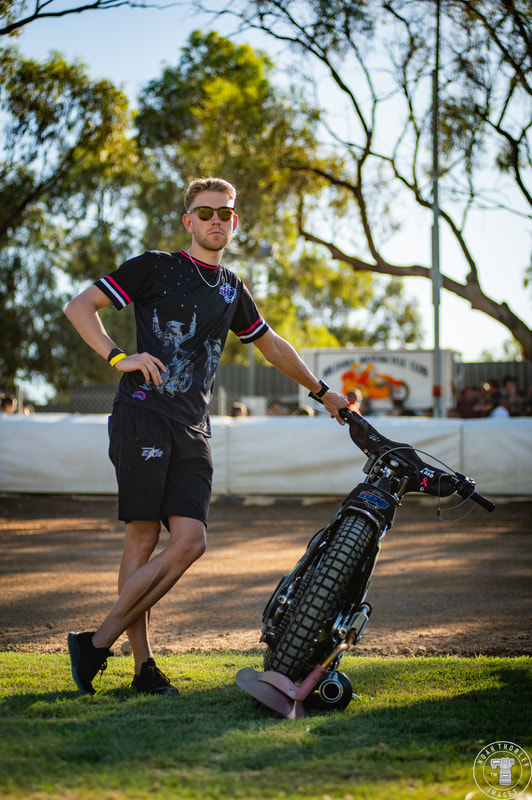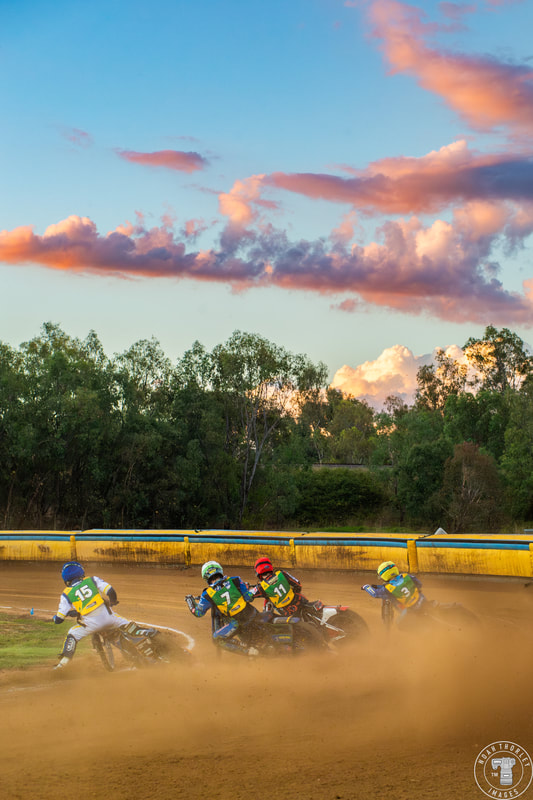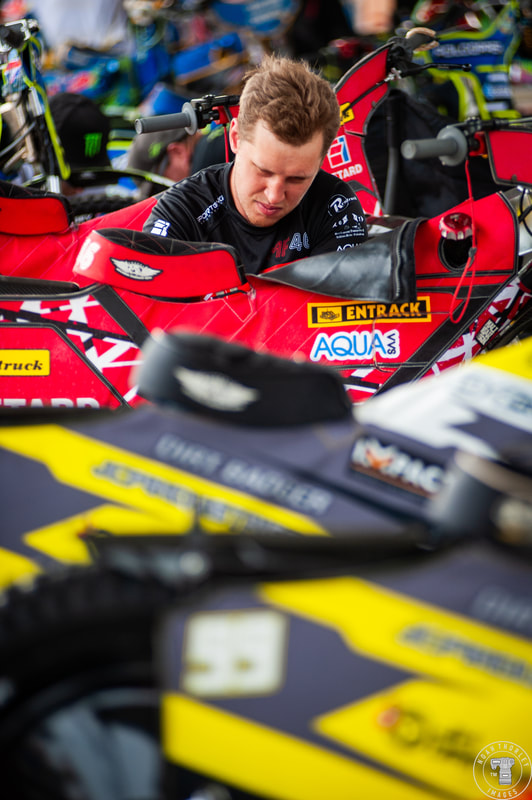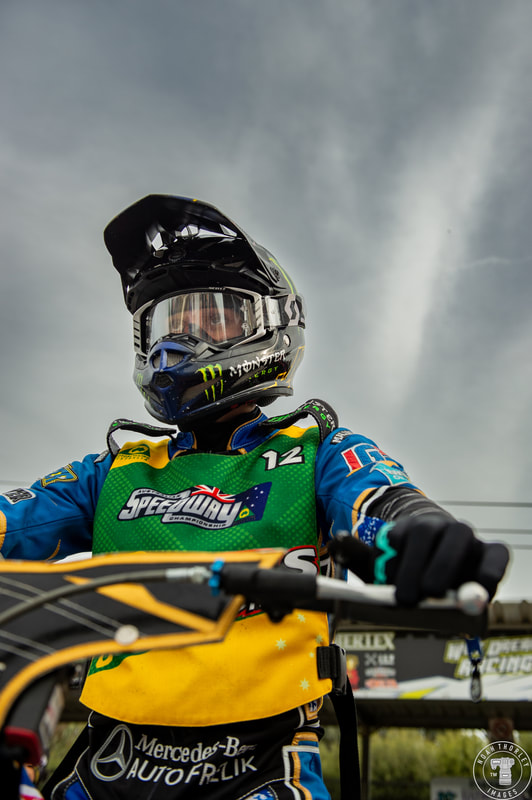
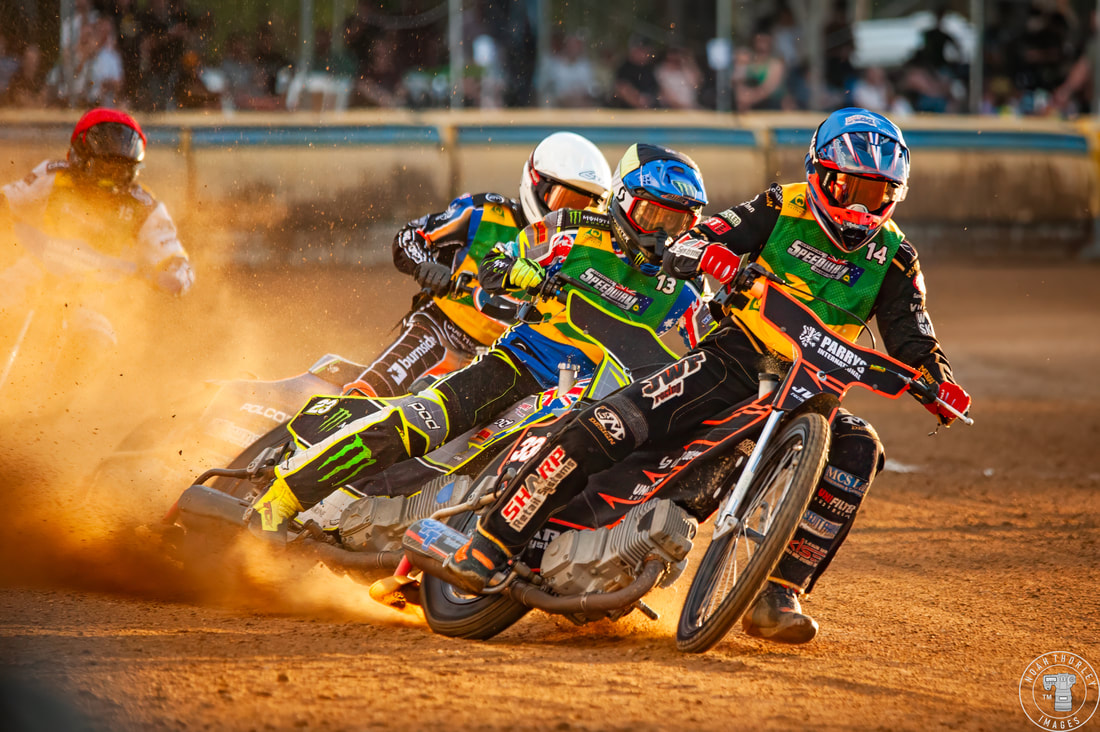
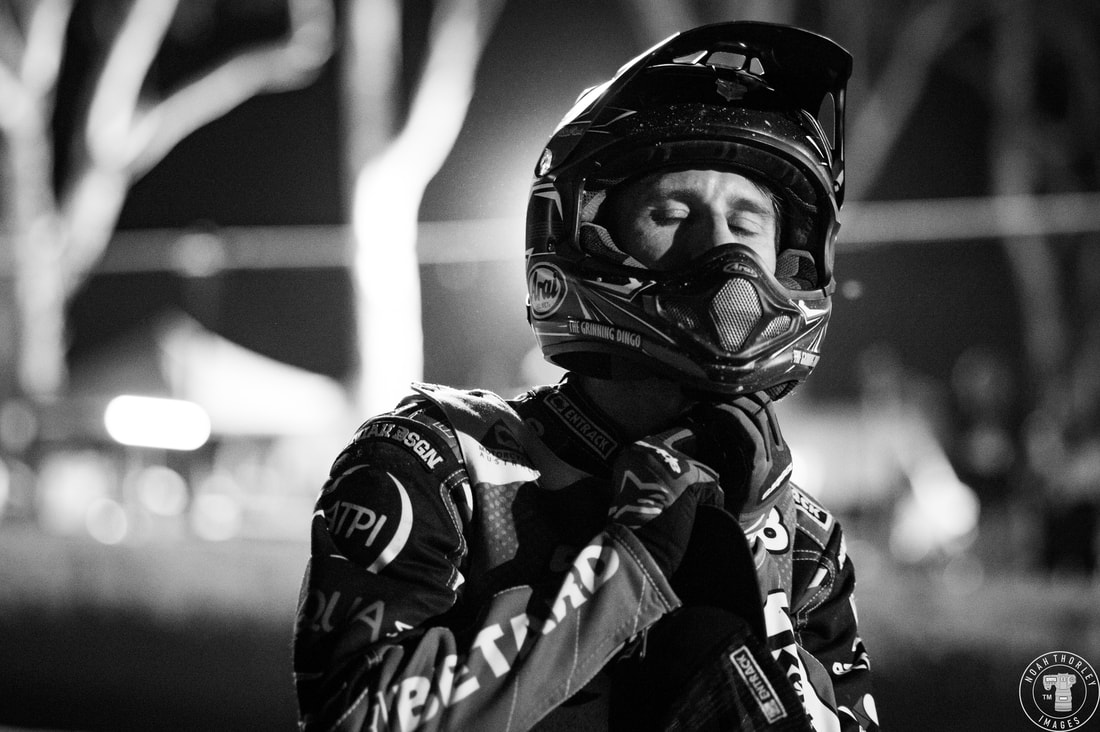
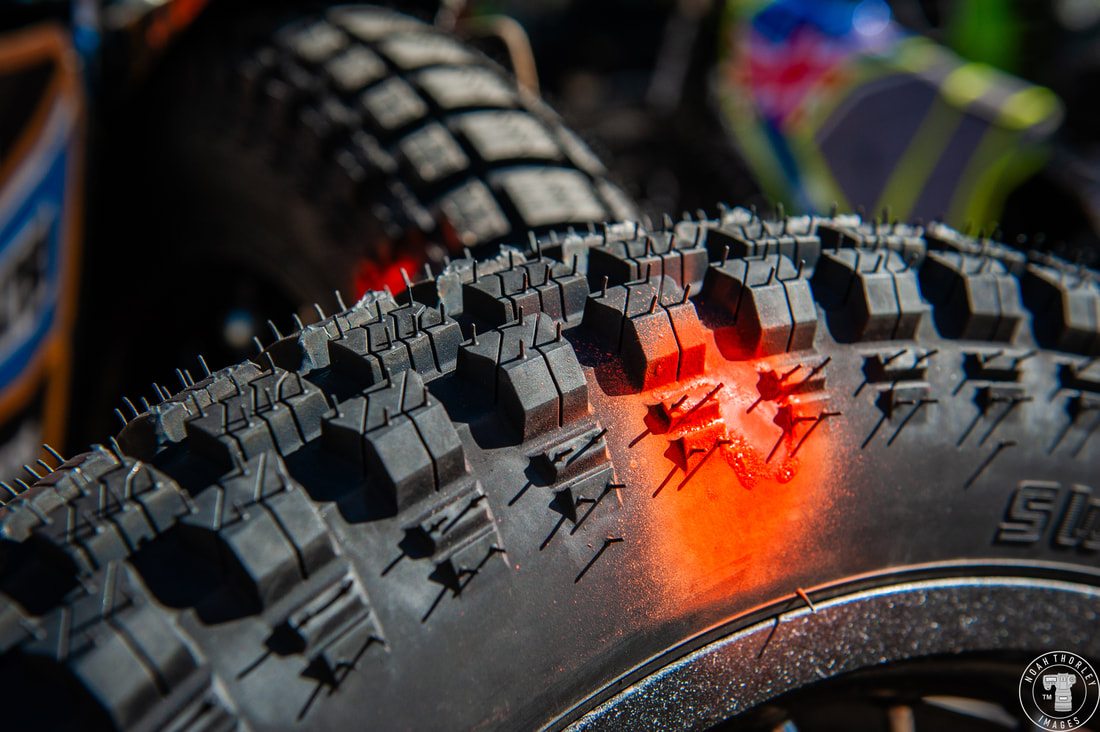
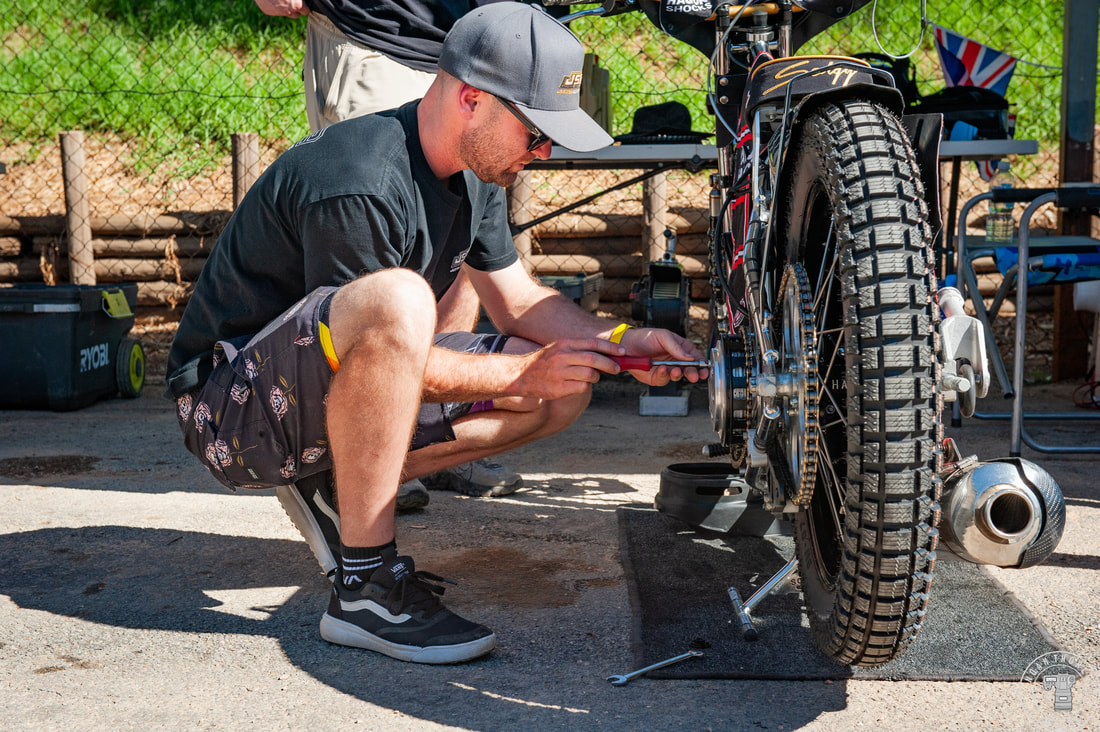
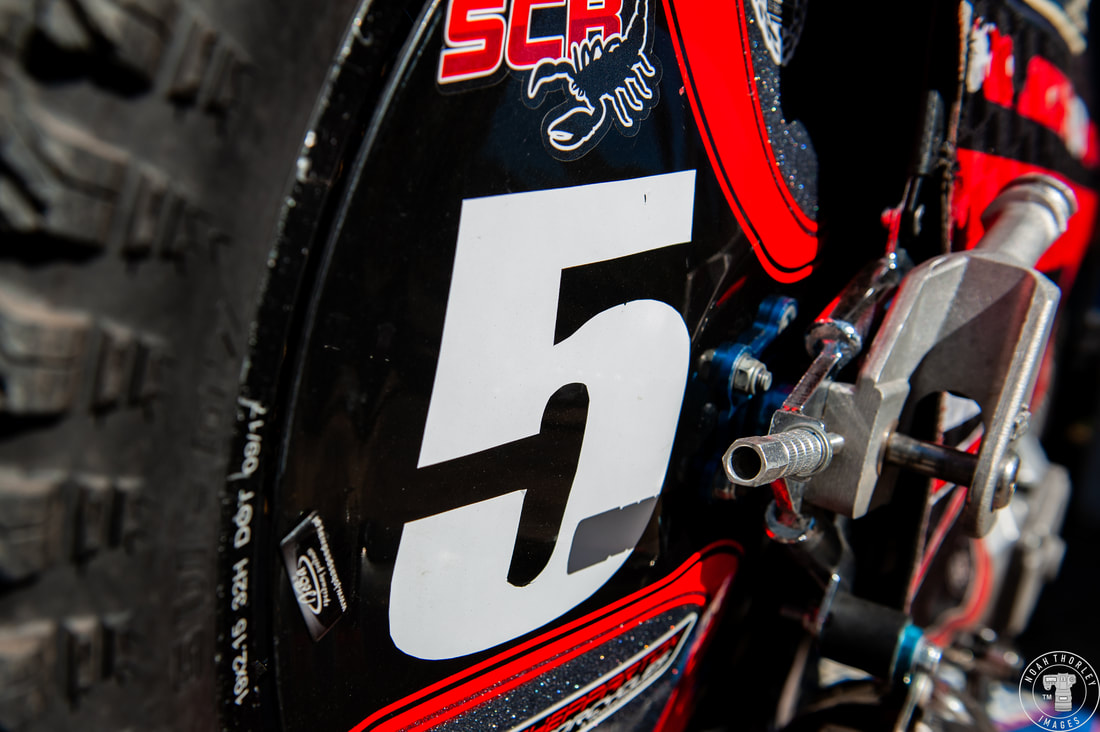
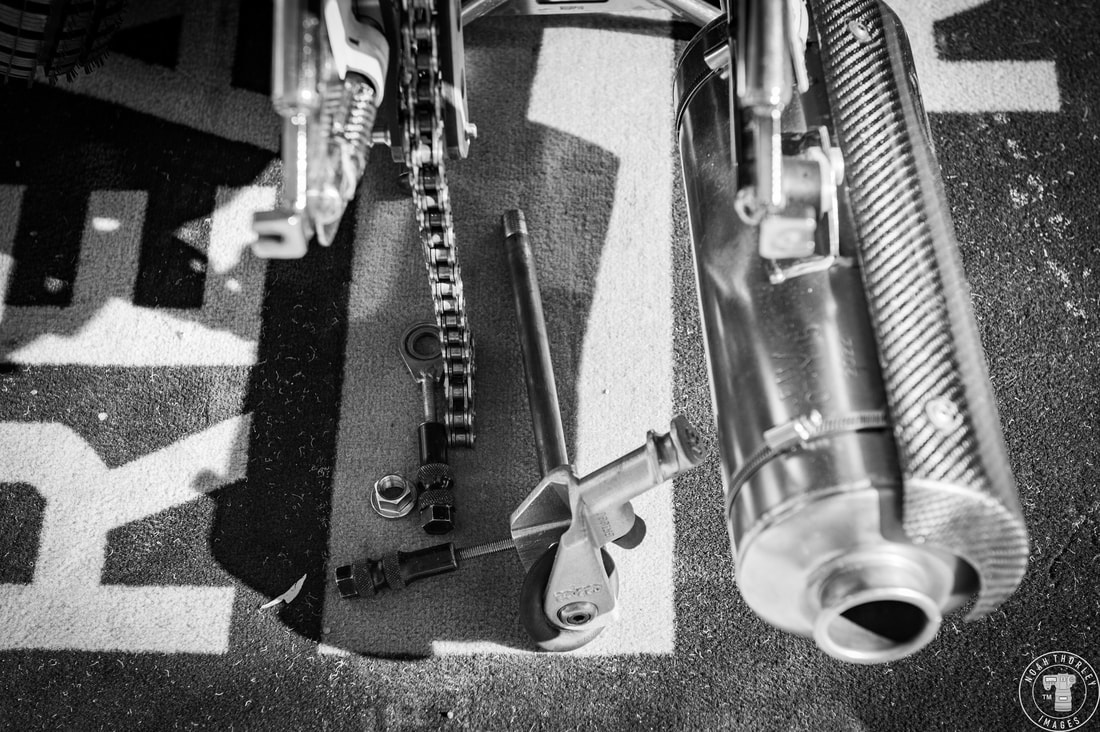
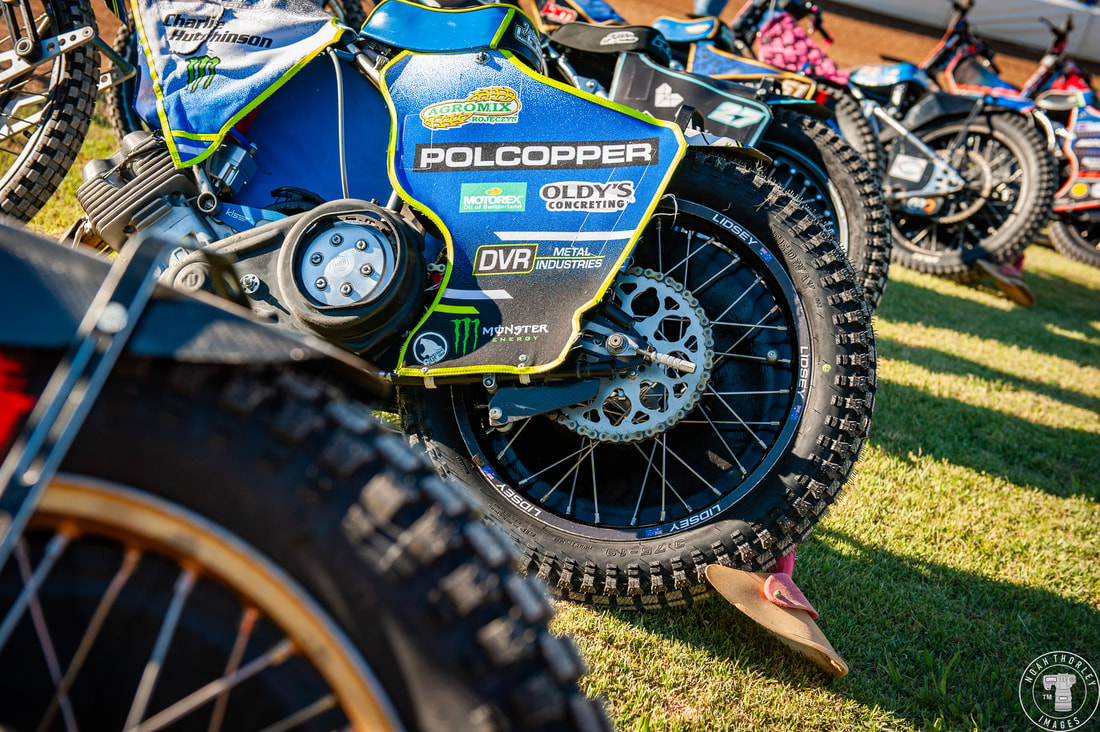
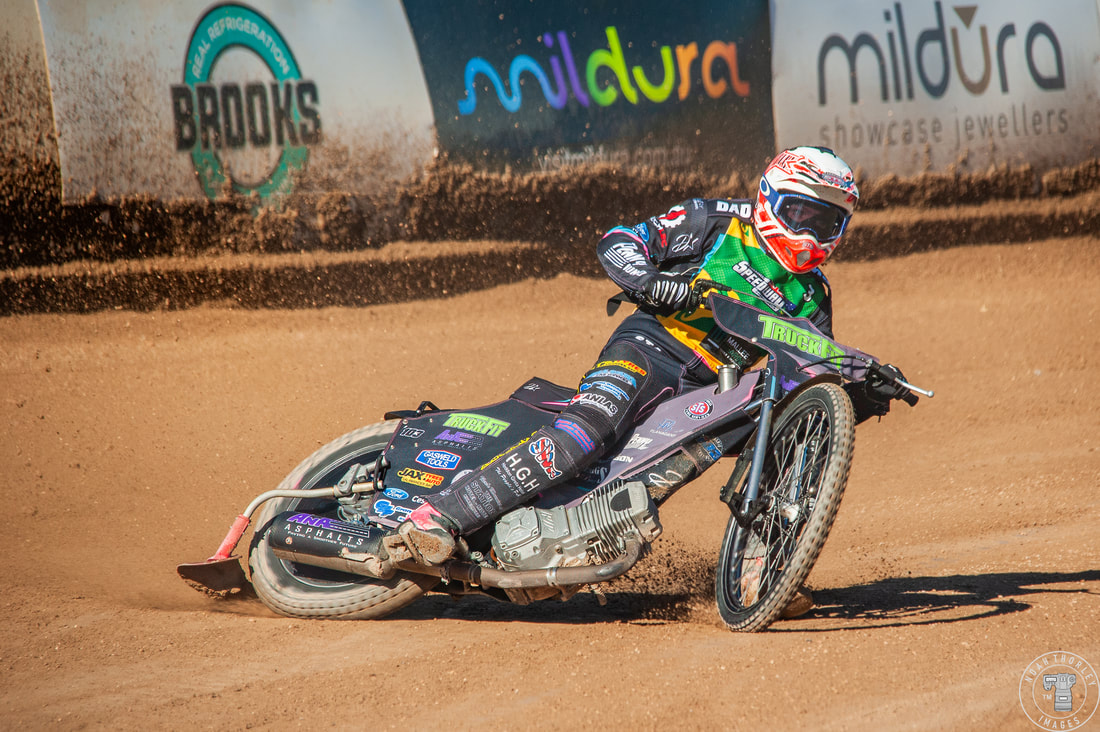
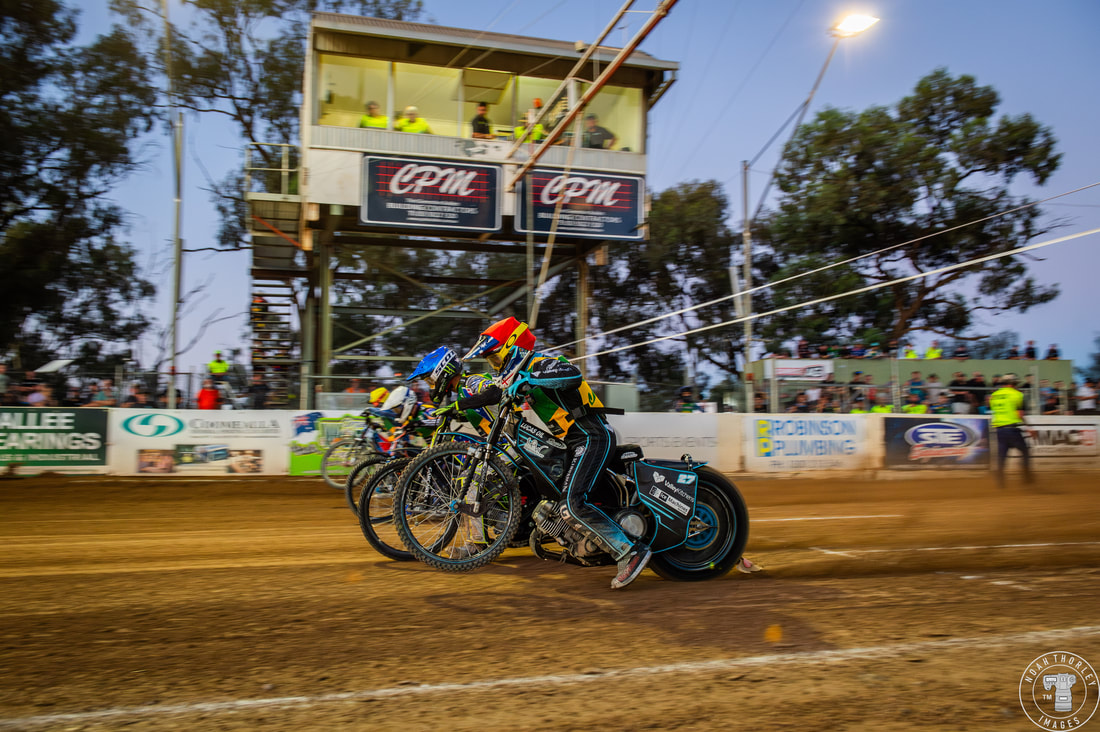
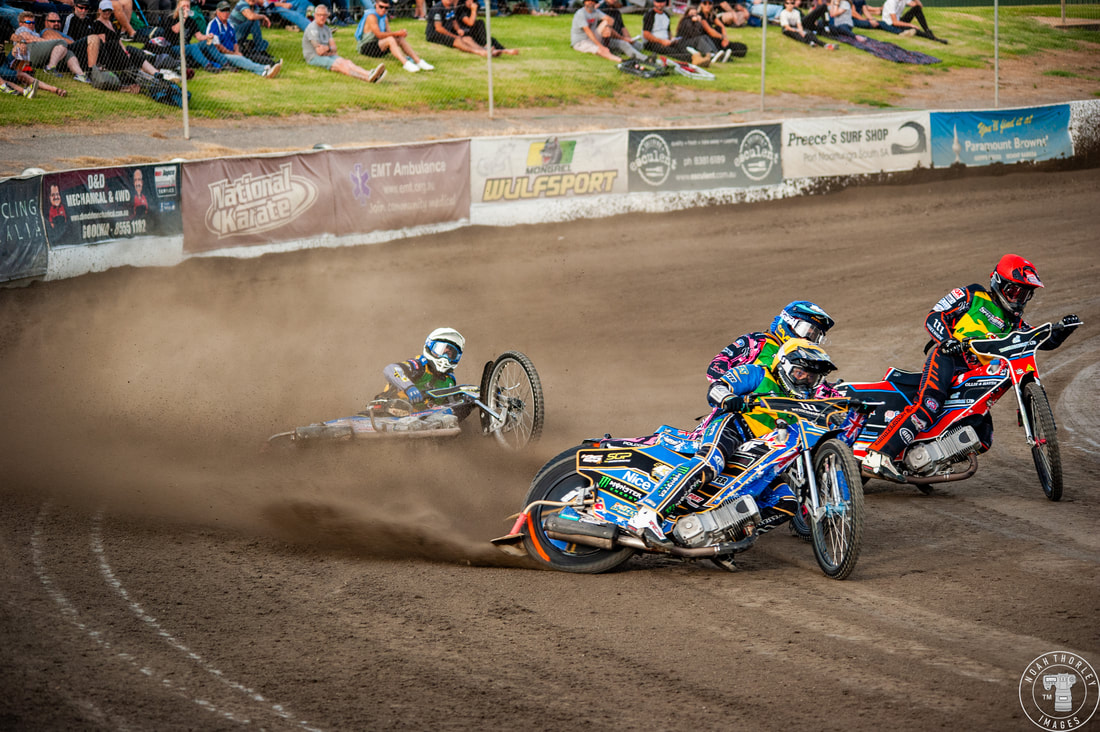
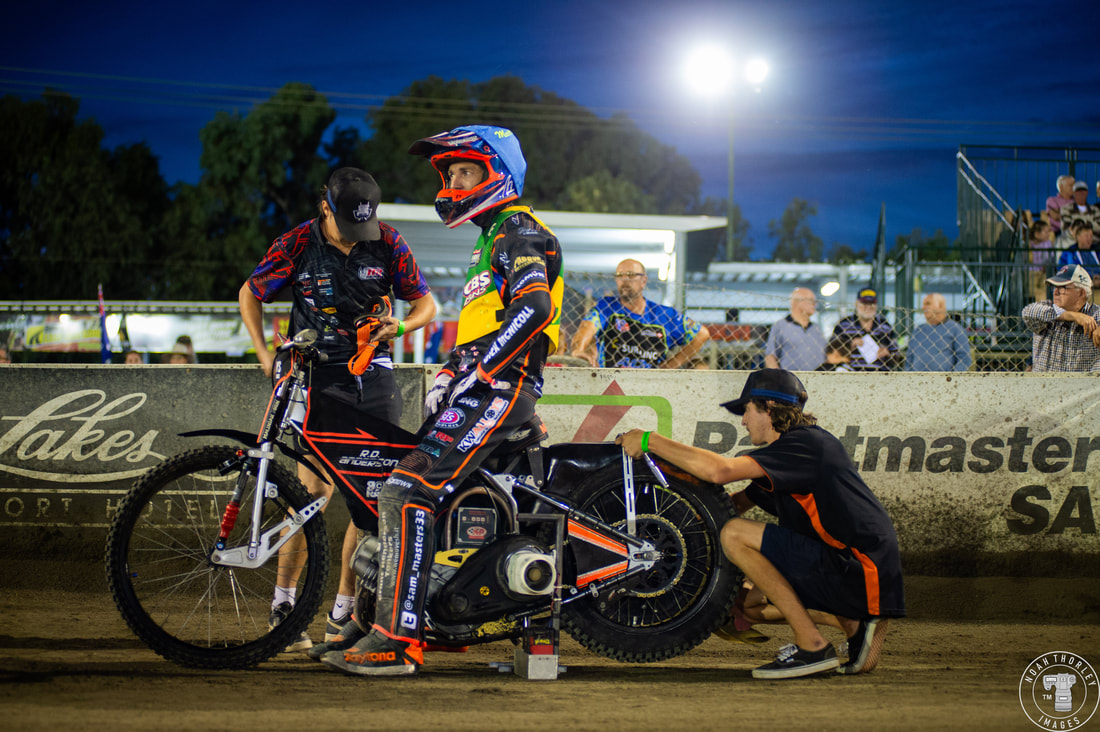
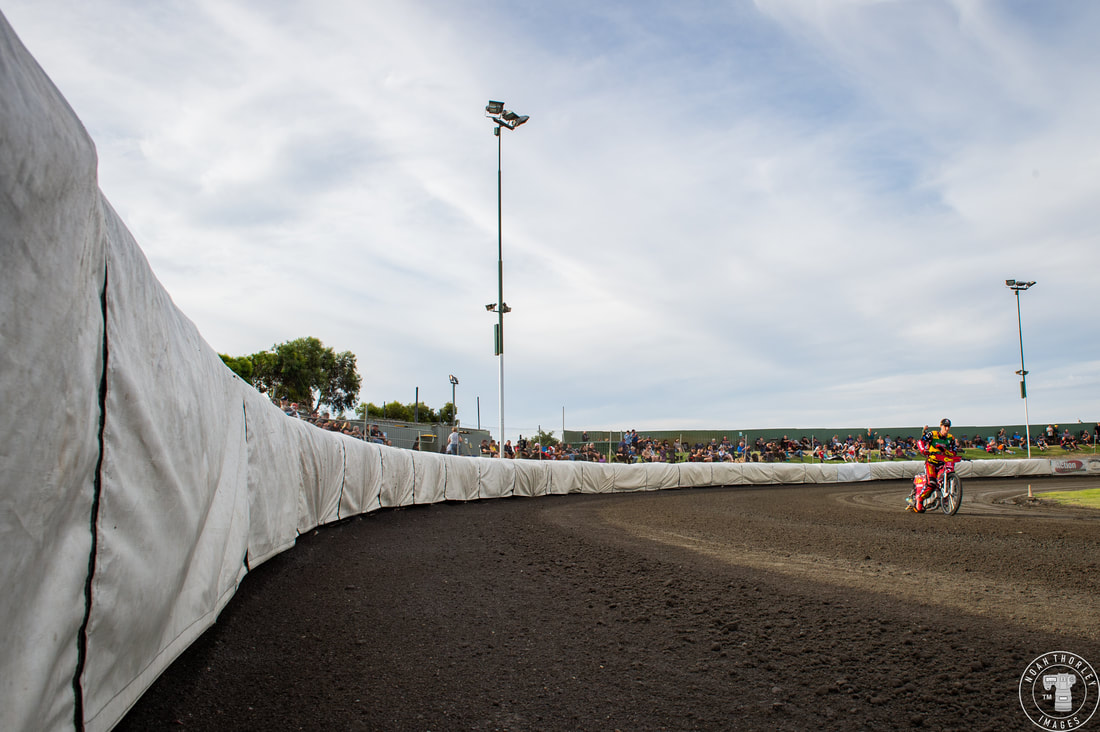
 One of the most underrated forms of motorsport is Motorcycle Speedway, and Australia is actually quite good at it. Six Aussies have won a total of nine Individual Speedway World Championships since 1936, with plenty of other riders having successful racing careers in Australia and abroad. 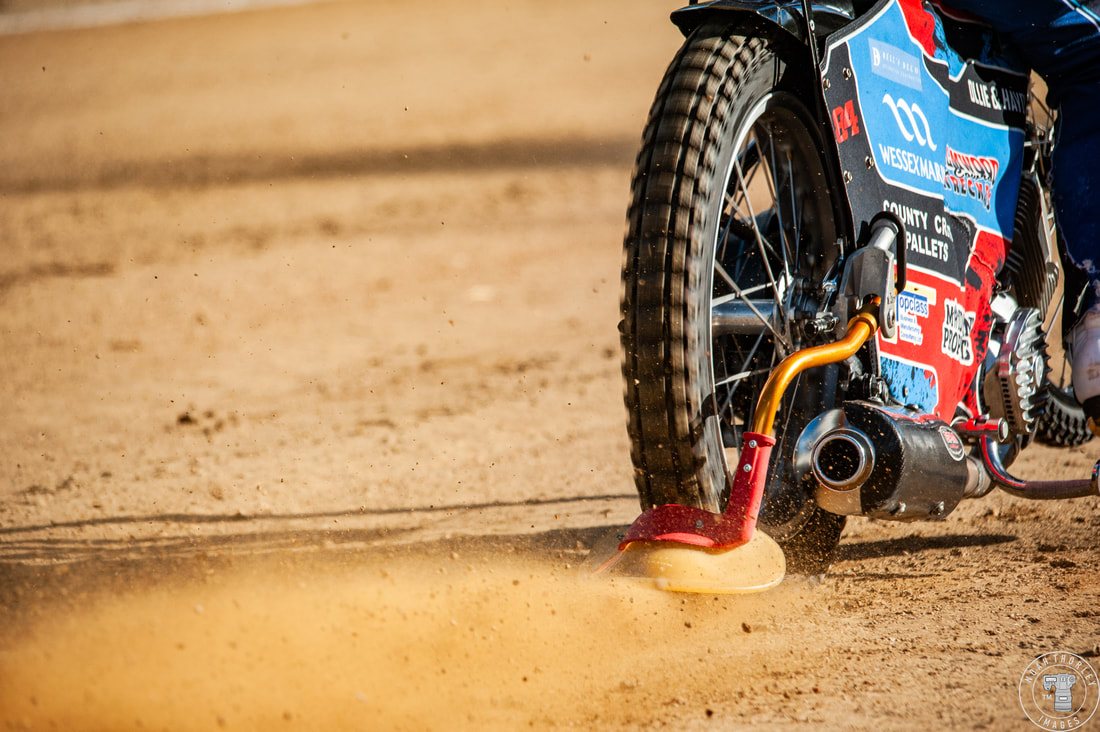 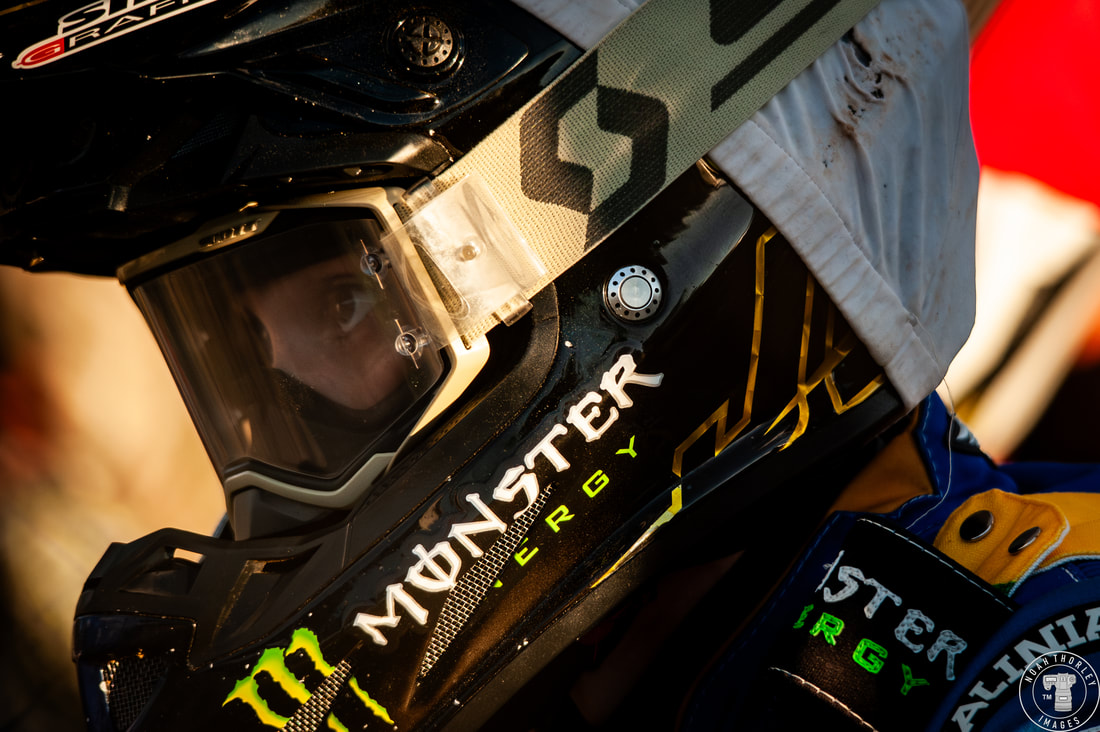 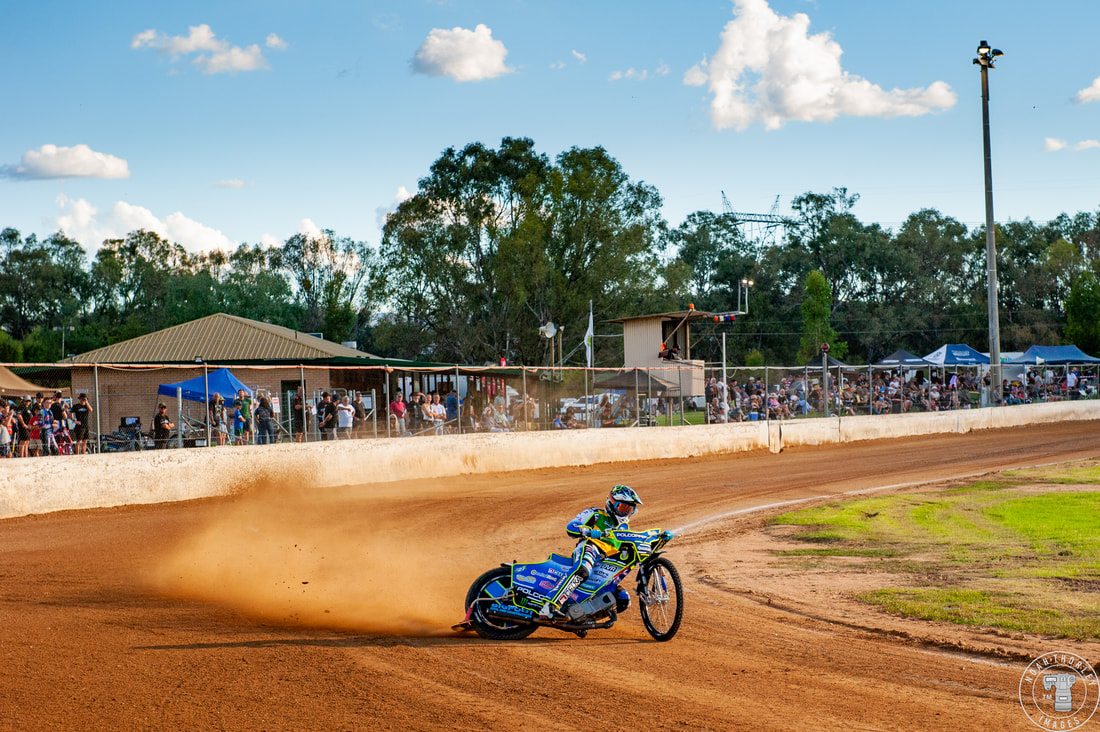 Australia’s 2024 national Speedway Solo Championship would begin in North Brisbane, then head to Kurri-Kurri Speedway in NSW. Round 3 would be held at Albury/Wodonga Motorcycle Club at Diamond Park Speedway, where I would join in on the tour. 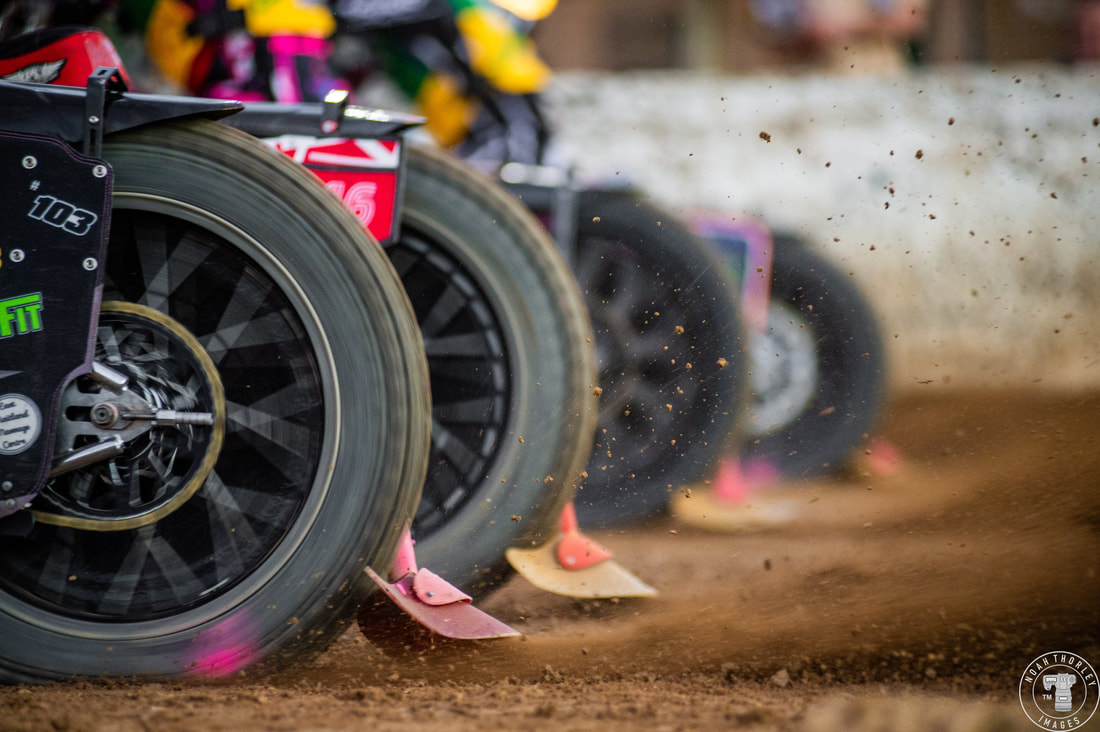 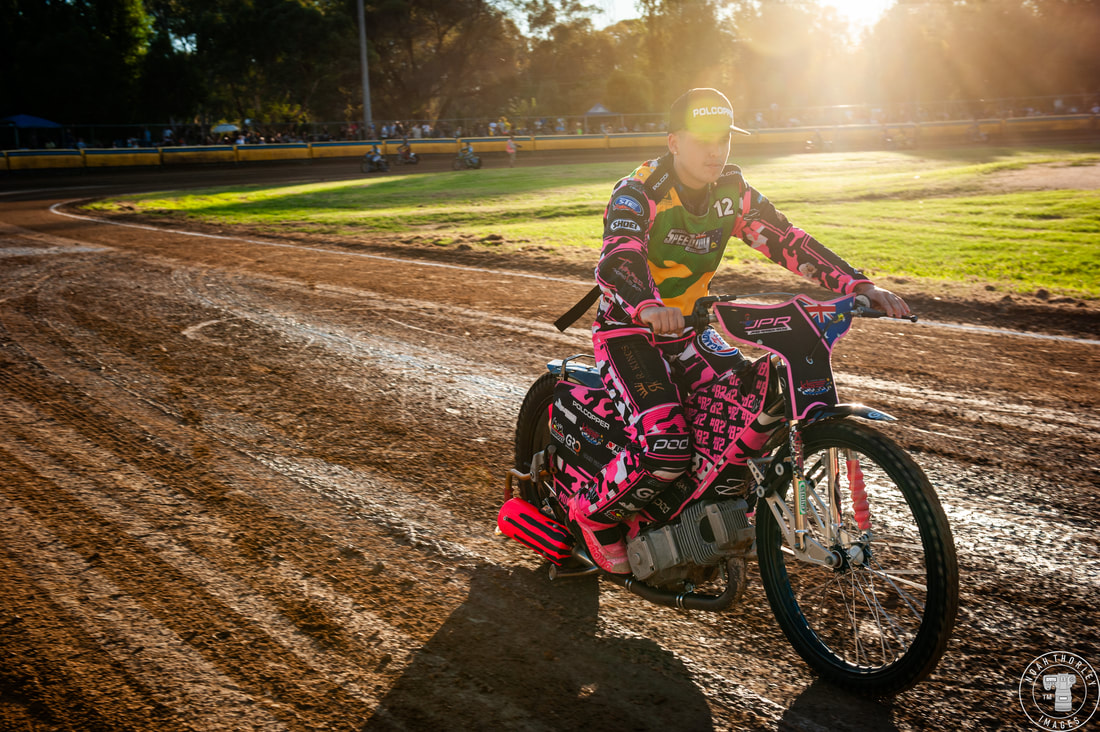 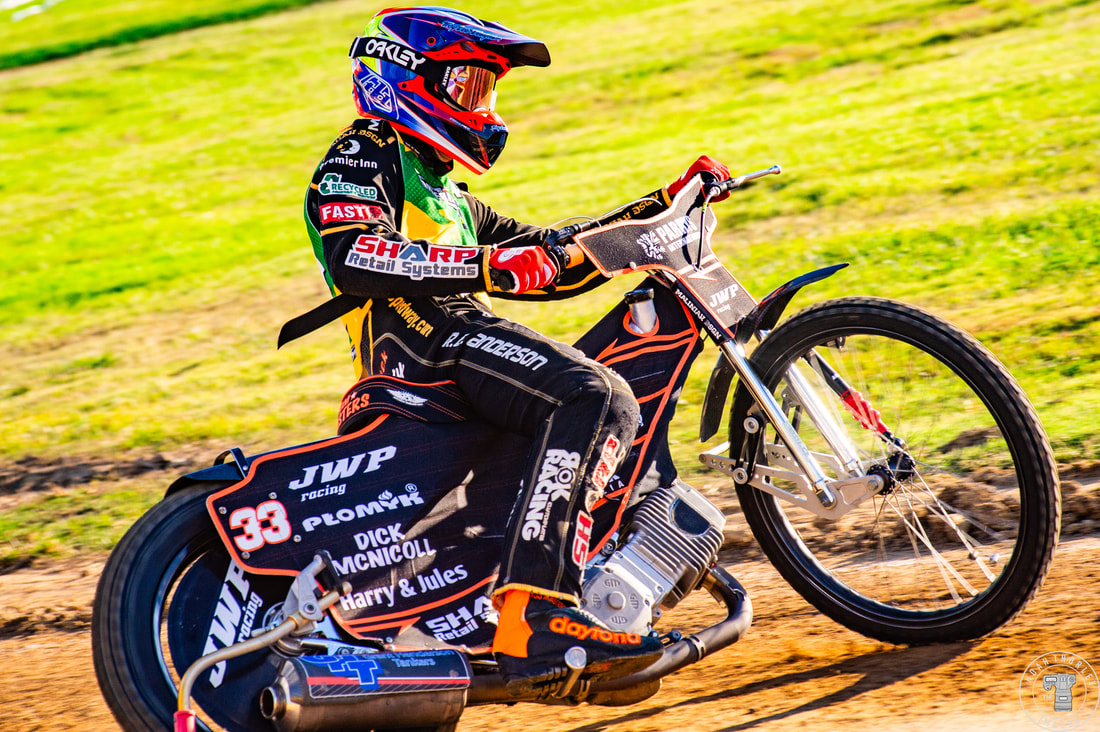 Here's how it would all work. 15 of Australia's best riders would battle it out for the title, with 1 wildcard at each round, plus a couple of reserve riders. Four riders would compete in each heat race, with 3 points awarded to first place, 2 points for second, 1 point for third and none for fourth and there would be enough heat races for everyone to race each other once. 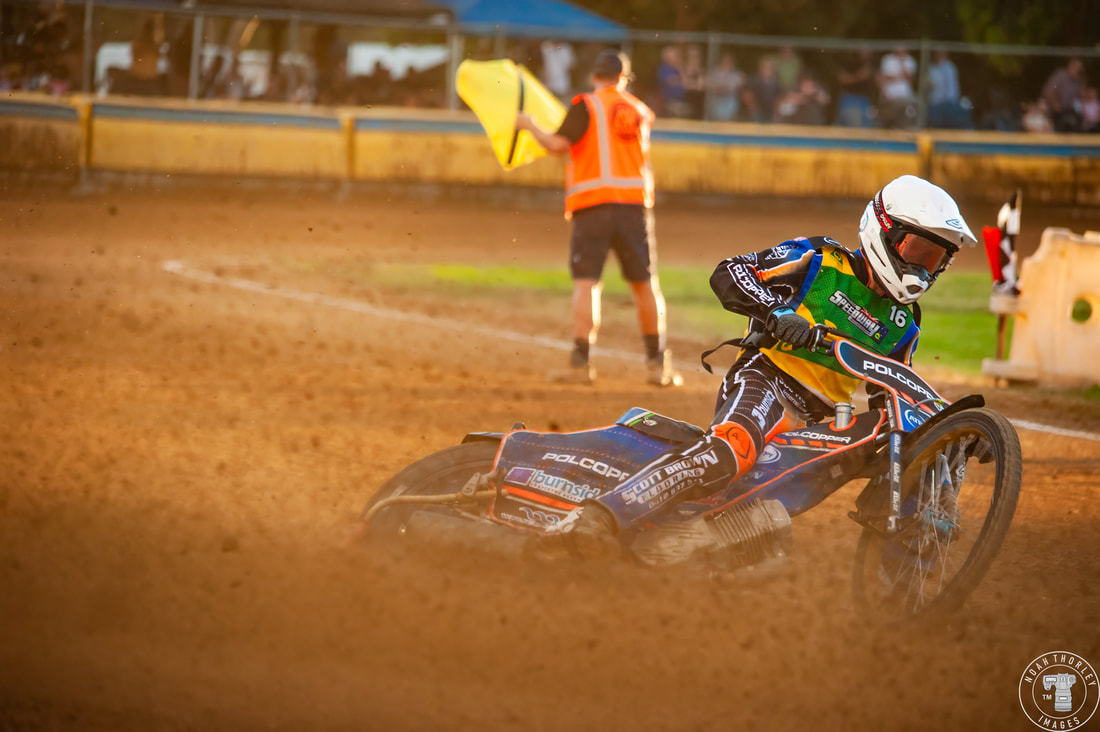 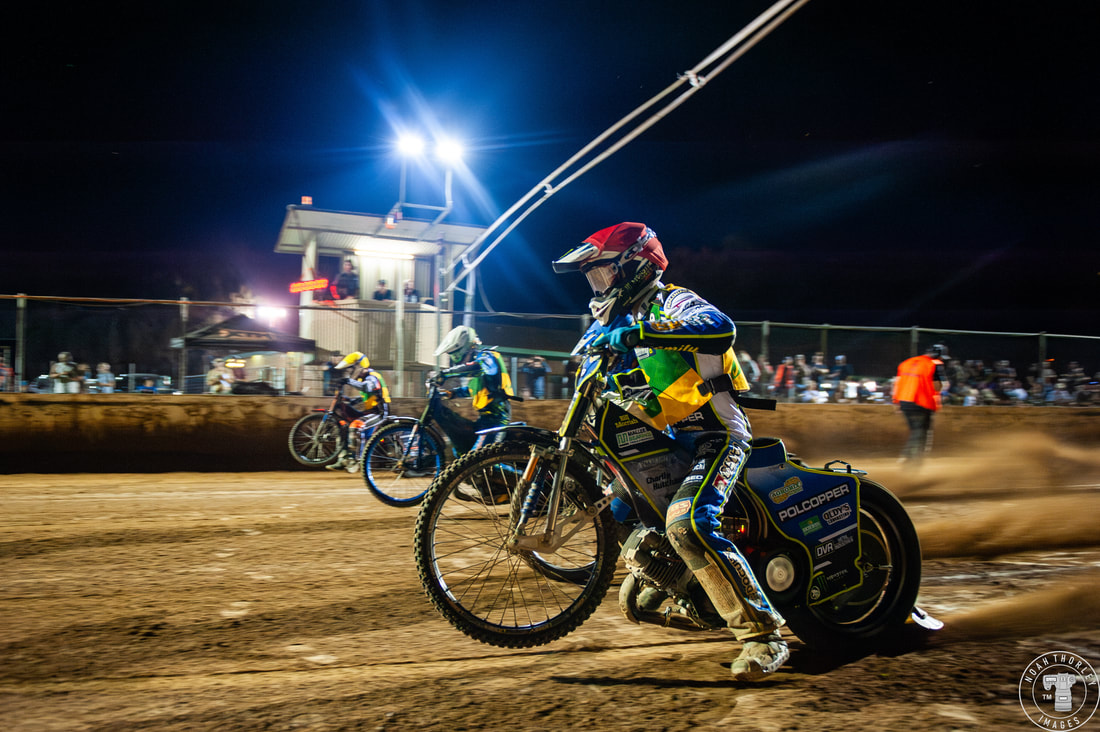 The eight riders who scored the most points would be split into two semi-finals, with the top 2 from each semi advancing to the final. 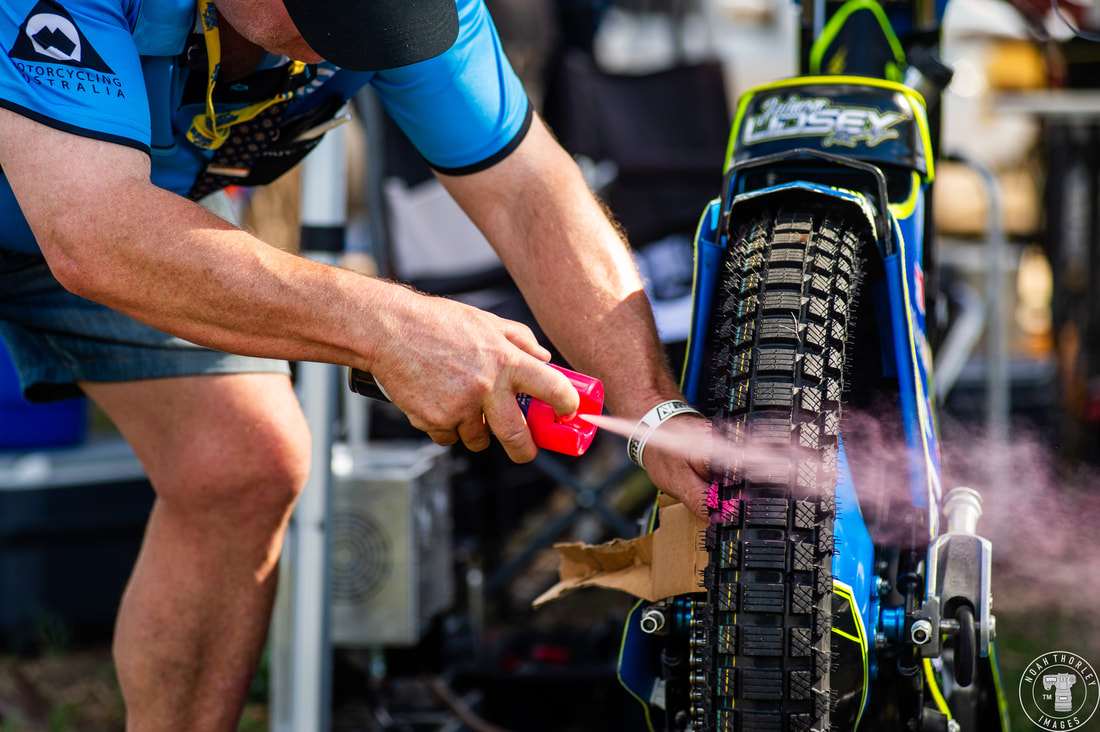 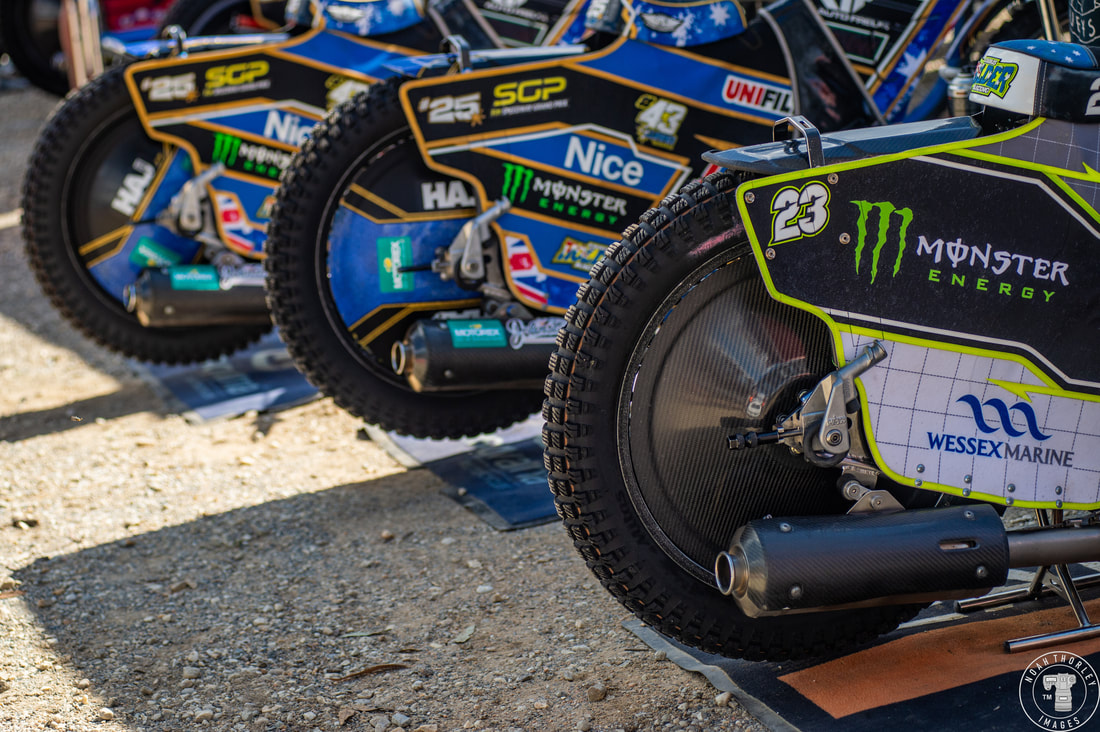 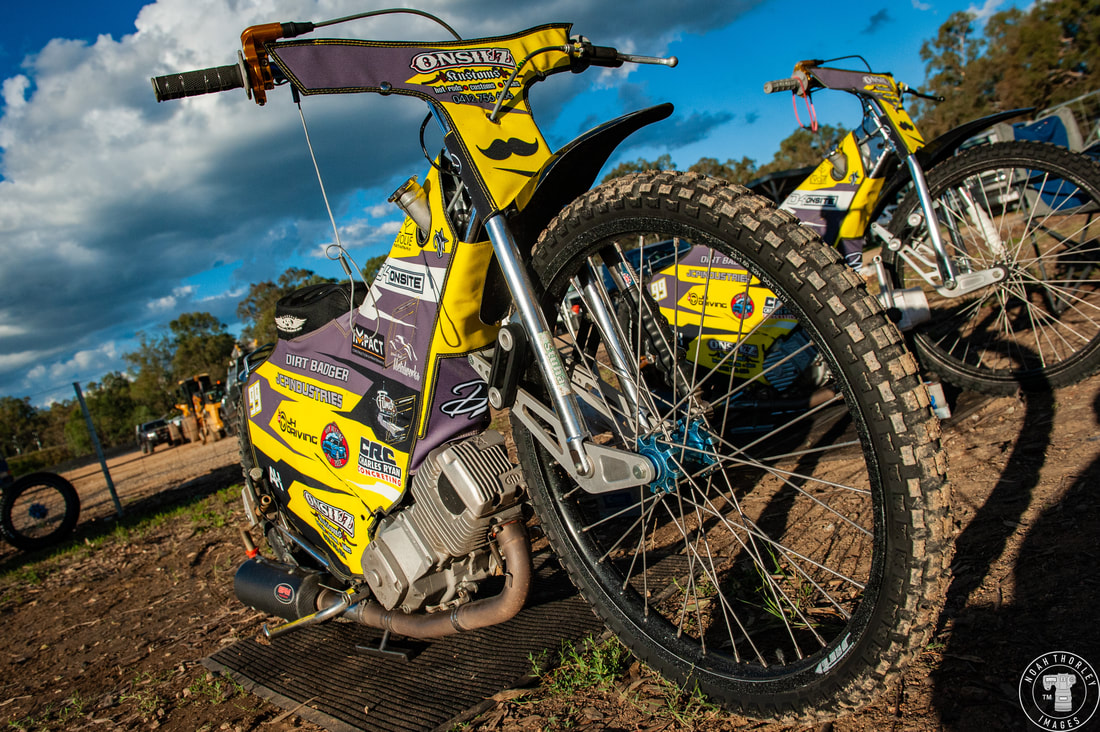 The machines that would need to be tamed would be these four-stroke single-cylinder 500cc speedway motorcycles. 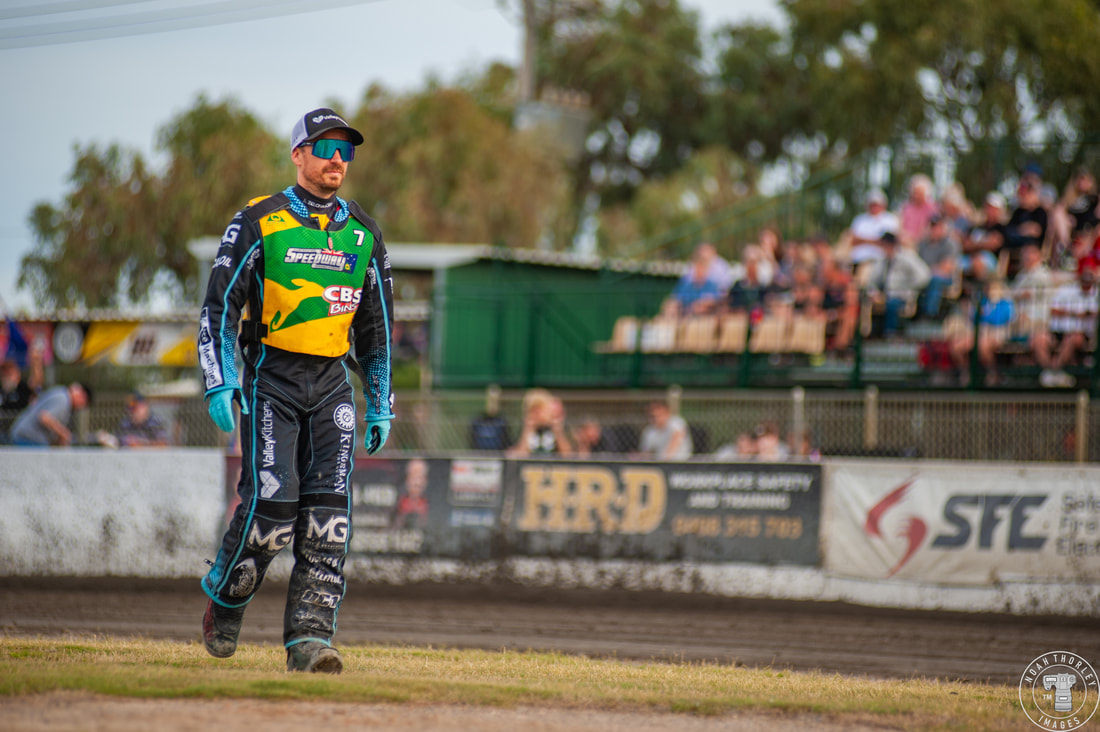 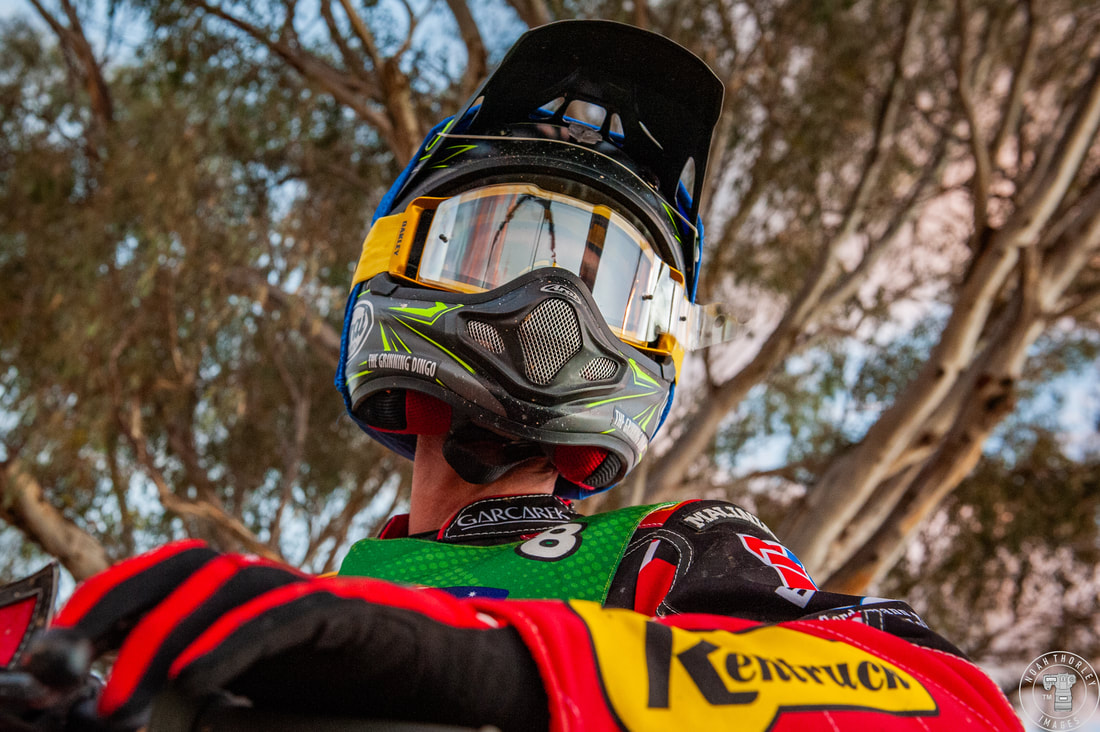 Coming into Round 3, Rohan Tungate was leading the championship after a win at Kurri-Kurri in NSW, and a third-place finish during Round 1 at North Brisbane, with Max Fricke trailing in second after winning the first round. 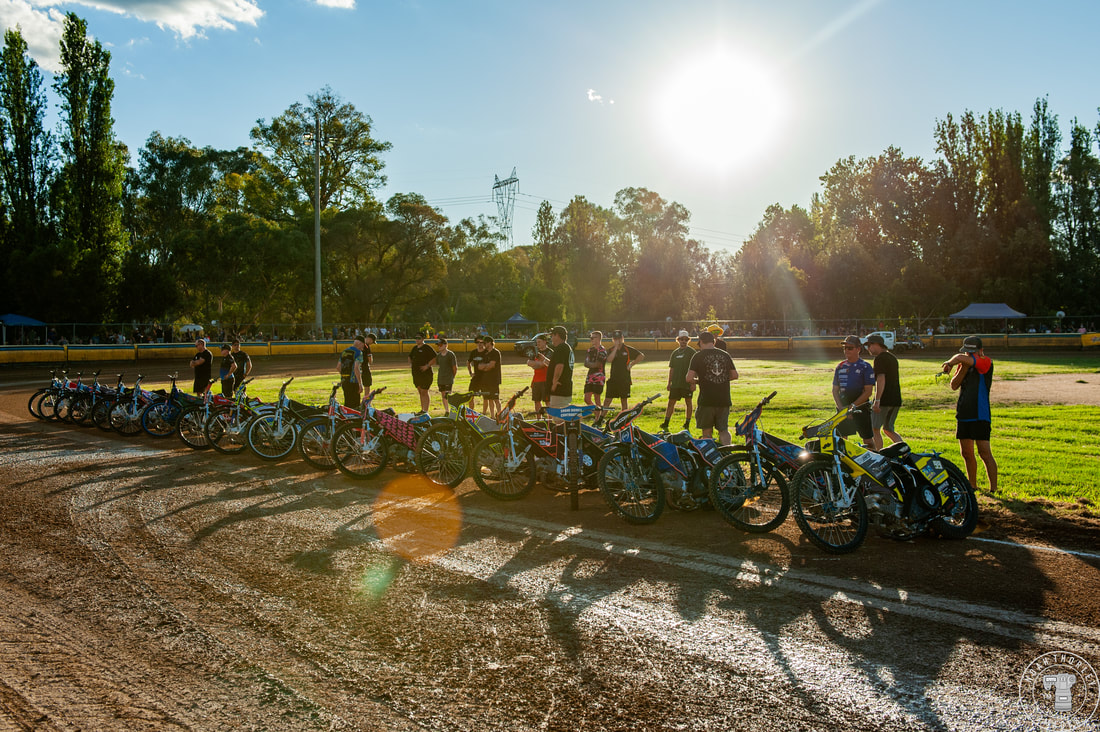 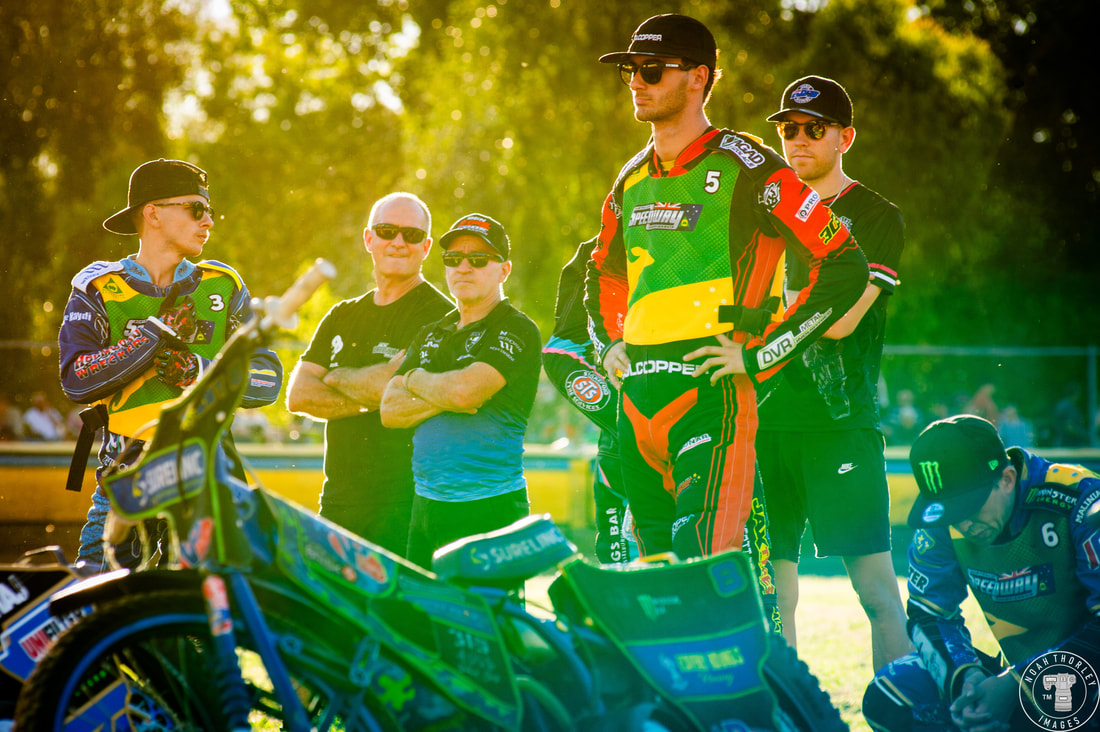 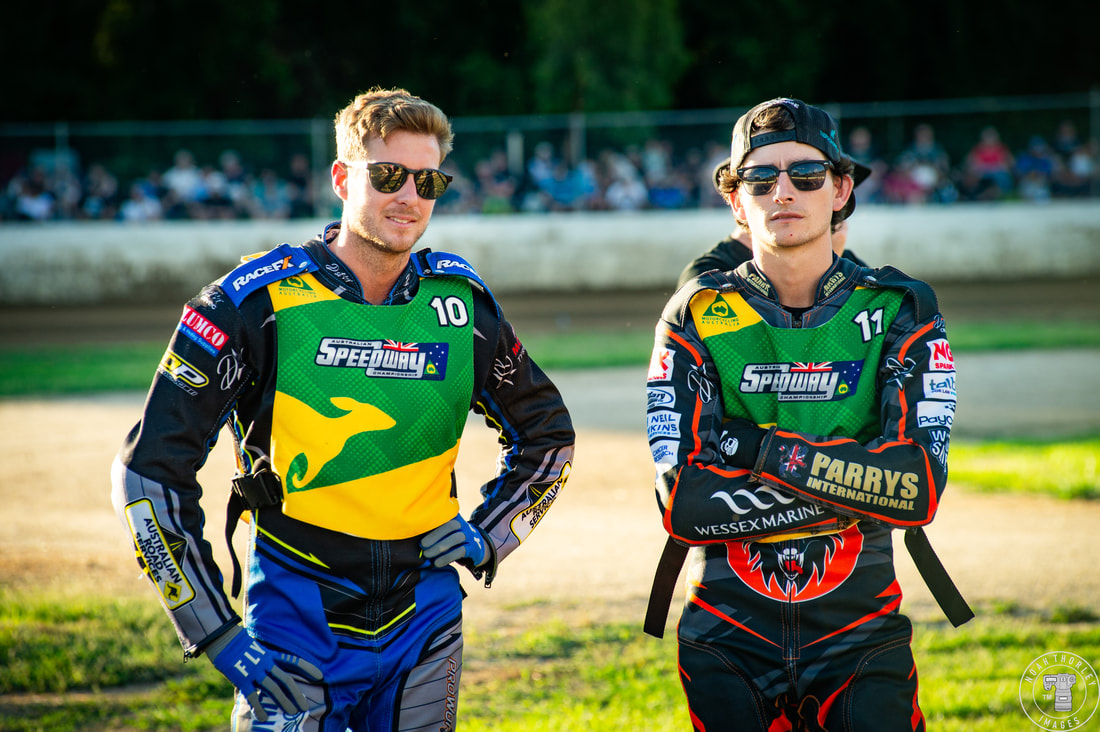 Before the heat races began however, the 16 riders and two reserves would be introduced with the main contenders being interviewed. 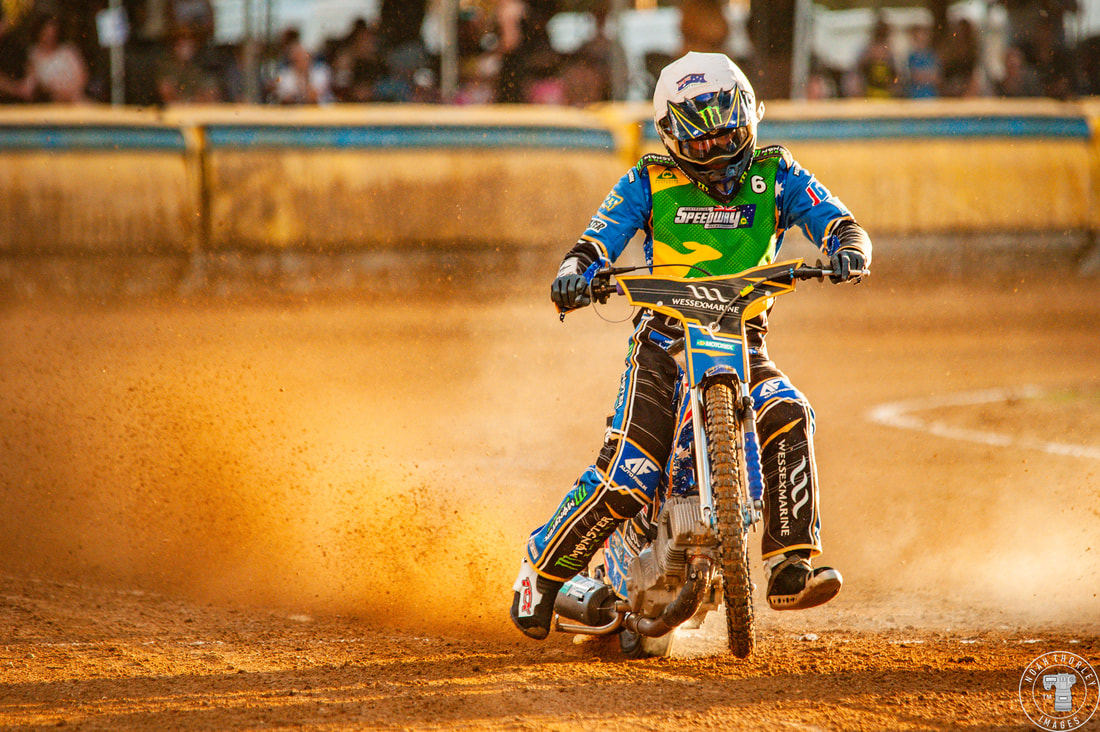 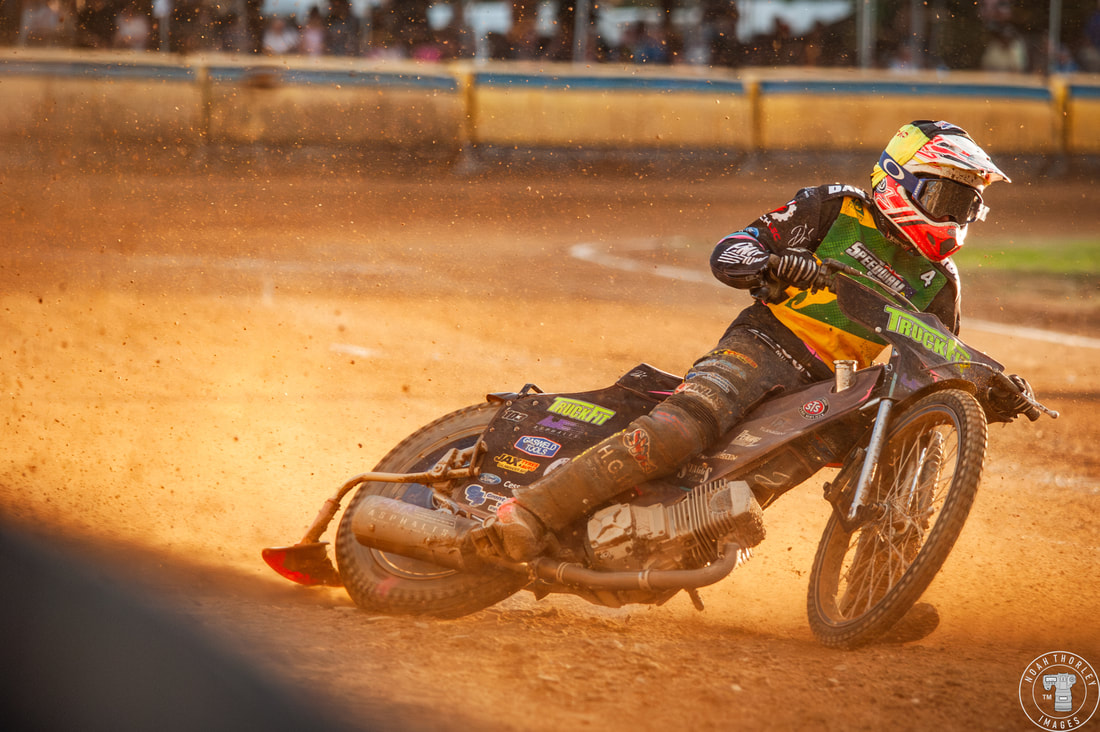 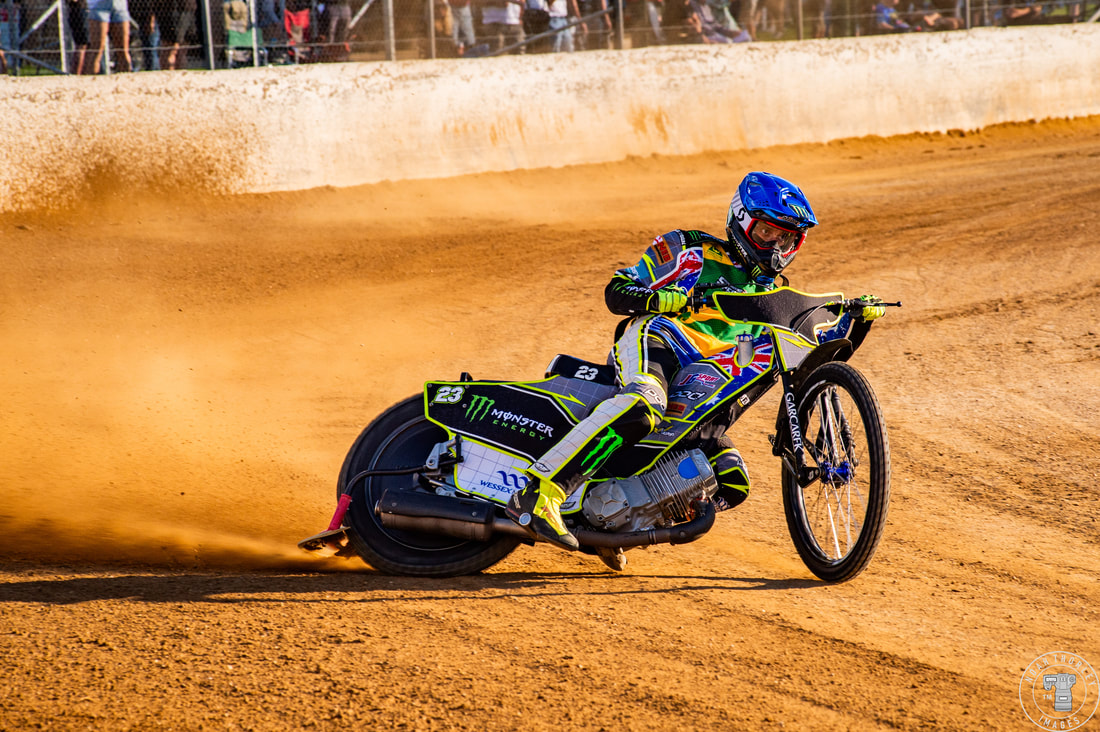 My plan for each round was simple, try and get an action shot of each rider during practice, then shoot Turn 1 during the first few heat races and also grab some backlight photos with some nice light during golden hour. Luckily at Wodonga, the sun would set behind the start line giving me some golden Turn 1 photos. I just had to make sure to duck as the bikes passed by me, so I didn't get pelted with dirt (it hurts). 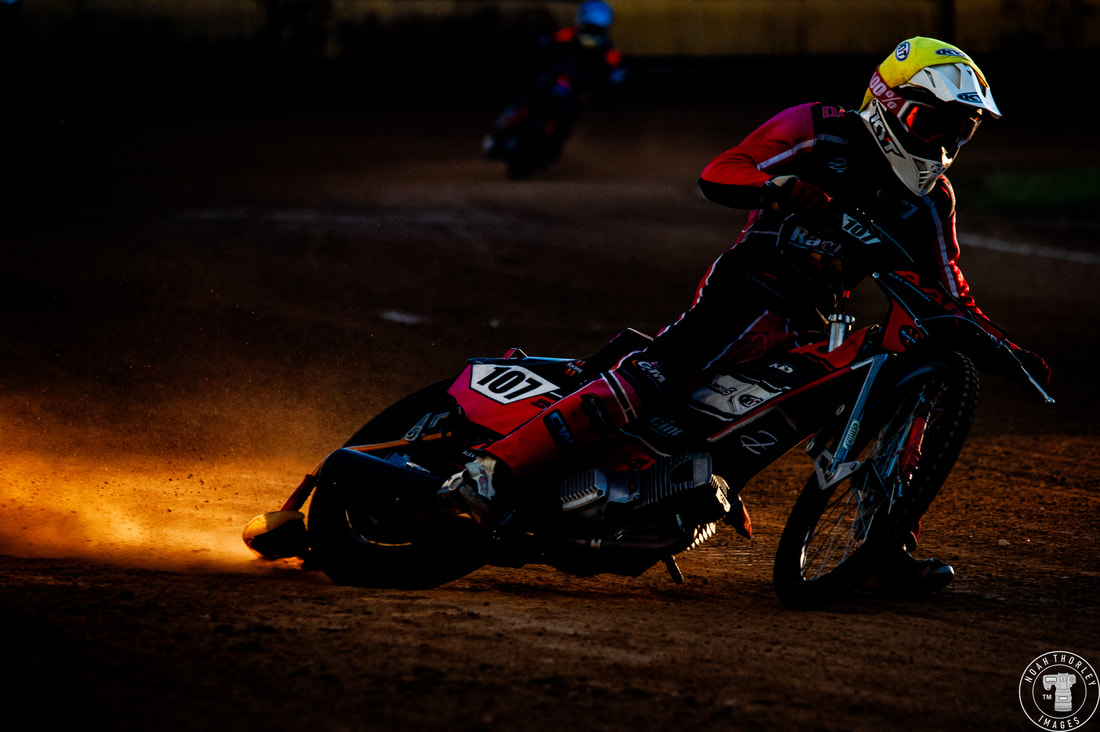 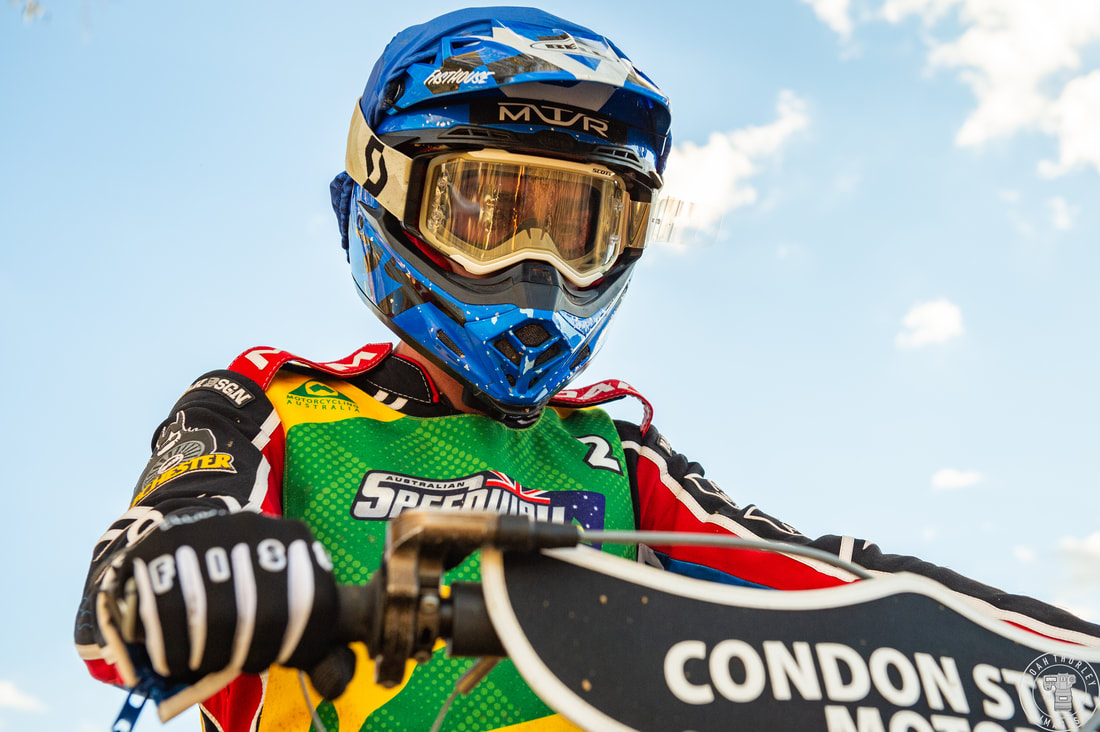 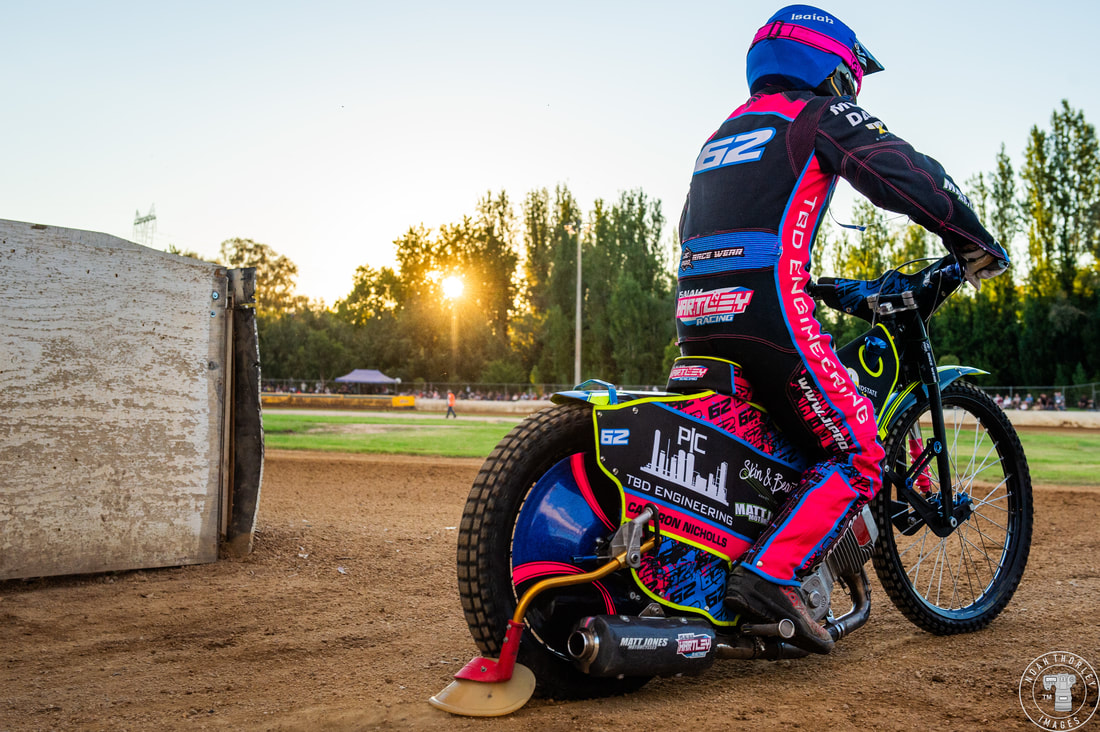 Turn 1 would also be the pit exit which isn't always the case at speedways, meaning I could photograph the riders up close, and the race start in the matter of moments. Albury/Wodonga's Diamond Park was definitely my favourite track to photograph during the final three rounds of the championship. 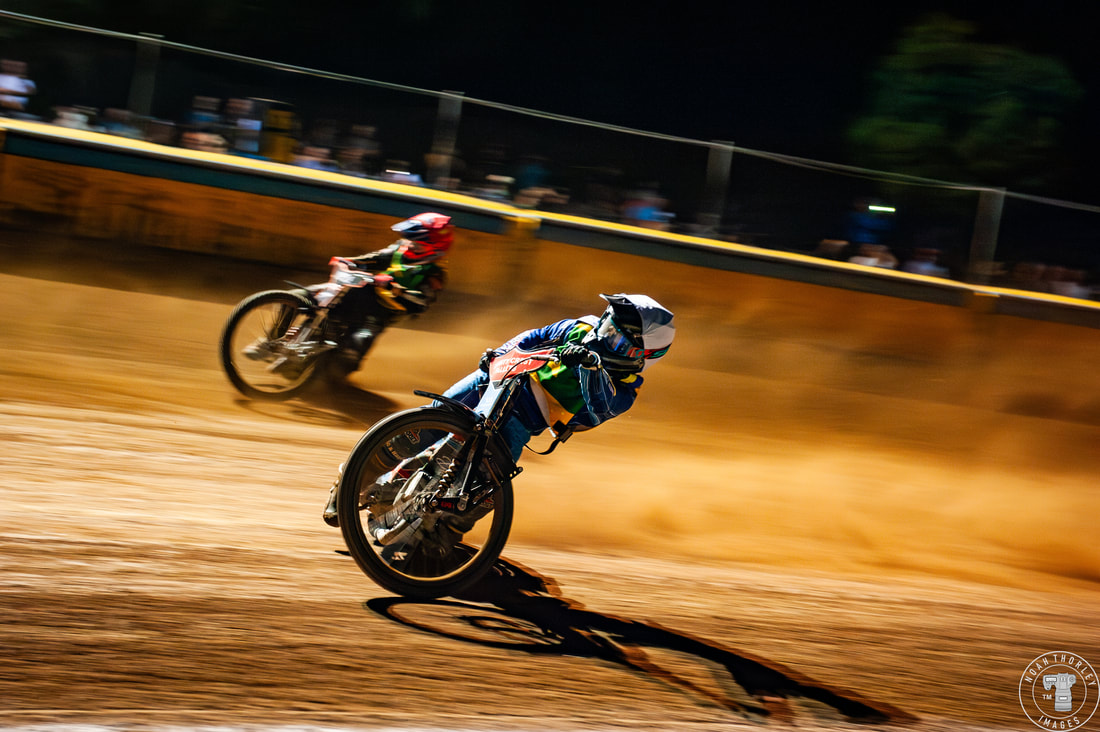 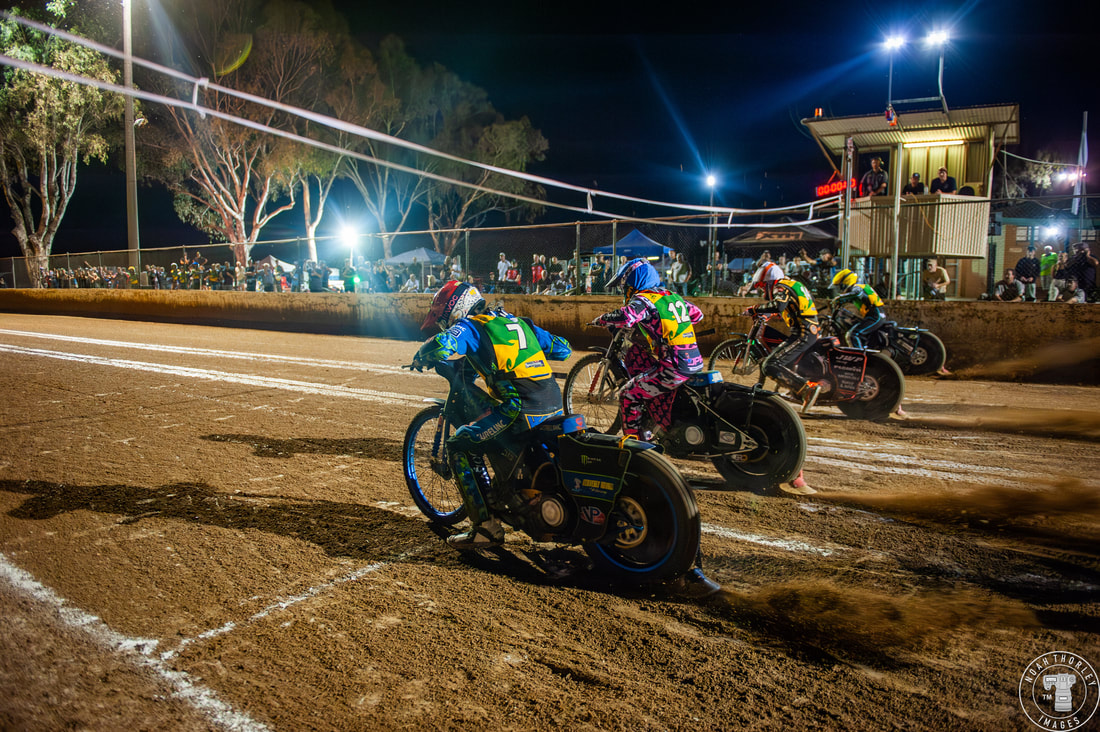 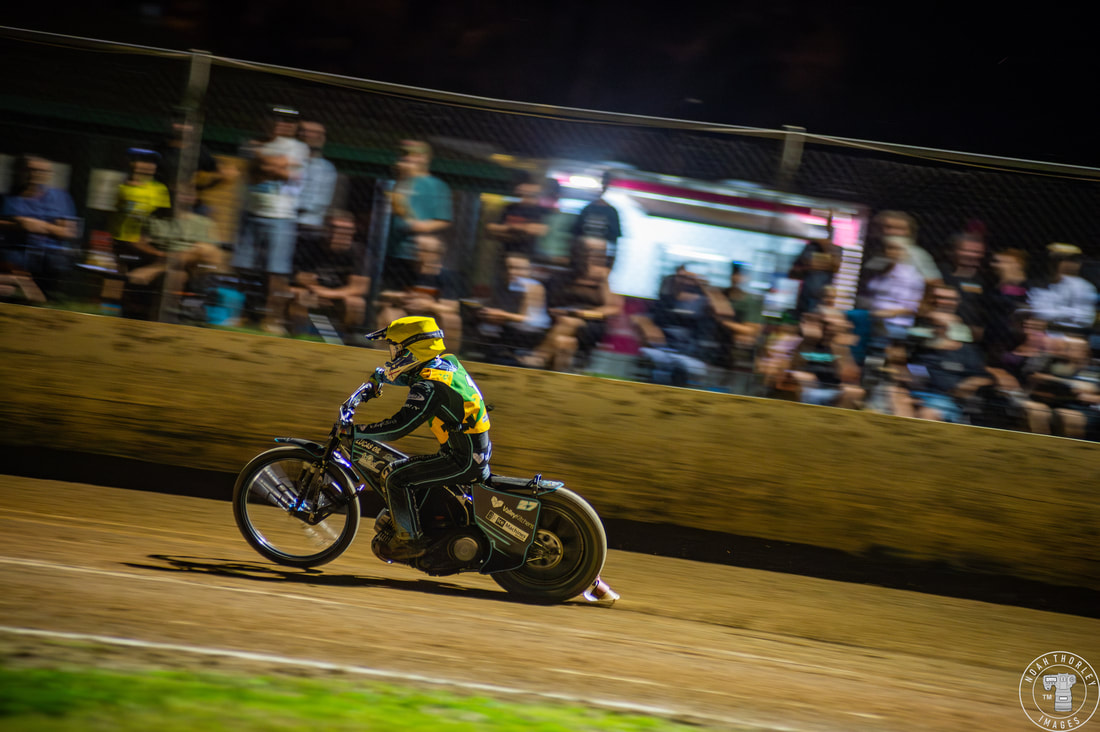 When the sun set, I would head inside the track to pan in the low light. 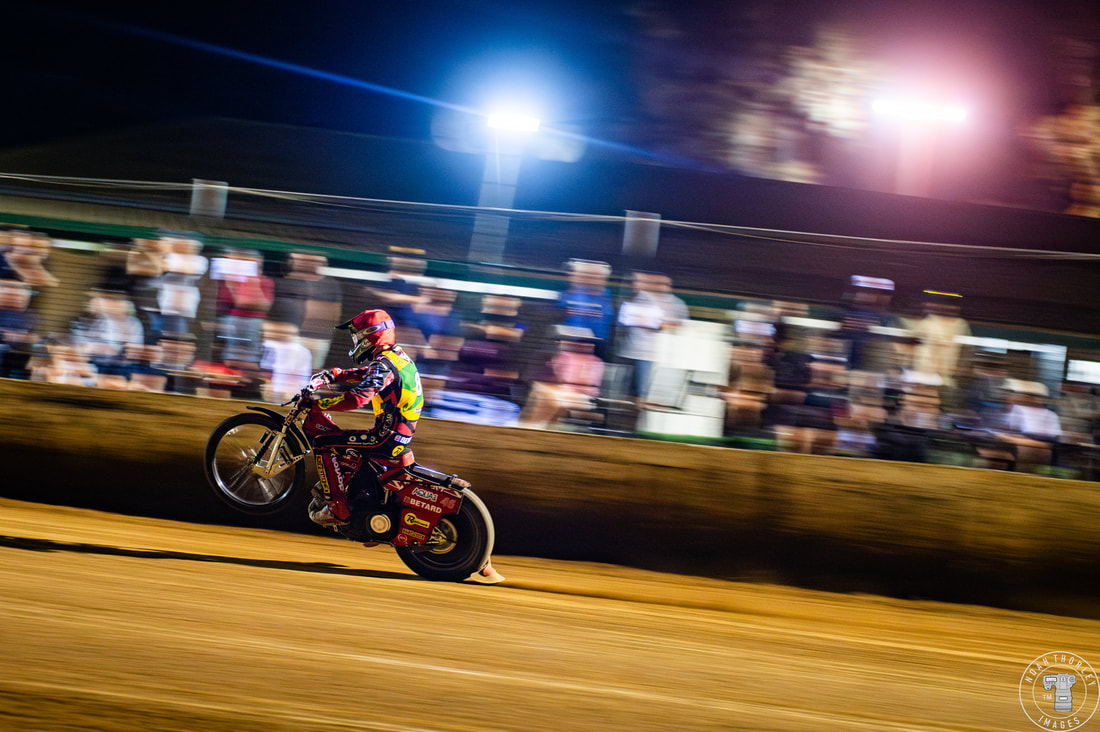 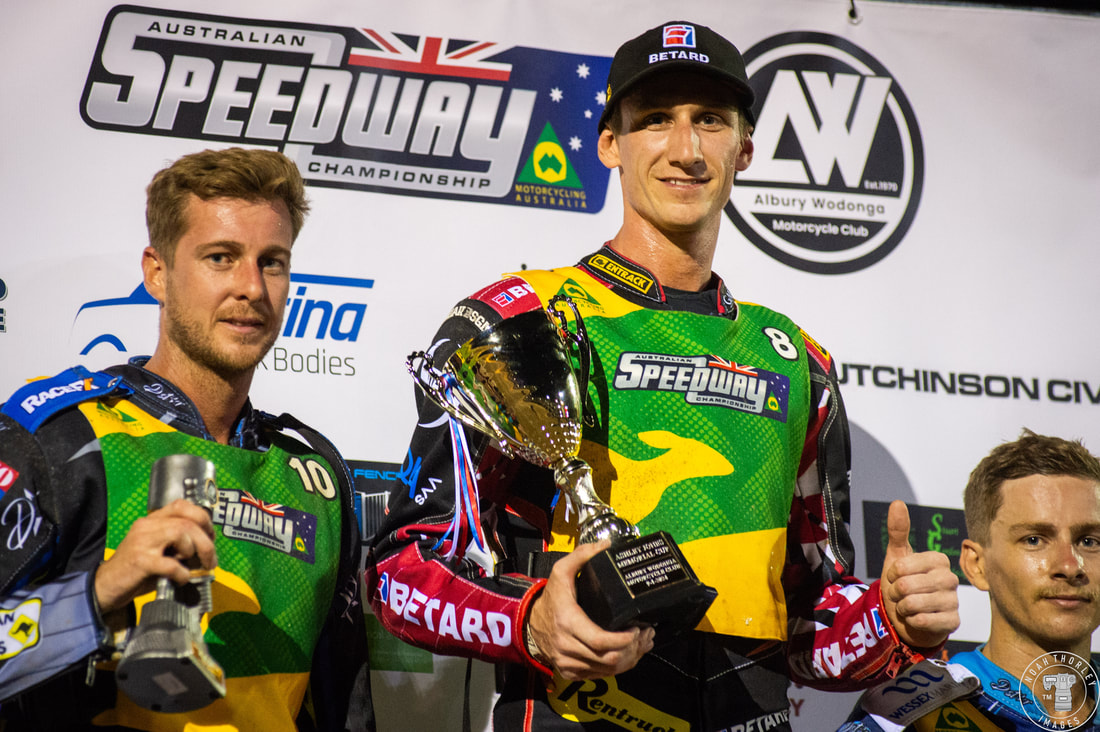 At the end of the night, Max Fricke would take his second win of the championship, followed by Ryan Douglas in second and Ben Cook in third 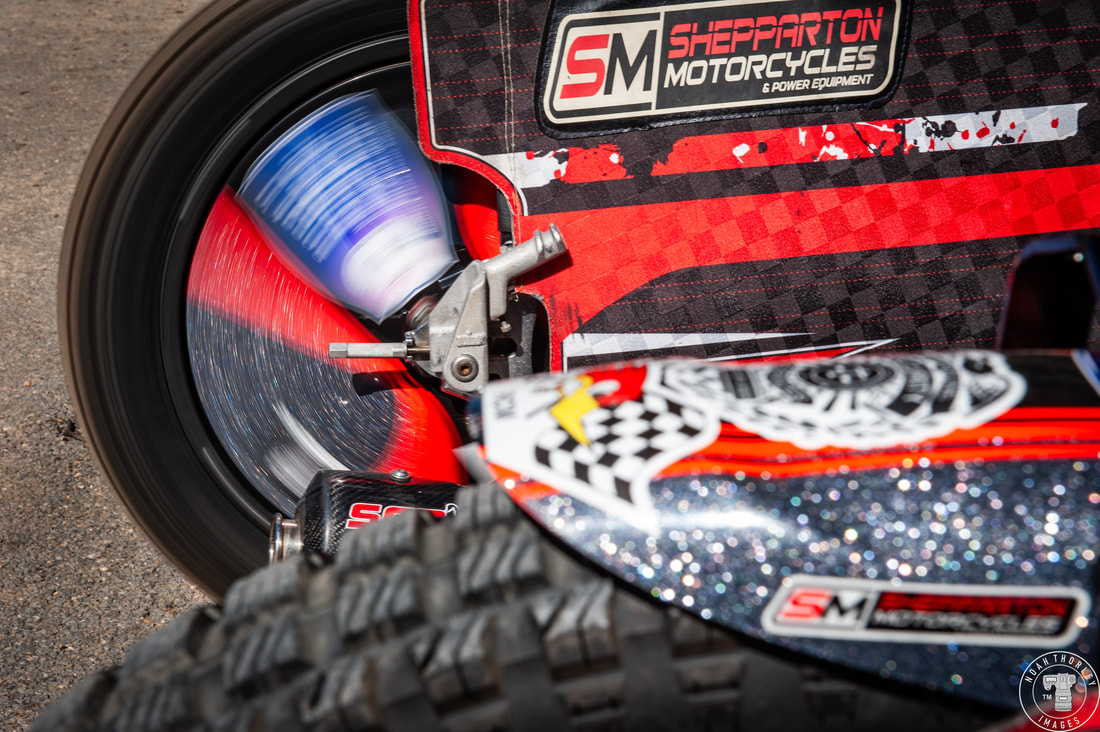 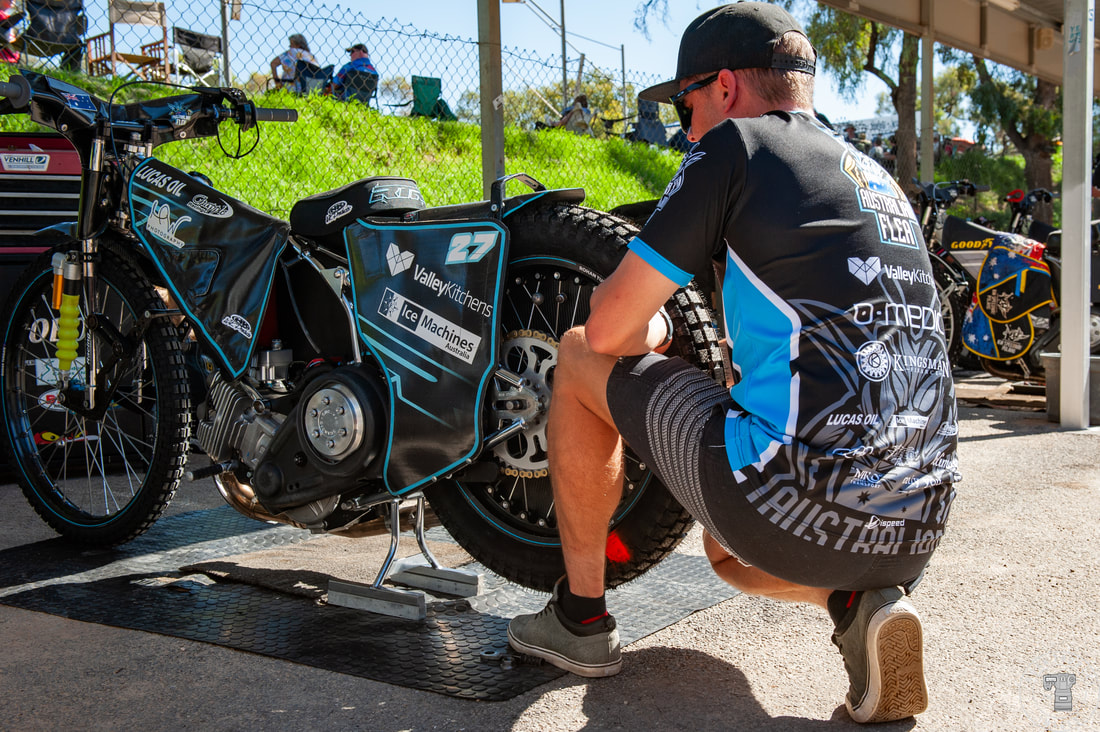 The speedway circus would pack up once again and head six hours west to compete at Mildura Motorycle Club’s Olympic Park Speedway just two days later. 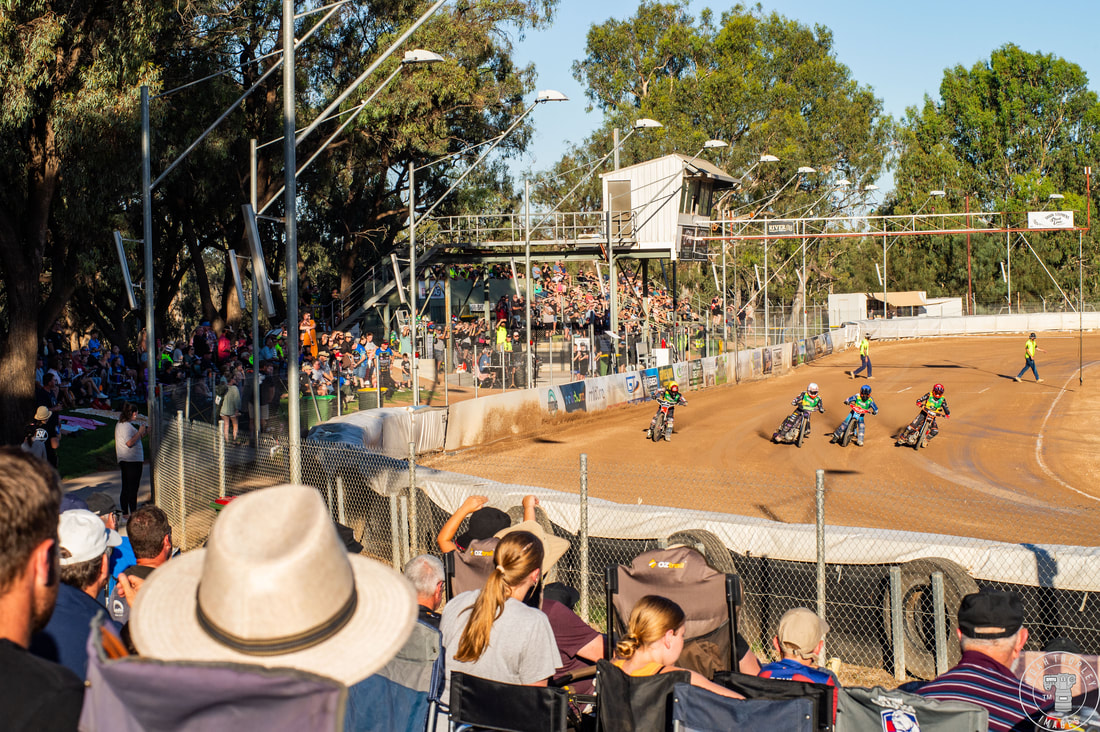 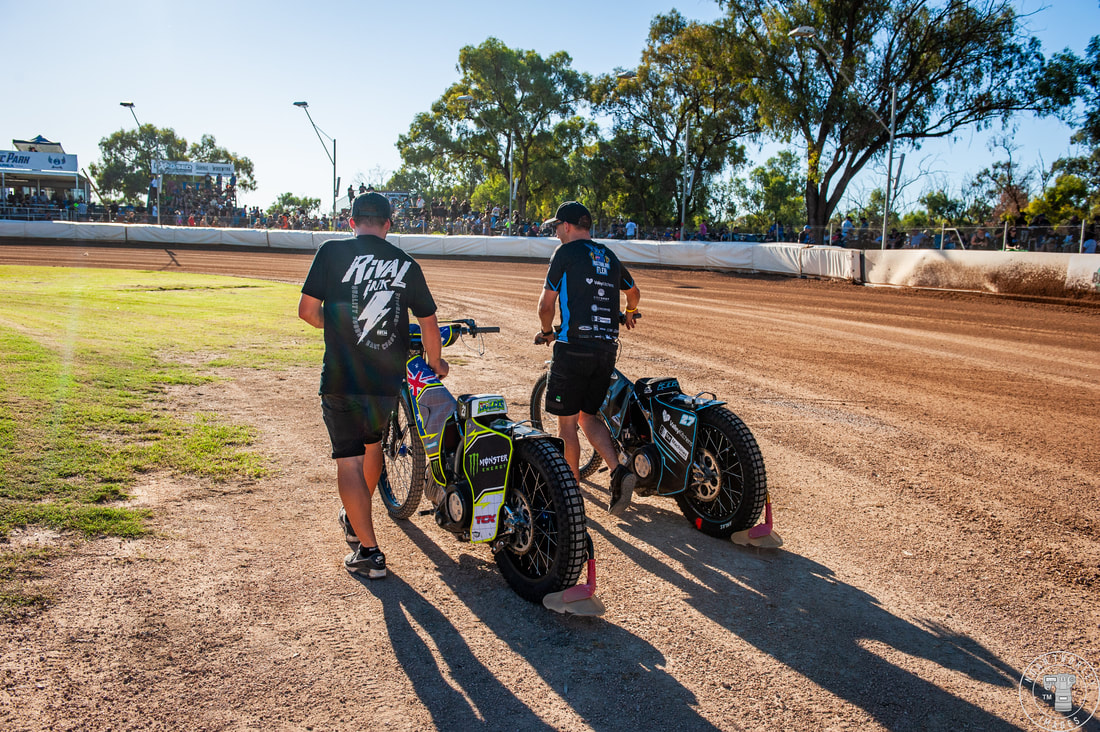 Right along the Murray River, Mildura’s Motorcycle Club is secluded by many trees and a single dirt road in and out of the complex. 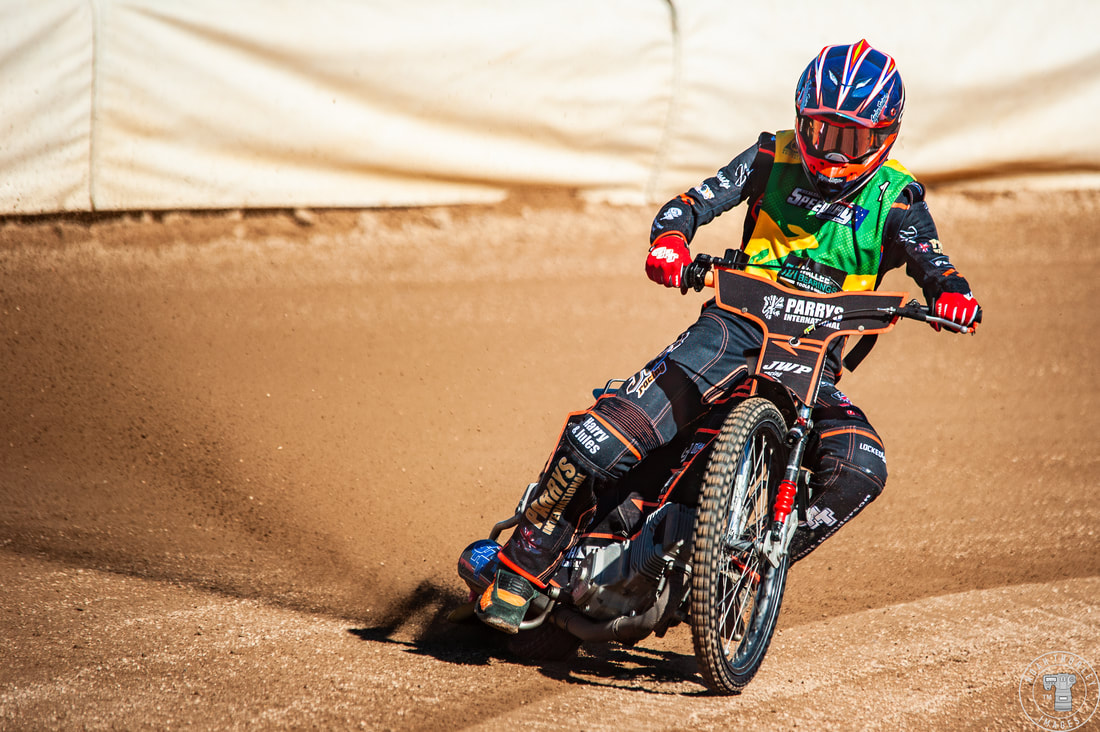 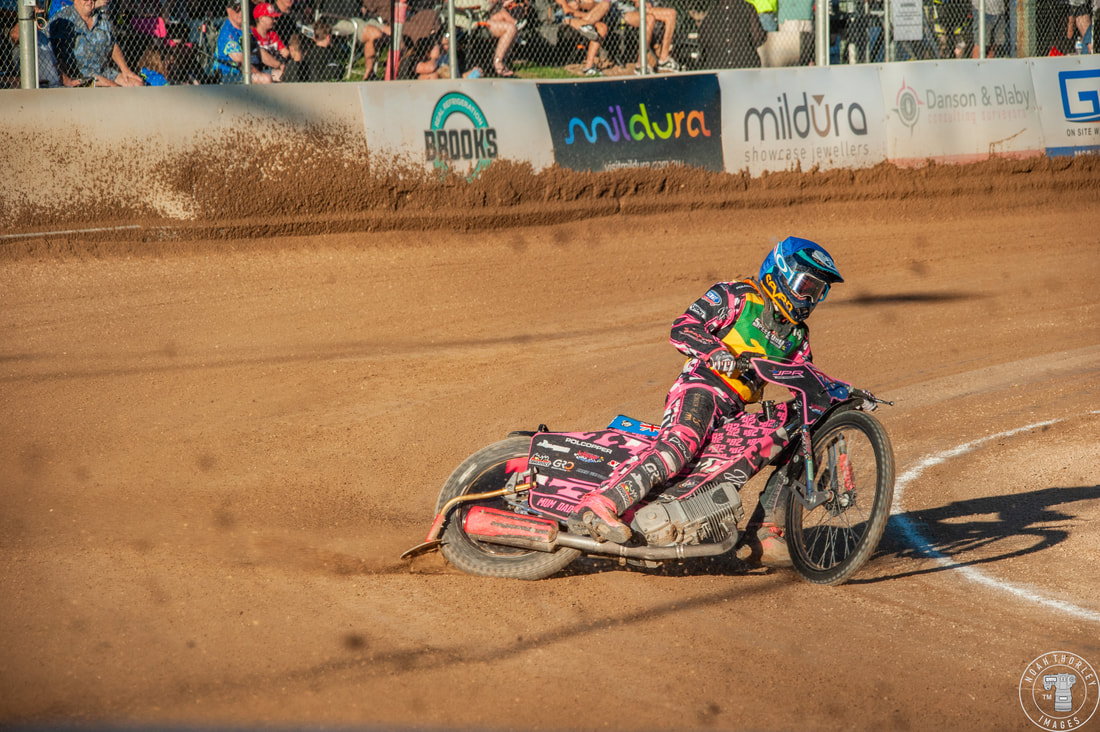 On track, the speedway’s corners are tighter, which would prove to be a bit tricky as for the first time, I would see riders falling off their bikes, and slide into the air fence designed to catch the riders softly. 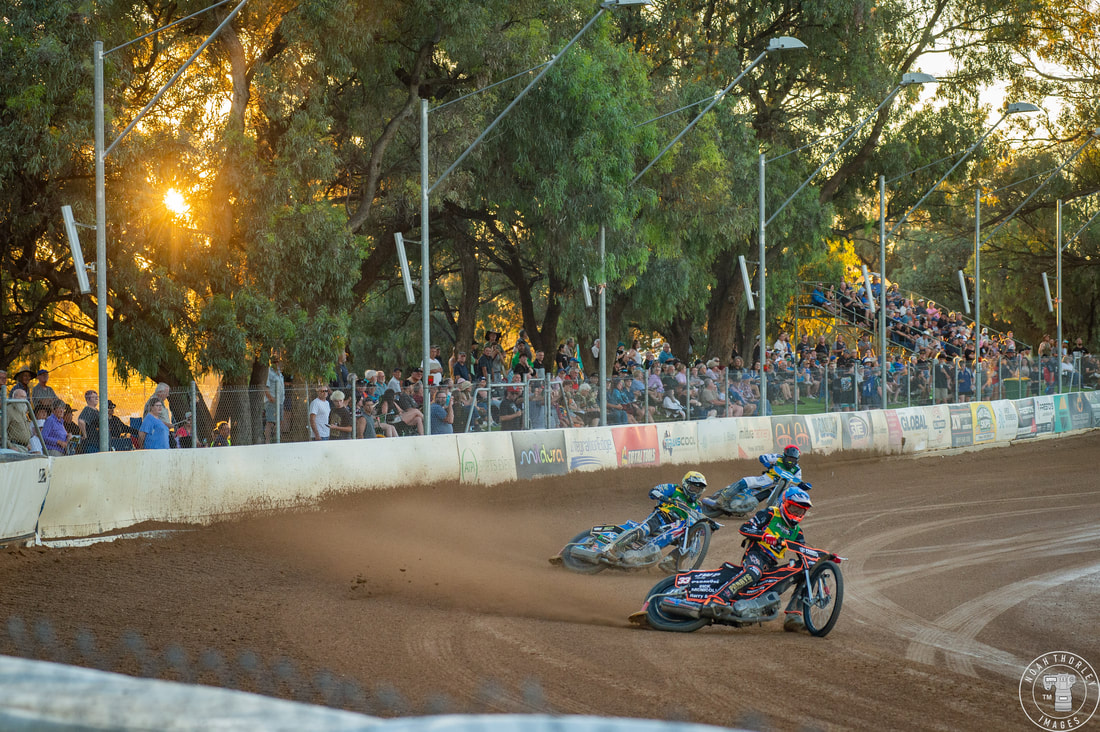
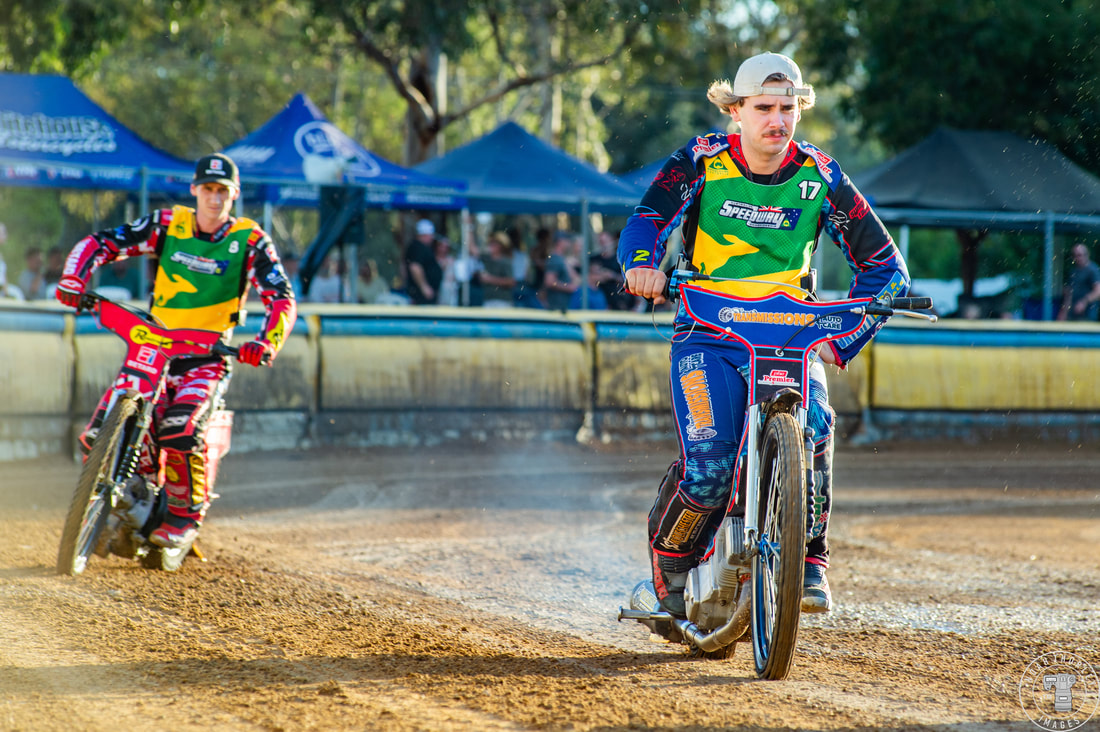
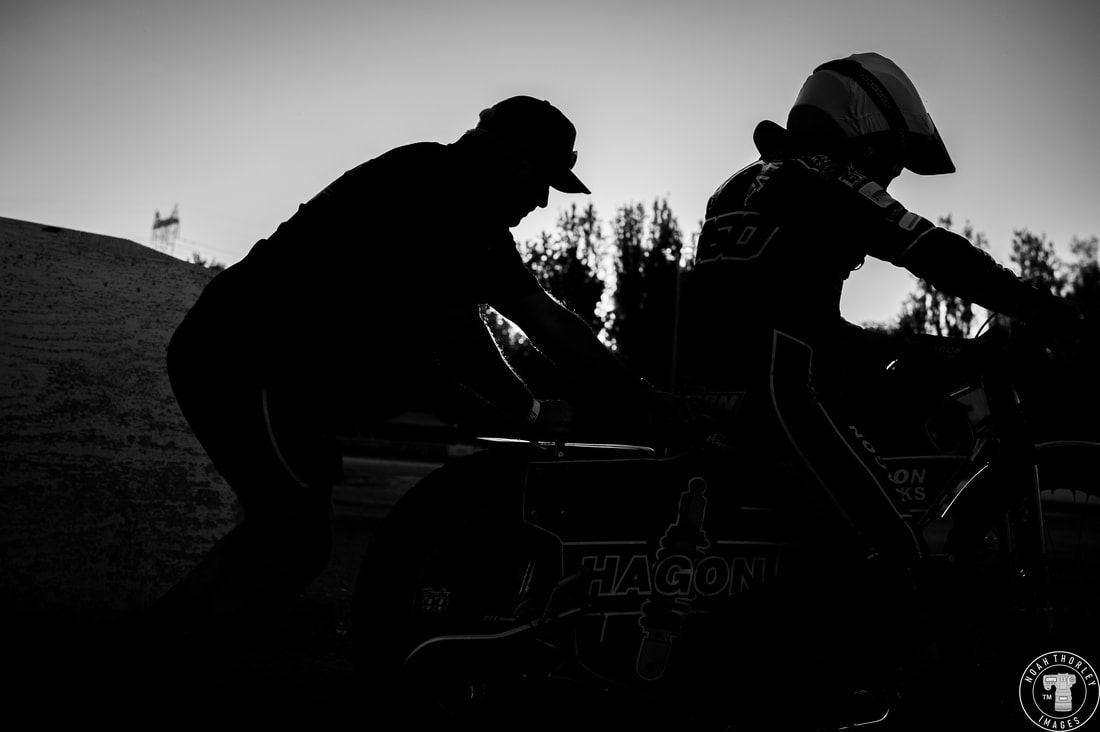
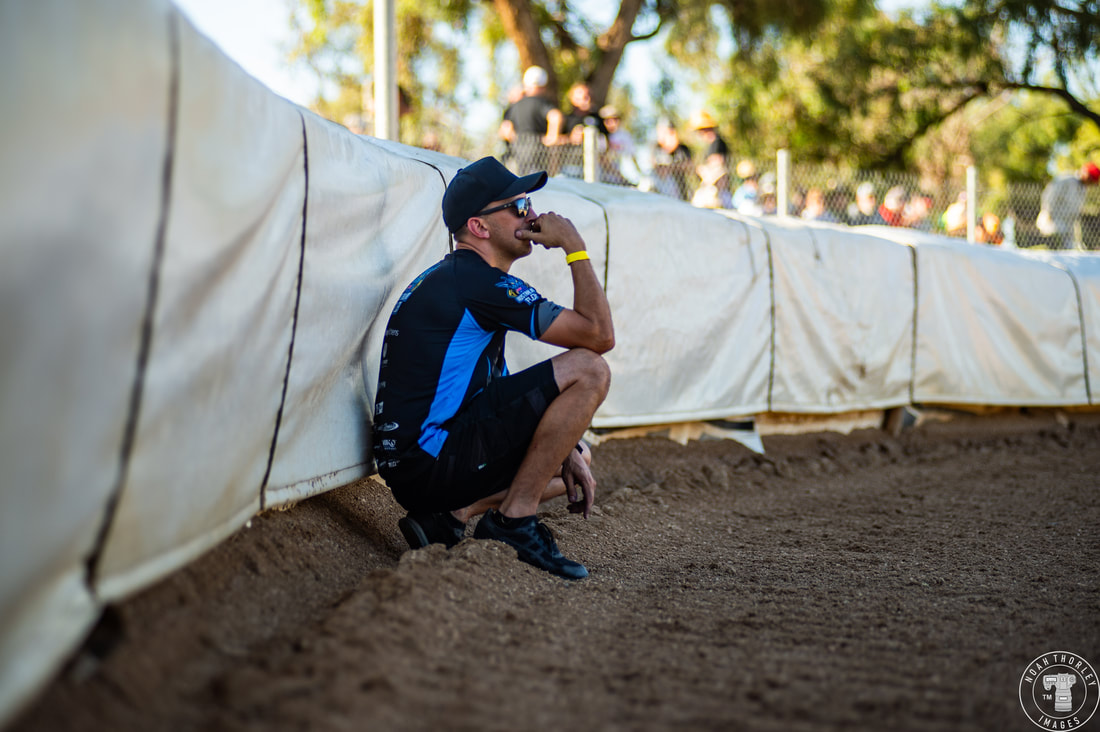
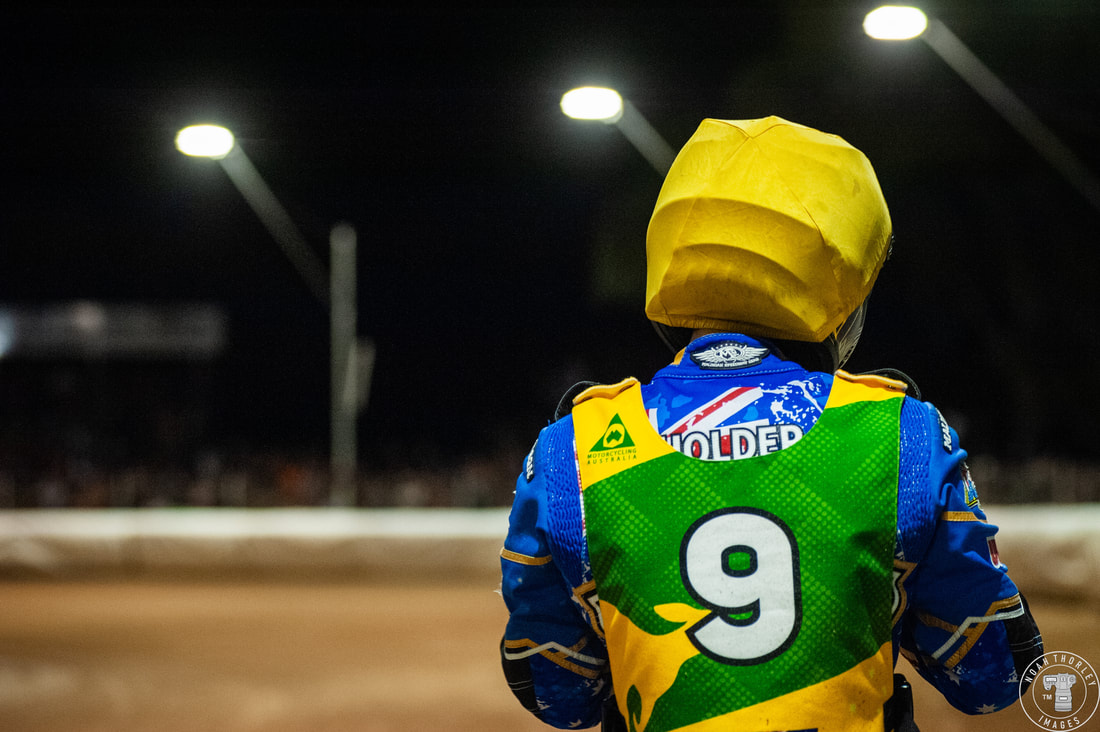
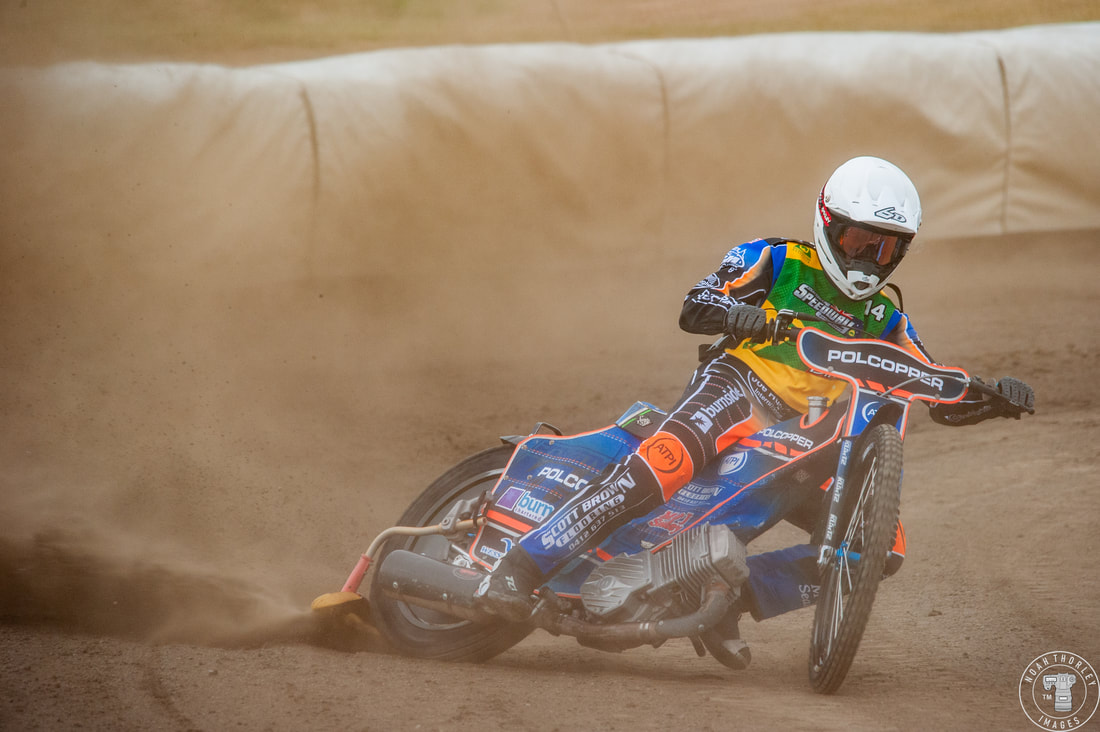
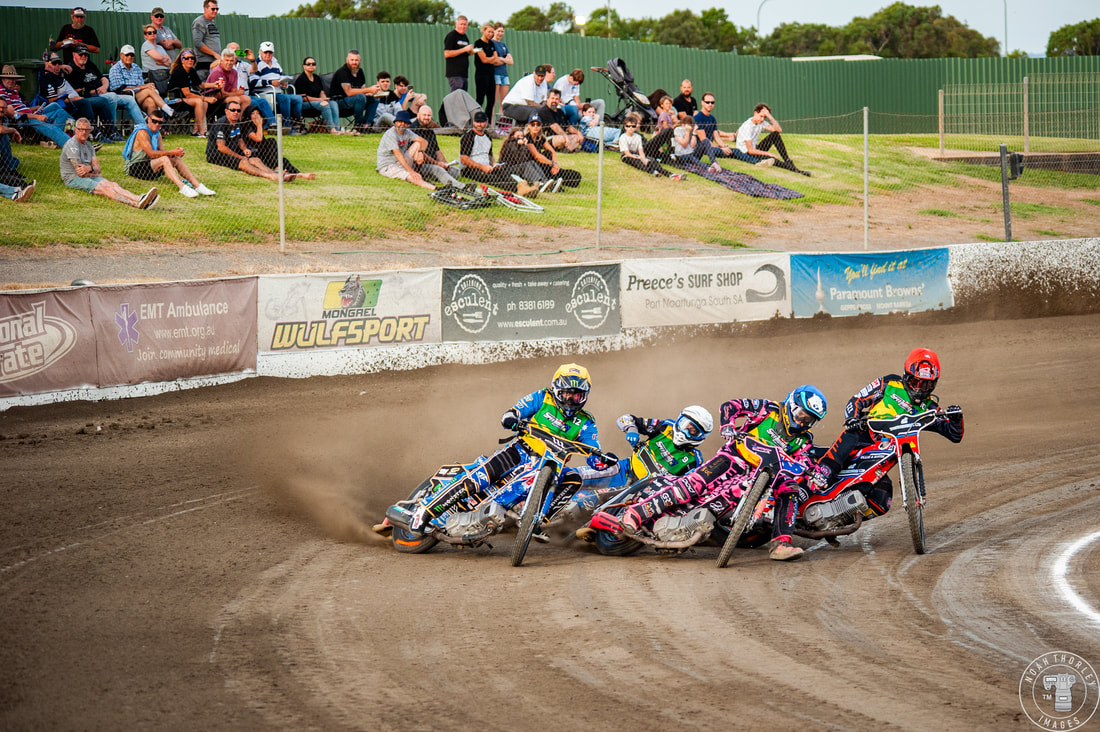
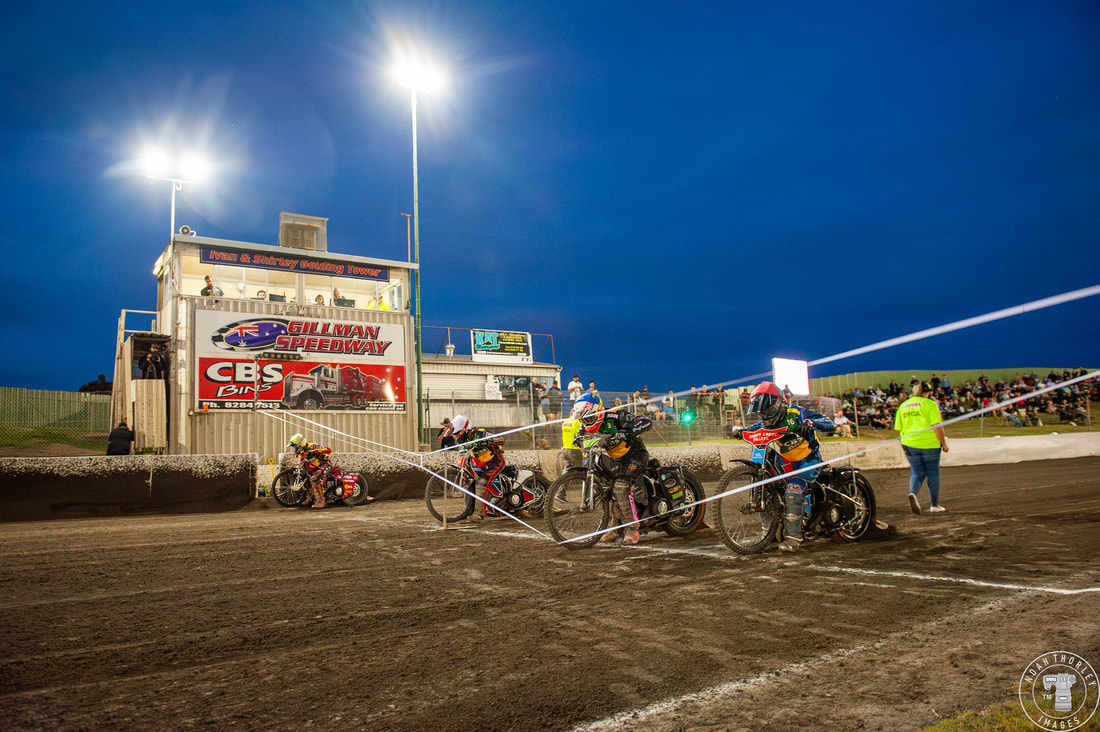
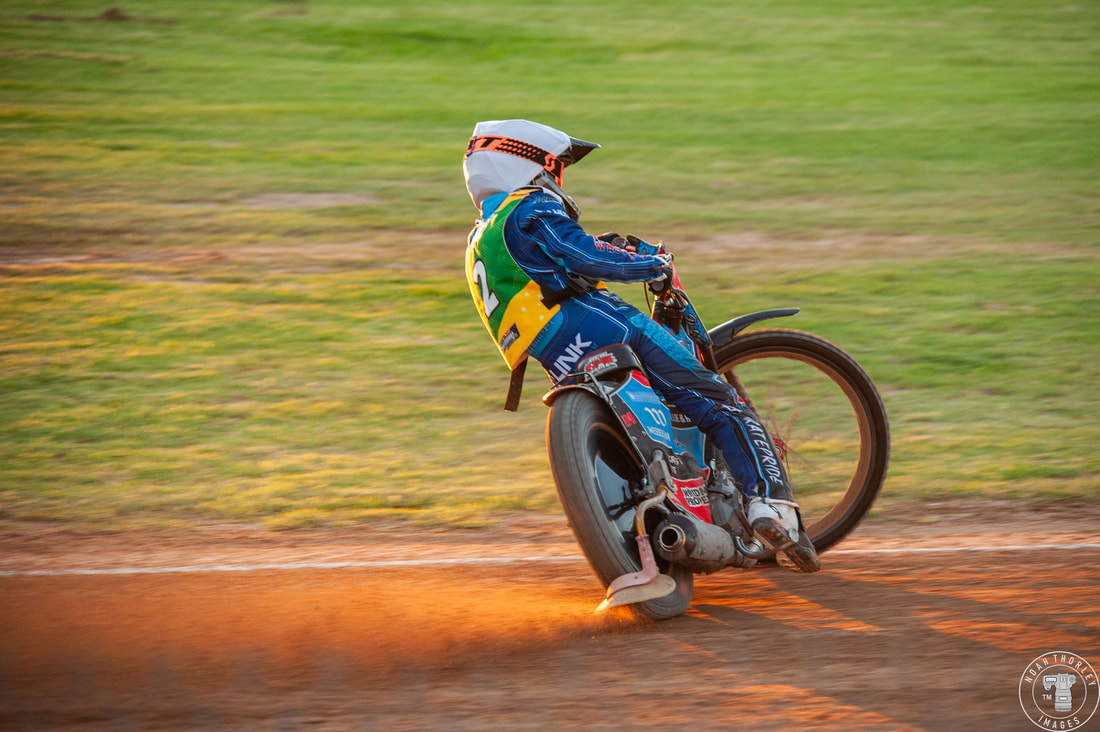 Annoyingly (for me) after the first 4 heats, the racing would be stopped to wait for the sun to drop behind the trees and shadows to cover the track, which threw my plan of getting some crispy backlight shots out the window, so I had to improvise a little when racing began again. 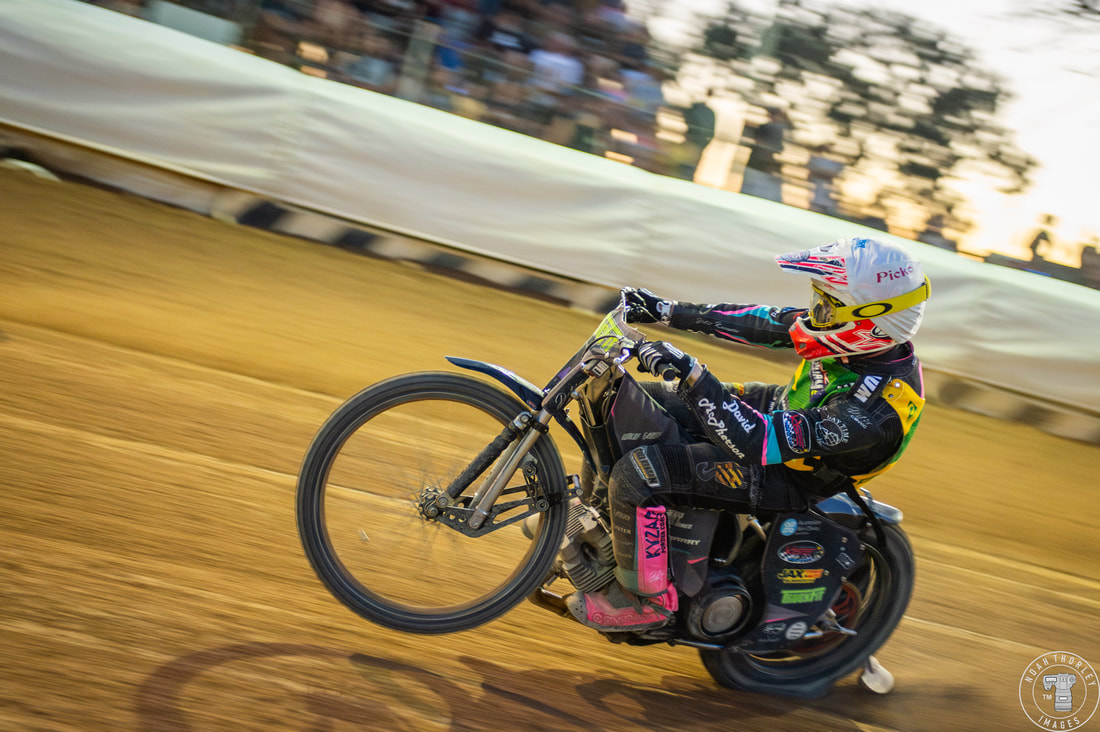 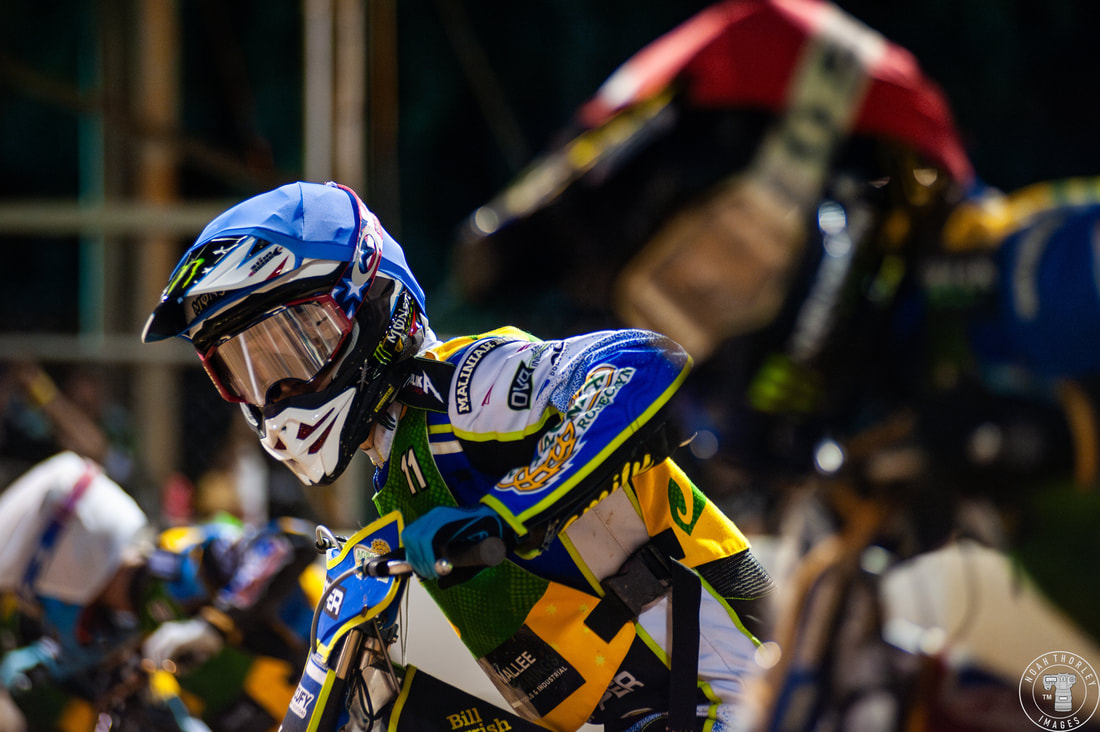 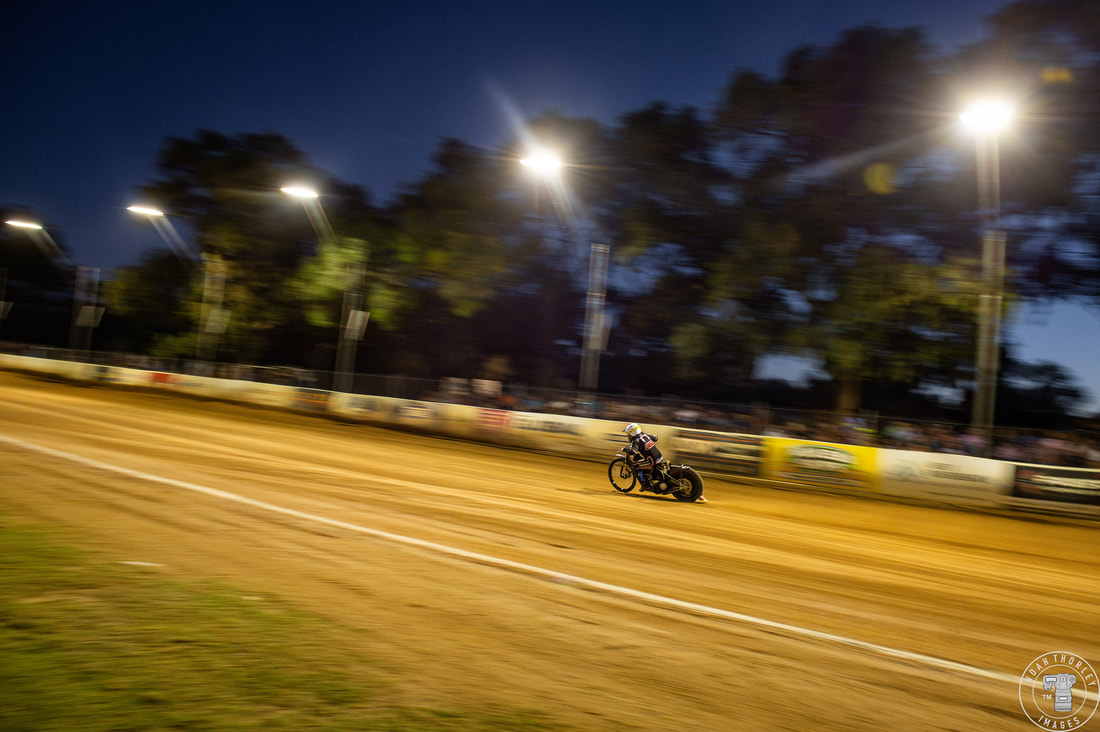 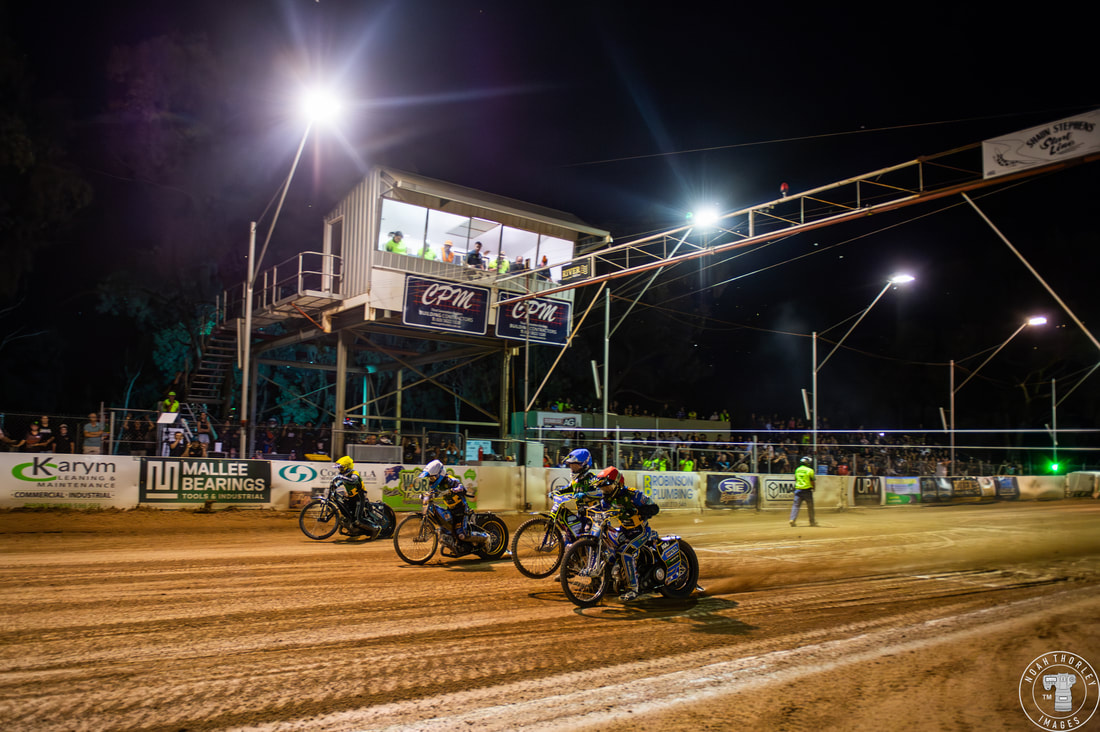 Additionally, I went into the middle a little earlier than I'd hoped. Luckily Midura's Olympic Park is extremely well lit once it gets dark, with pretty much no dark spots. 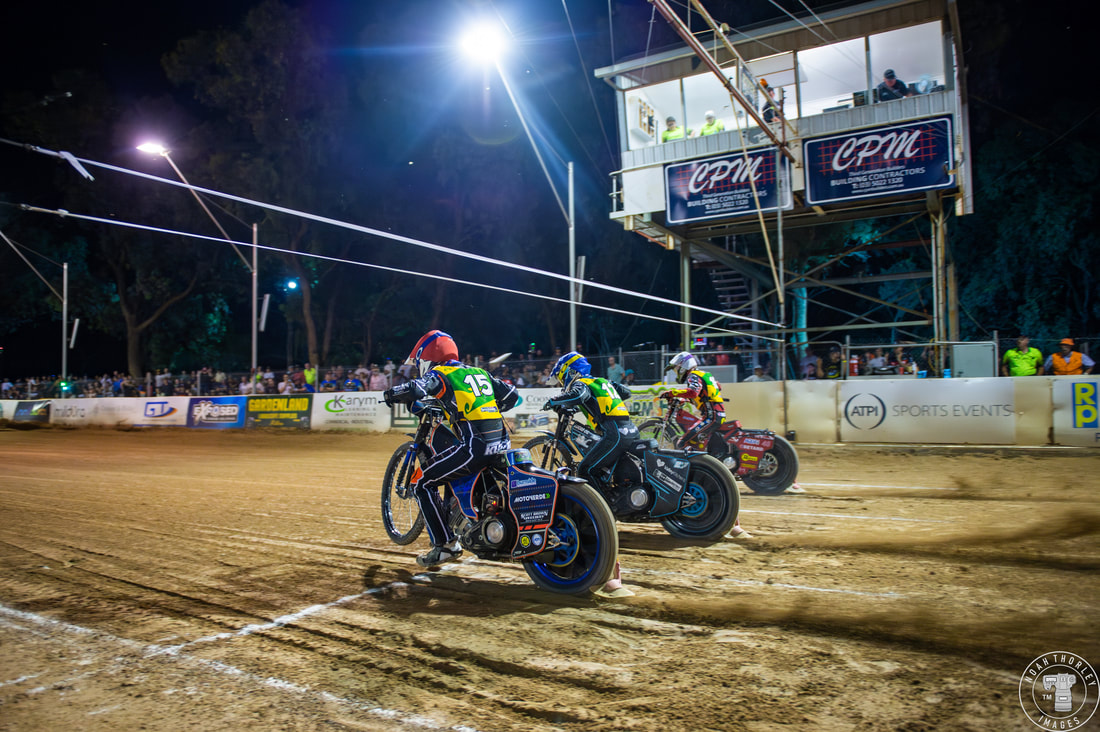 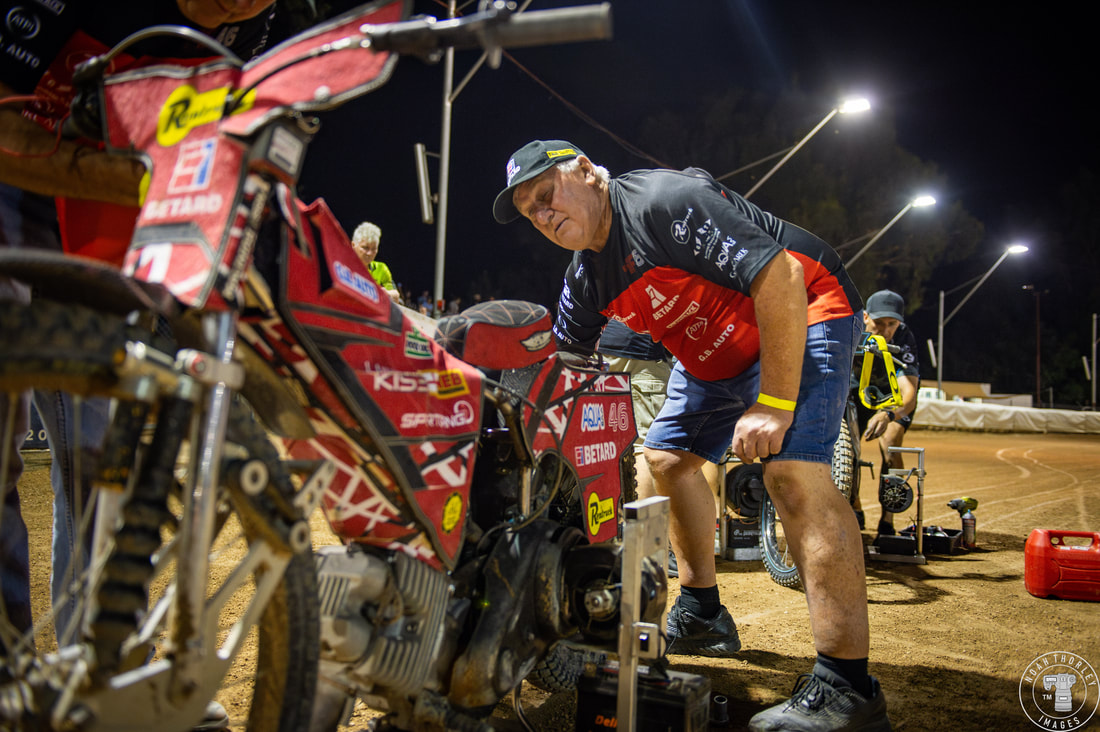 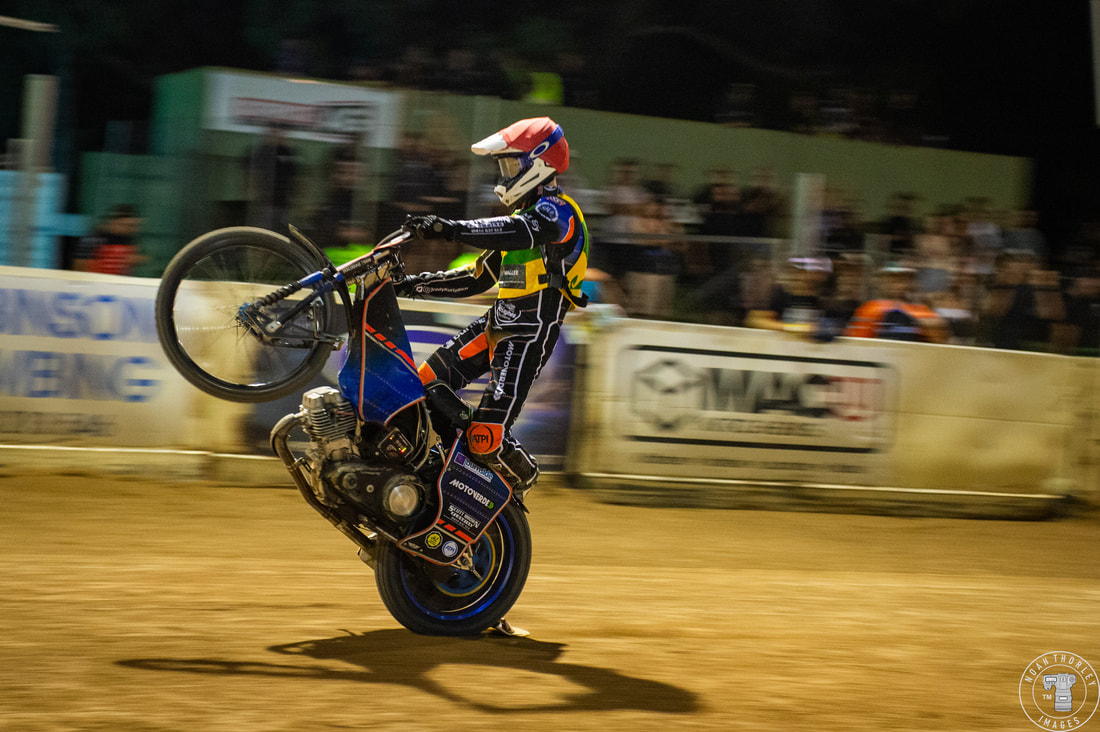 In the final, Jack Holder would slide off his bike in Turn 1, leading to a DNF for him, and a refuel for the final three. 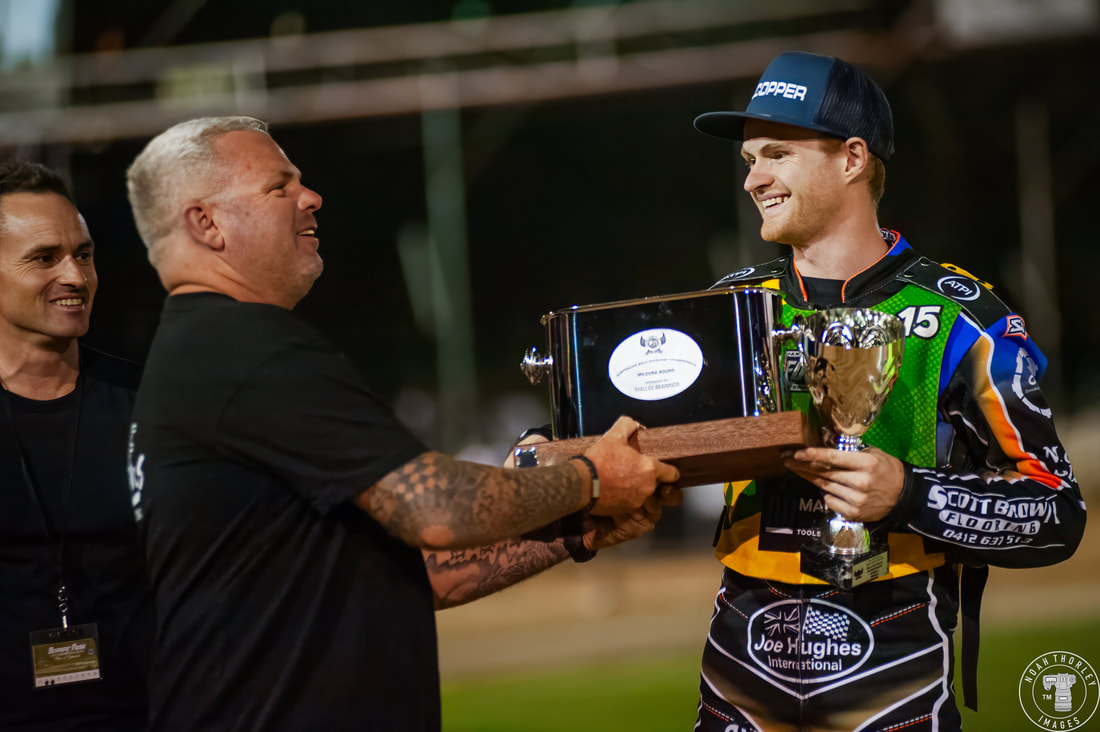 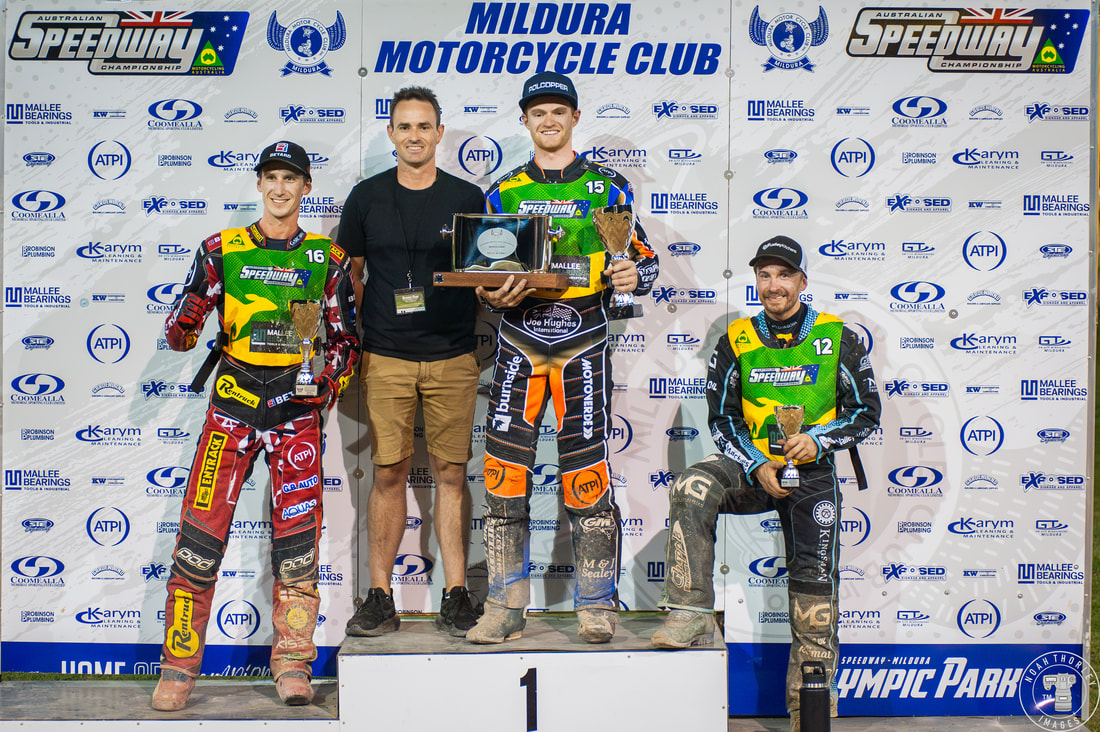 Brady Kurtz would grab the win ahead of championship leaders Max Fricke who now had a five-point lead over Rohan Tungate. 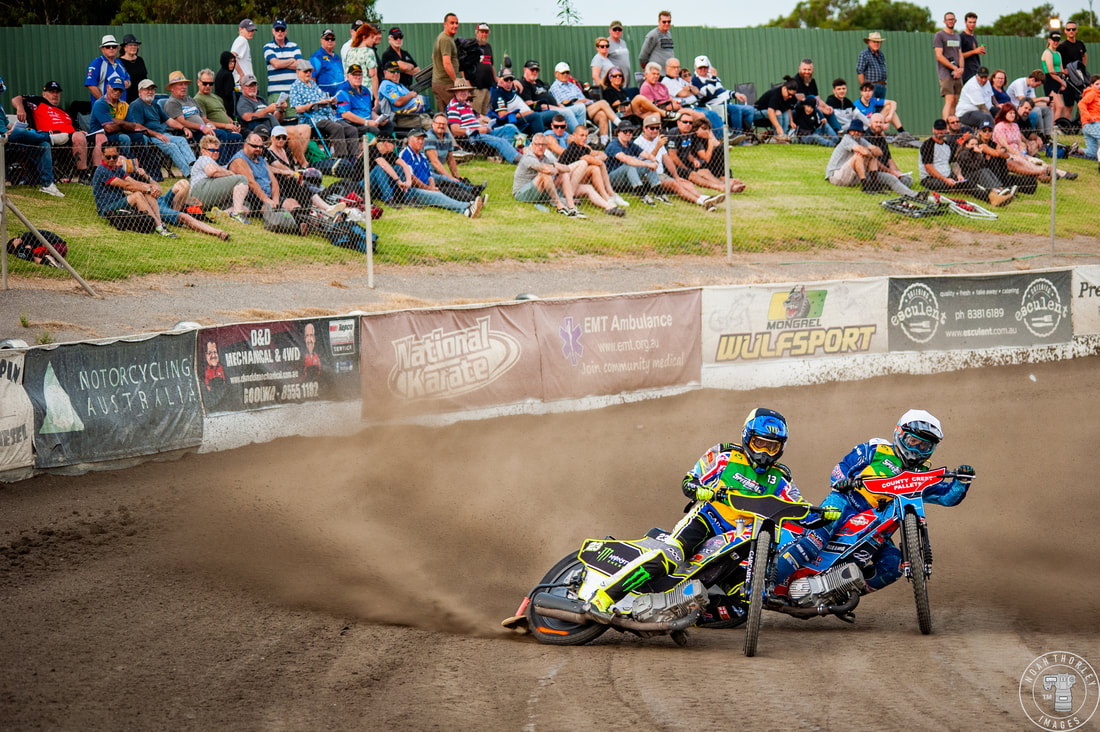 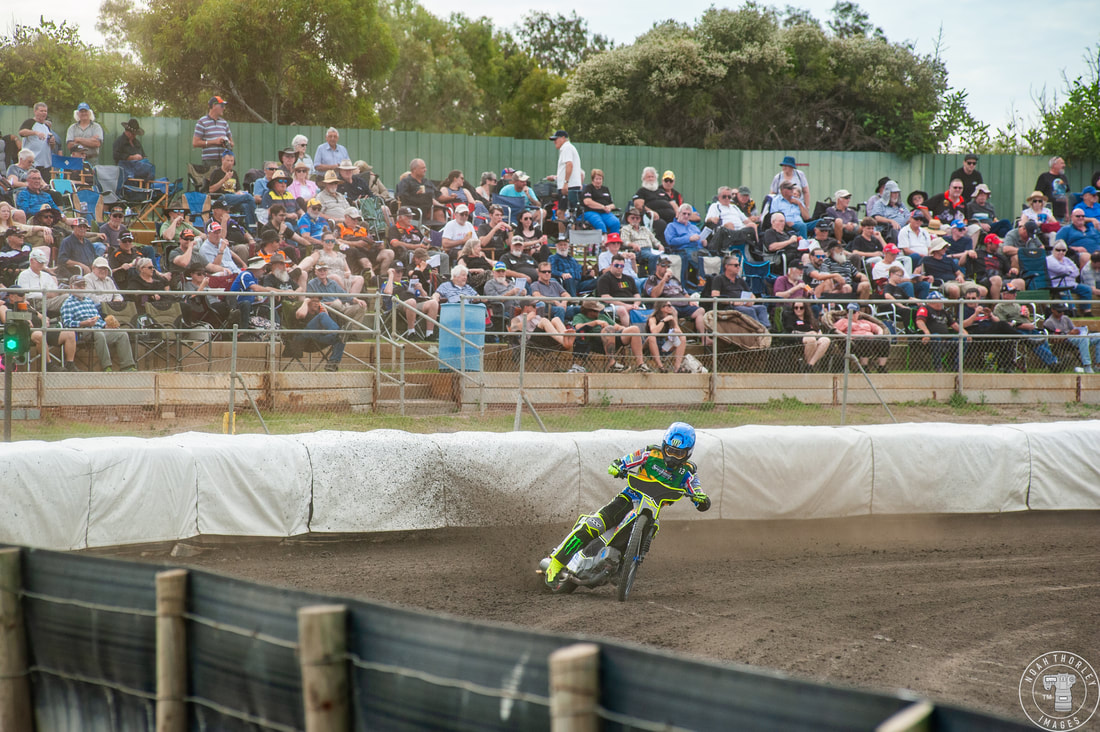 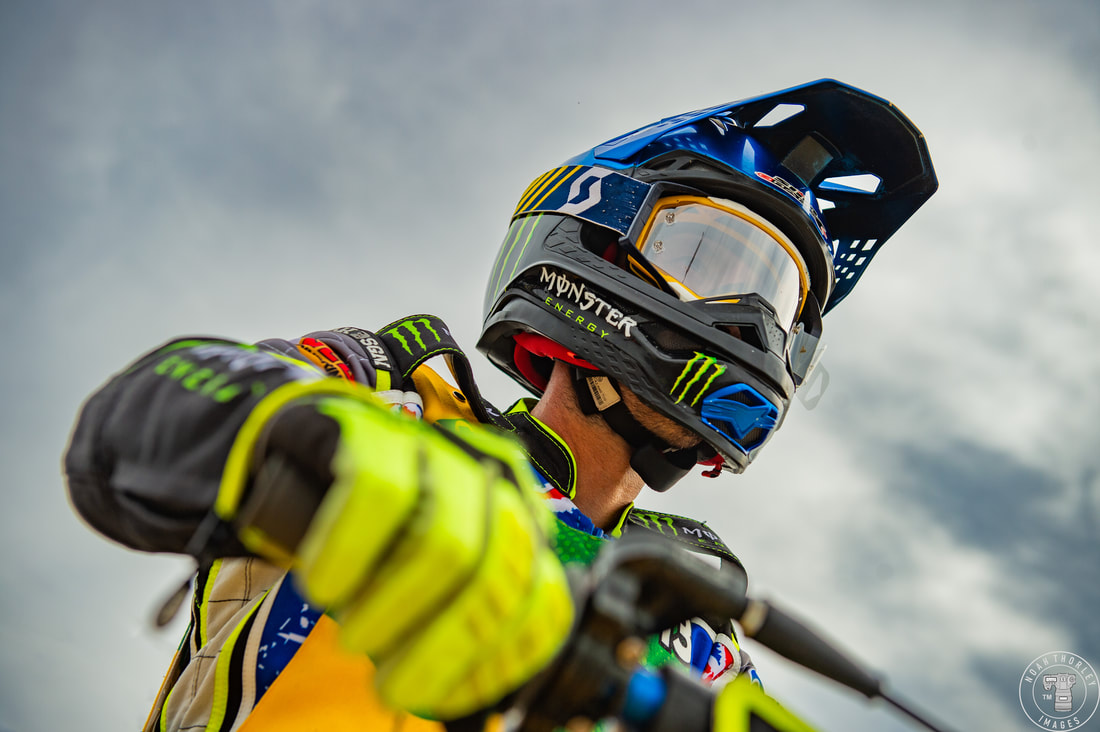 To decide the 2024 Australian Solo Speedway champion, the final round would be run at Gillman Speedway in Adelaide. 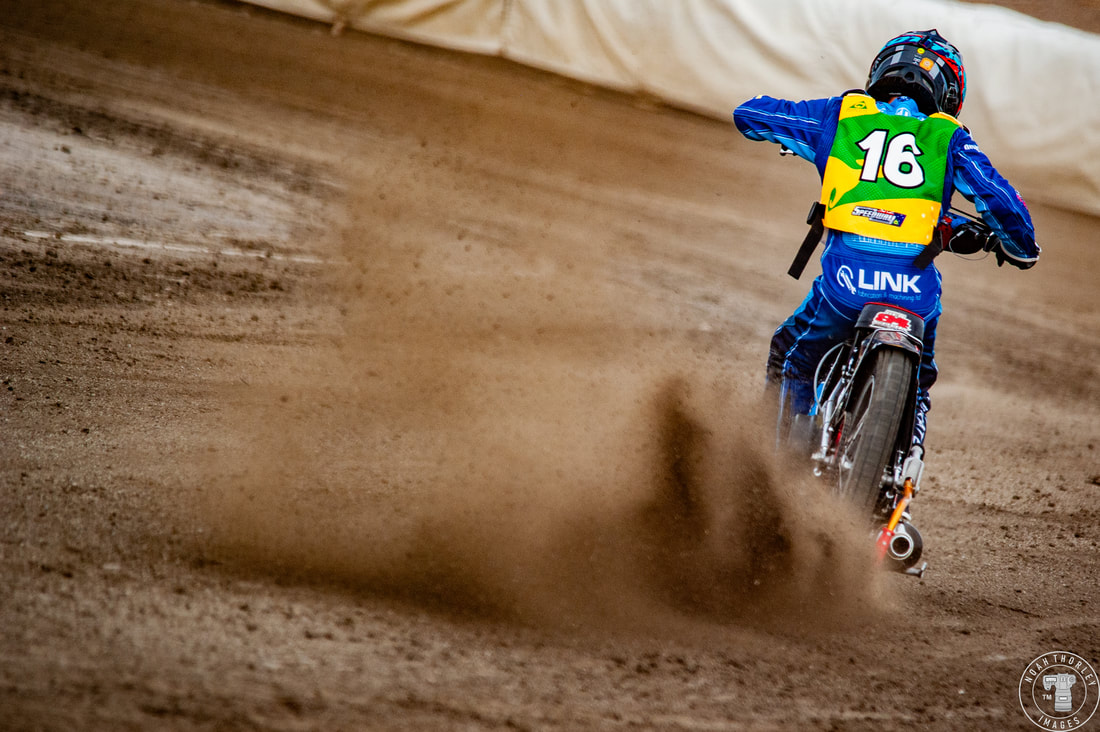 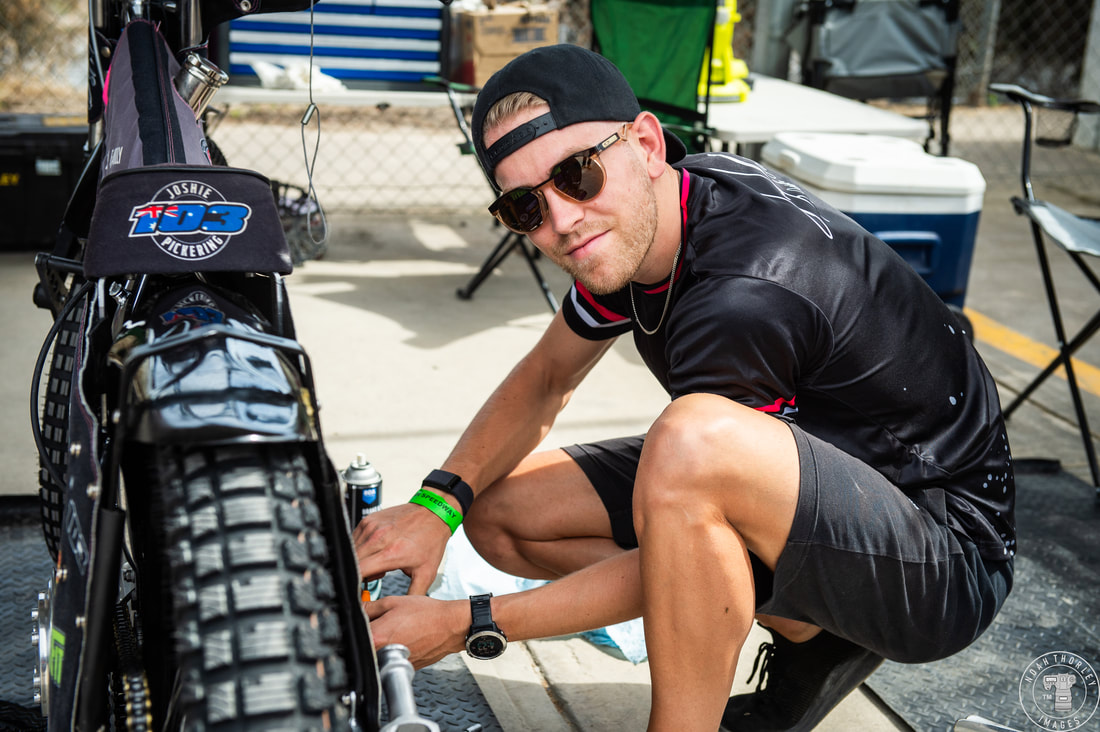 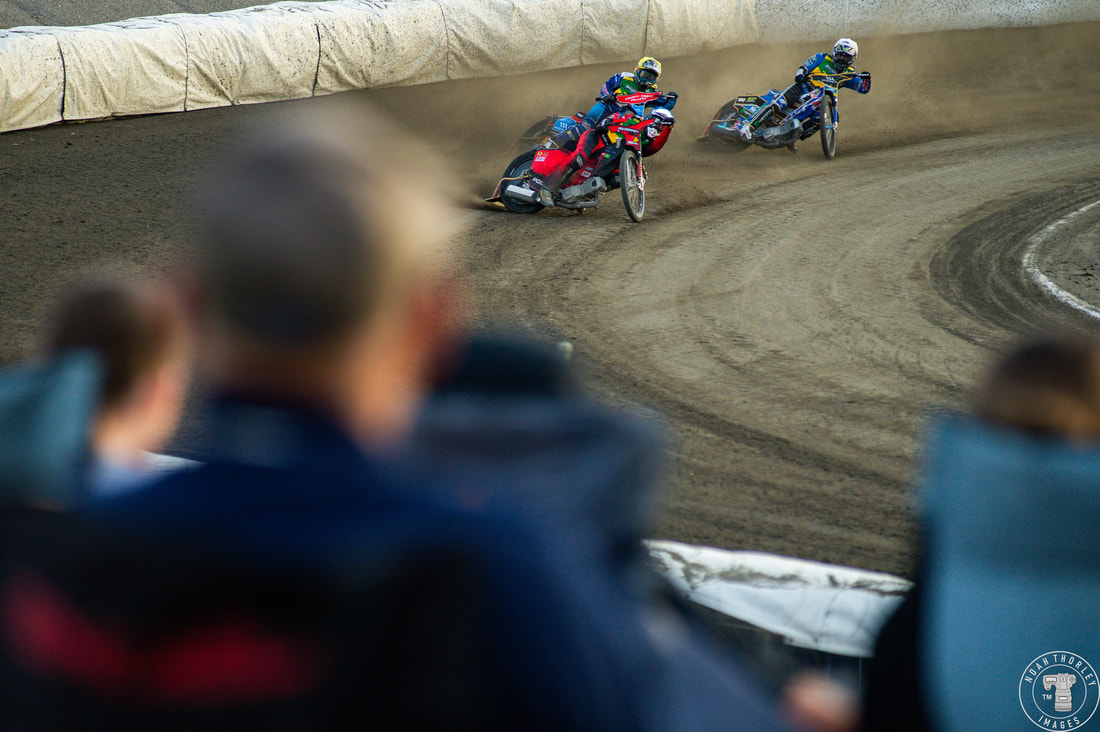 Apart from the slight banking in Turn 1, the track at Gillman is quite flat at it became apparent that dust not dirt would be what would cover myself and my cameras. 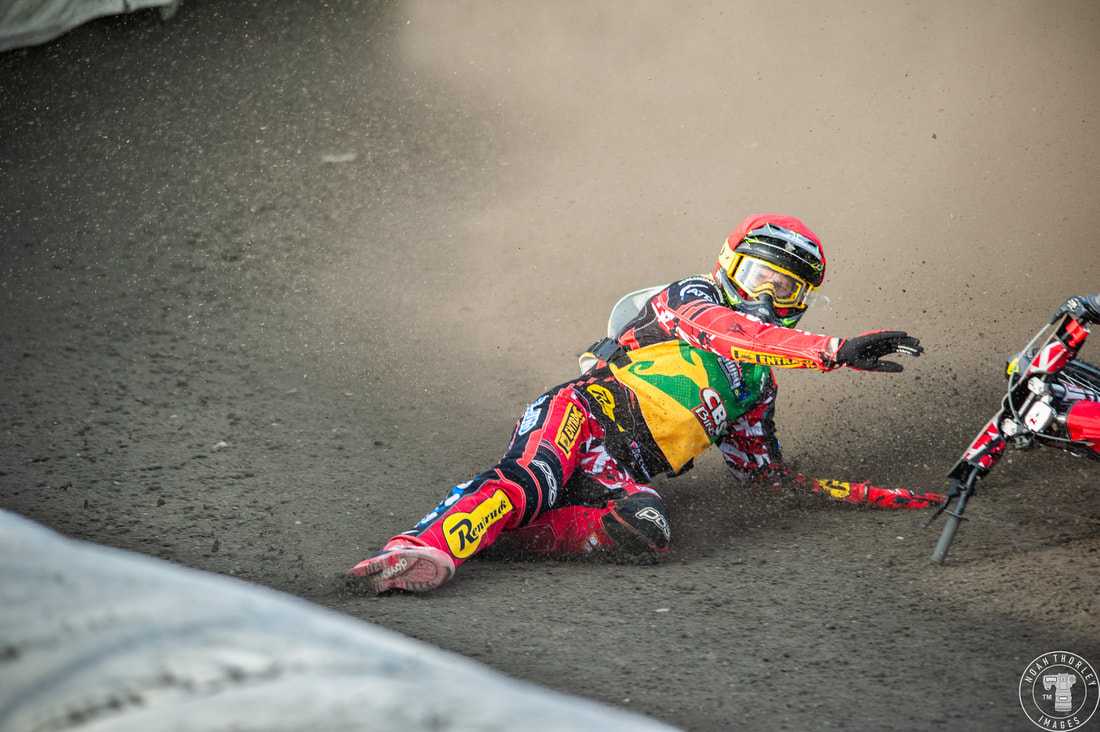 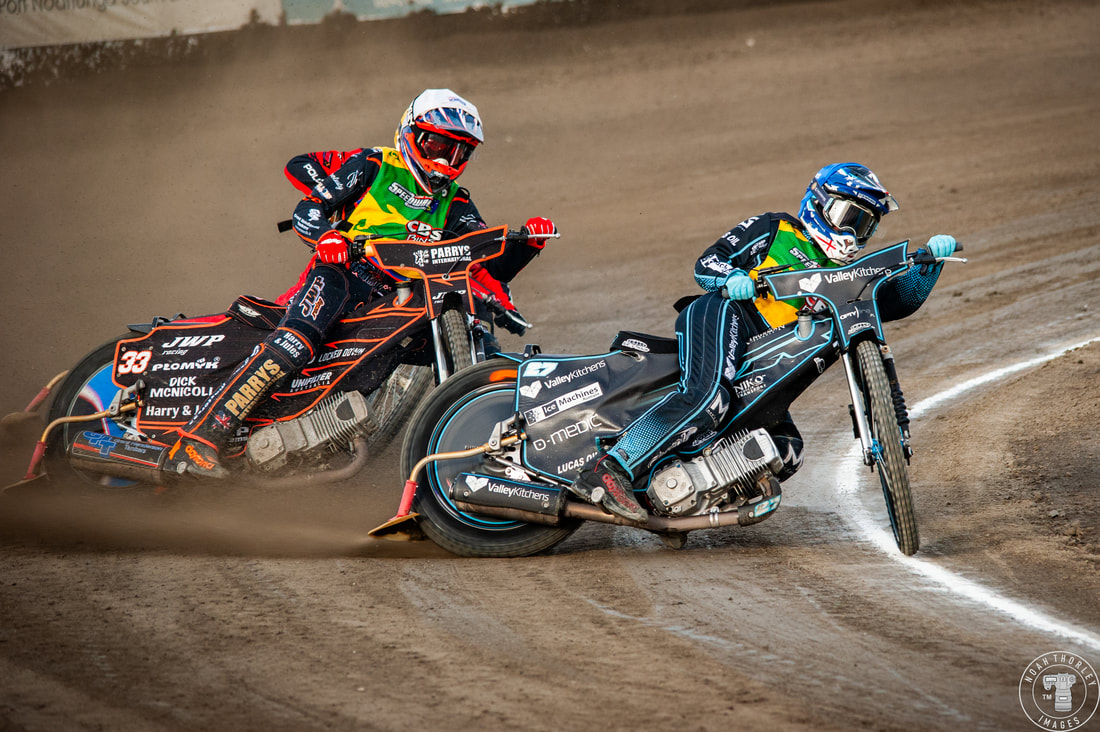 All eyes would be on Max Fricke and Rohan Tungate, especially since they were racing each other in their first heats. Every point they could grab would be crucial to snatch the championship, and on lap 2, Max Fricke would check up, lose control and slide off the bike, putting him on the back foot at the start of the night. 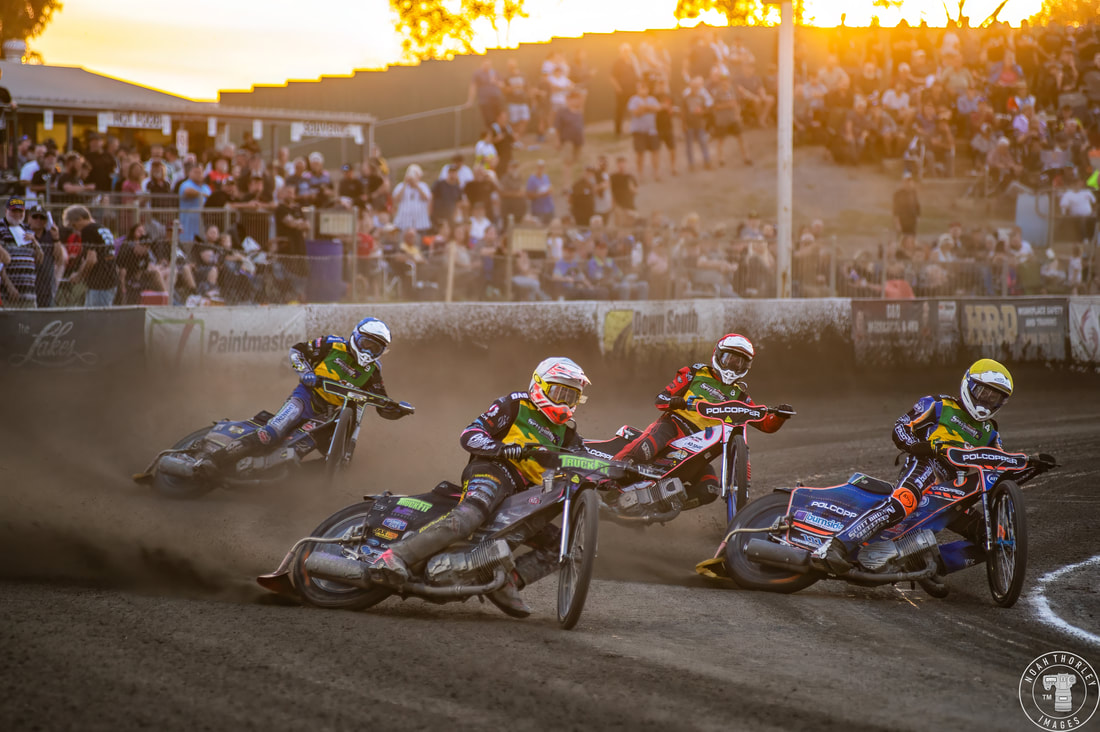 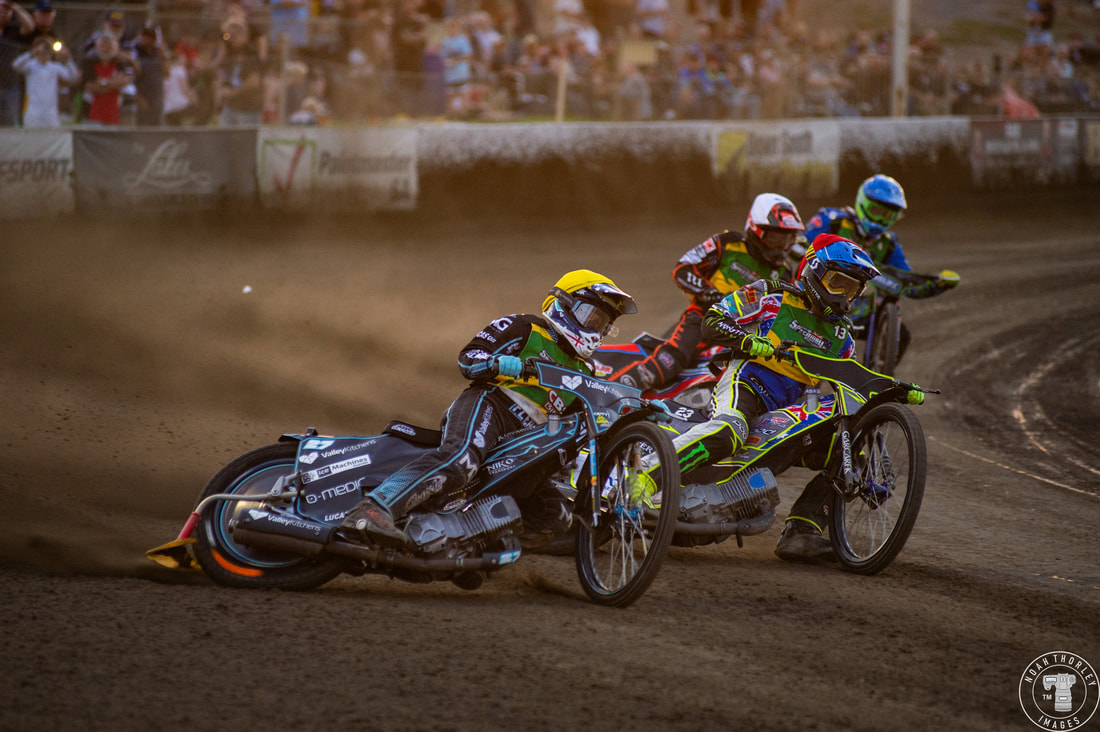 As each heat race went by, and I searched for some golden light, riders fought for each position as they slid through the dirt inches apart. Rohan Tungate looked good under pressure, winning multiple heat races and locking himself into the semi-finals as so too did Max Fricke. 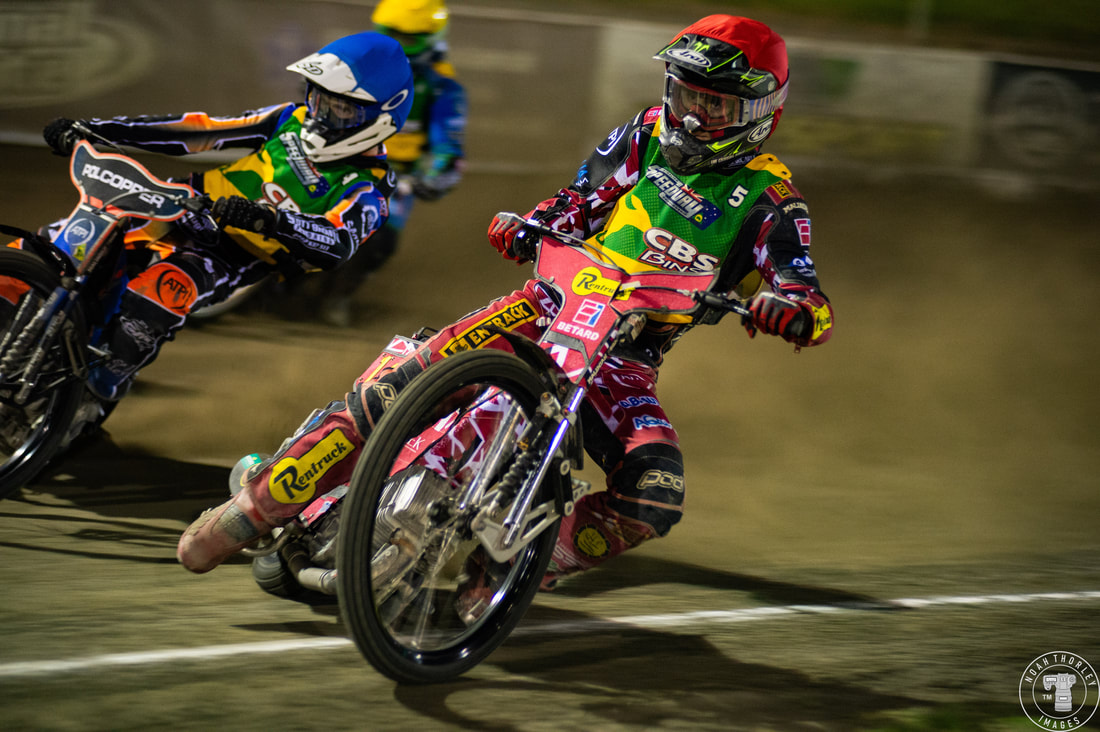 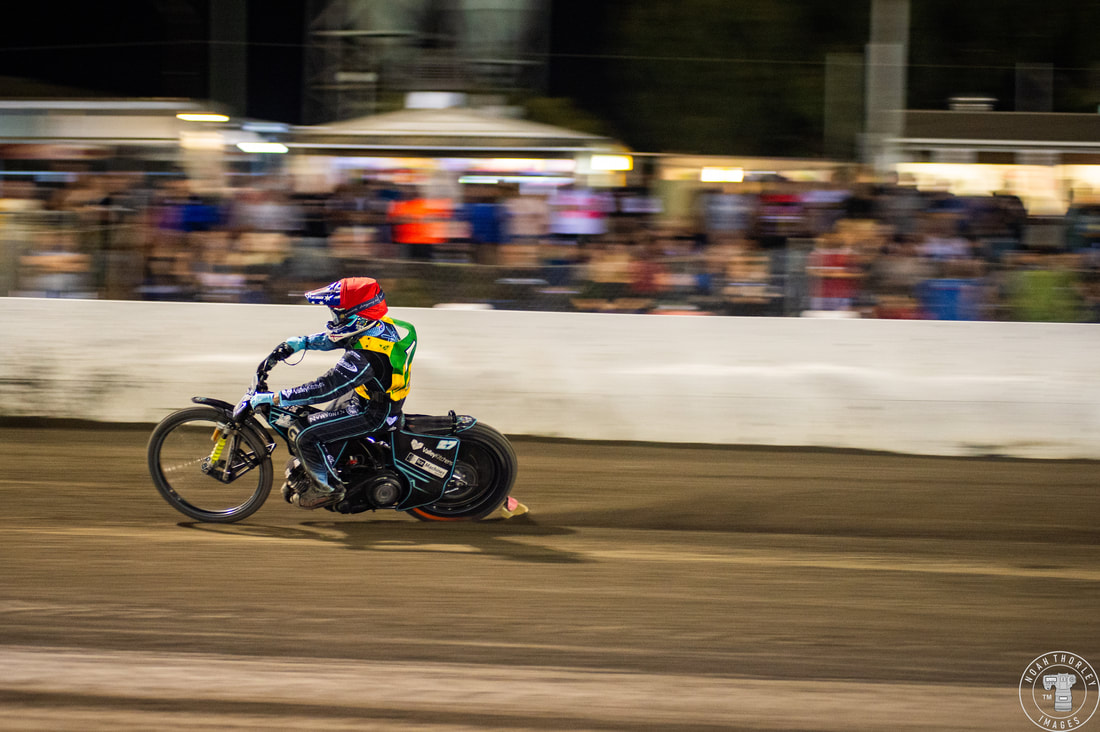 Rohan Tungate and Max Fricke would meet again in a semi-final, and if Rohan Tungate could finish in the top 2, and Max Fricke miss the final, Tungate would win the championship. 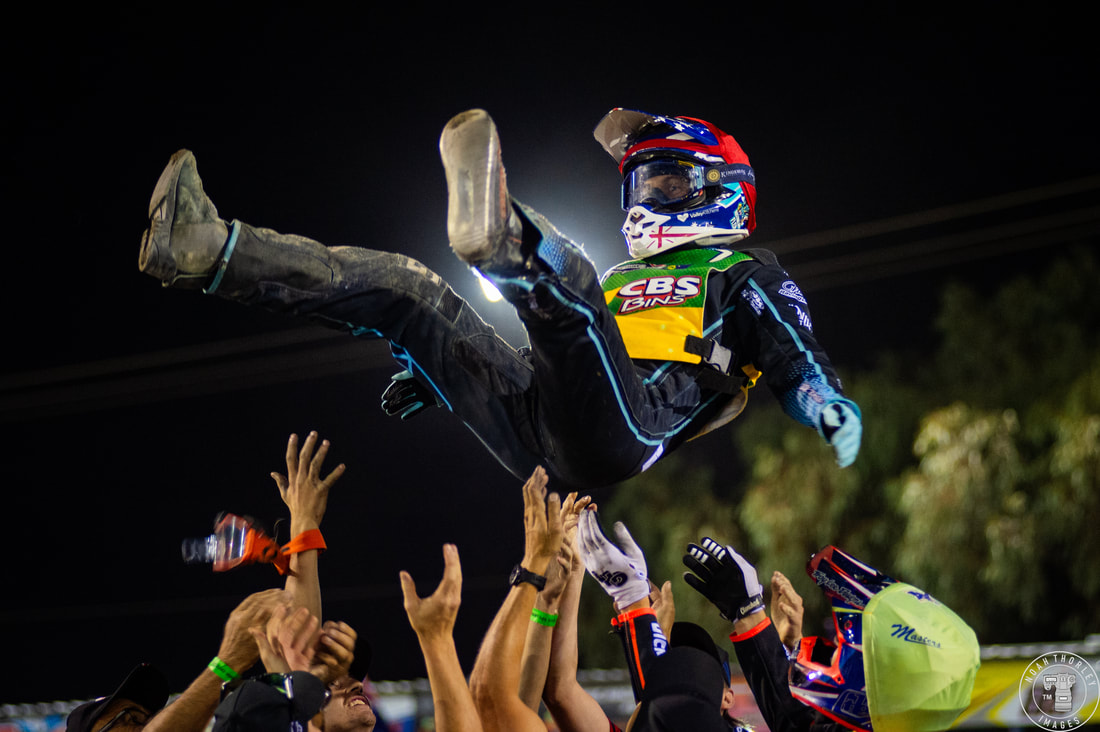 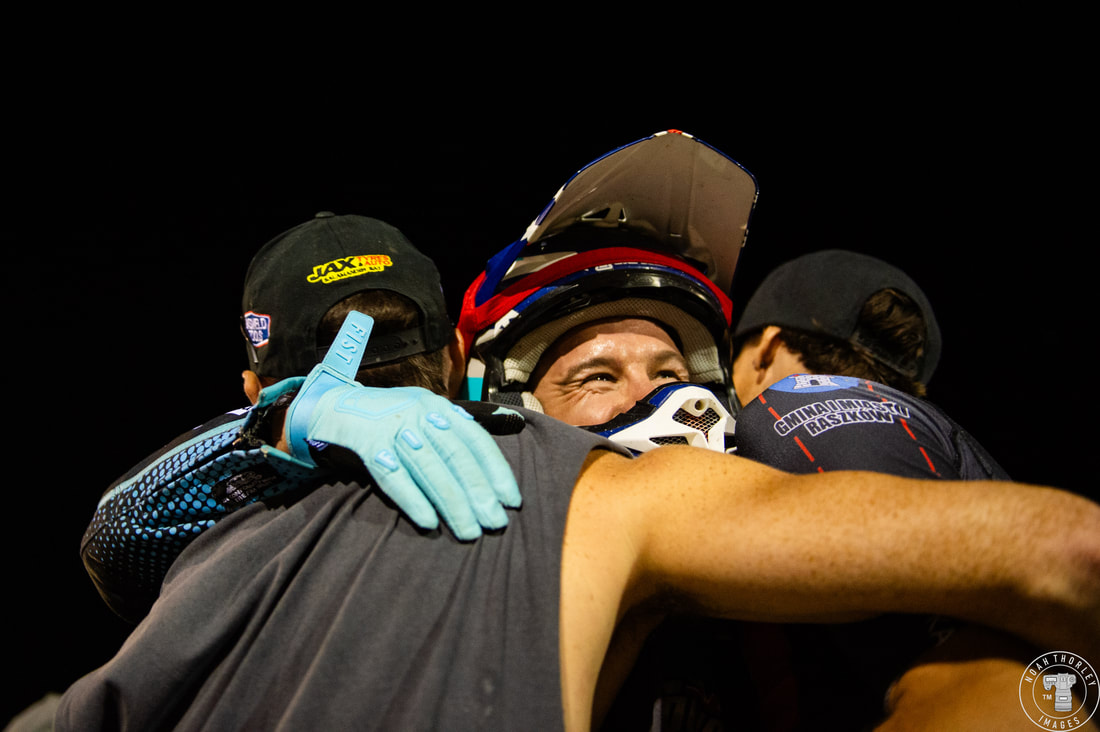 That was exactly what happened. Rohan Tungate would win his semi-final race as Max Fricke would finish third and not make the transfer to the final, making Rohan Tungate your 2024 Australian Solo Speedway Champion. 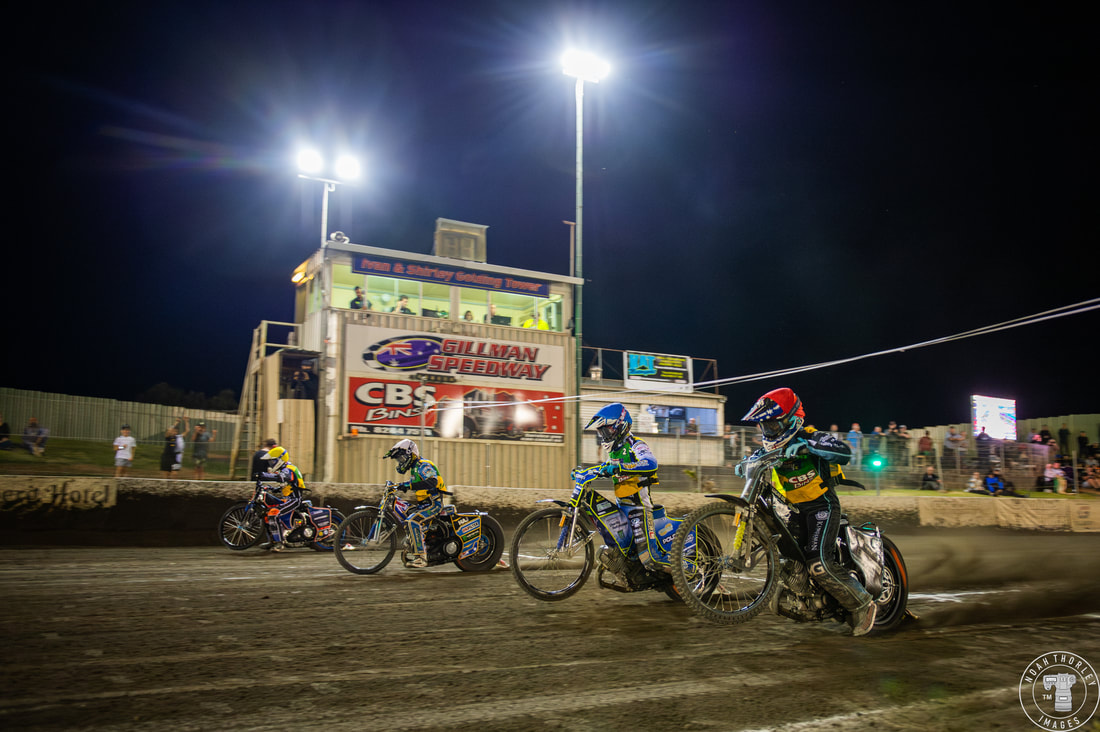 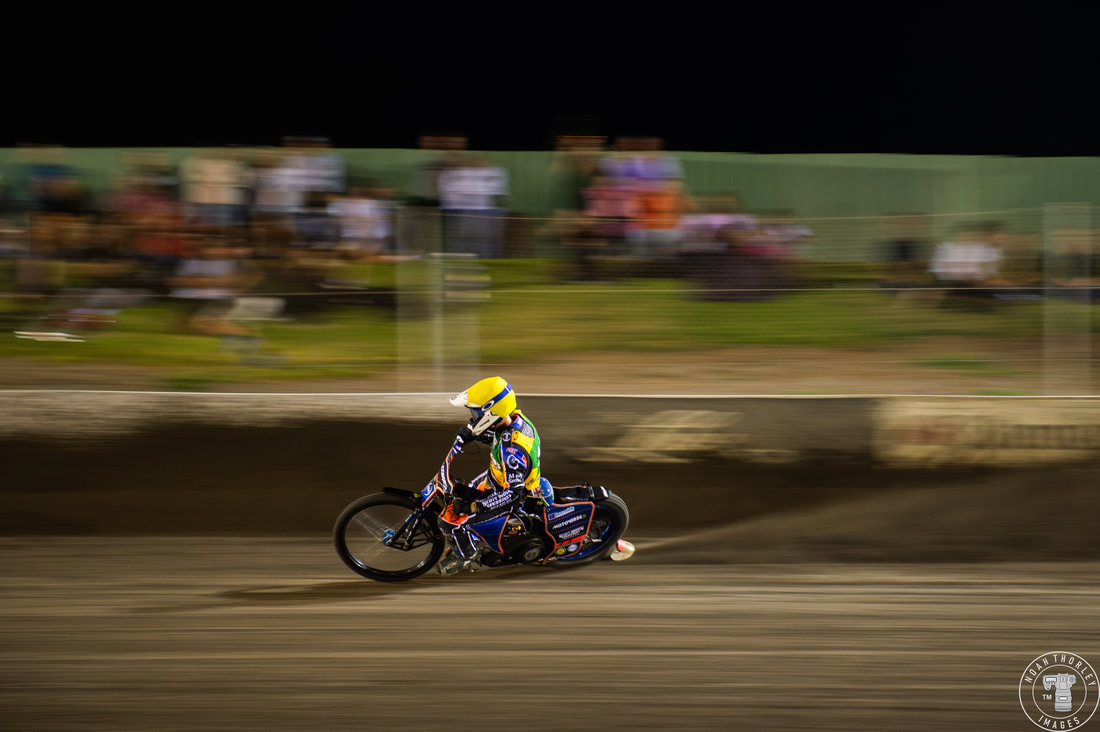 Brady Kurtz would win again, followed by Rohan Tungate and Jaimon Lindsey in the final. 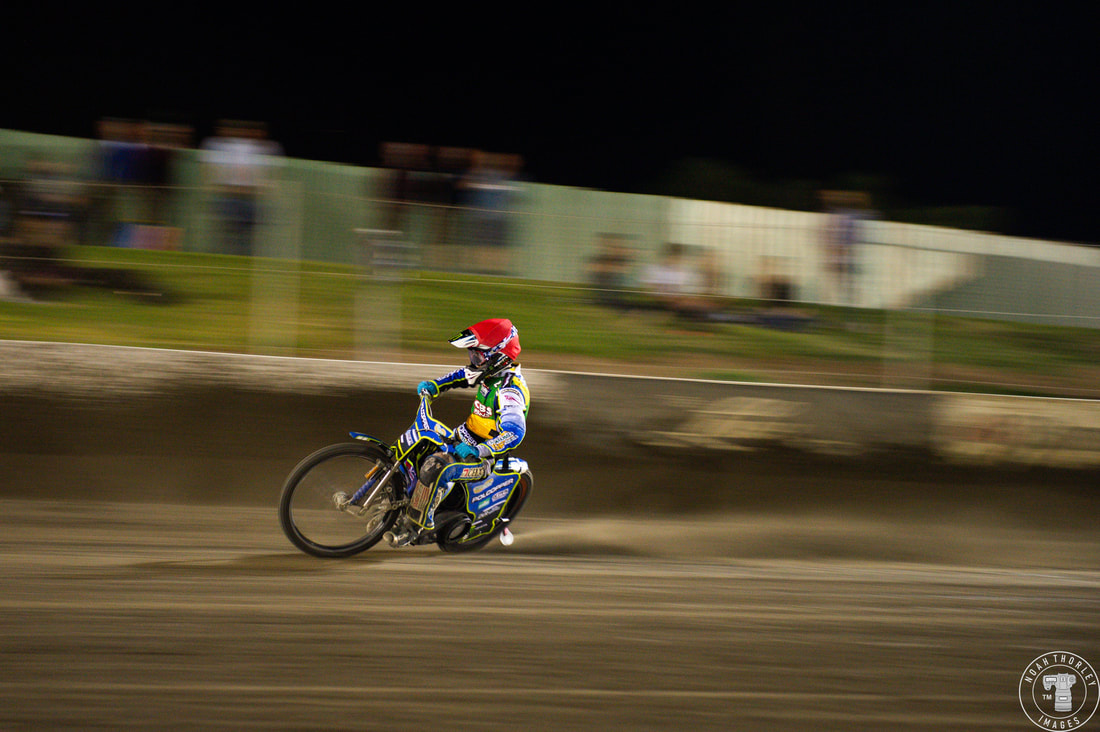 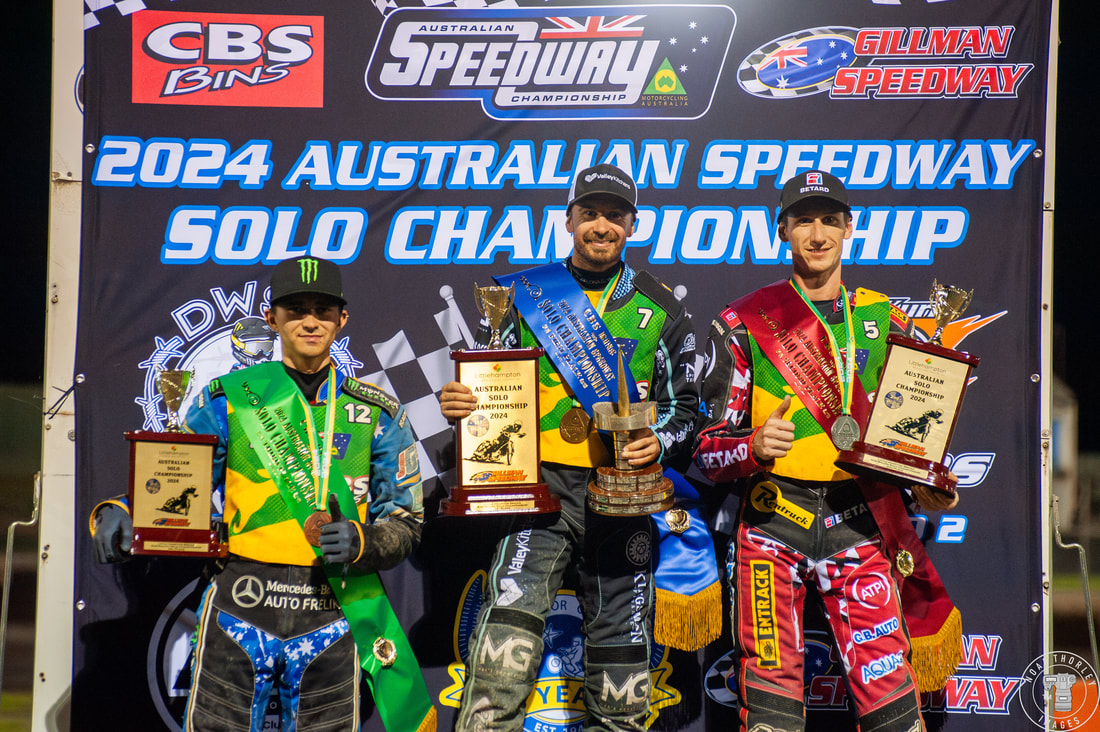 One final duel between Jack Holder and Jaimon Lindsey would decide third place in this year's championship, with Holder taking victory in the two-bike race to claim bronze behind Max Fricke who claimed second behind Rohan Tungate, your 2024 Australian Solo Speedway Champion. 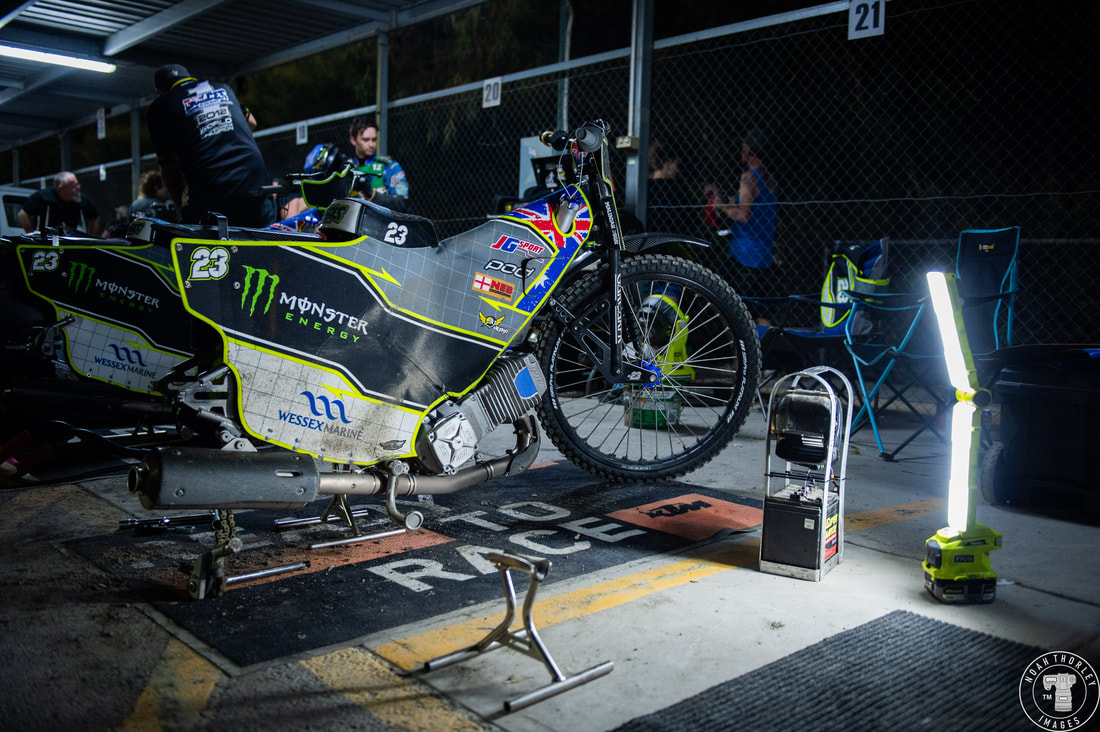 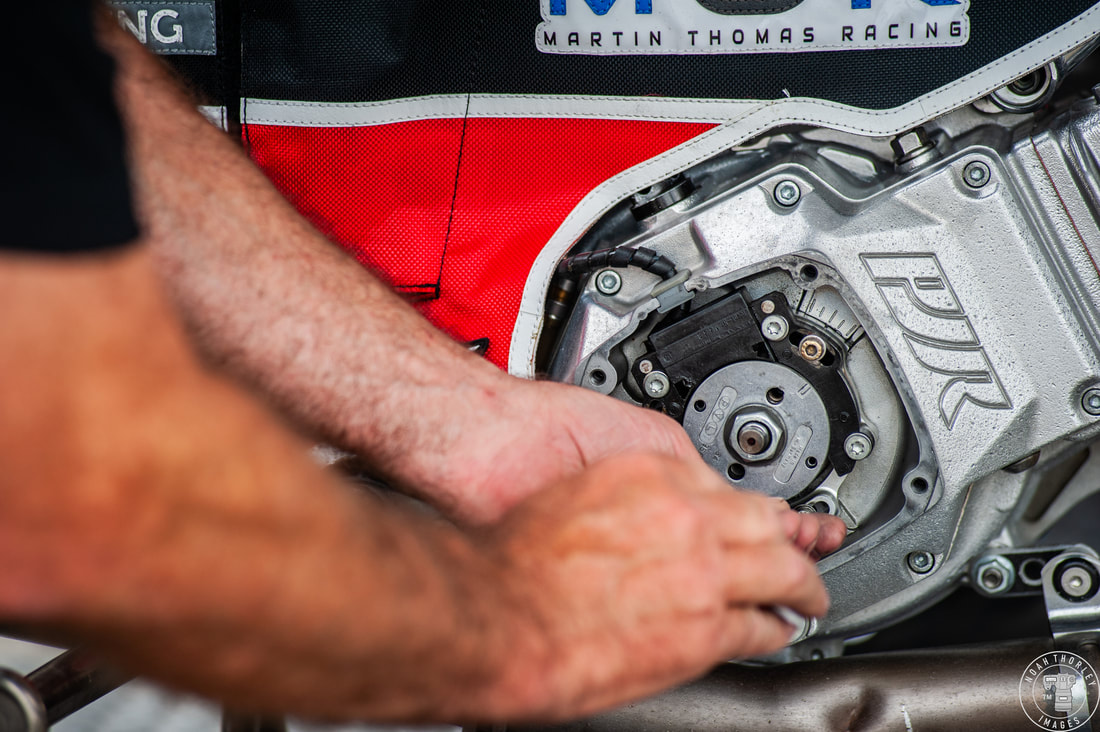 It was very cool to follow the final three rounds of this championship, not only witnessing and capturing how the stories played out, but additionally travelling long distances to each track, in the same way the teams and officials would have done. Bonus Gallery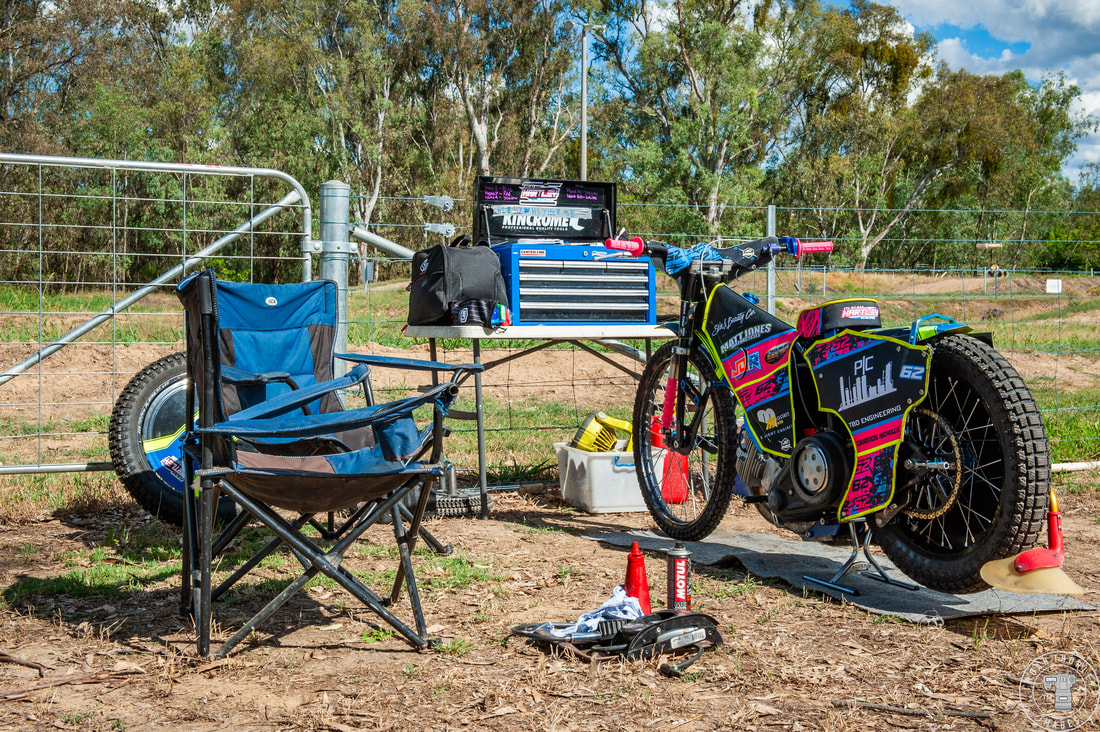 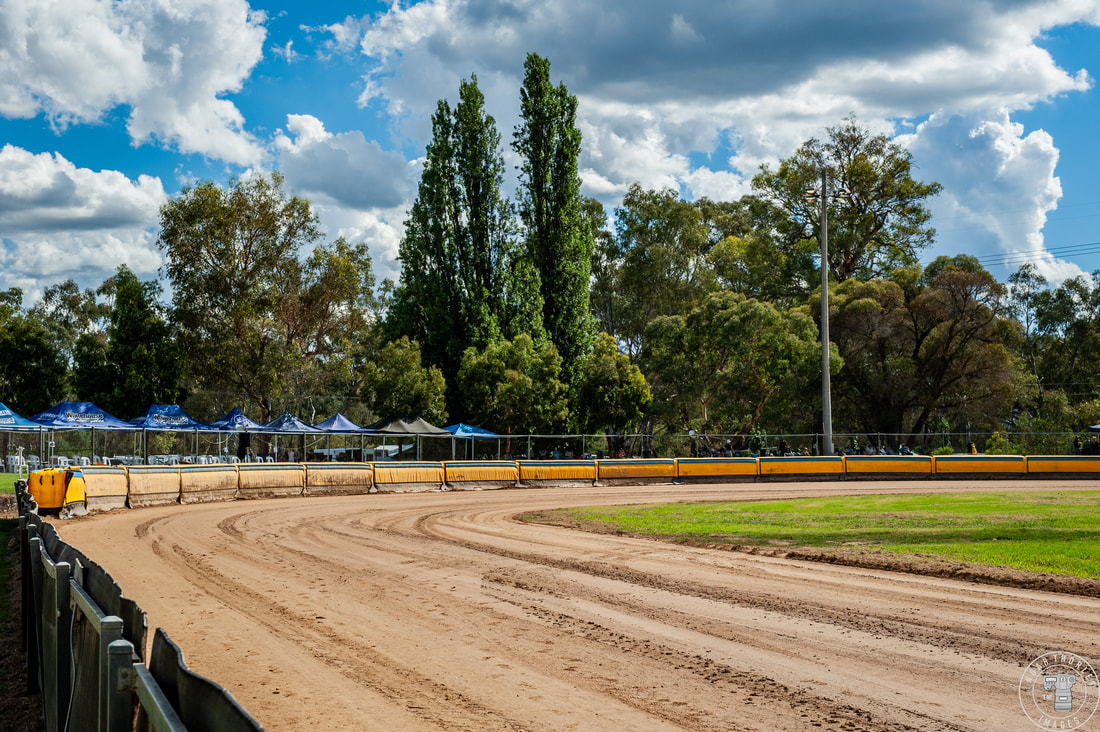 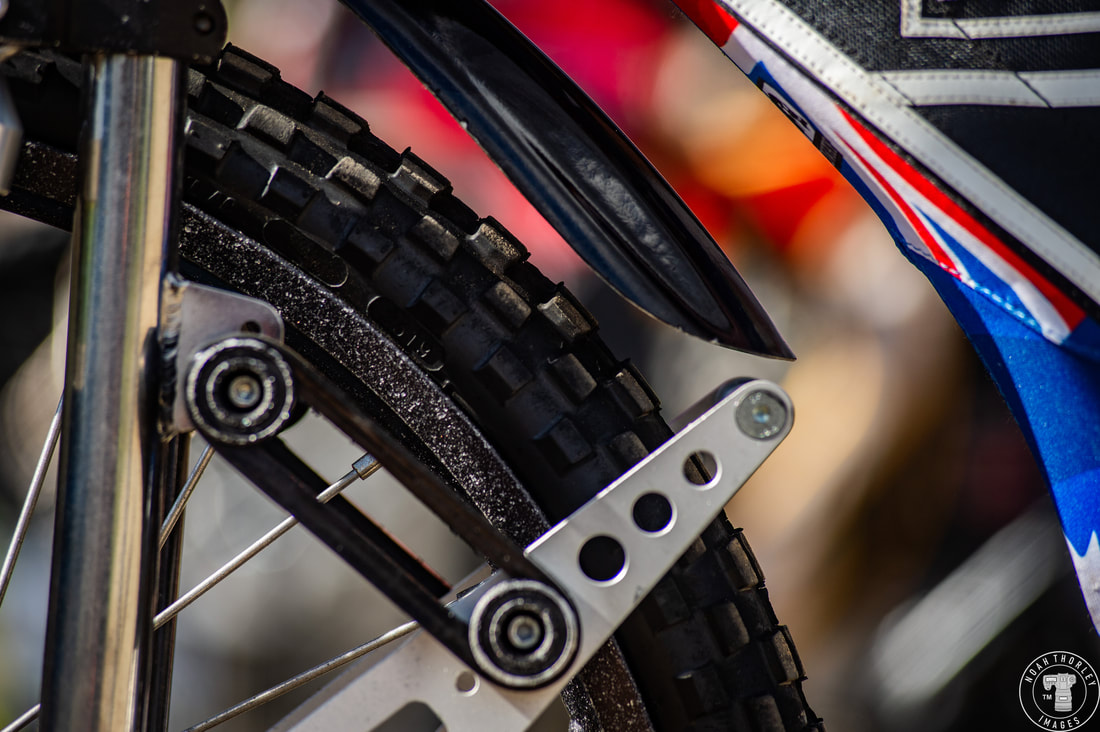 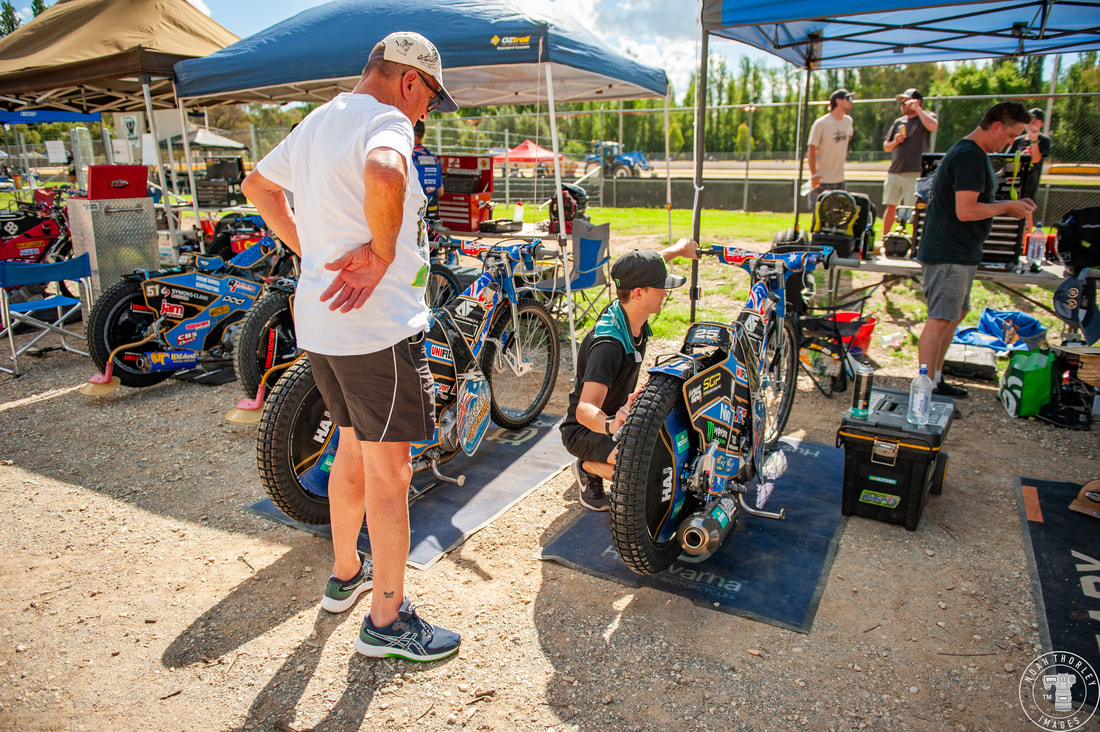 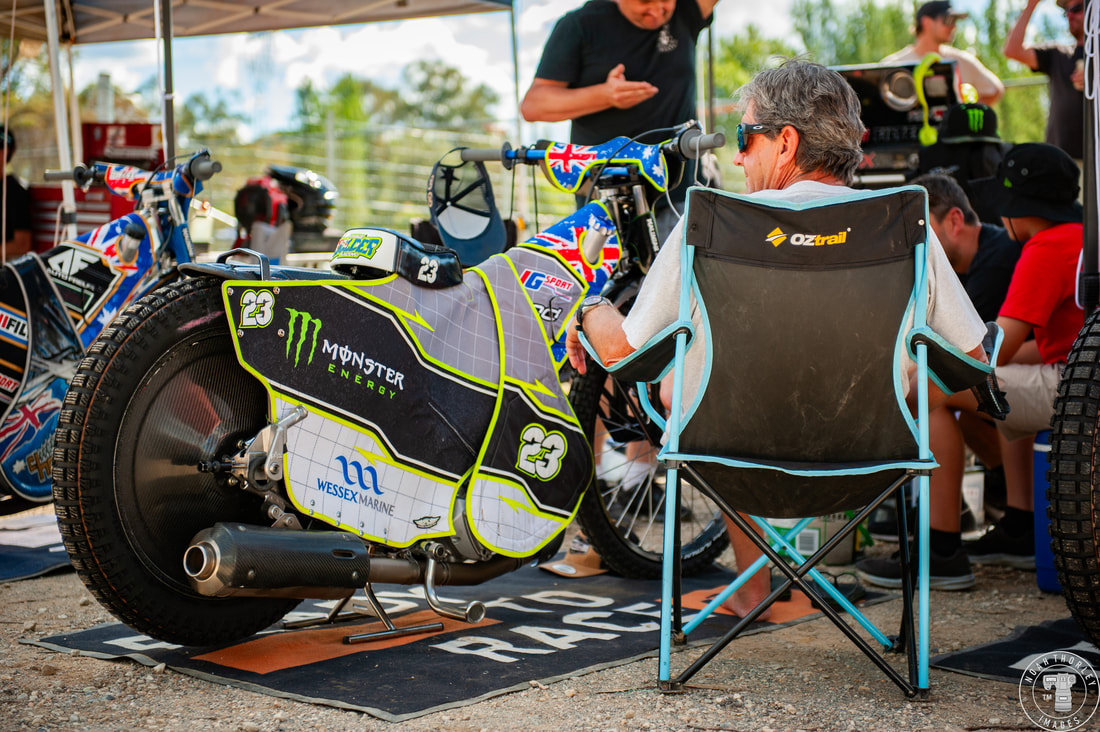 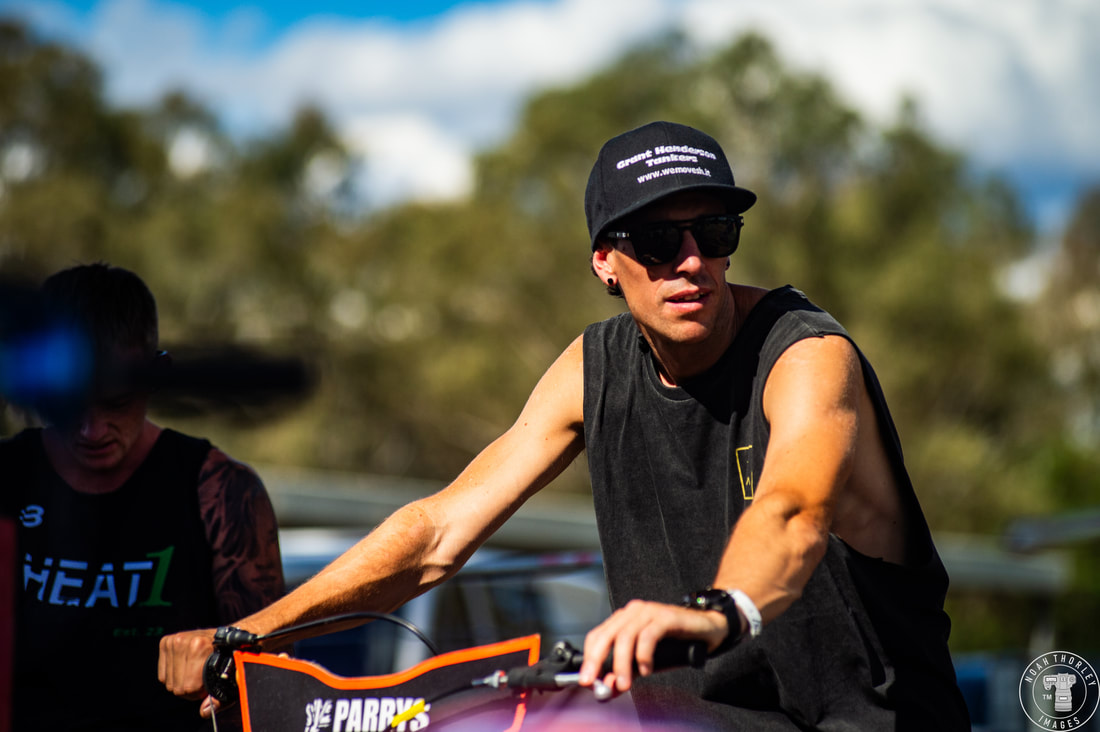 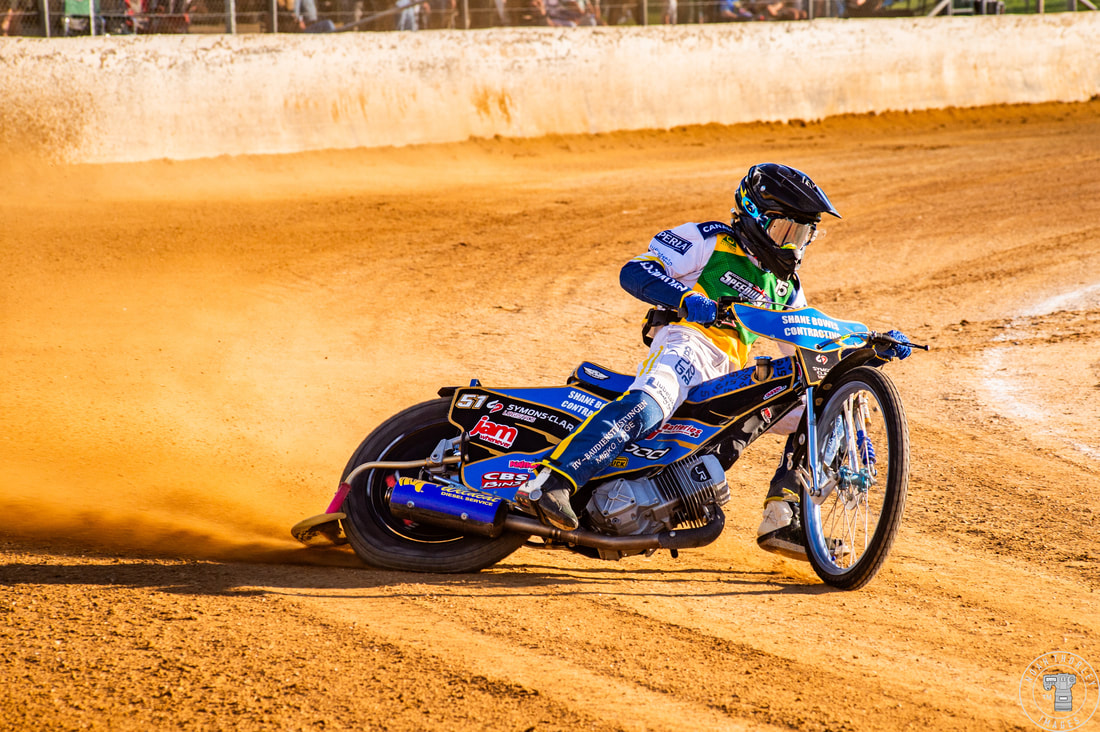 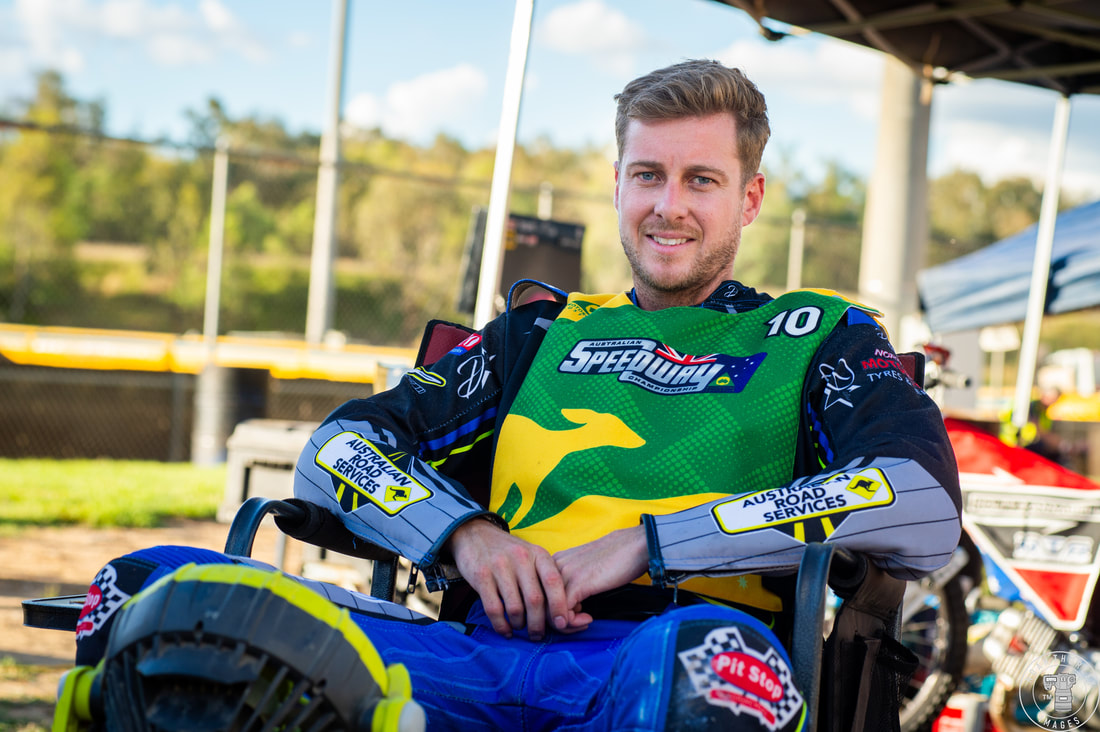
        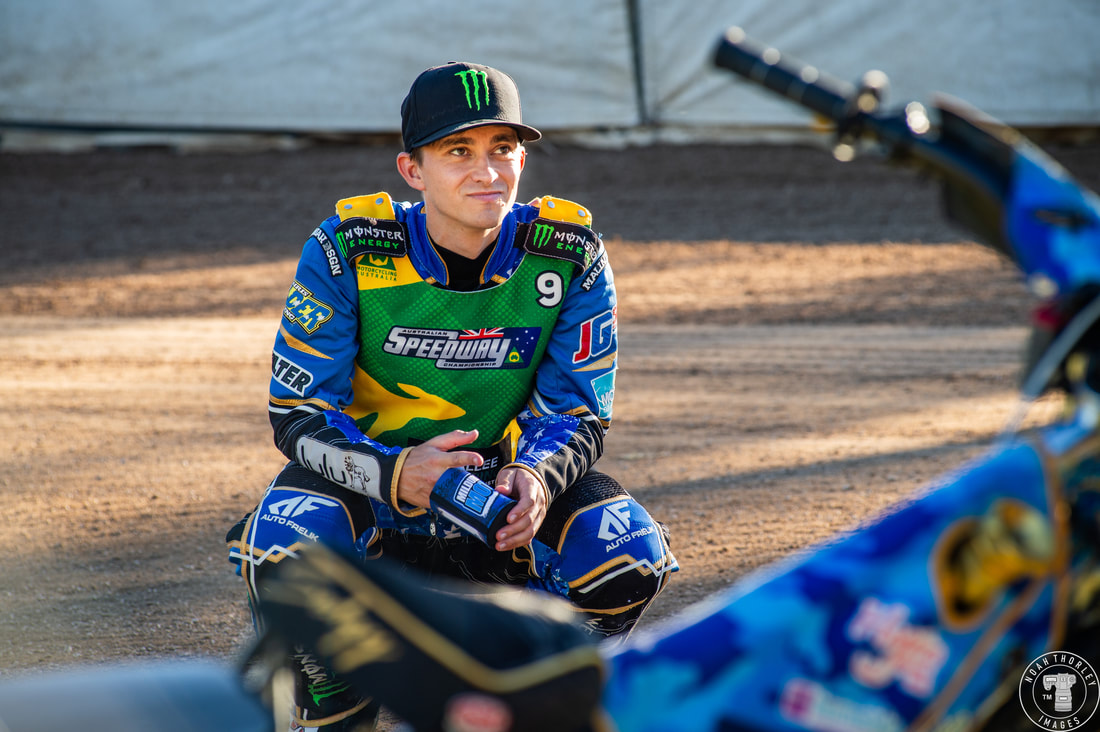 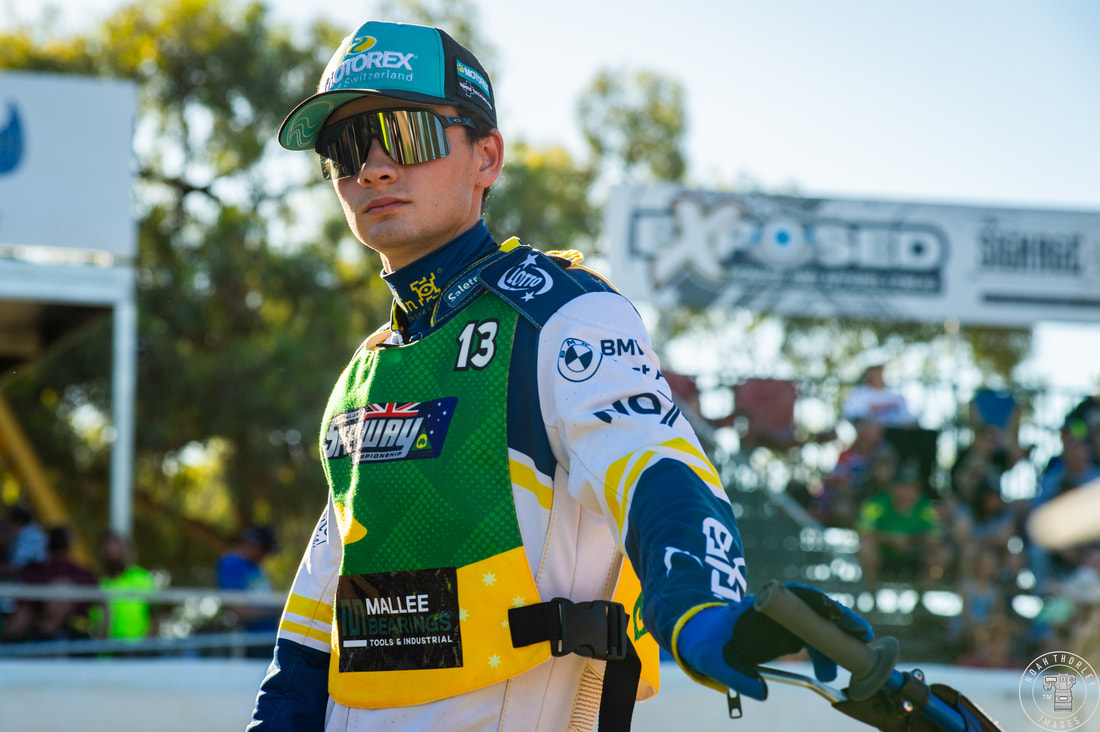 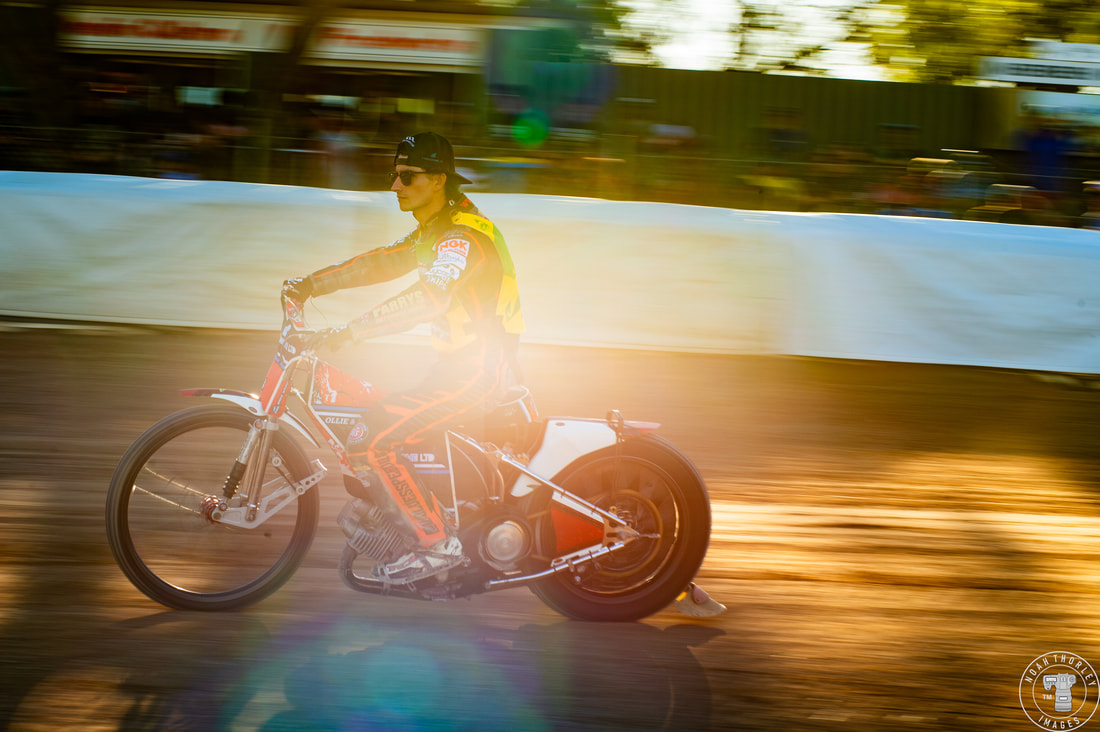 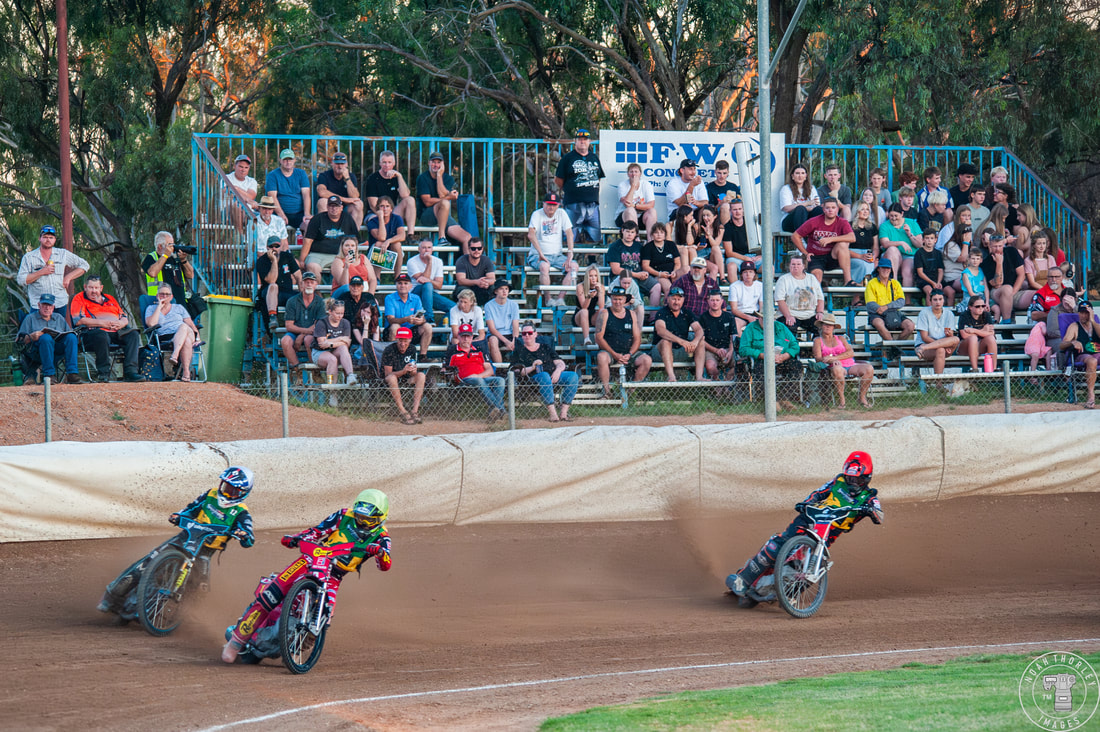        
0 Comments
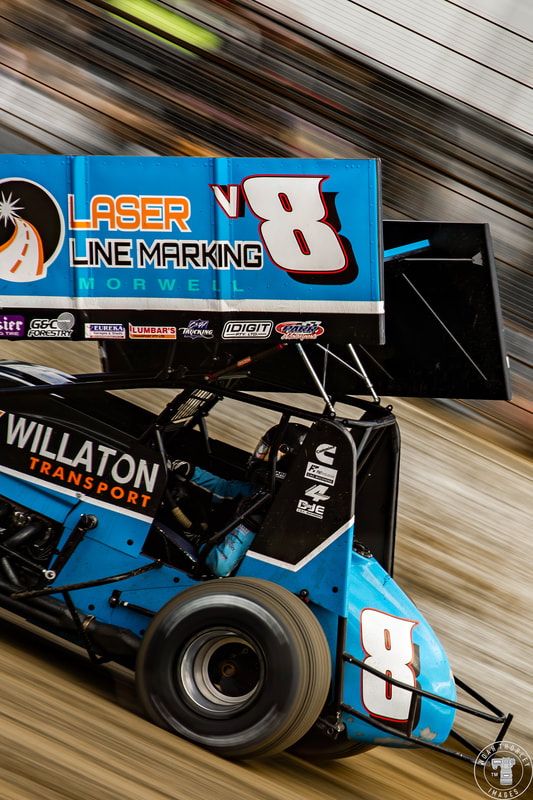
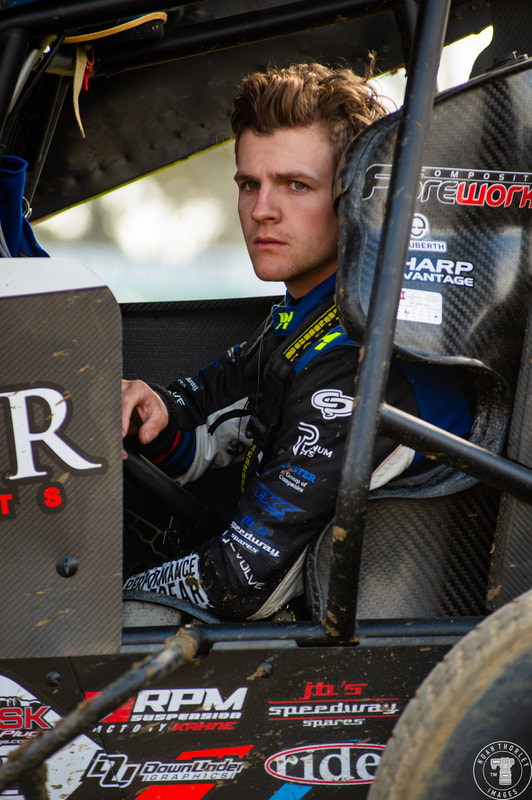
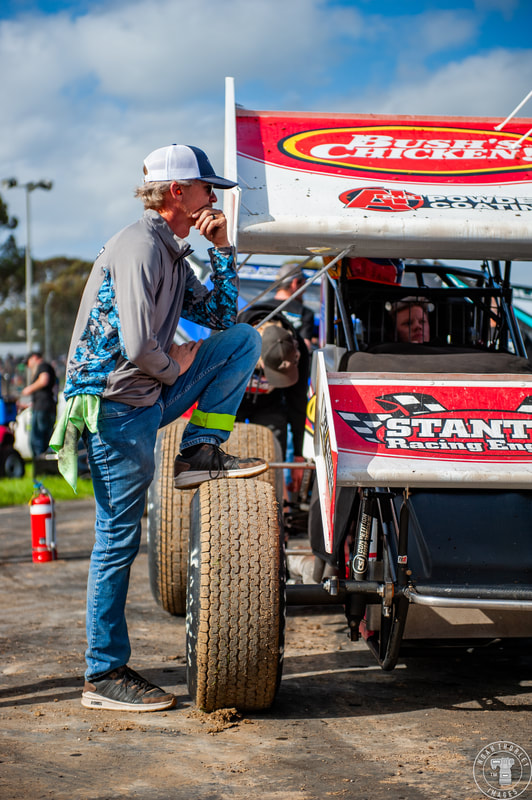
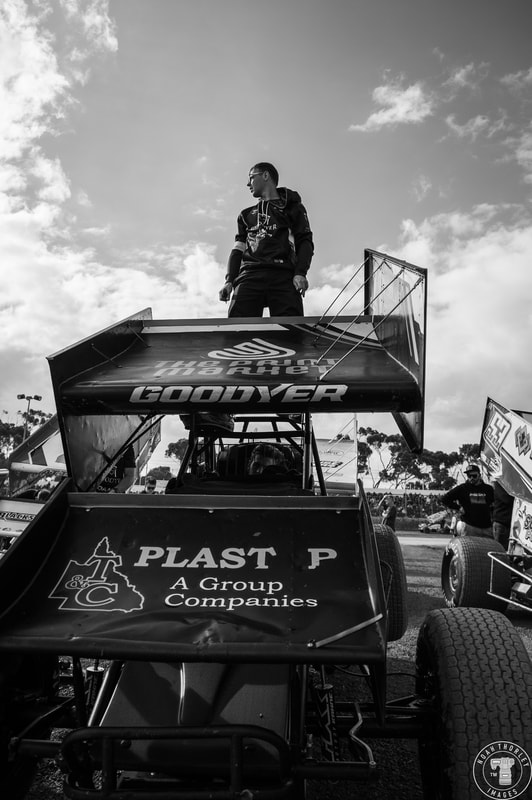
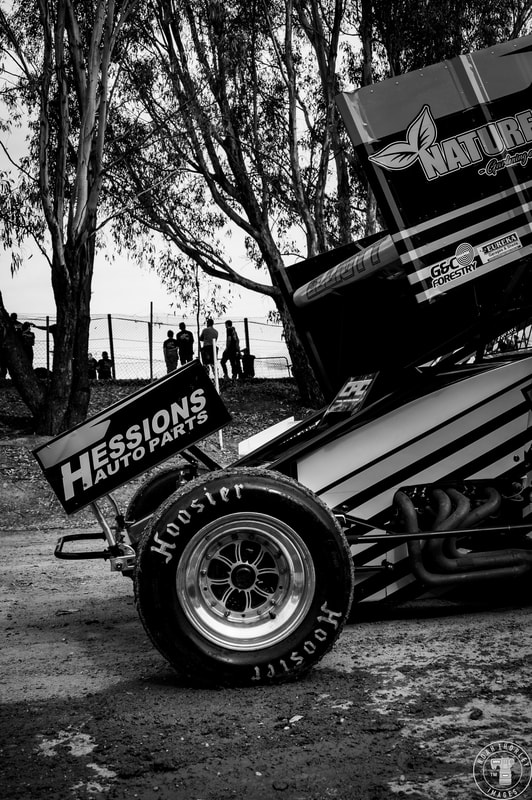
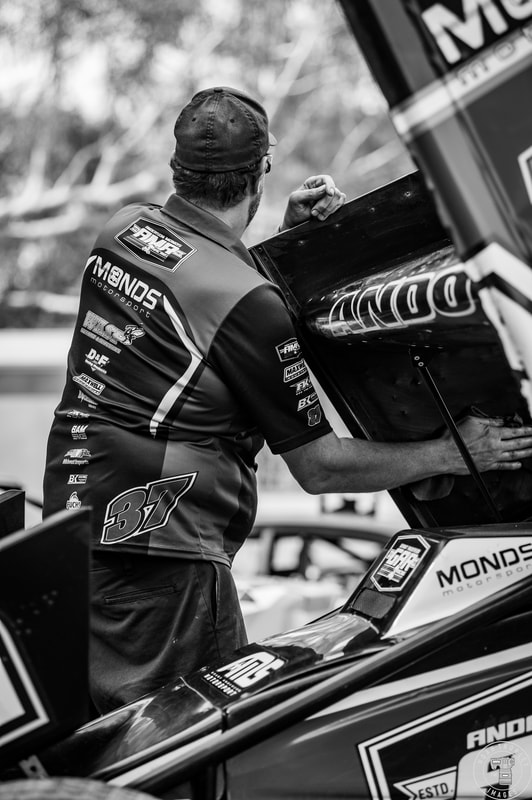
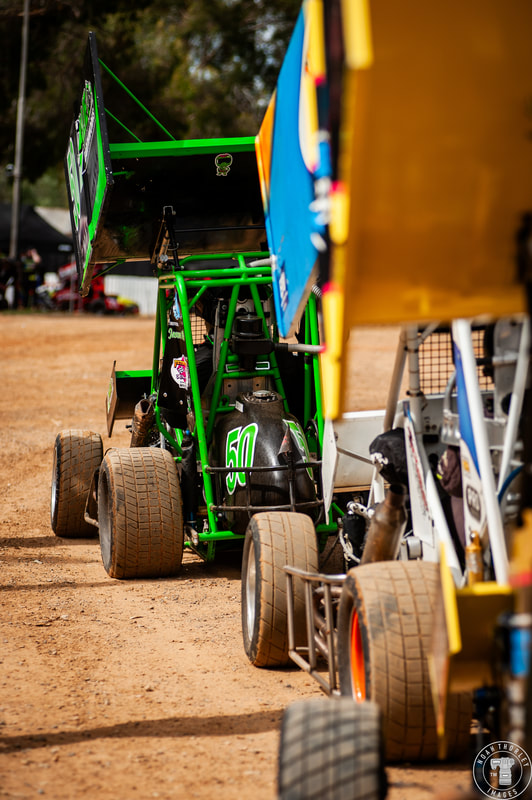
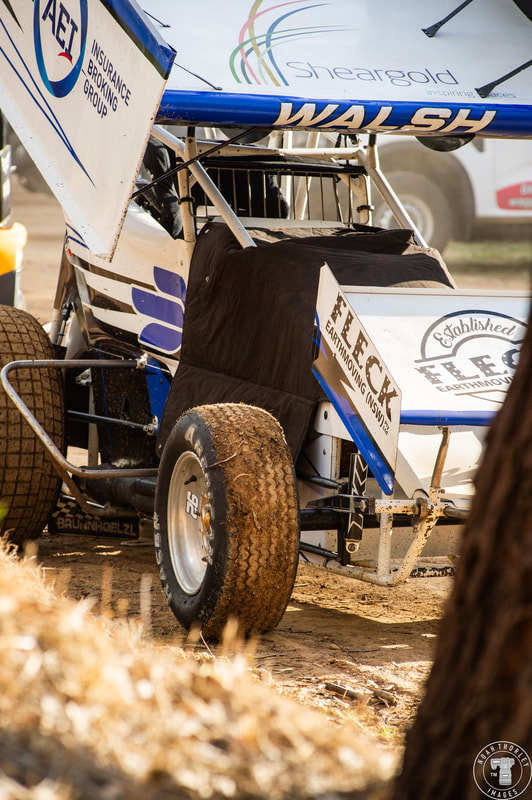
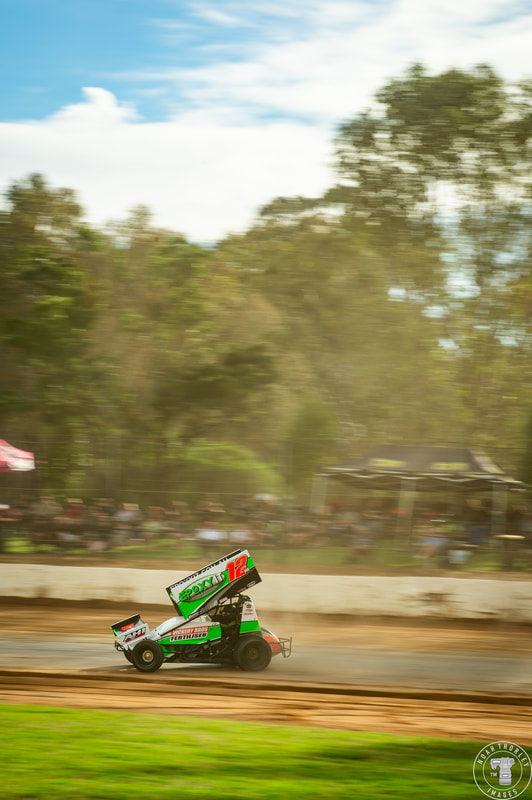
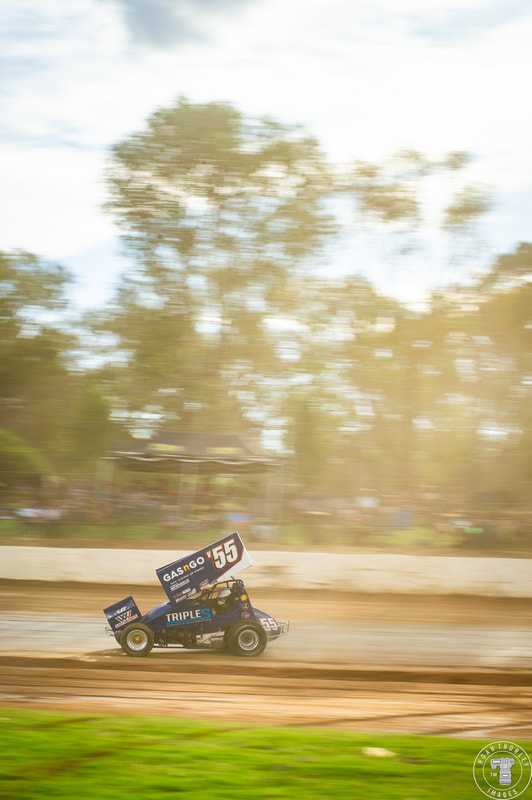
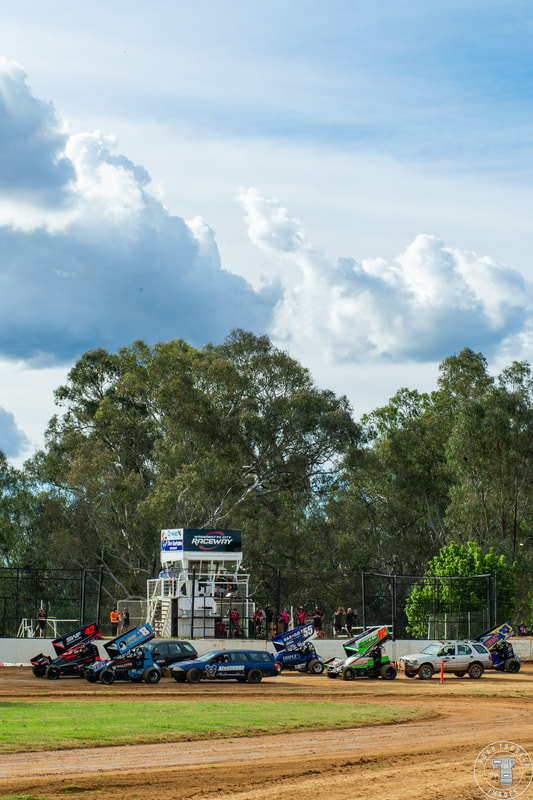
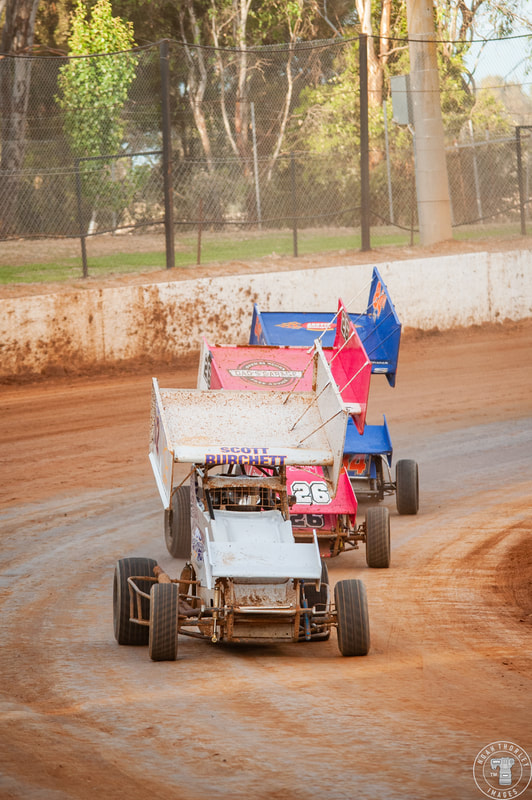
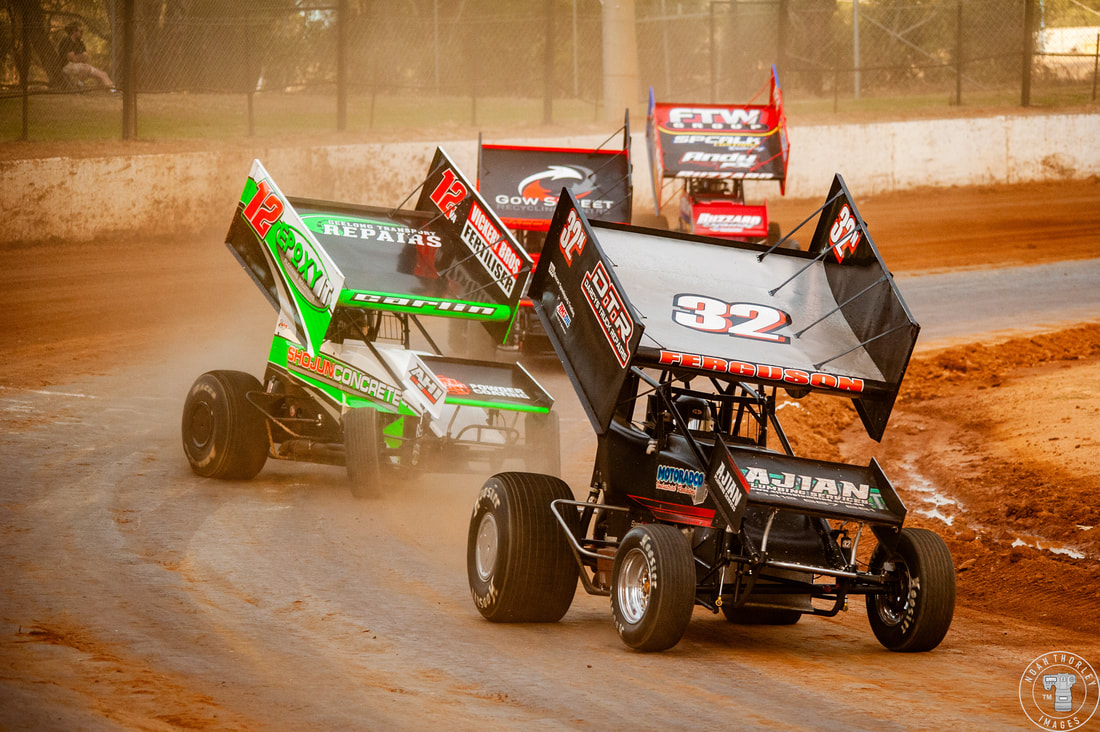
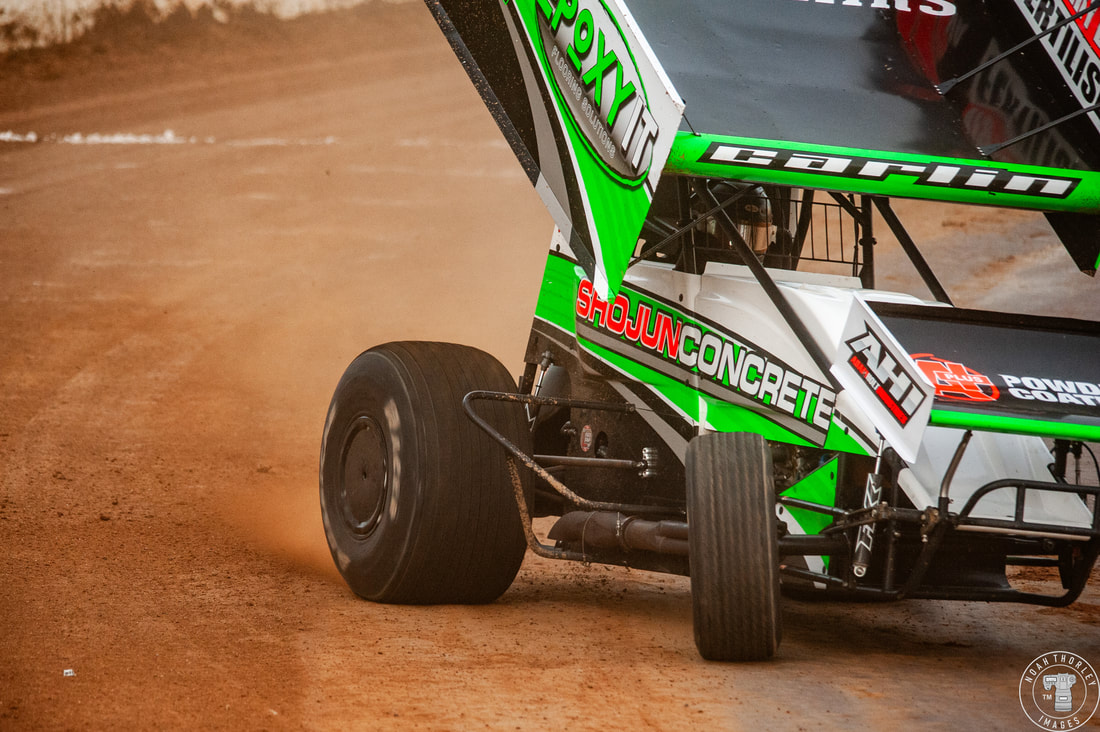
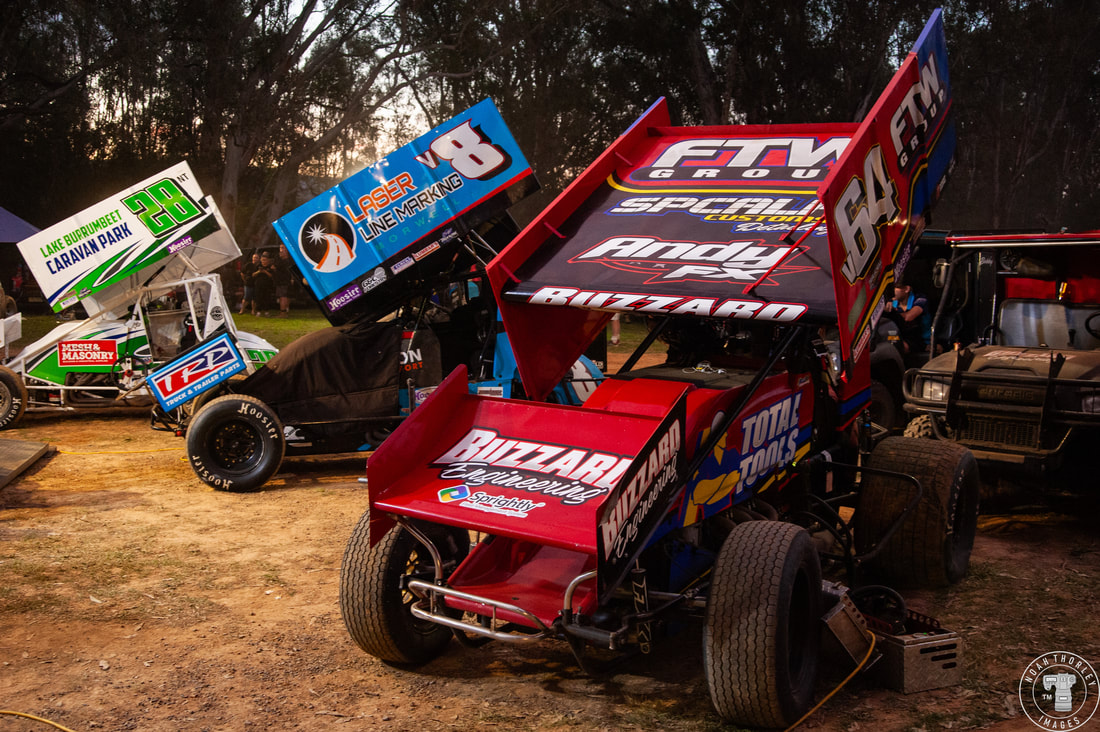
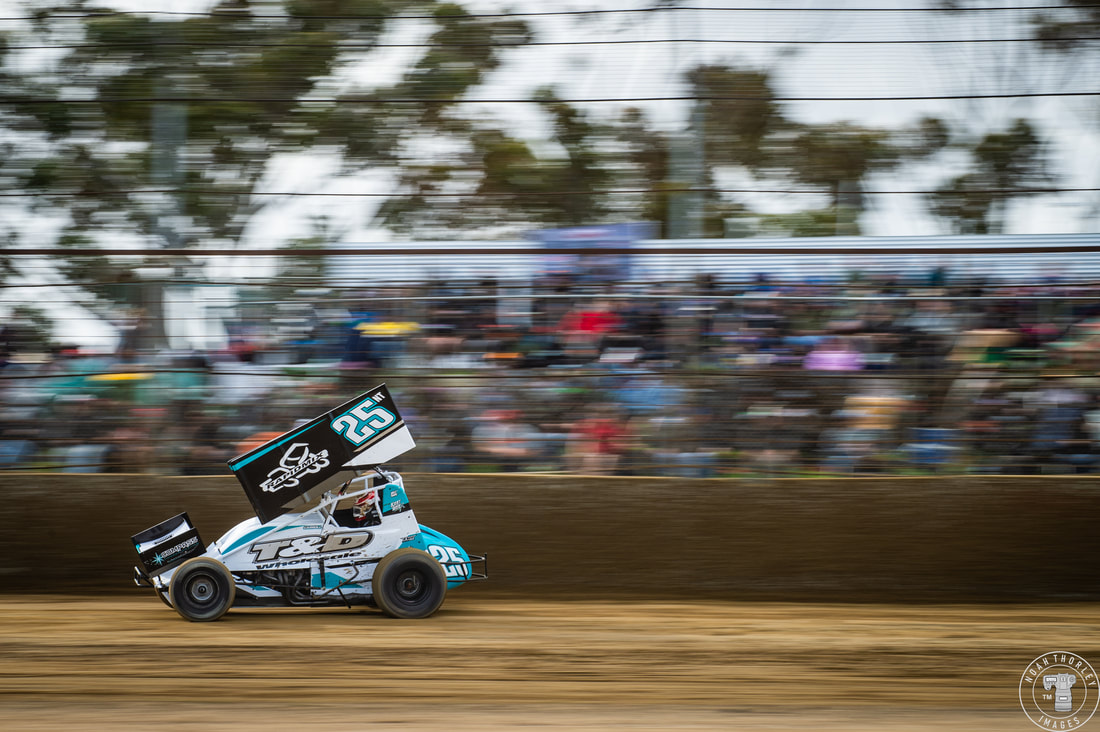 One of the best weeks of the year for Australian motorsport is always the week between Boxing Day and New Years as the best Sprintcar teams in the country compete in the south. From two nights at Murray Bridge Speedway to Mount Gambier battling in Borderline Speedway to now Avalon Raceway to start the Victorian leg of Speedweek. 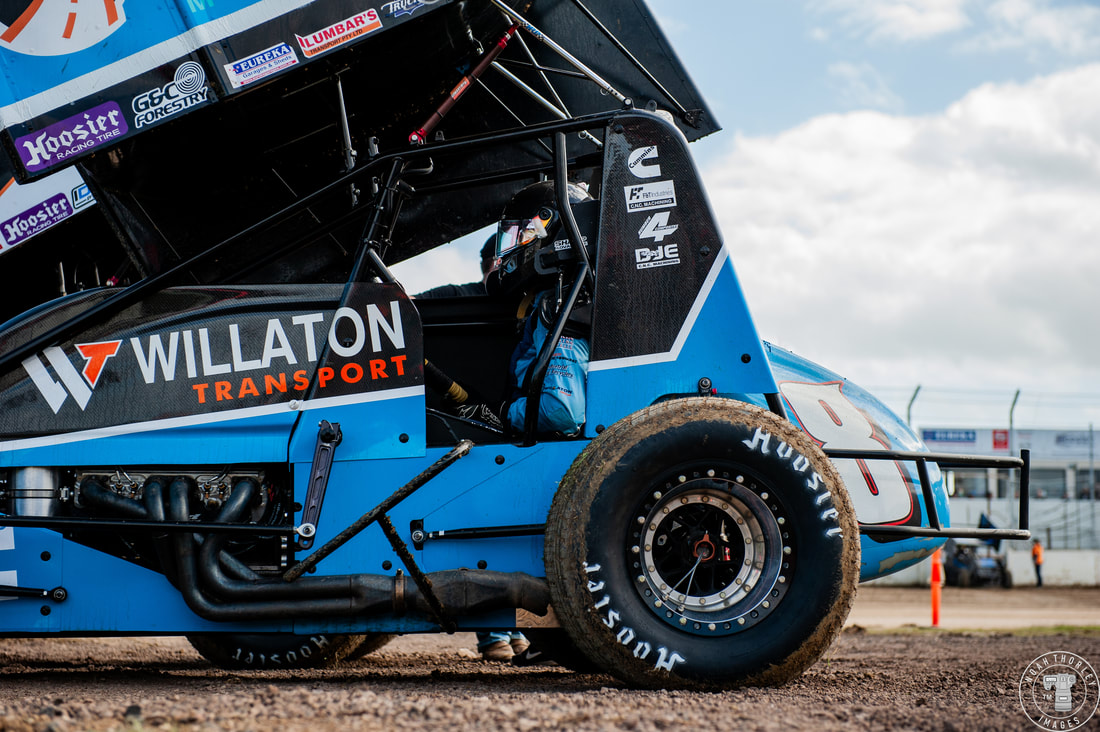  Here's how the week had shaped up as the competition rolled into Avalon. 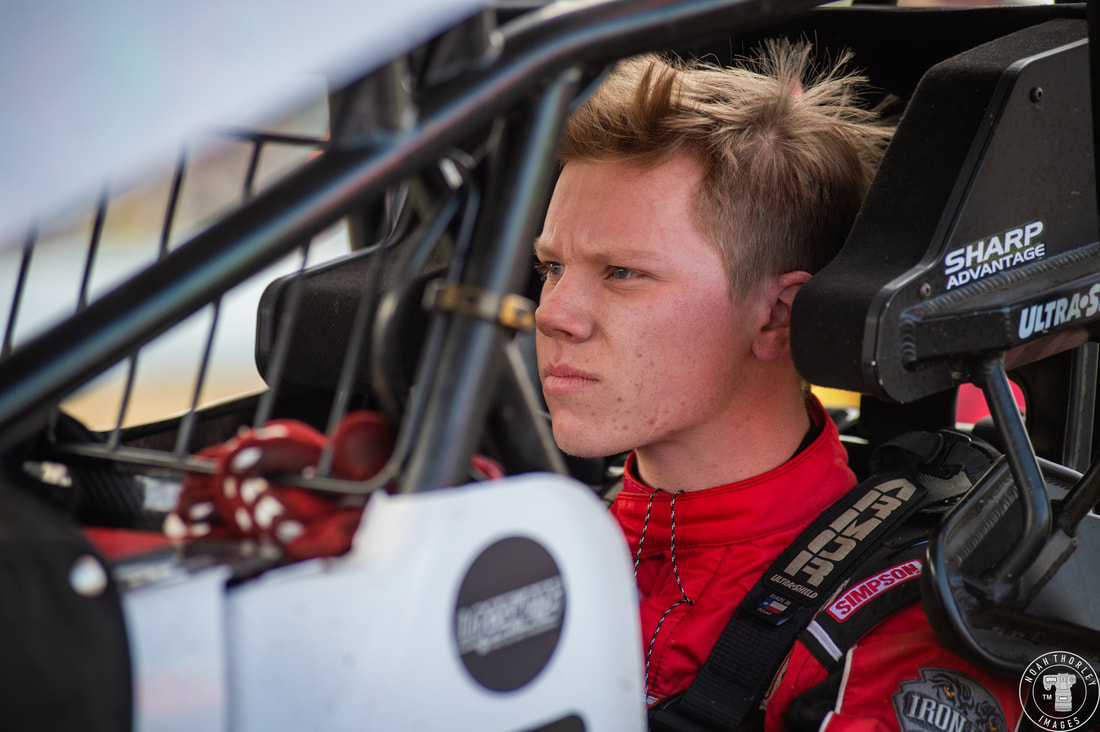 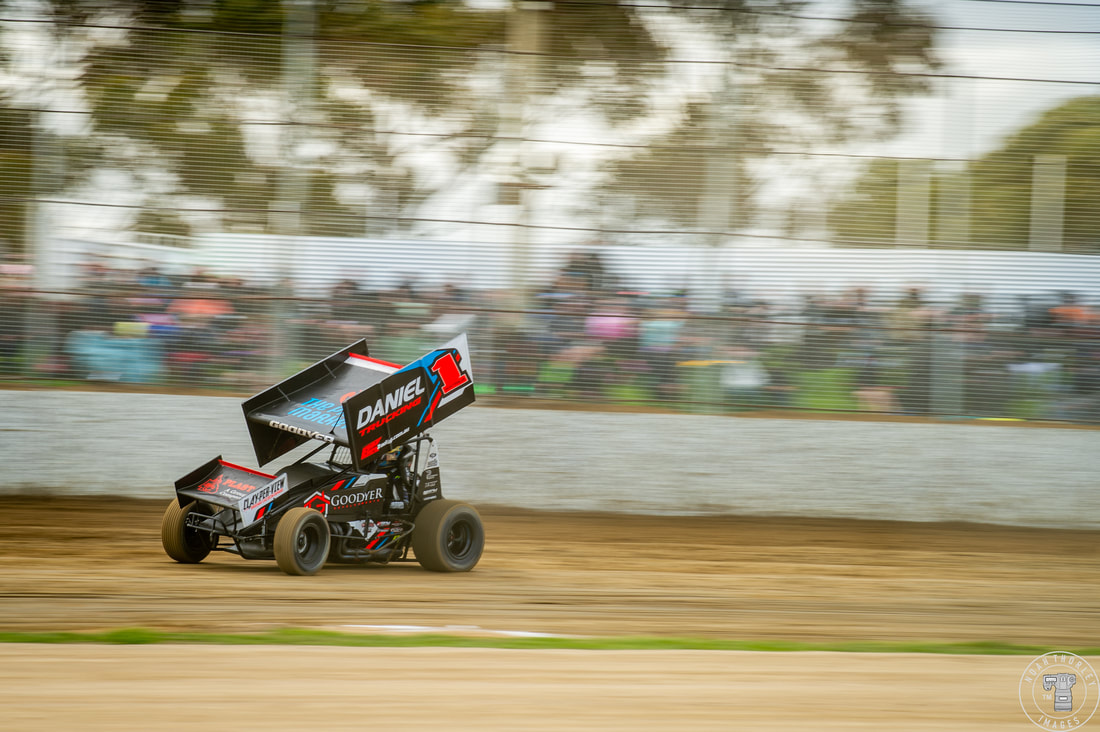 Chase Randall started from the front in the feature on Boxing Day and lead until he ran into the back of lapped traffic, cutting a tyre which flipped him into the wall and out of the race with 21 to go. This left Jock Goodyer to cruise to victory on Night 1 at Murray Bridge. 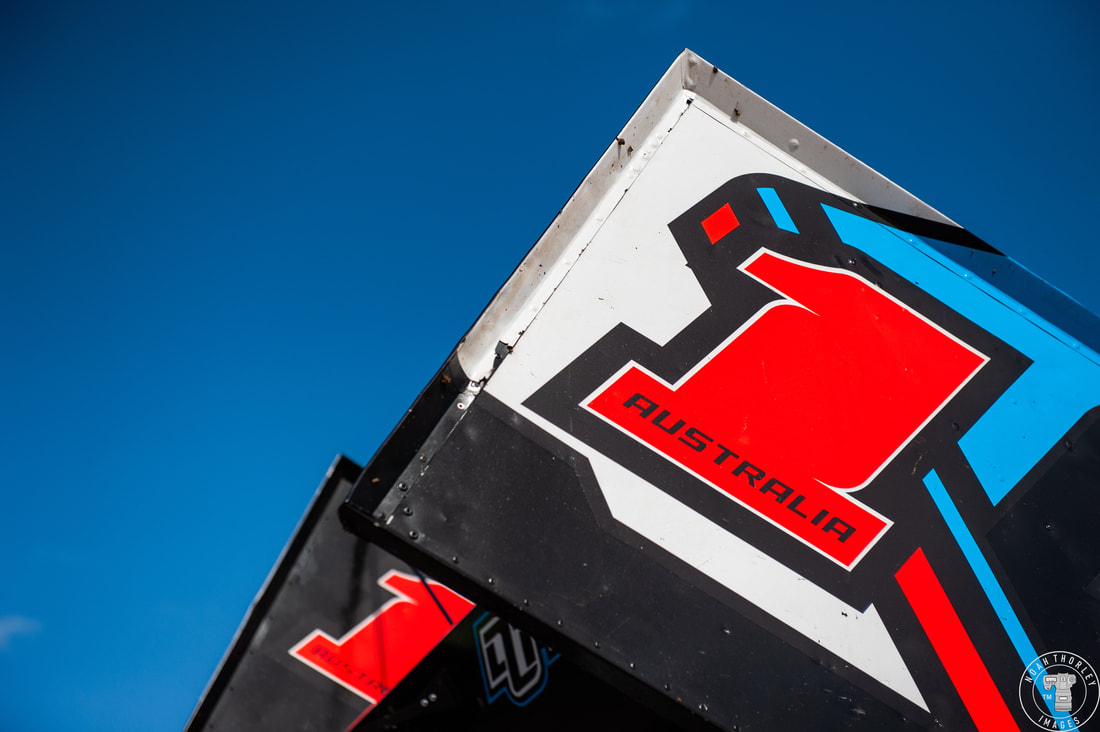 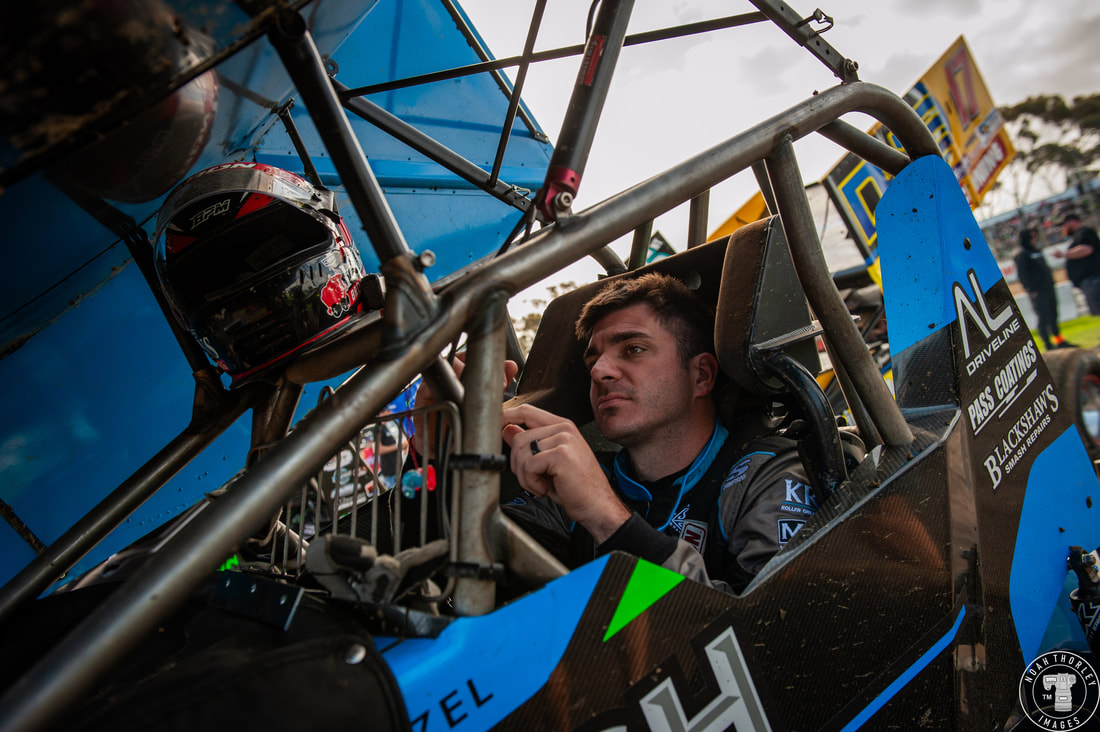 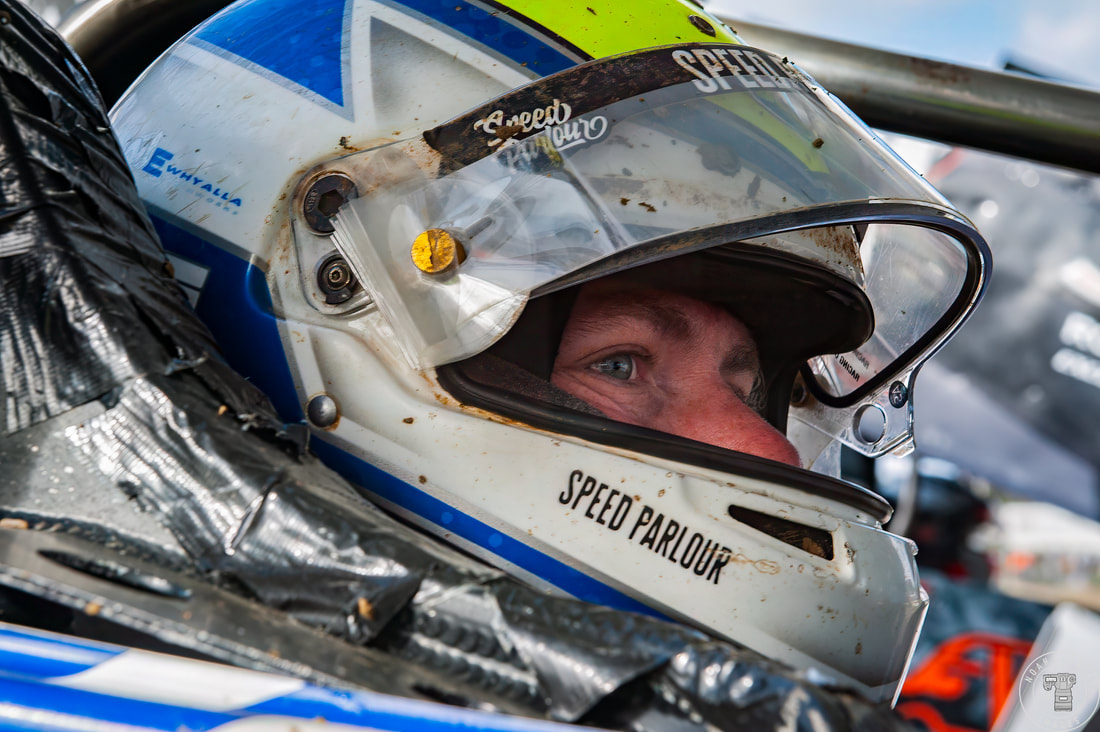 On the second night at Murray Bridge Speedway, Jock Goodyer would be lightning fast on the restarts and would win again with a healthy lead. Even the fast Aaron Reutzel from the USA and South Australia’s Matt Egel had nothing for the Aussie champion. 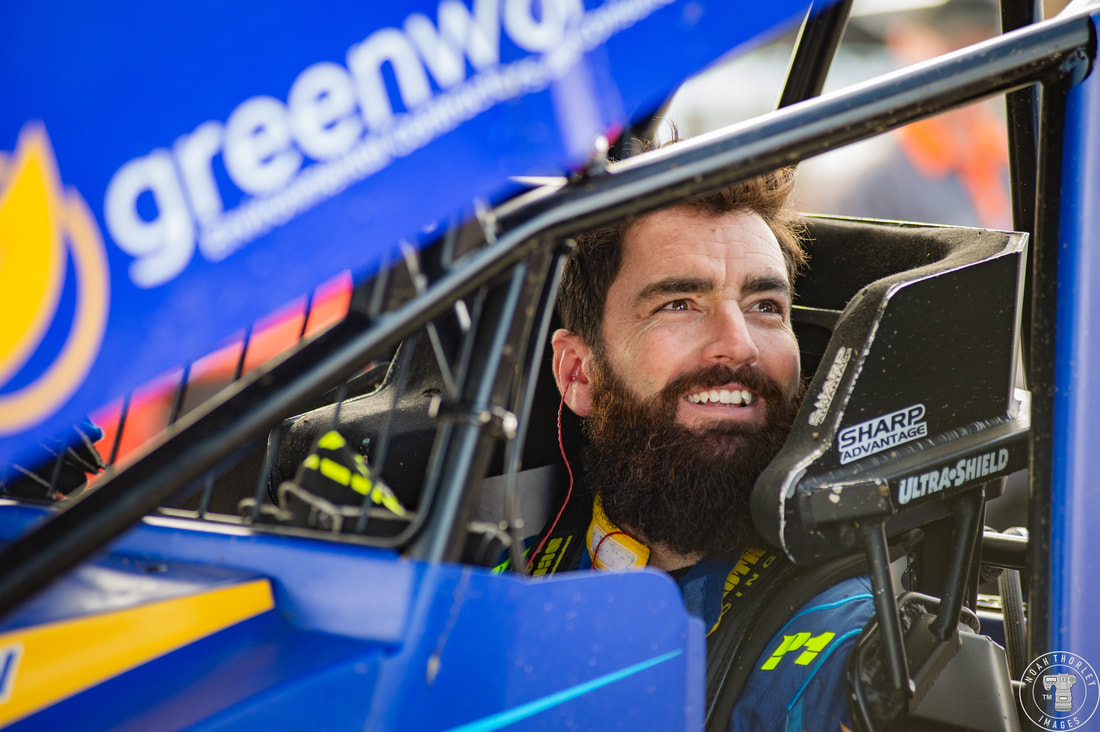 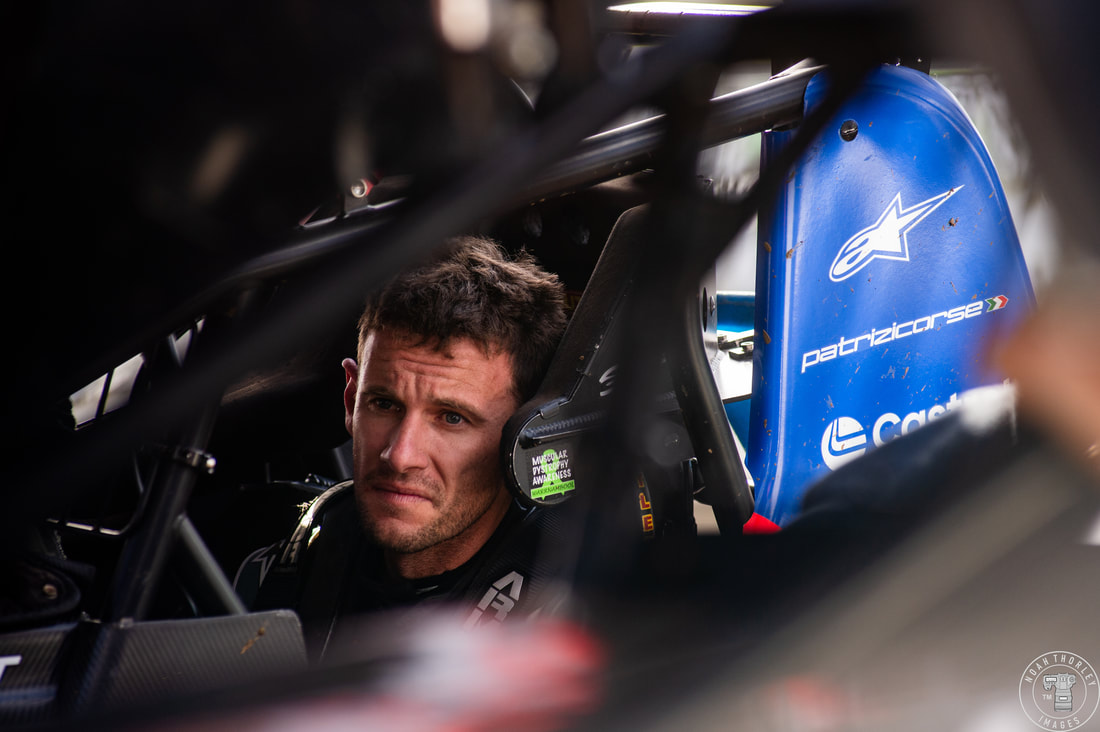 James McFadden would join the show when they arrived at Borderline Speedway. Reigning Classic champion Brock Hallett would threaten Jock Goodyer’s lead in the middle part of the feature, but to no avail as the Australian no.1 would put on another clinic. And that was what was expected of Goodyer to do again here at Avalon. 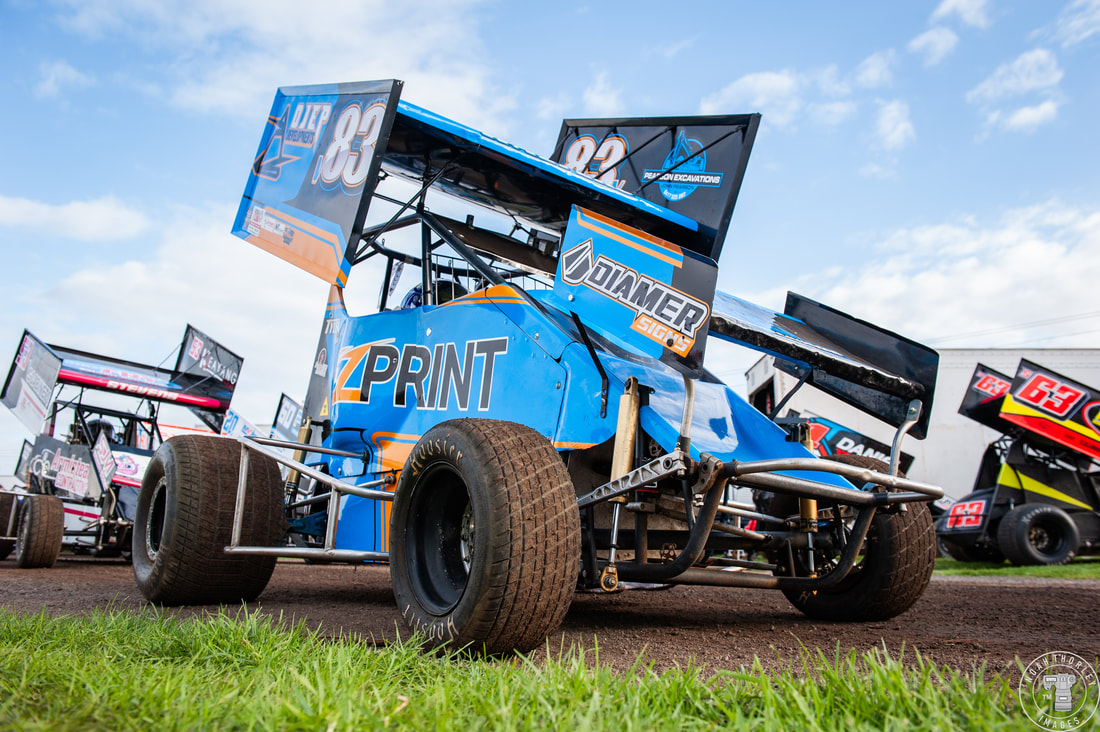 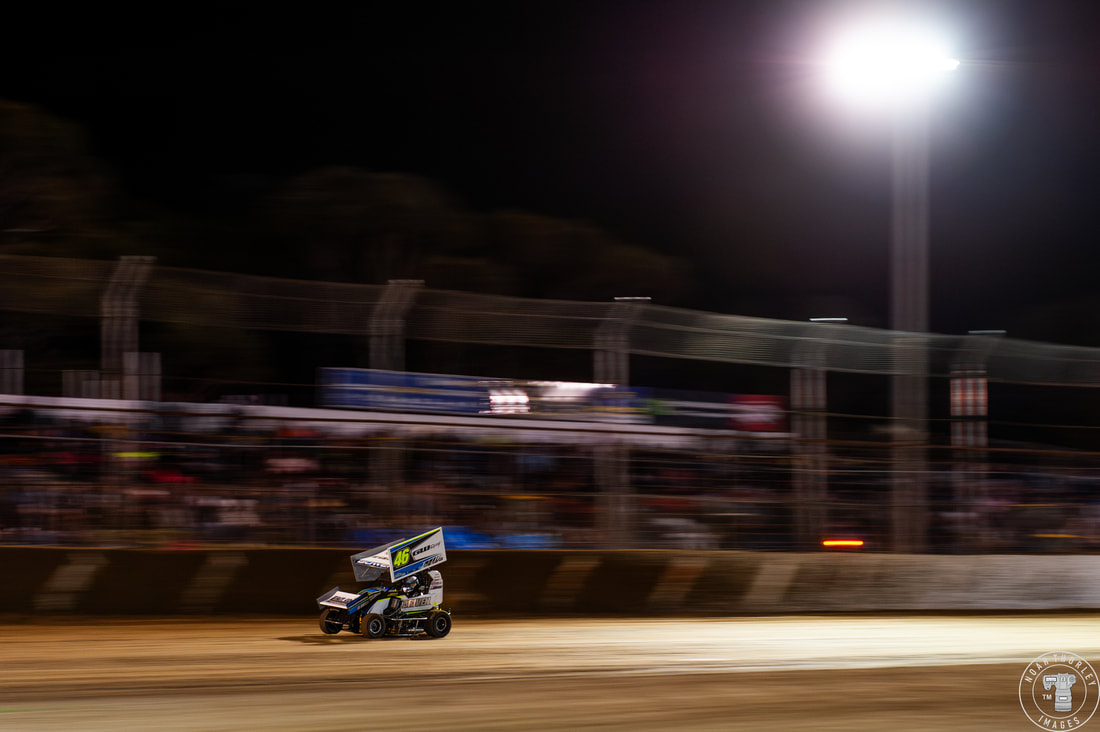 The Juniour F500's would join the Sprintcars yet again as the support category at Avalon Raceway providing some great racing throughout the night. 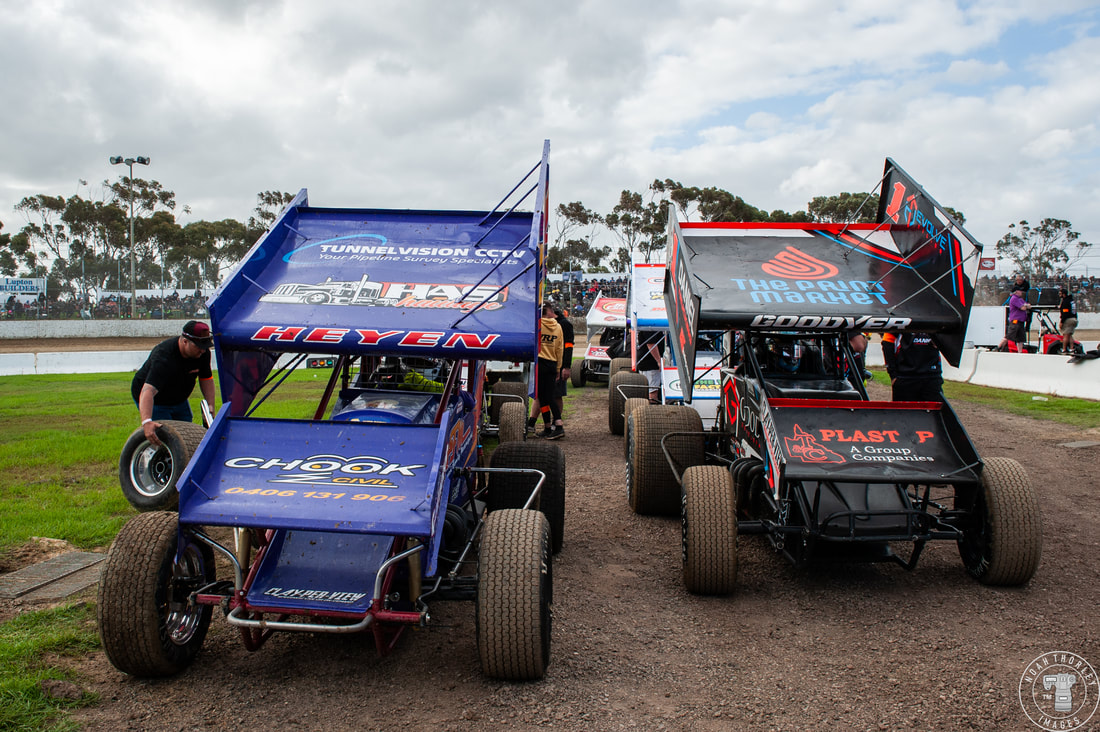
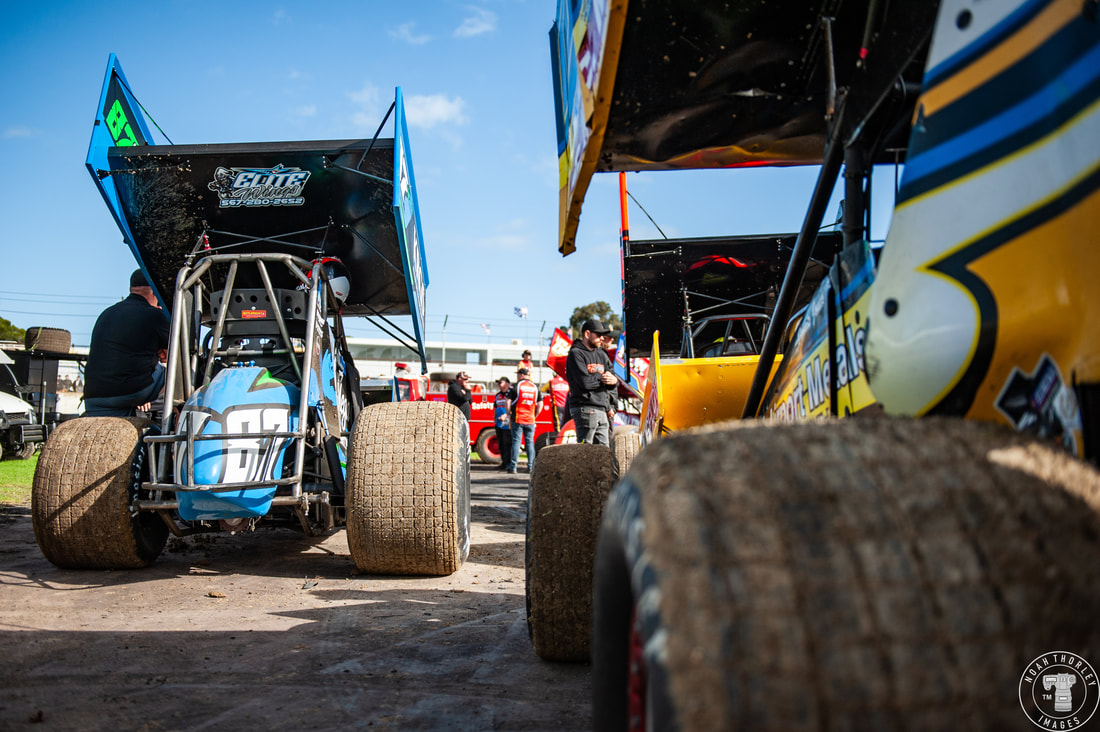
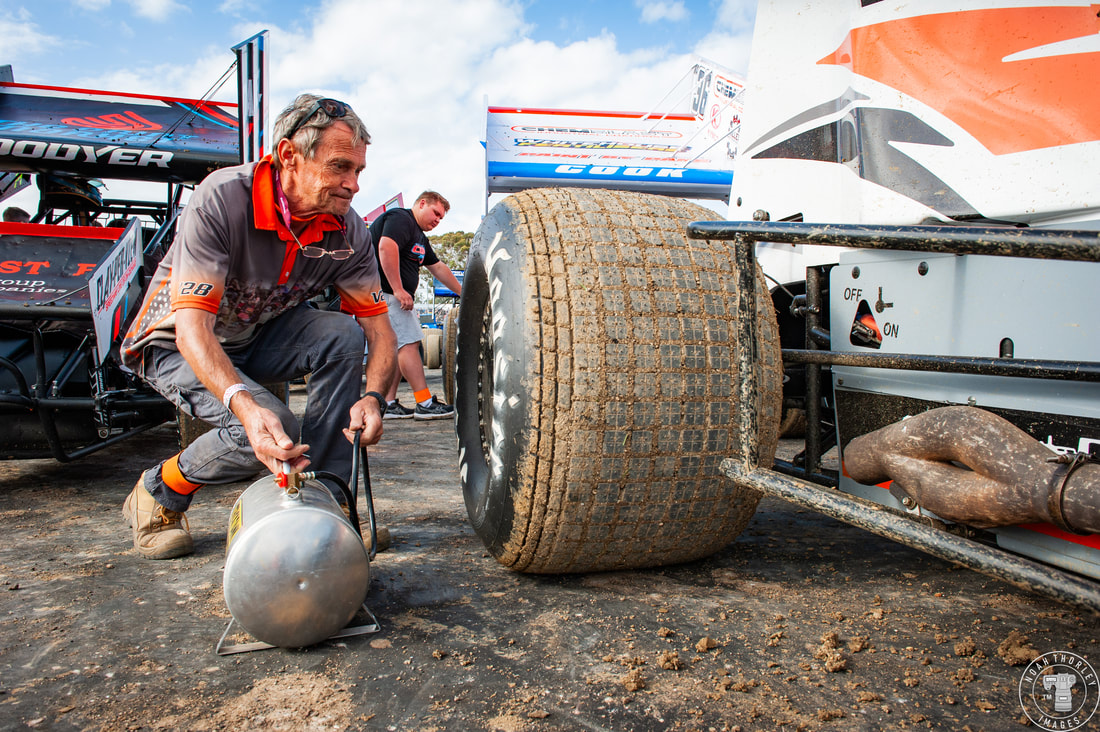
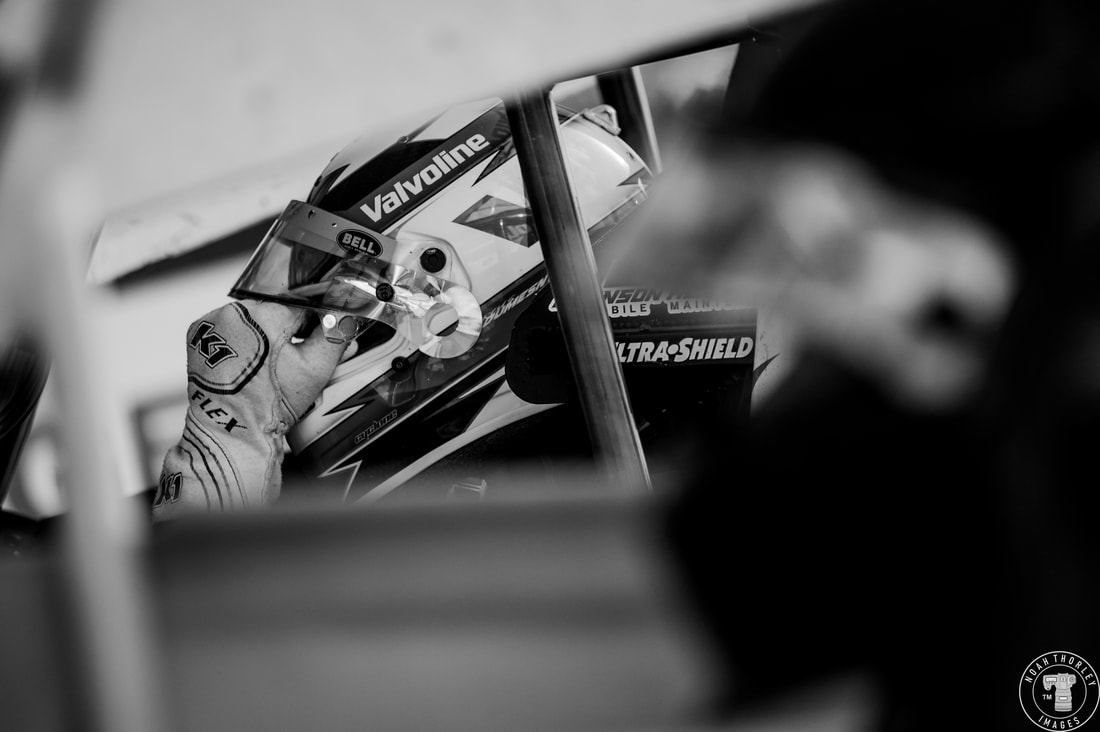
The Sprintcar superstars would head straight out for their hot laps and subsequent qualifying fast laps.The Heat races would be predetermined, meaning that qualifying would be split into 5 groups, one for each Heat. 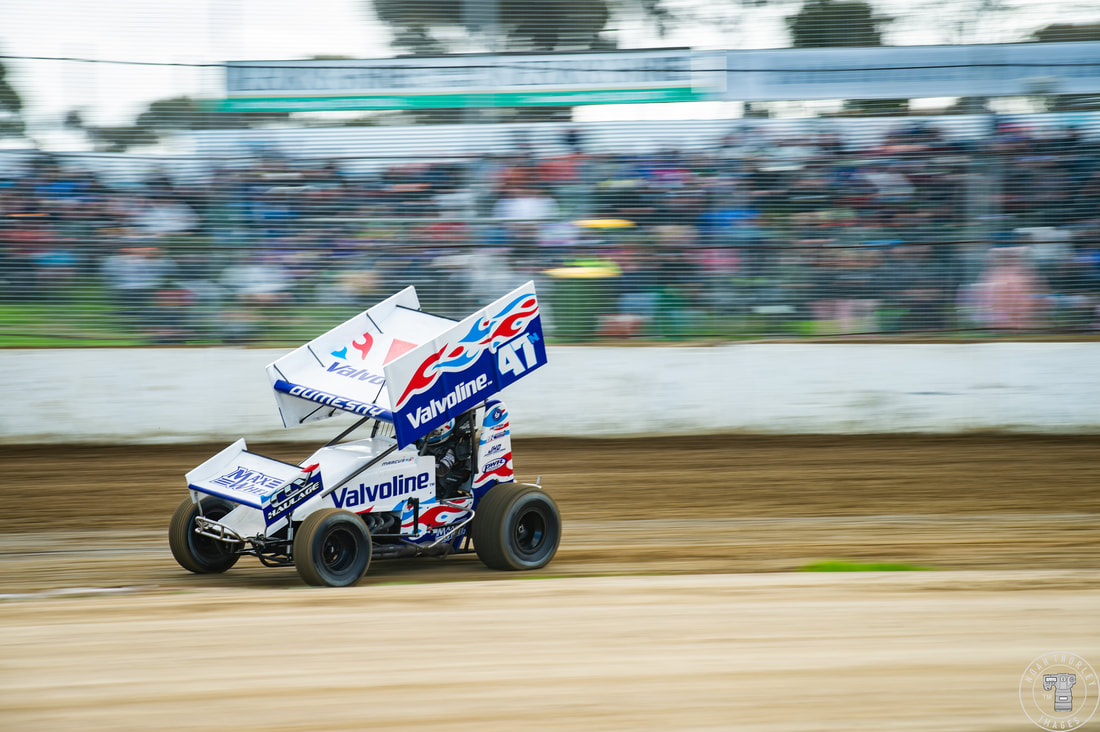 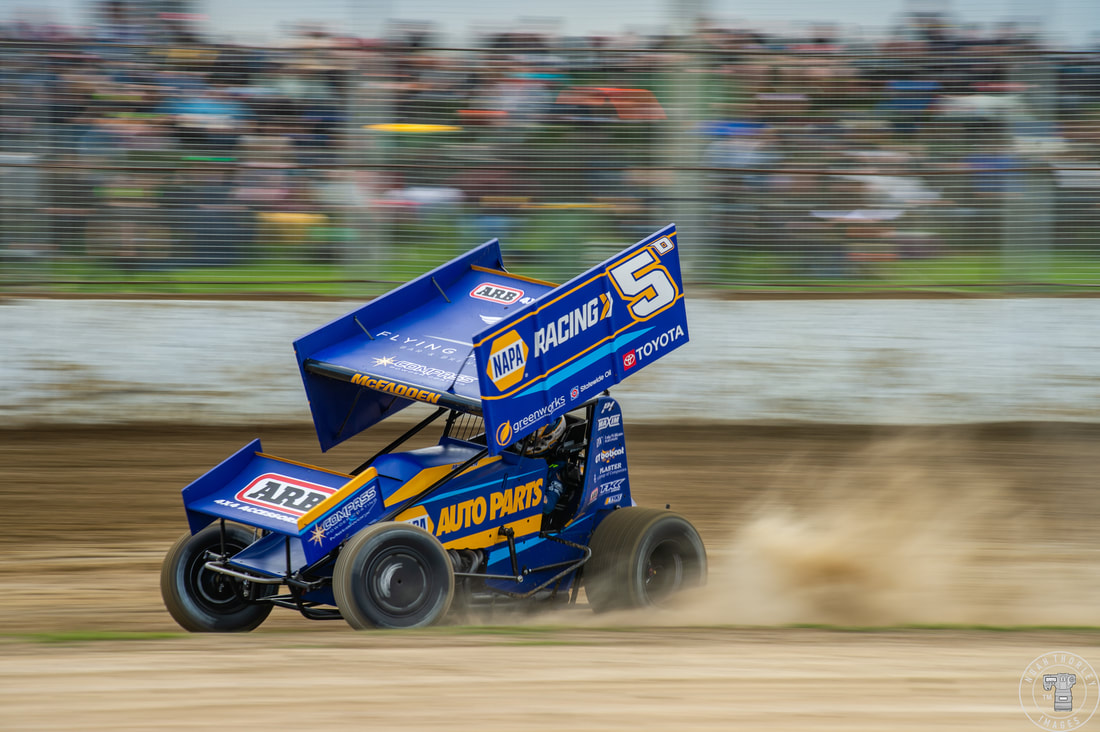 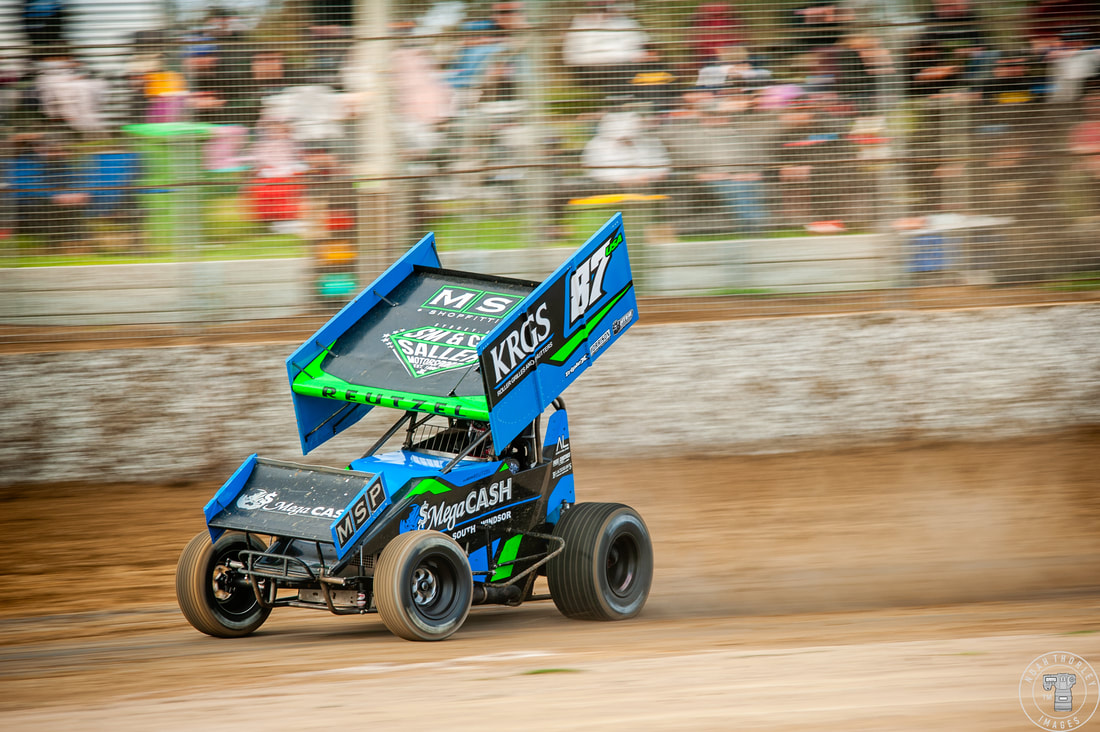 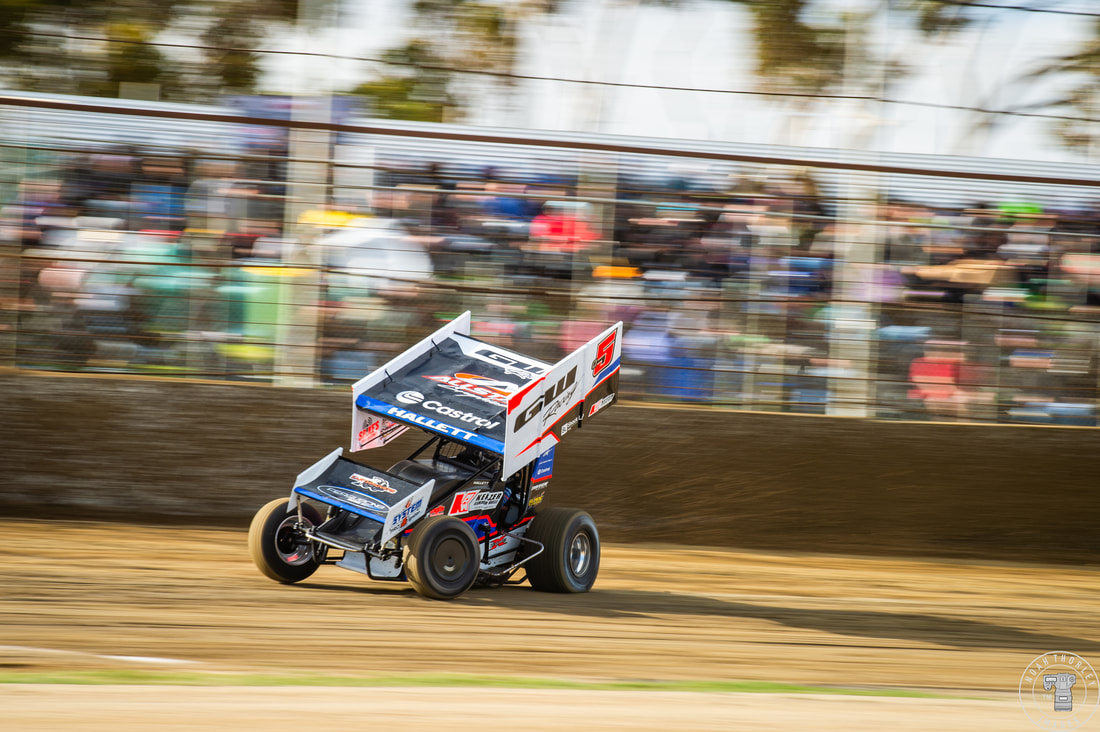  Marcus Dumesny in his throwback livery, inspired by one of his father Max's paint schemes would go fastest in Group 1, with Brock Hallett and American racers Aaron Reutzal and Carson Macedo also going Quicktime in their respected groups. James McFadden however would be the fastest of all. 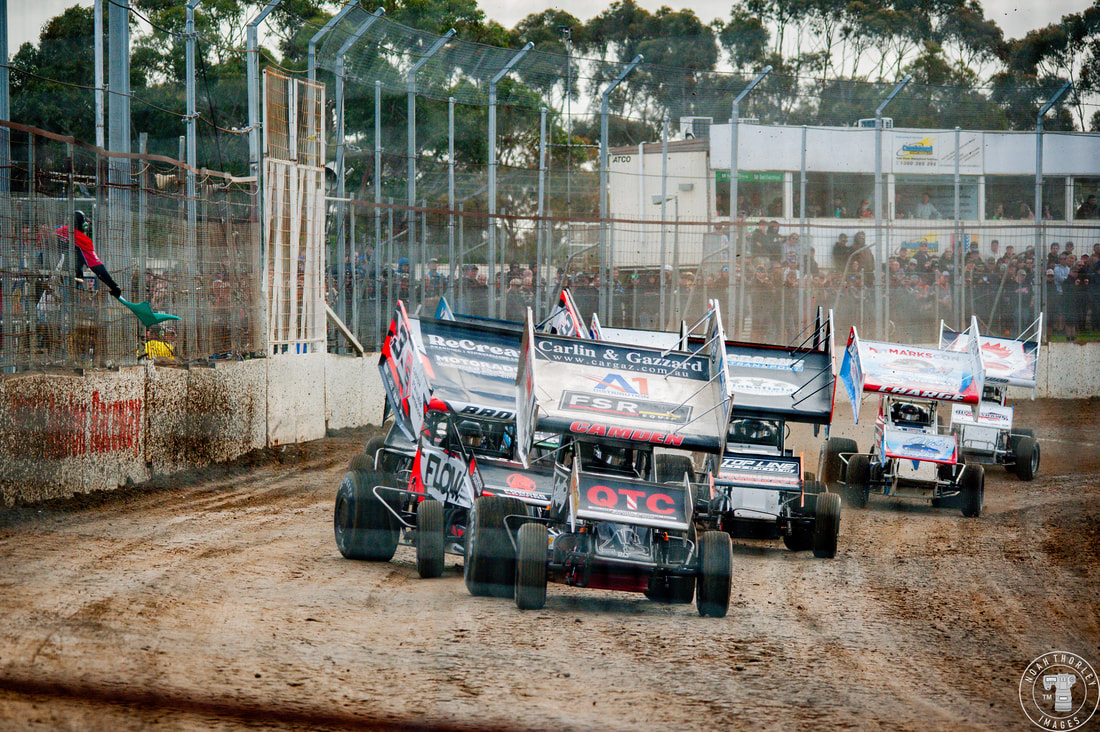 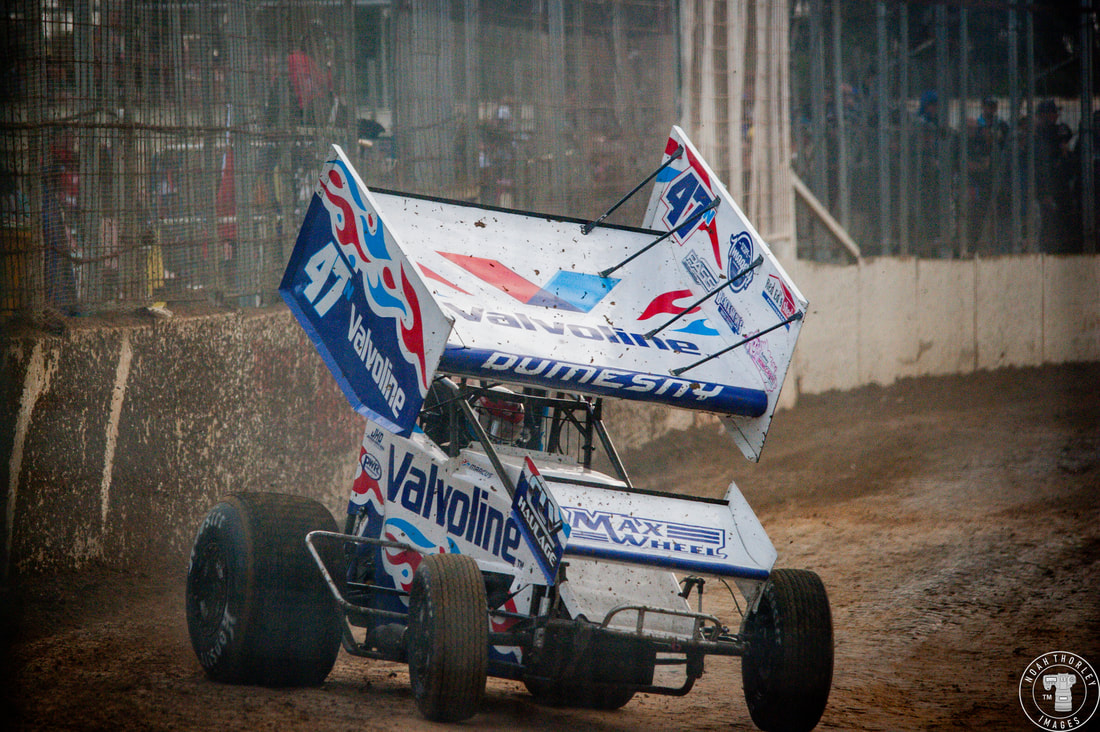 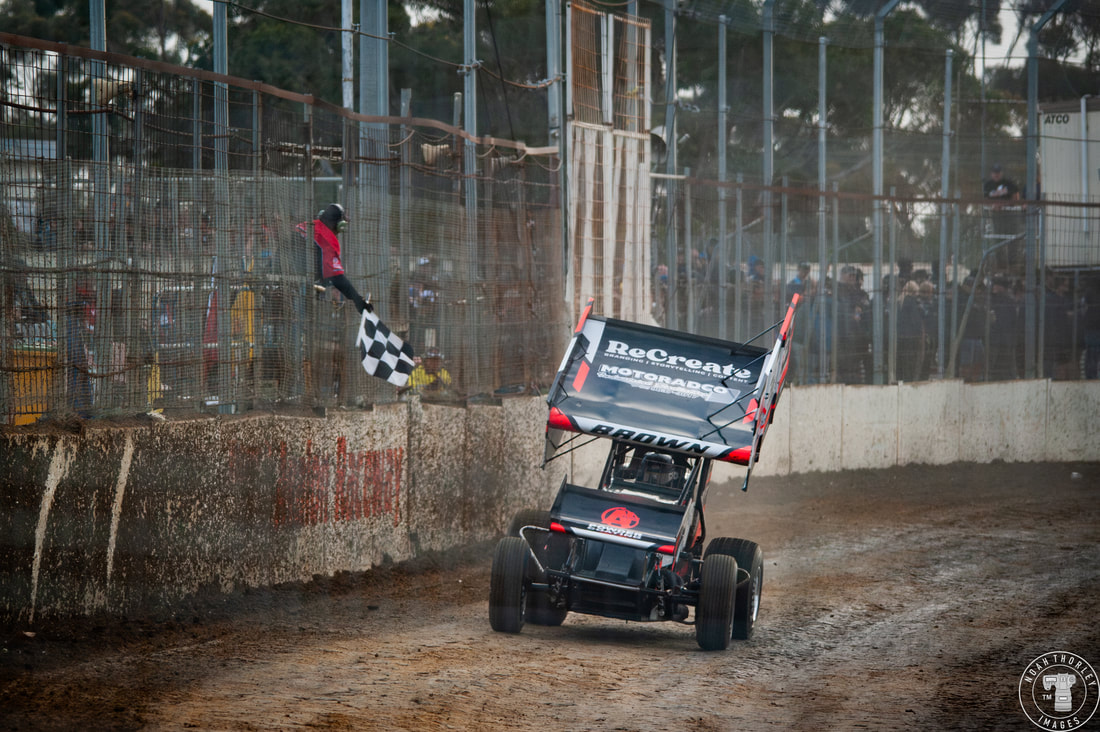 Riley Goodno would start at the front in Heat 1, but would be shuffled back by the end of the 10 laps around Avalon. Kaidon Brown would take the Heat 1 victory followed by Grant Anderson and Marcus Dumesny. 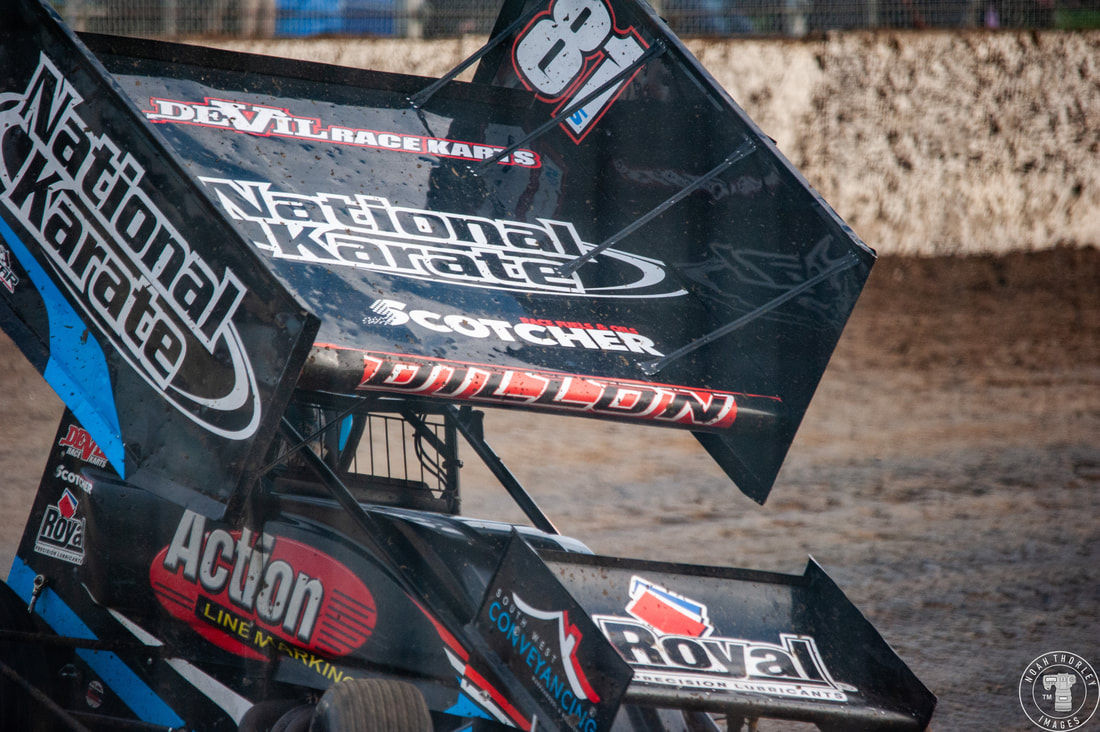 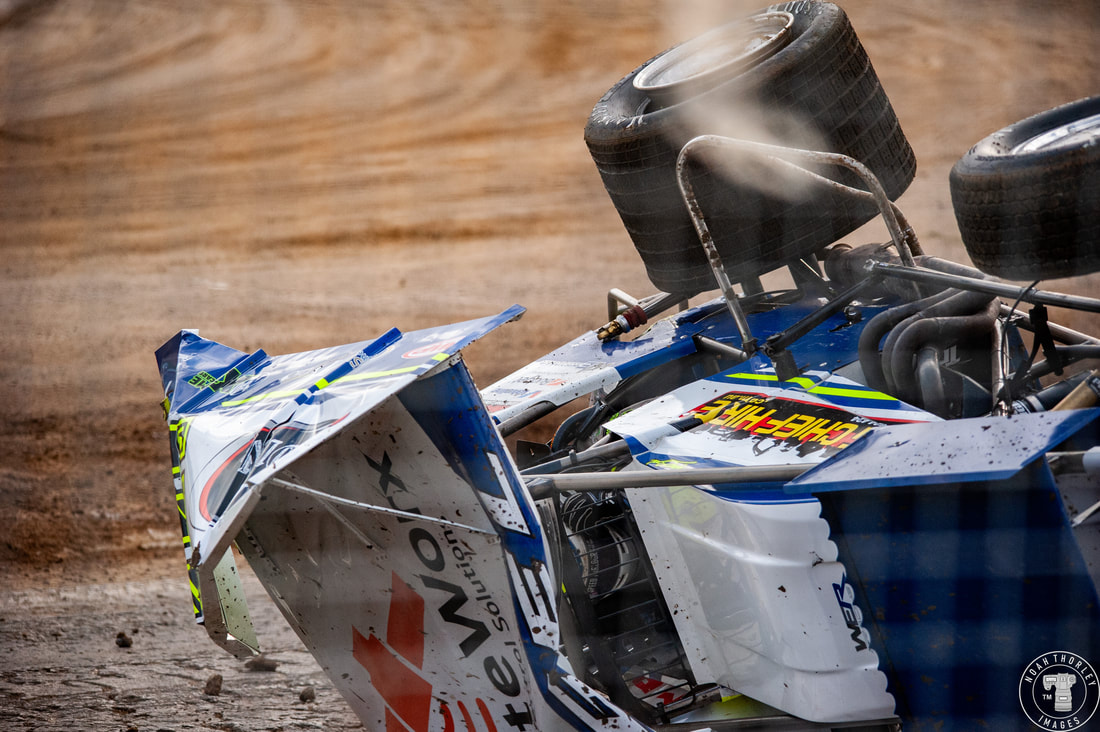 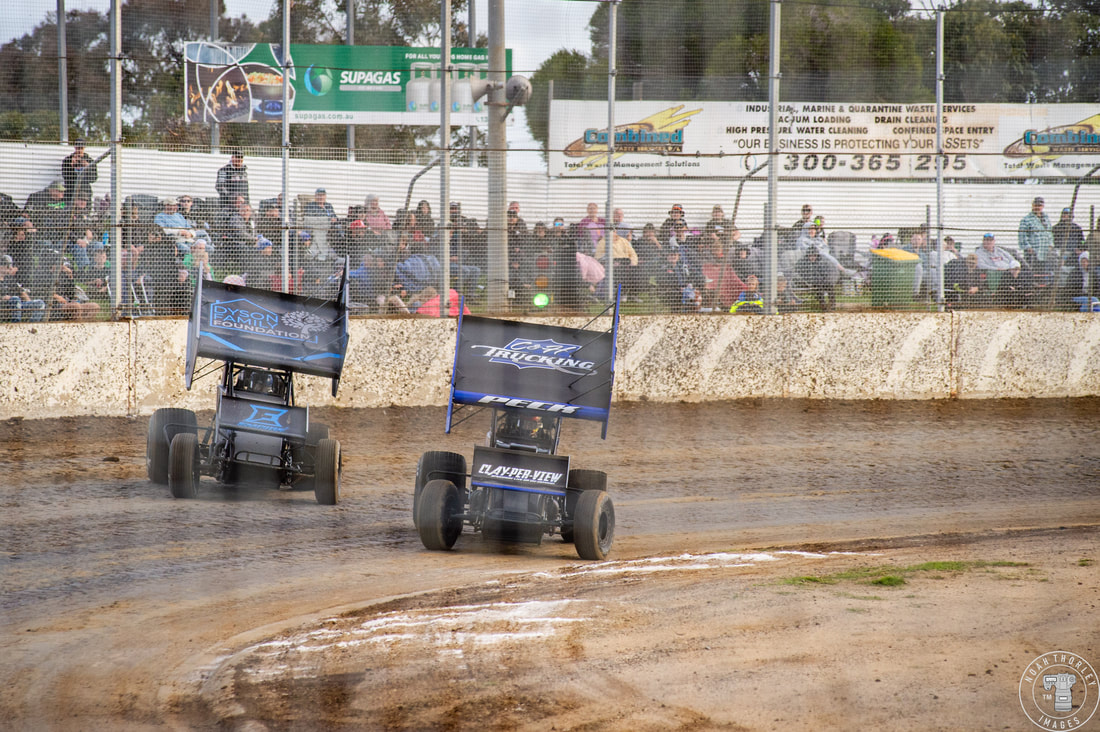 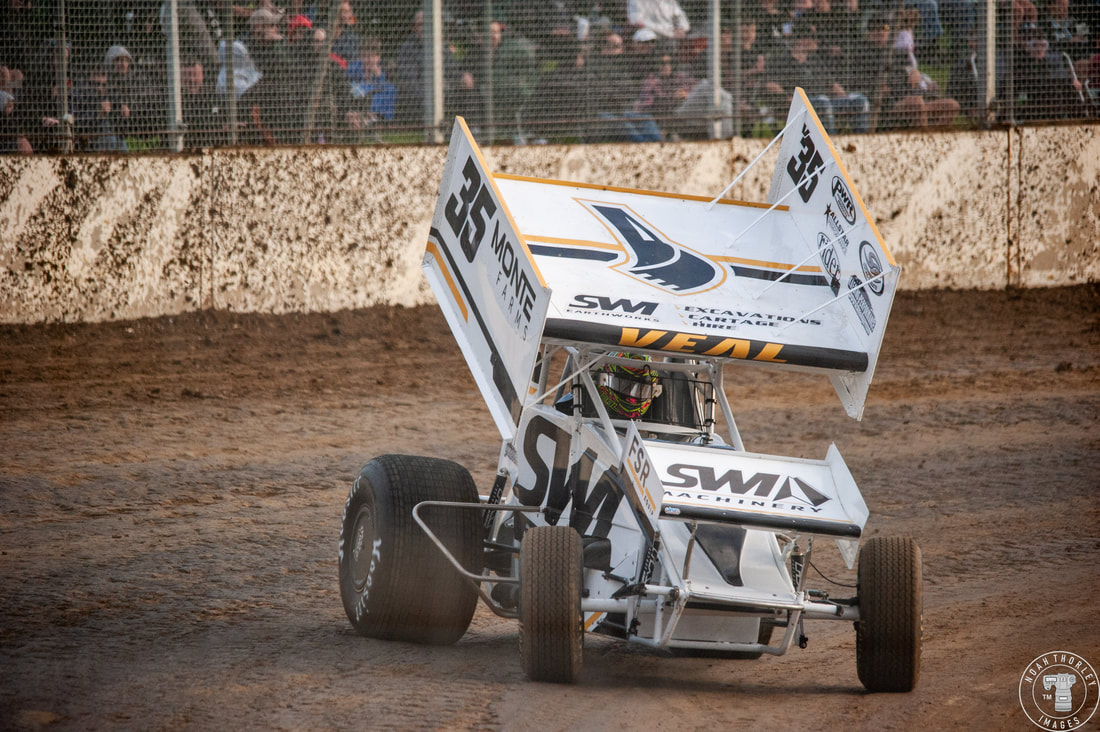 During Heat 2, Luke Dillon would spin, stamp on the brakes and hold and impressive wheel stand. The second yellow would come out when Matt Egel would roll after coming together with Dane Court. Up front, the two Americans of Justin Peck and Carson Macedo would battle it out, with Macedo taking the lead on the final lap to win Heat 2, with Jamie Veal finishing third. 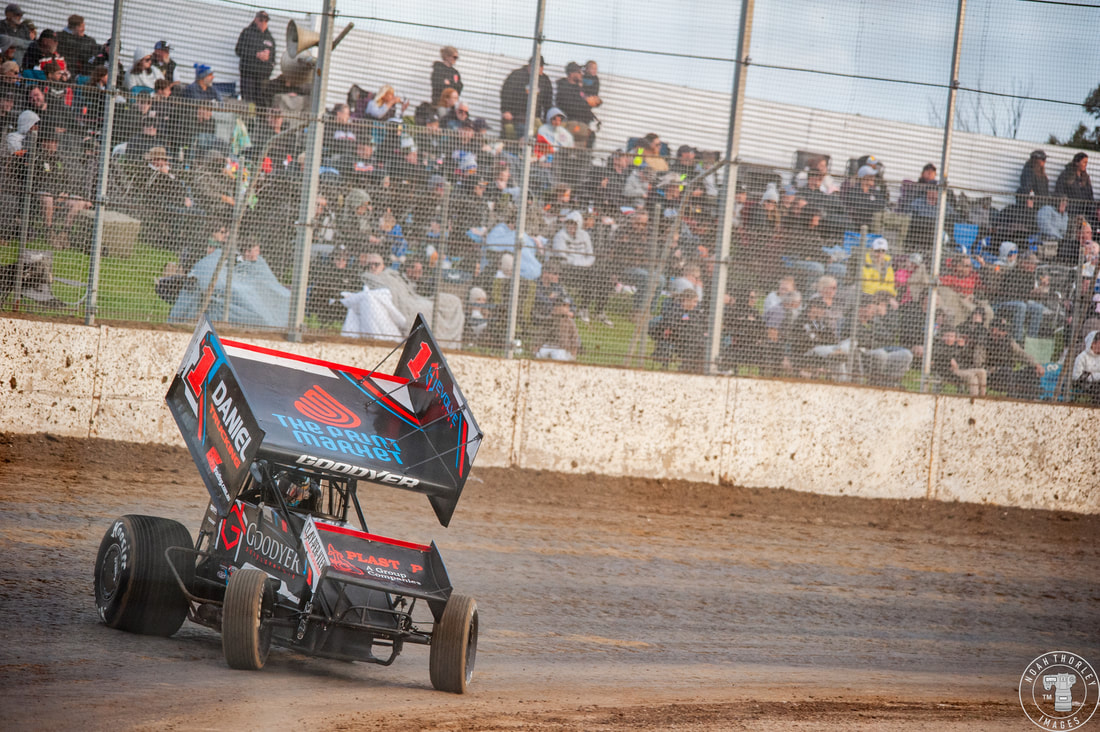 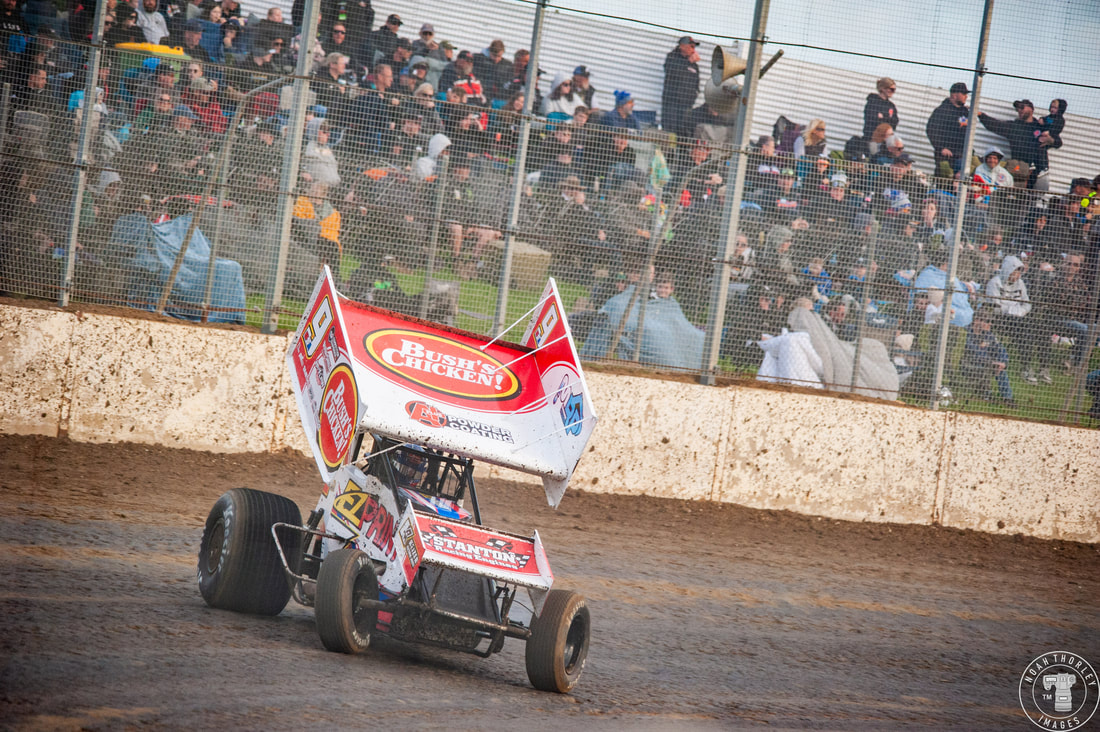 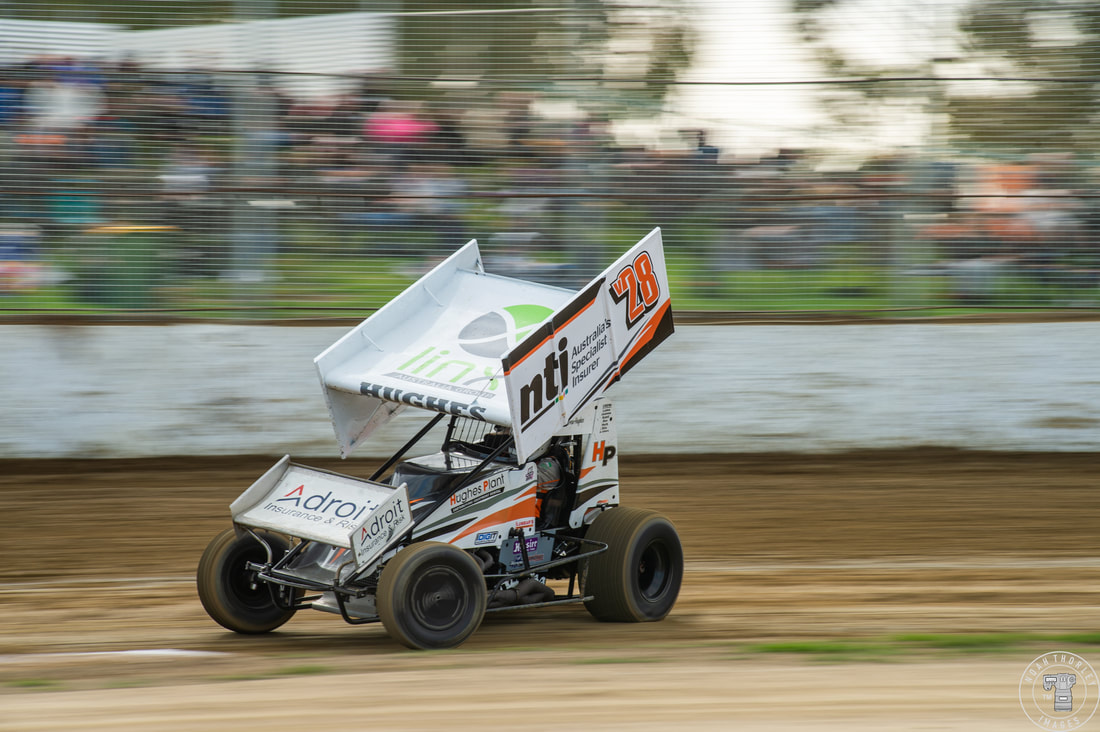 As rubber was put down on the track, making it extra grippy, Jock Goodyer ran away from the field, winning Heat 3 followed by Texan Chase Randall and Andrew Hughes. 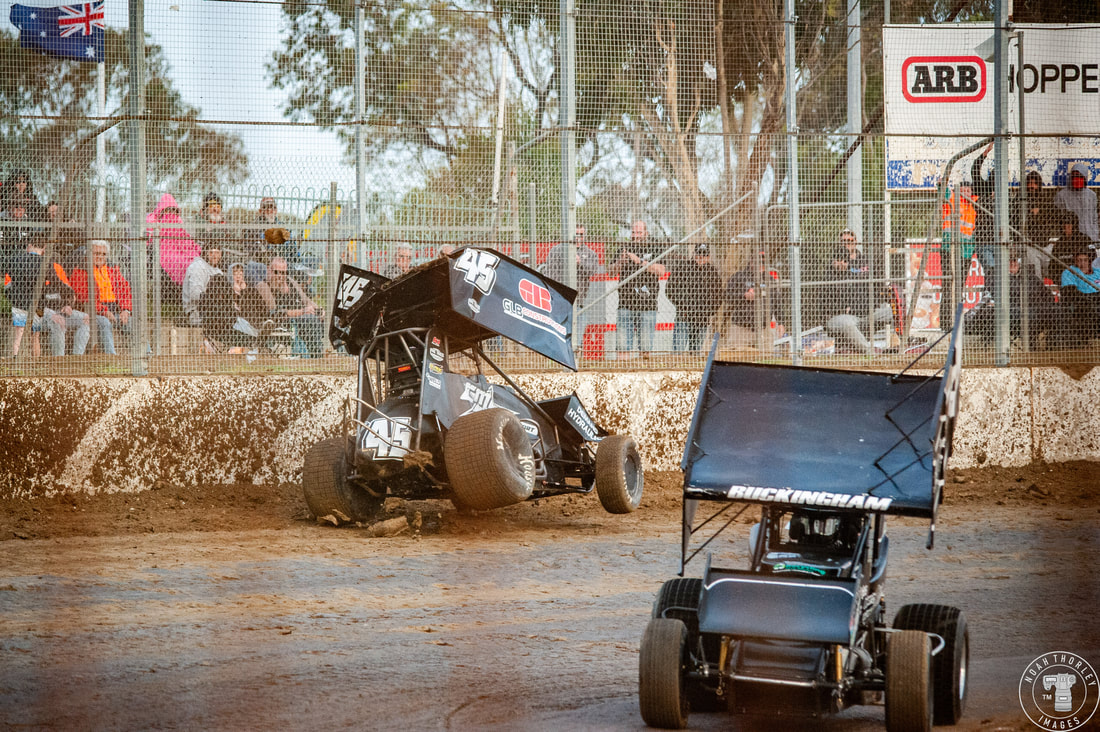 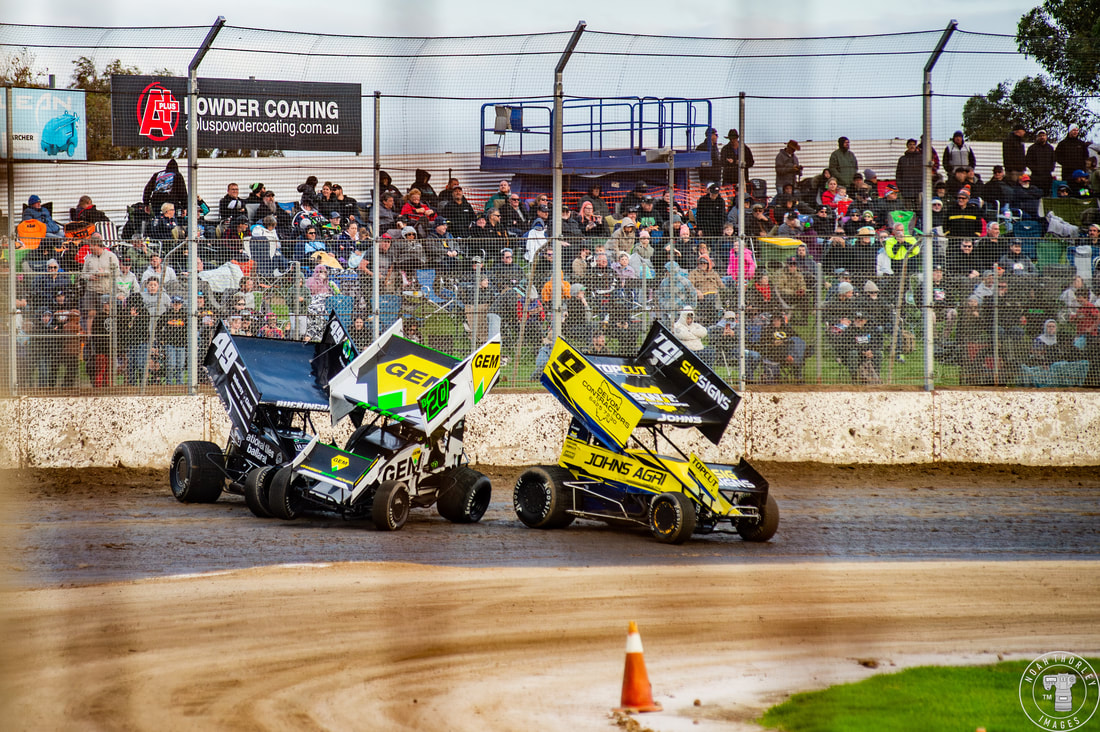 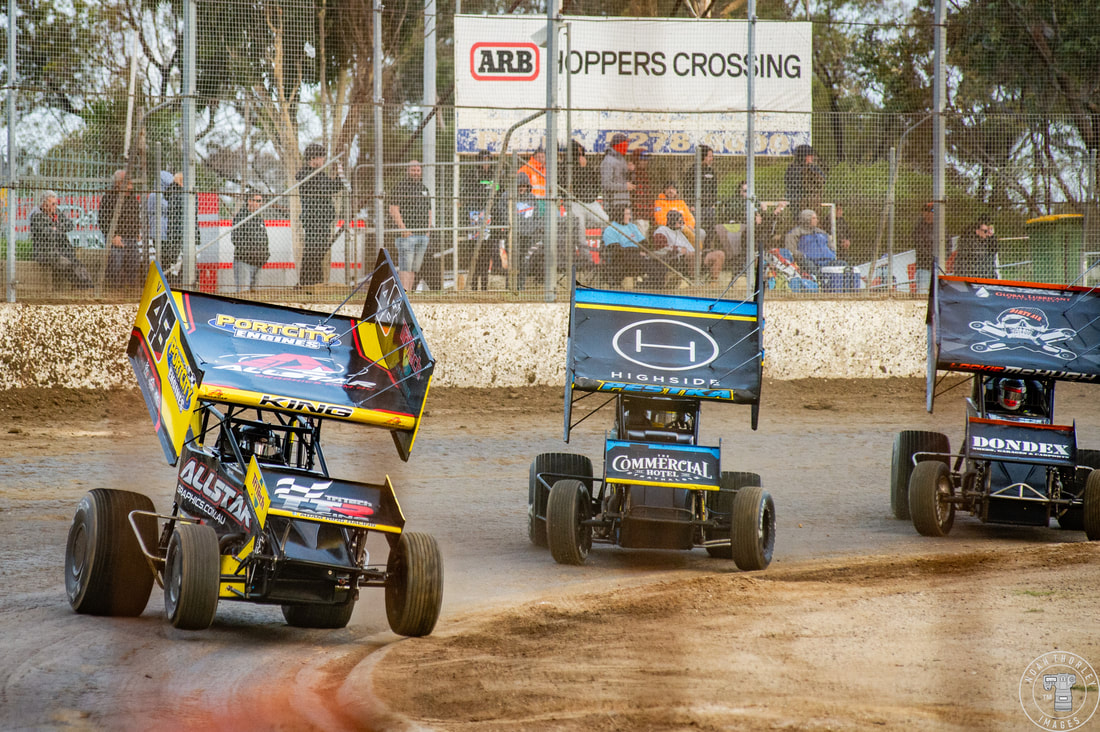 Chad Gardner would be one of those who would try the high line during Heat 4 and it would bite, flipping him out of contention. Later, Dennis Jones, Josh Buckingham and Glen Sutherland would get together bringing out the second yellow, but they would all continue on to the finish. Adam King would win followed by Daniel Pestka and Lachlan McHugh. 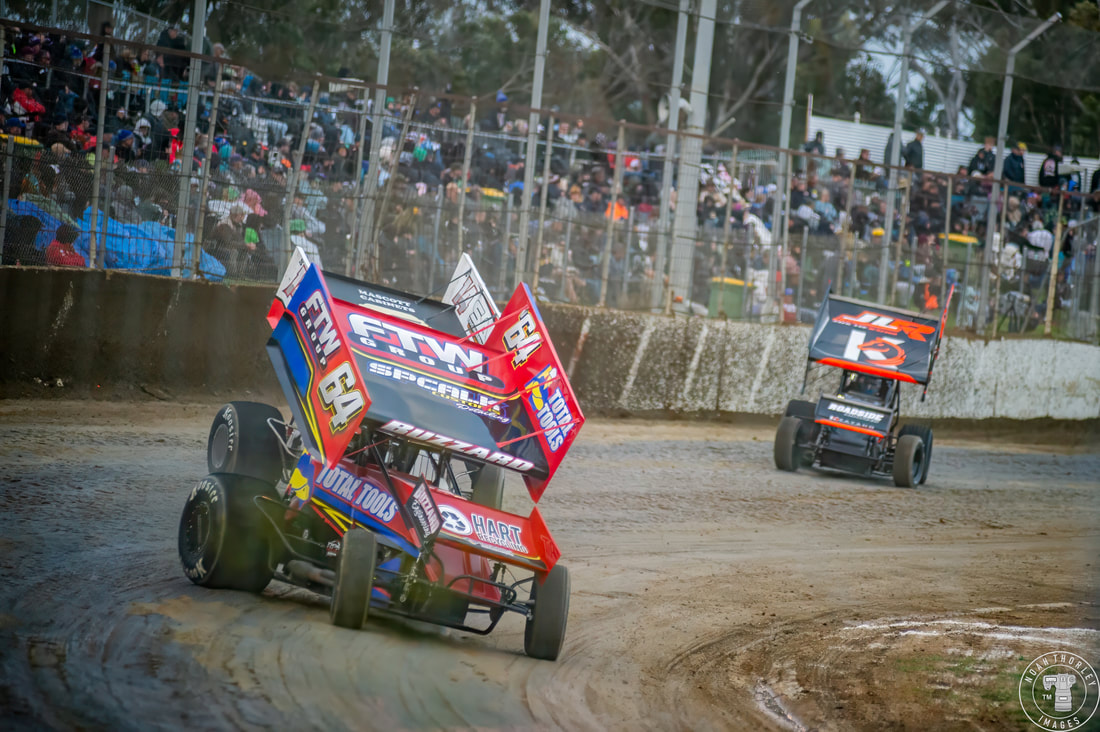 In the final heat race, David Aldersley would hold off the fast Brendon Quinn to grab victory as Jack Lee would finish third. 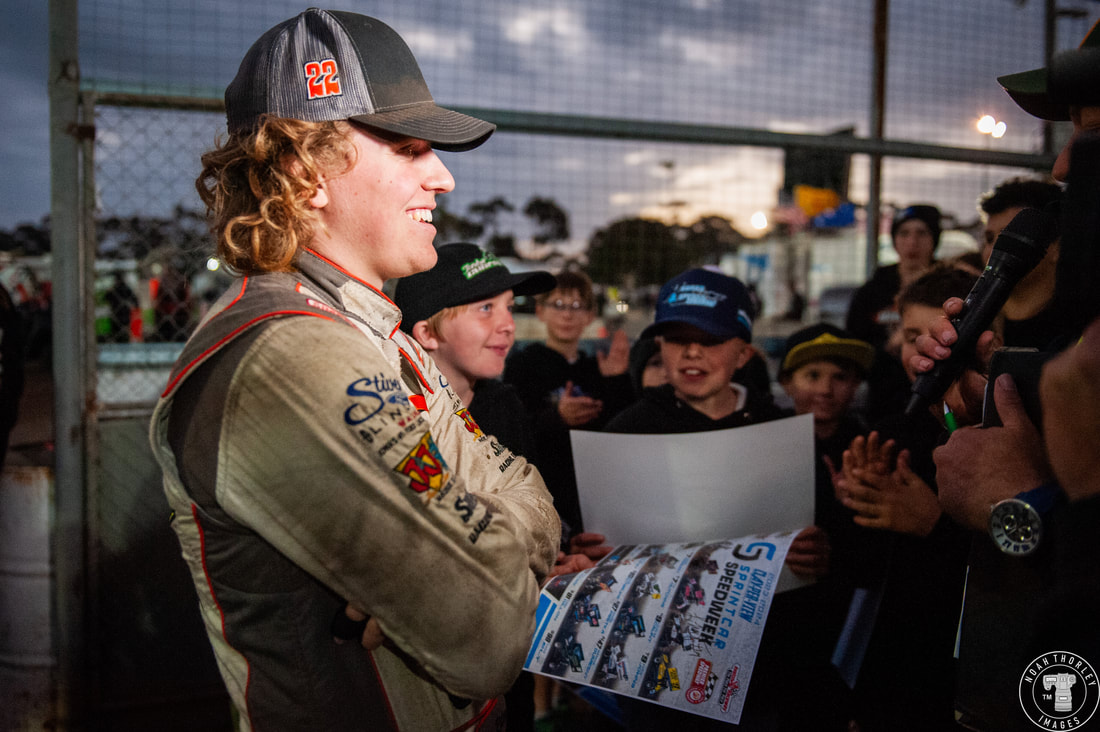 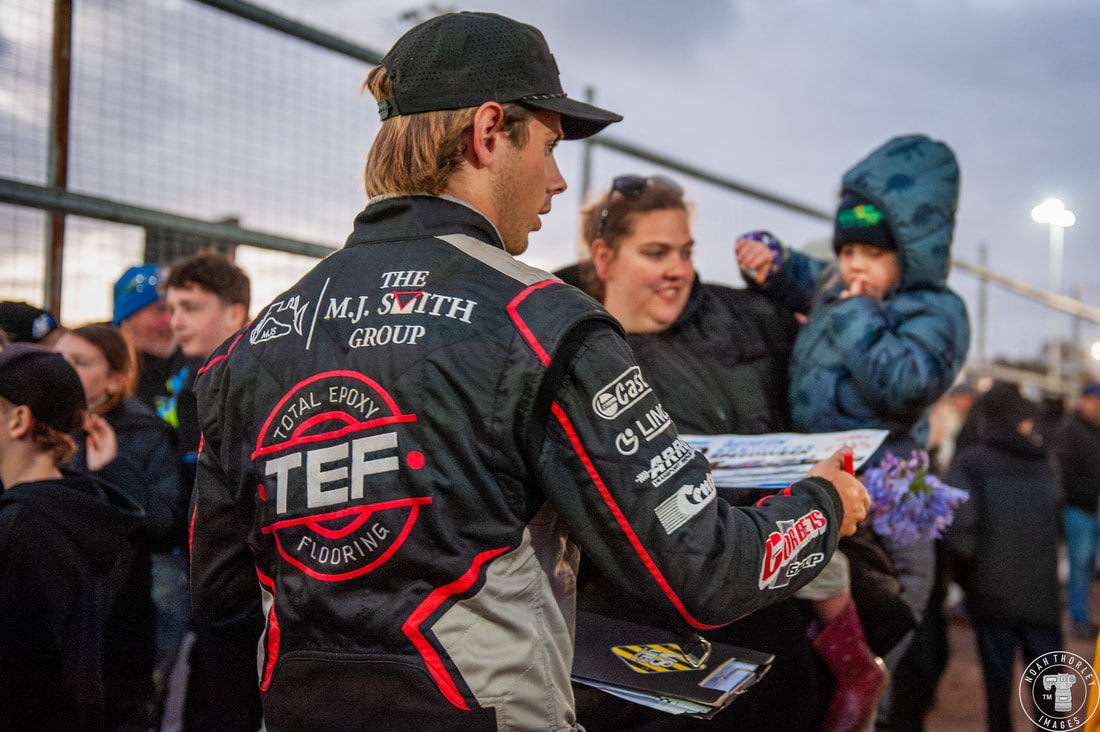 After some more Juniour F500 action and a few driver signings with the fans, everything would be set for the two B-Mains of the night. The top three finishers of each B-Main would fill the final six spots of the A-Main Sprintcar Feature. 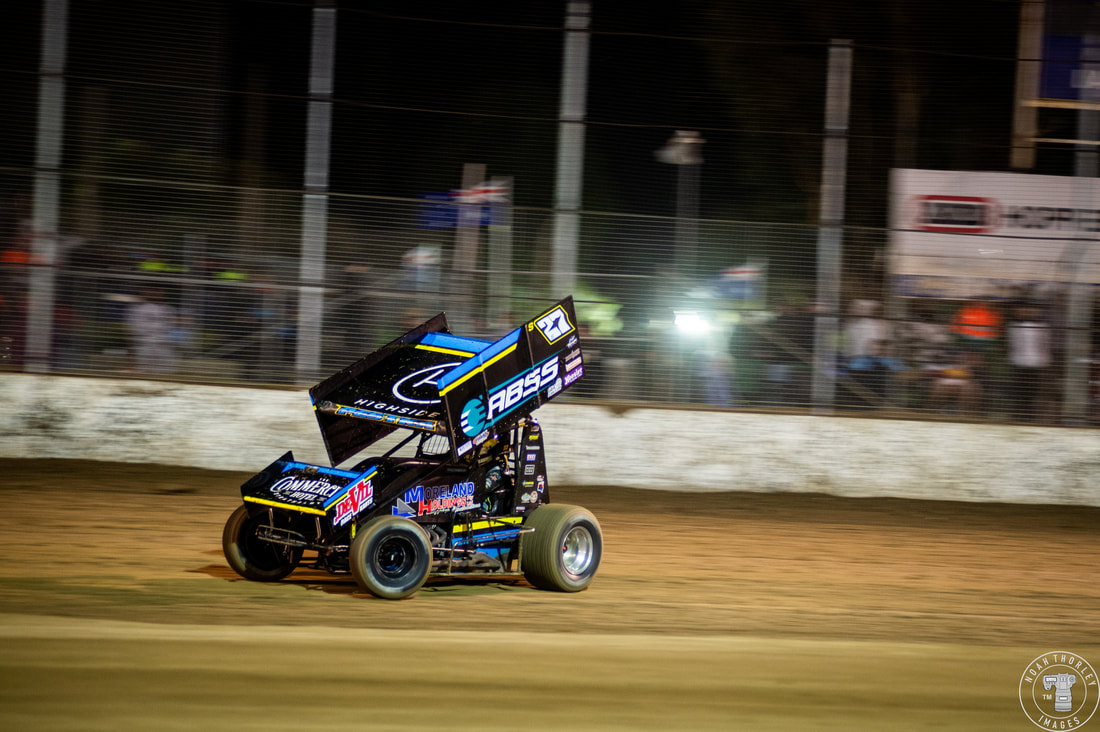 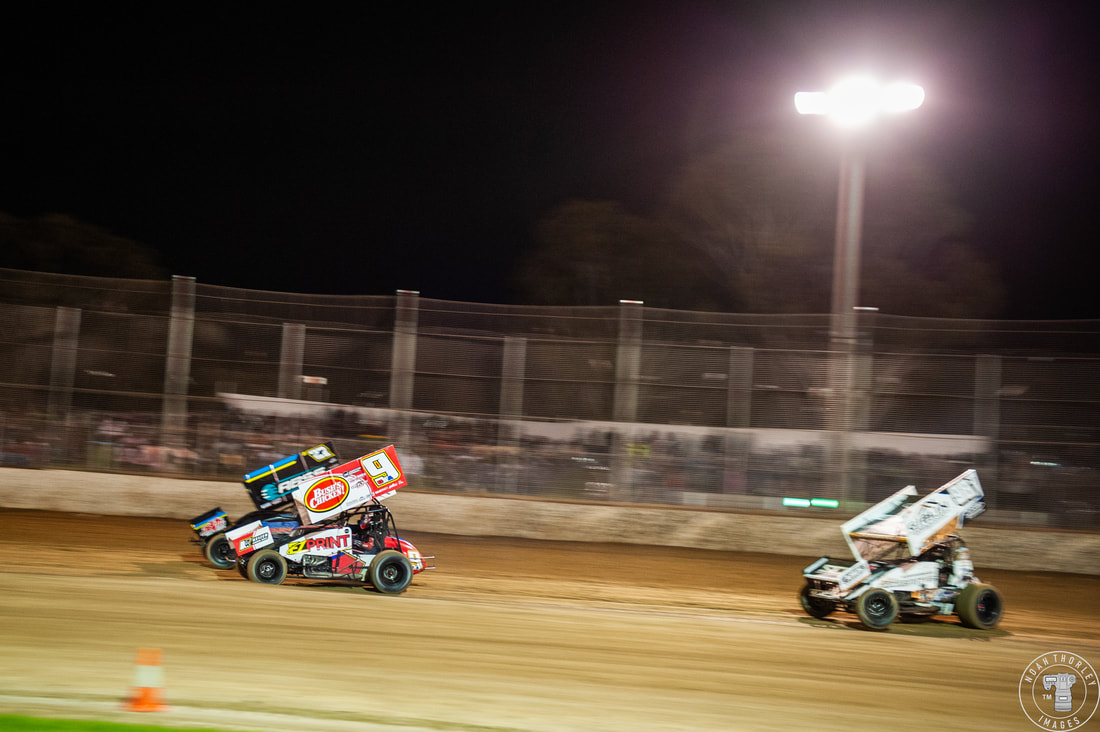 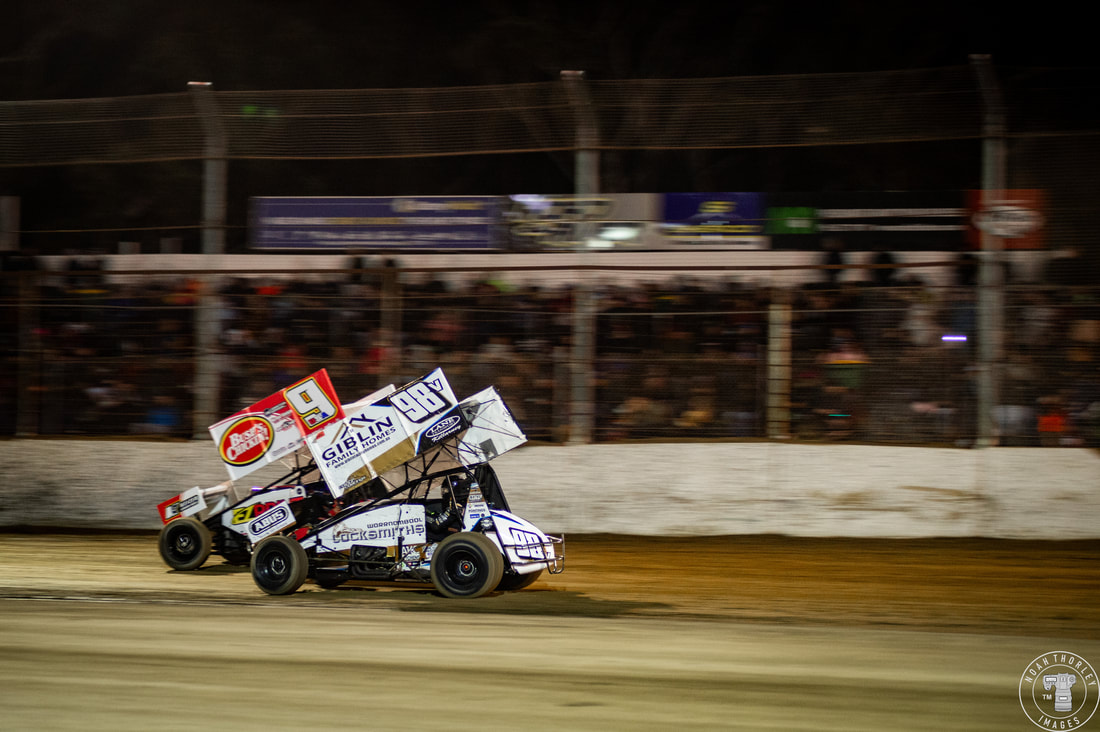 Chase Randall would battle third place finisher Peter Doukas and take the lead from Daniel Pestka as they went through lapped traffic to take the B-Main victory and a ticket to the A-Main. 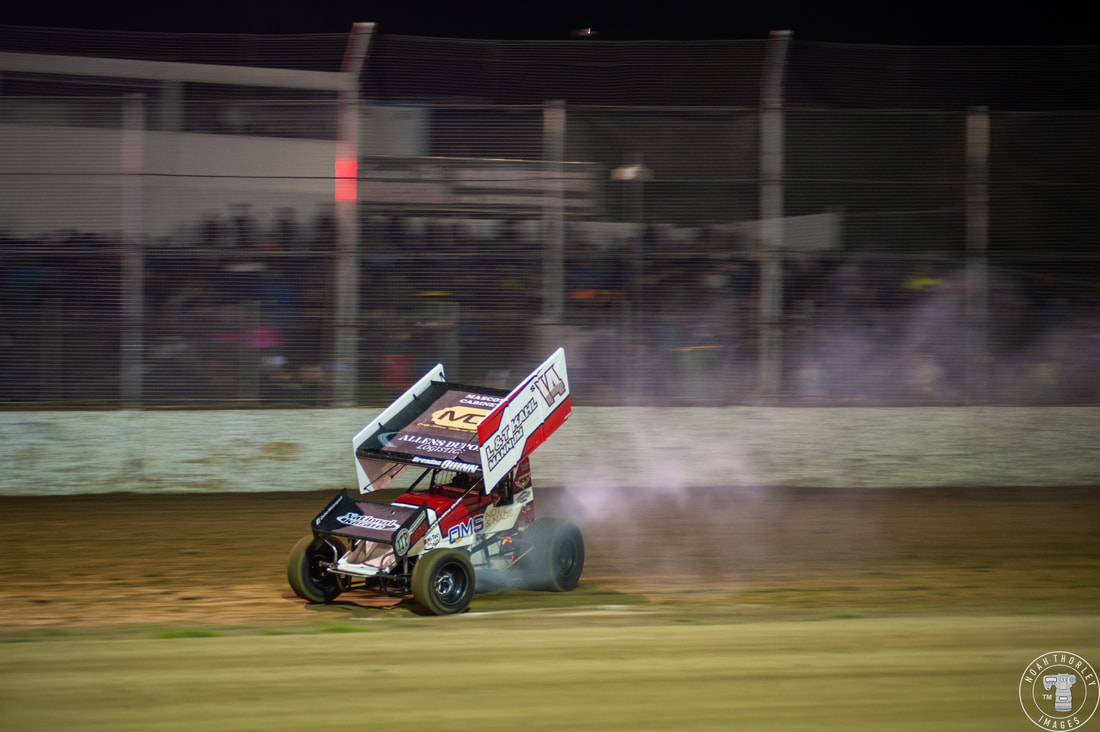 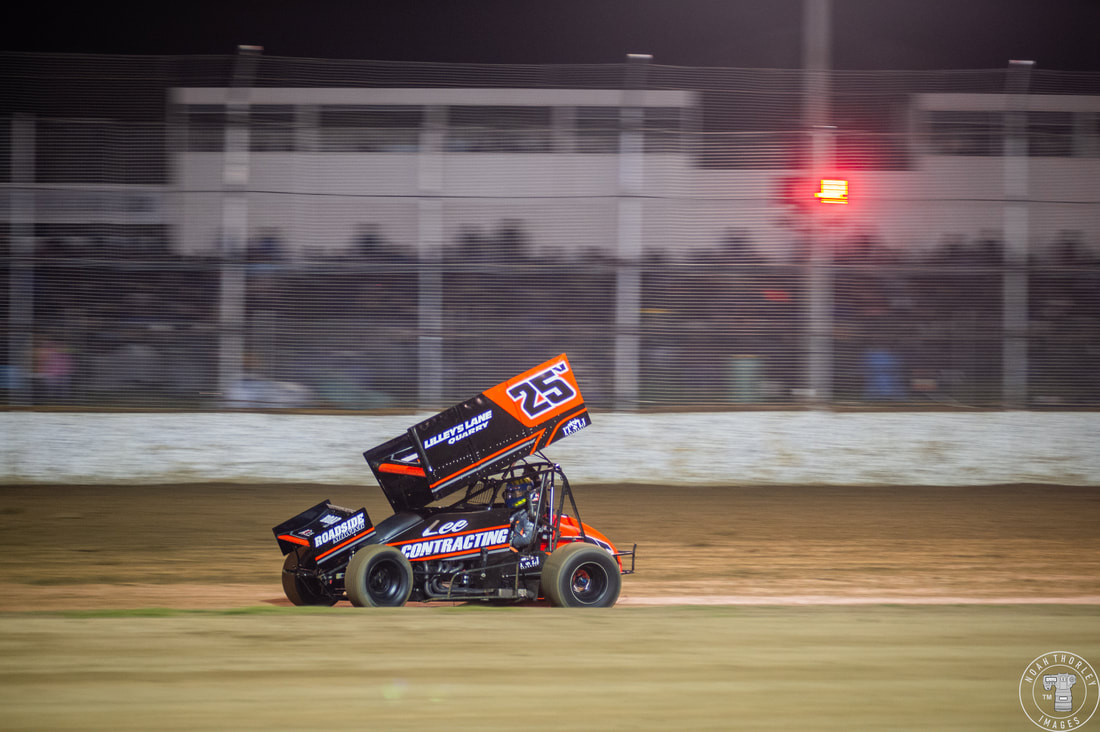 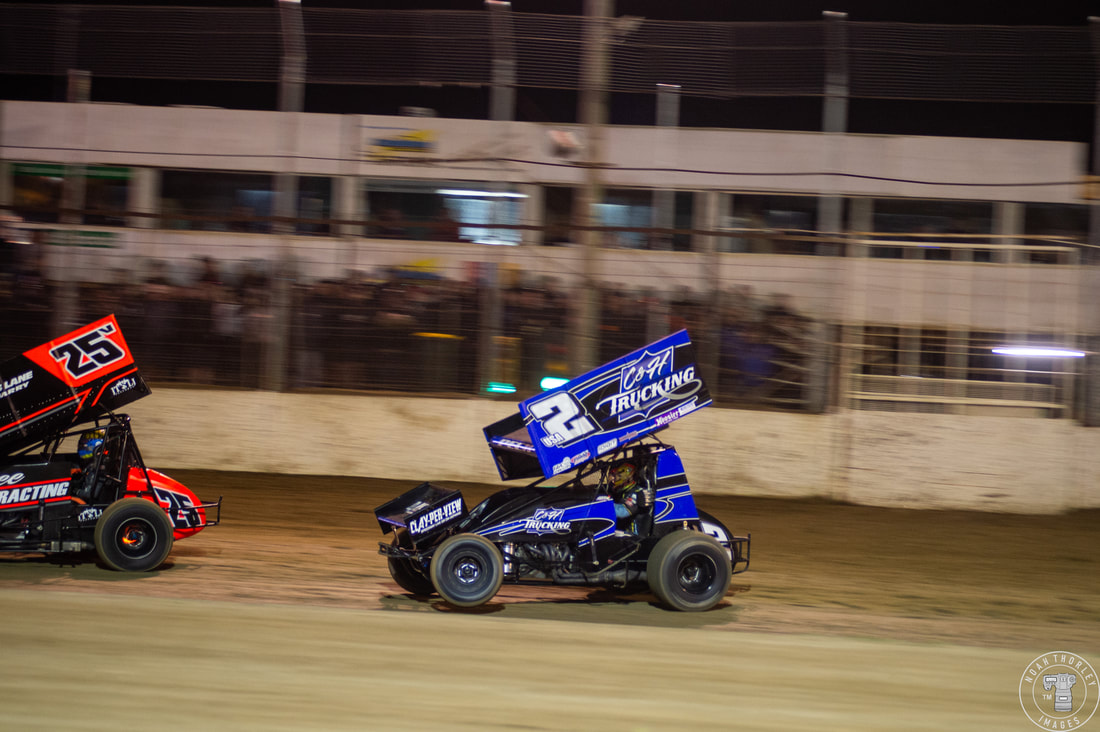 Brendon Quinn would win the second of the two B-Mains followed by Jack Lee and American Justin Peck who fought his way to third after starting on the fourth row. 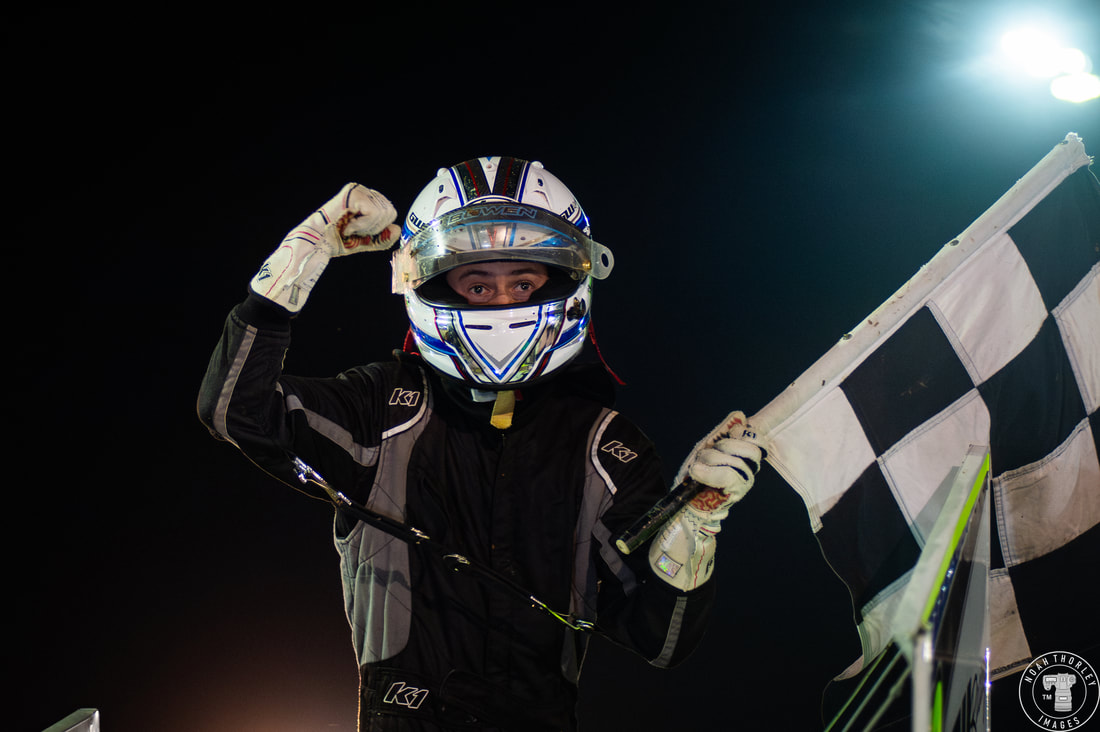 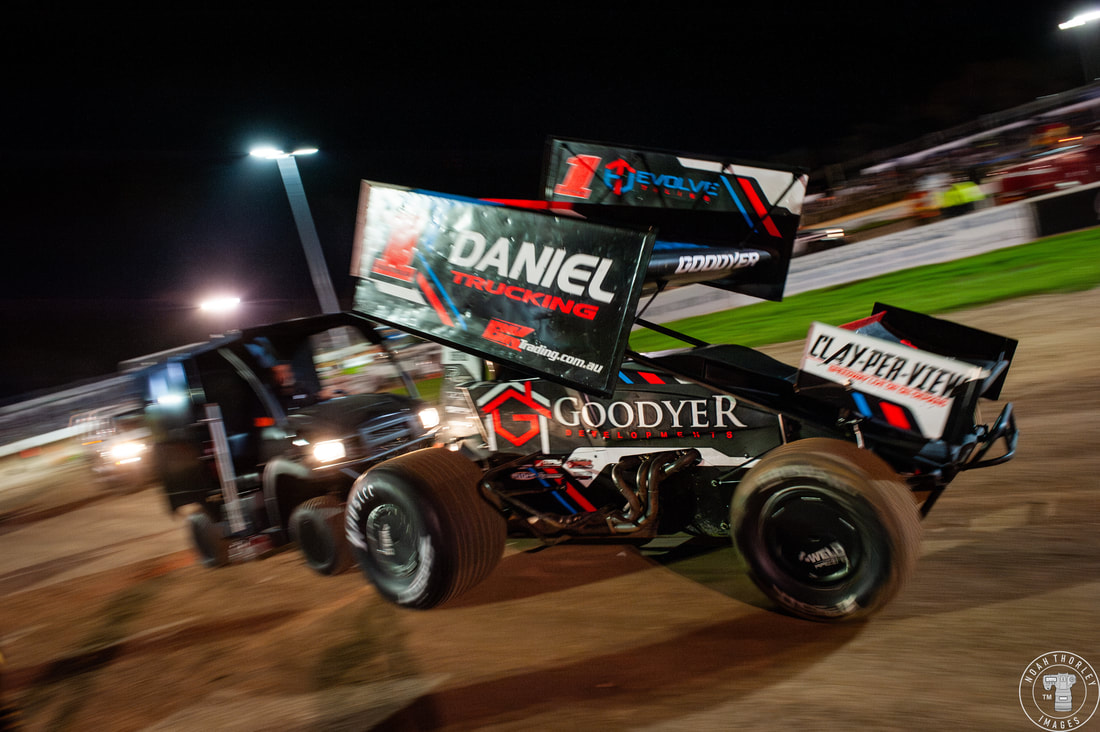 Charlie Bowen charged to victory in the Juniour F500's A-Main, as the question on everyone's mind was, could anyone break Jock Goodyer's feature win streak? 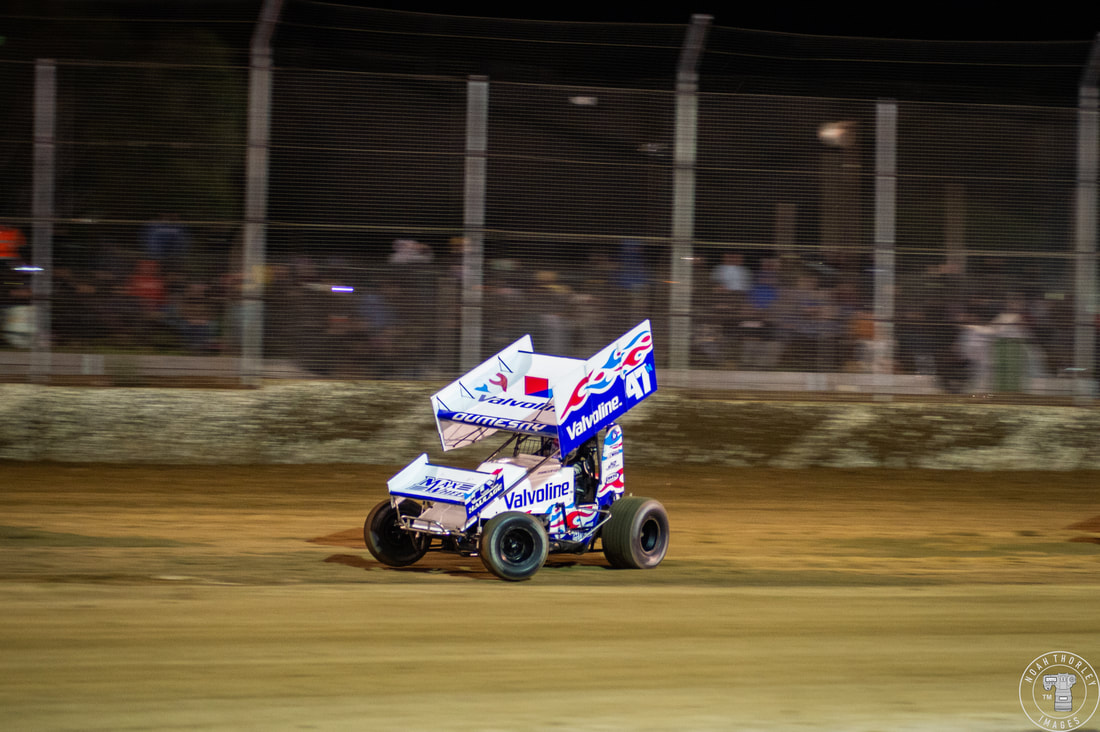 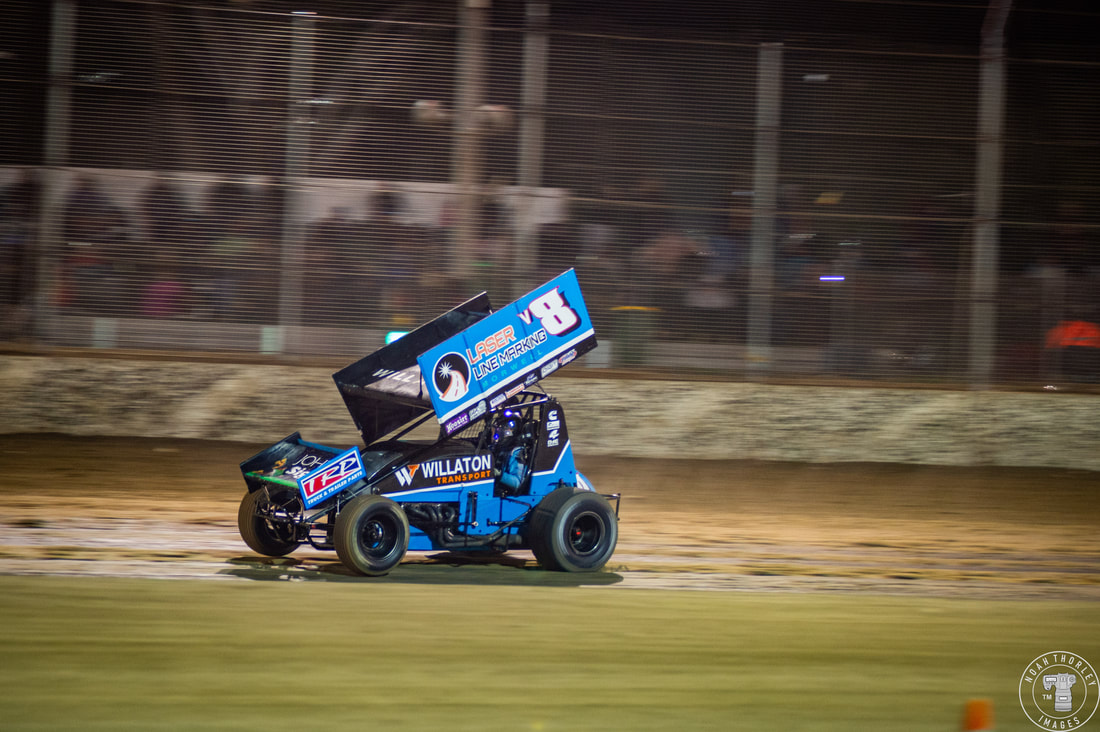 Carson Macedo would lead the field to the green, but Marcus Dumesny would grab the lead after ten laps of running. Dumesny would struggle to get past a few lapped cars as battles for position happened behind, and unfortunately, contact with Bobby Daly would see Marcus Dumesny wildly flip over, out of the lead and out of the race. 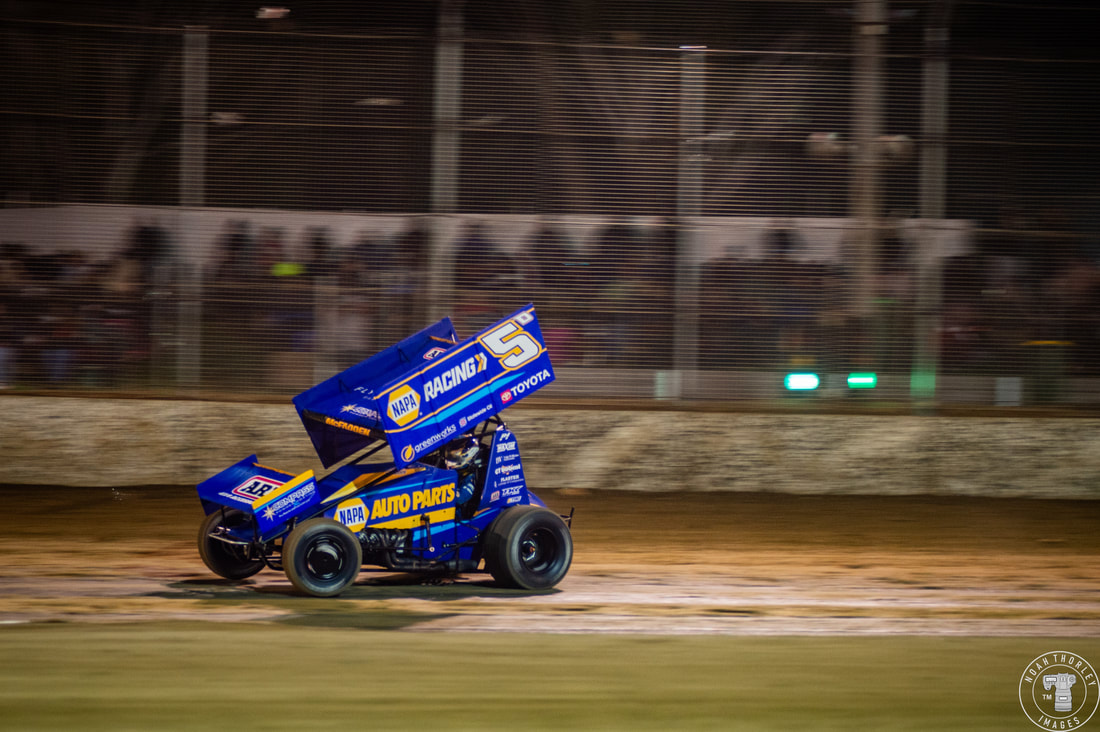 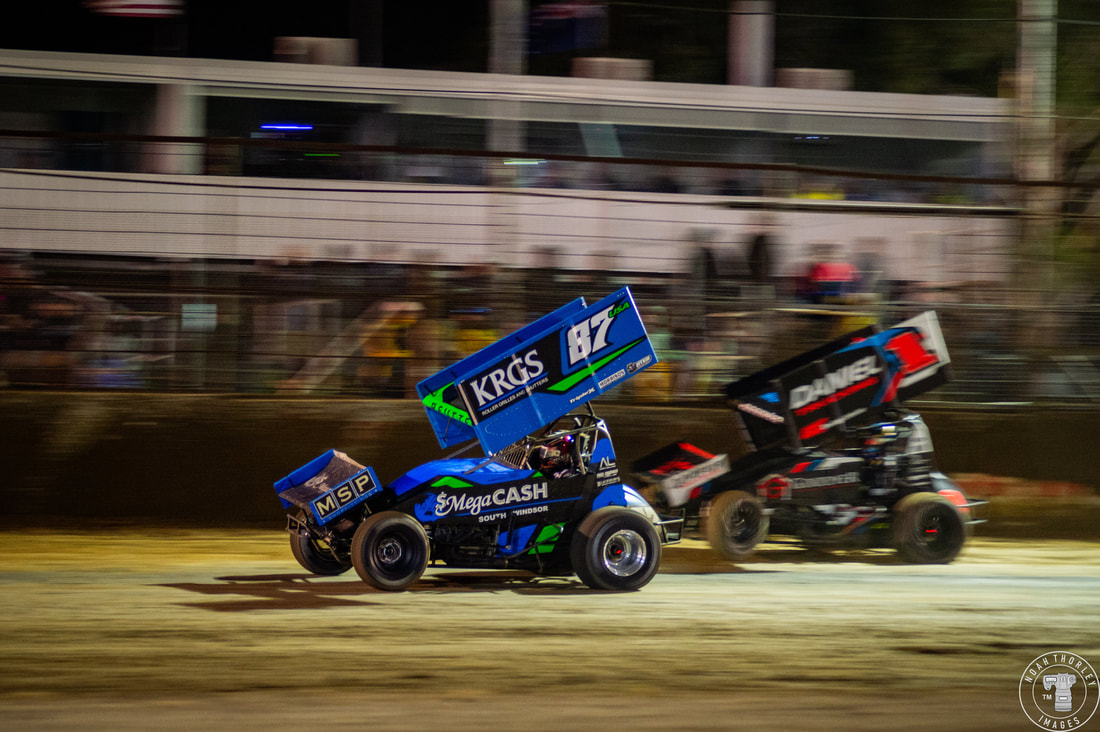 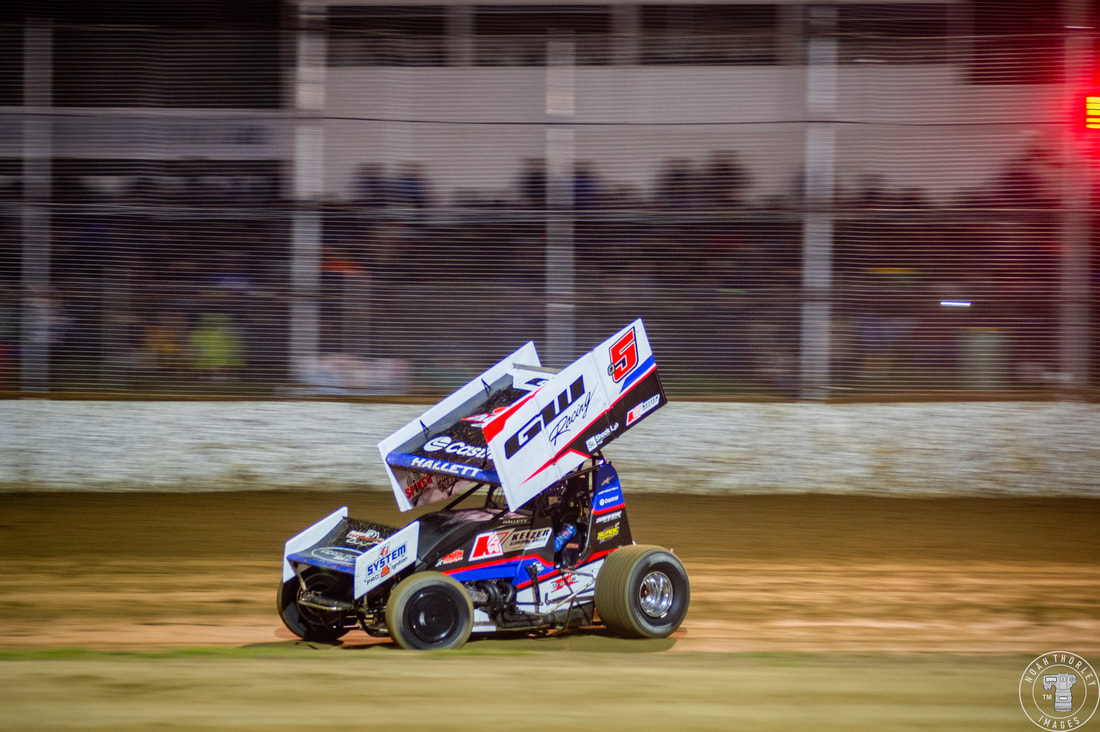 On lap 14, Aaron Reutzal would make contact when overtaking James McFadden for second, spinning McFadden down the back straight and out of the race. Brock Hallet would make some bold moves to move up to second throughout the race, as Jock Goodyer would hound the back of Aaron Reutzal for third, but the American would hold off the Aussie champ. 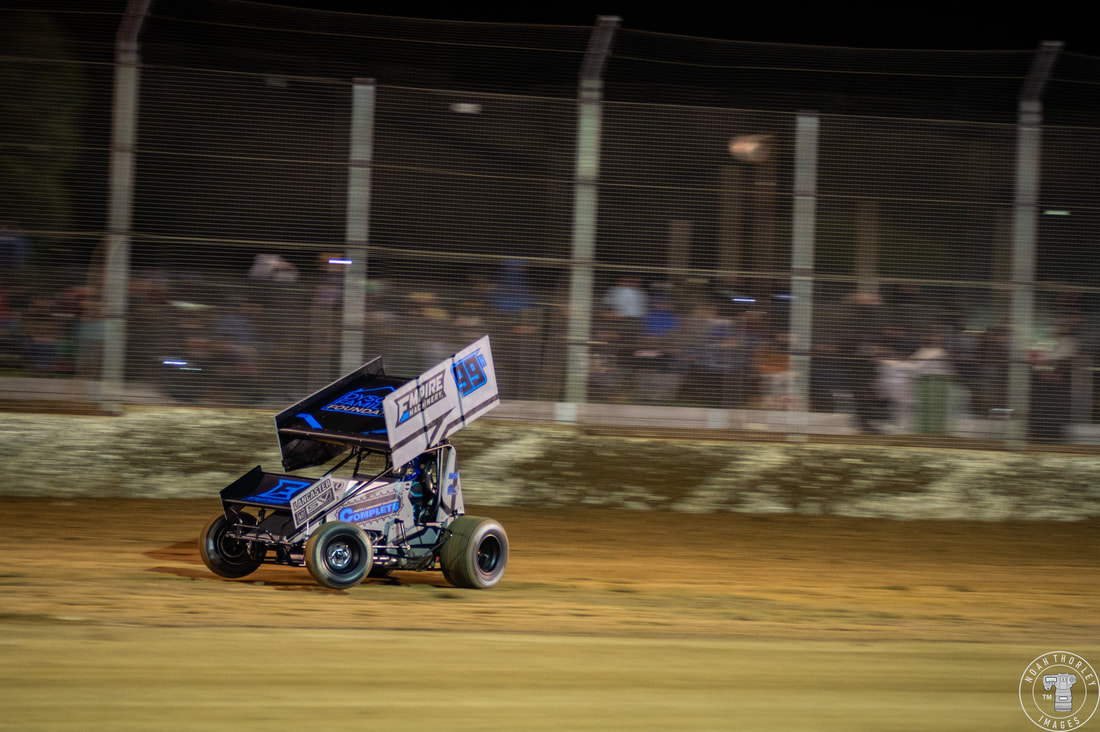 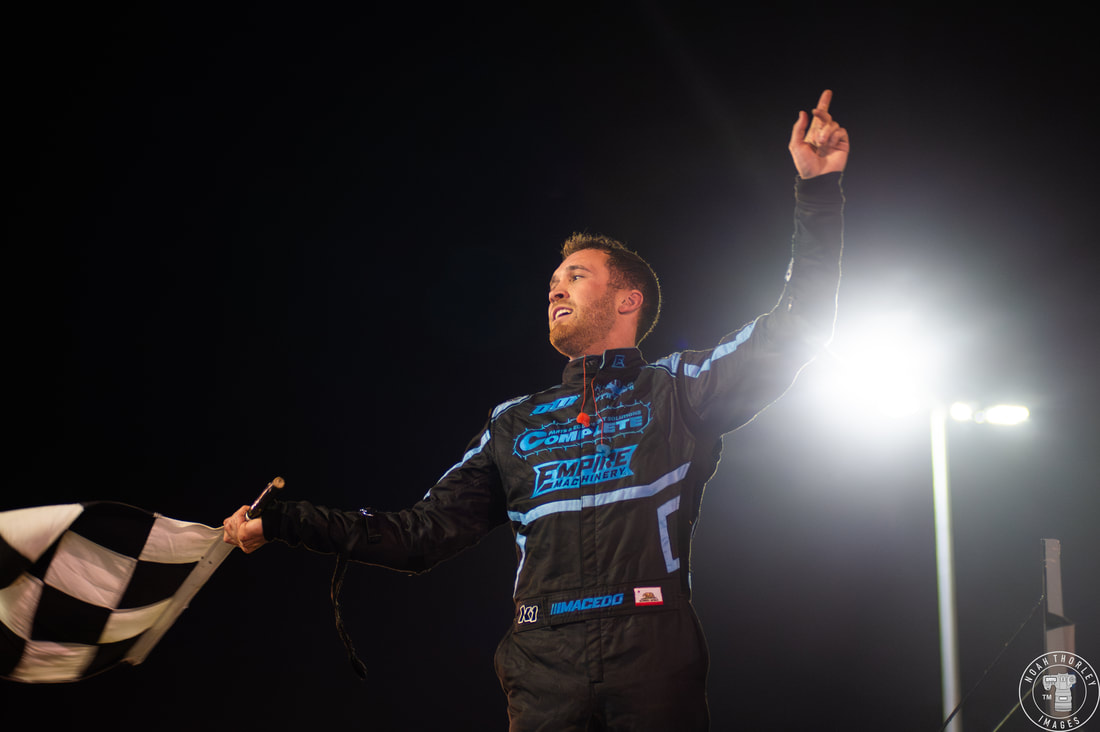 Carson Macedo wouldn't look back, leading the majority of the Feature and taking victory at Avalon Raceway. Next, the Sprintcar crowd would head to Premier Speedway in Warrnambool on New Years Day for the final race of this Speedway season's Sprintcar Speedweek. Bonus Gallery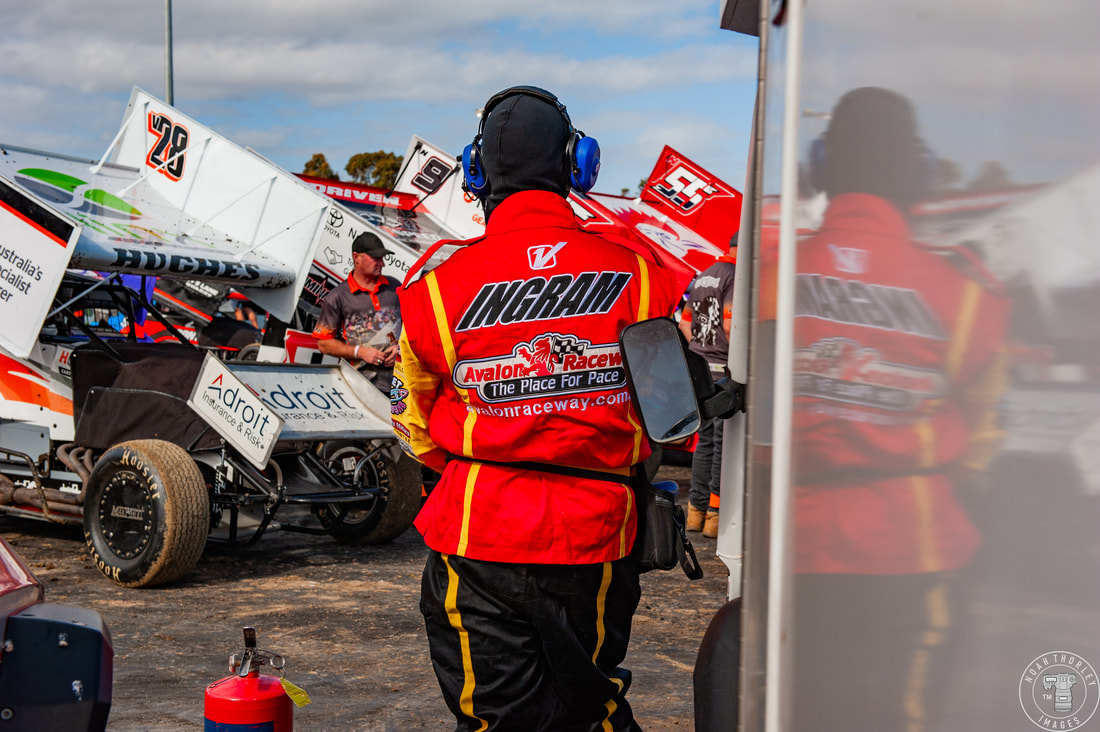 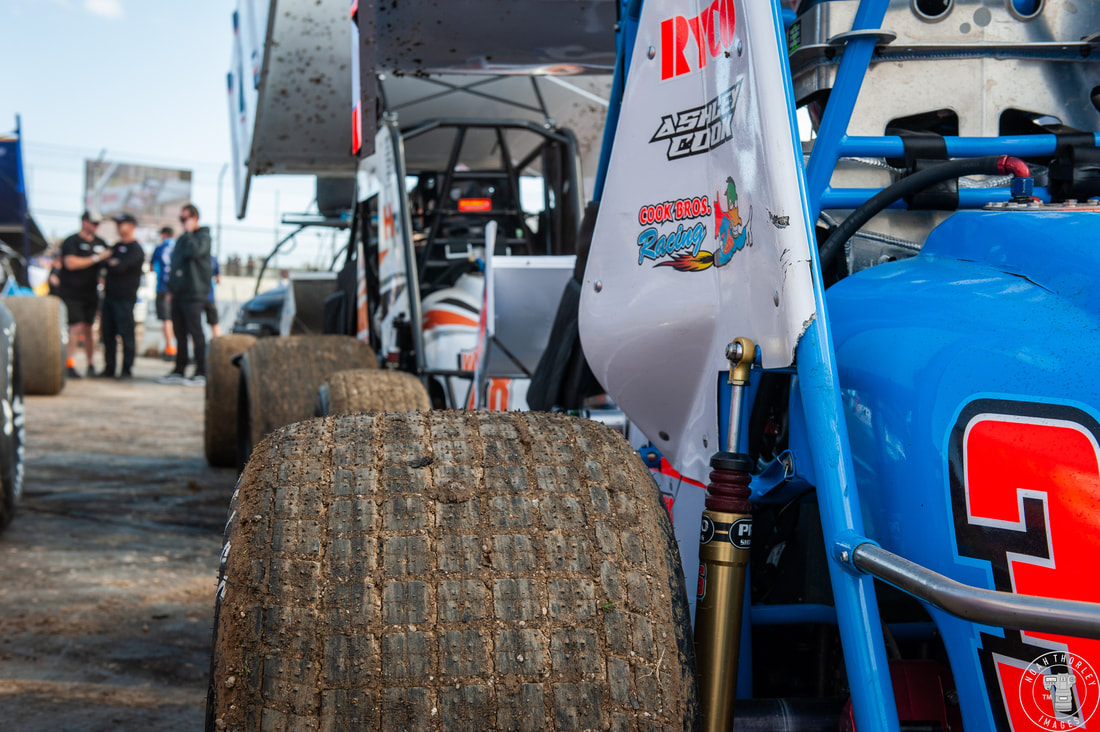 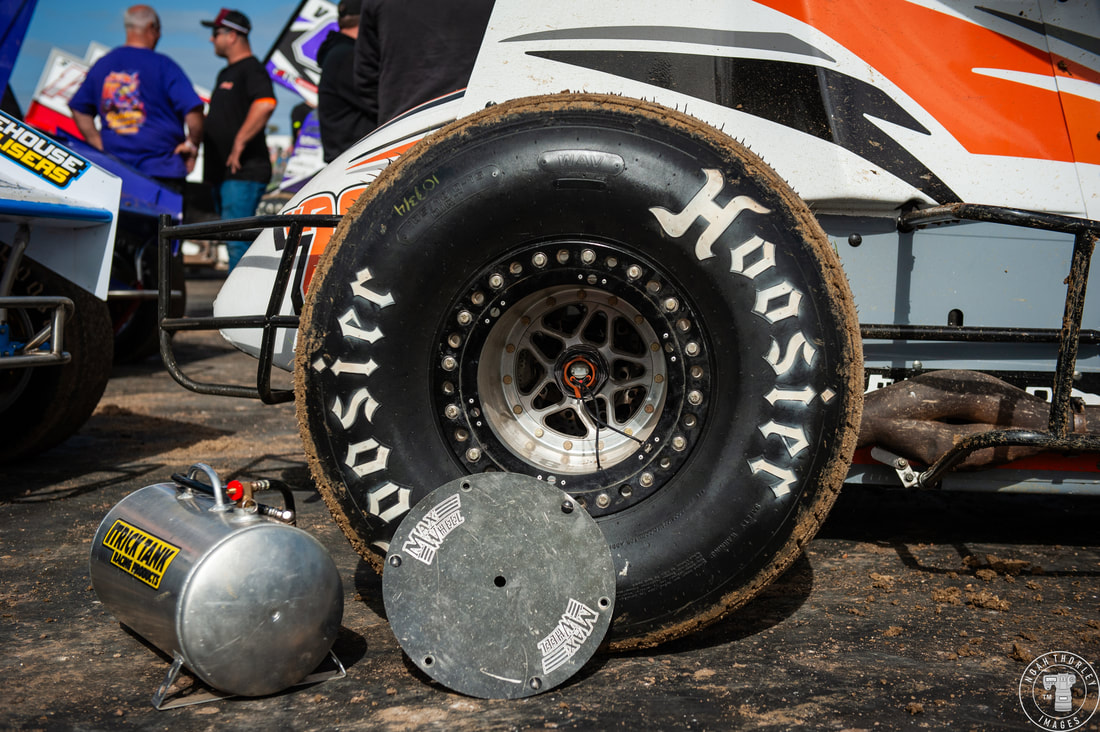
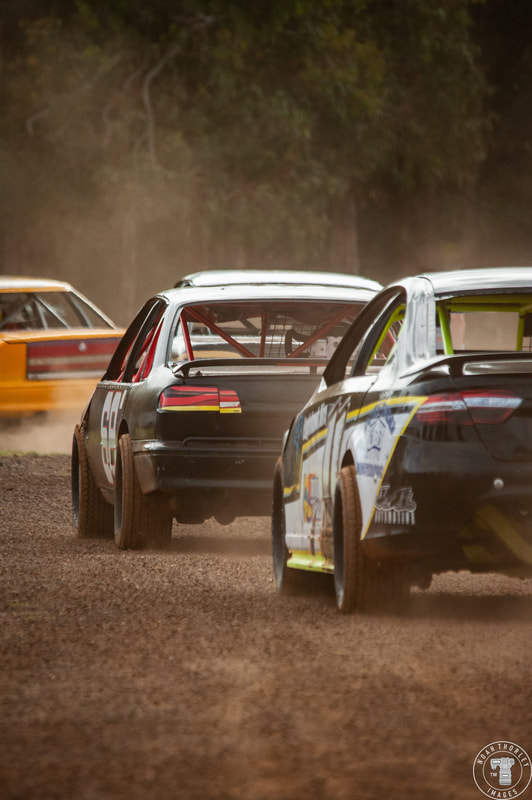
   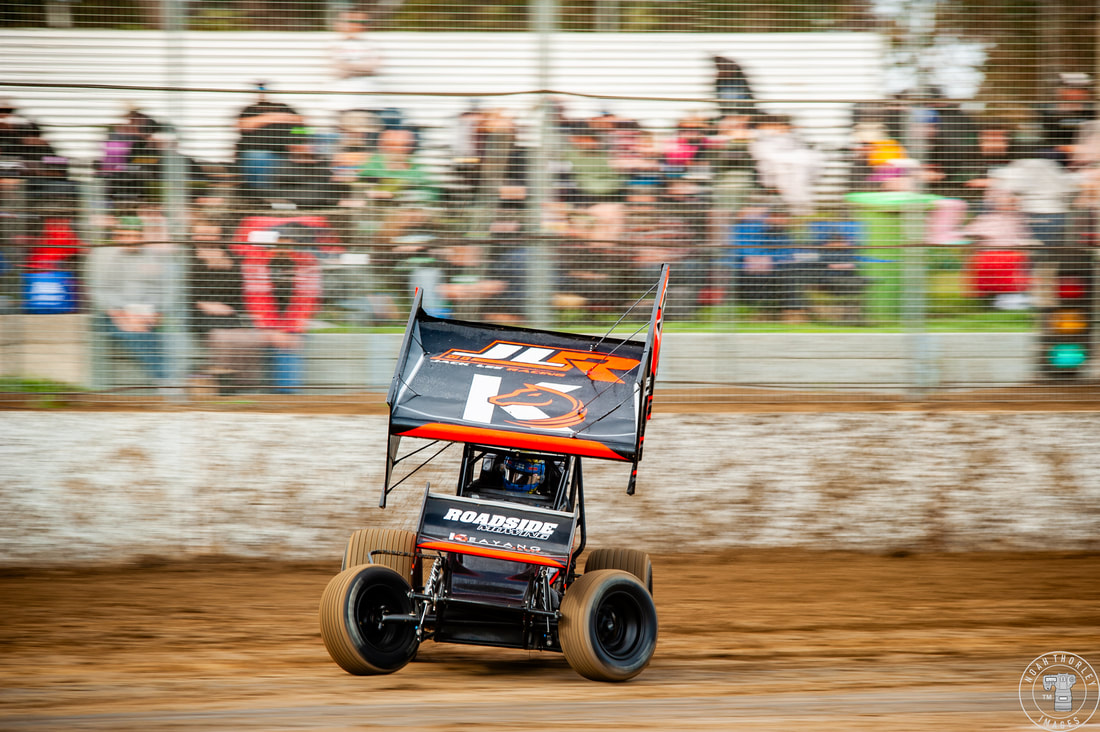 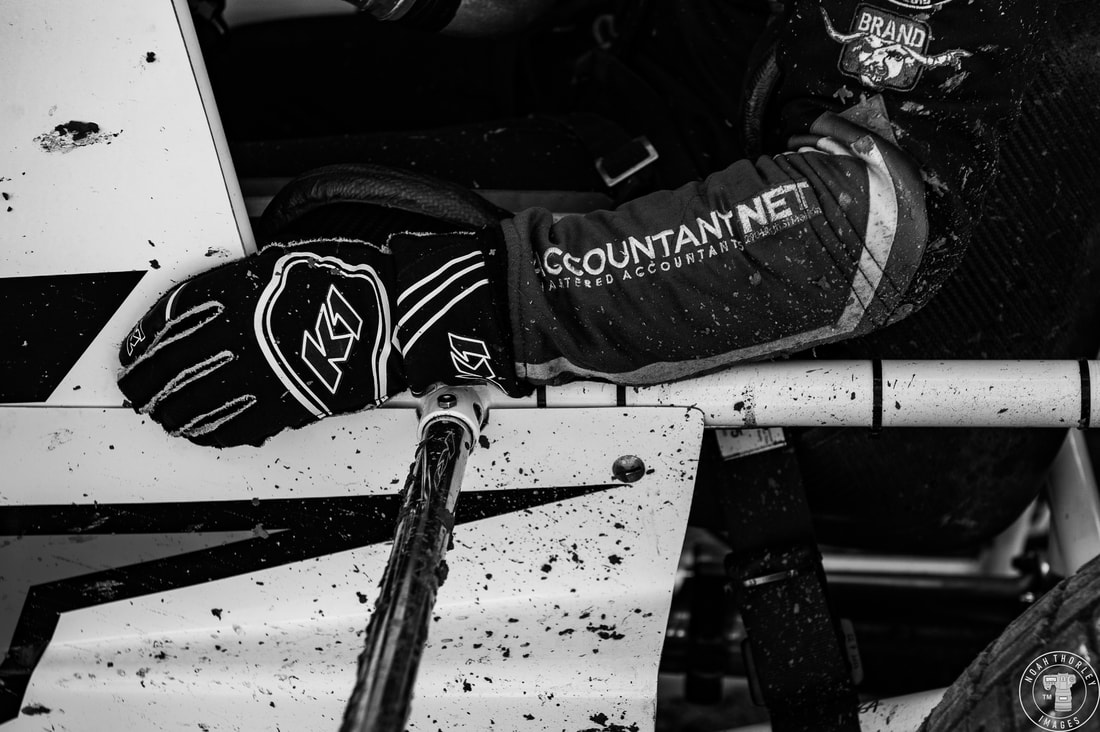 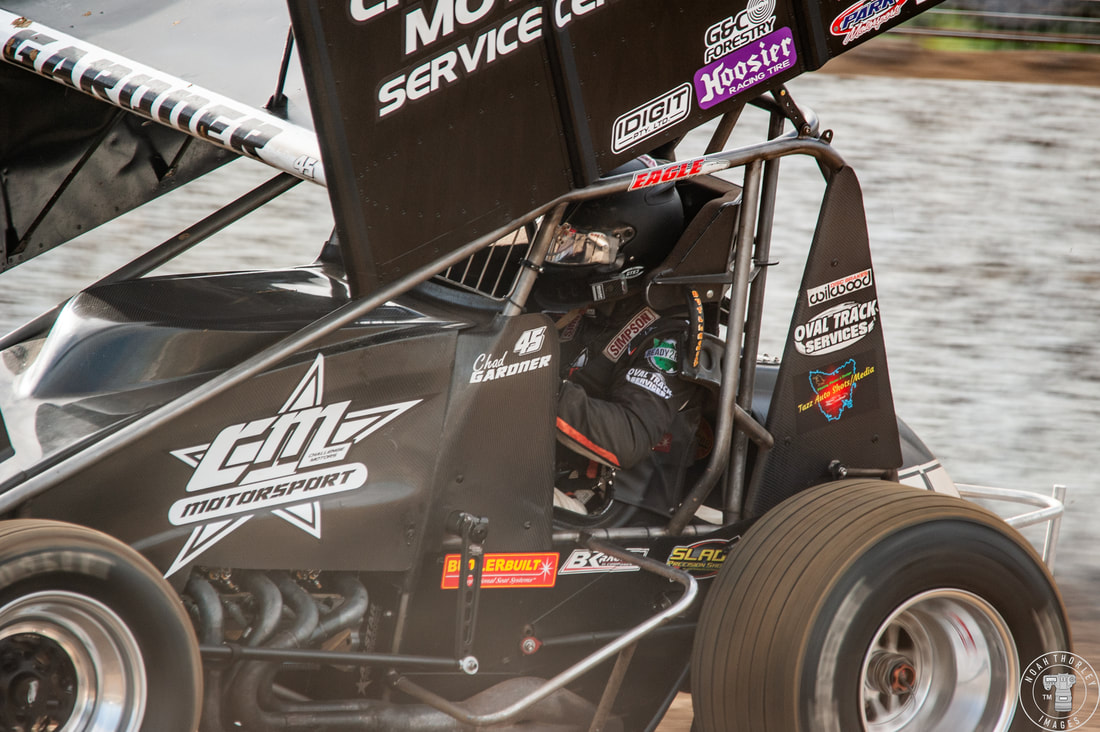 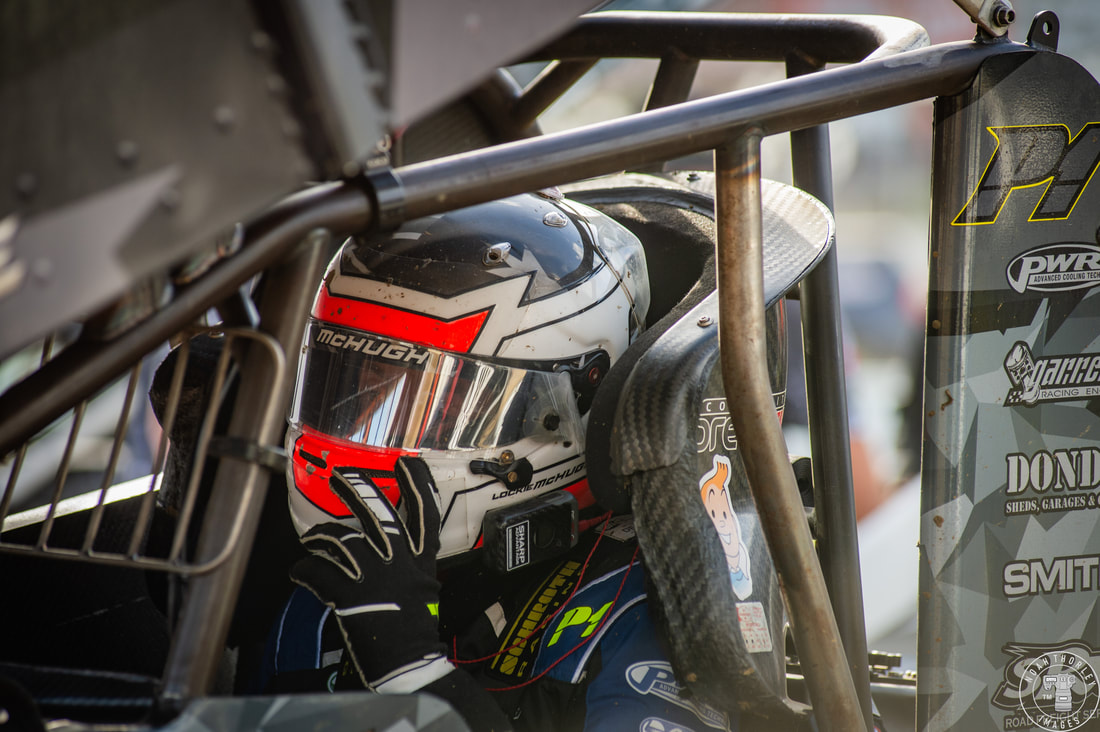 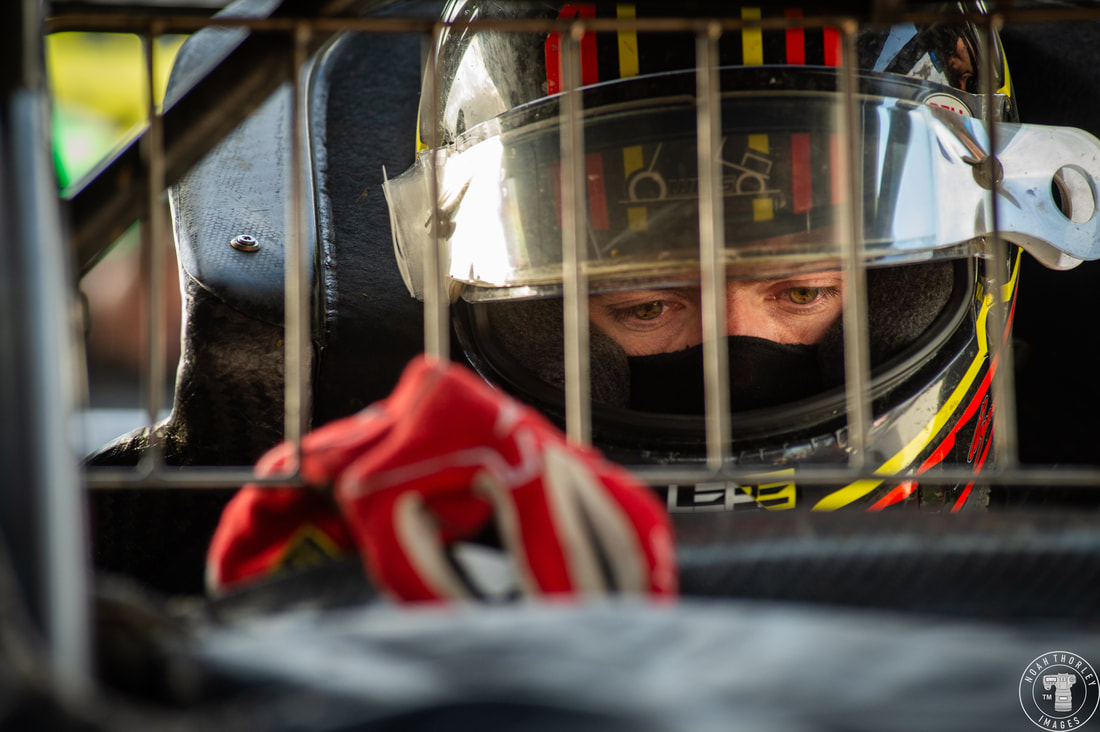 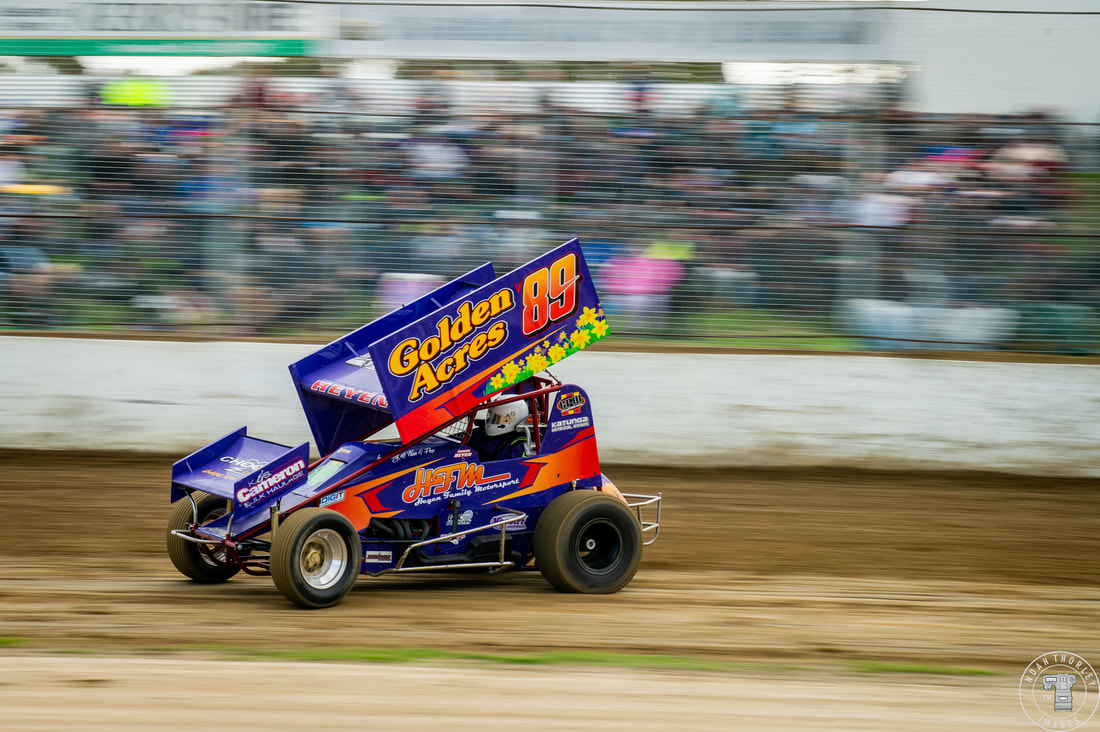 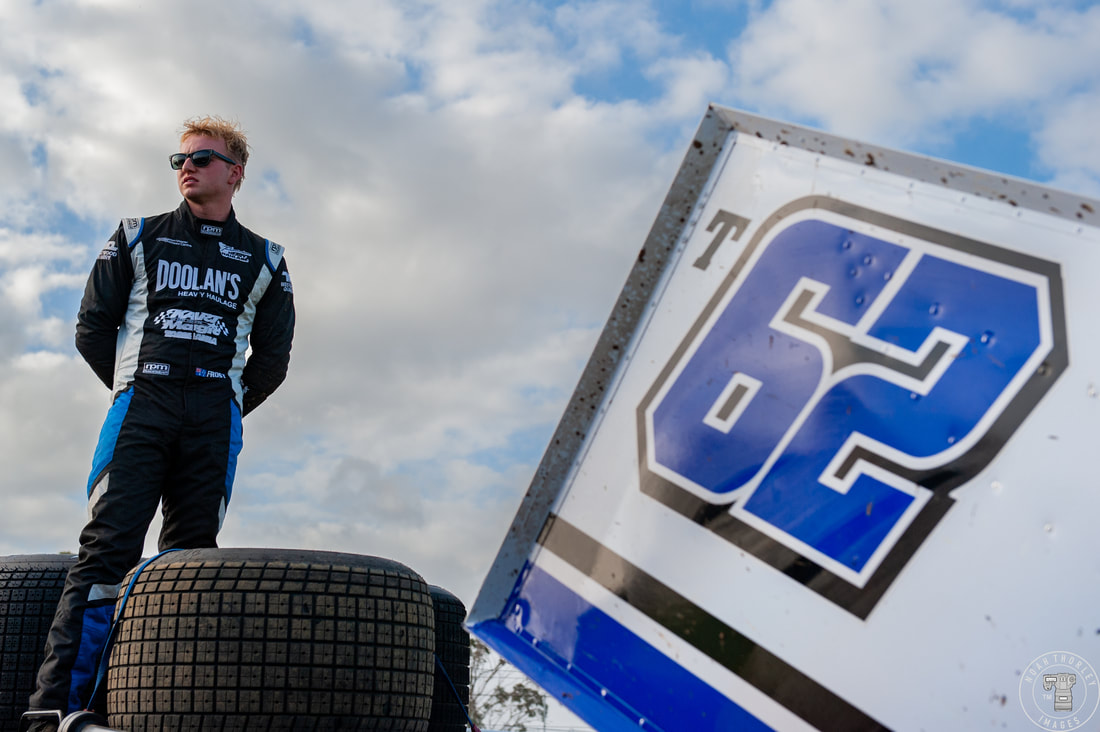 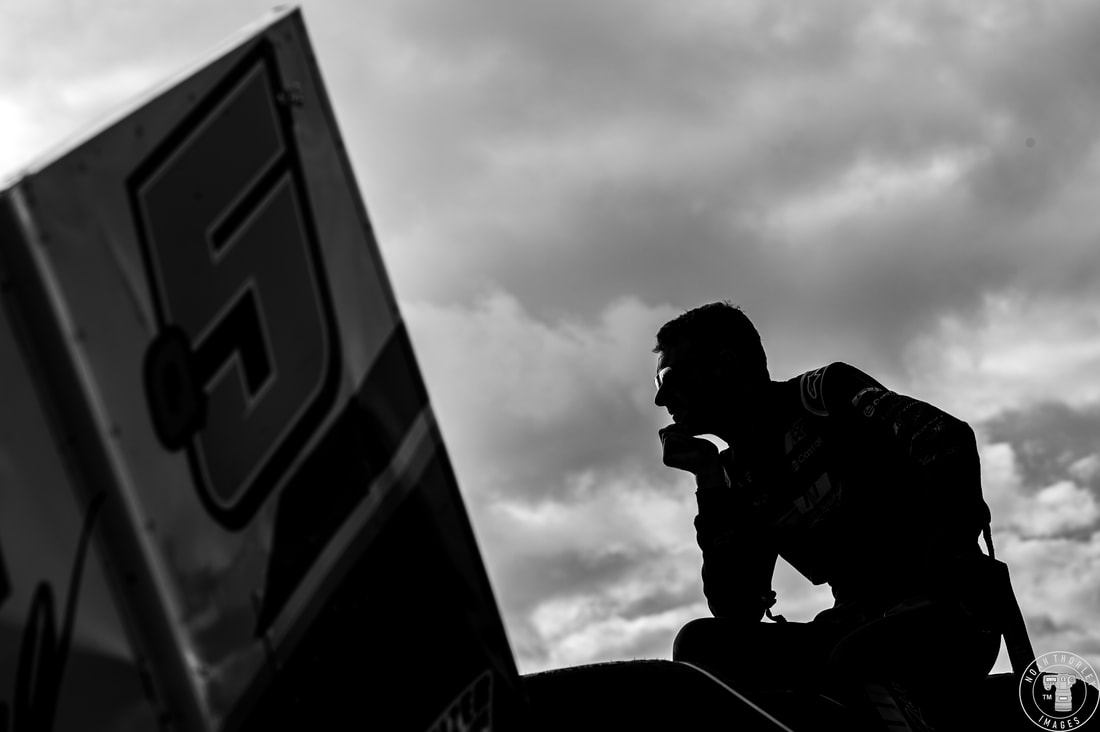 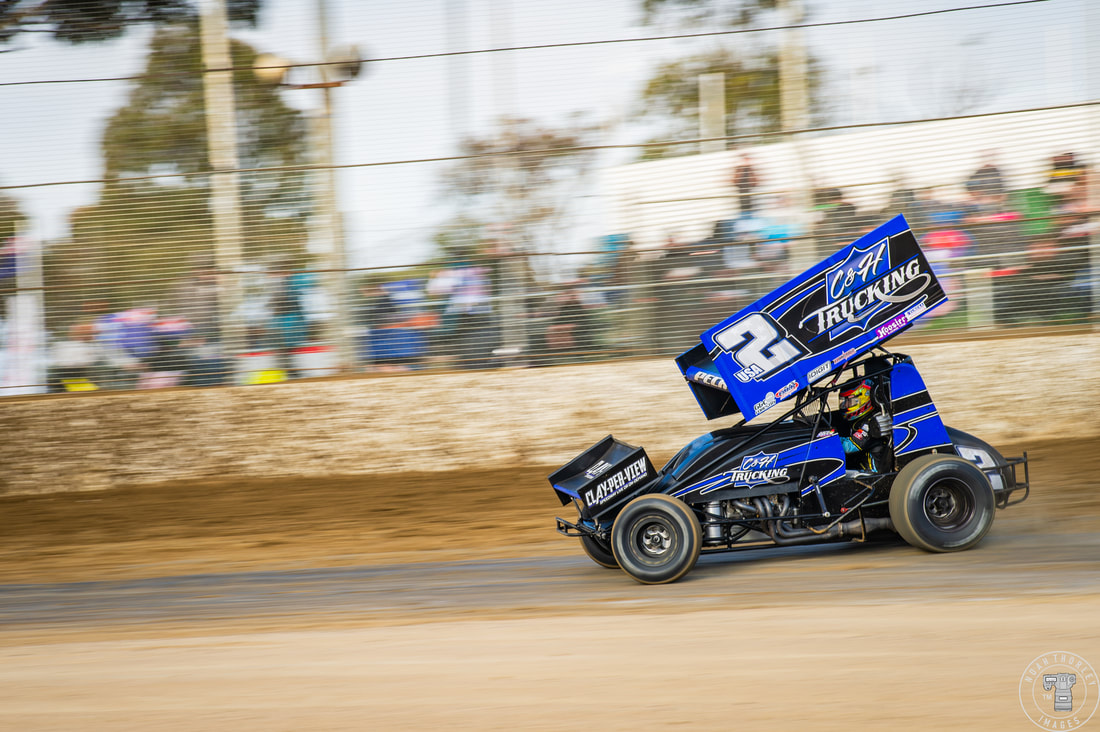 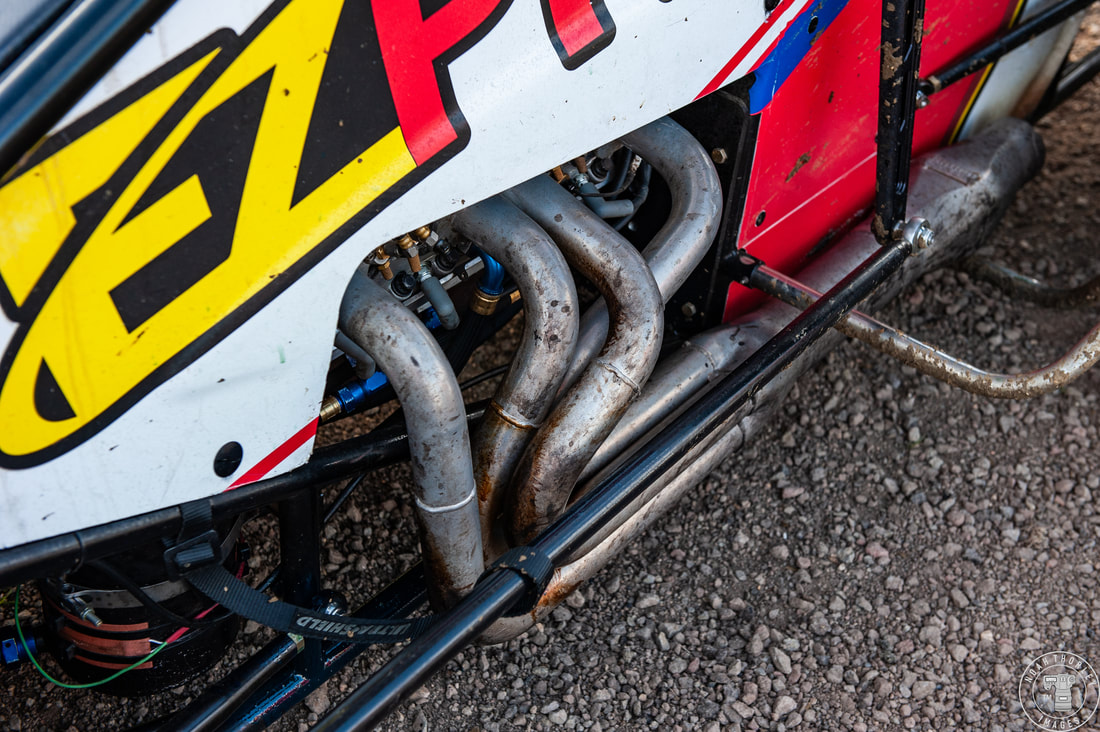 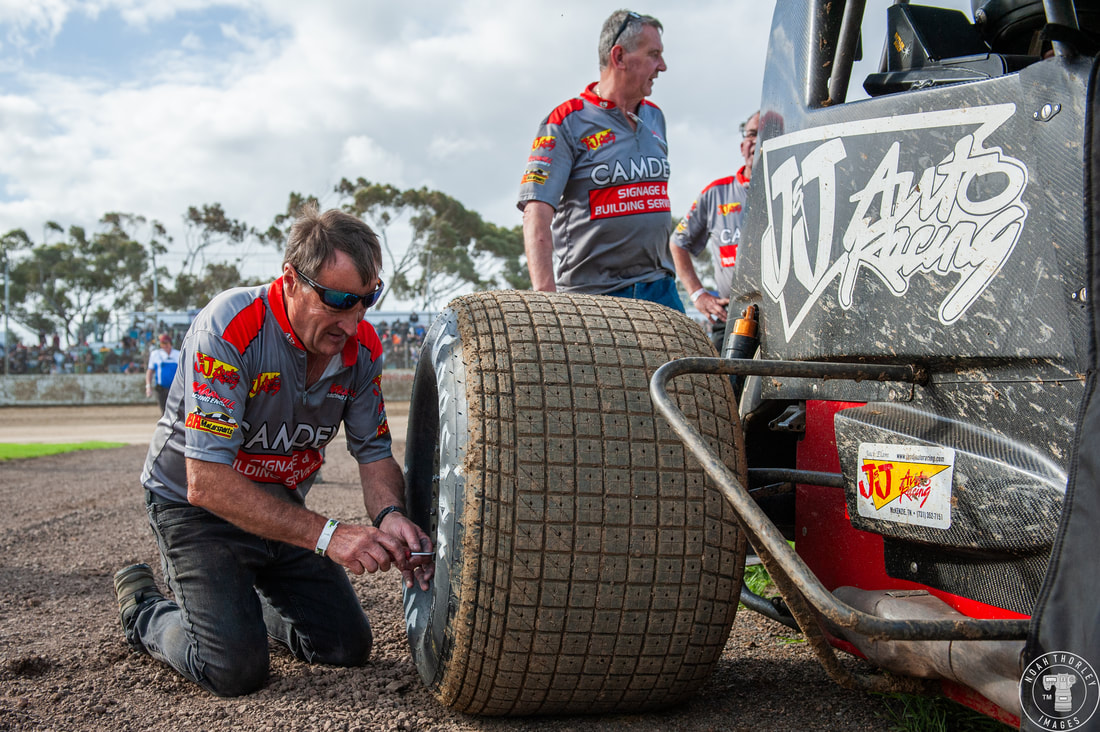 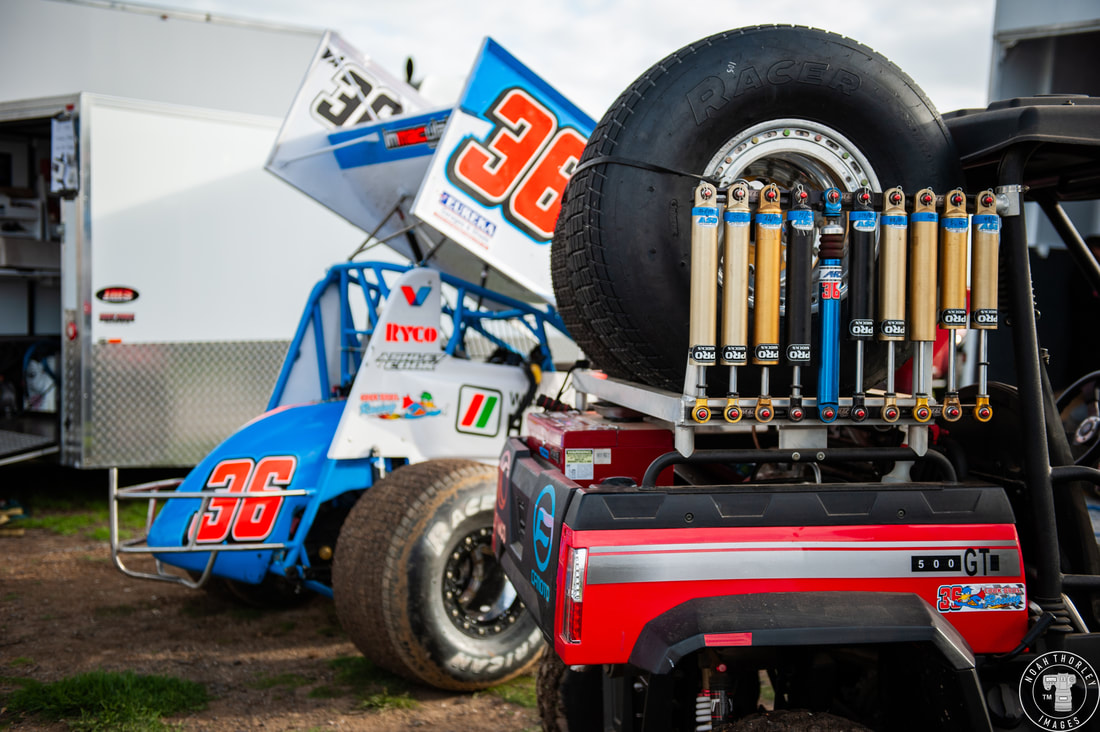 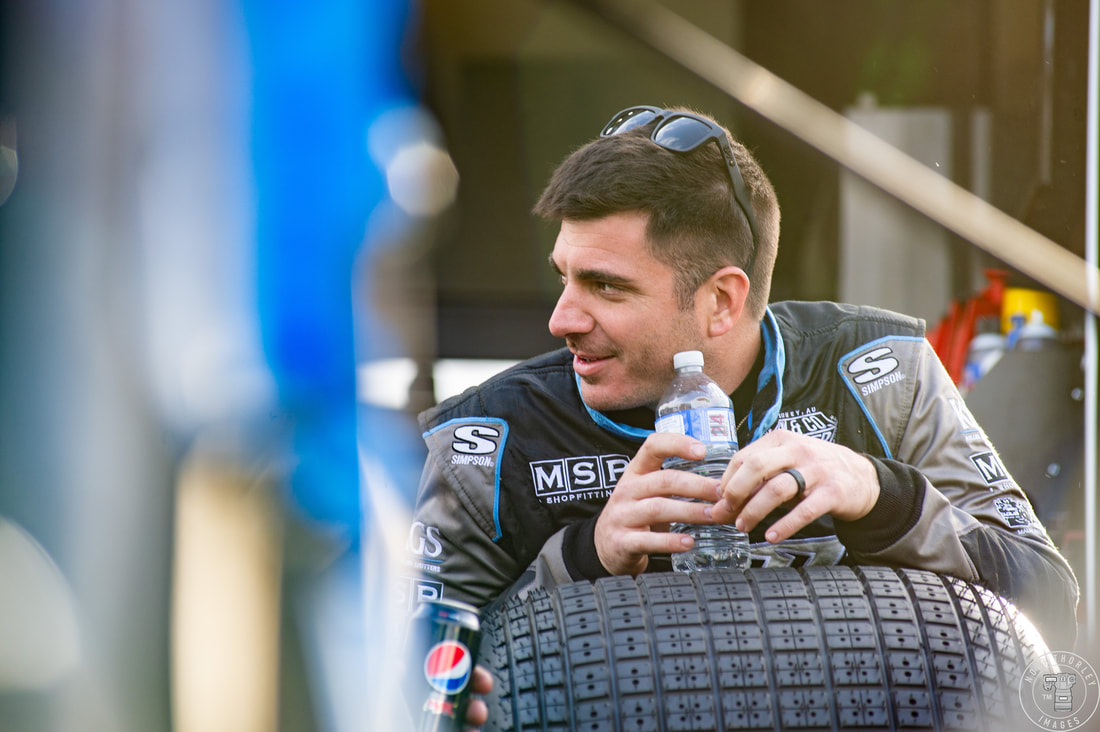 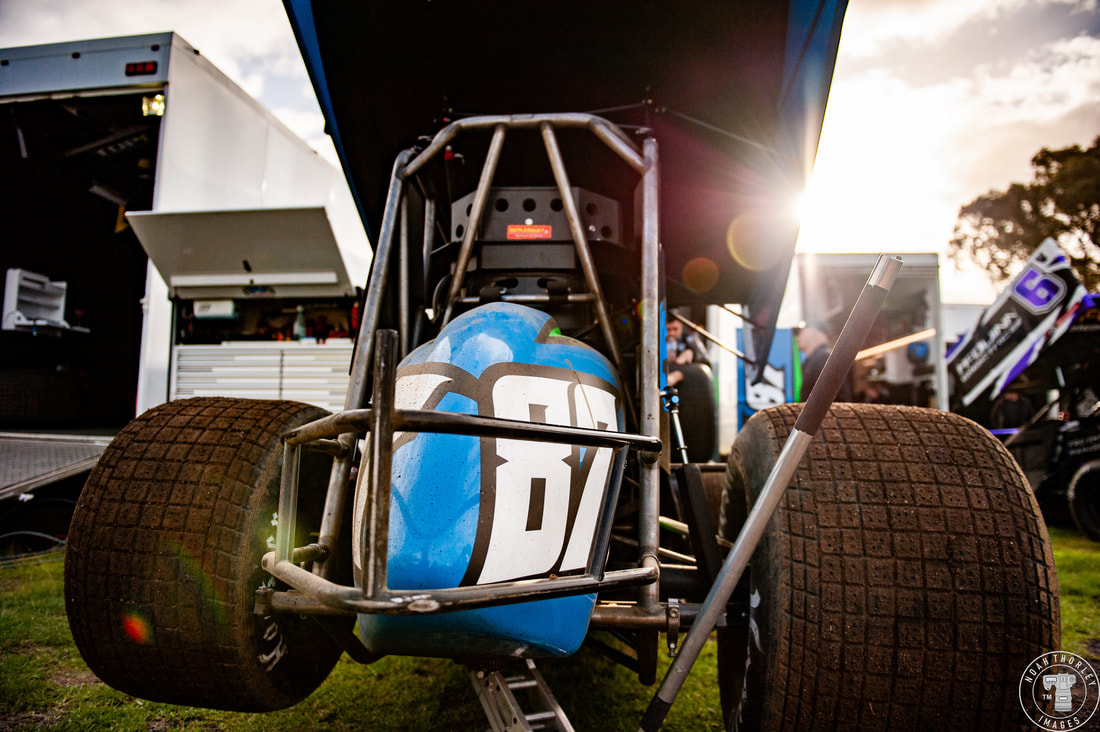 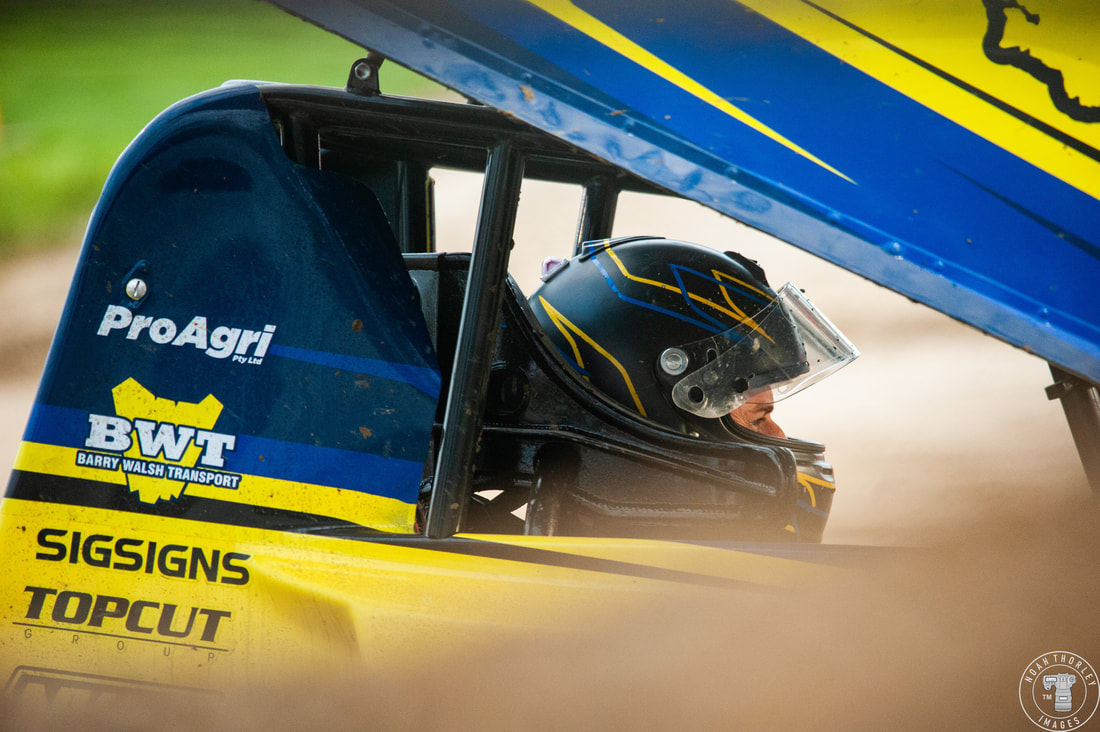 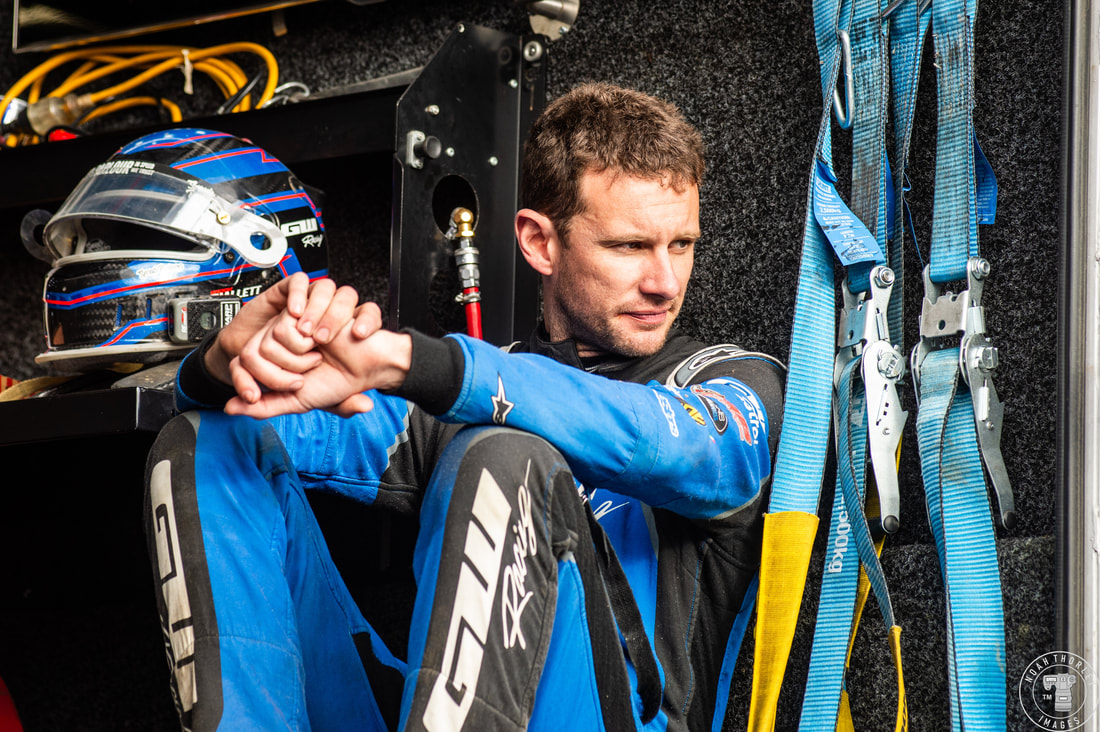 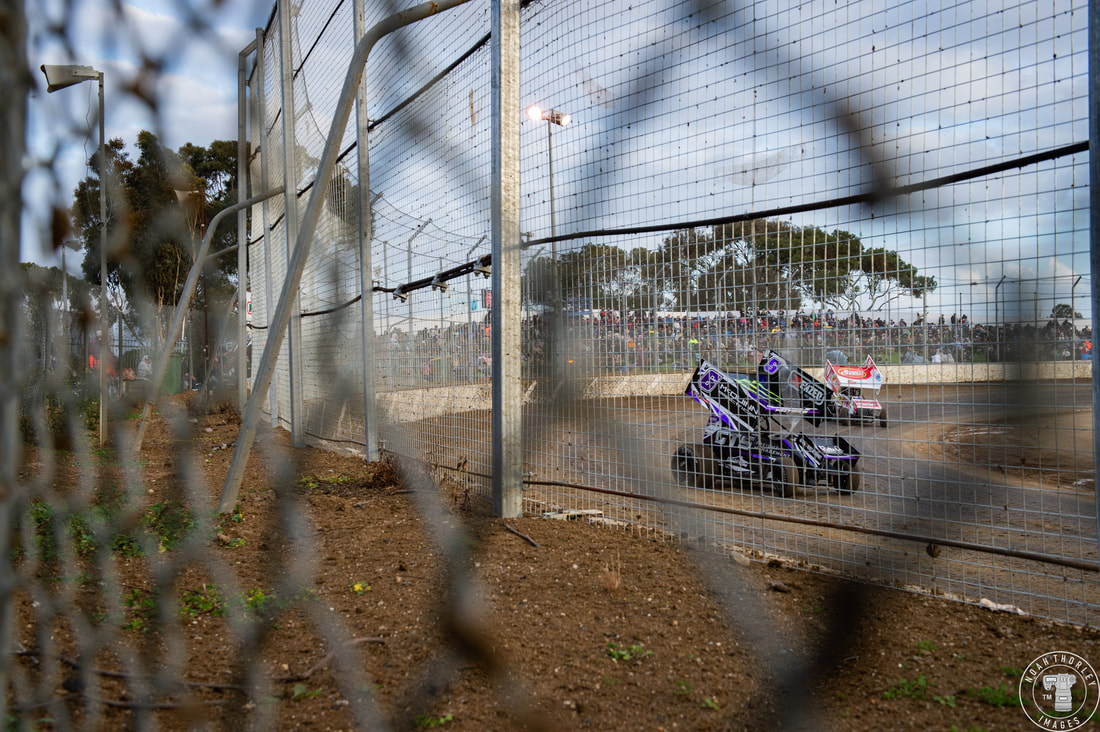 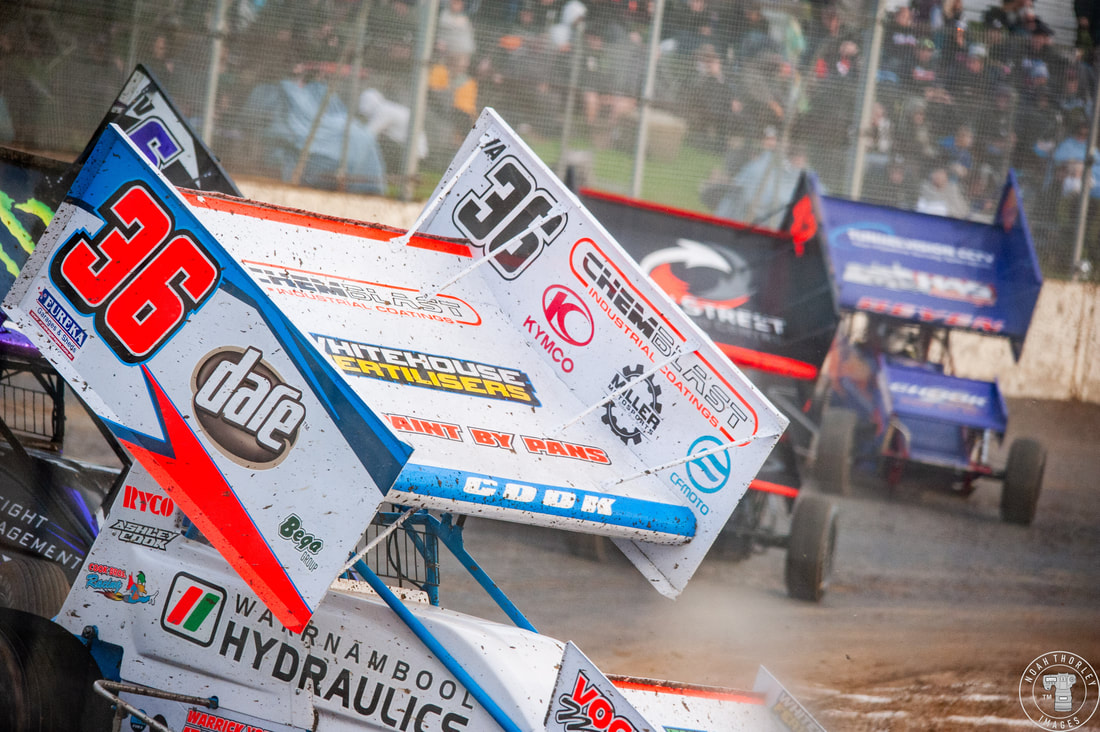 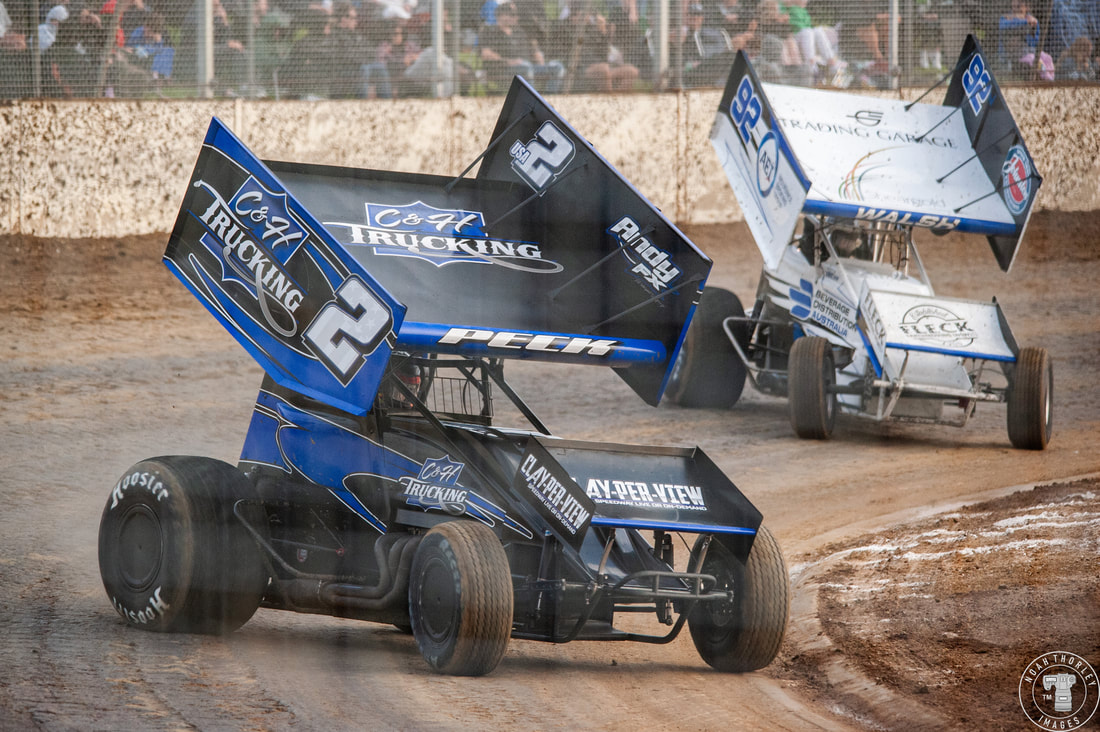 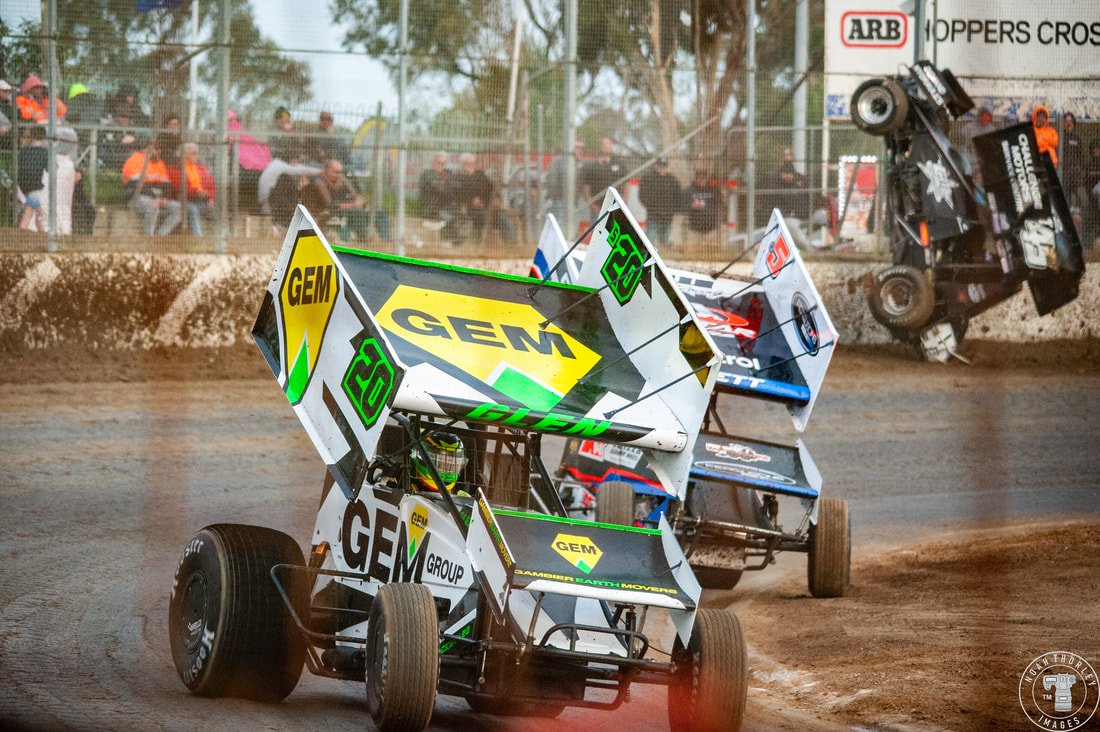 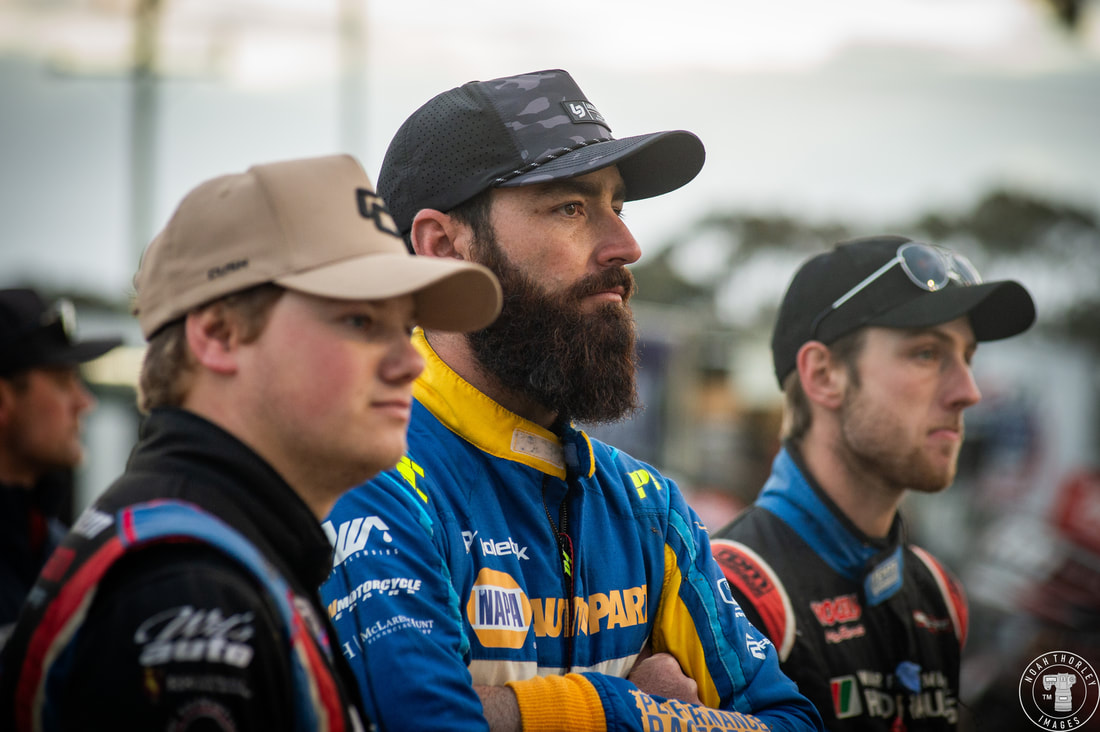 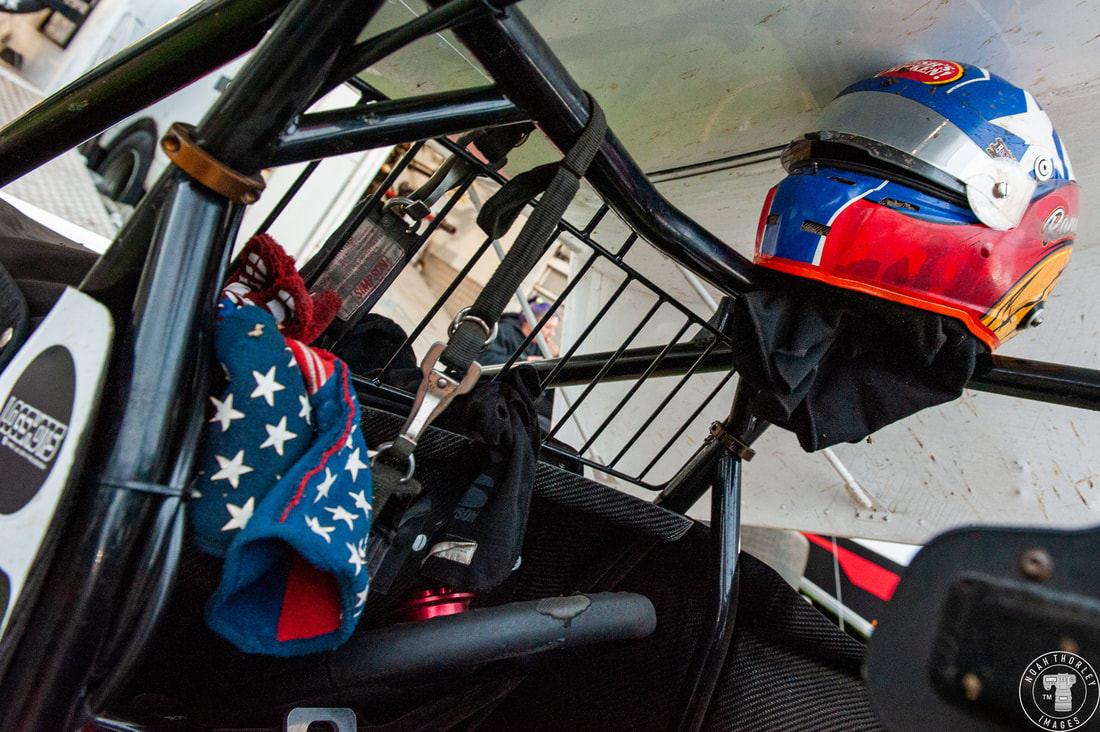 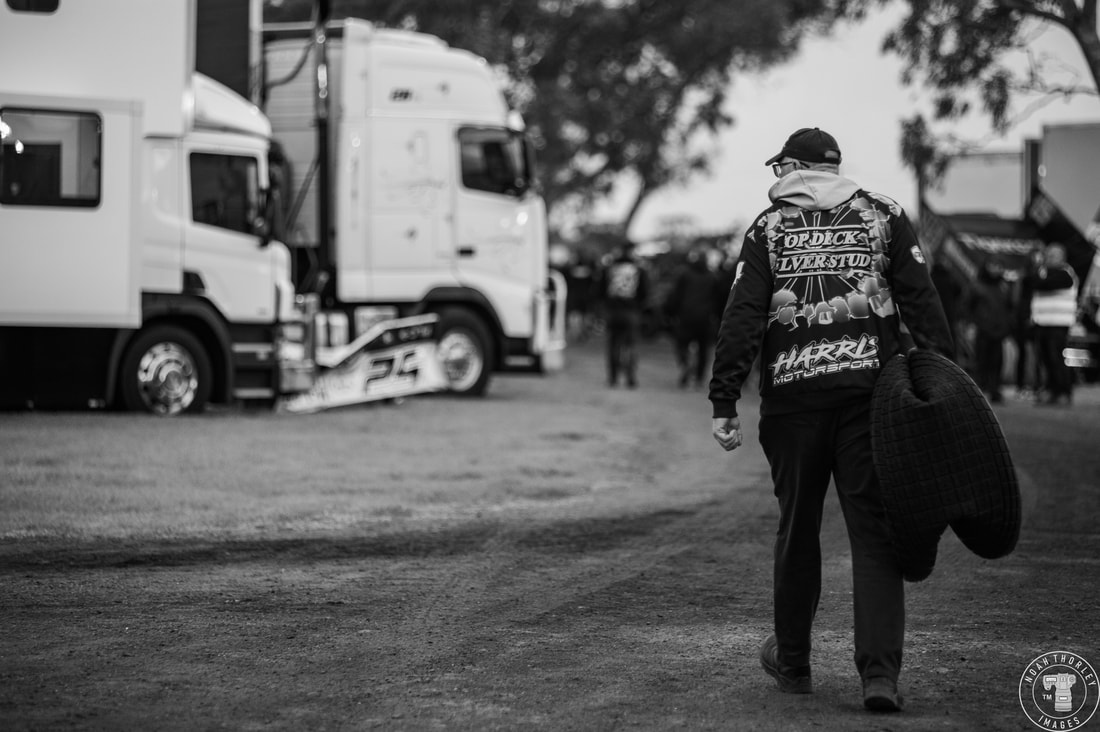 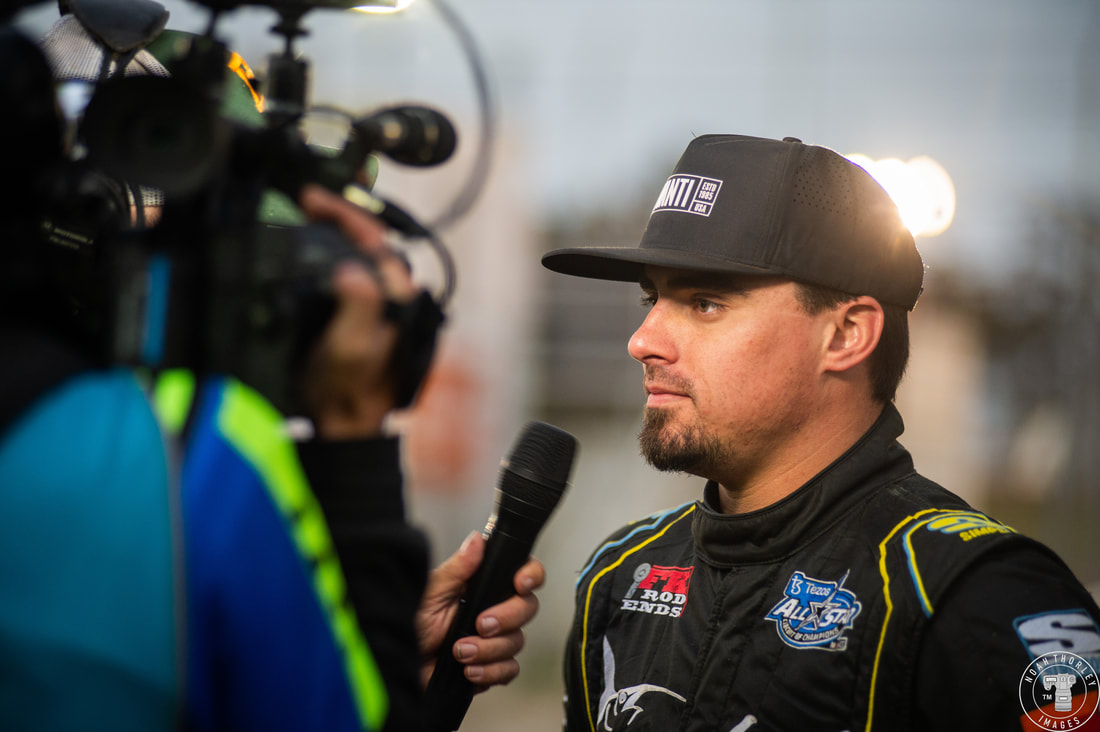 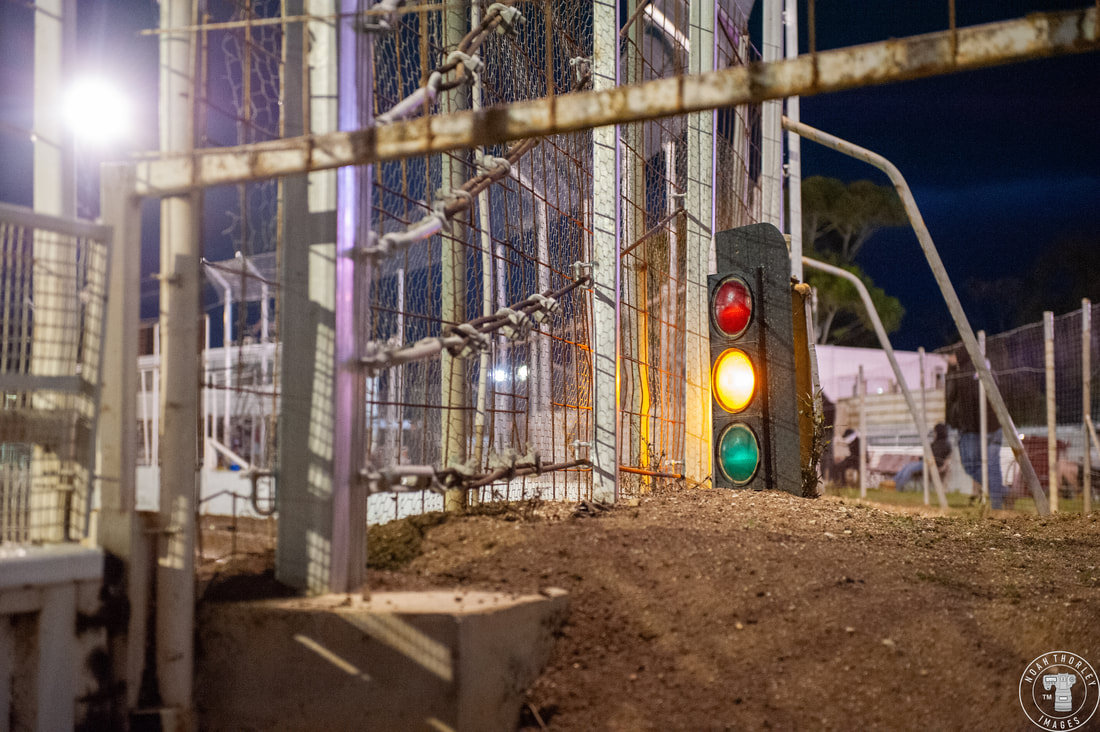 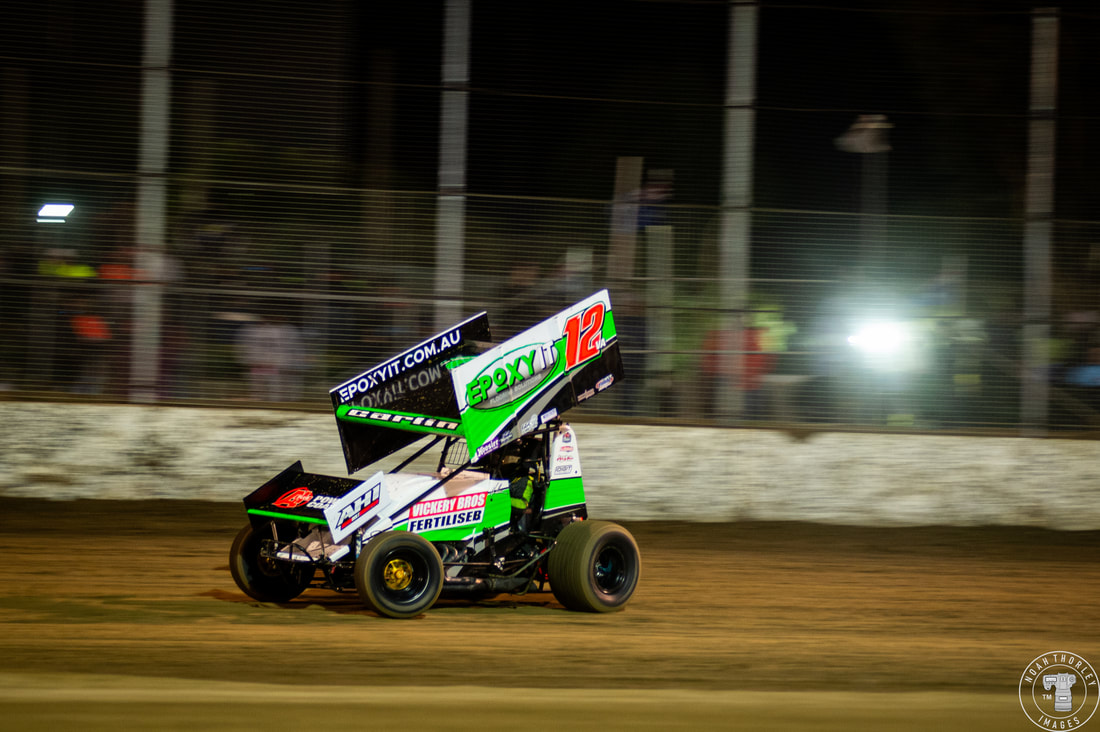 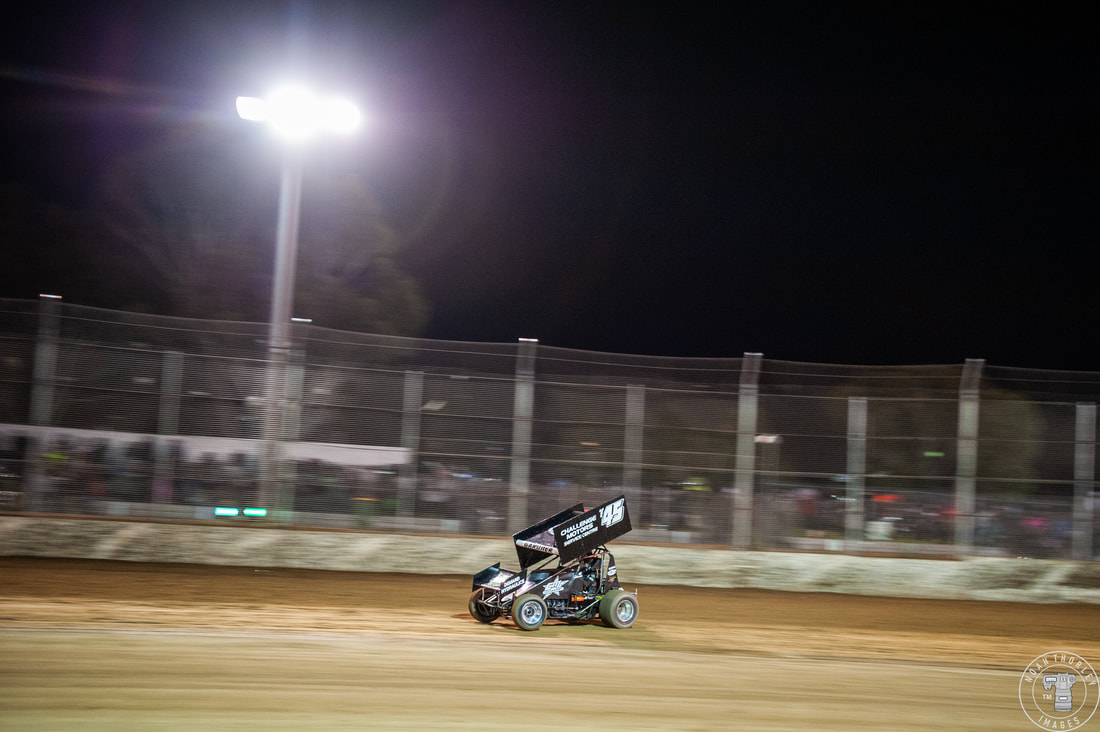 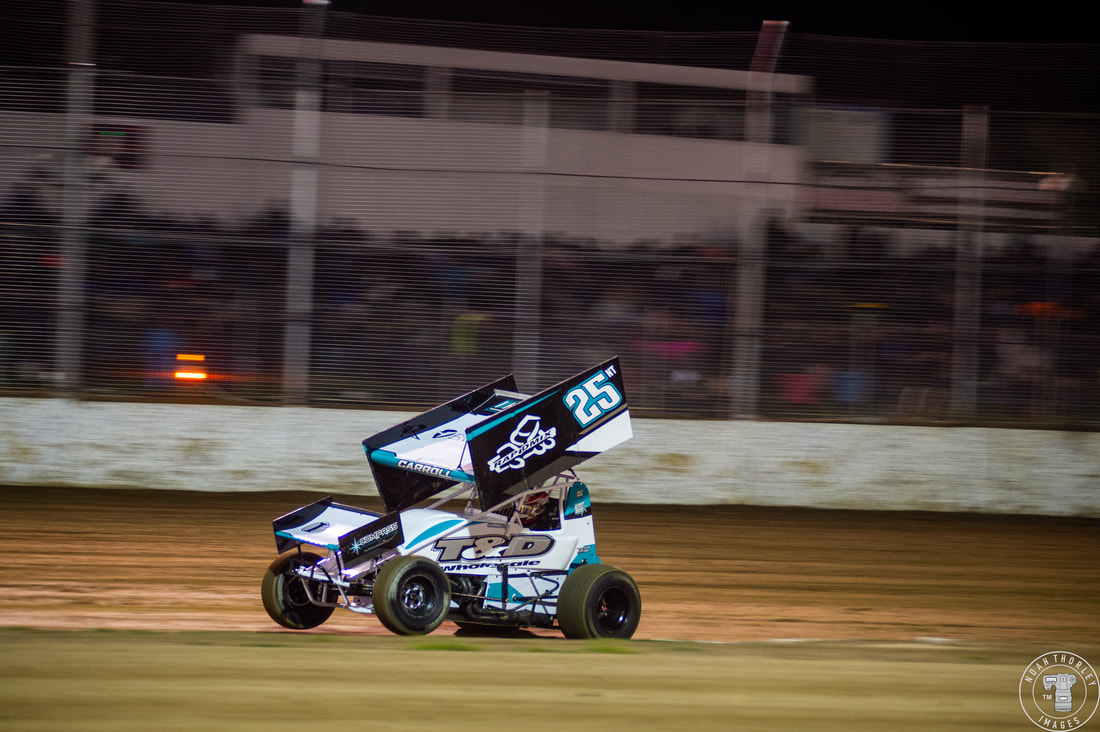 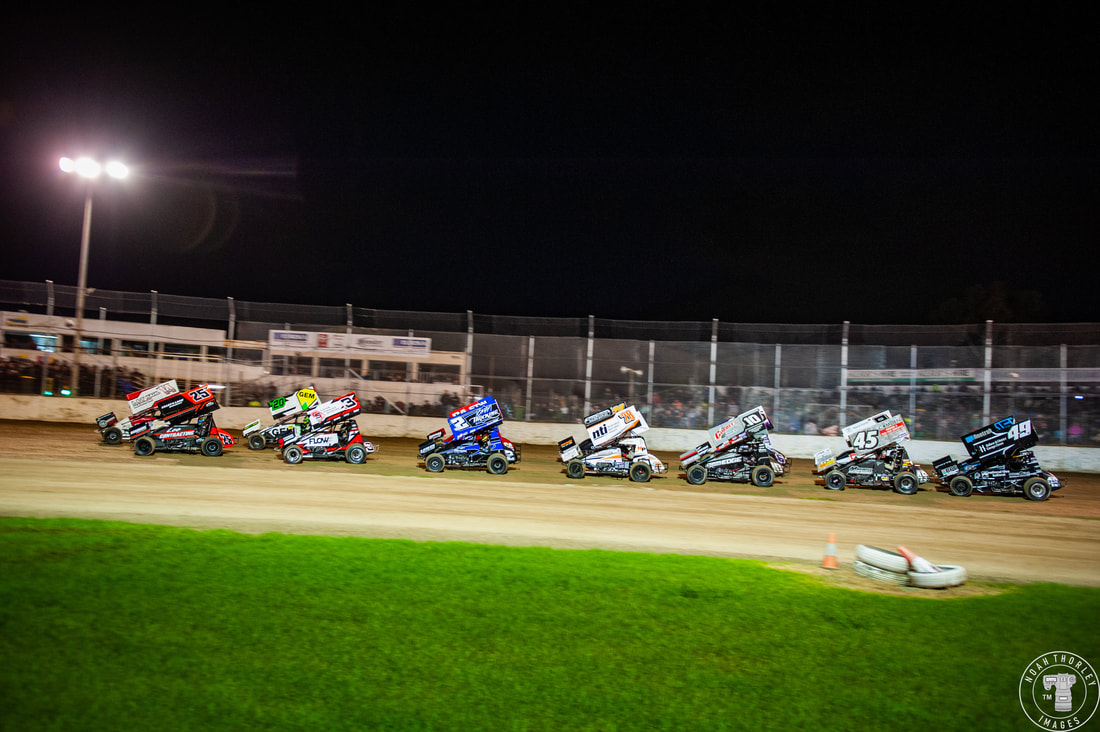 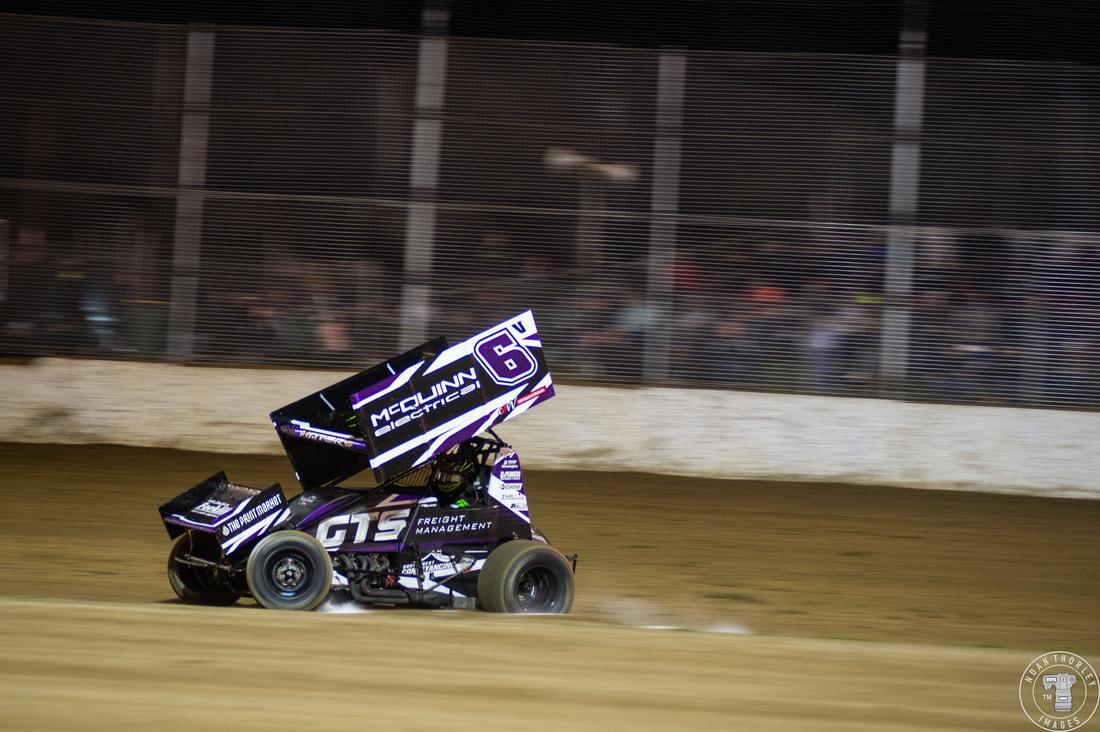 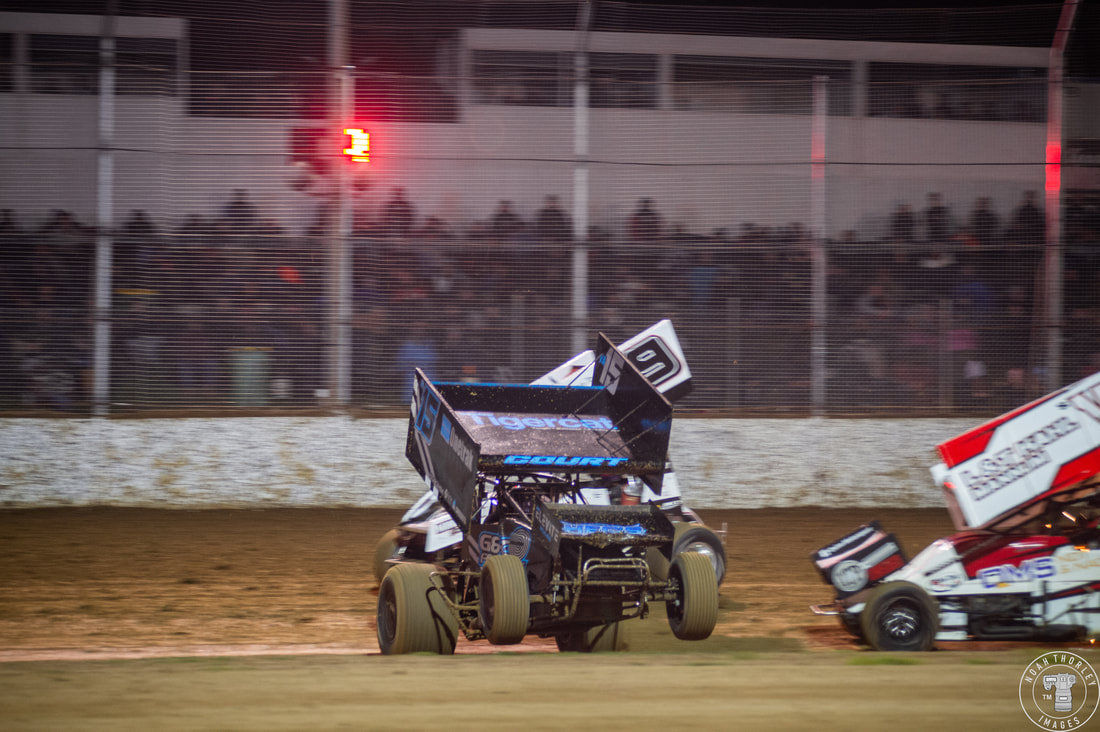 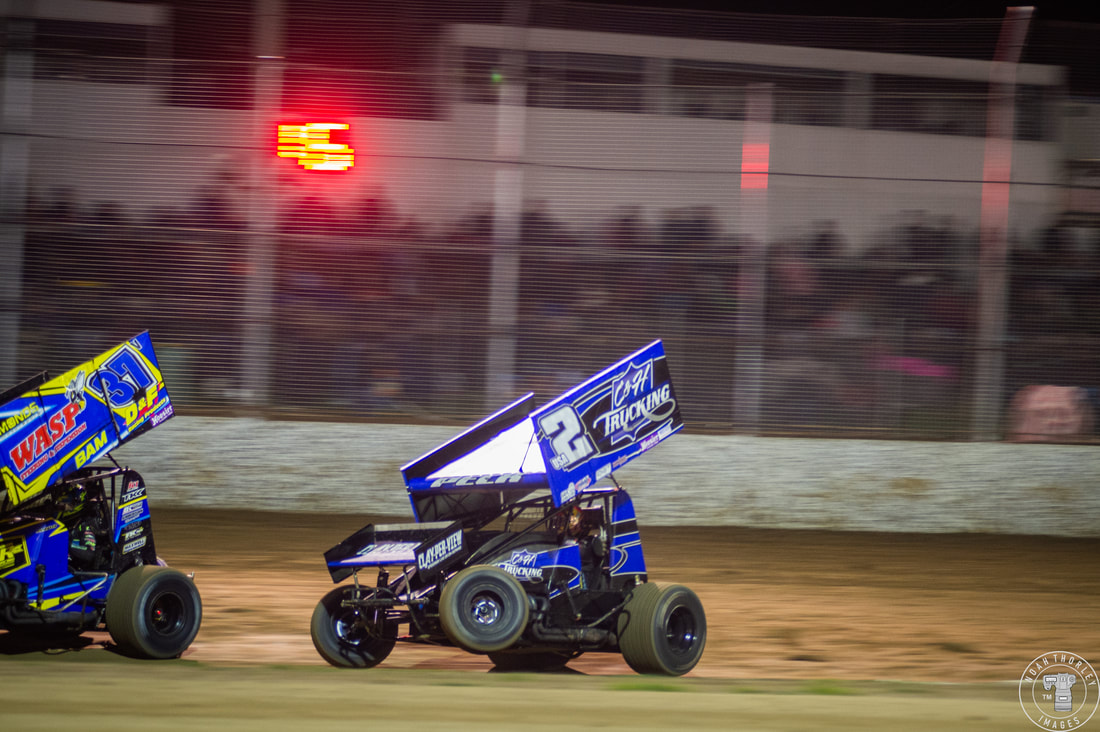 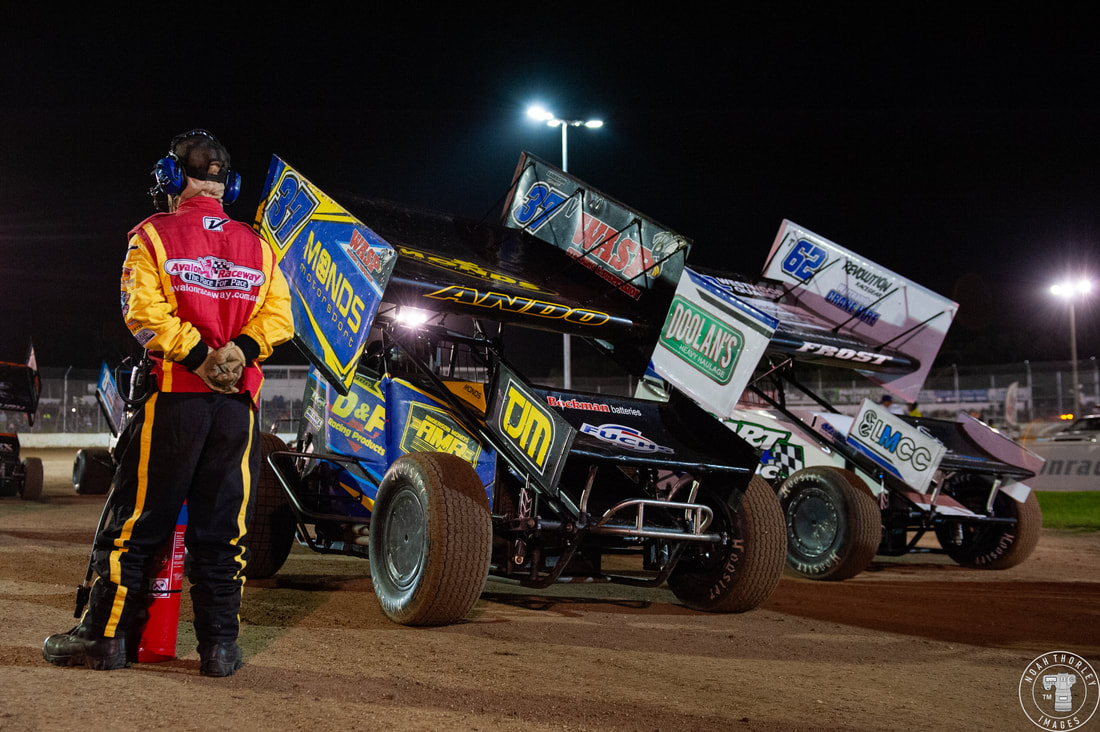 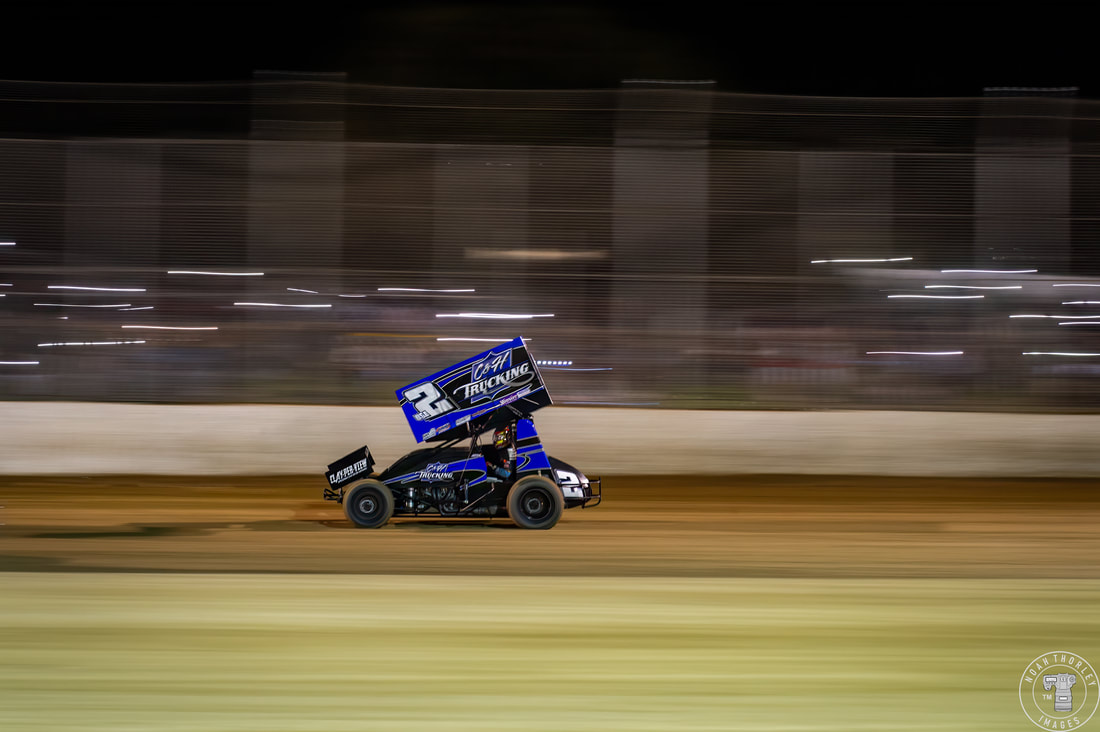 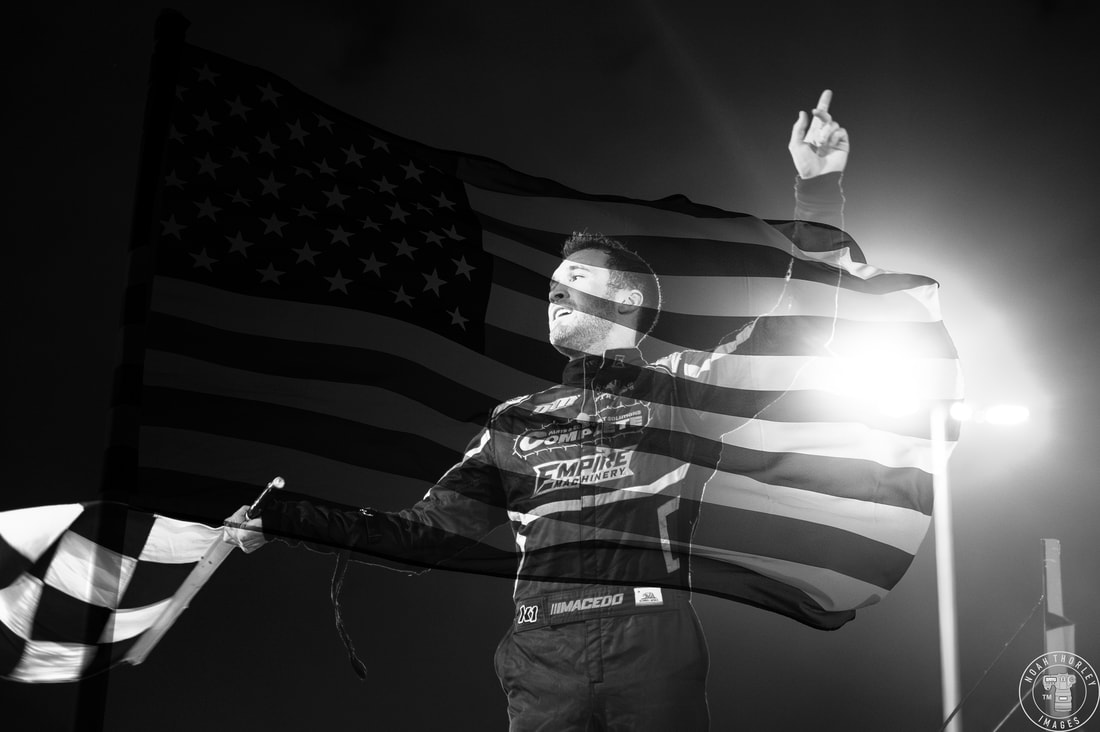 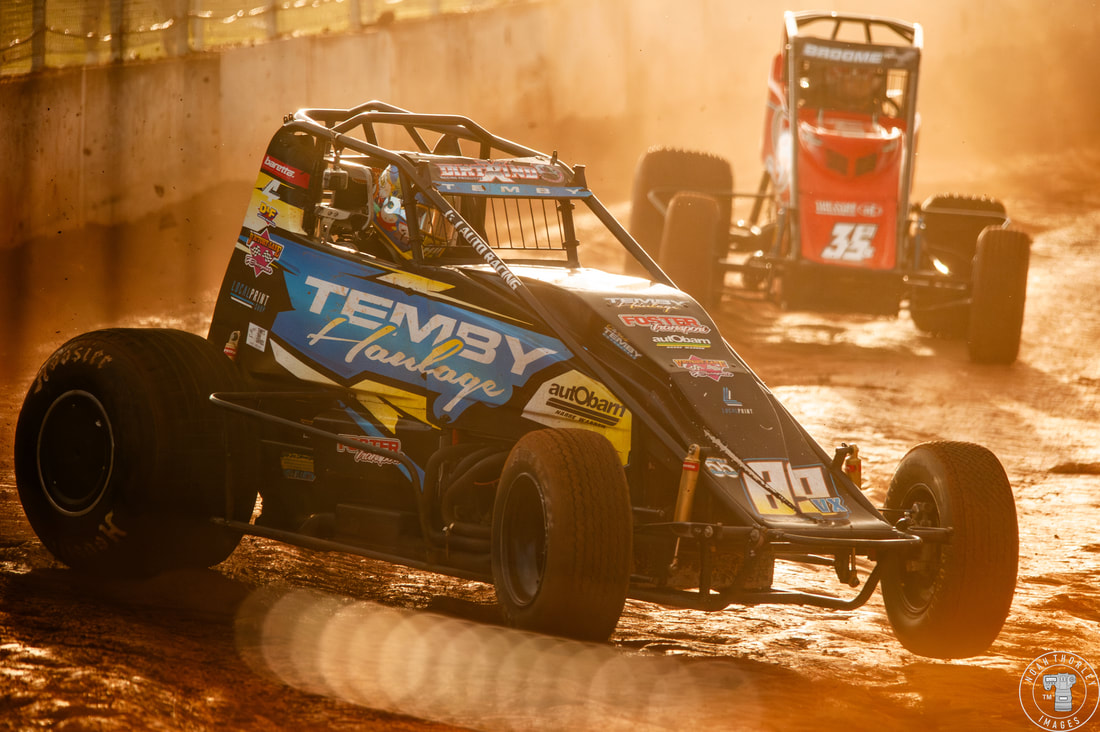 I’ve been unlucky recently with the weather. A week before this, I had planned to head to Western Speedway in Hamilton for some Vintage Super Modifieds, but the event got cancelled due to the continued hammering of rain as I was en route. And a week before that, the Sprintcar action at Wangaratta came to an early end thanks to a storm. 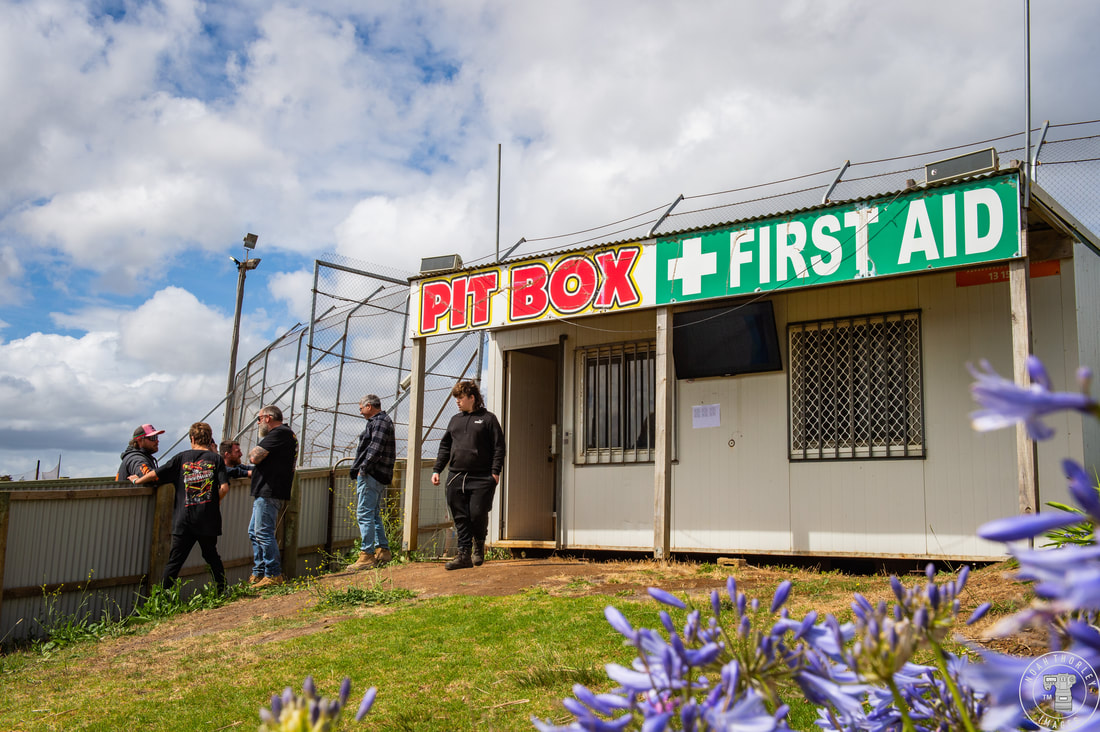 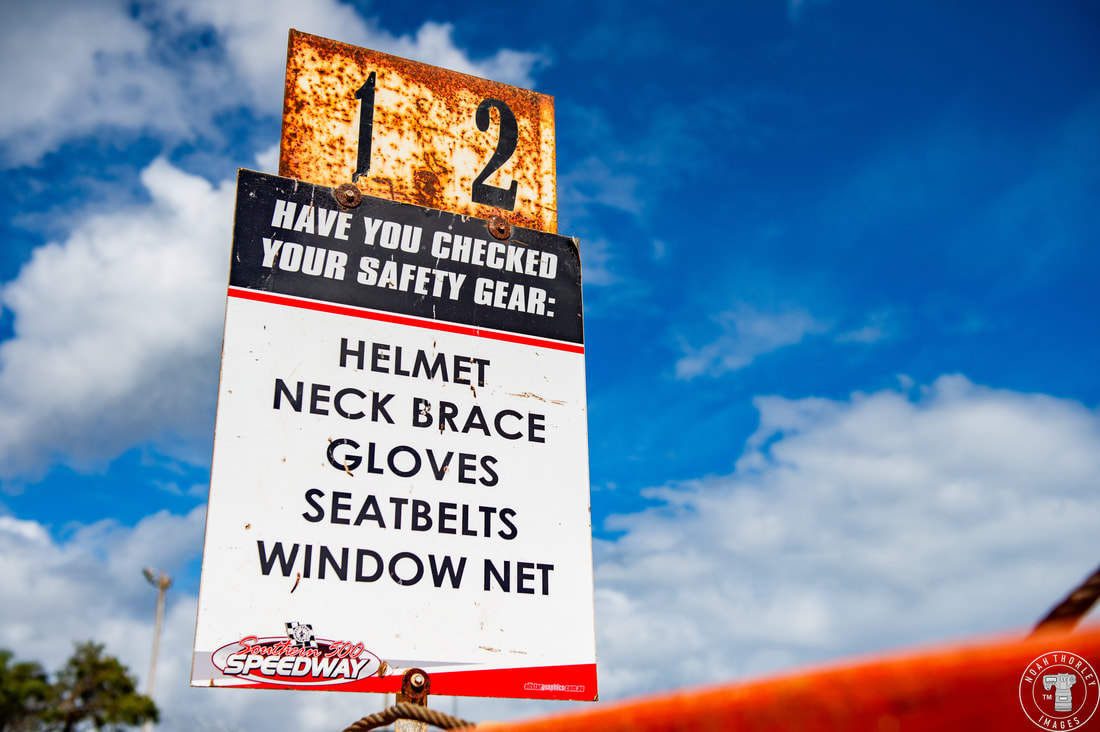 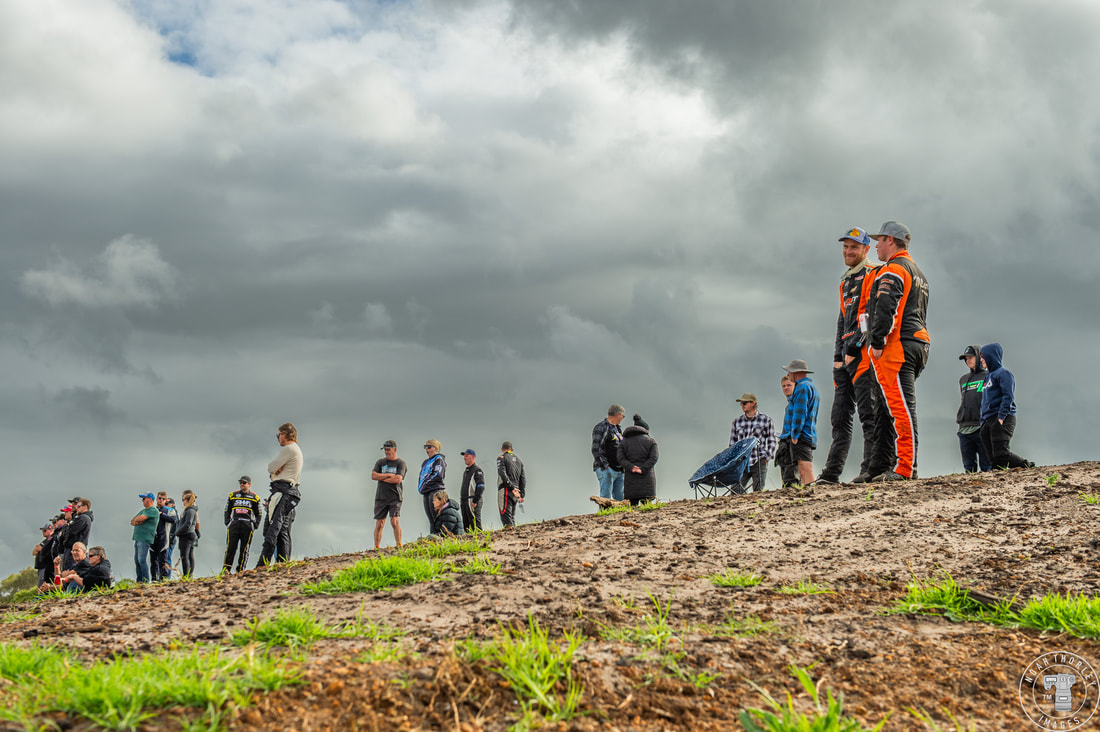 Portland too is not a great place to build not one, but two racetracks that are dependent on good weather for race meetings to occur. The last time I was here, drizzle cancelled the day’s drag racing for Street Machine Drag Challenge at South Coast Raceway. 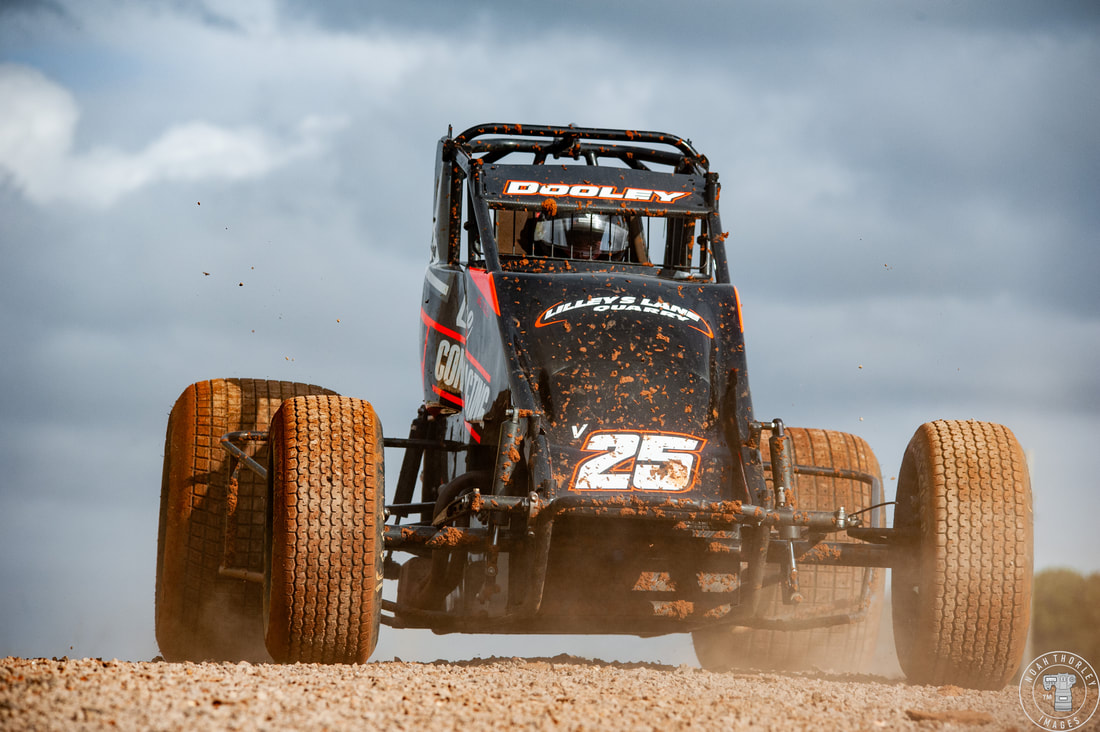 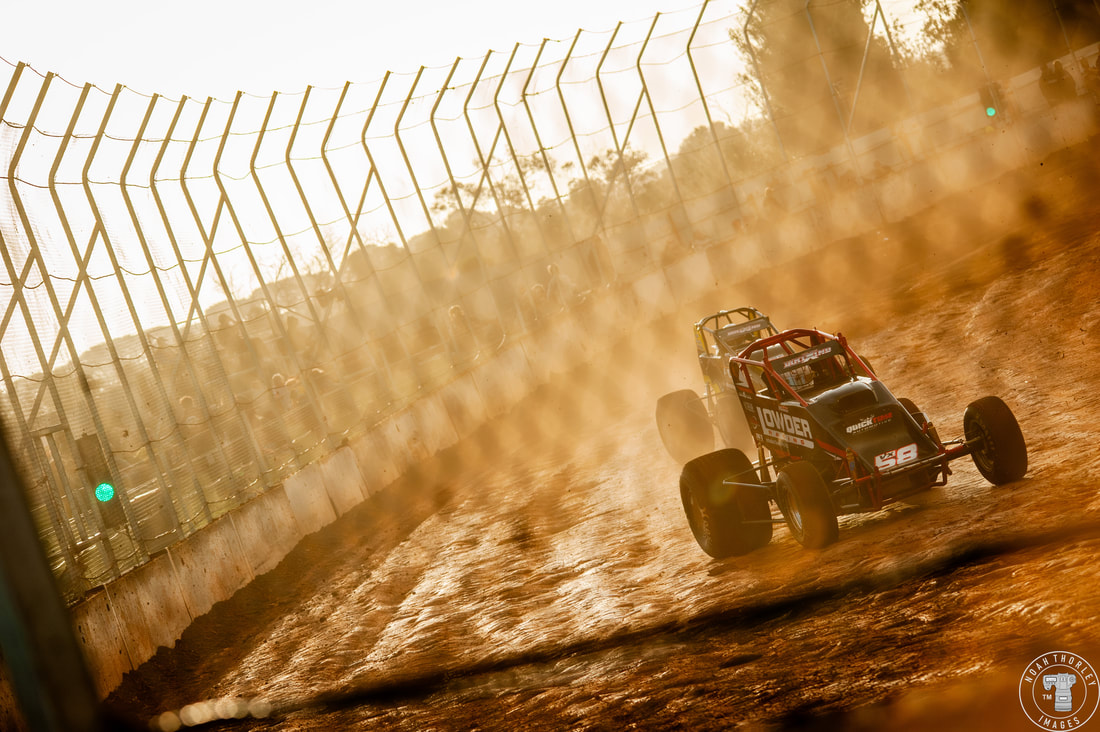 Despite my recent history, and the fact that it was raining when I left my motel, Southern 500 Speedway in Heathmere - just north of Portland - stayed completely dry. Victoria's Wingless Sprintcar Championship would be in full swing as teams and drivers headed to the 370-metre clay bullring. 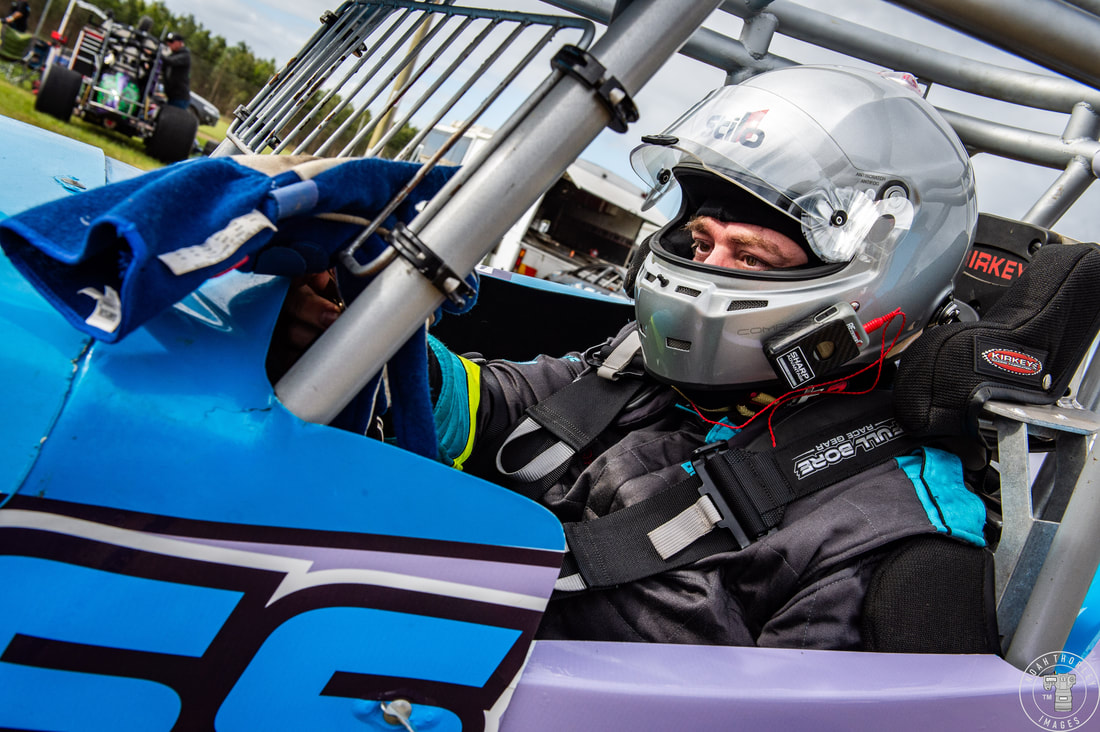 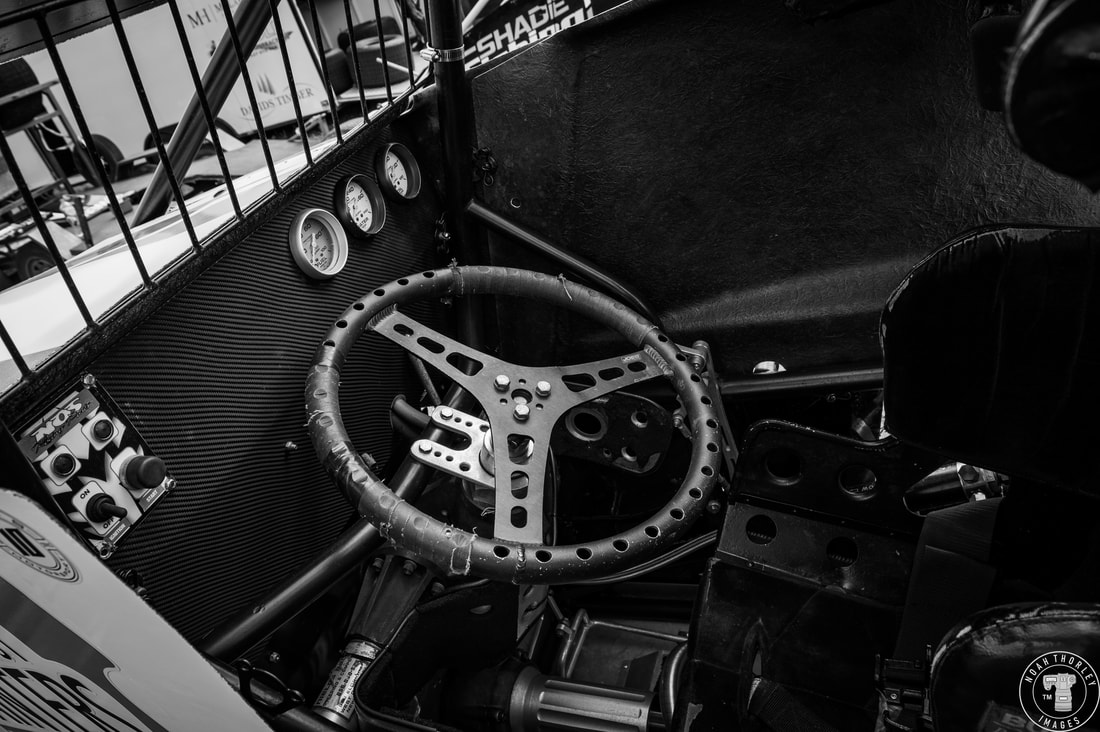 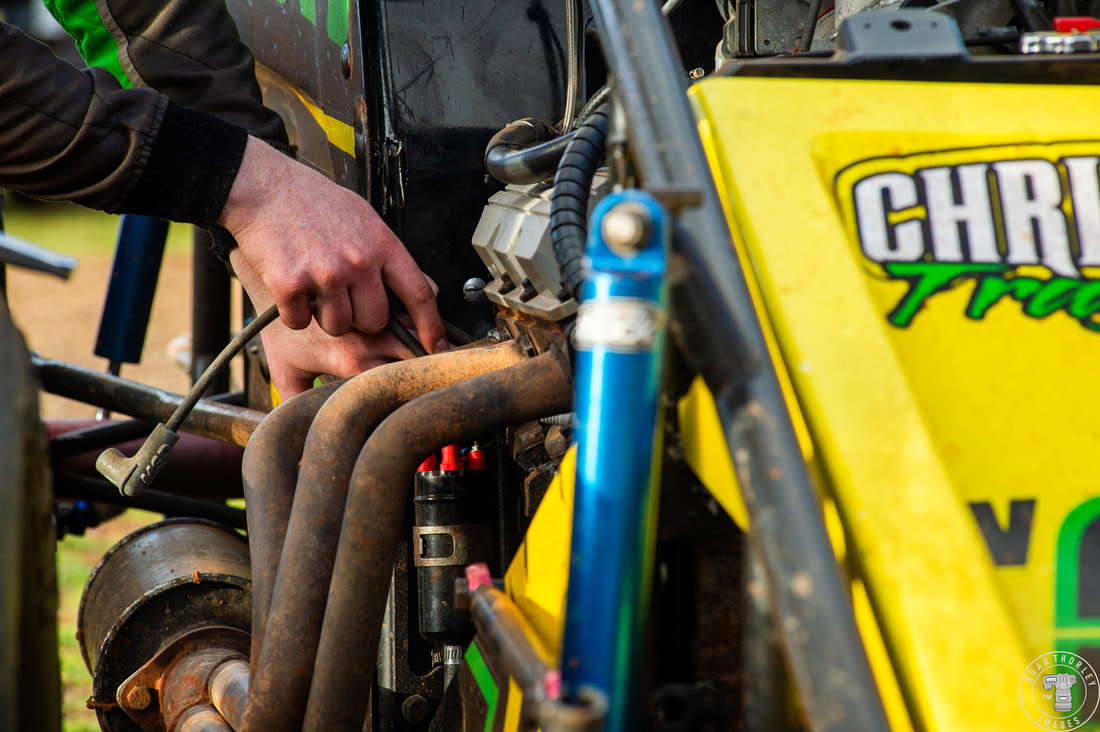 In the U.S, today's Wingless Sprintcars have a massive following, thanks to having the same 410ci 900hp V8 that the winged Sprintcars do. So, the same Formula 1-esque power to weight ratio, without the 600kg of added downforce from the wings, making for one hell of a wild ride and an entertaining form of racing. 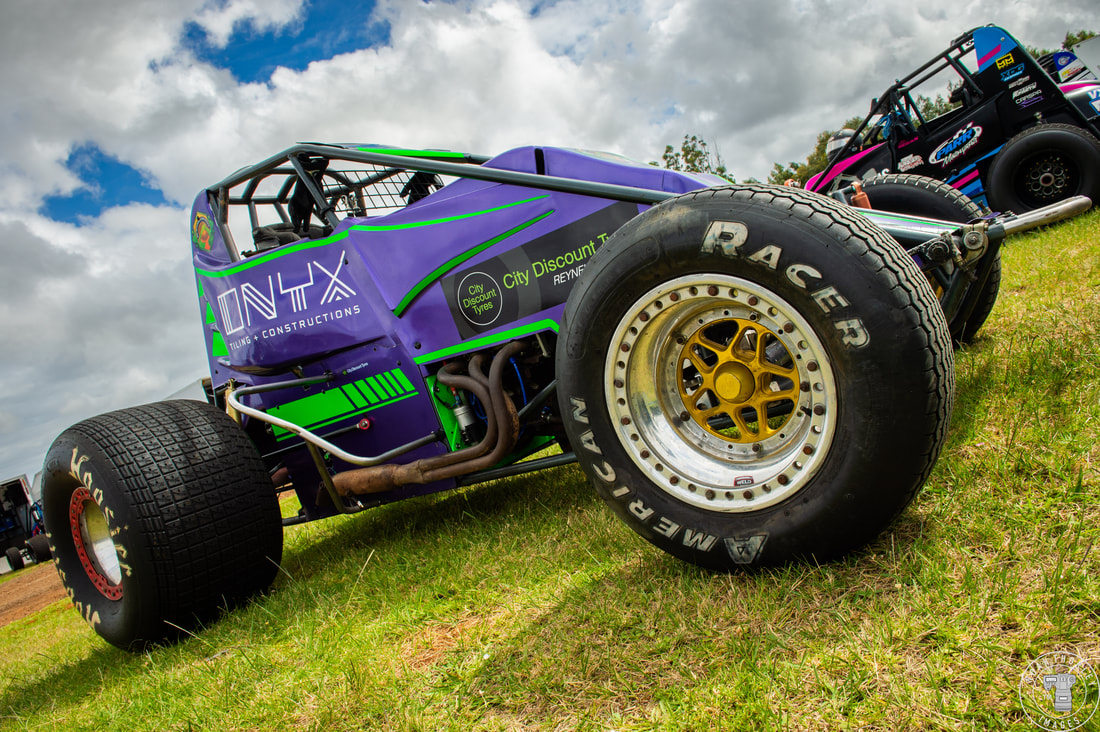 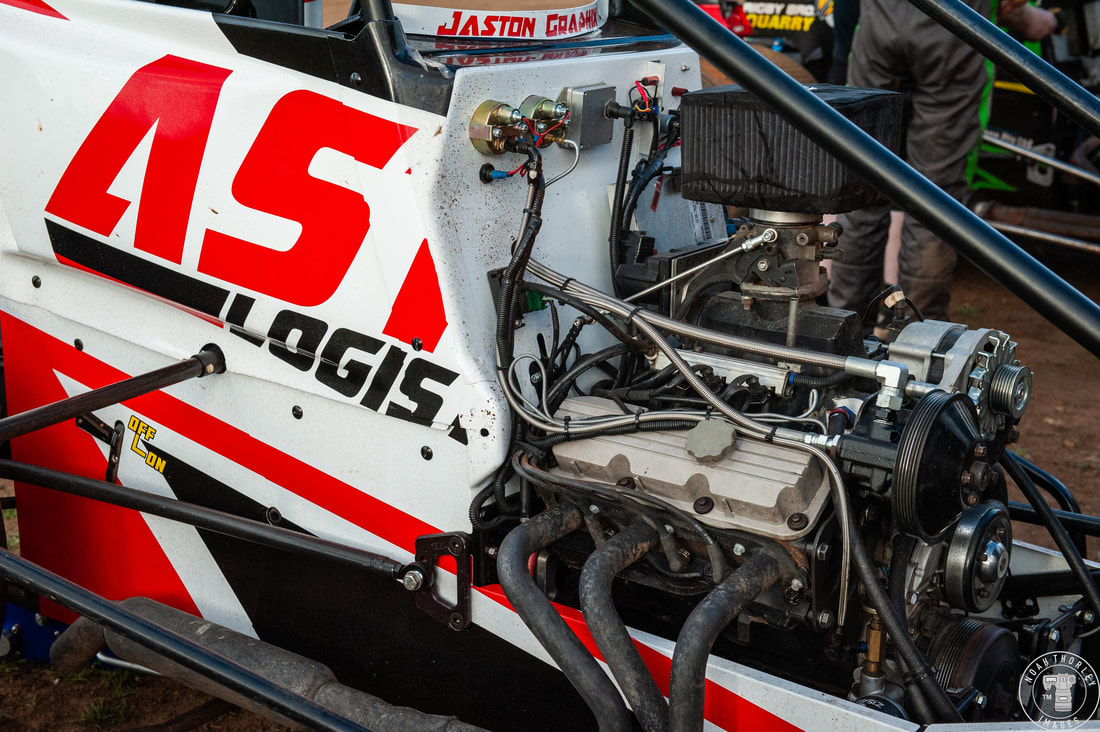 Down here in Australia, our Wingless Sprintcars are powered by the smaller 3.8 litre V6, derived from the Holden Commodore/Toyota Lexcen VR, VN or VP generations. Despite the size difference, there are still plenty of teams and race fans rocking up to watch these gladiator's race. 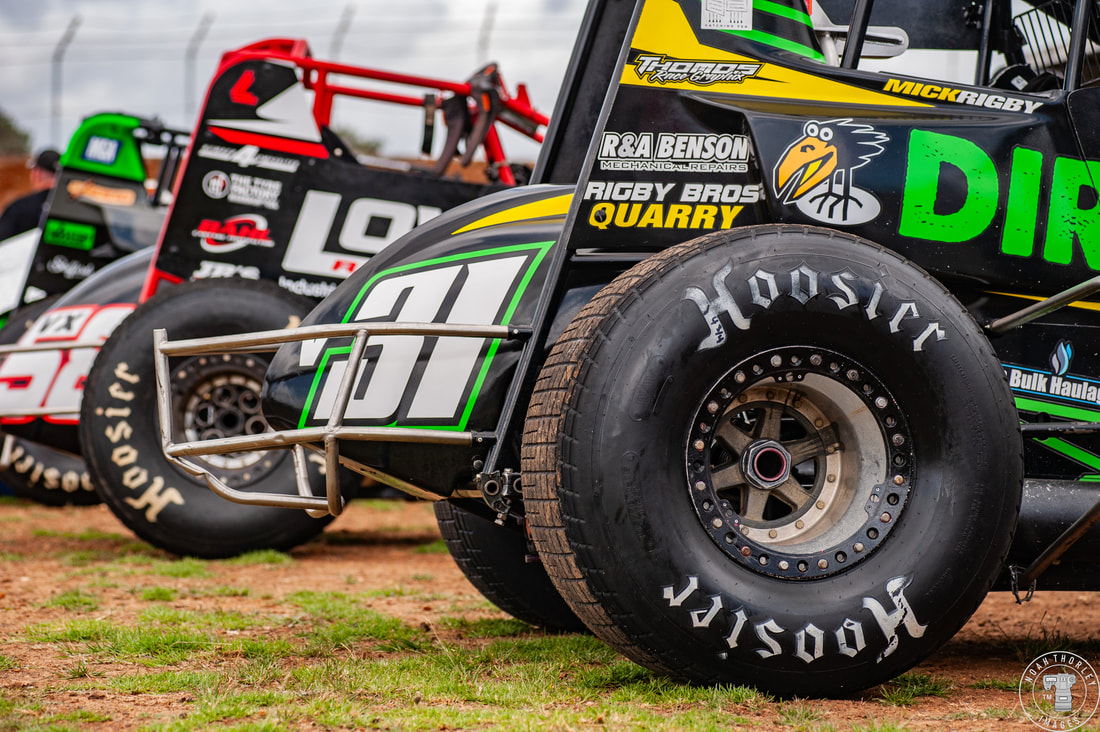 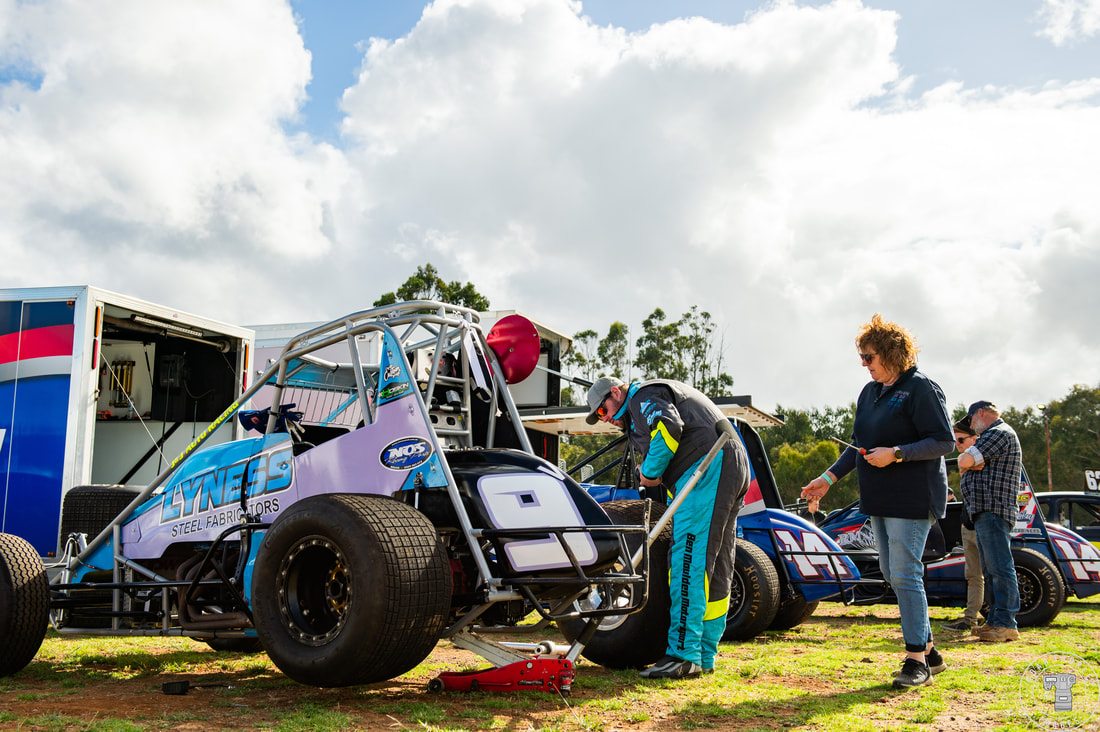  A strong field of 34 teams would be nominated for the Prelude, a preparation round if you like for the Victorian Wingless Title decider on the 9th of March, which would be held here at Southern 500 Speedway. 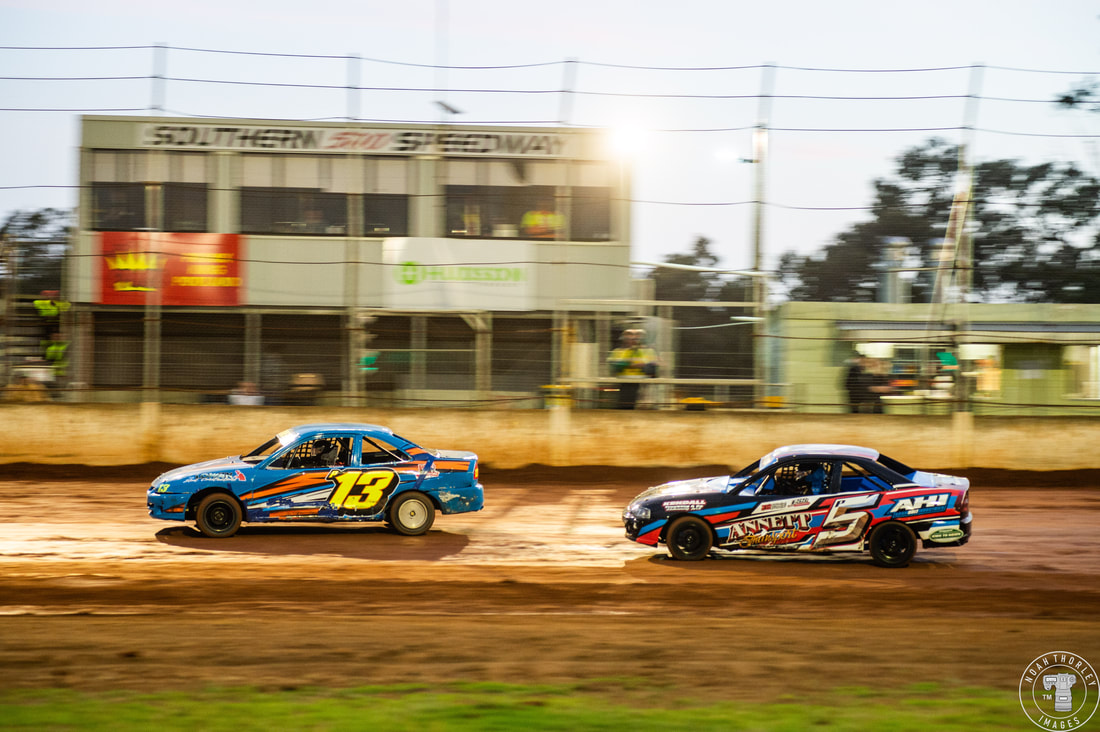 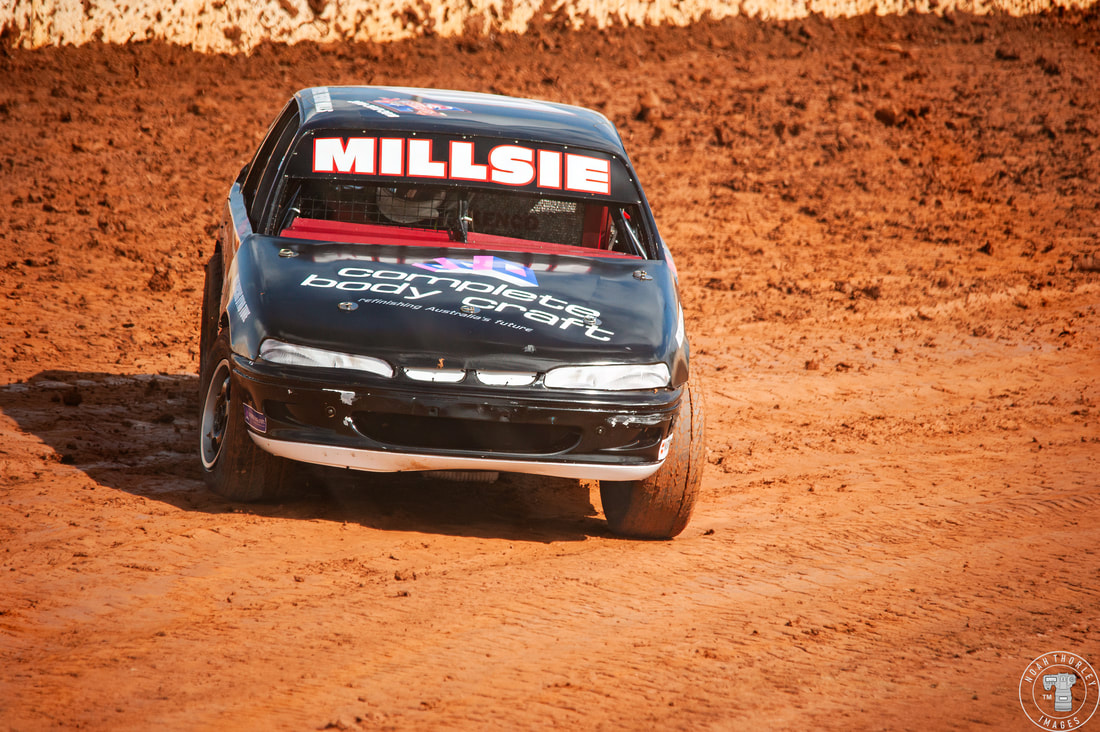 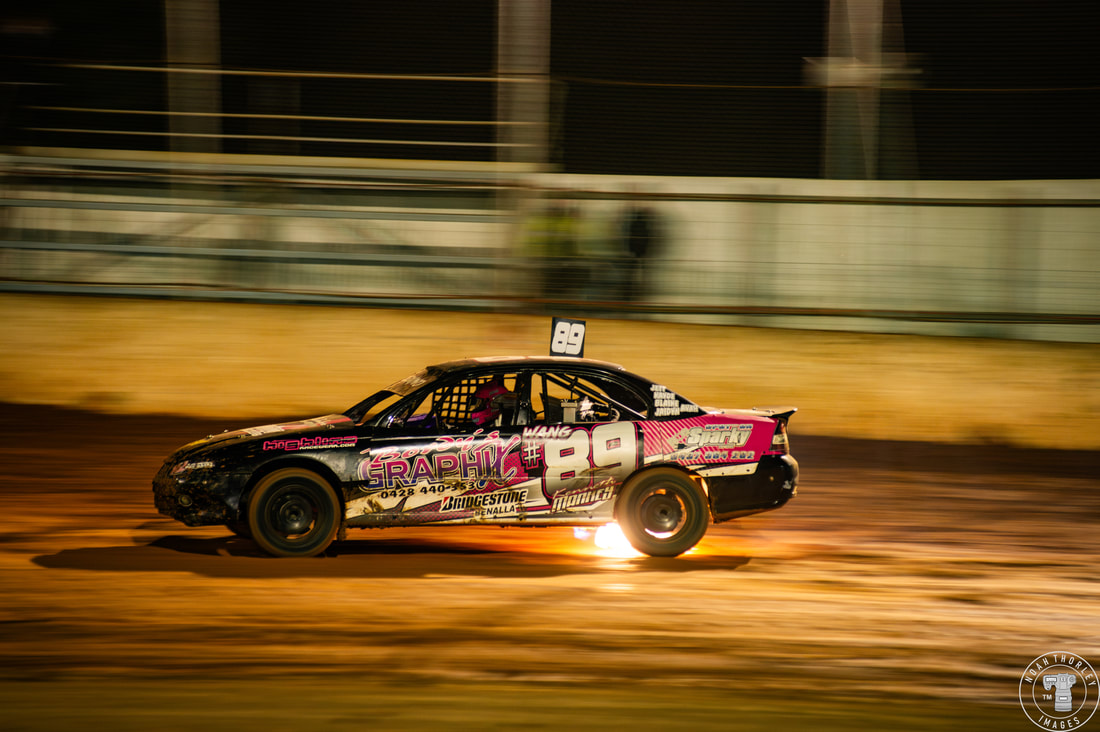 Racing alongside the Wingless Sprints were the juniours and Production Sedans, as the Modified Sedans were in the hot seat for the night's feature race. 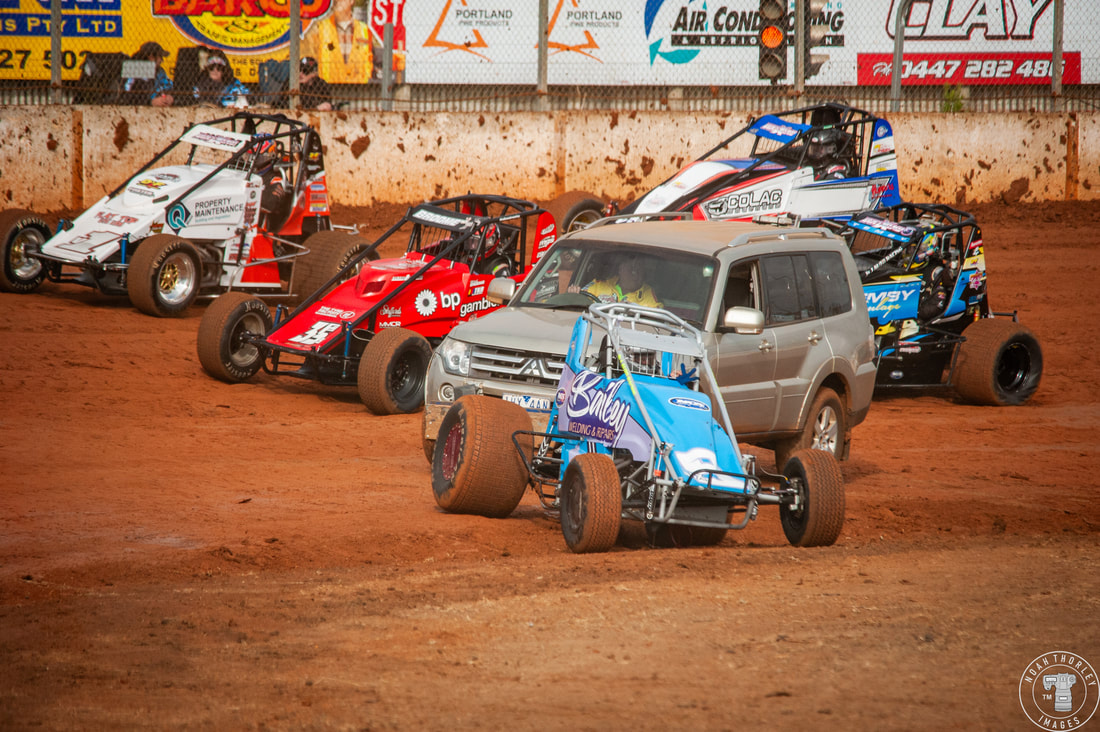 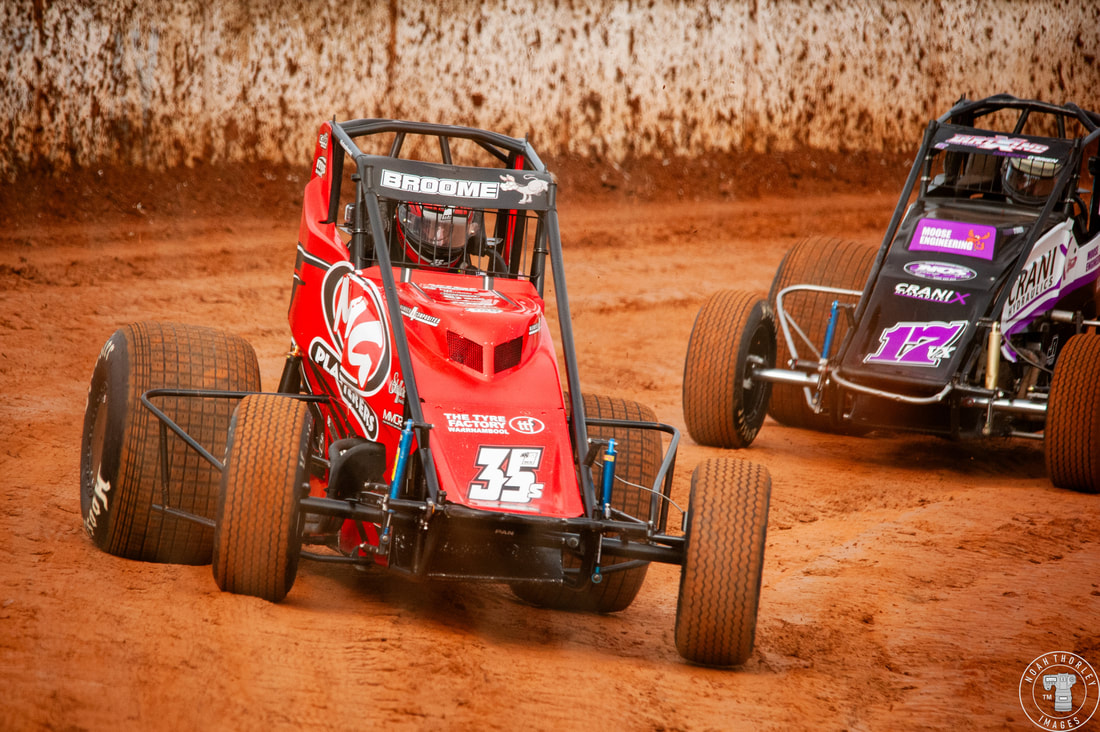 The Wingless Sprints would go straight into the heats, with only a few laps around prior to get a feel for a track that been made anew since the last time some of these drivers had raced here. It would take a while for Heat 1 to get started, with Ben Moulden enduring mechanical trouble, as the safety crew cleaned up oil and debris. When racing finally got underway, it would be Mitchell Broome who would take the win for Heat 1. 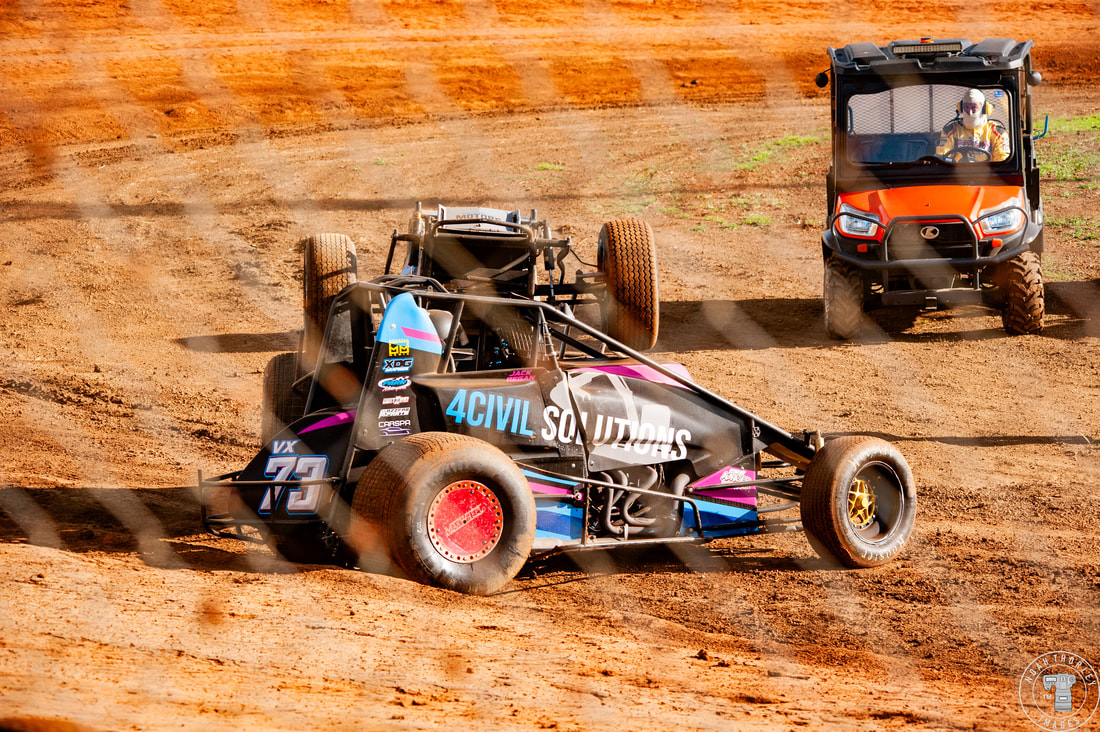 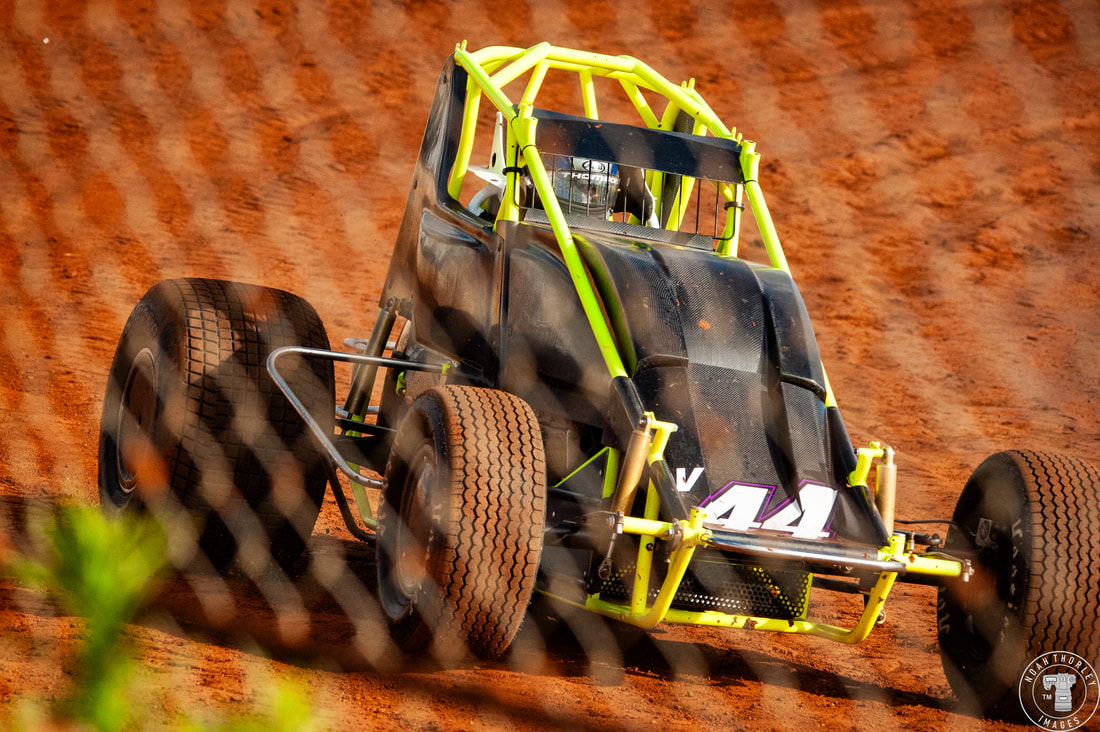 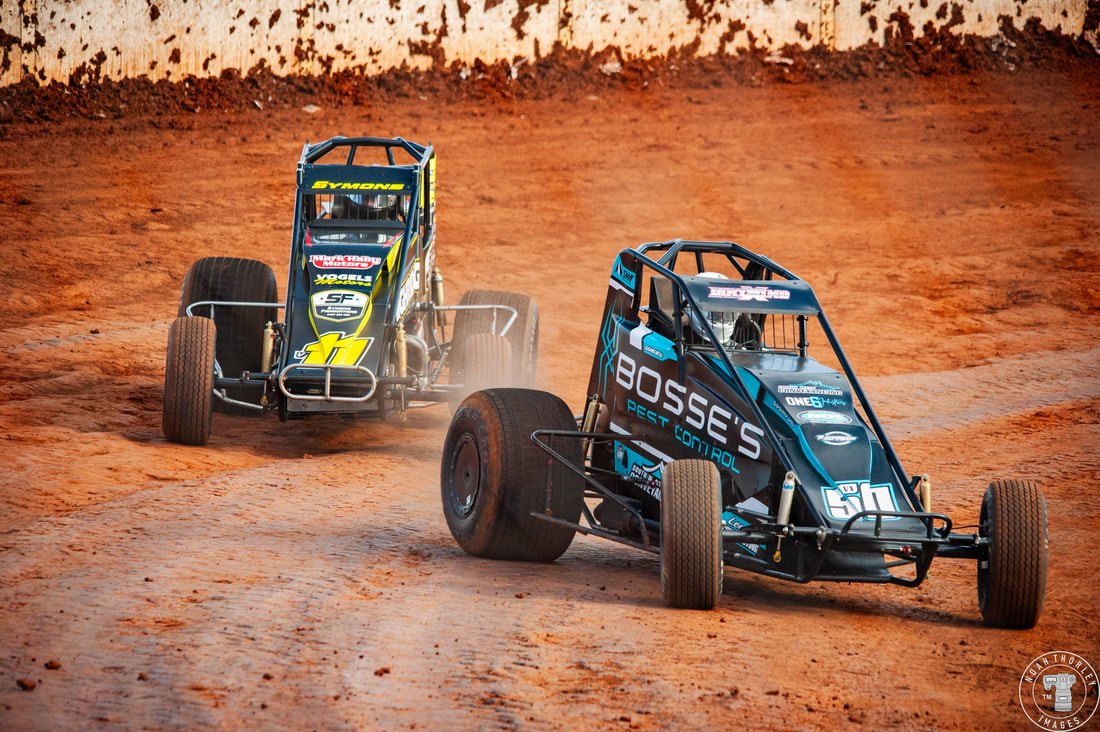 At the start of Heat 2, Jack Regan, Craig McDonald and Luke Johnson would tangle bringing out the first of two yellow flags, the second being for Lauren White who spun all on her own in Turn 1. Out front, Luke Weel and Matthew Symmons traded the lead, with Weel coming out on top at the end of the 10-lap heat. 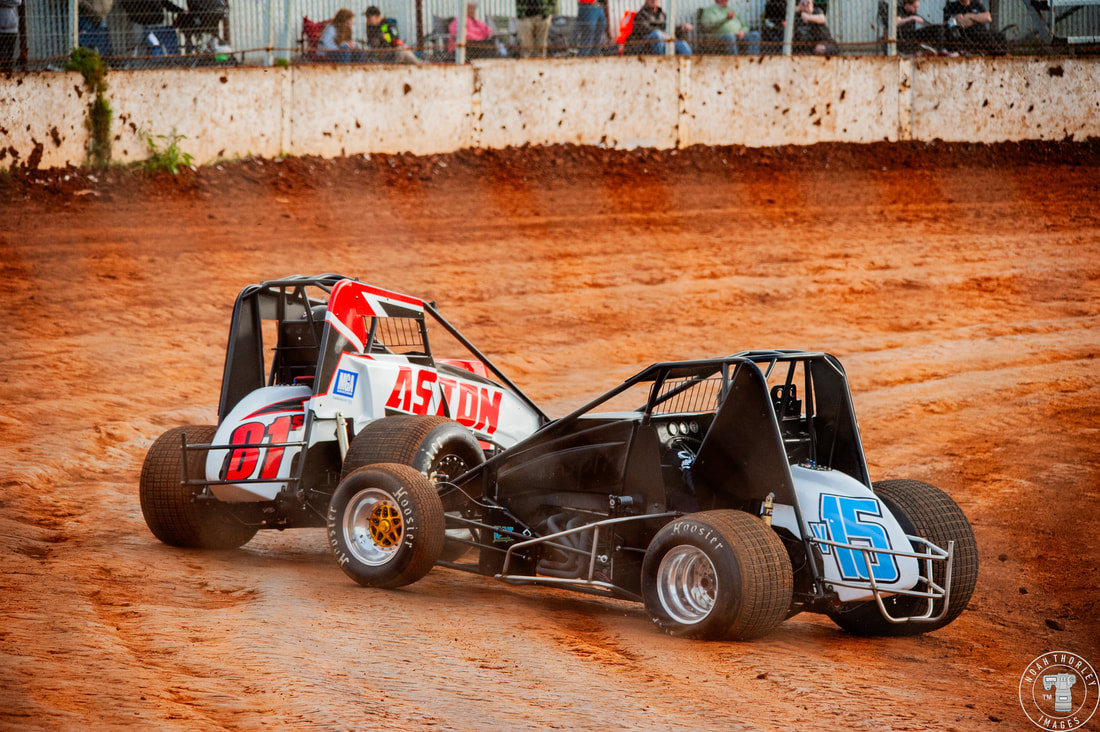 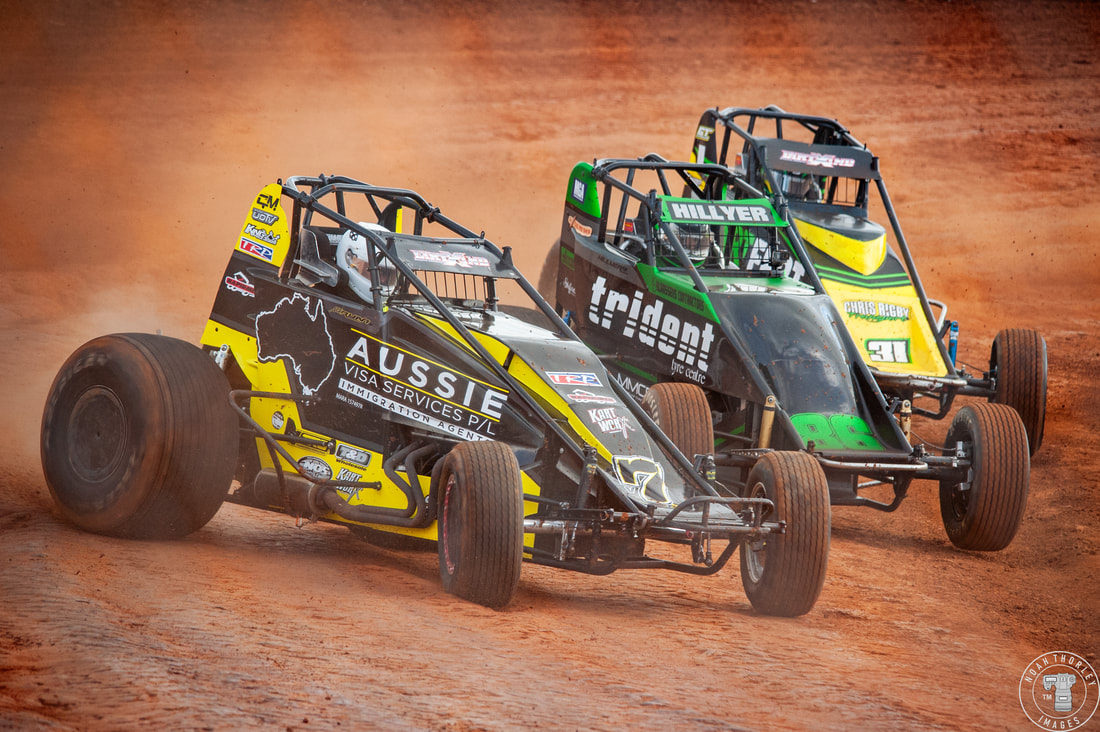 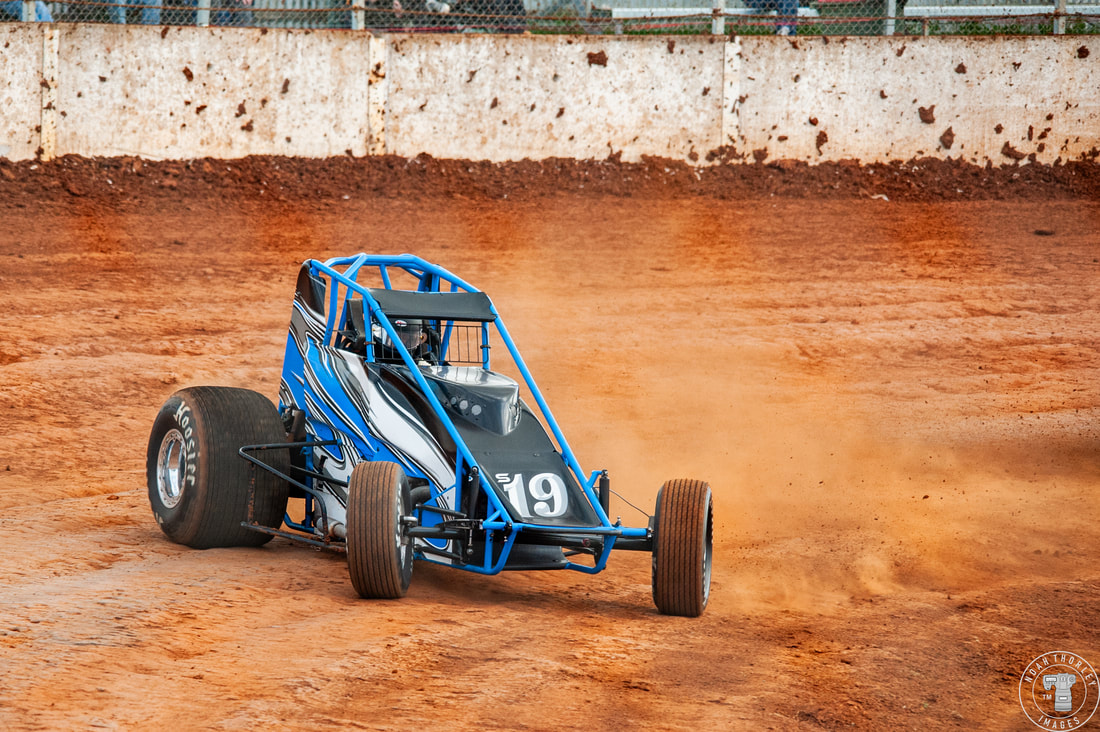 A spin and contact between Khan Aston and Zack Rogerson, plus some more debris on the track would slow down proceedings for Heat 3. When racing got underway properly, there was great side by side action for the minor placings, but no one was going to catch Michael Spoljaric who took the win. 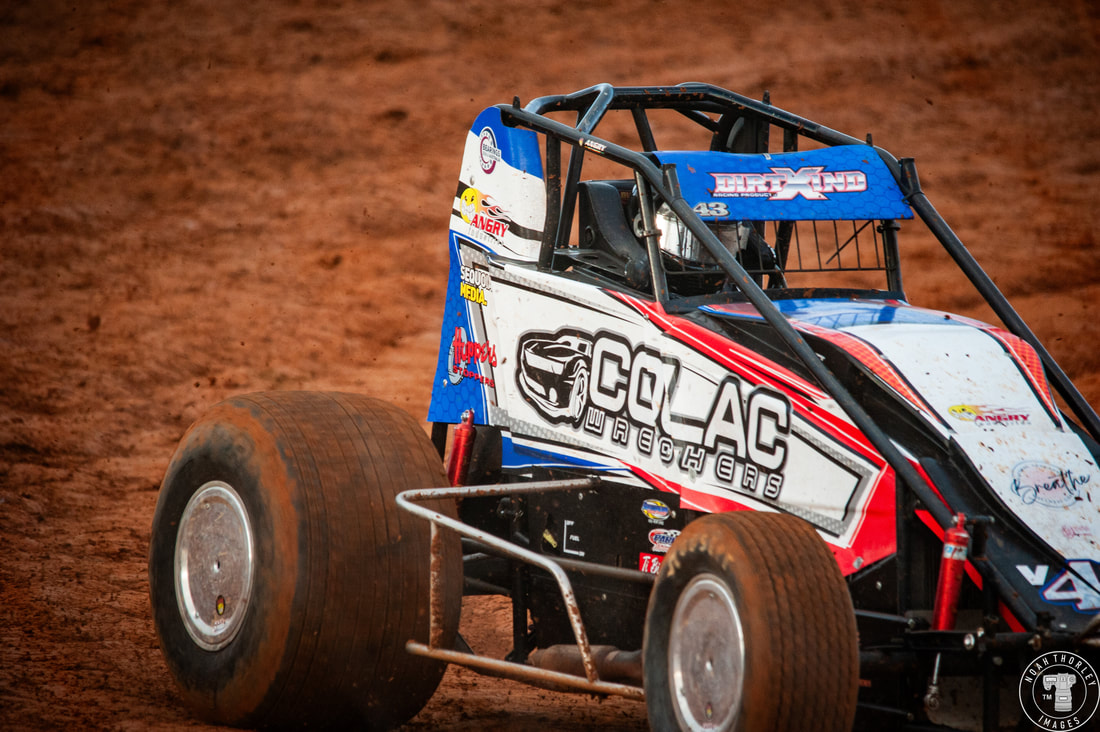 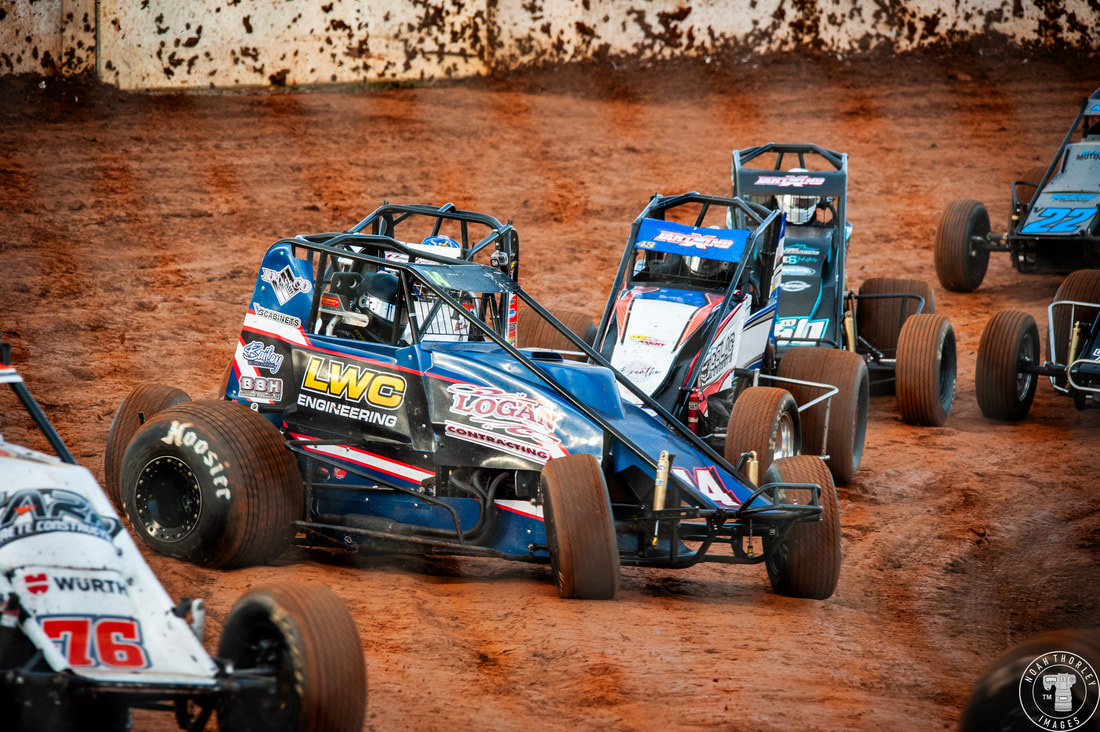 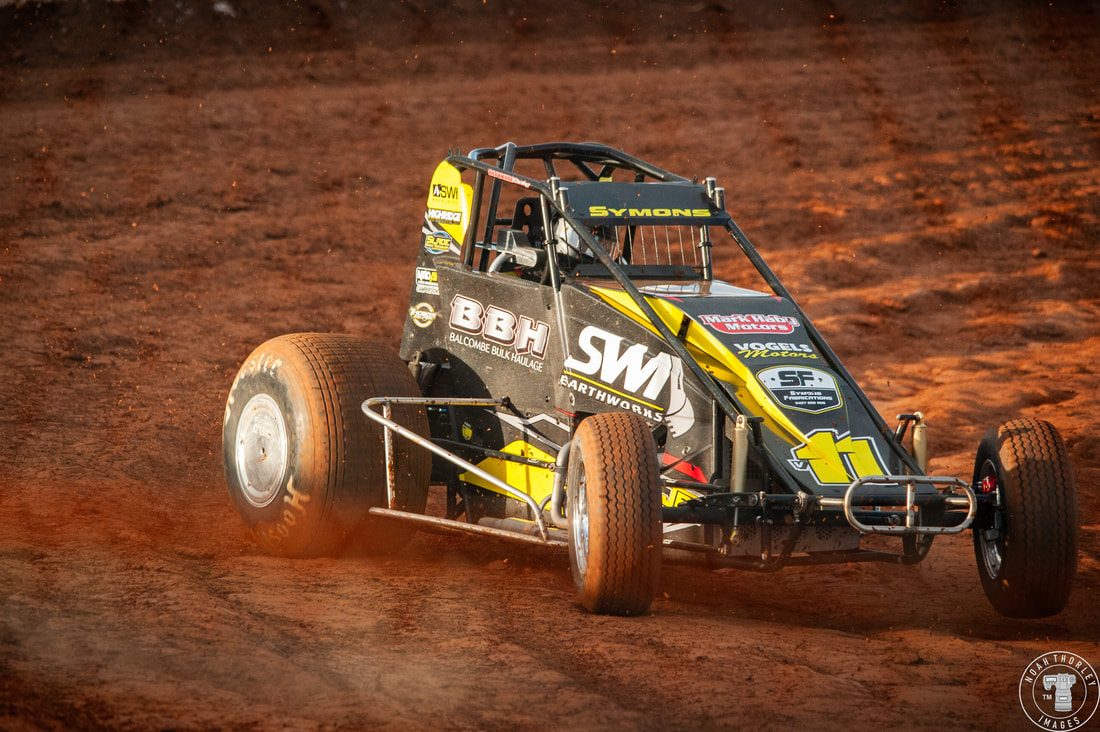 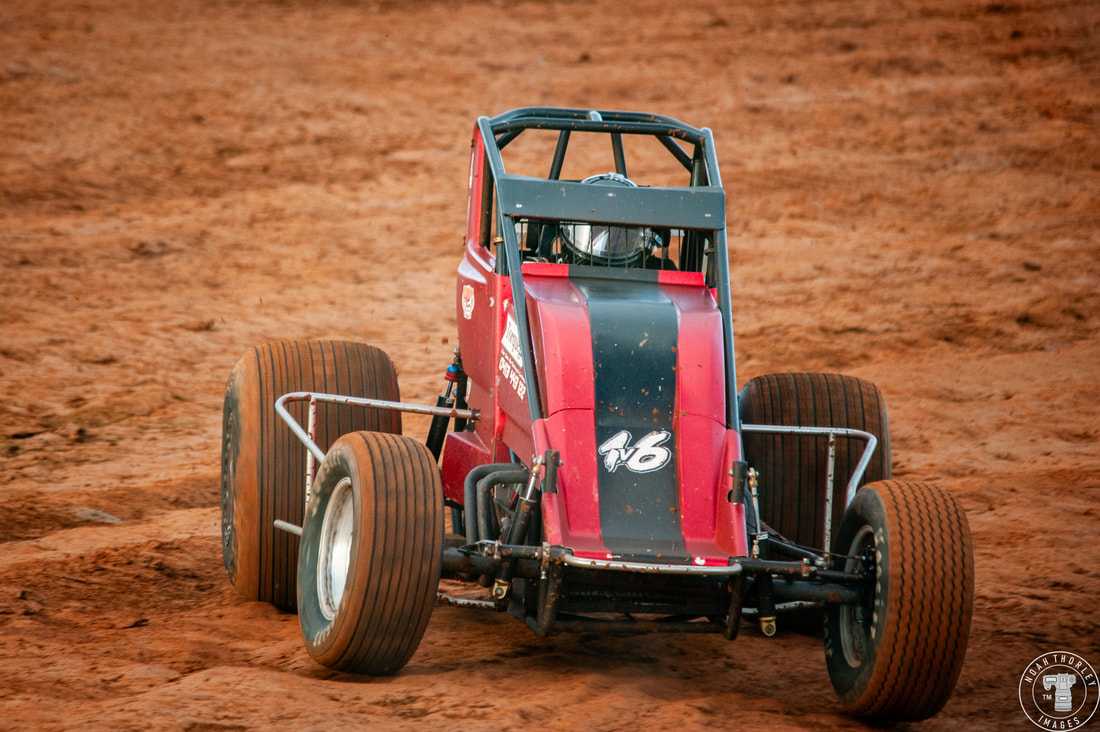 There were plenty of battles throughout the field as V43 spun in Heat 4. In the final laps, Matthew Symmons would leave the door open for Wayne Logue to take the lead and run away with the win, as a battle on the final lap heated up for third place. 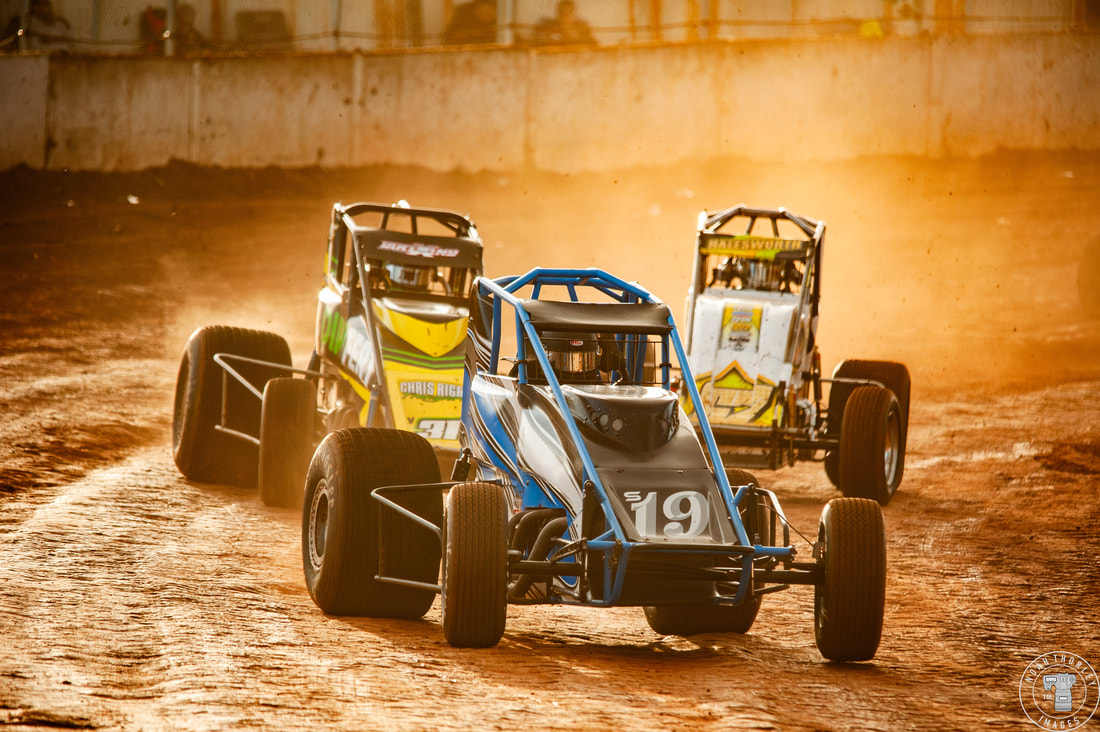 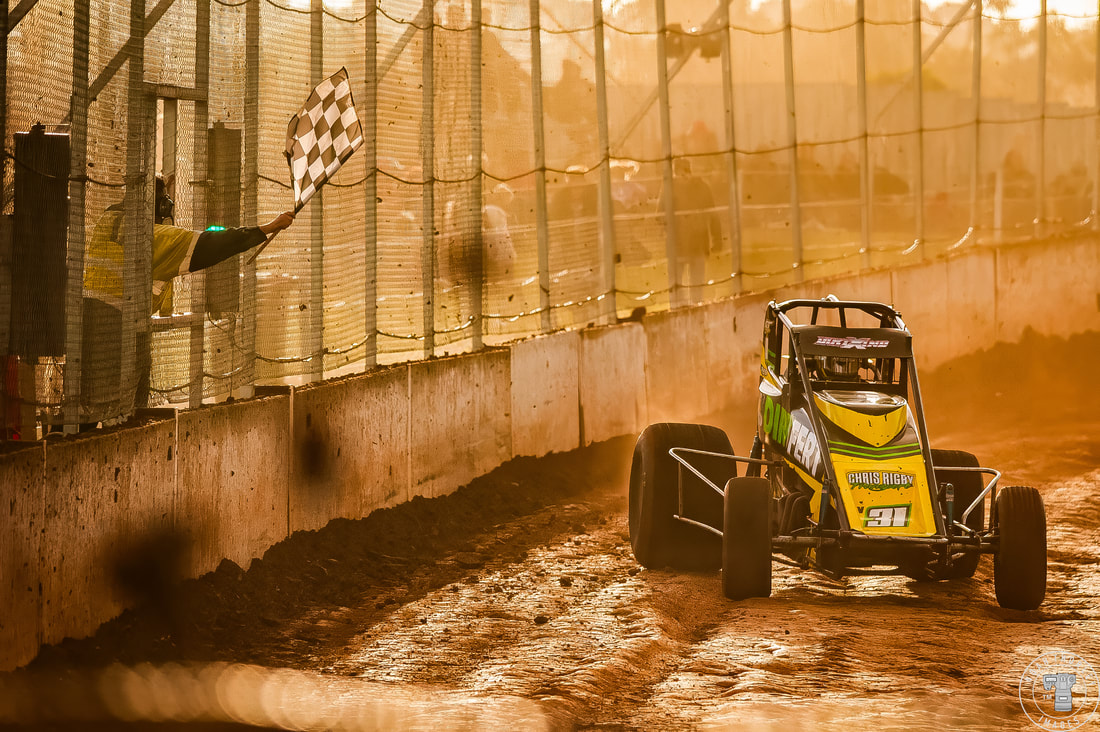 In Heat 5, it would be a green to chequered, uninterrupted race, with a great battle between Michael Spoljaric and Mick Rigby, with Christopher Halesworth closely following the pair. On the final lap, Mick Rigby would steal the lead away from Michael Spoljaric and his chance at a second heat win. 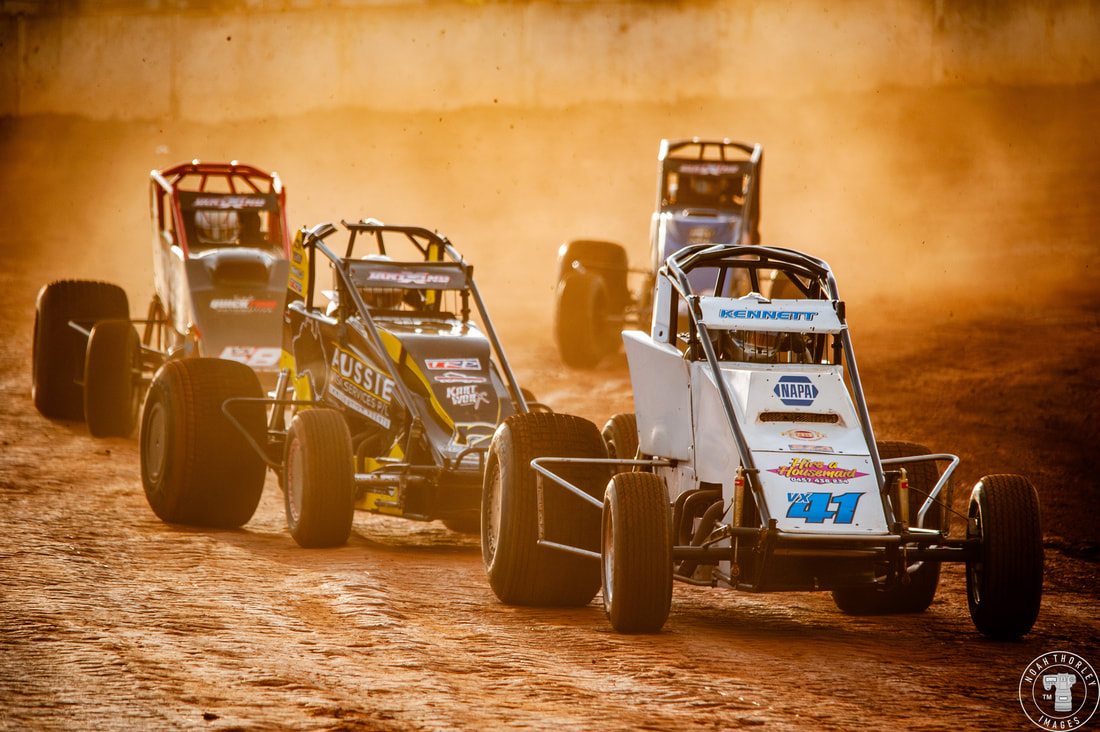 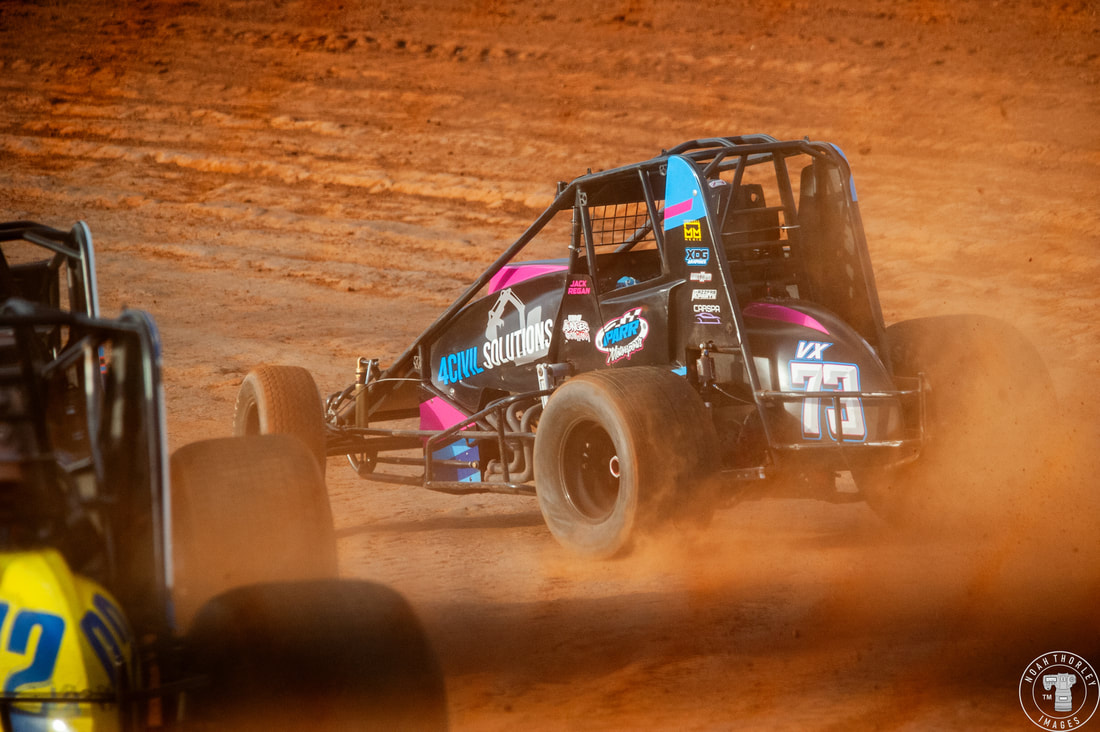 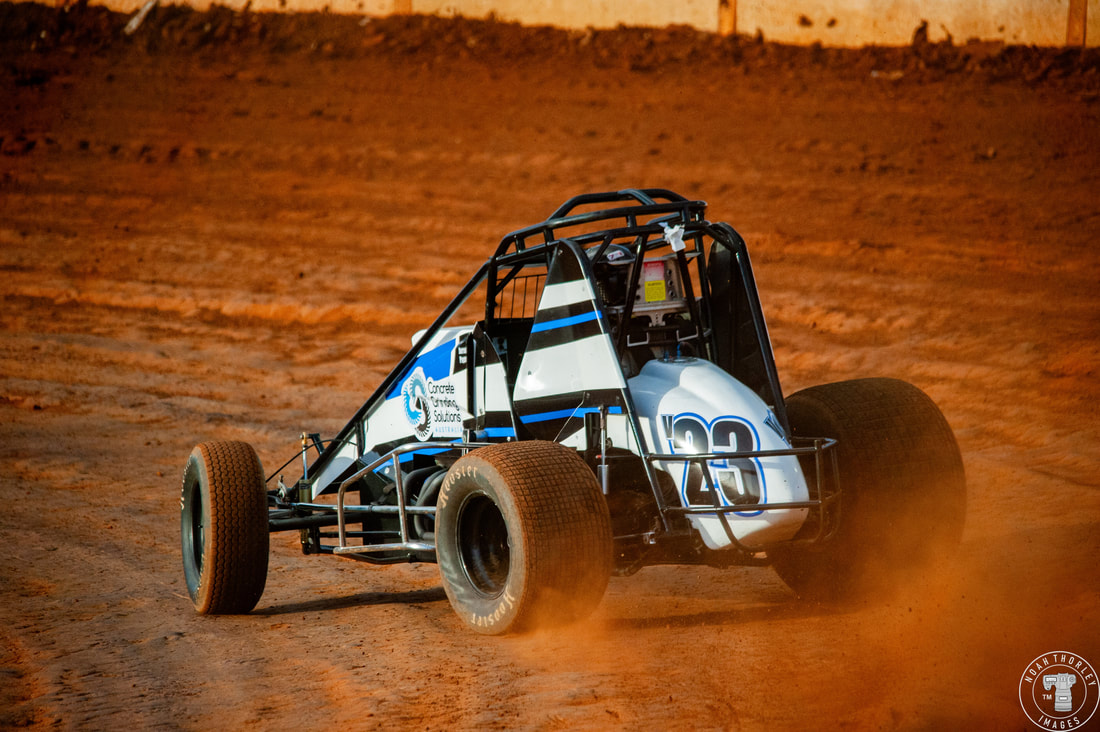 Jack Regan would come from the third row to be in the lead when Jarrod Payne spun in the final laps, calling for an early end to the final Wingless heat. 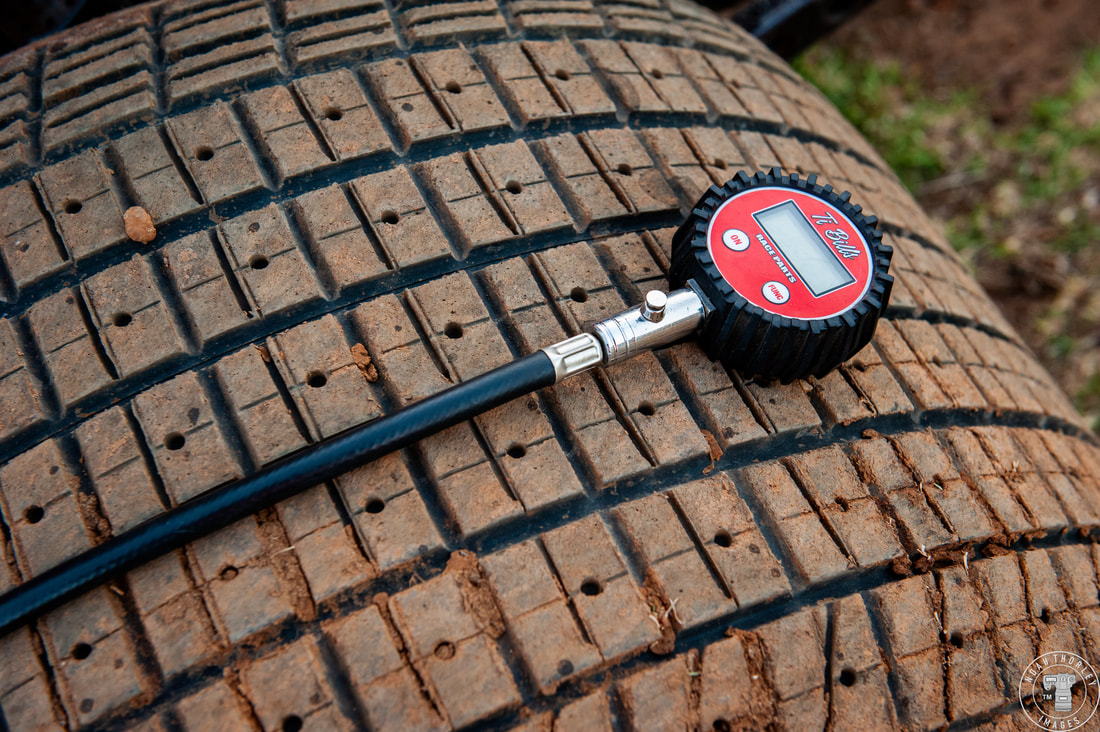 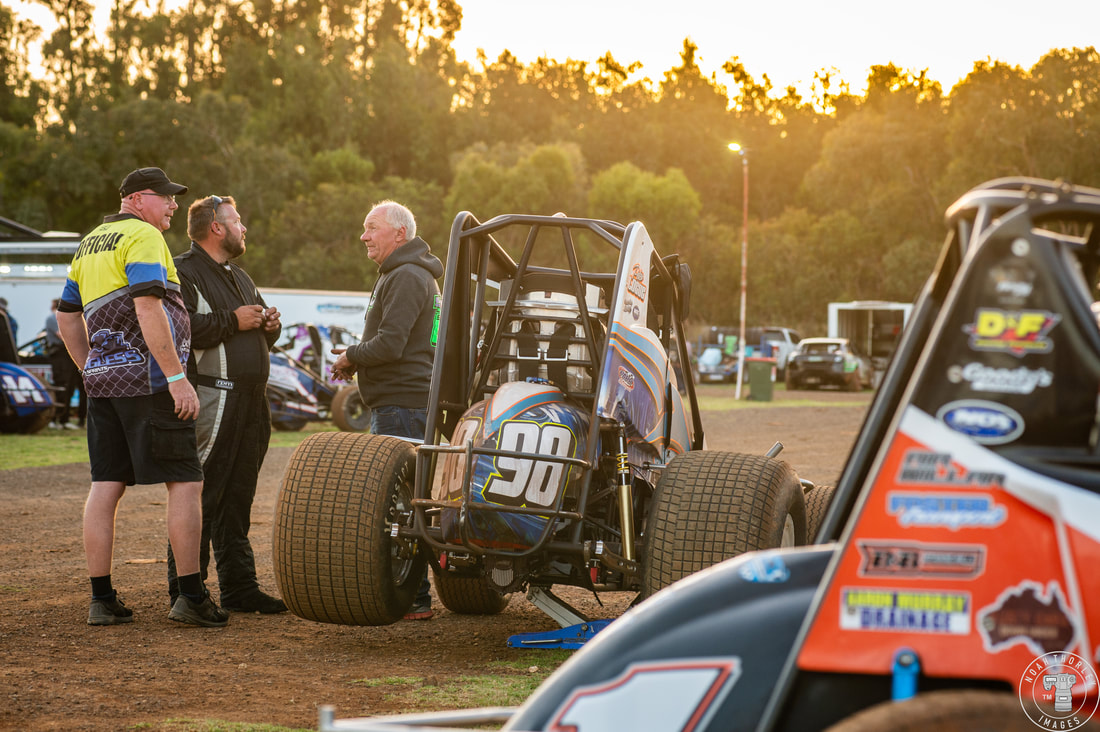 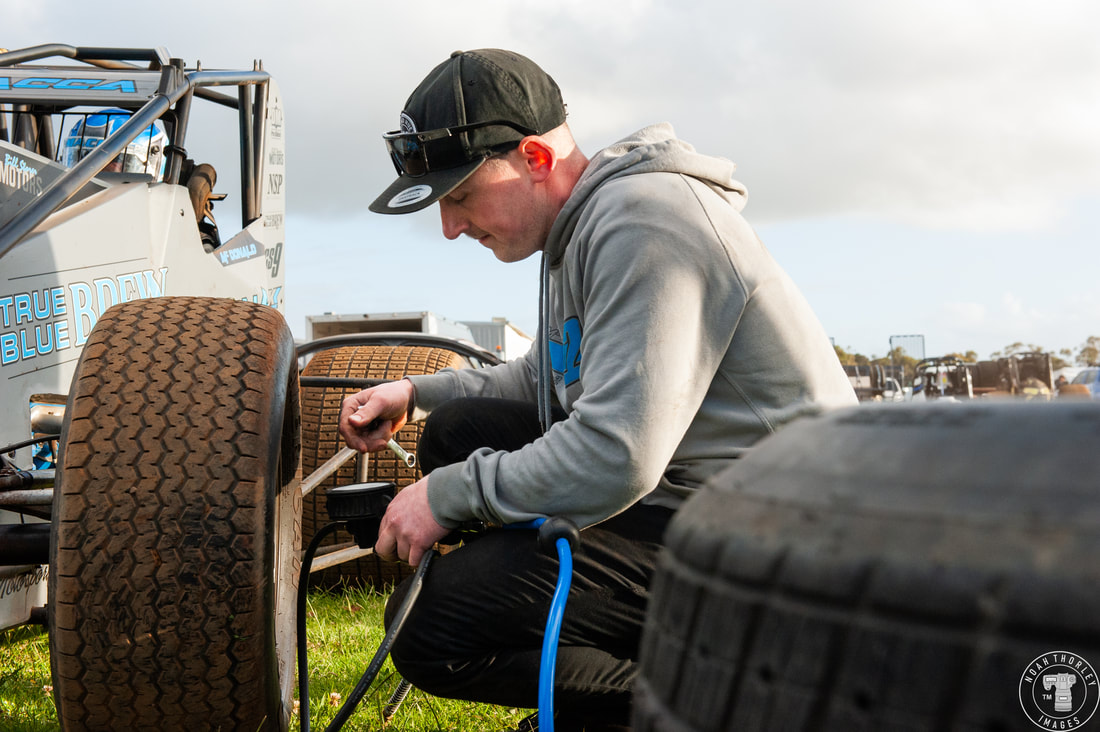 After the final heat for the Wingless Sprints, there would be a break from track action as we waited for the sun to set. The track crew would also prep the track for the final races of the night, giving drivers a greasy yet fast track. 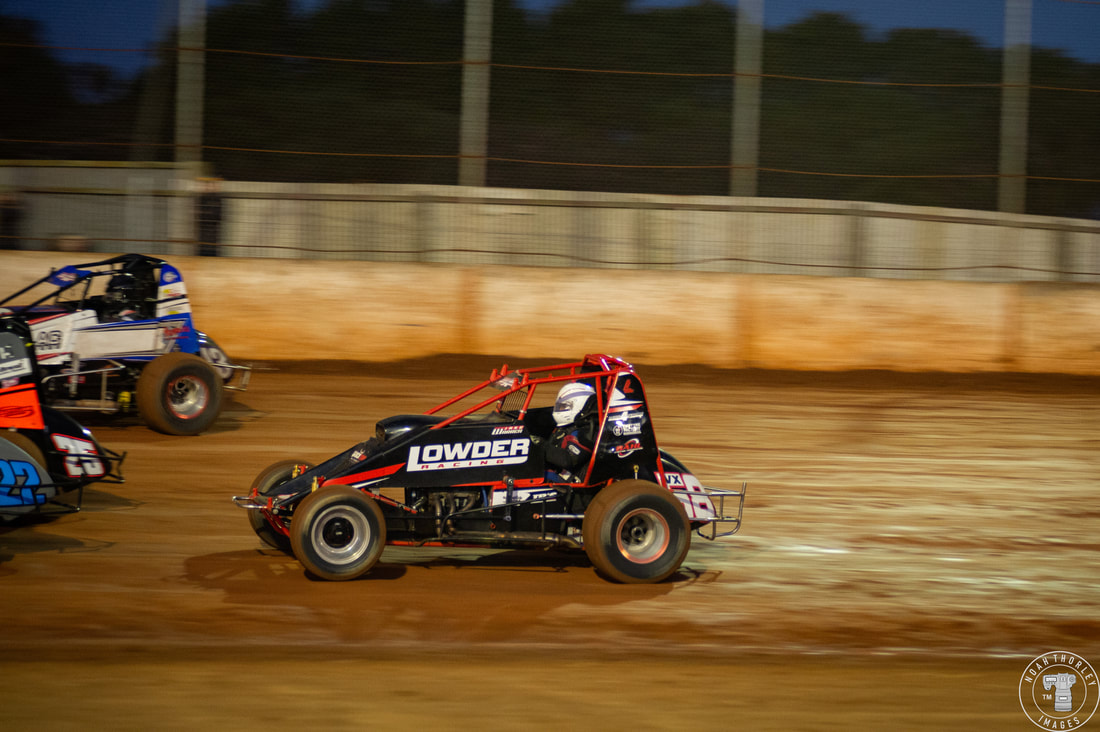 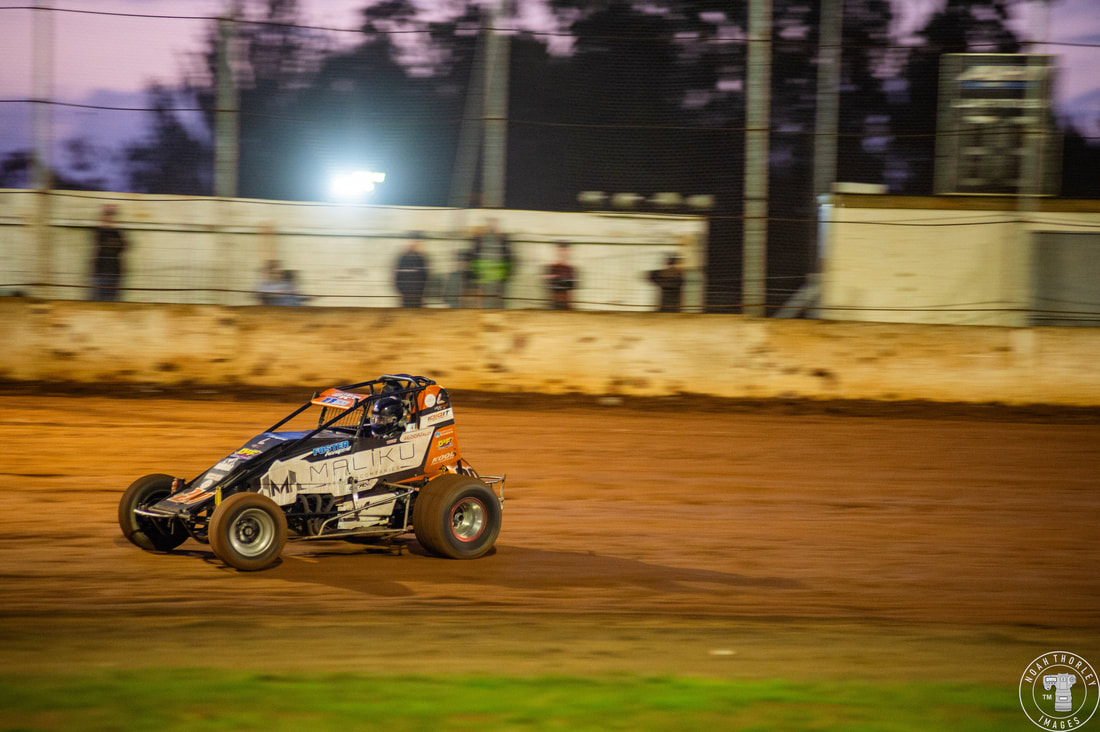 In the Wingless B-Main the bottom 14 drivers would be given 12-laps to get to the front to advance into the A-Main. Thomas McDonald, Heat 4 winner Wayne Logue, Chris Halesworth, Cameron O'Brien and Jake Warren and Matt Tuckett who both came from the second last row, would all finish in the top six to make the transfer into the A-Main. 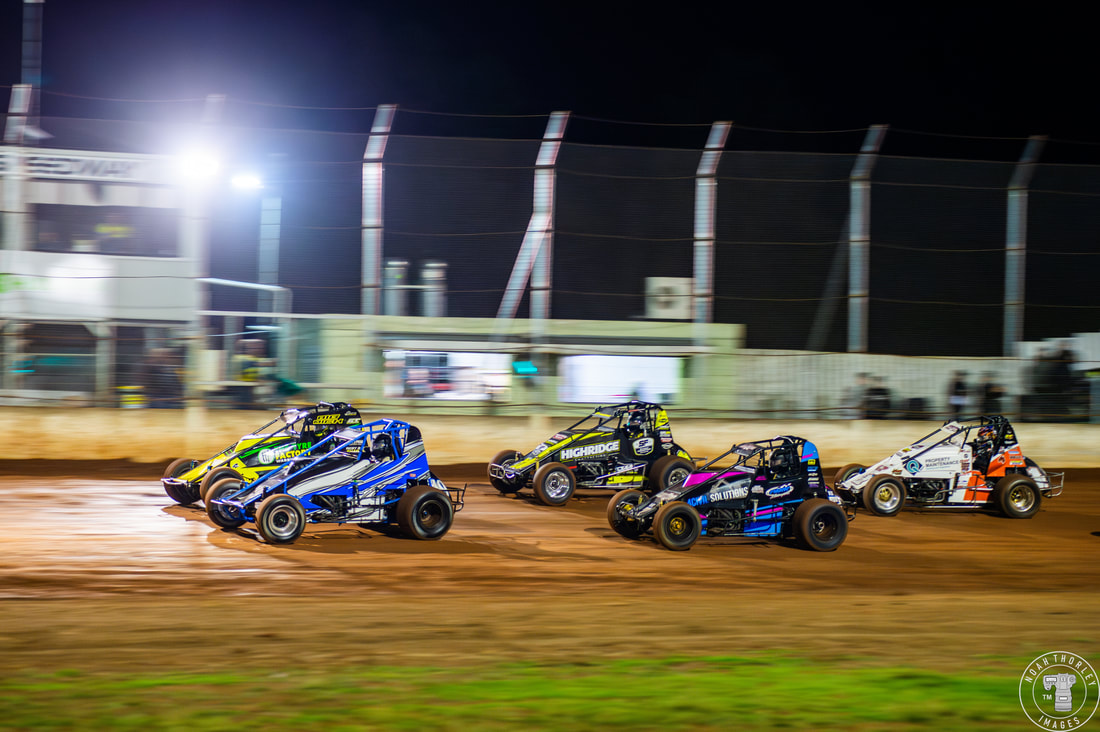 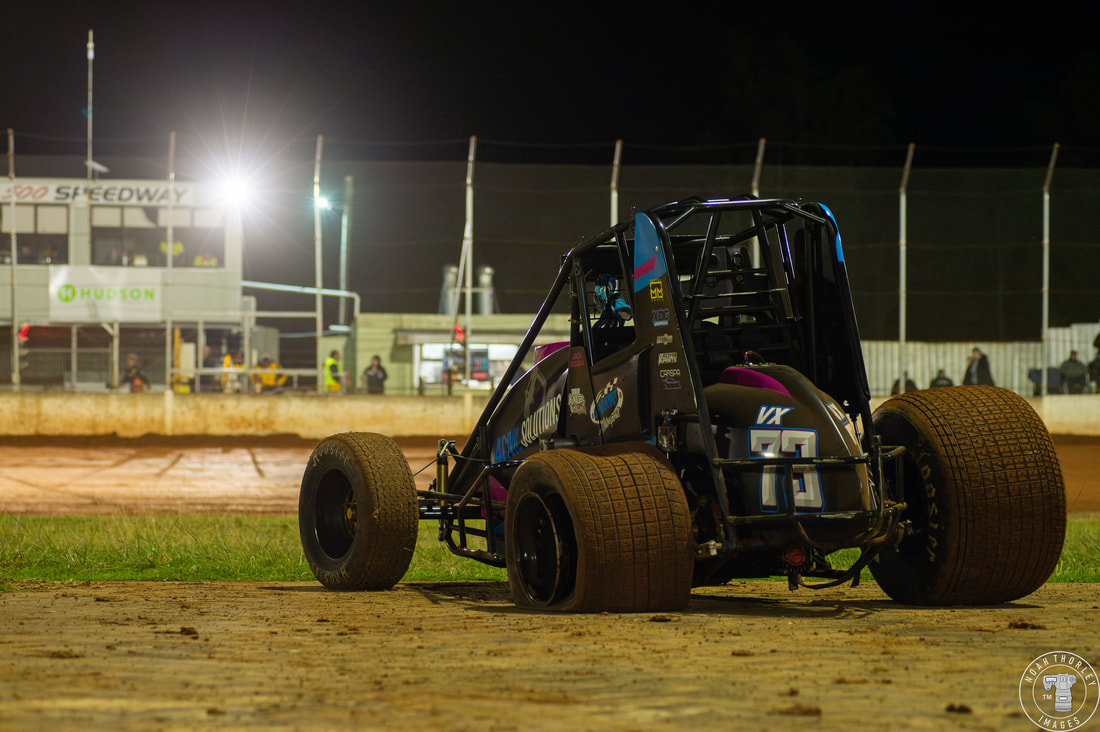 Michael Spoljaric would lead the twenty Wingless Sprintcars to the green flag, for their final race of the night. Jack Reagan's night would come to an early end when contact punctured a tyre. Seconds later, Wayne Logue would head into Turn 3 too hot, making contact with Tom Moulden and rolling over. In an attempt to avoid the crash, Matt Tucker and Cameron O'Brien would run into each other, with Logue landing on the back wheel of Tucker. As a precaution Logue would be brought into the ambulance and later spend the night in hospital. 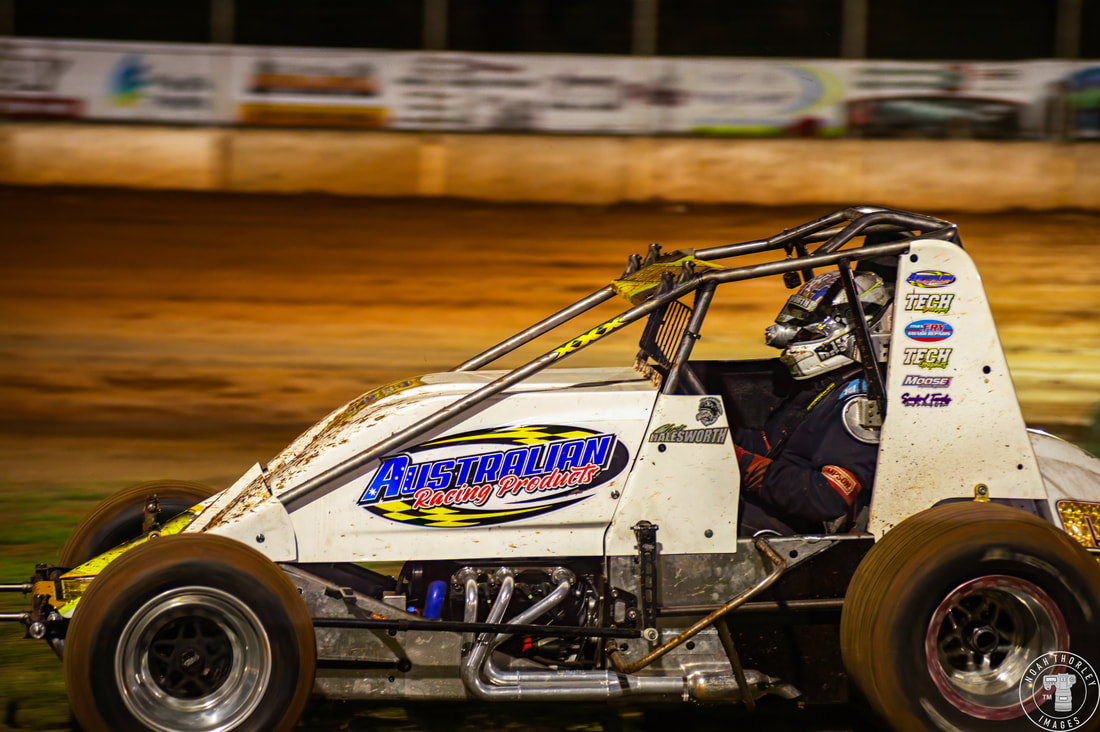 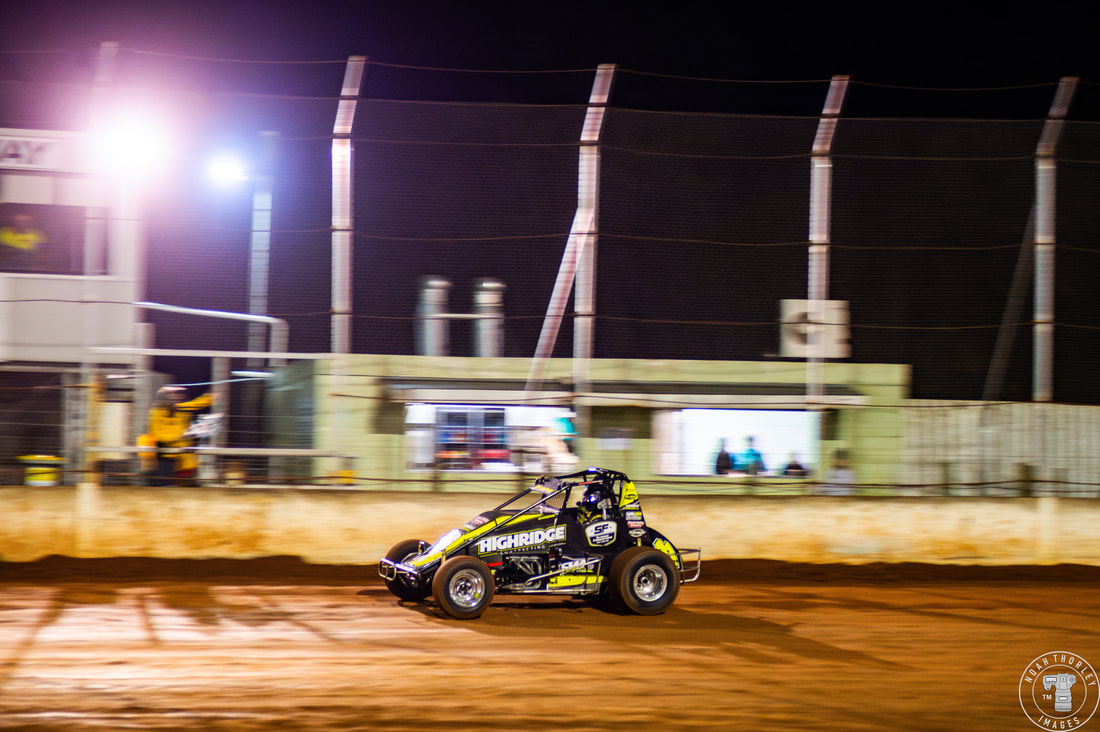 After racing finally resumed, Matthew Symmons would take the lead and fend off Mick Rigby as Chris Halesworth retired from the race. Symmons had come close to a win in both of his heats, but would win the one that counted, snatching the A-Main victory ahead of Travis Millar and Mick Rigby. 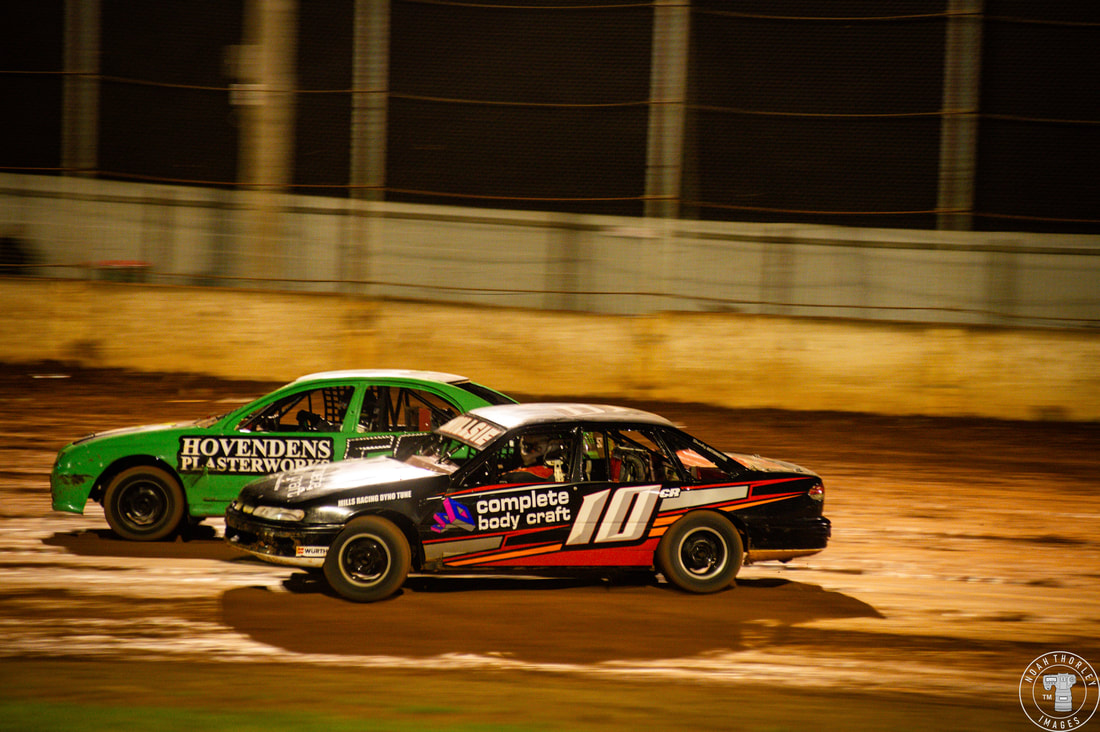 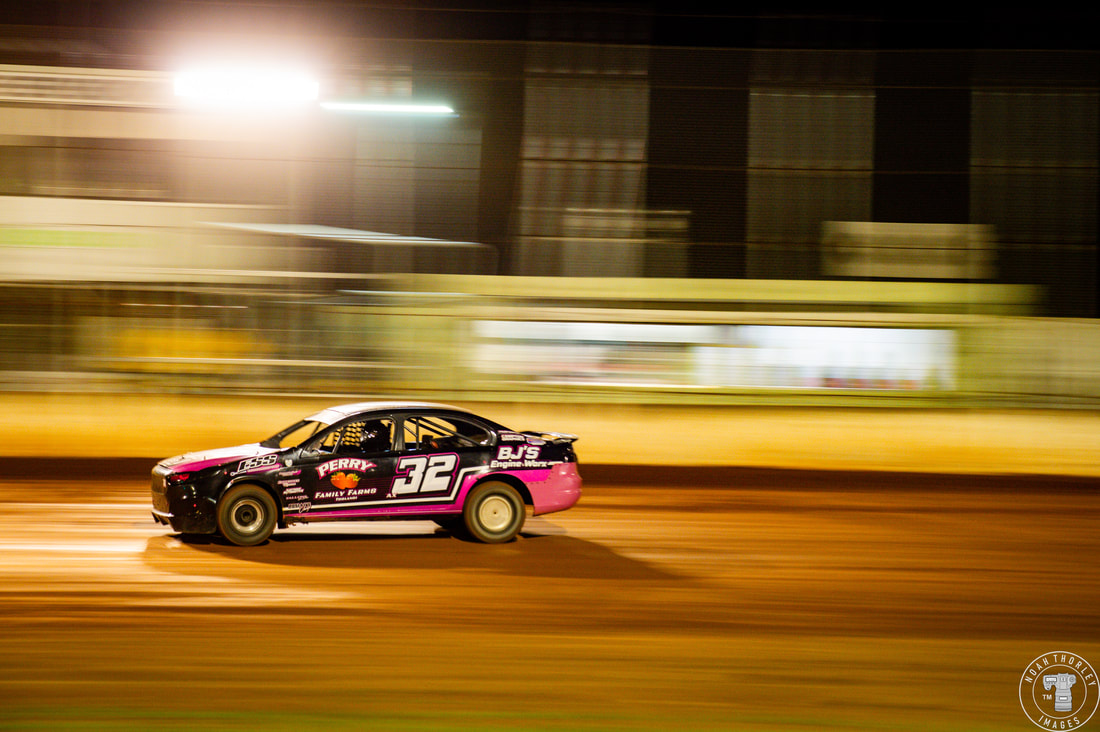 The Production Sedans A-Main would be a 30-lap race of attrition, with many drivers suffering mechanical failures throughout the race. It would be problem free however for Trevor Mills who dominated the race, lapping everyone up to fifth place by the fall of the chequered. The story would be similar for Brody Chrystie with not only a heat race win, but victory in the pole shuffle allowing him to start in pole position for the Modified Sedan's A-Main, and later take the 30-lap feature race win. 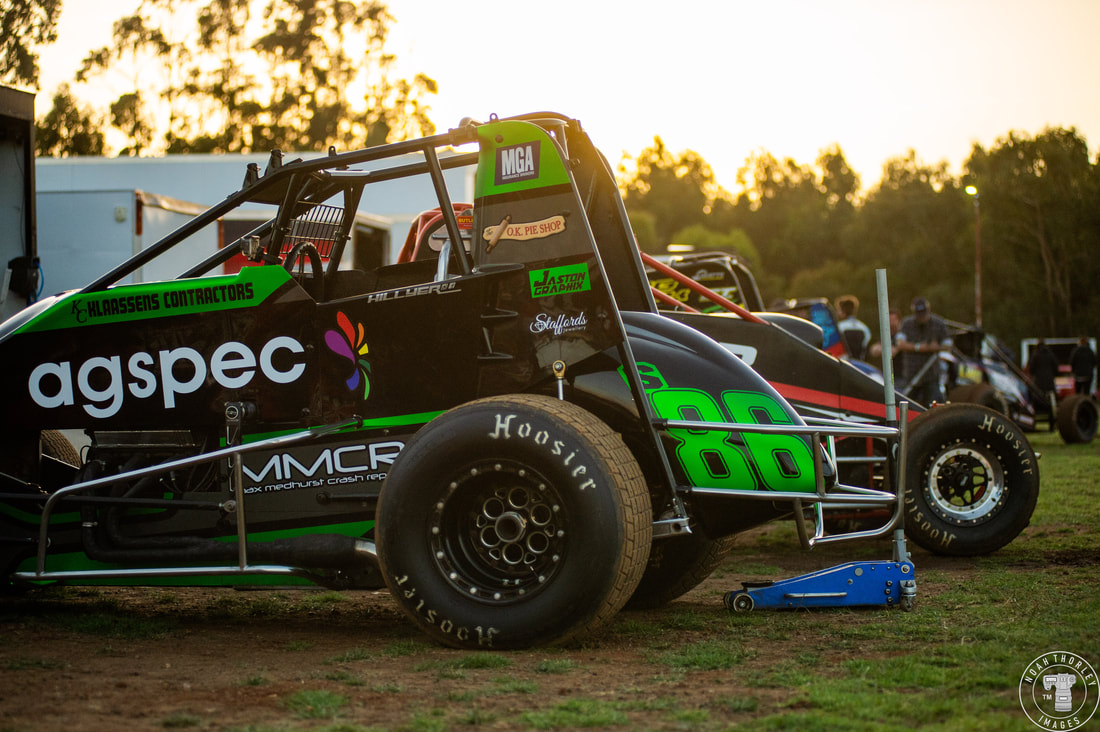 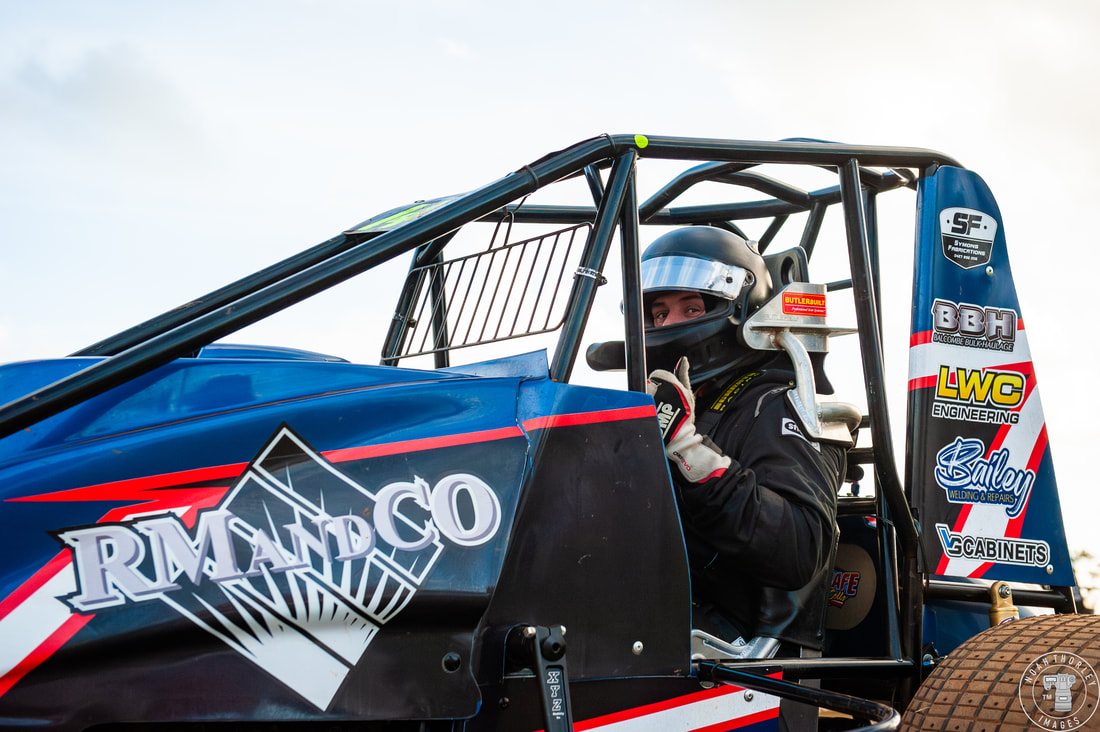 Victoria's Wingless Sprintcars will head next to Laang Speedway for their Club Show on the 28th of December, before a big first week of 2024, with a maxed-out capacity of 60 entrants for the Borderline to Simpson to Premier triple header Summerslam. Bonus Gallery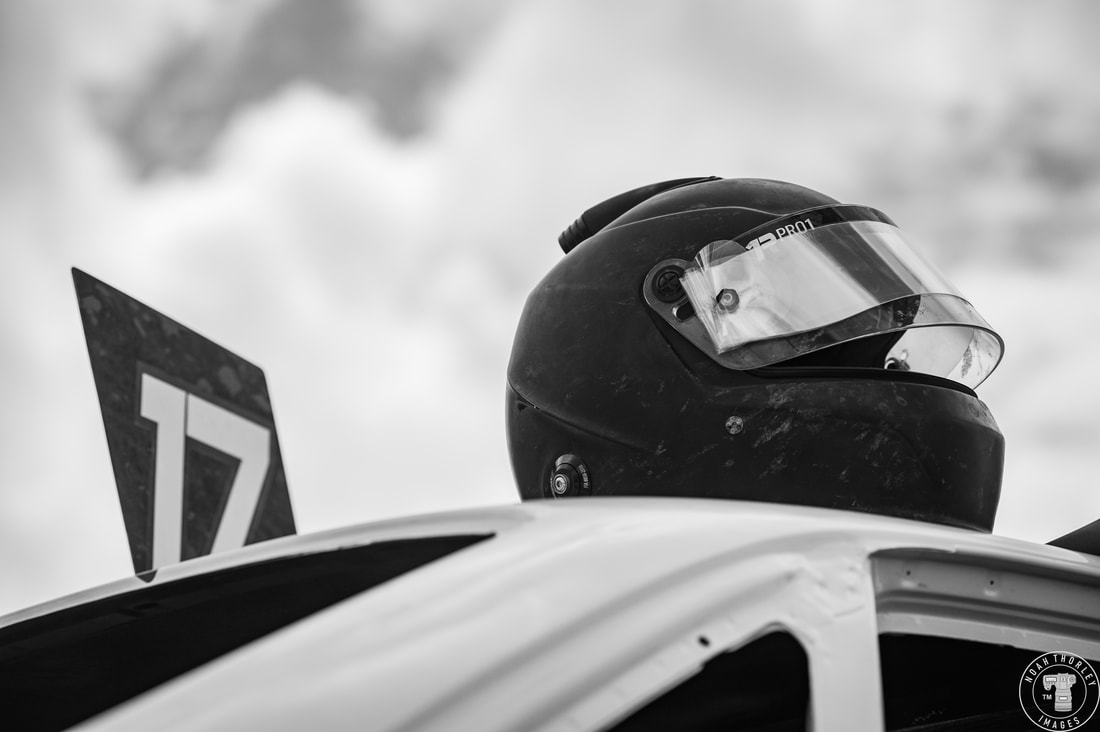 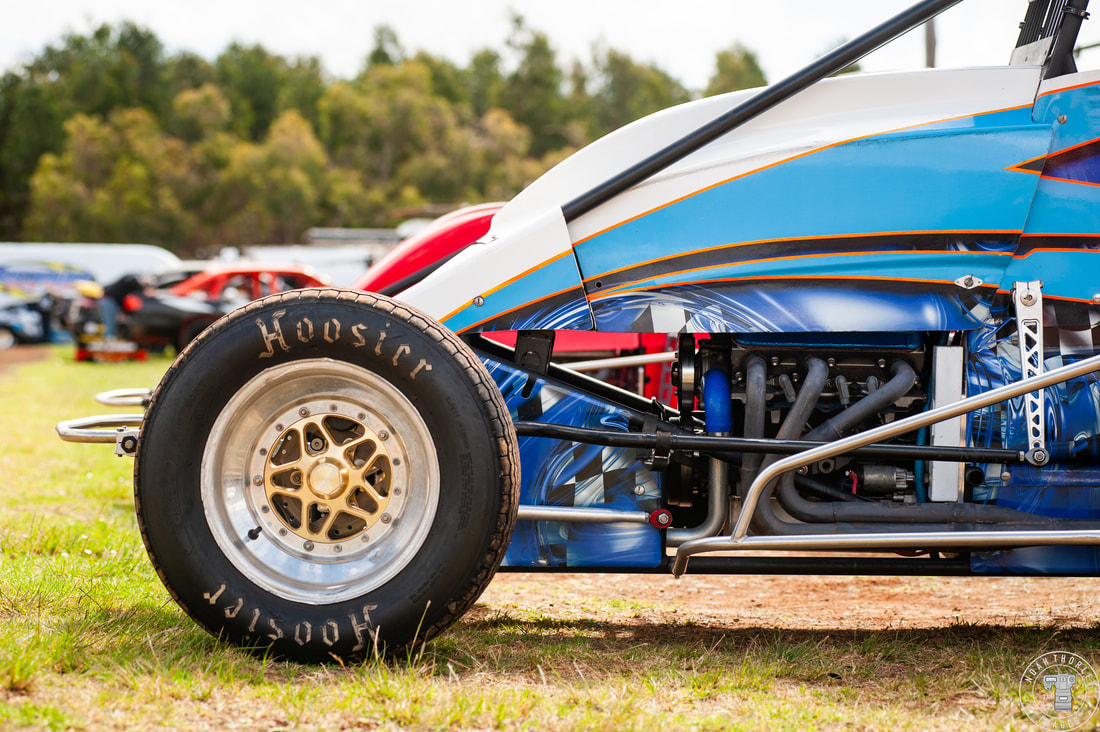 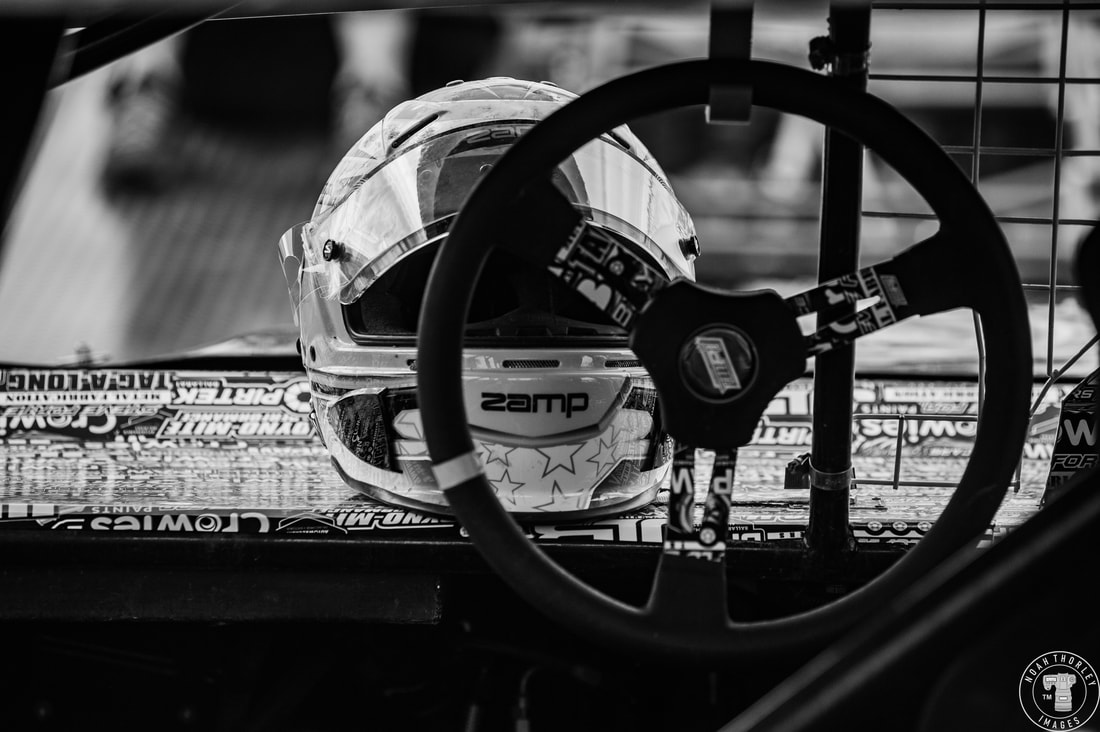 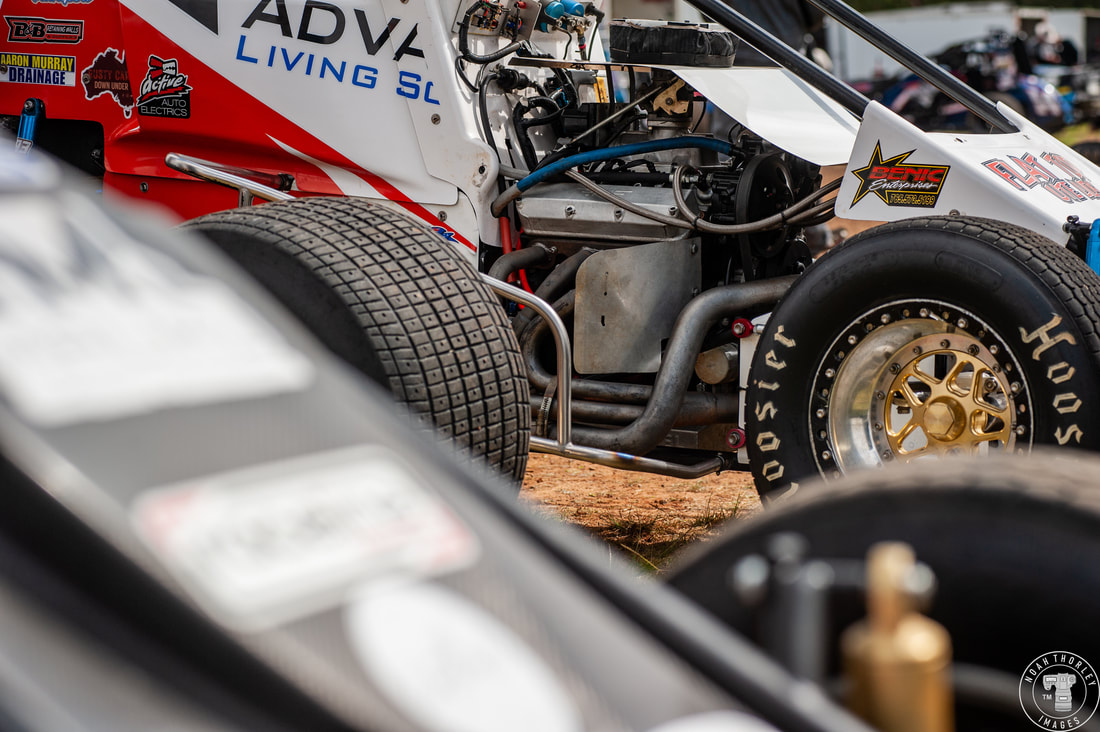 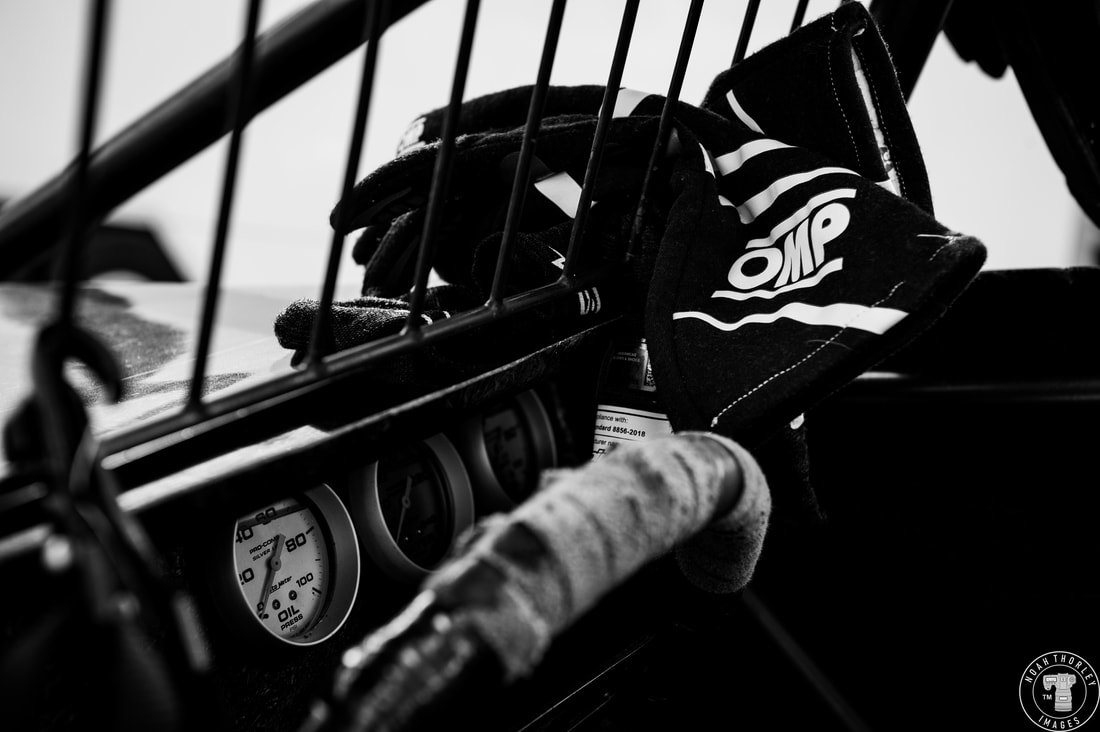 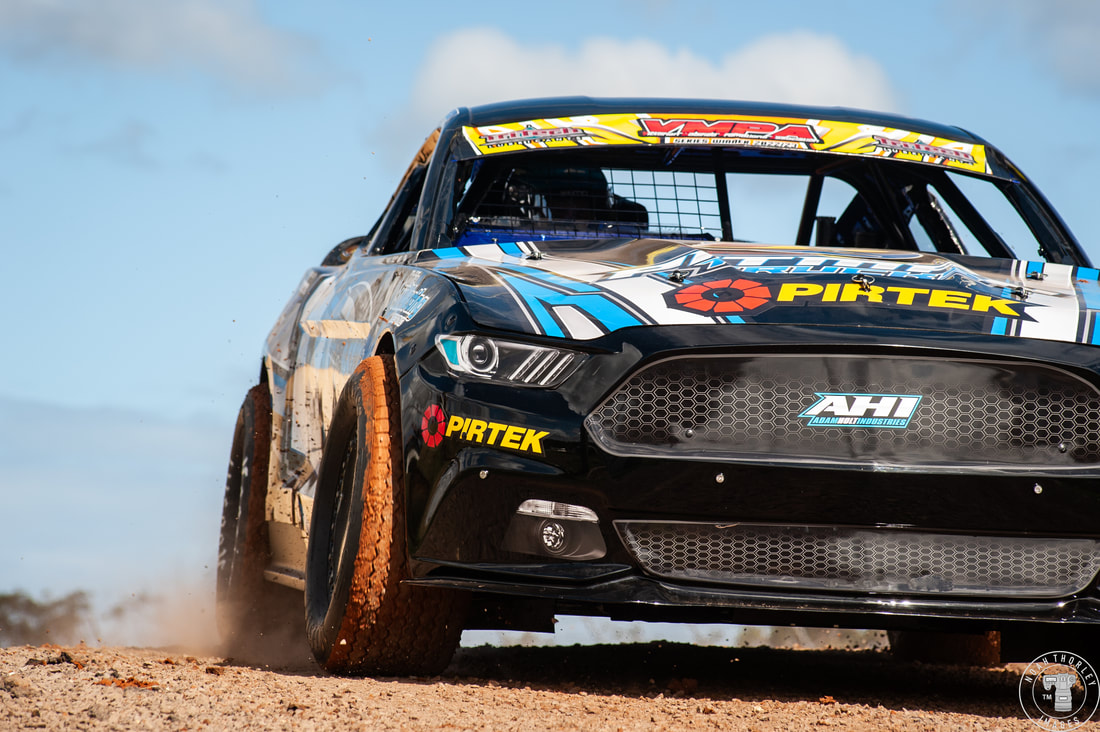 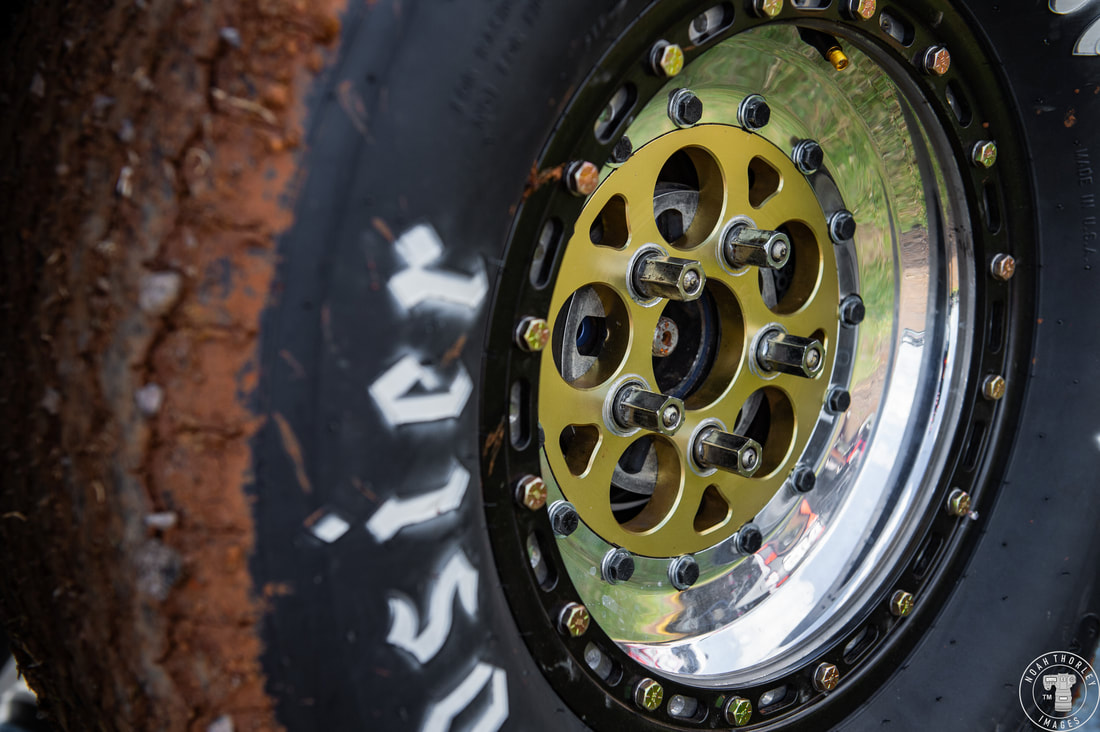 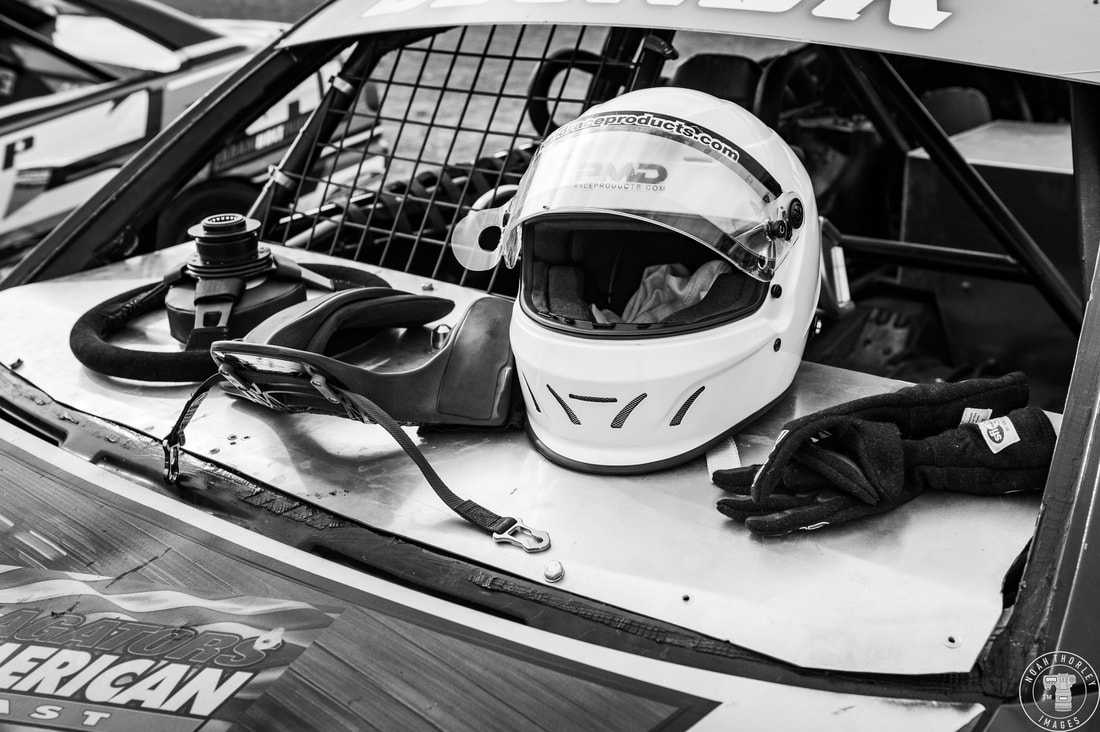
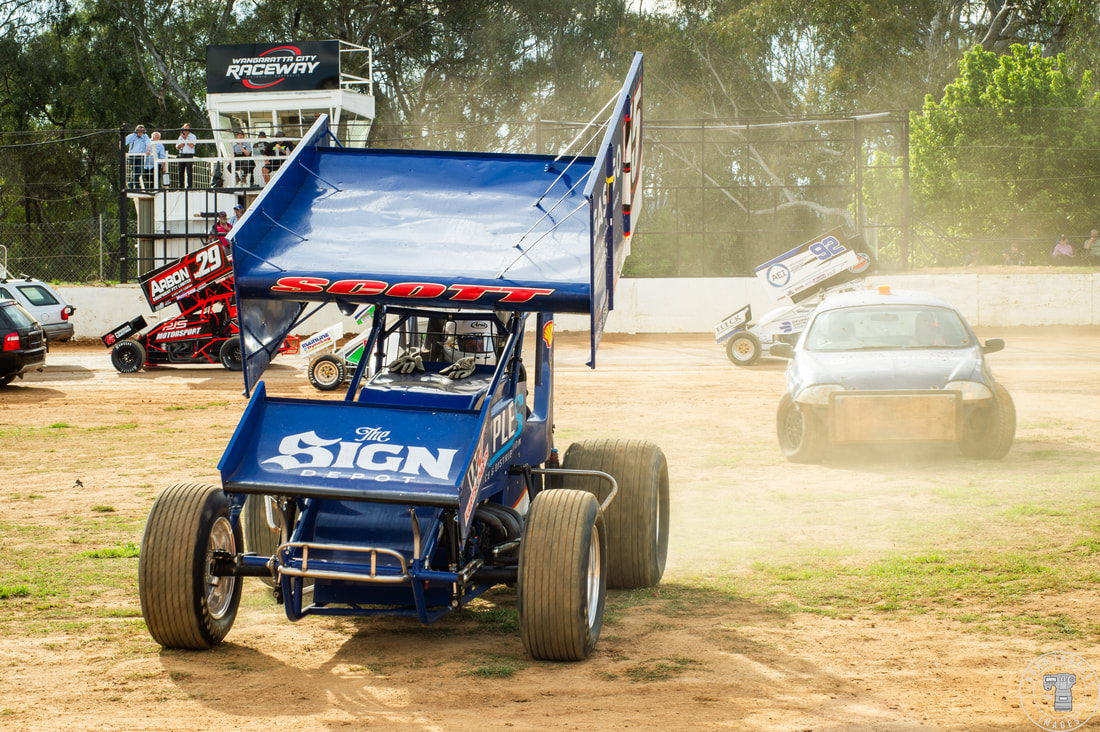
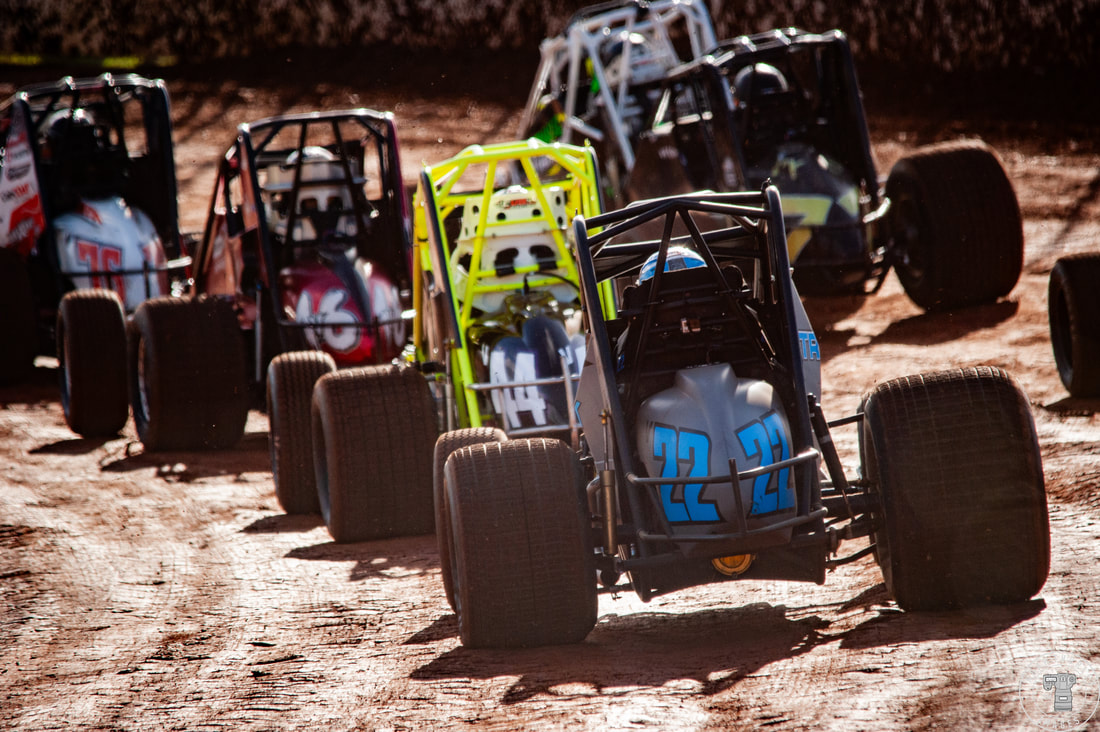 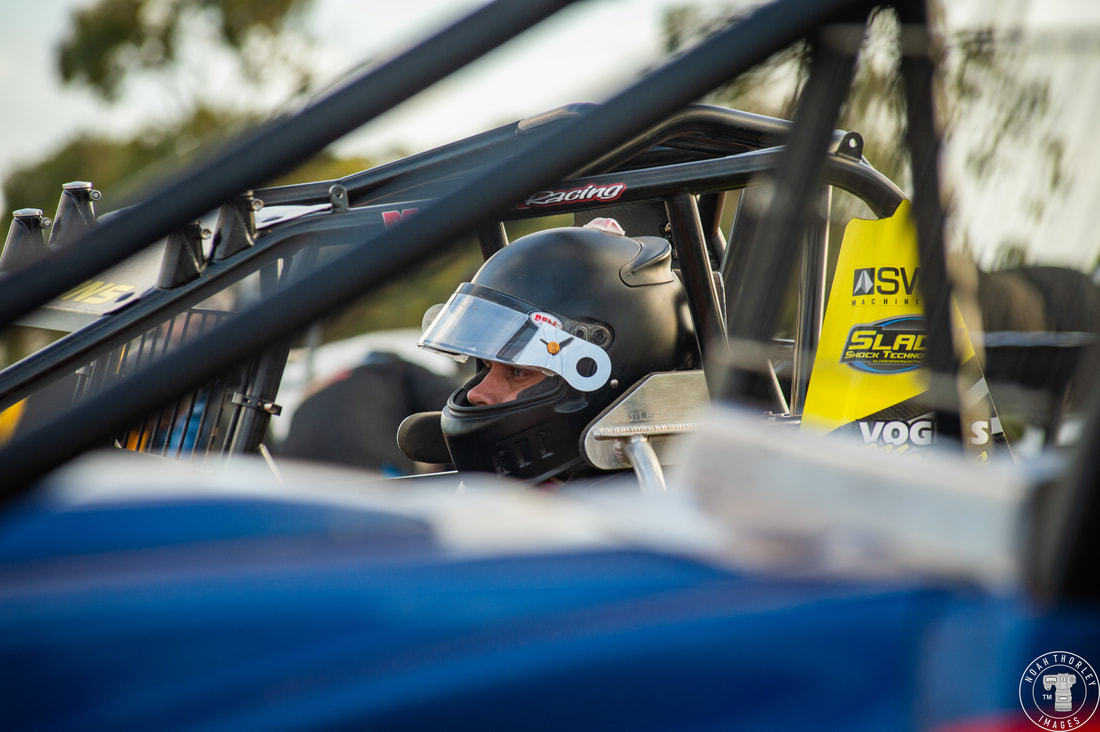 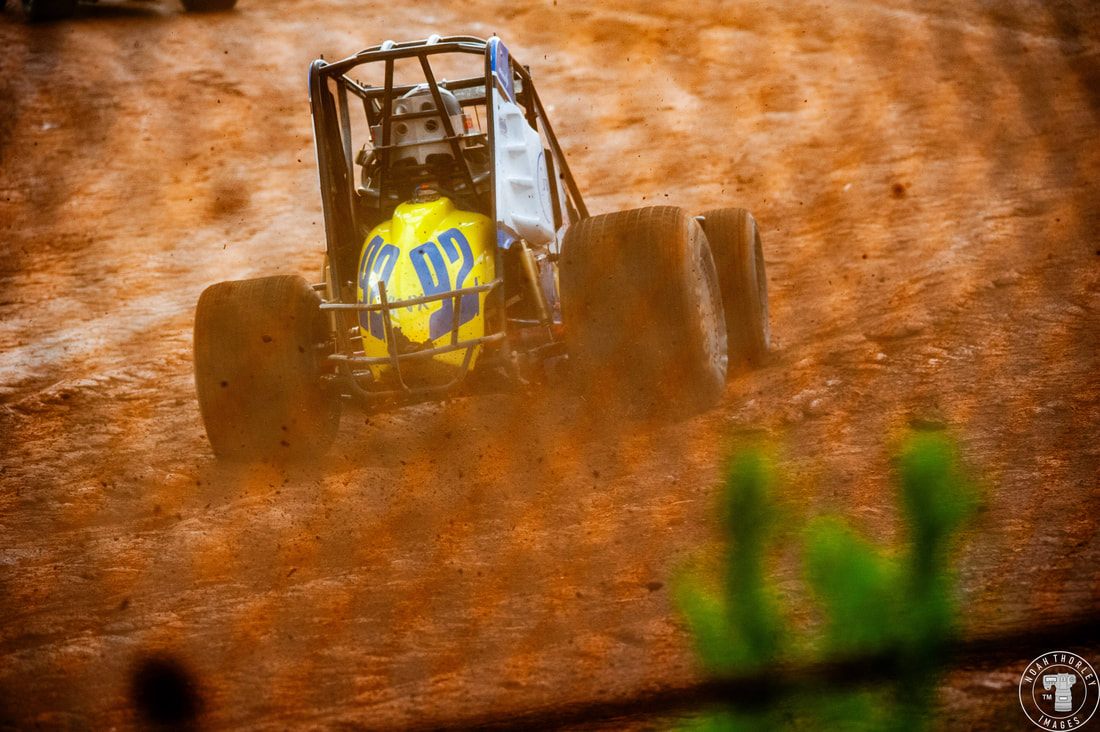 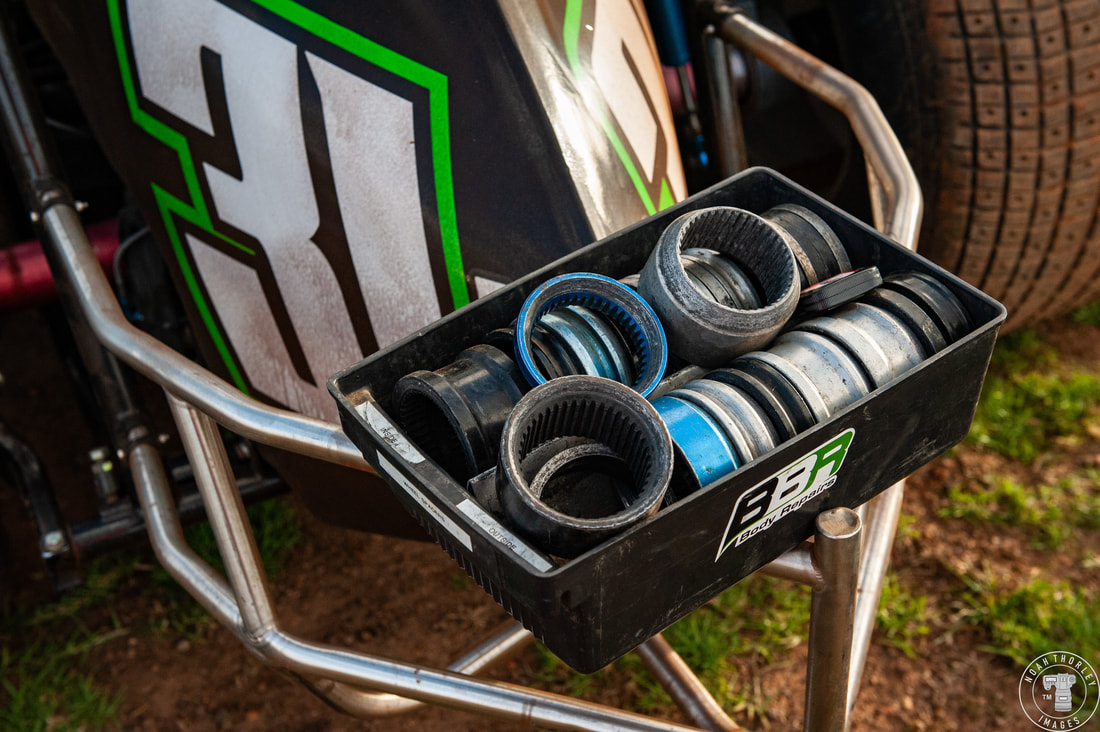 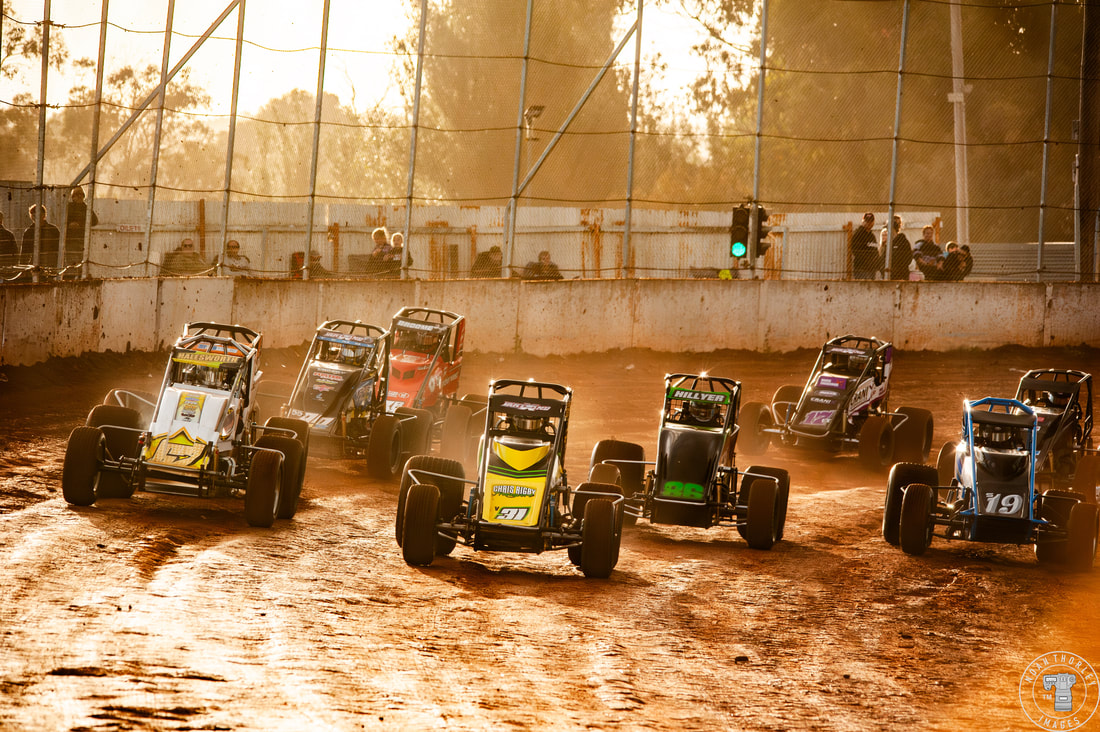 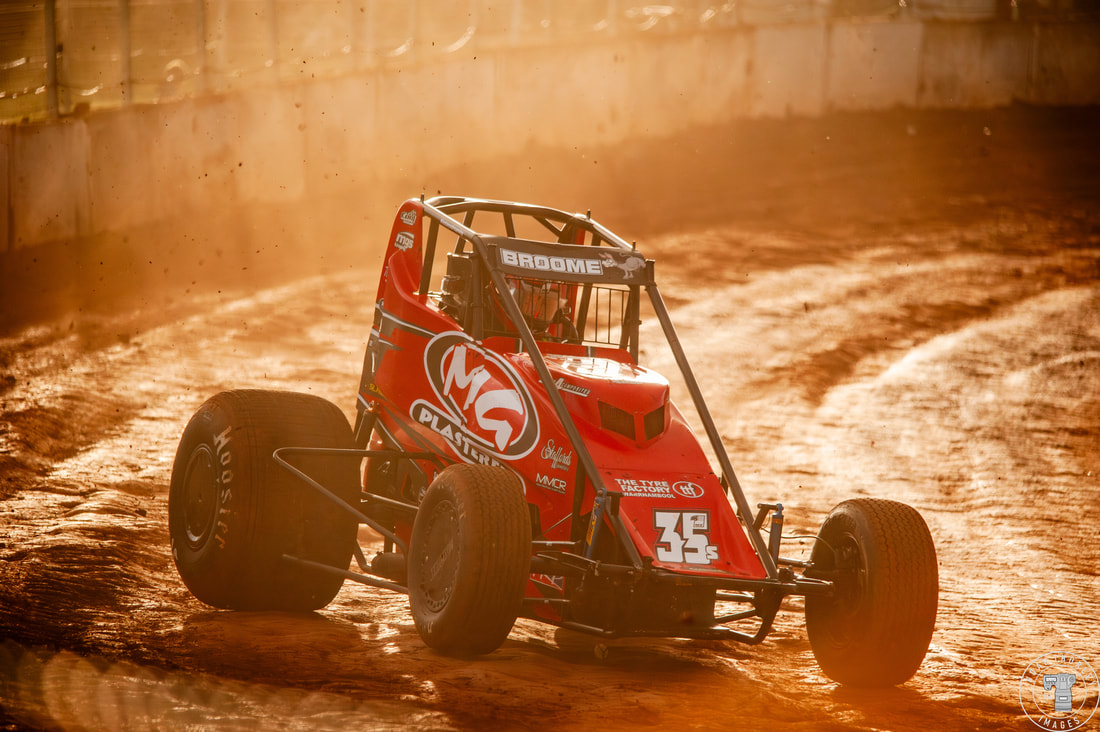 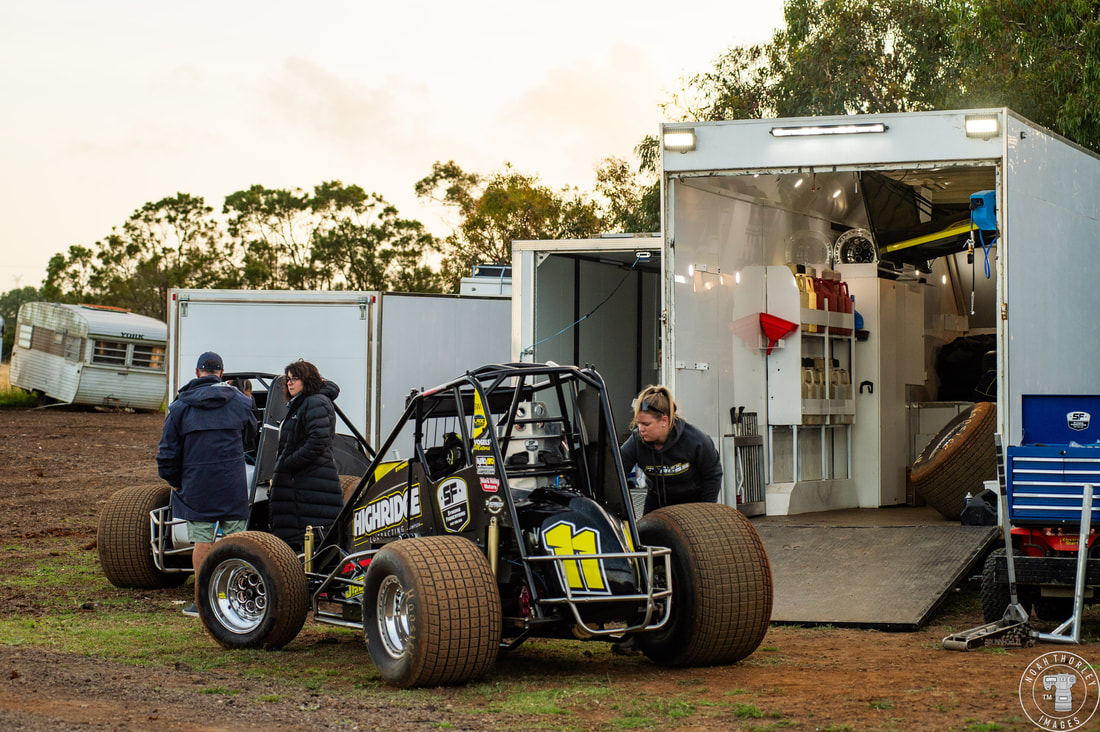 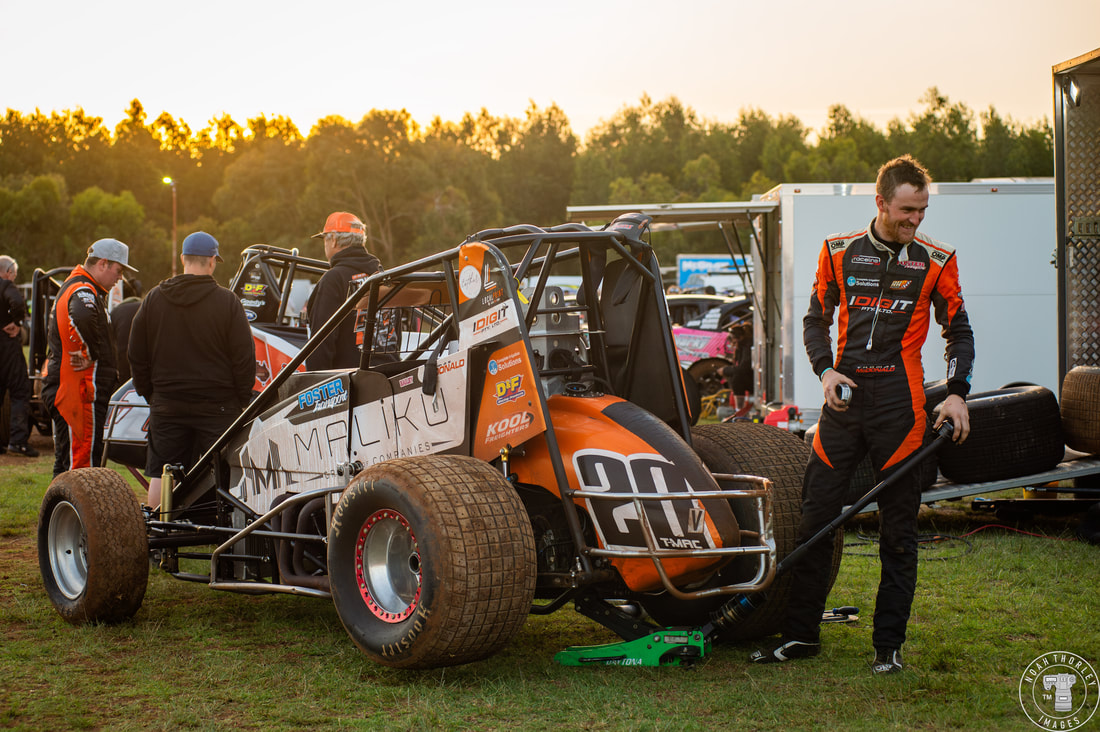 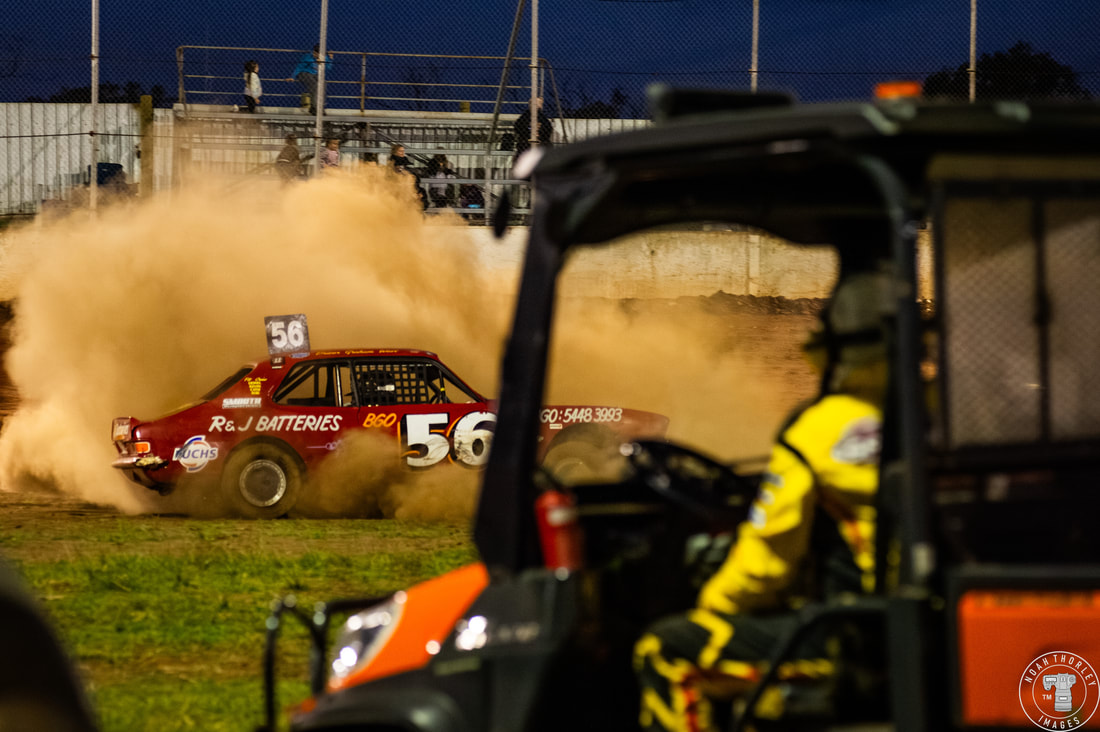 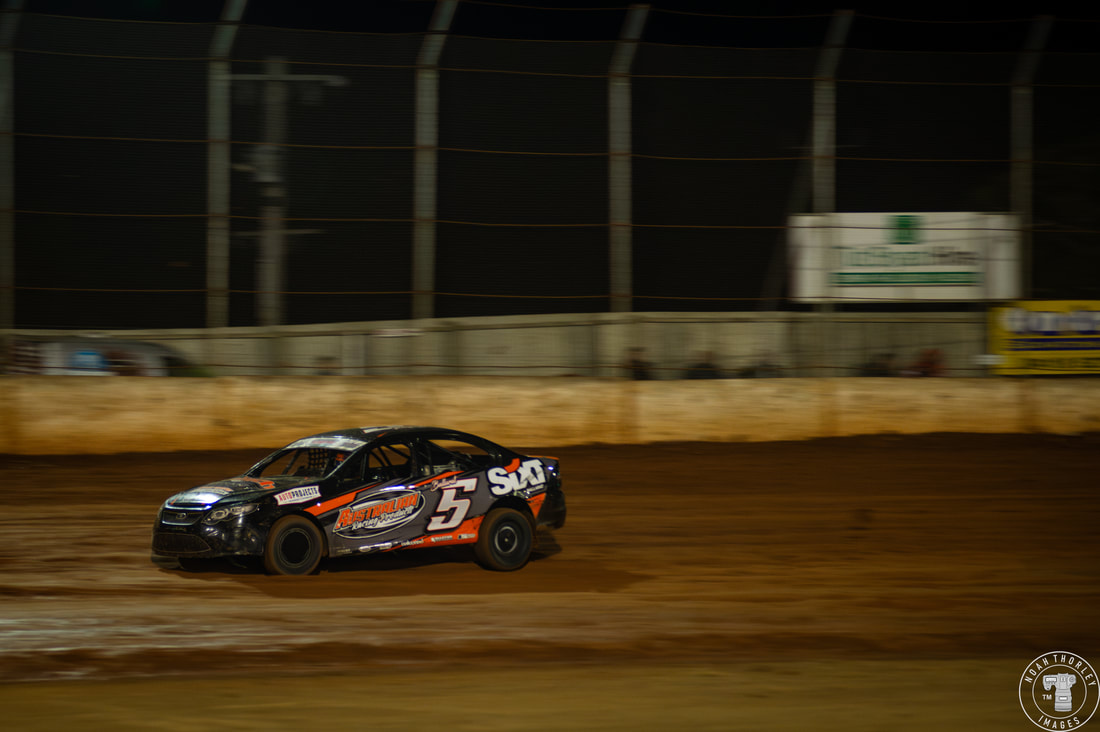 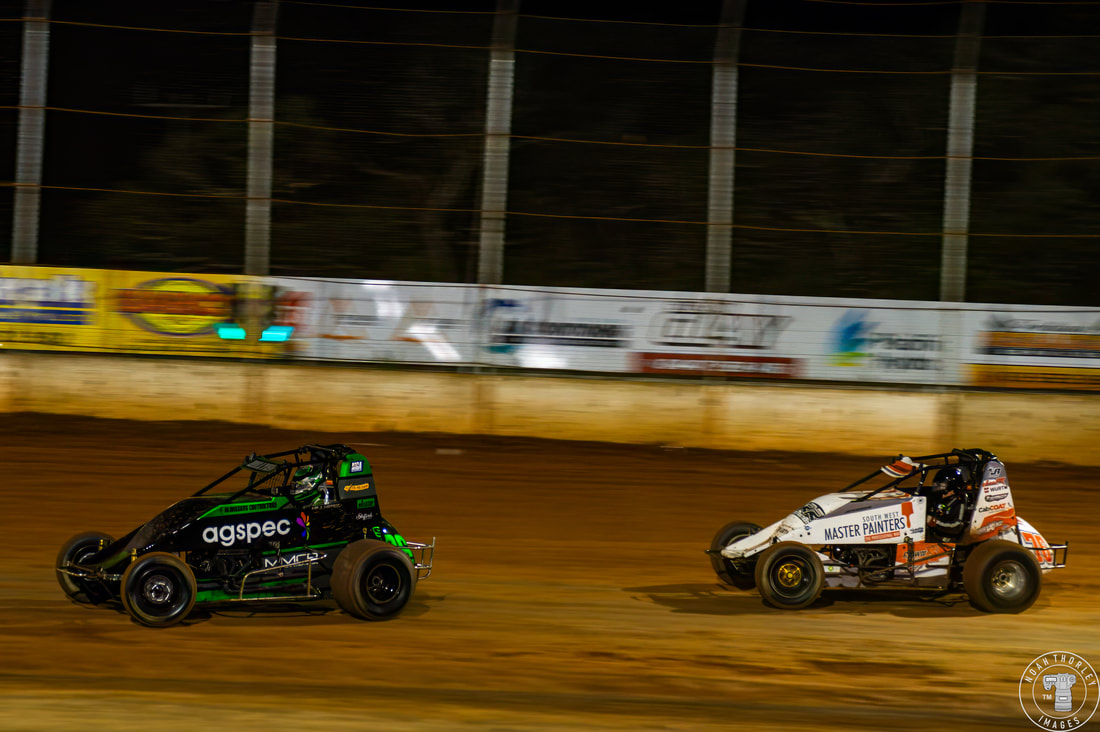 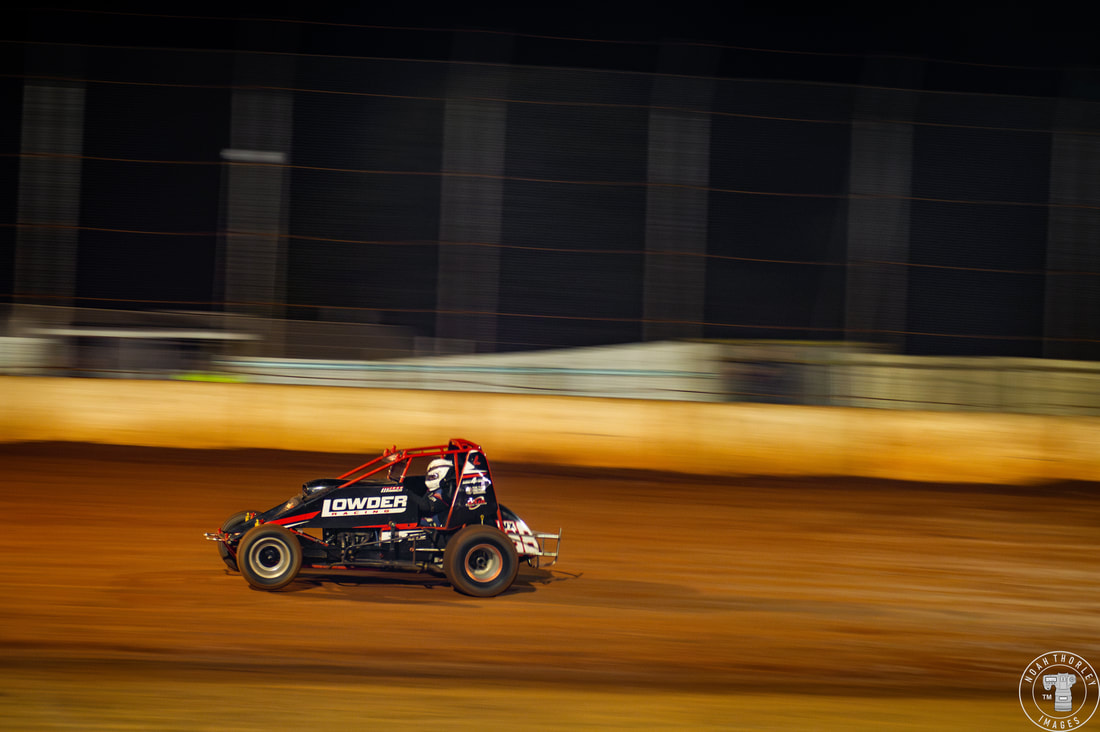 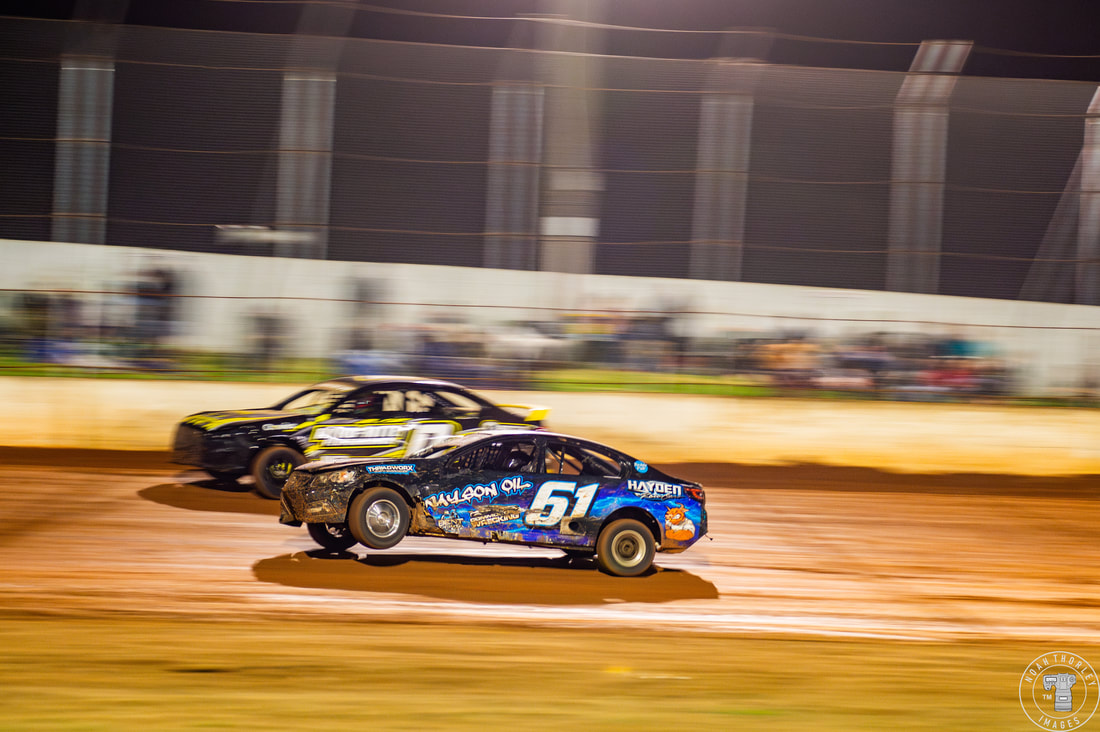 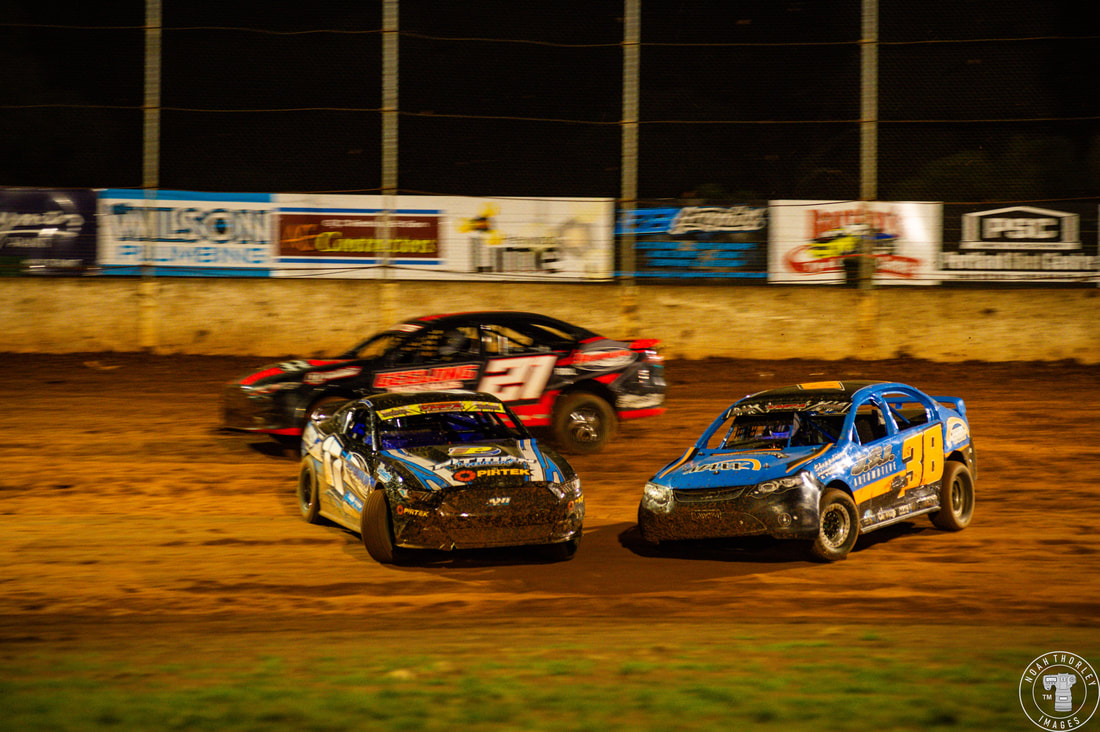 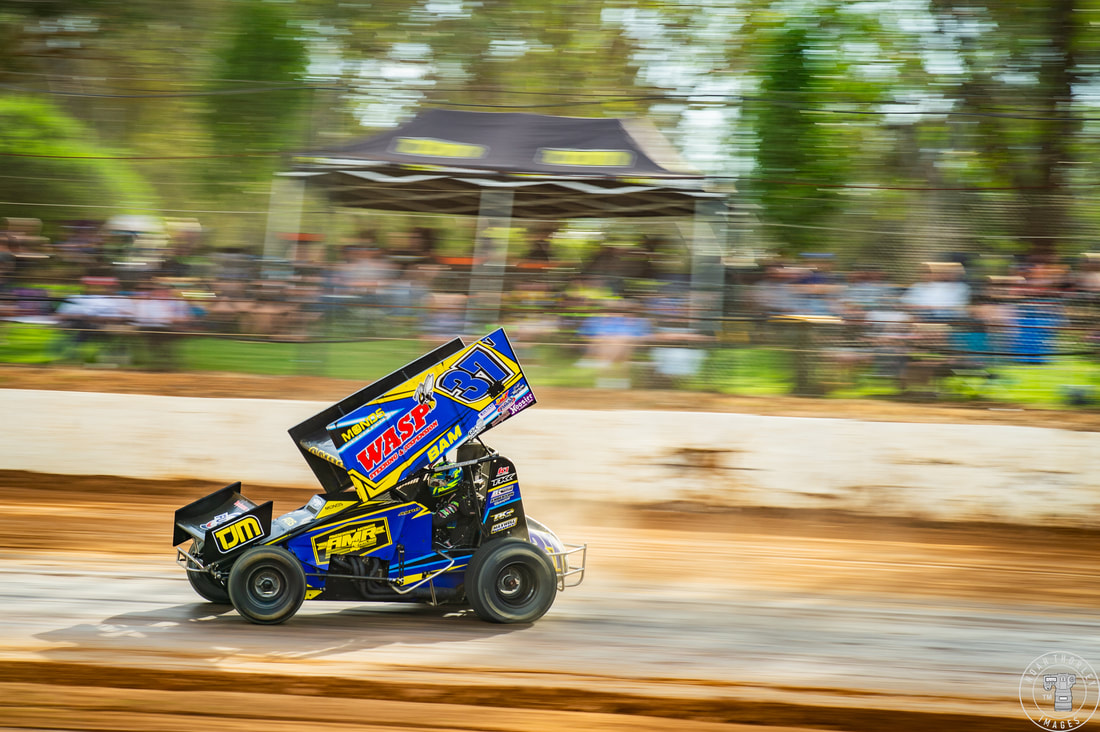 During the circuit racing season, many race fans, teams and officials stay here in Wangaratta when attending race meetings at Winton Motor Raceway. But when the summer months arrive, Wangaratta City Speedway roars to life. 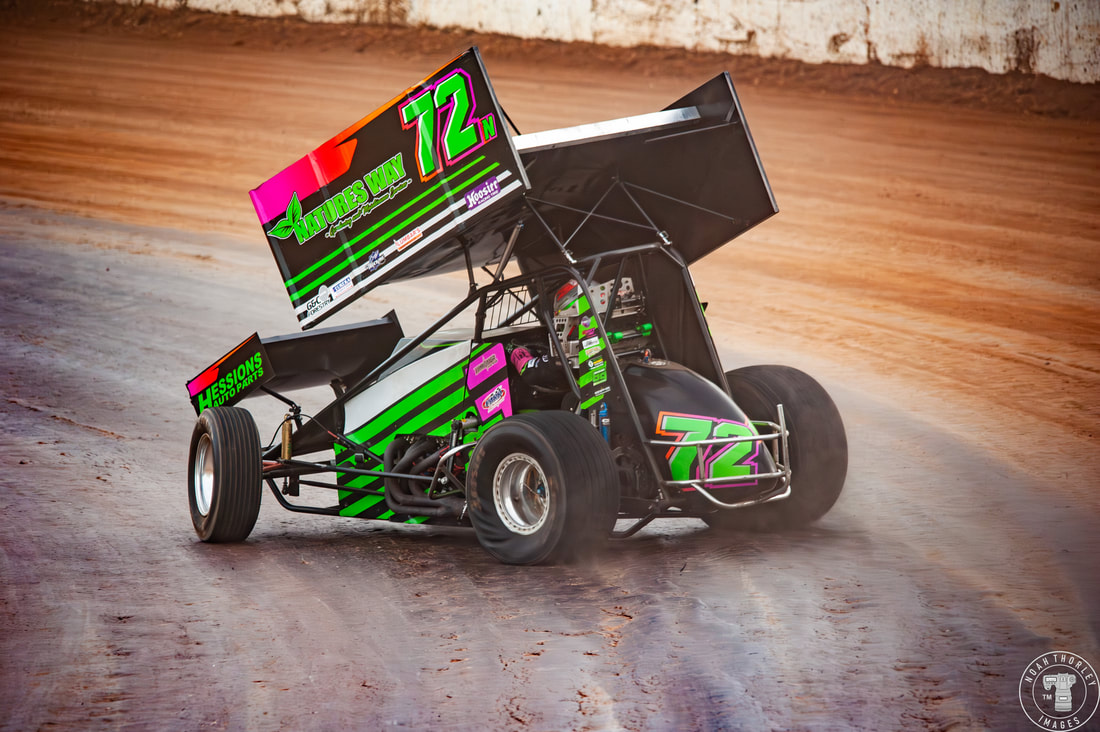 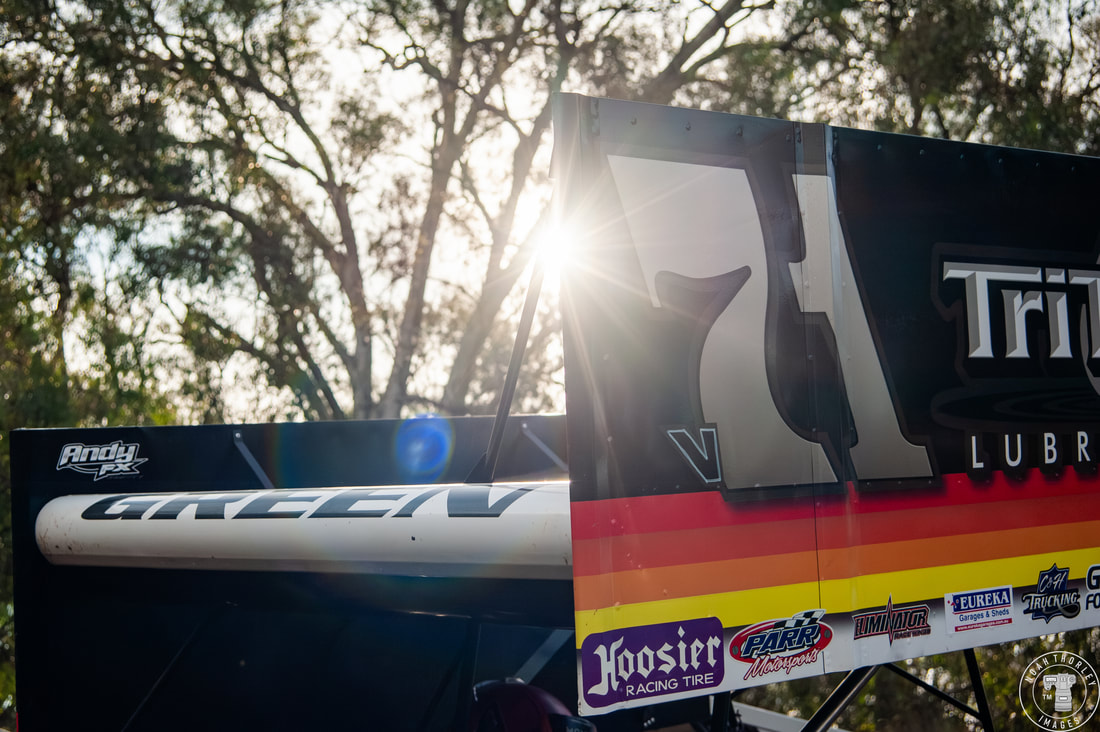 I have stayed in Wangaratta three times already this year, yet had never ventured to the local dust bowl. With the fifth round of the SRA Sprintcars 2023-24 season coming to Wangaratta Speedway, now seemed to be the perfect time to make a visit. 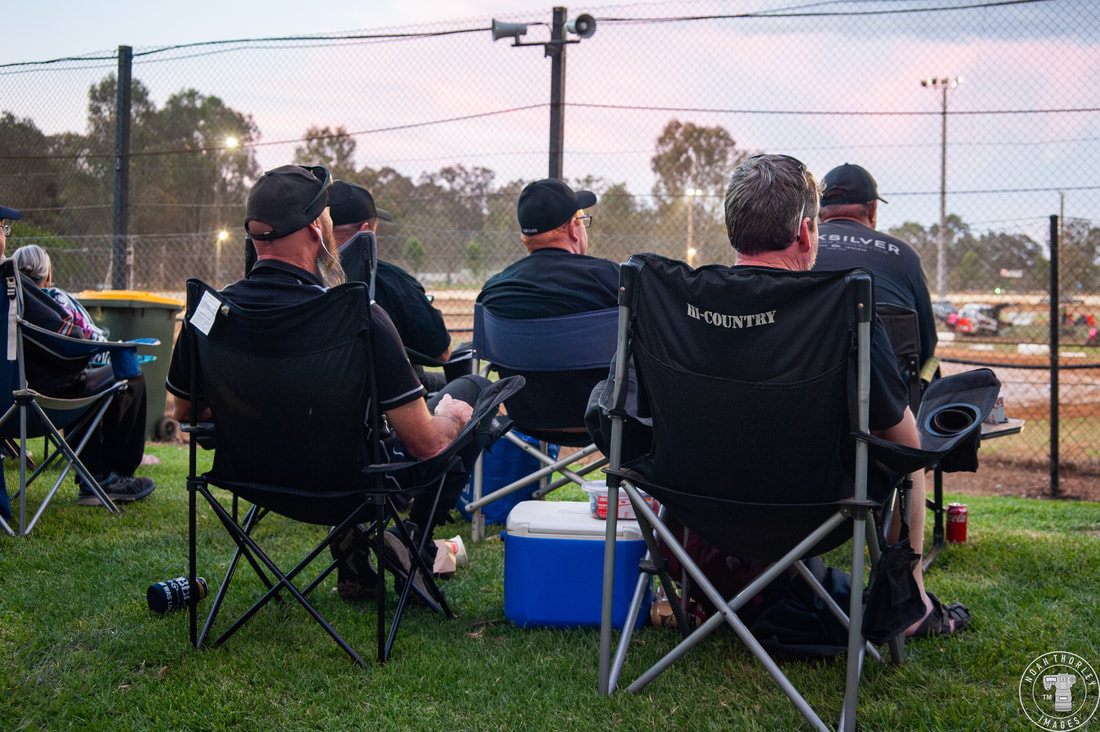 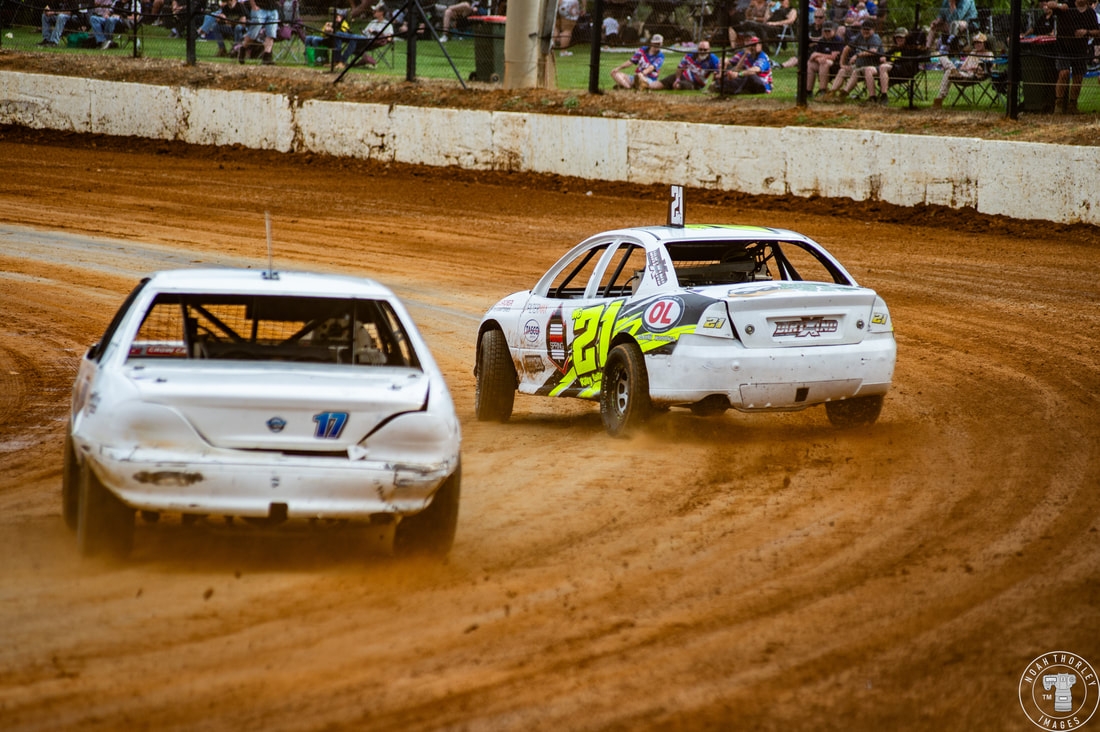 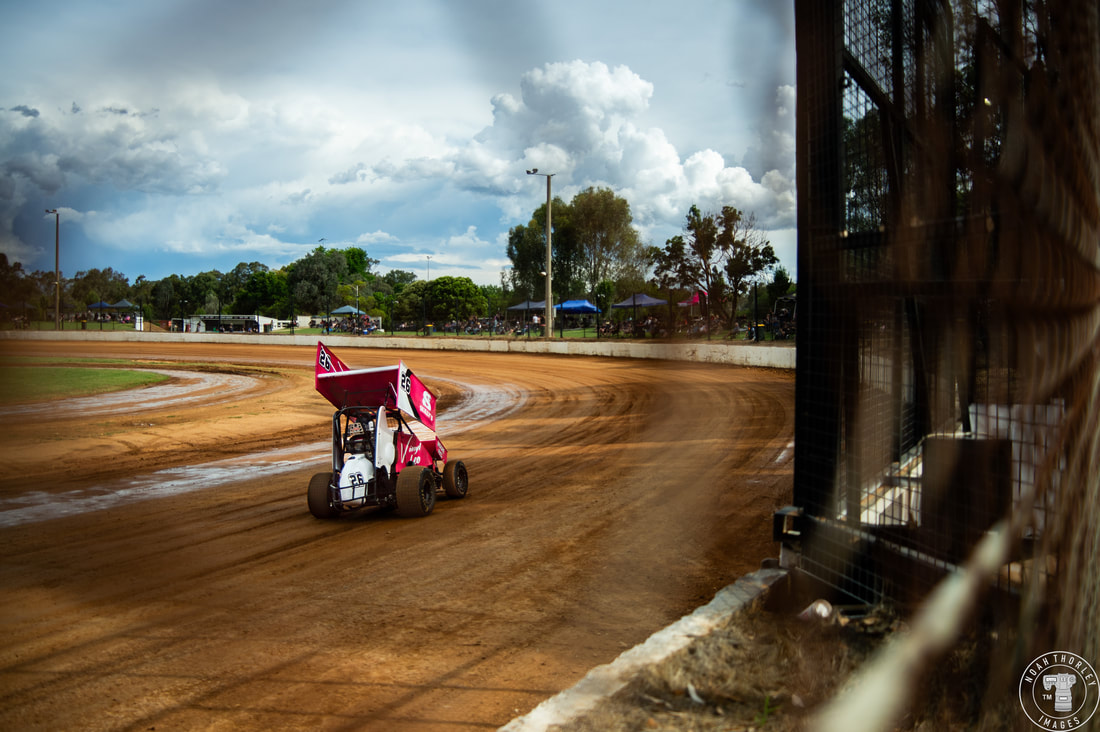 Back in 1968, the Wangaratta Motor Sports Club used council owned land to race Hot Rods and Sedans. This first speedway also included a motorcross track inside, bringing more spectators to the venue. This would only last two years however, as a crackdown on speedway spectator safety caused Wangaratta's first speedway to close down. 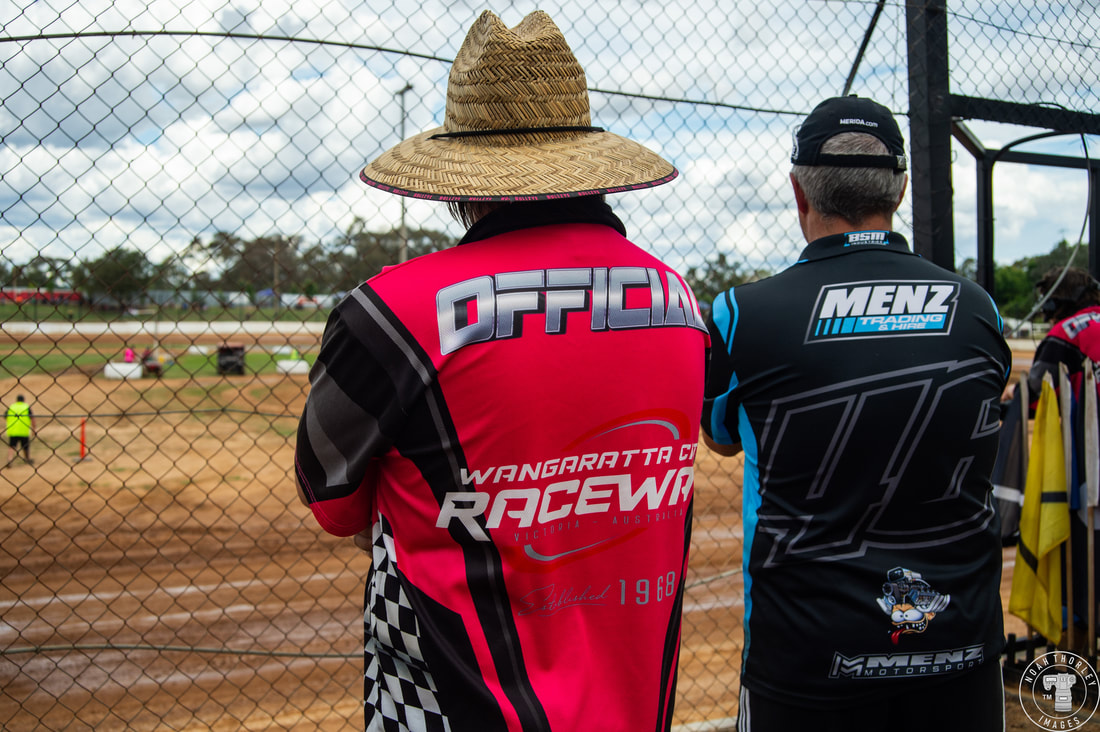 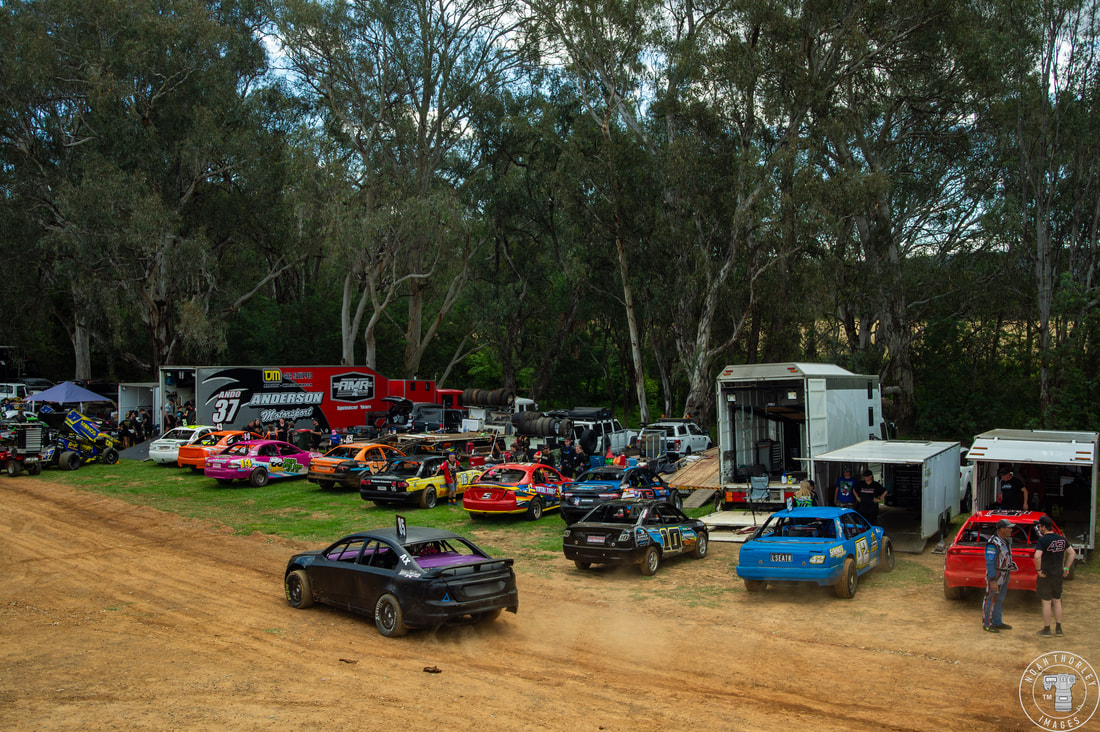 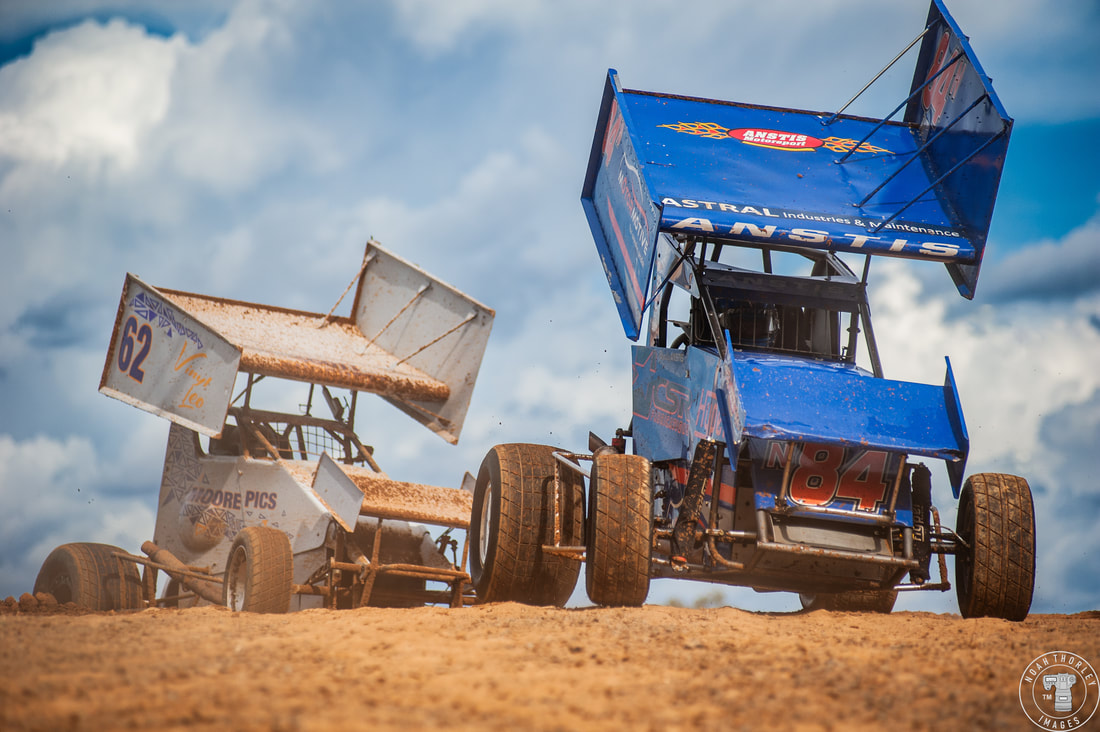 With the help of the local council and multiple sporting bodies, the first iteration of Wangaratta City Speedway was built in 1971 with oiled dirt forming the track. In 1982, the circuit would be upgraded to be the 430-metre speedway it is now, with the track now having a base of granite sand with a clay surface. 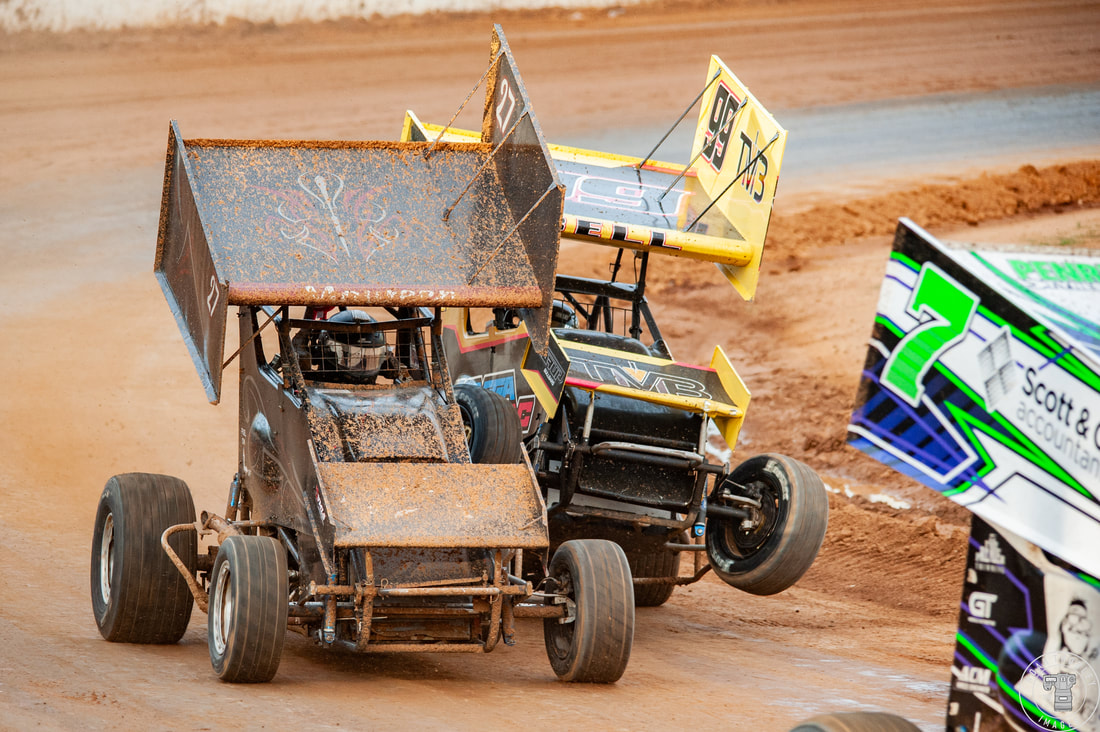
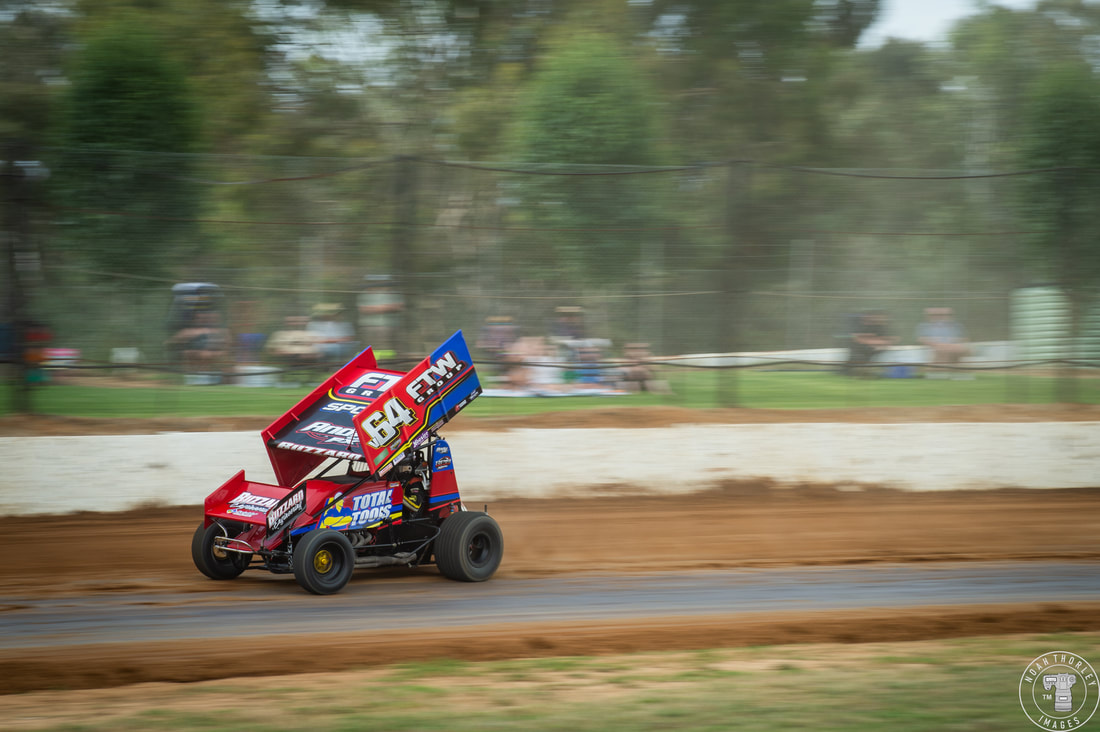
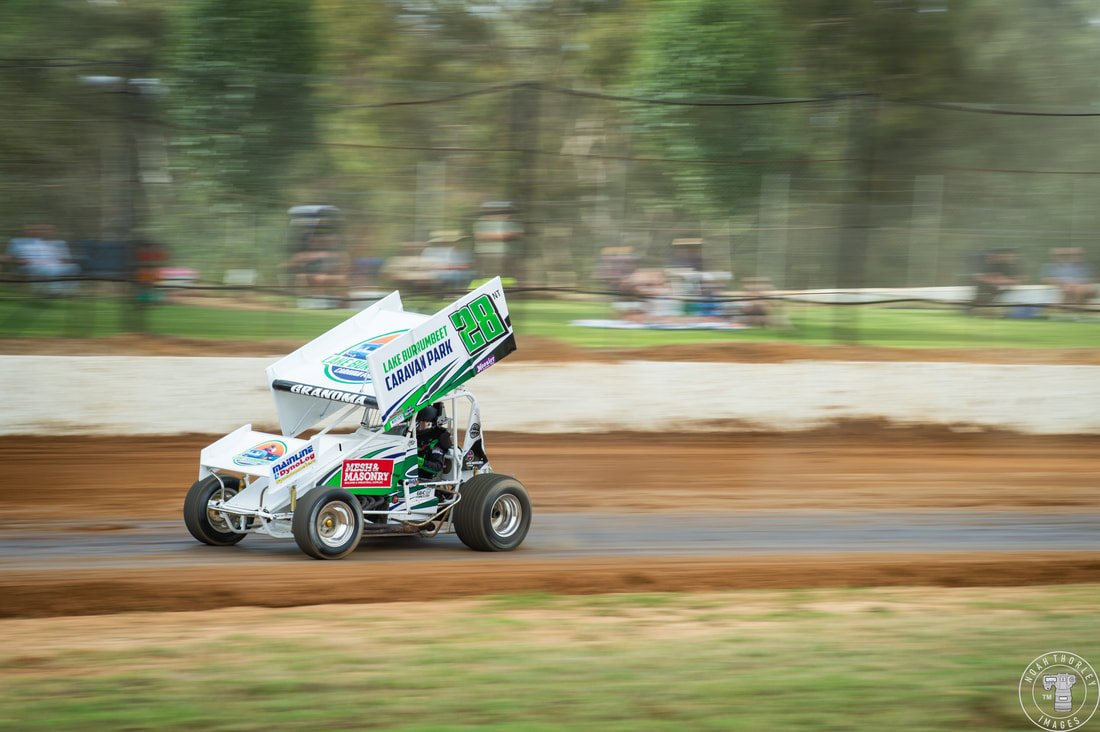
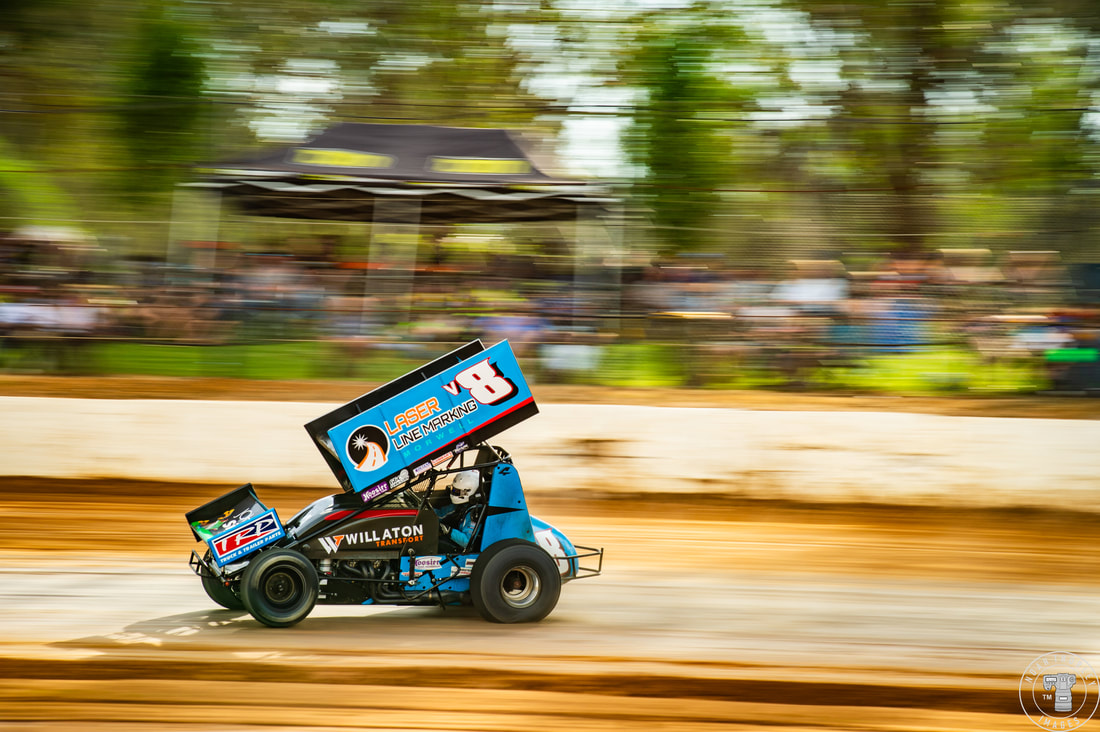 First impressions; it's an awesome track to photograph, with some great vantage points from the flag marshalling post, plus plenty of room to move around inside. A nice touch is the greenery surrounding the track, making for a great backdrop. 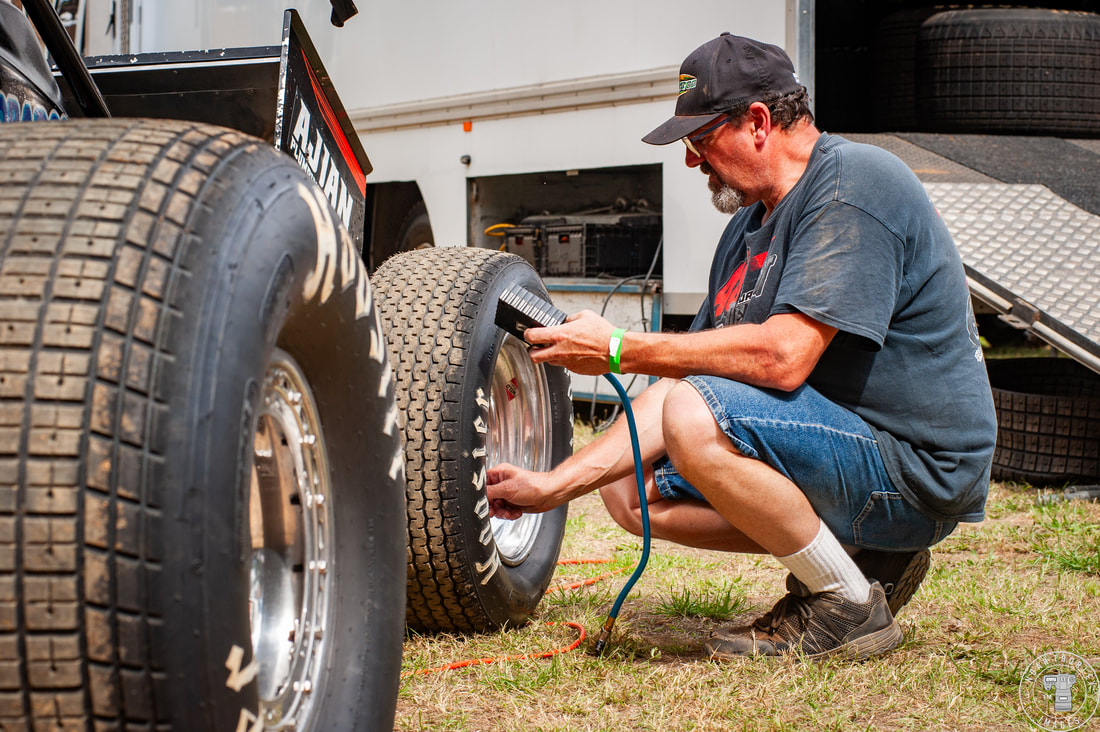 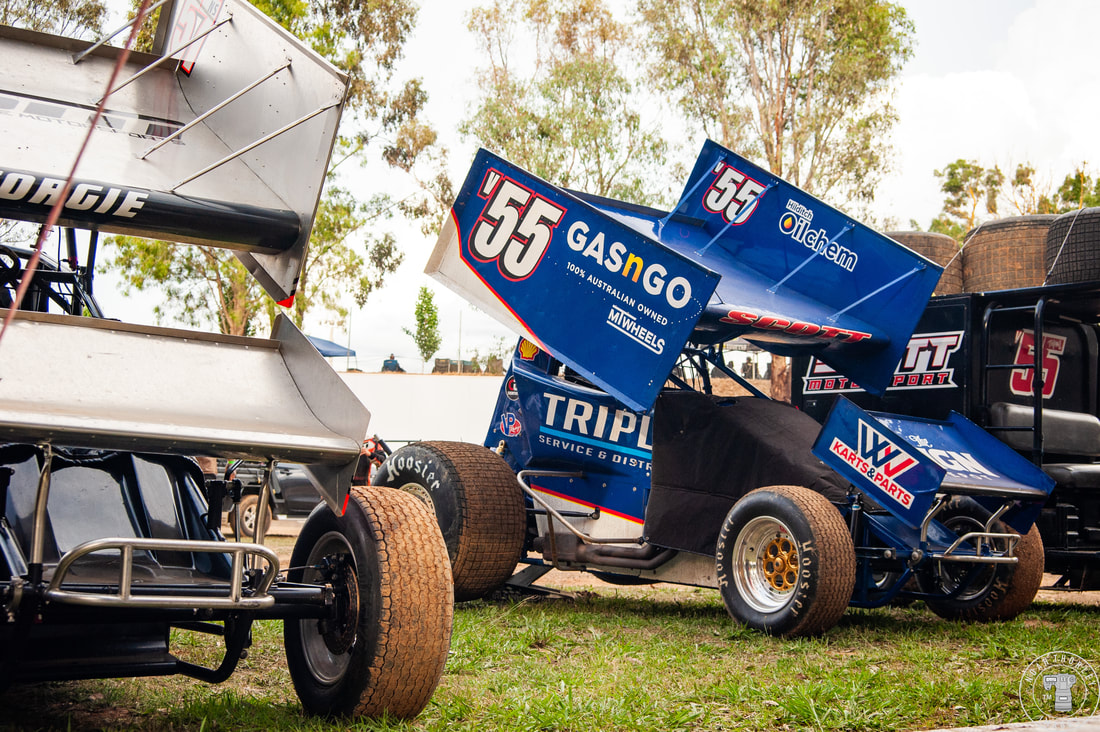 In the lead up, a decent amount of rain had come down all around Victoria, but the track was still able to be prepped and racing commenced without a hitch. 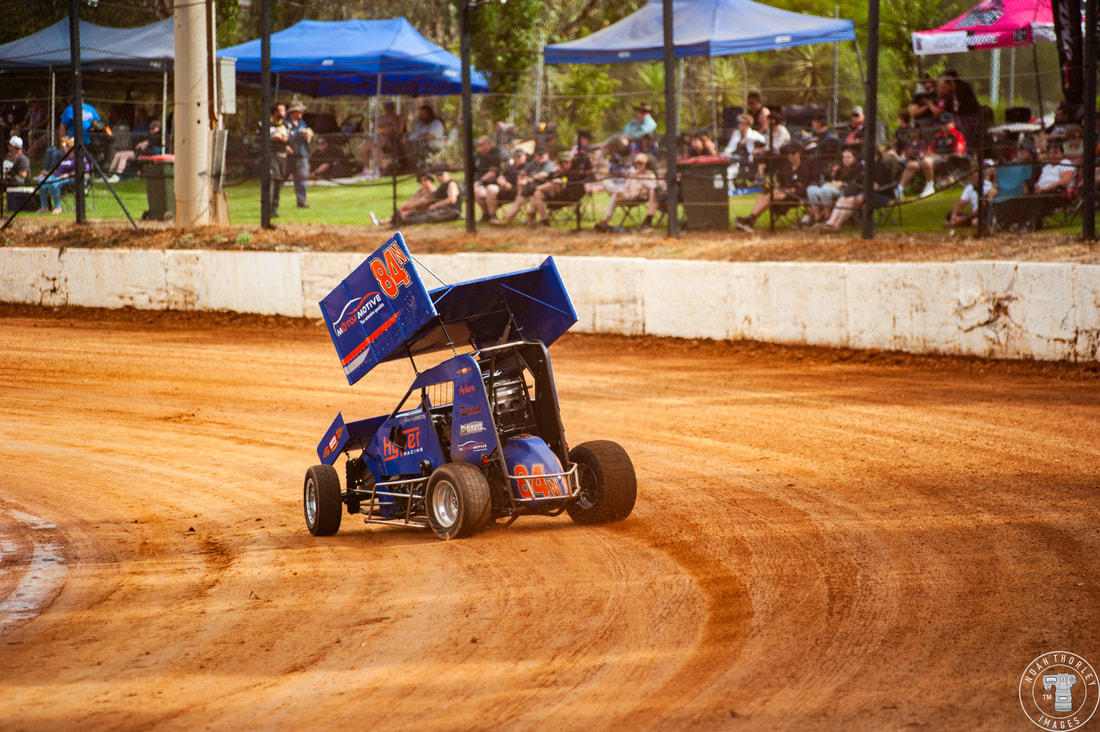 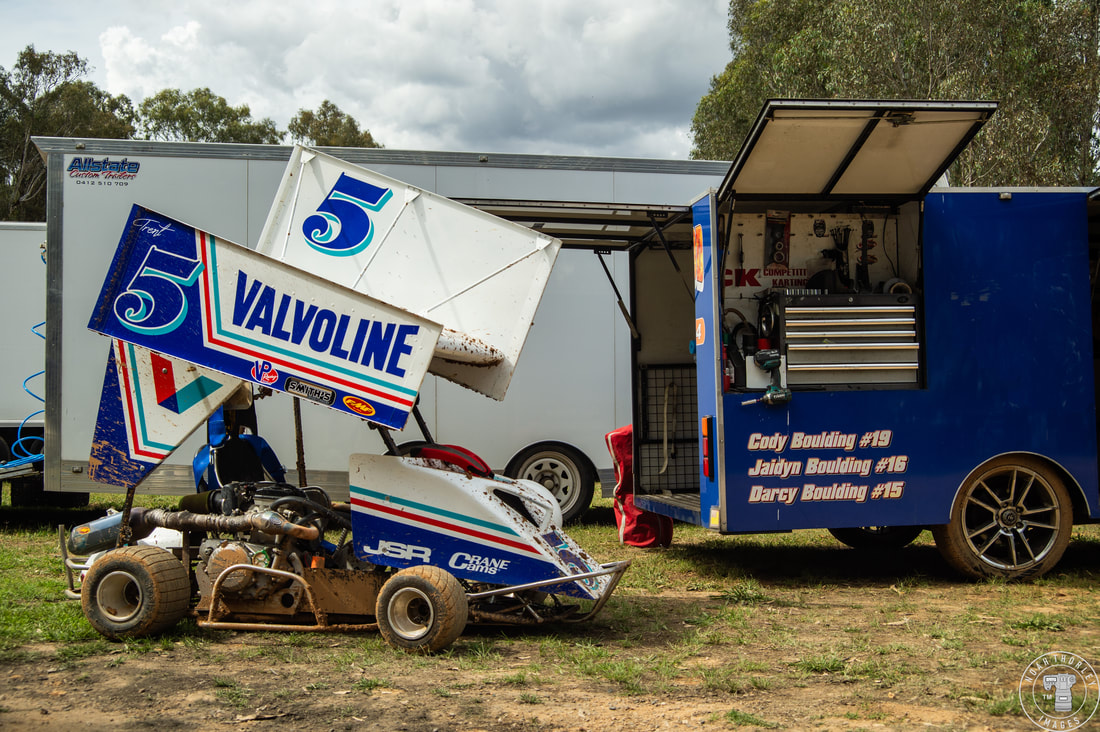 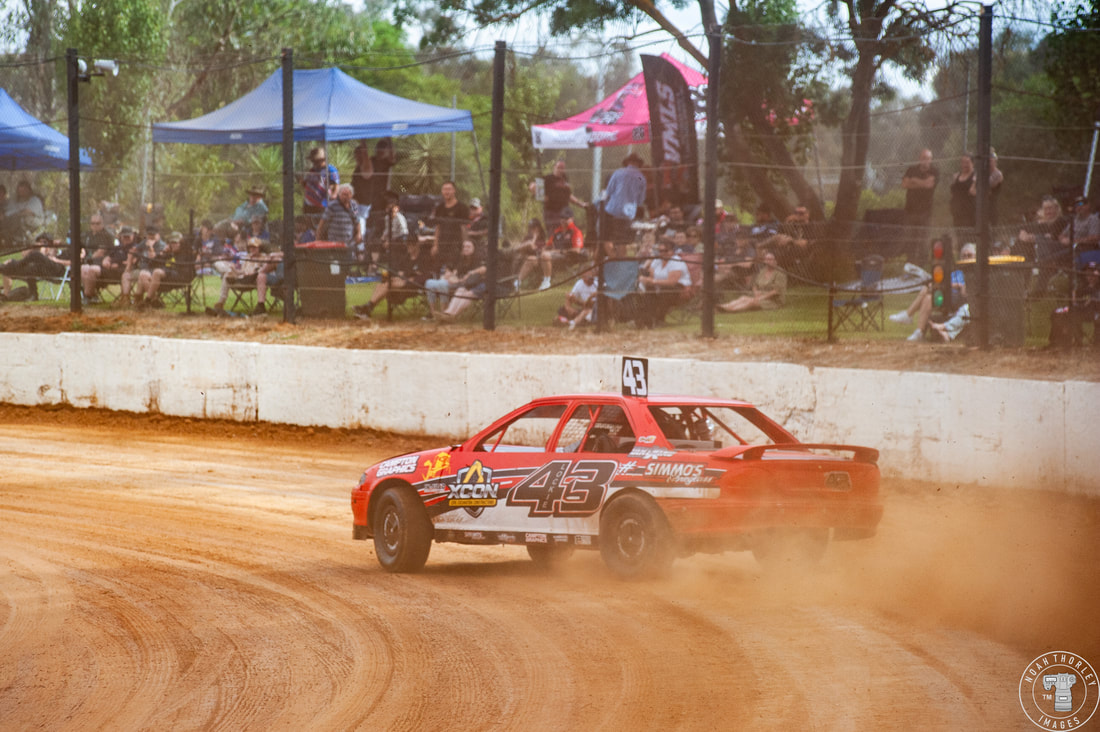 The Sprintcar feature would be supported by a number of categories including the Mini & Lightning Sprints, Outlaw Karts and the DirtX Sports Sedans series. 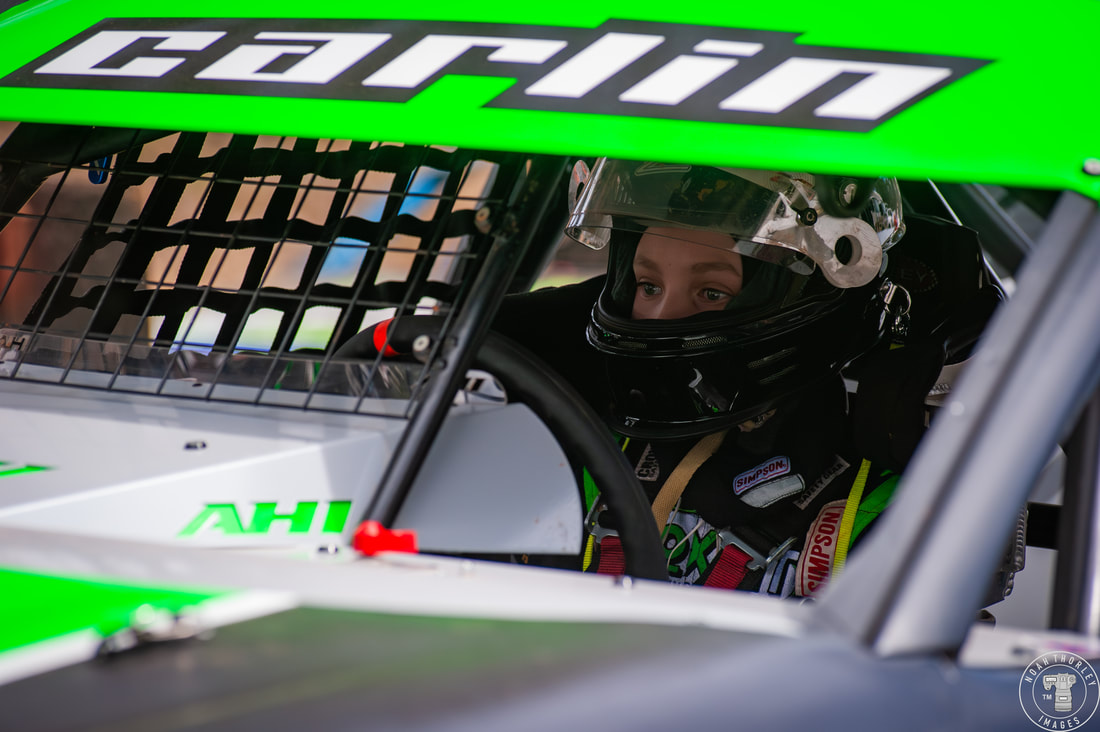 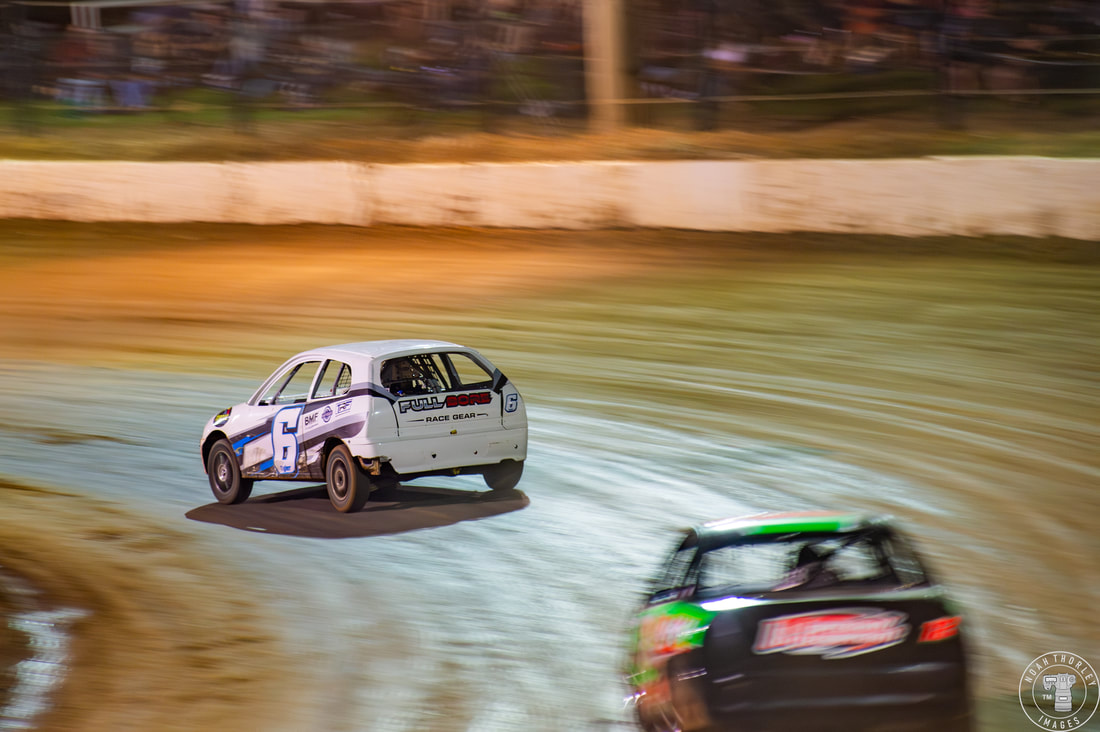 In addition, the next generation of Speedway talent would be brewing in the SSA Juniours class. Tyler in the no.6 Mirage, I was rooting for you! 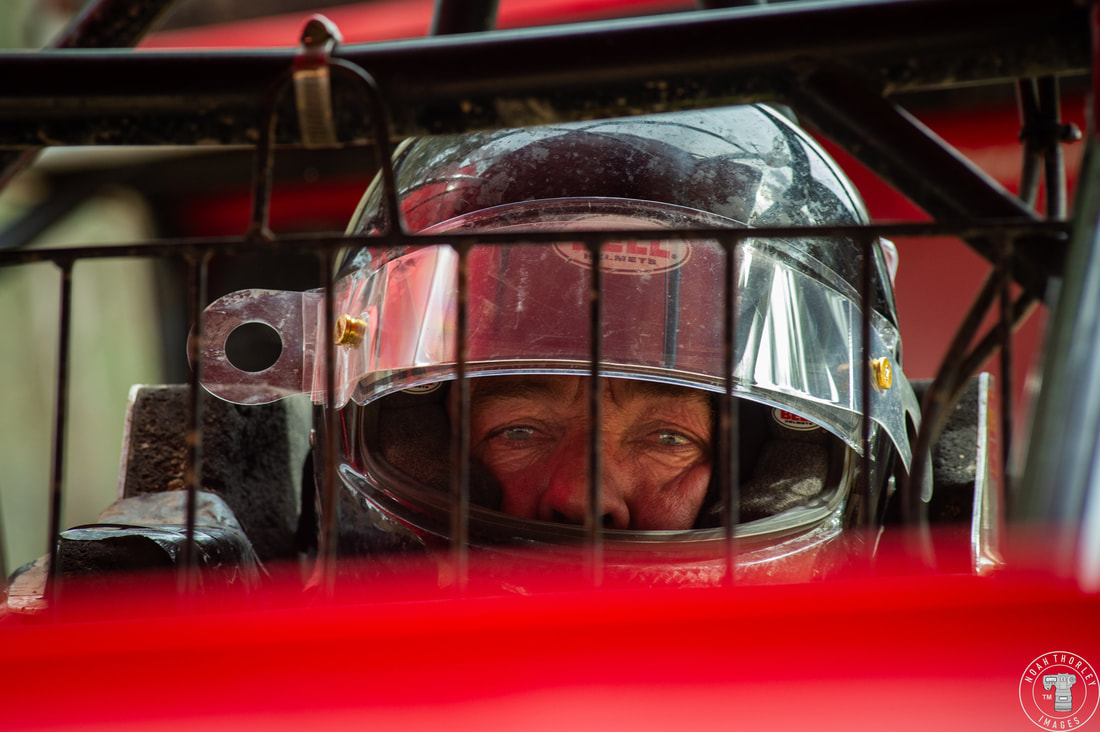 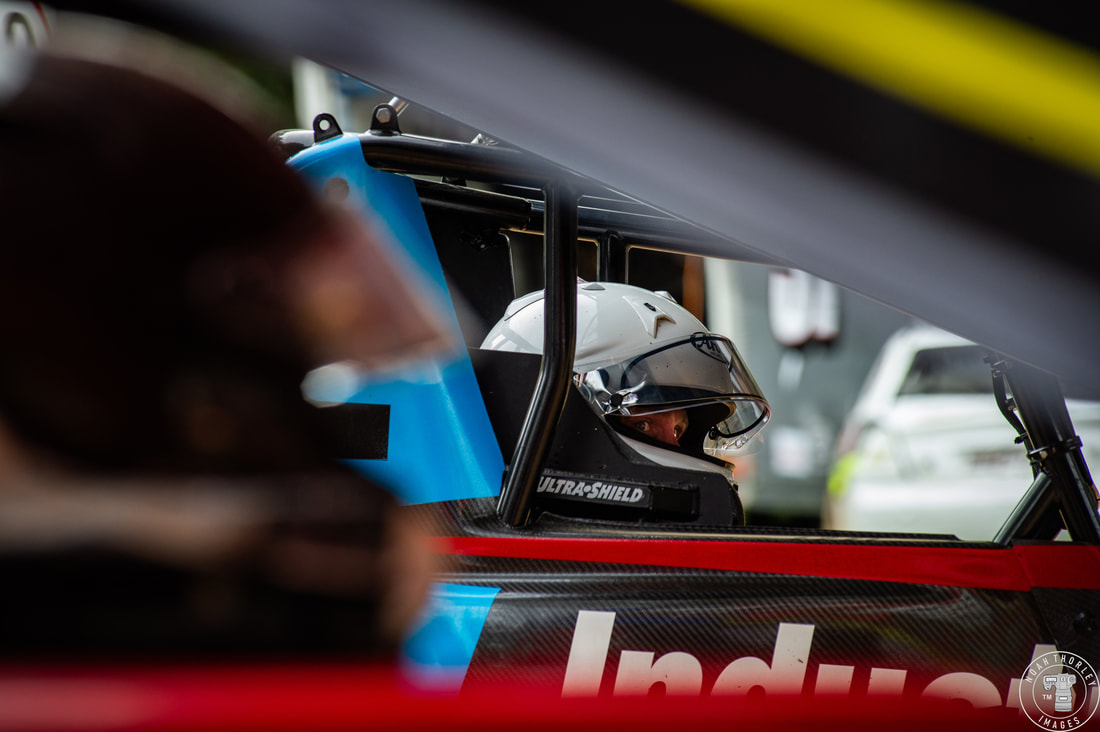 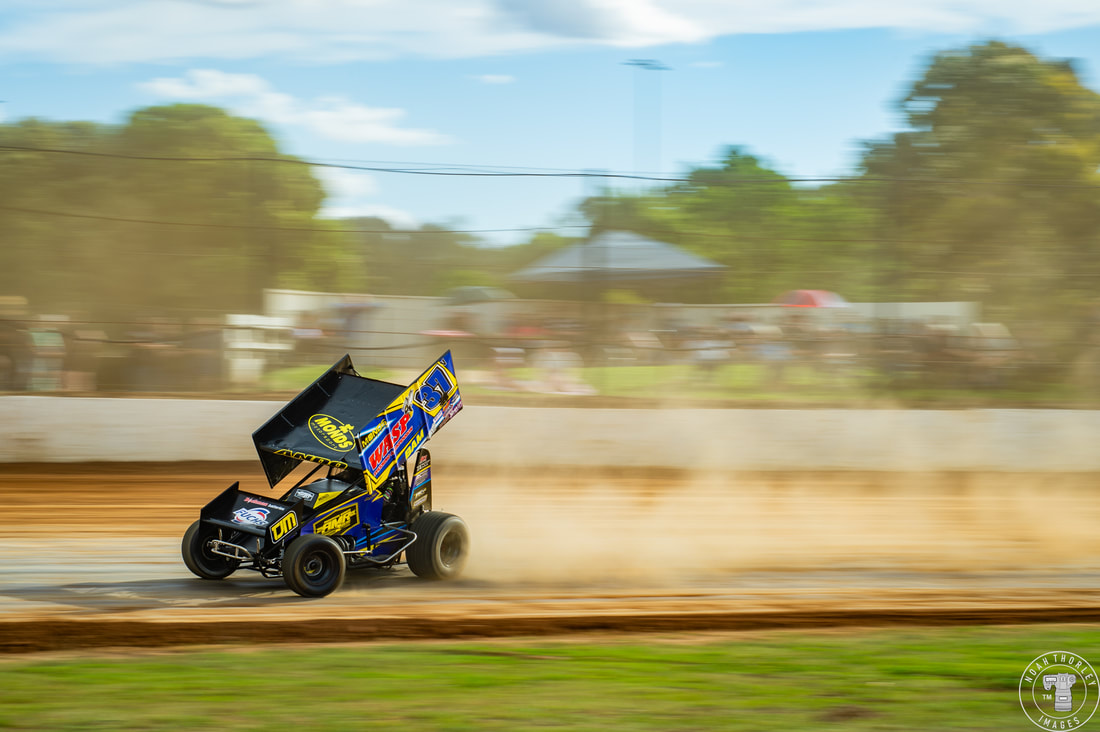 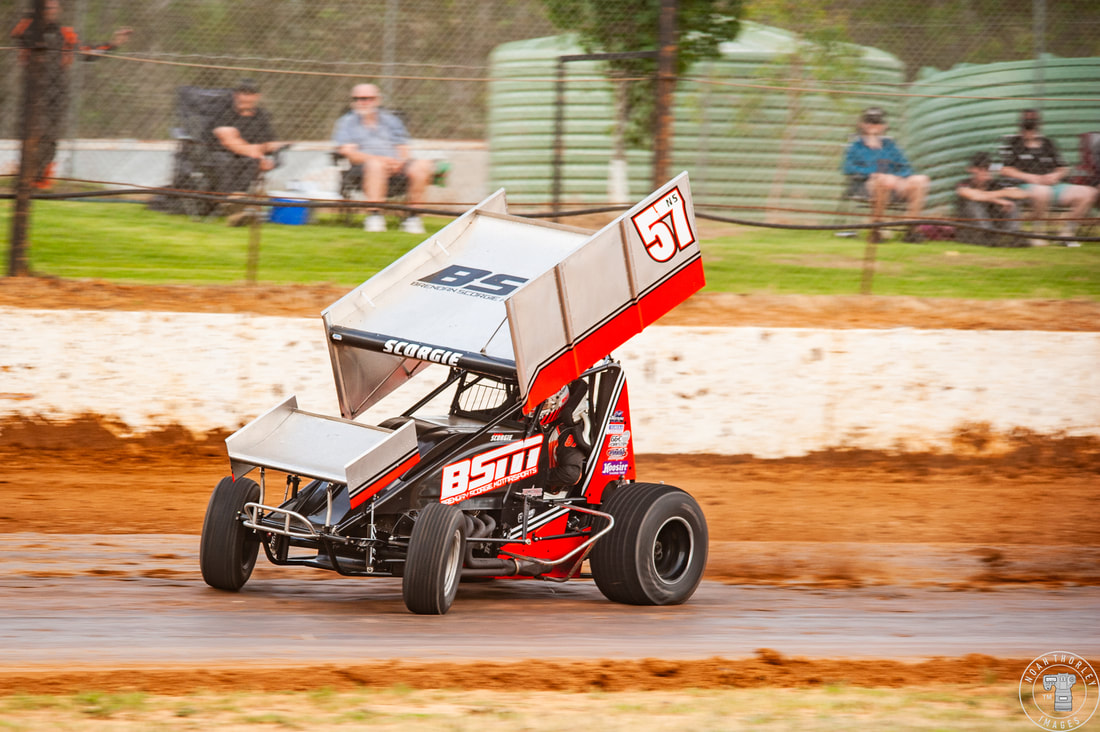 Soon enough qualifying was under way with Northern Territory 2023 State Champion Grant Anderson in Group 1 setting a time of 14.006 seconds. In Qualifying Group 2, Brendan Scorgie would go overall QuickTime, hanging on for 2 laps around the 430 metre clay speedway in 13.710 seconds. 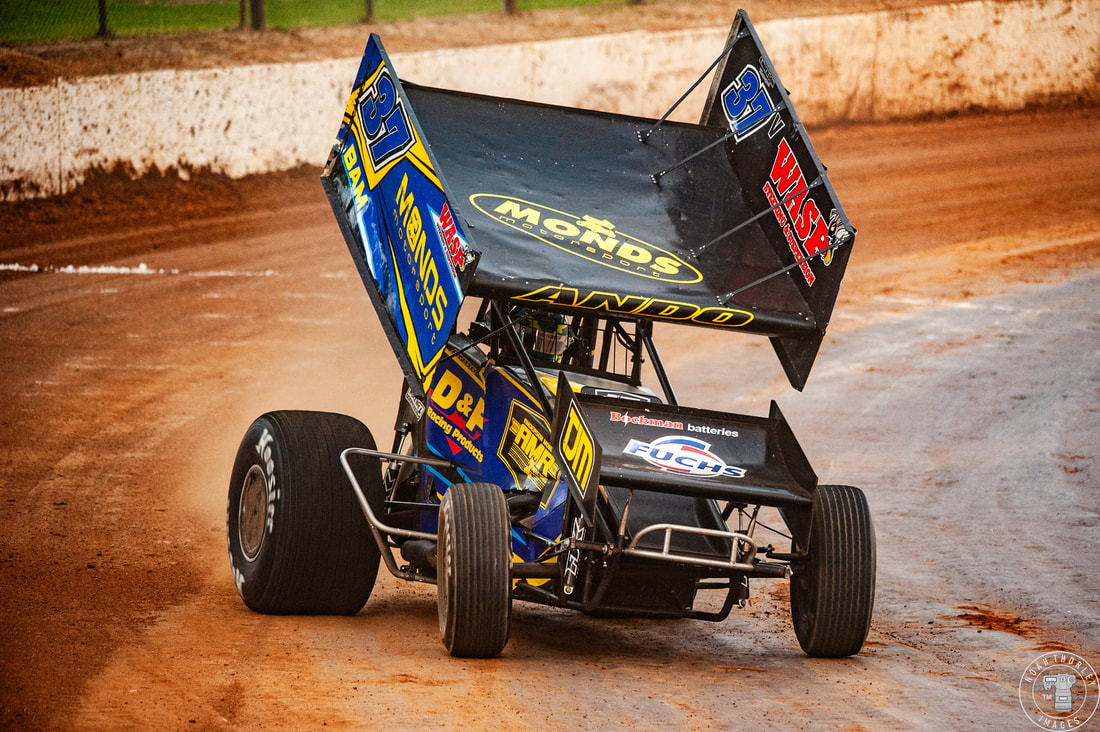 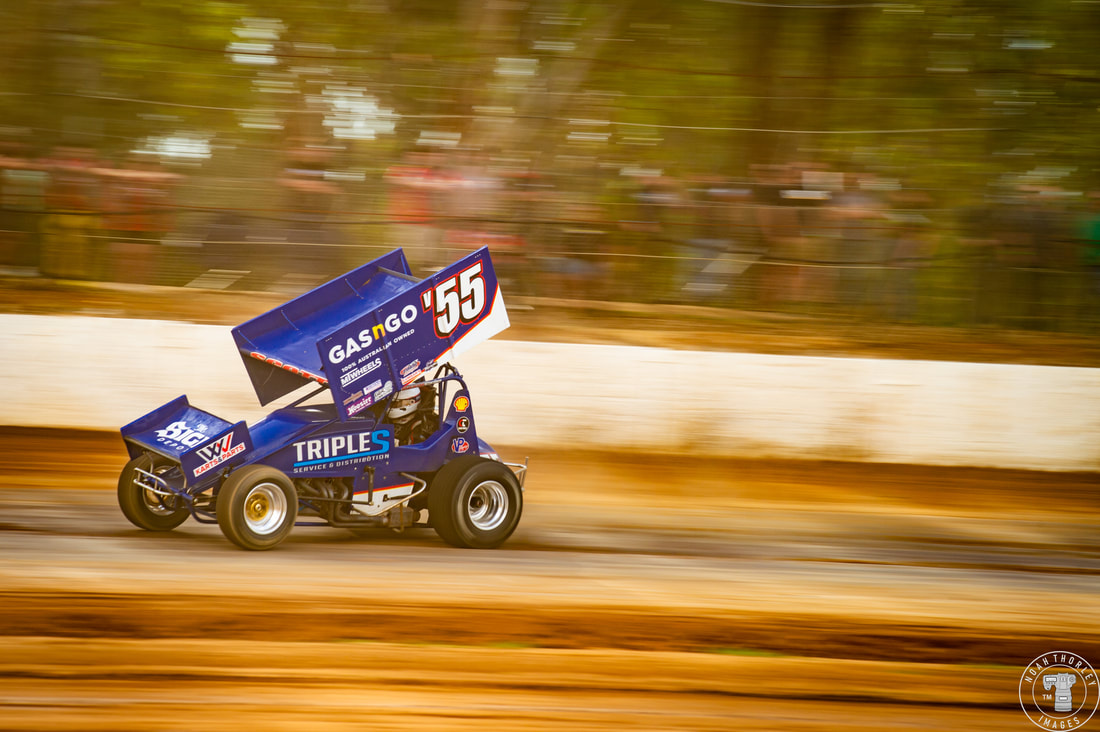 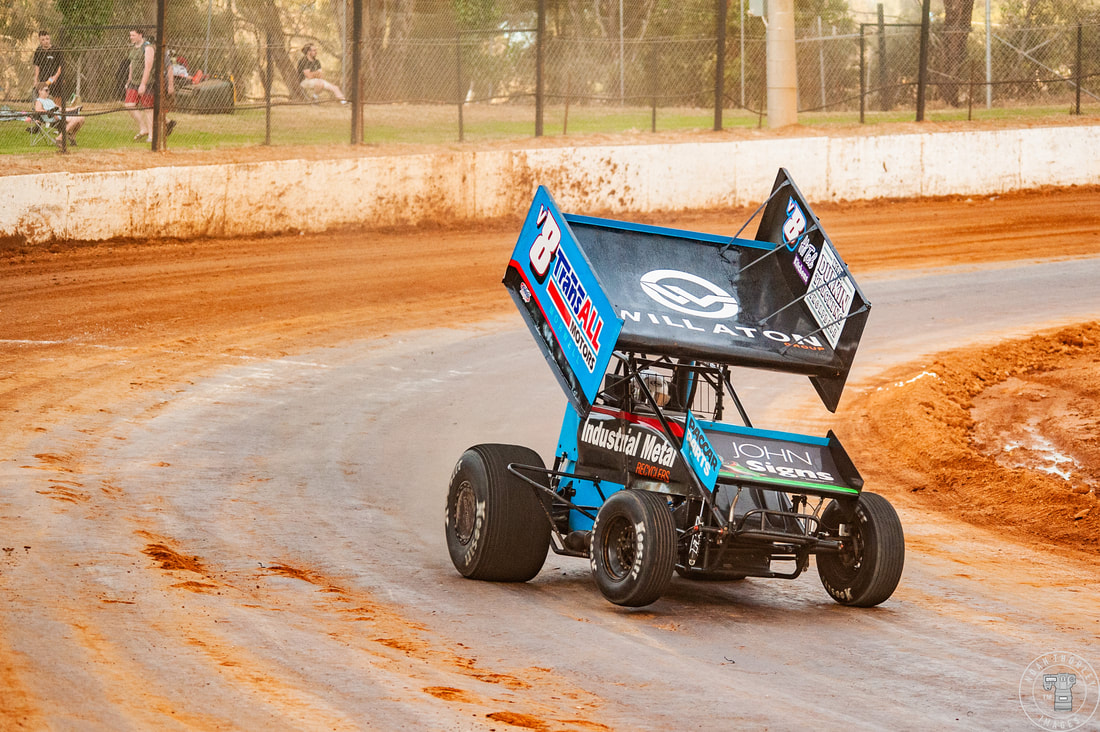 Anderson would line up alongside Parker Scott for the Heat 1, and would run away with the victory, as the rest finished line astern behind, Parker Scott second and Bobby Daly third. 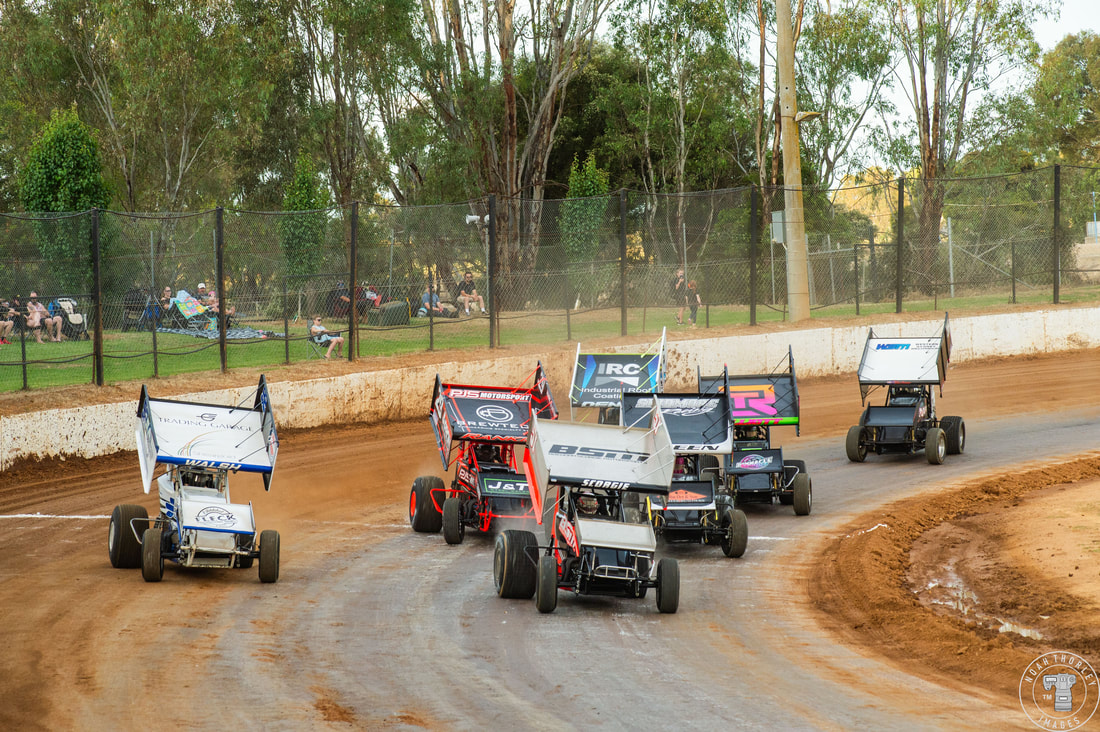 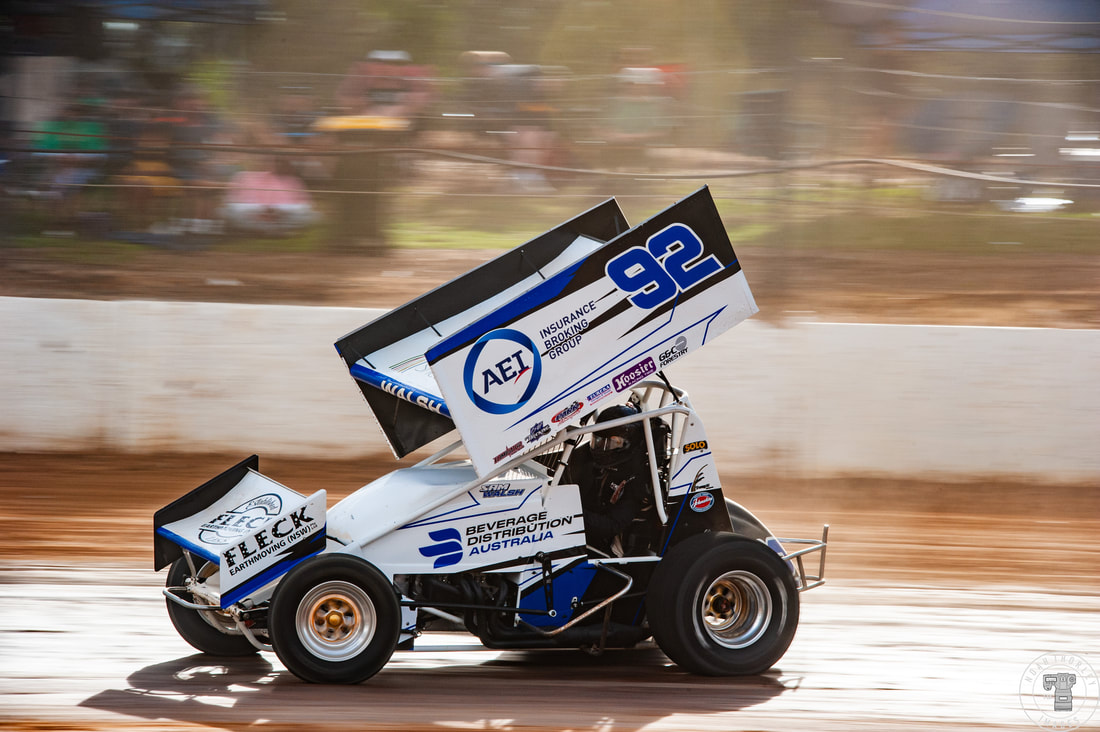 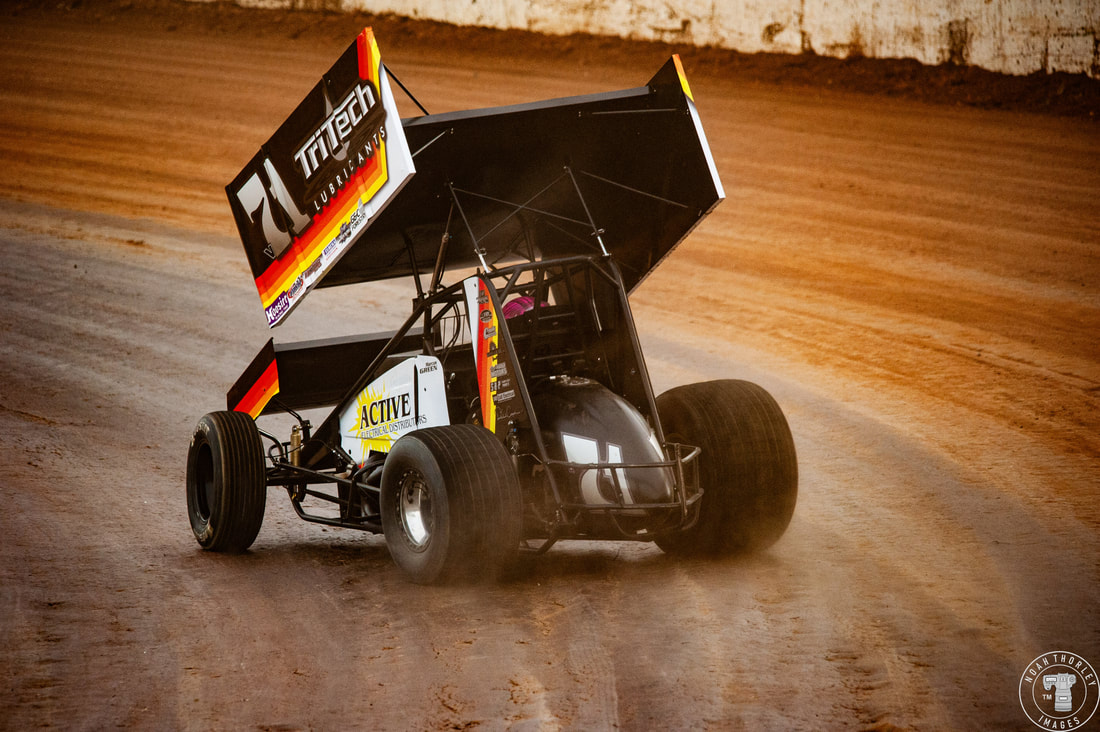 Brendan Scorgie would lead Heat 2 to the green flag and fend off Sammie Walsh at the chequered flag, as Marcus Green came home in third. 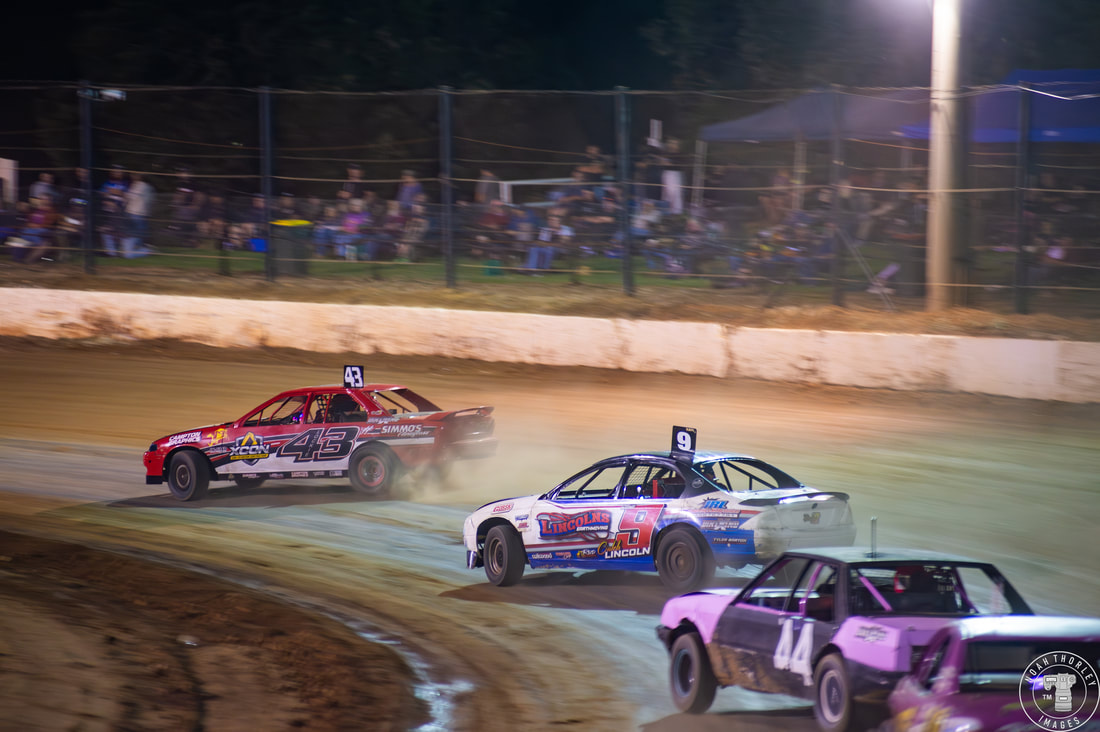 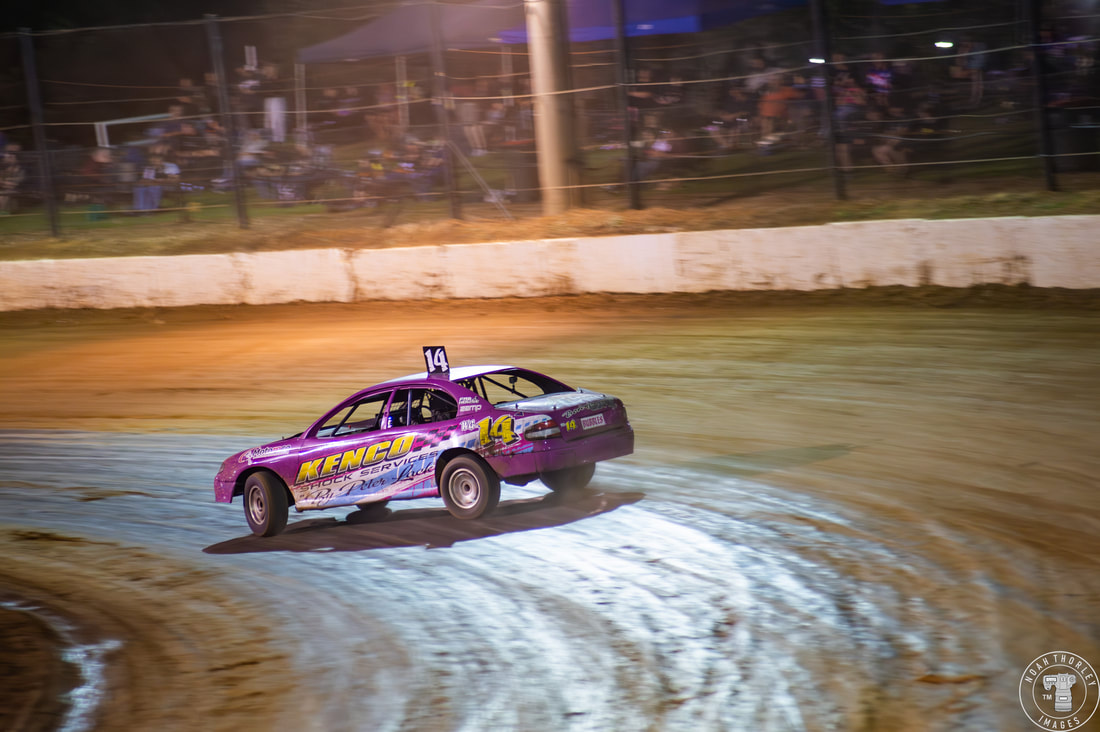 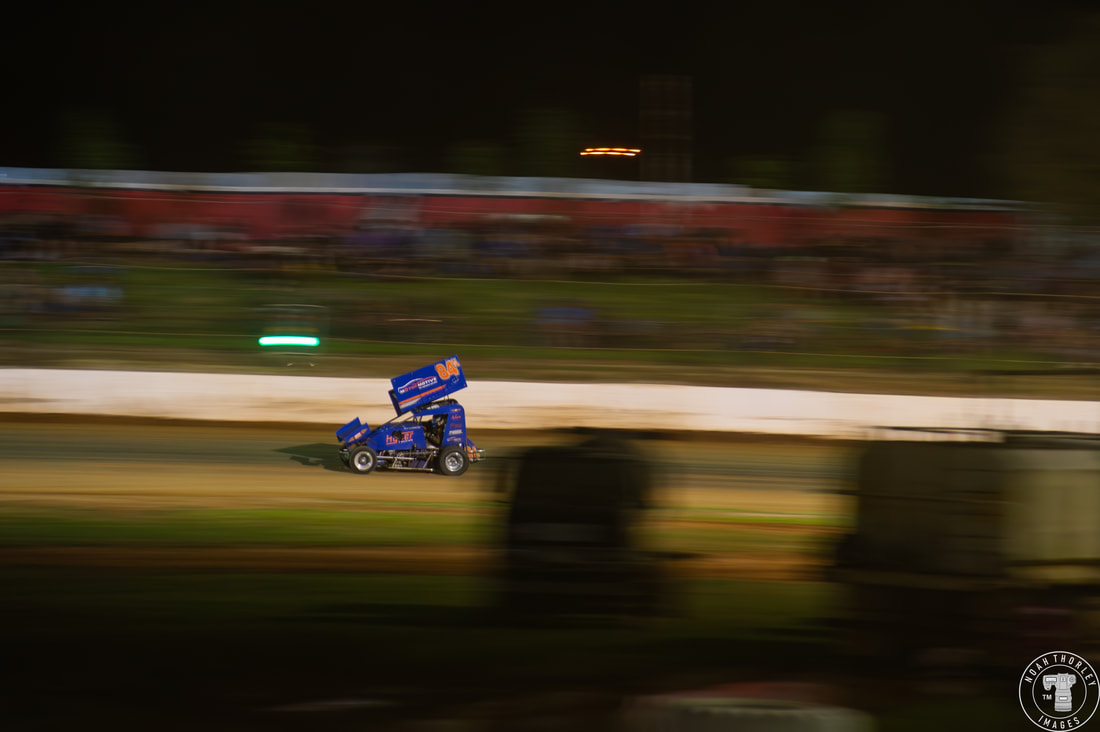 The sun would set on Wangaratta and simultaneously, chaos would ensue during the next round of heat races for the DirtX Sports Sedans. As more laps were run on the track, moisture came up to the surface, reducing grip on the clay racing line. These slick conditions meant that multiple cars would tangle with each other into the concrete wall with each Sports Sedan heat race that came by. The SSA Juniours and Mini Sprints would keep the racing clean bar for a few spins. 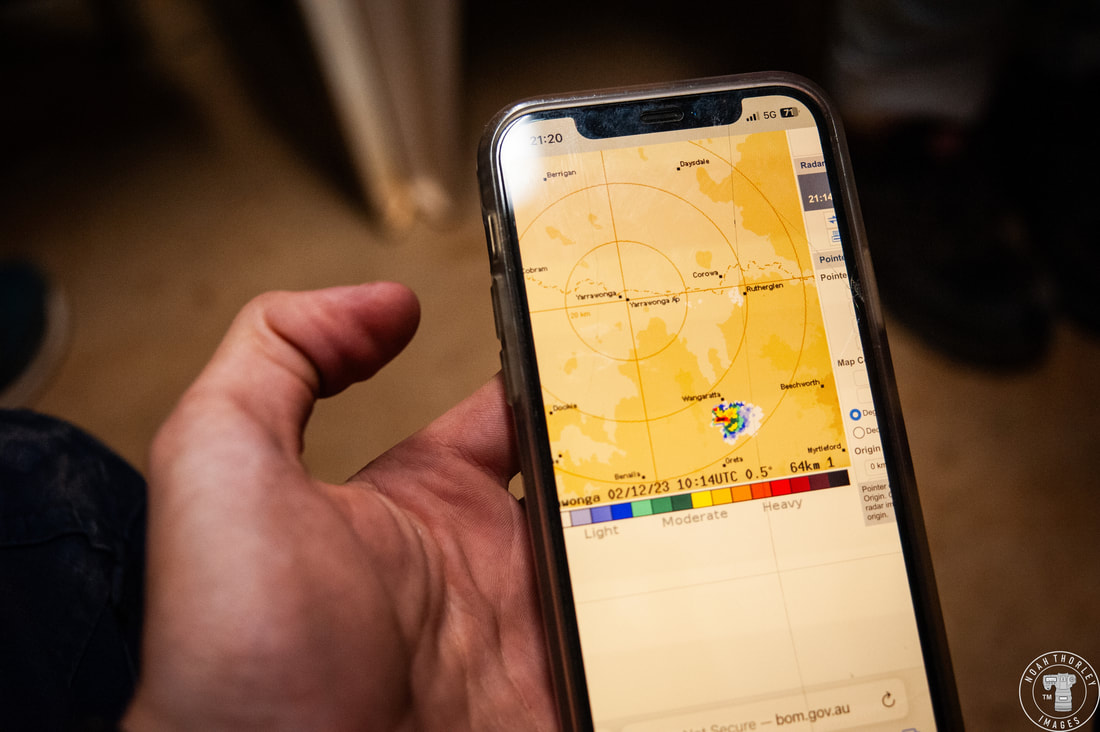 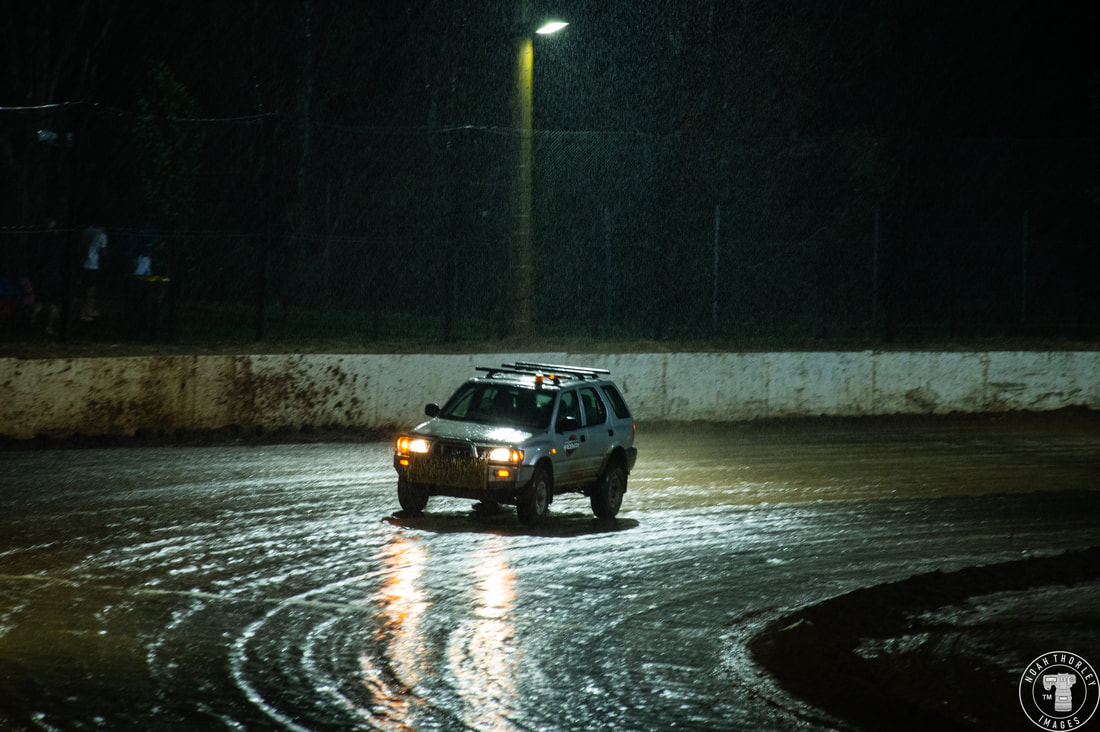 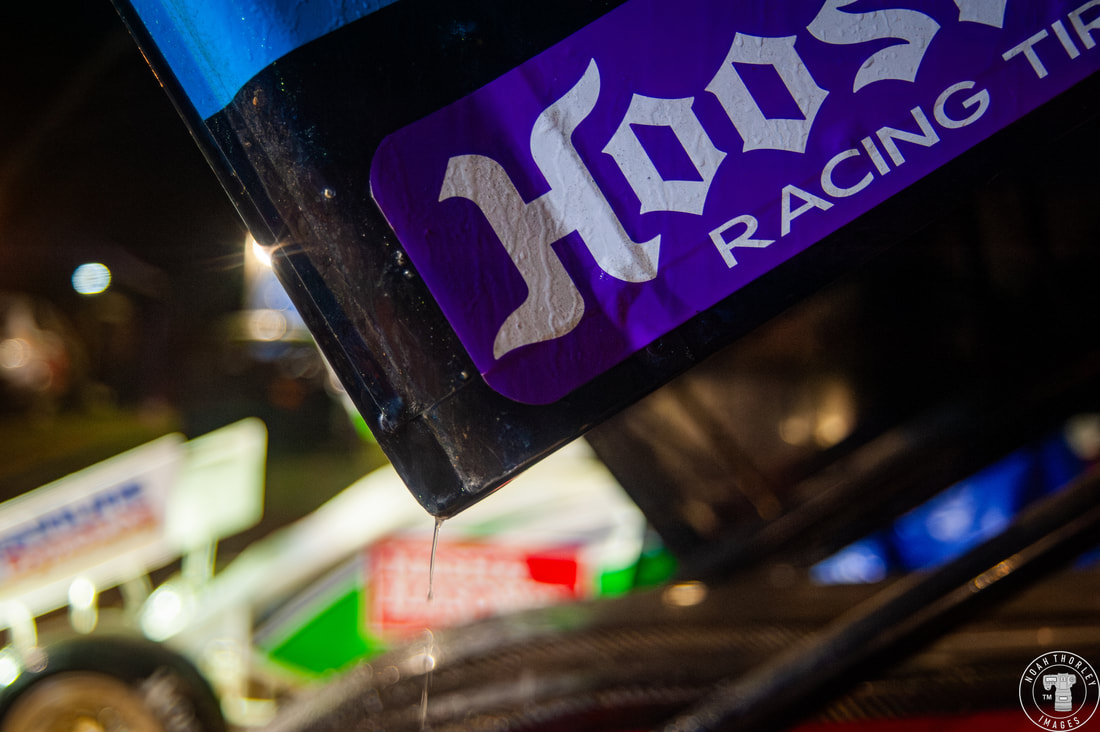 Before the Sprintcars would get a chance to run their second round of heat races, a rouge and heavy rain patch would hit Wangaratta, pausing proceedings. The down poor would be enough for any attempt at a restart of racing to be futile, with an early end to the night's action be called. 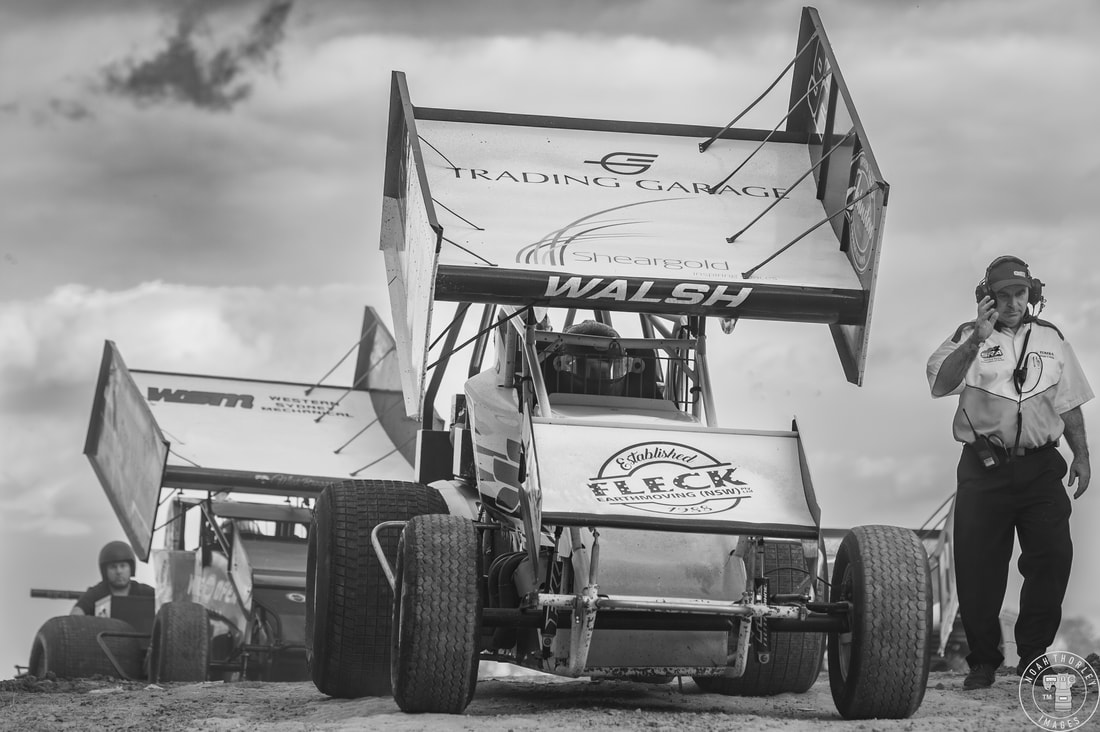 Despite my rain shortened visit, it was definitely worth it. Wangaratta City Speedway is certainly not my closest track (far from it), but it is very much a cool place to watch and photograph some racing. I'll definitely be back for more. Bonus Gallery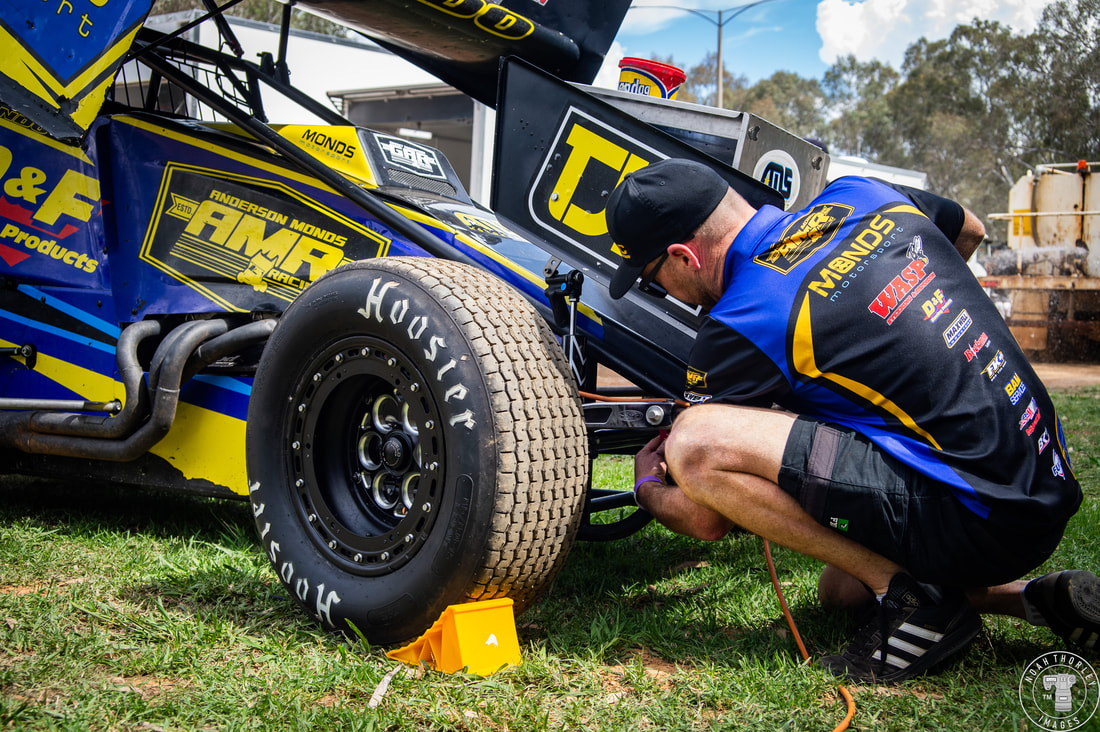 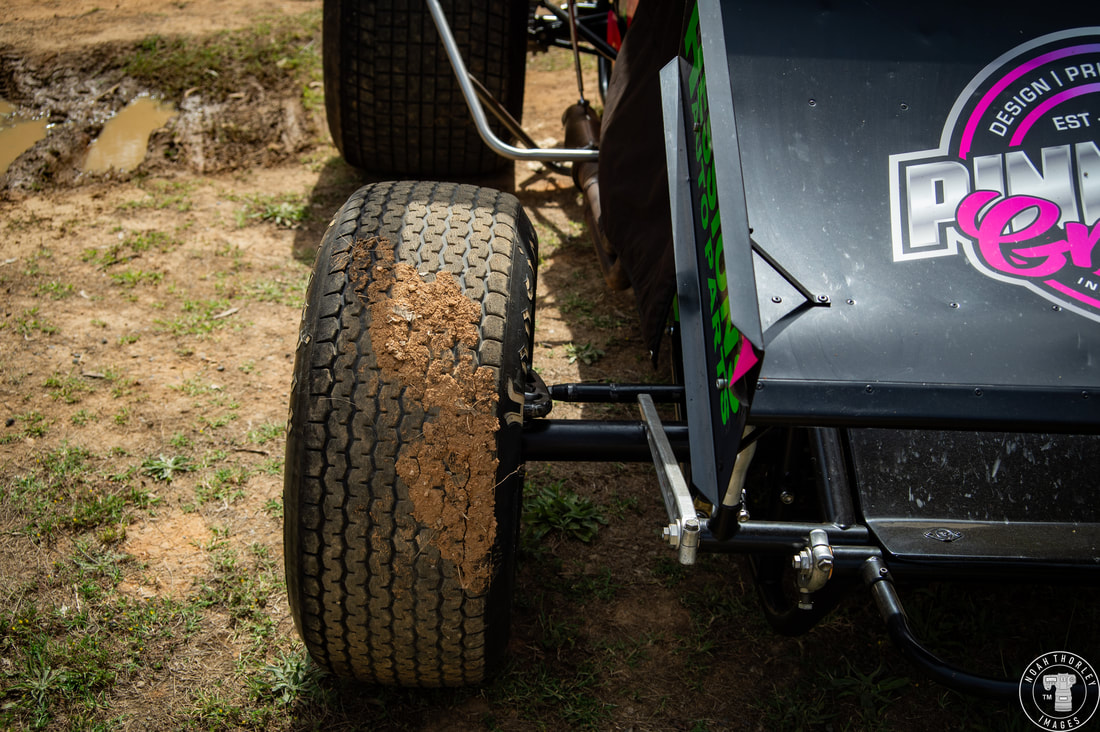 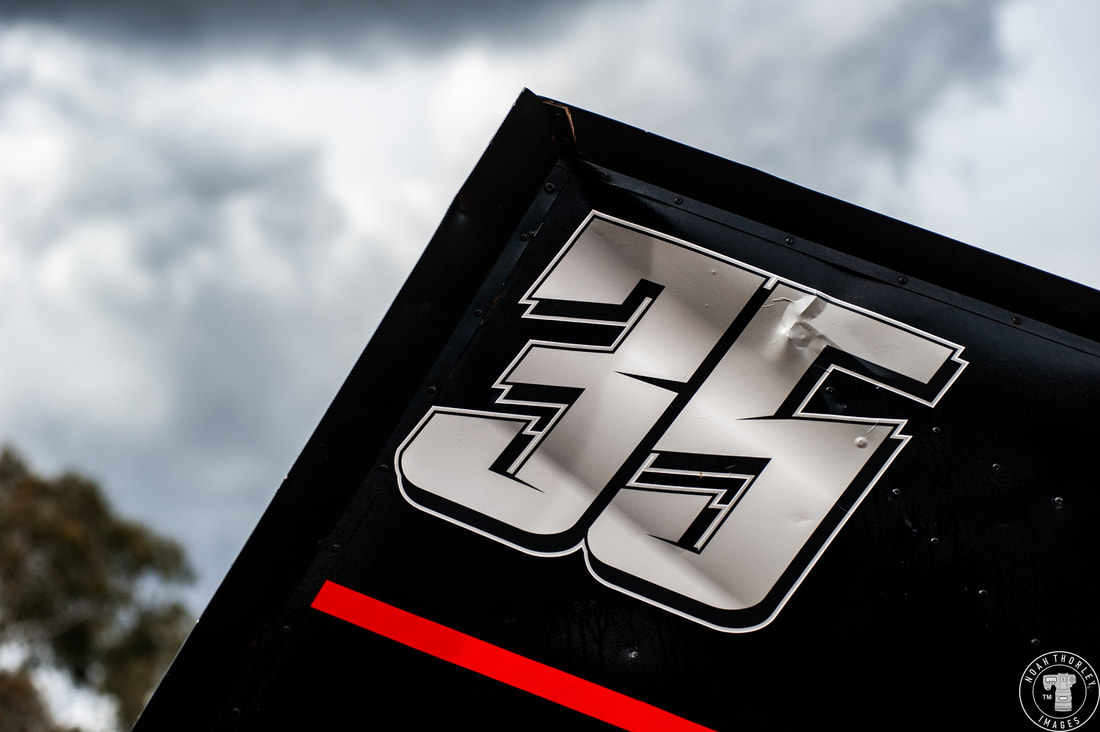 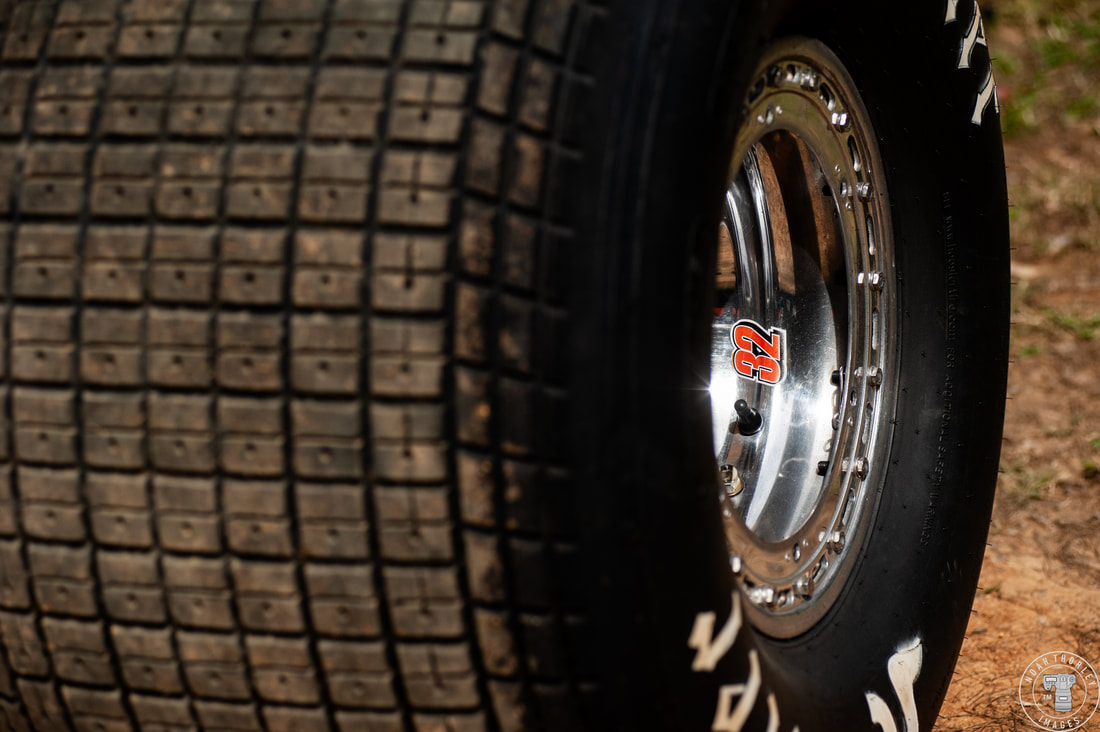
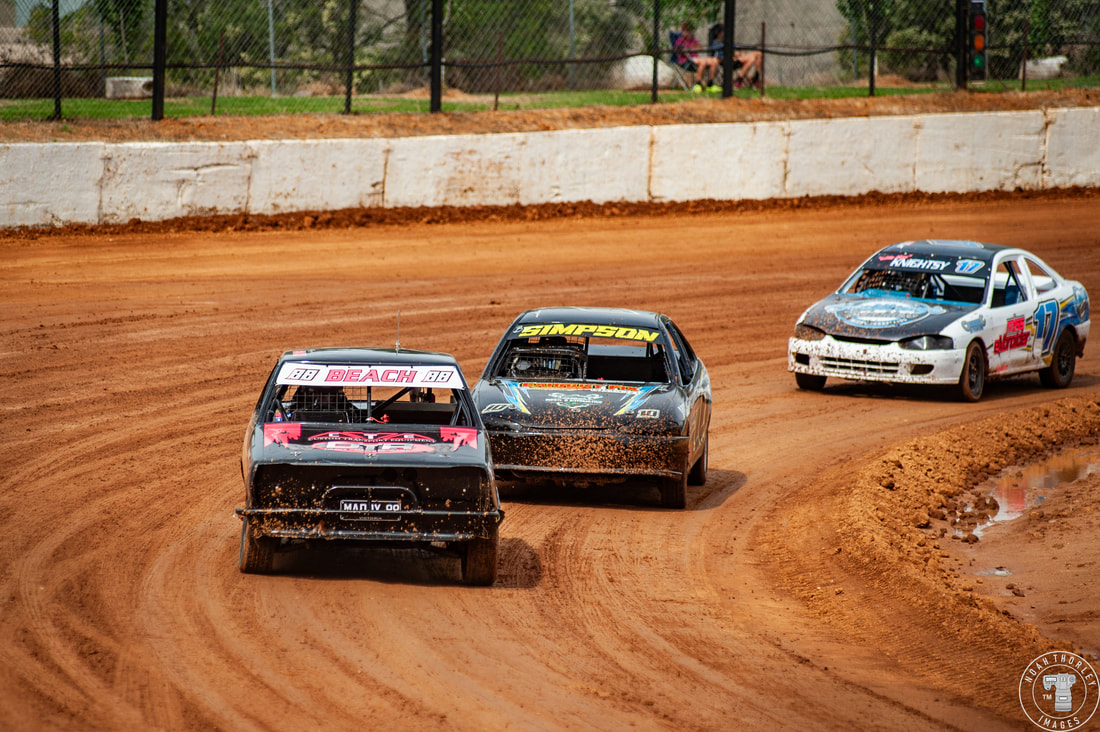 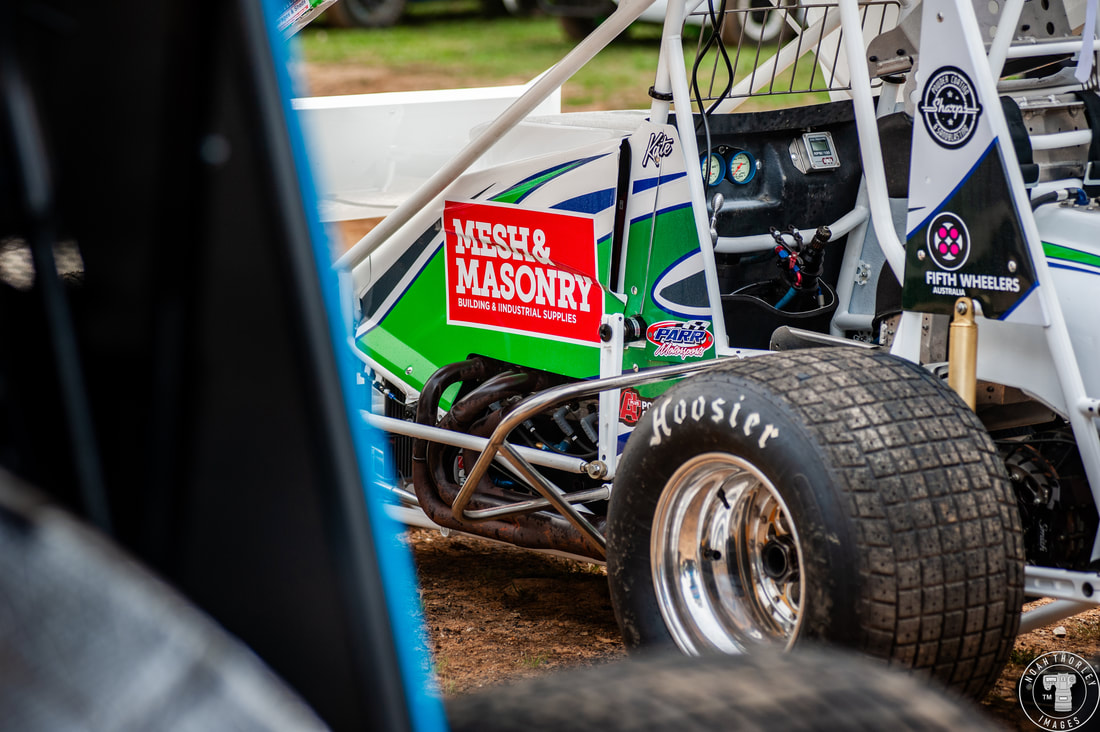 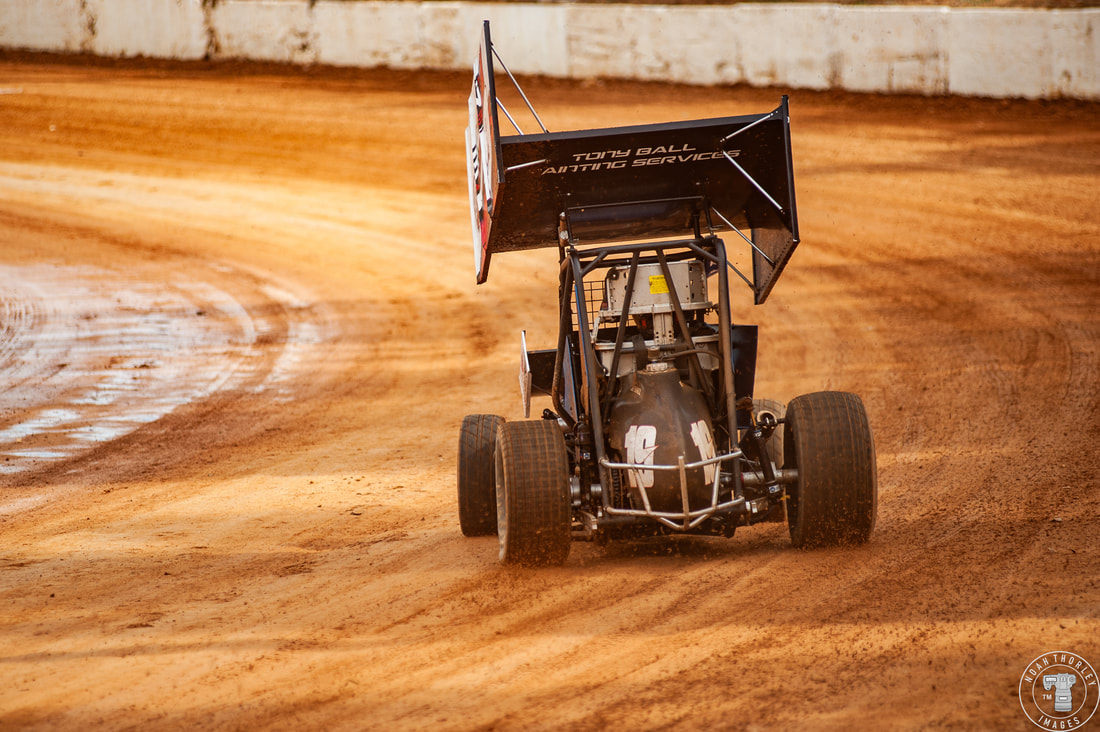
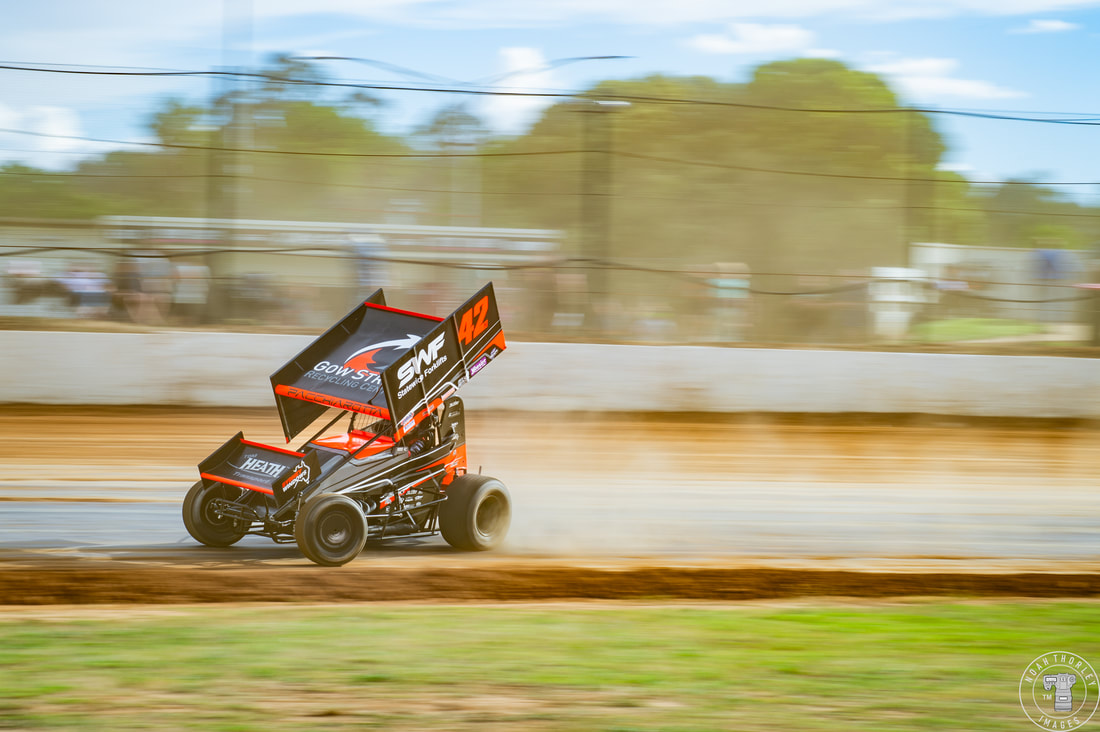 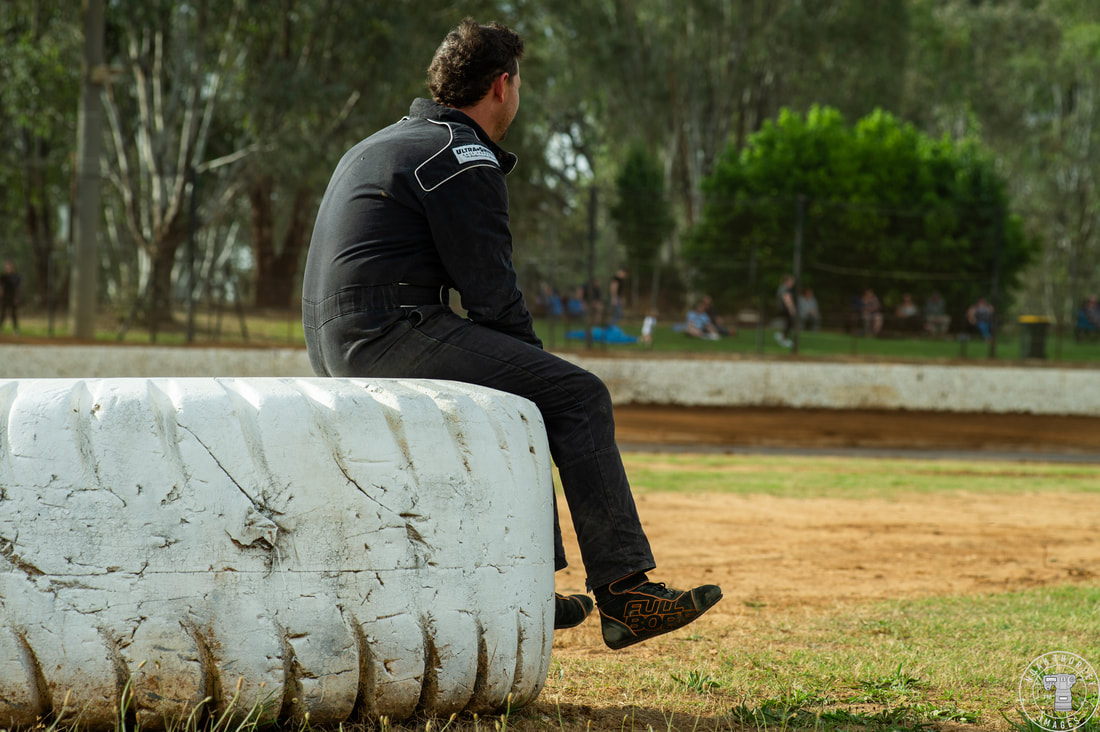     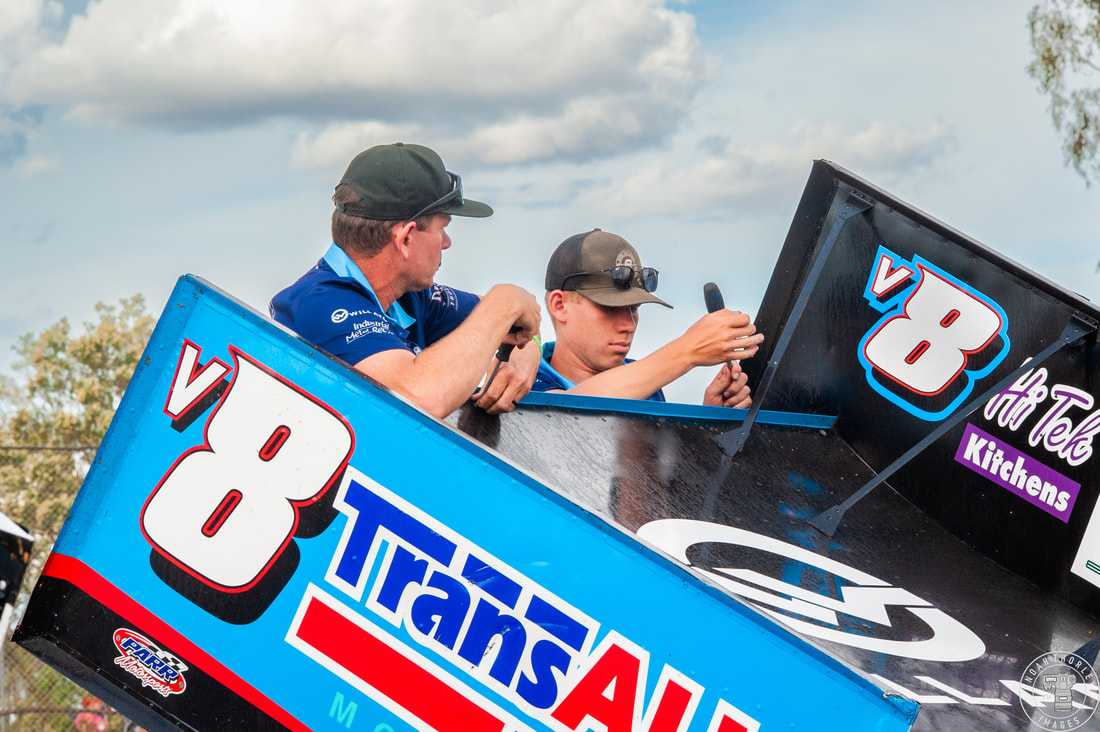 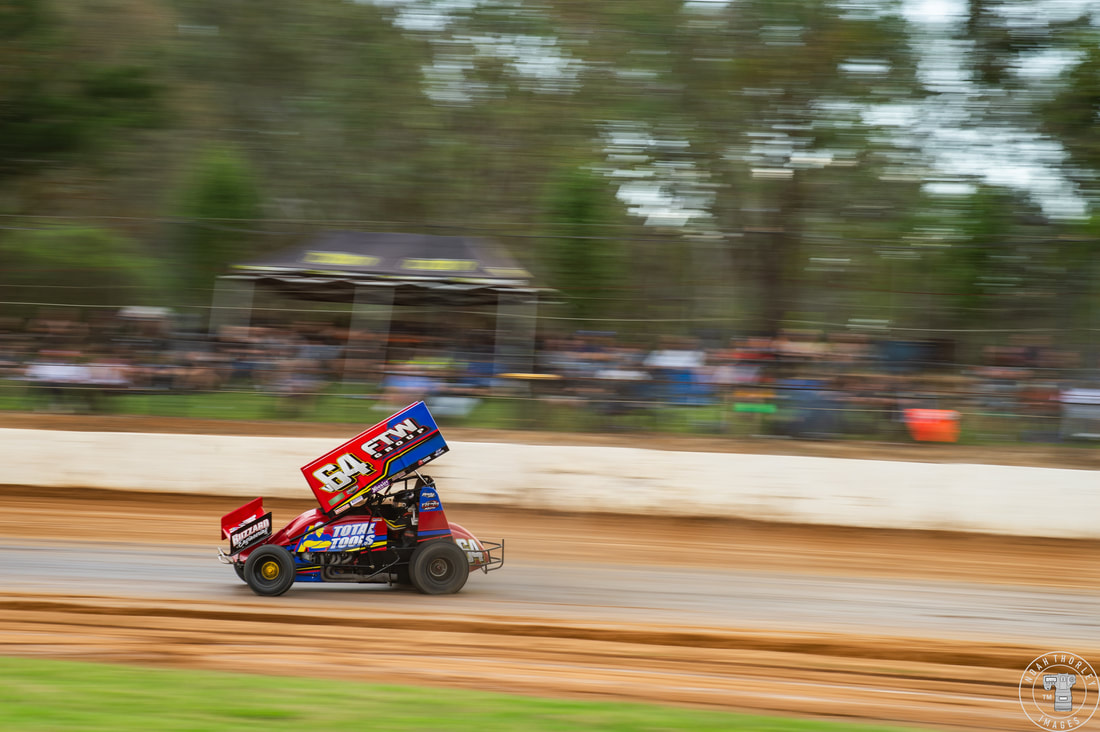
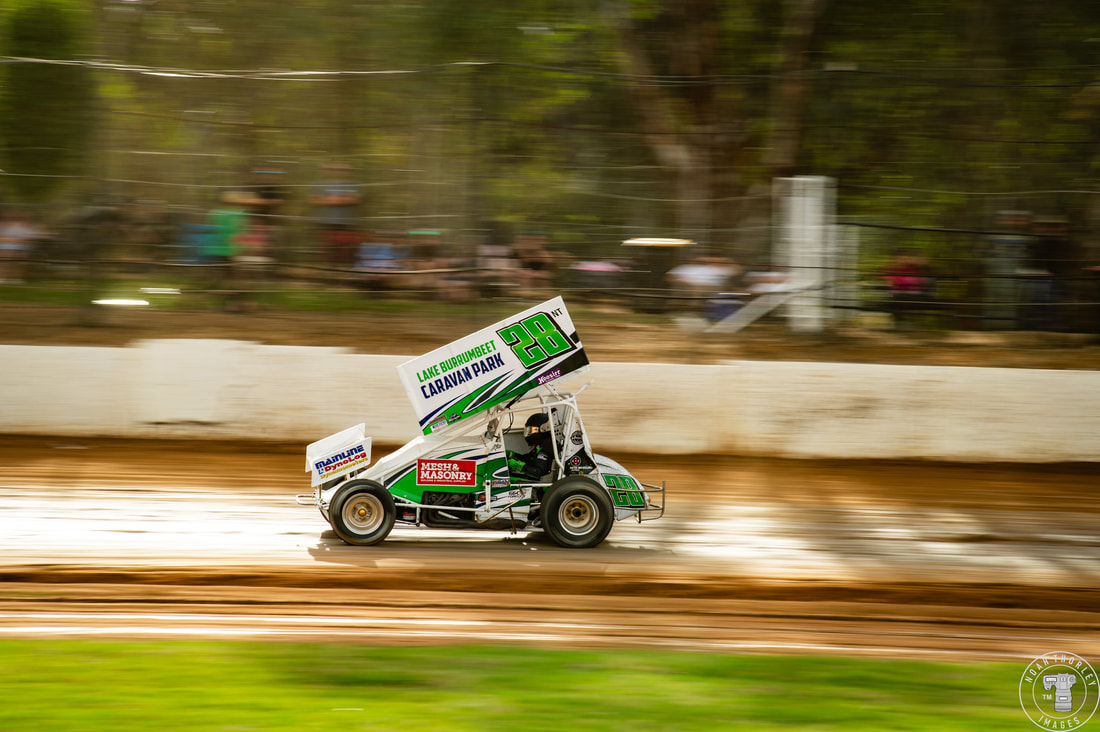 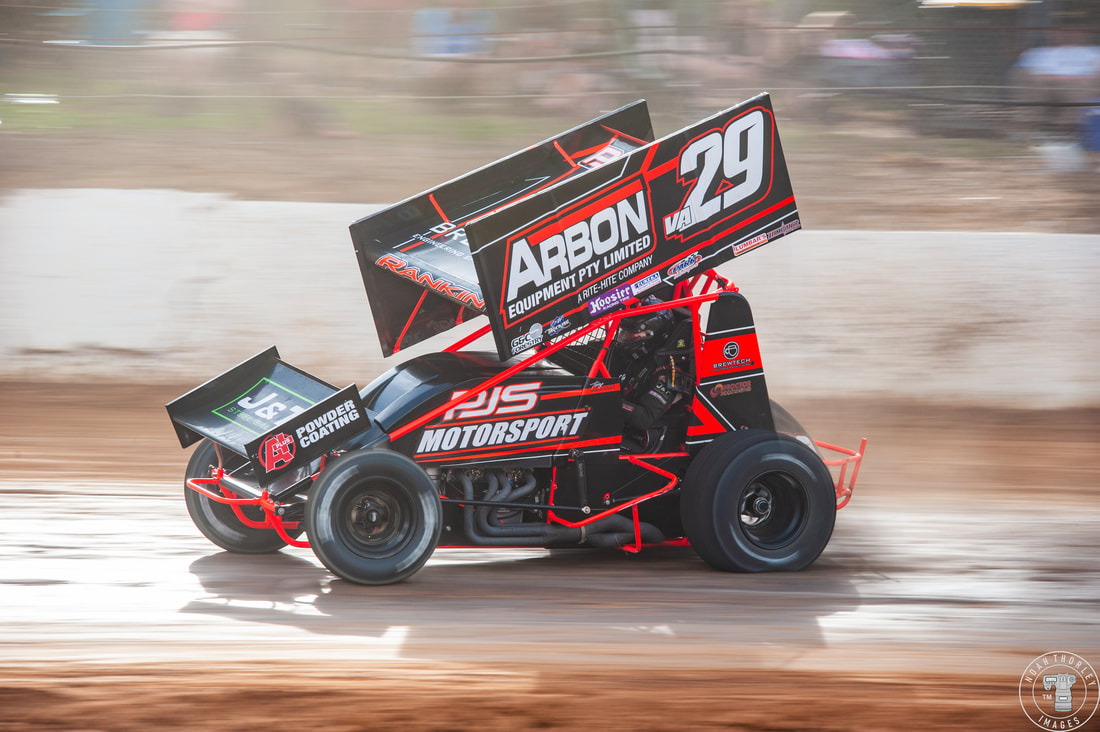 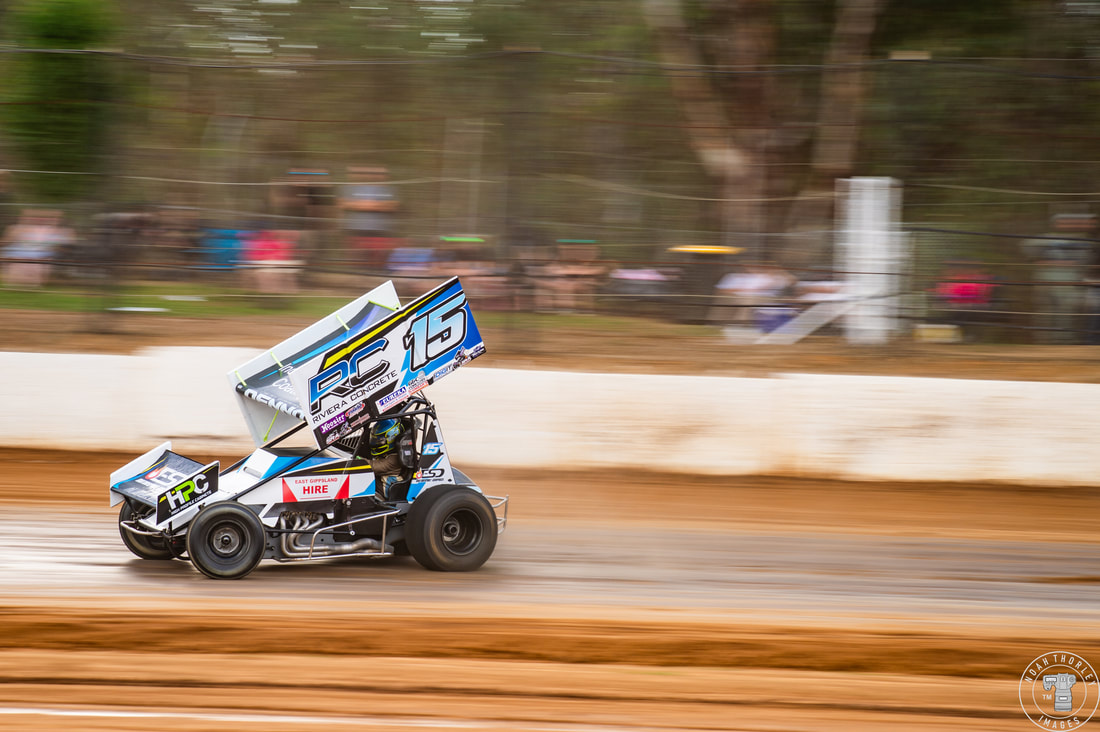 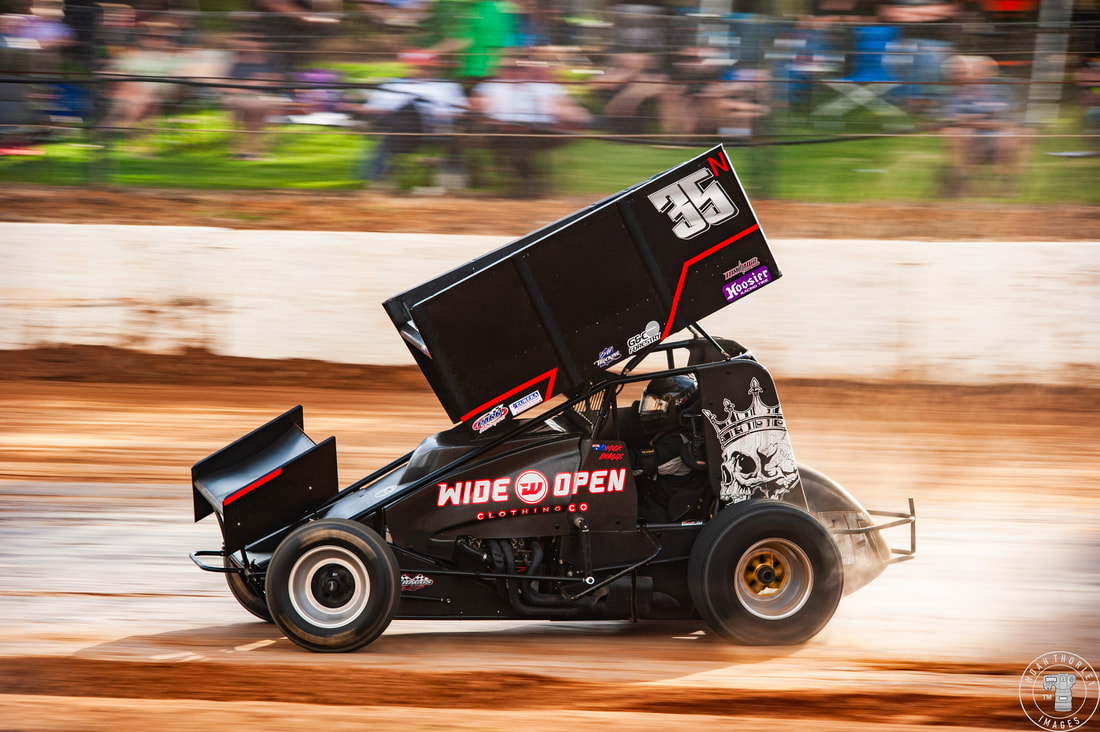 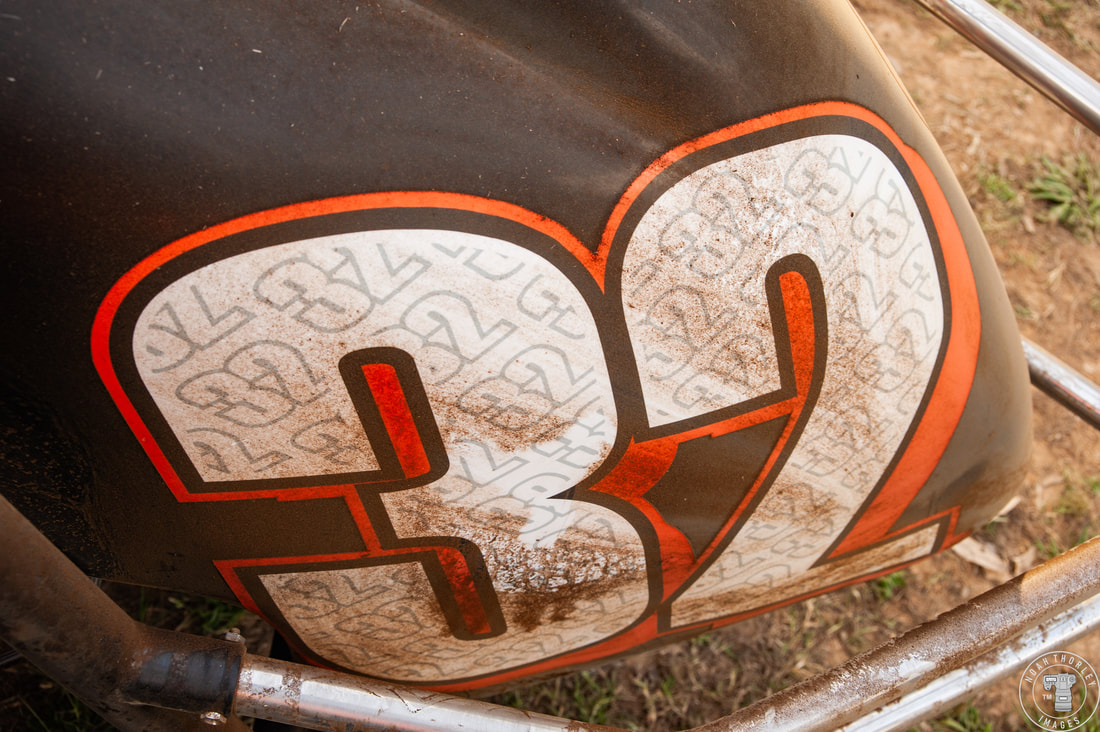
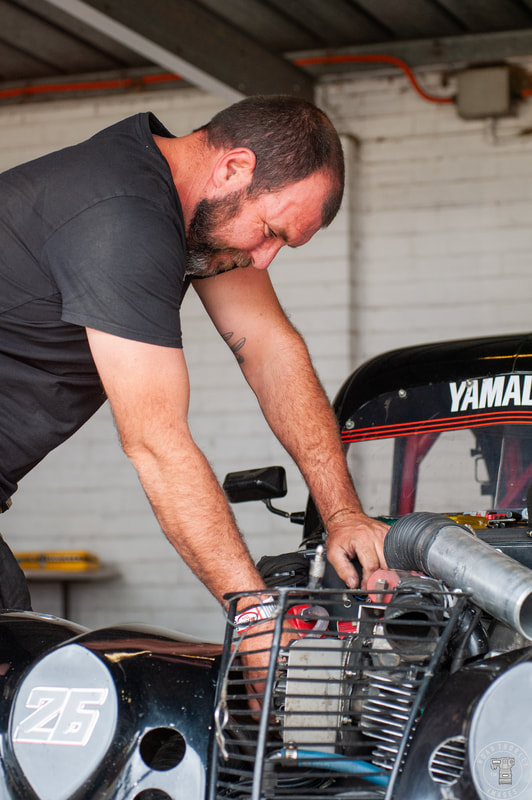
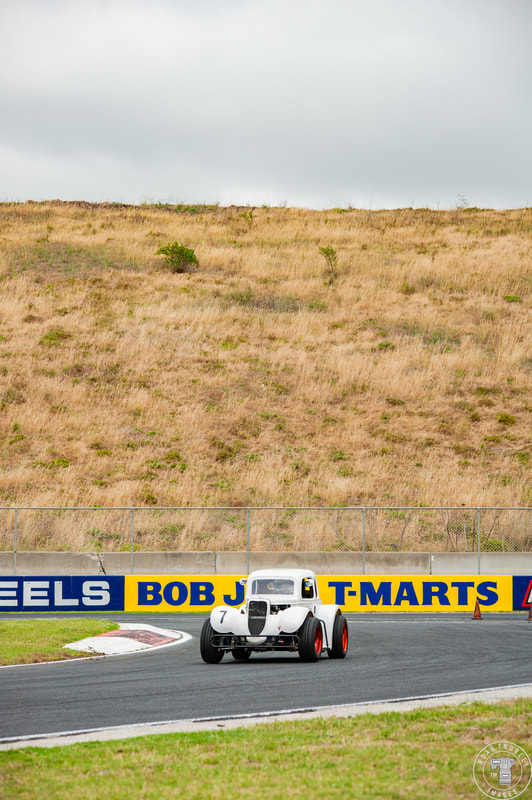
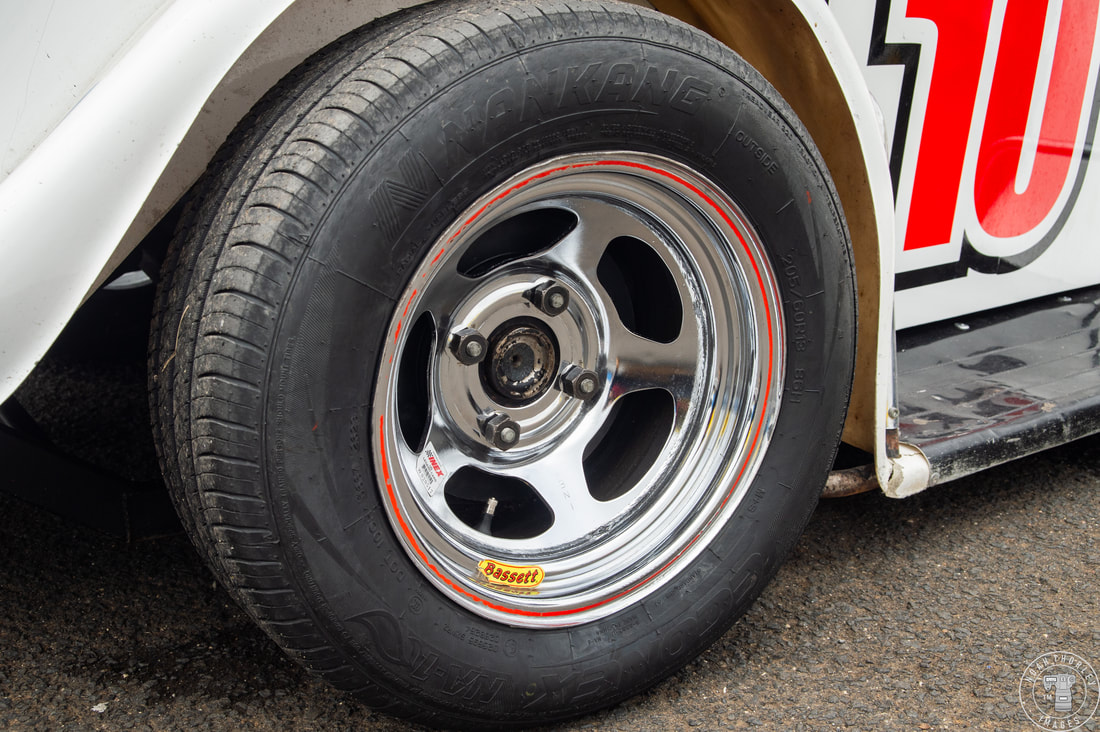
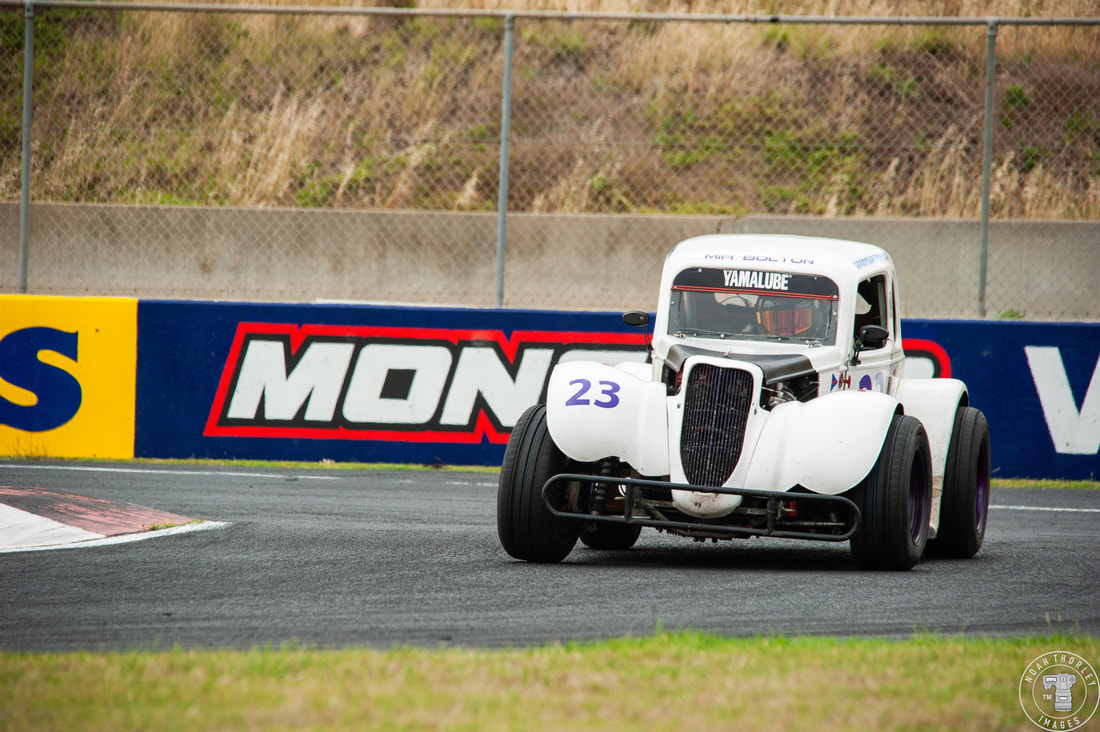
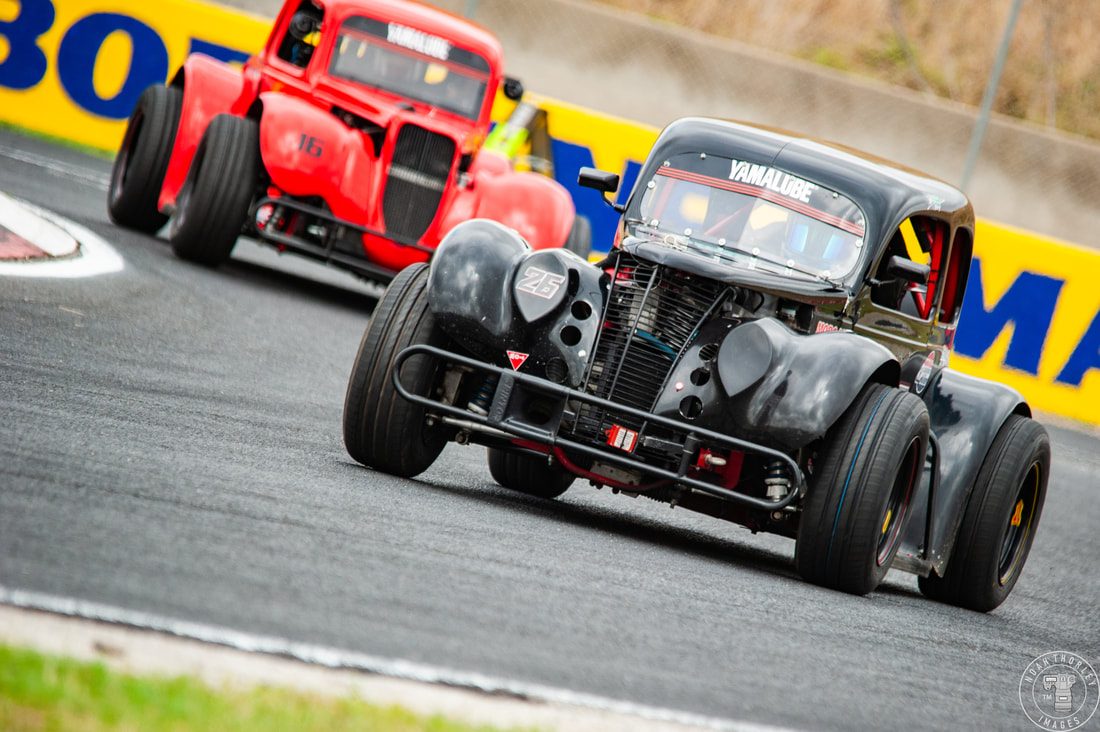
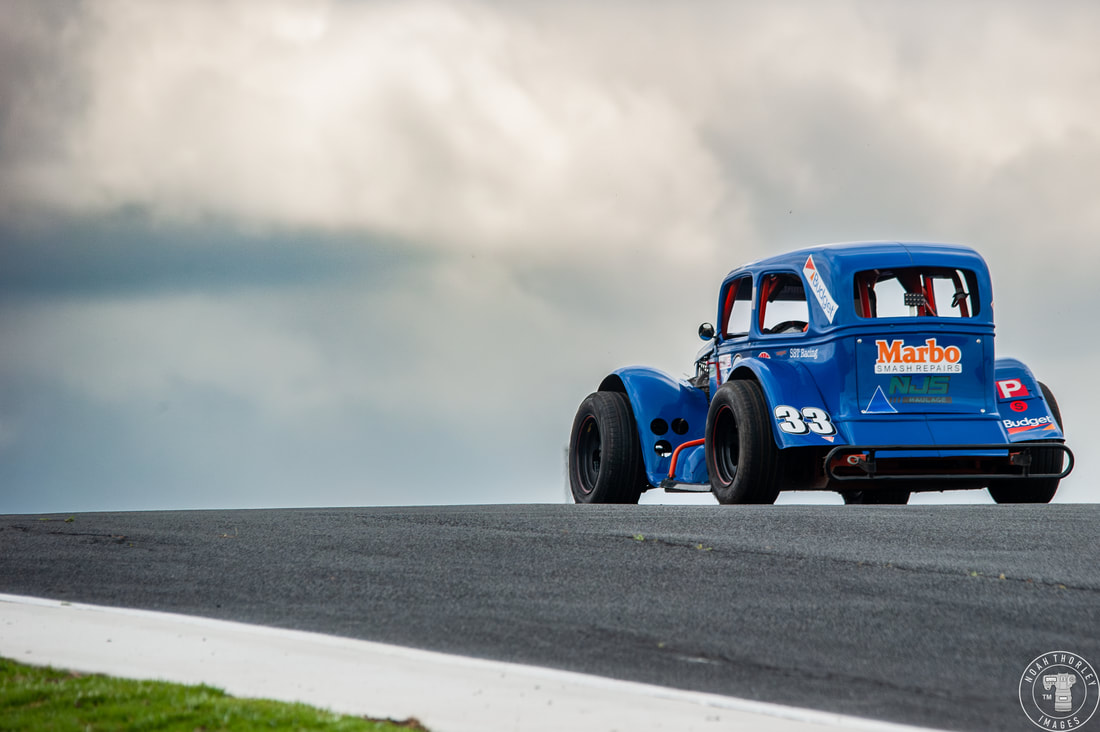
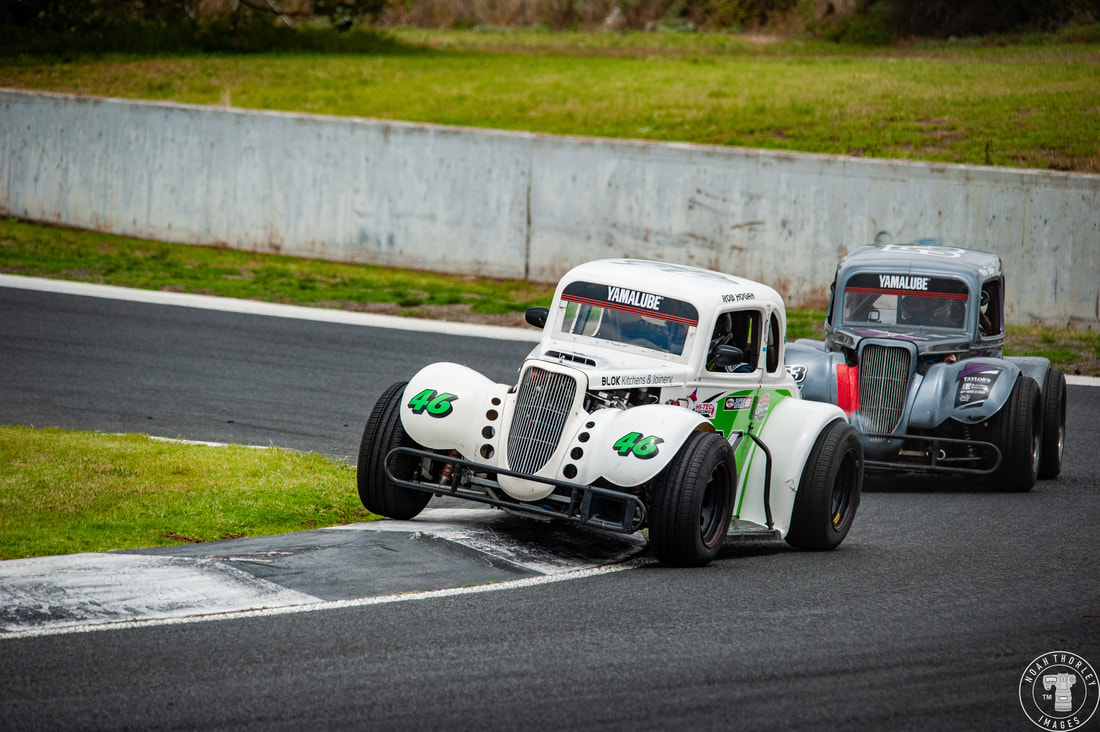
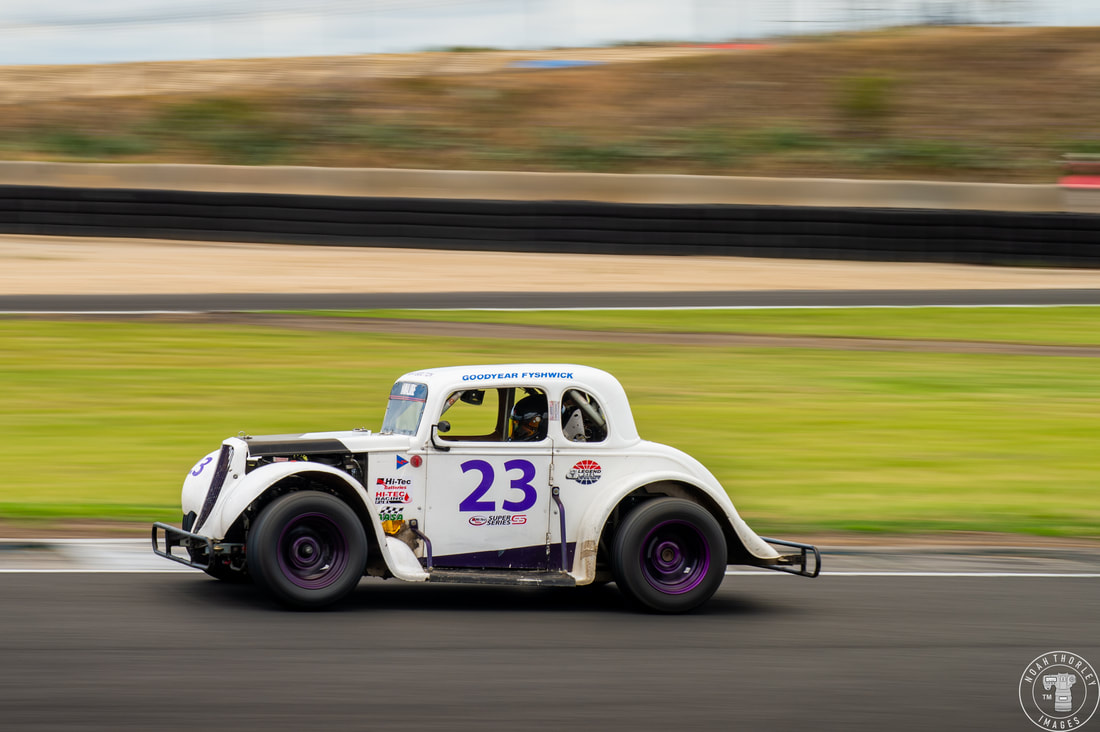
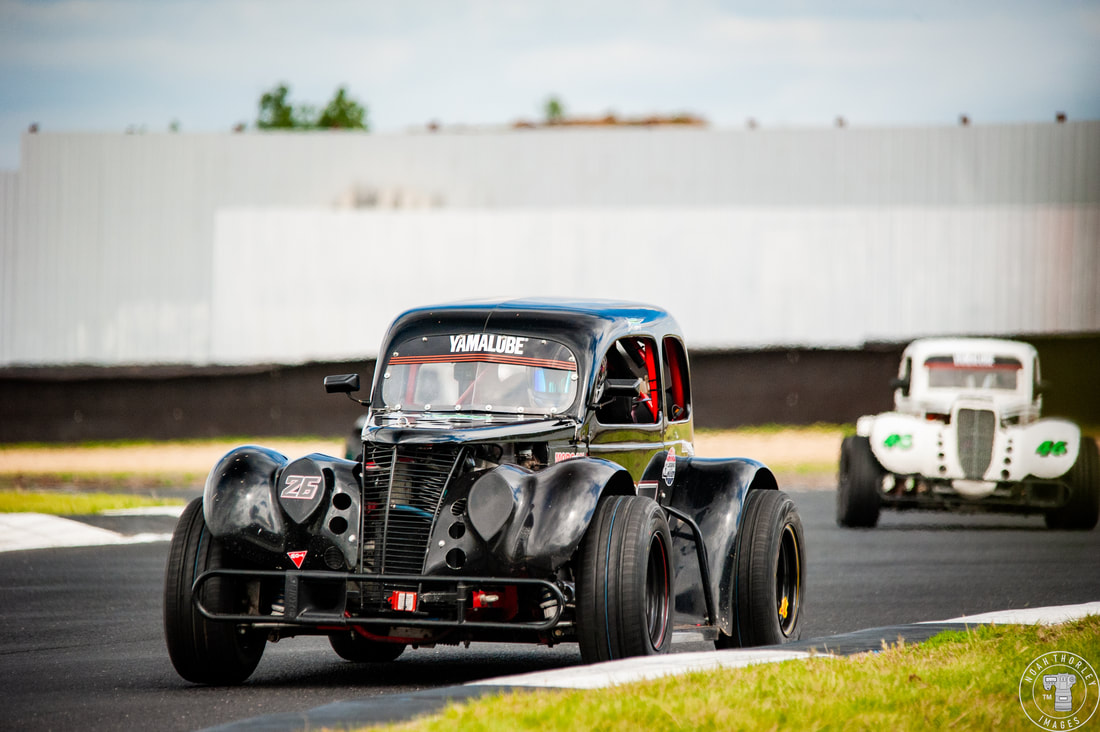
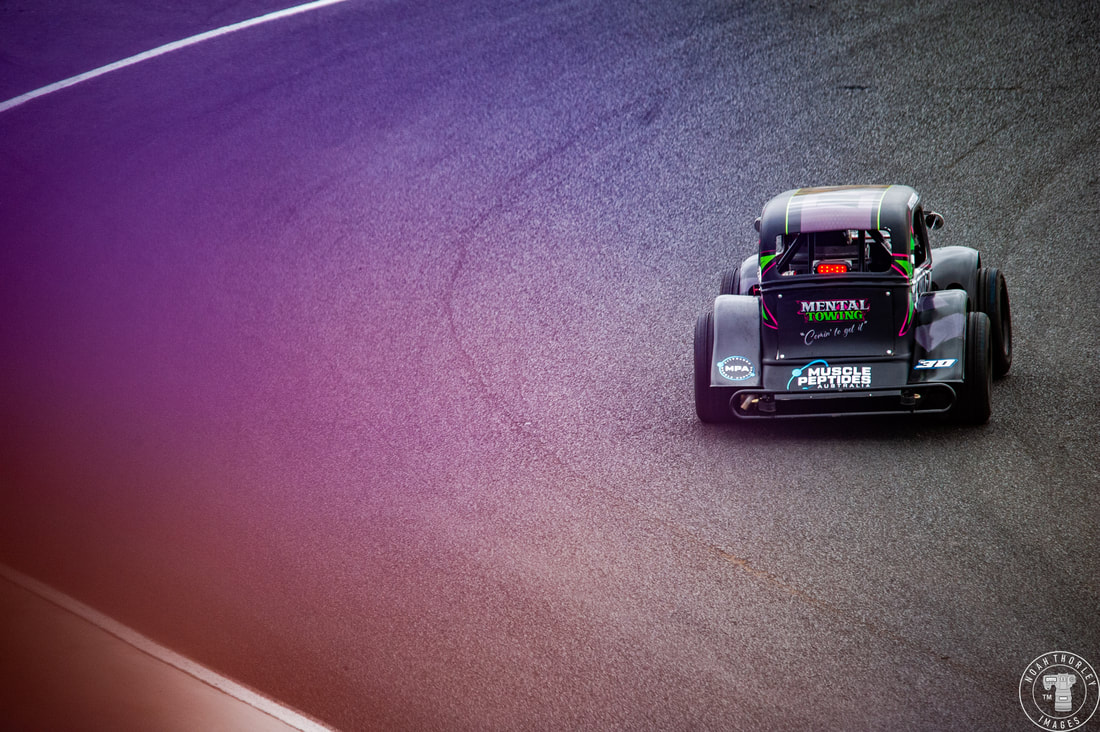
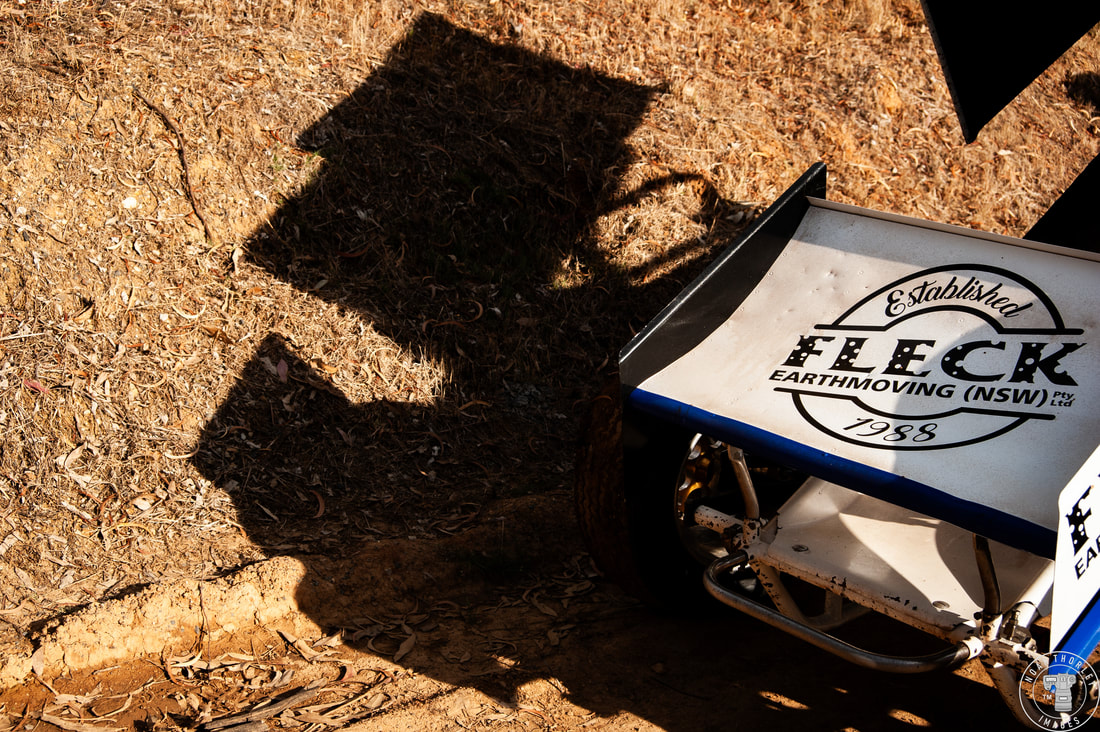 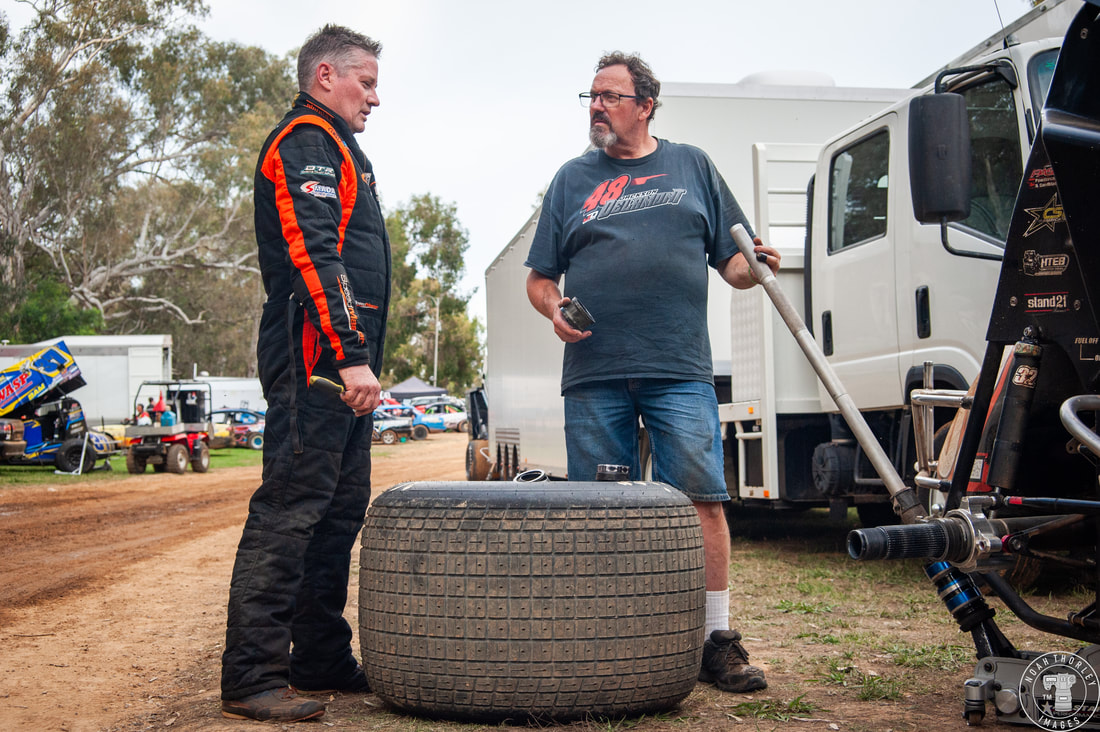 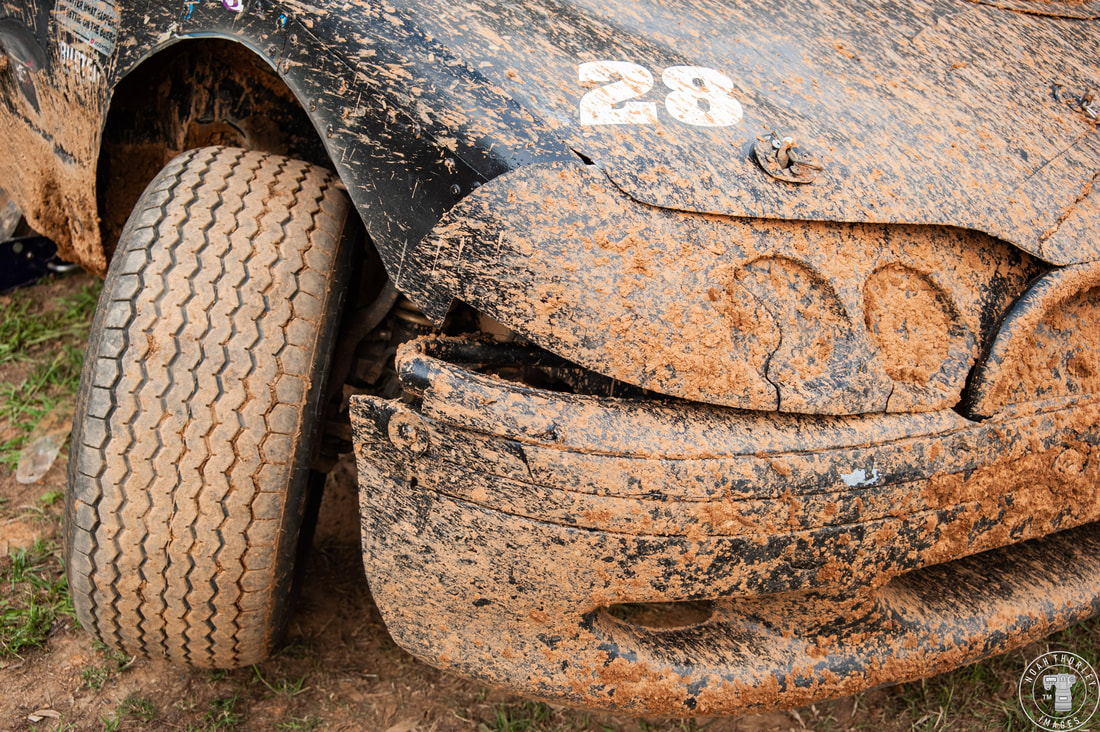 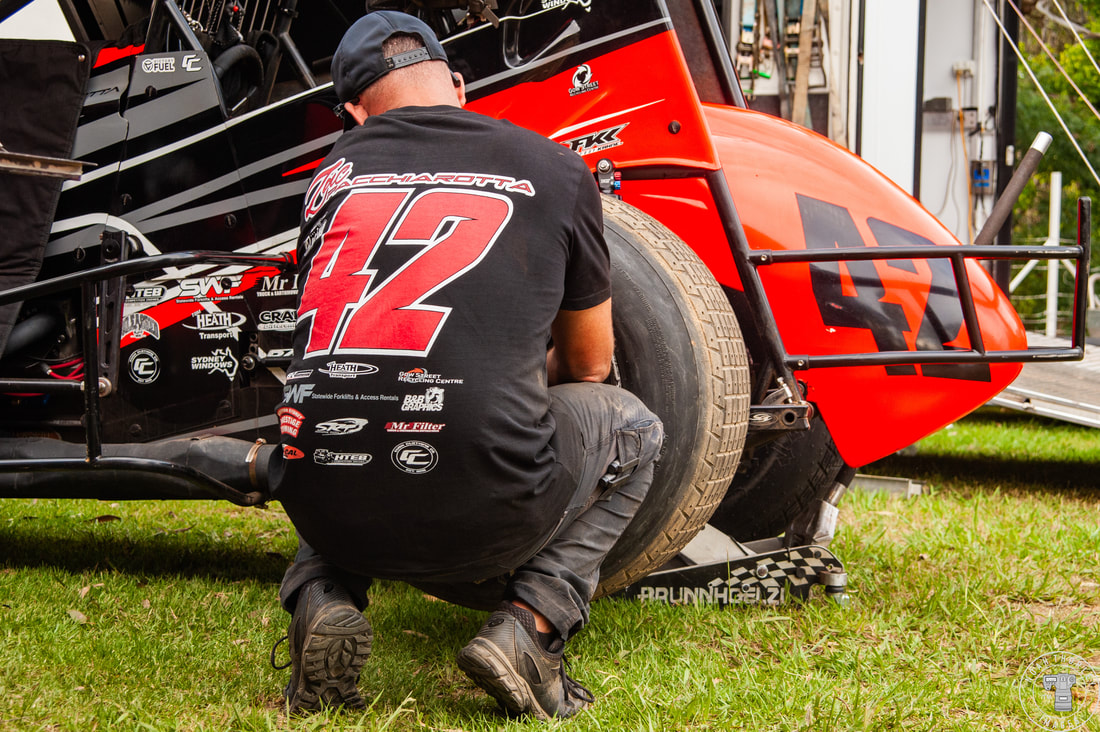 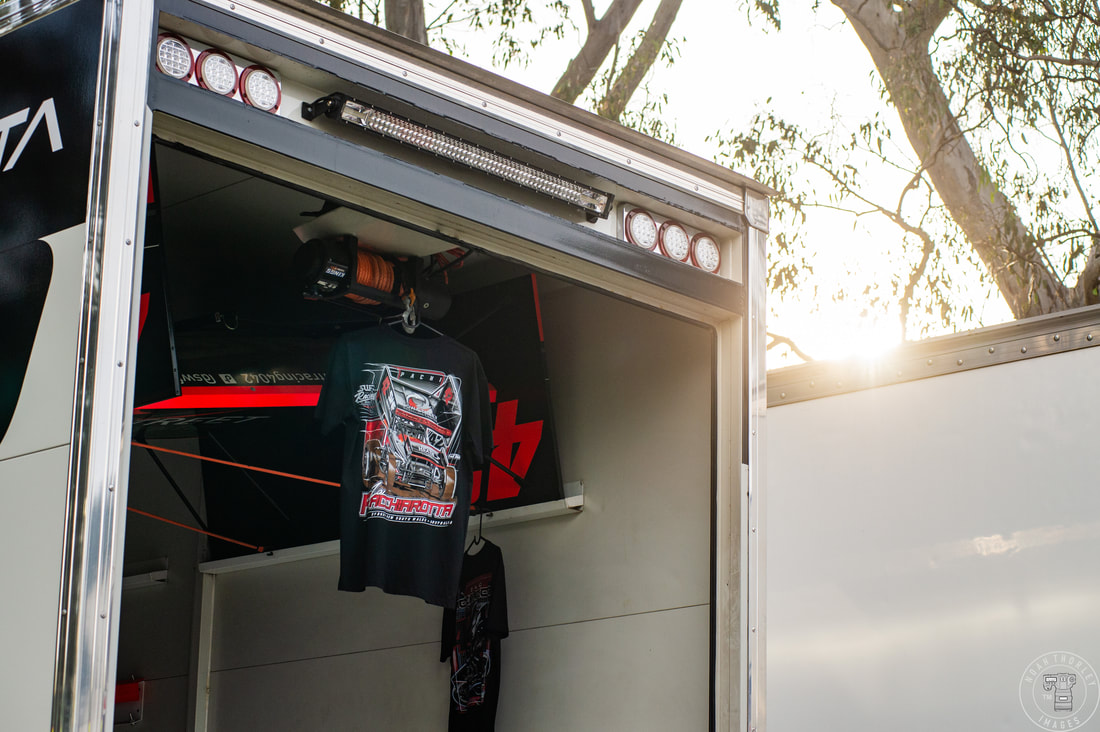        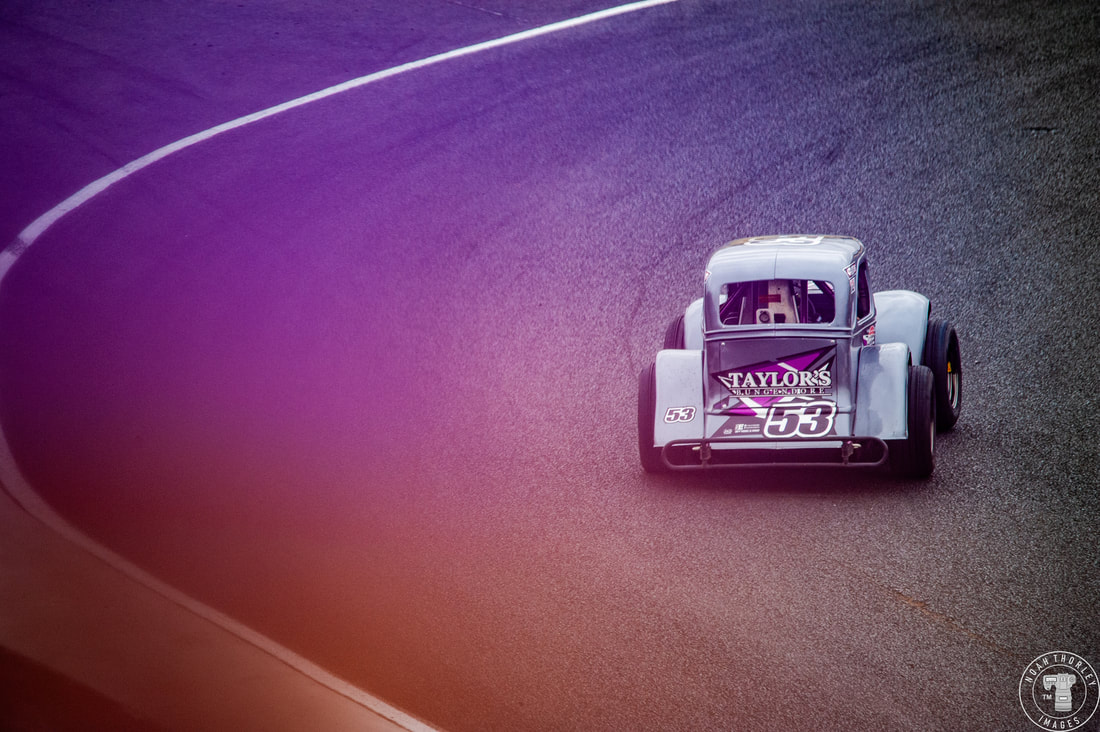 The more motorsport categories I shoot, the more budget friendly ways to go racing I find. Yes, motorsport is expensive, it always has and always will be, but there are certainly some cheaper options to get on track. 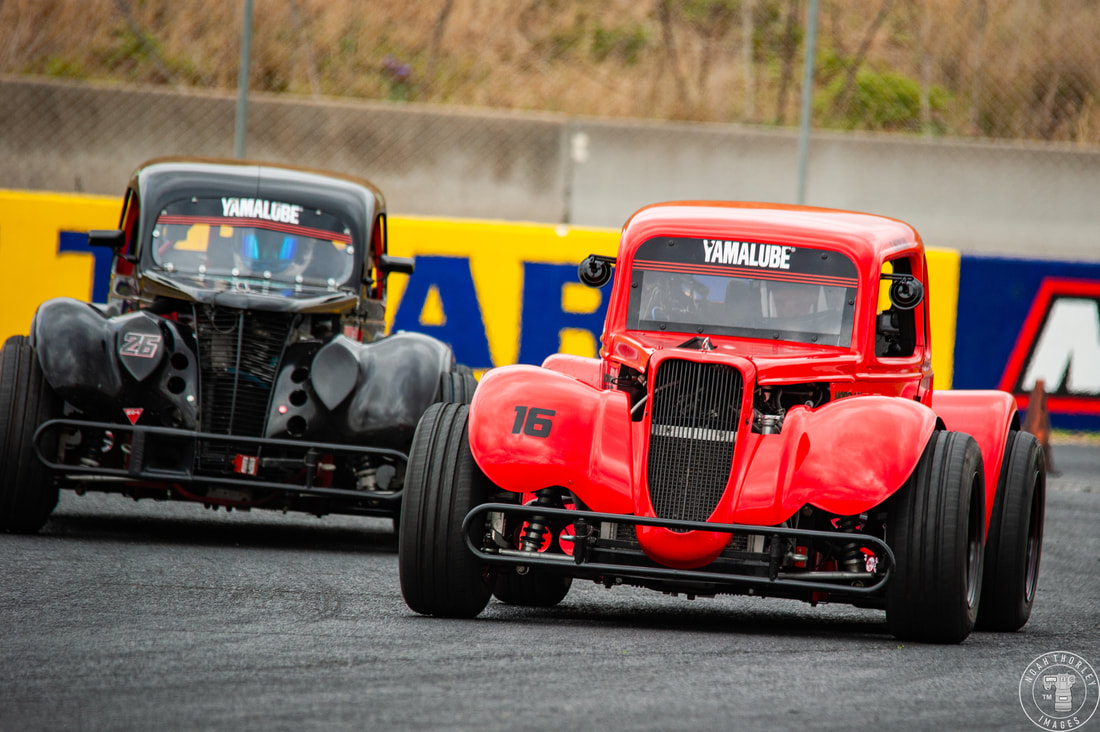 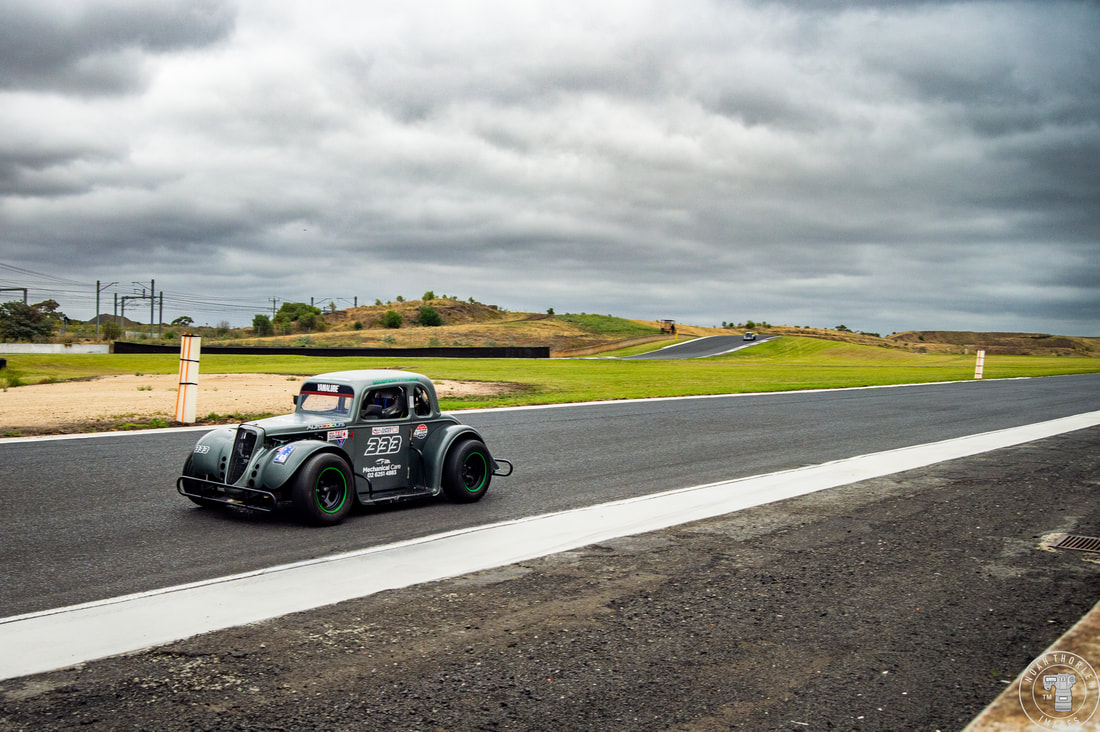 Hillclimb, khanacross/autocross and local track days are most definitely the cheapest route into gaining experience on a racetrack. But if you want to take the next step and jump into a competitive spec series, then there are now quite a few options depending on what discipline you prefer. 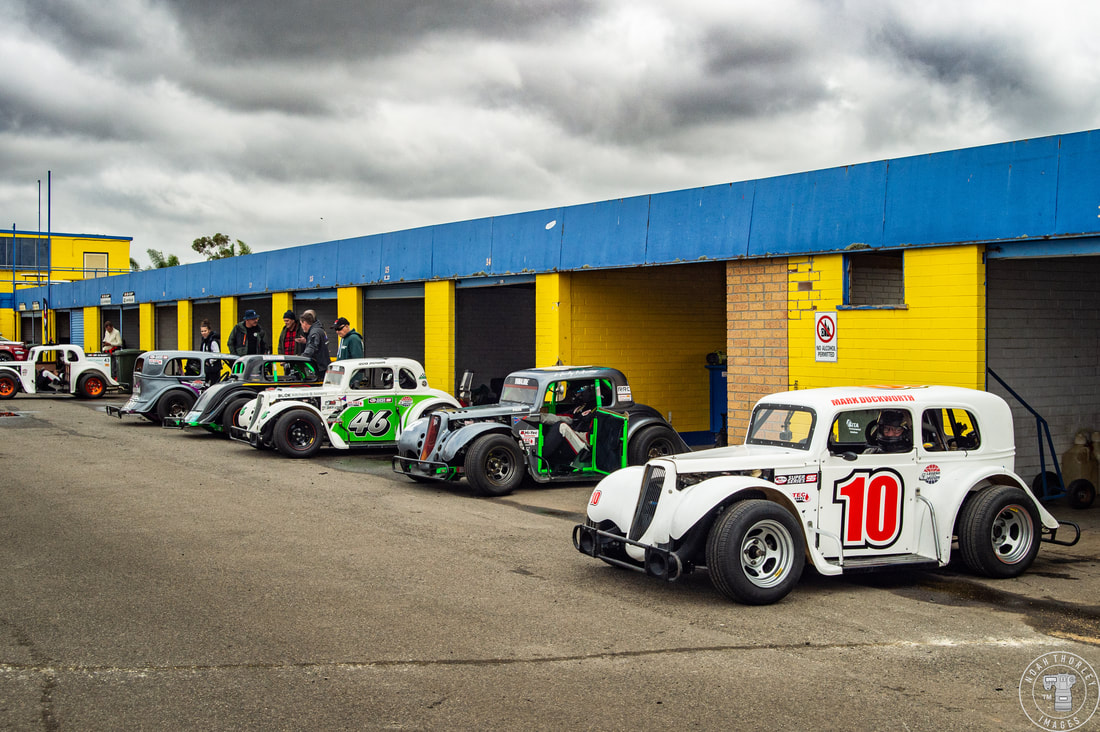 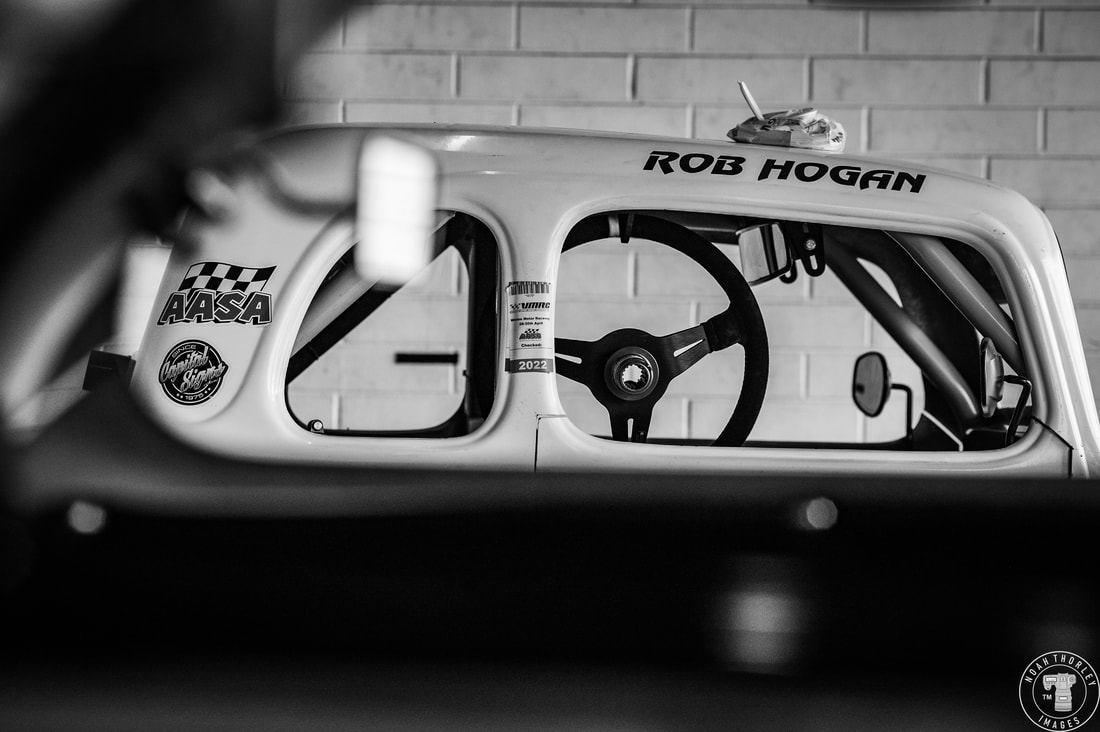 If you want to race on dirt ovals or paved circuits, Legend Cars are one of those options. 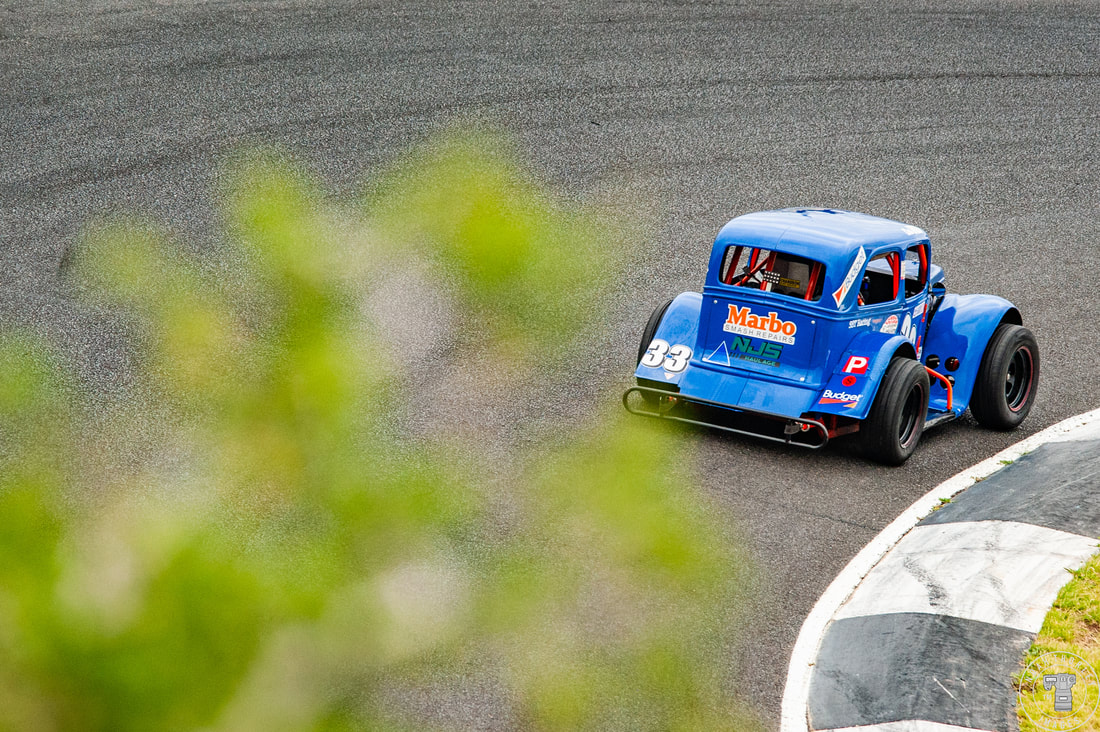 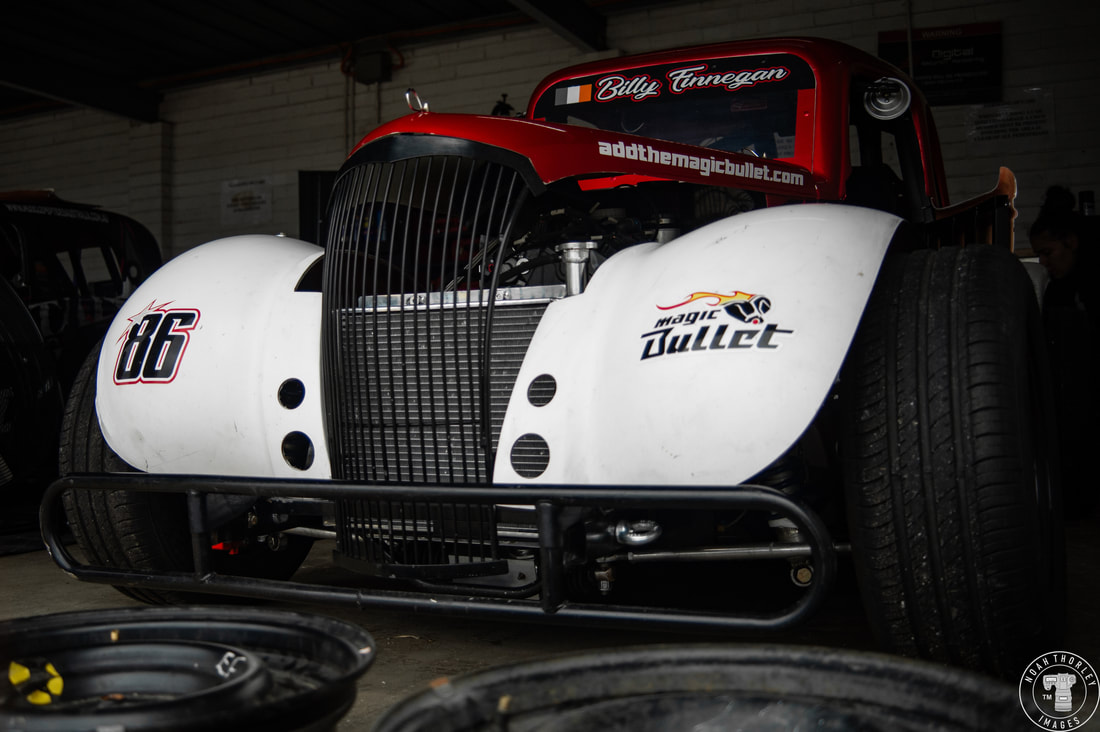 During the final round of this year’s Hi-Tec Super Series held at Calder Park, I got to take a closer look at this racing series, something I’ve been wanting to do for a while. 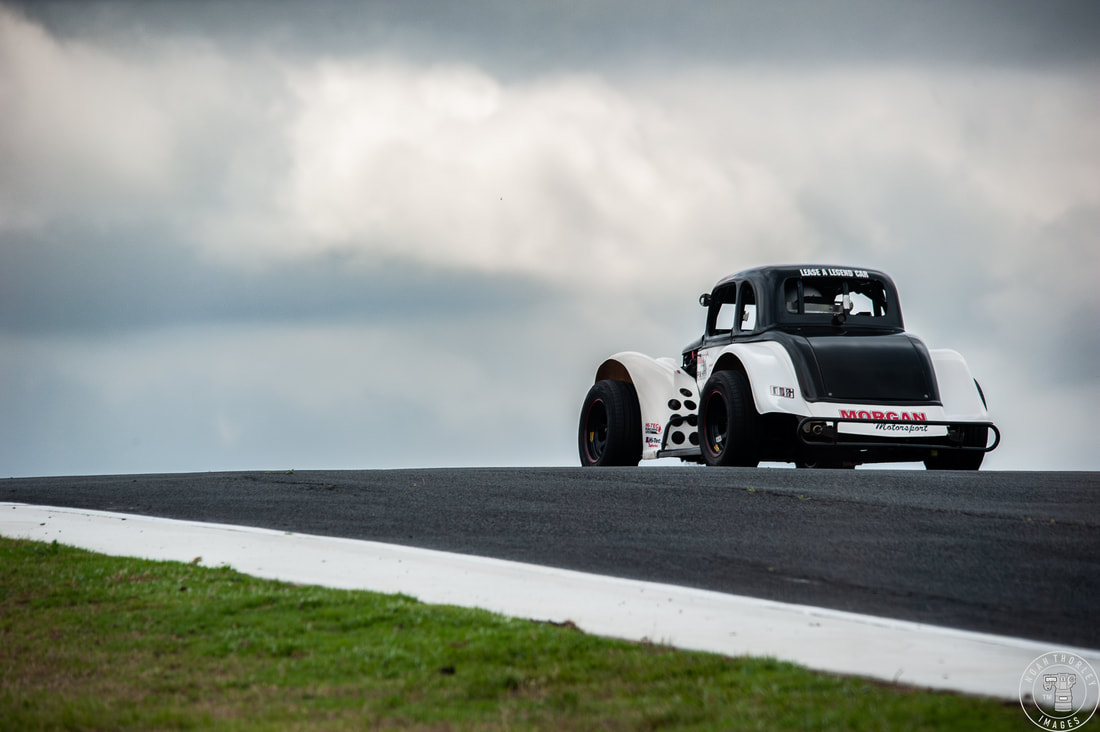 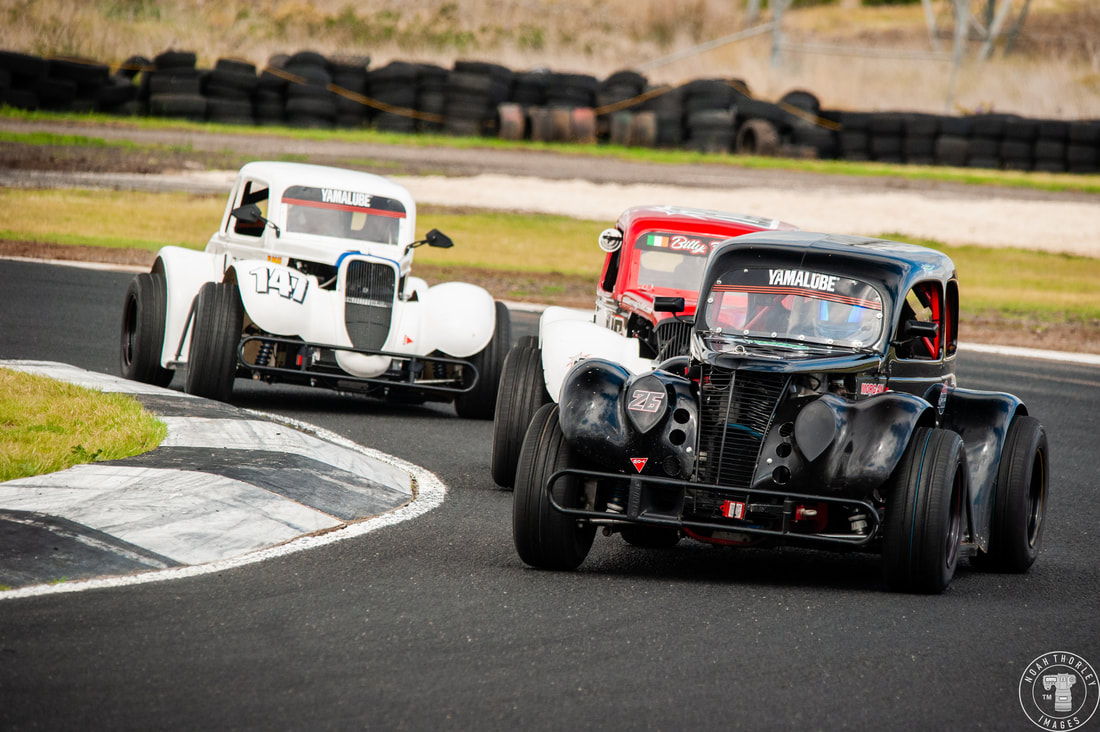 Back in 1992 at Charlotte Motor Speedway, Bruton Smith and track president at the time, Humpy Wheeler, noticed a market for a low-cost form of racing car, that was cheap to maintain and easy to work on. These 5/8th size 1930's-esque Chevrolets and Fords are what they came up with. 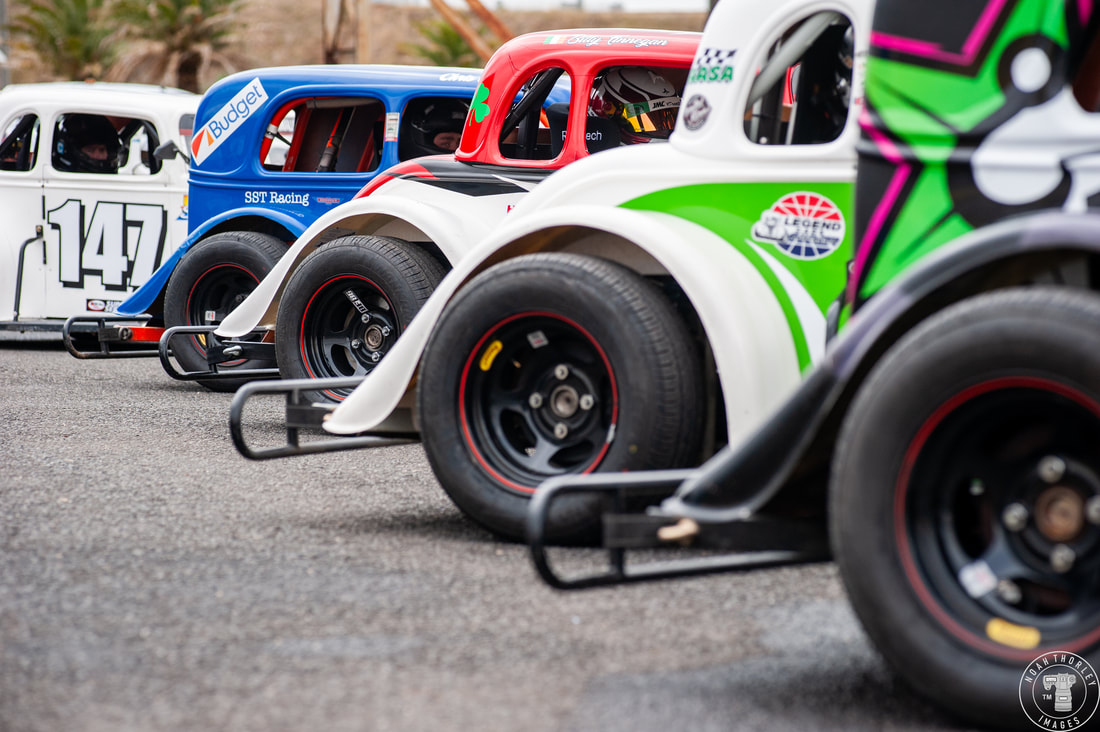 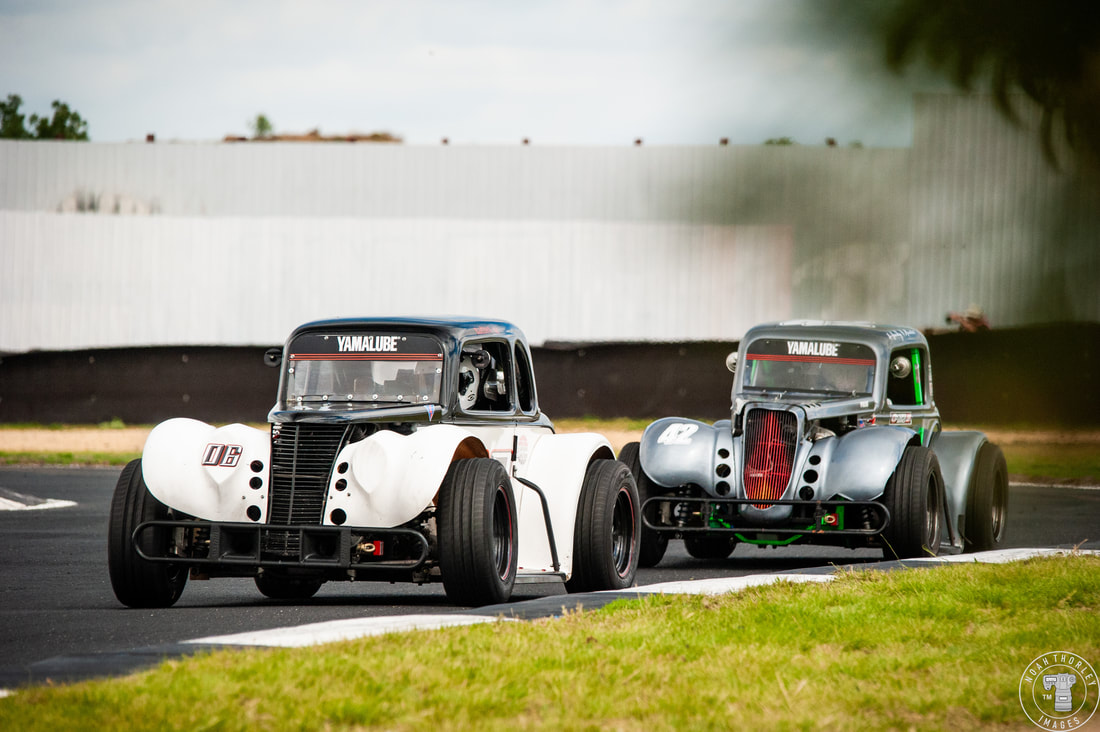 Designed originally so it could fit in the back of a Ford F-150 and be taken to the track, whilst being the same price of a bass boat (which is what most people were spending their money on at the time), these Legend Cars have spread way outside from the USA. 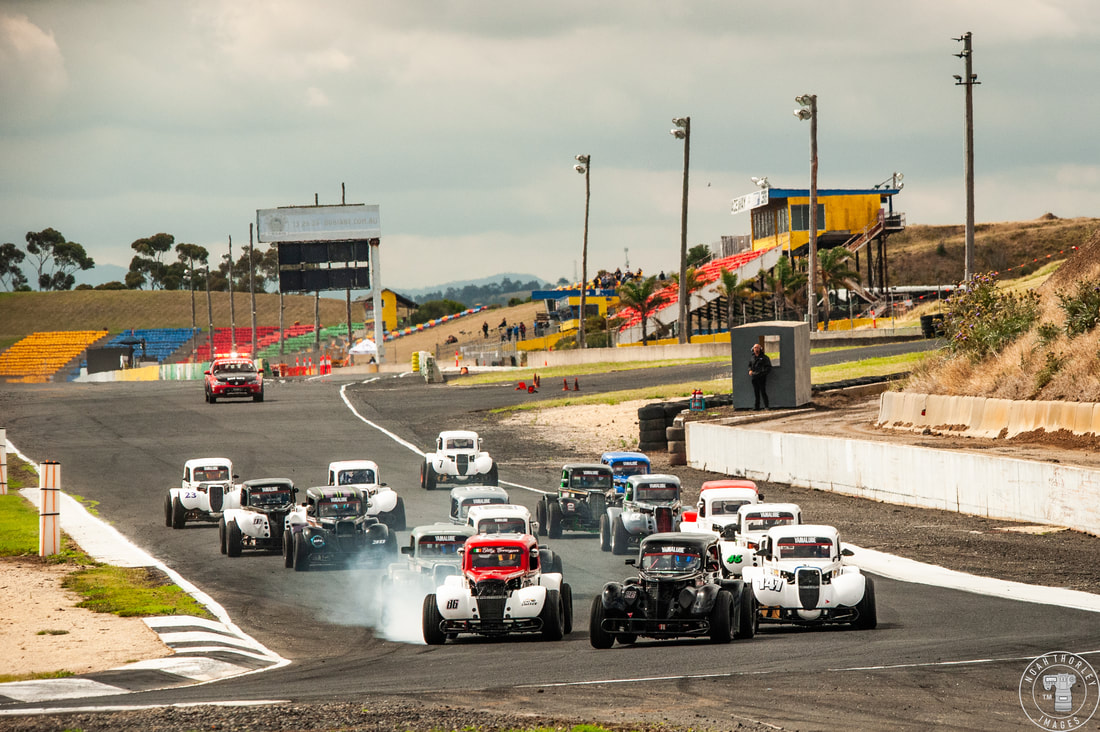 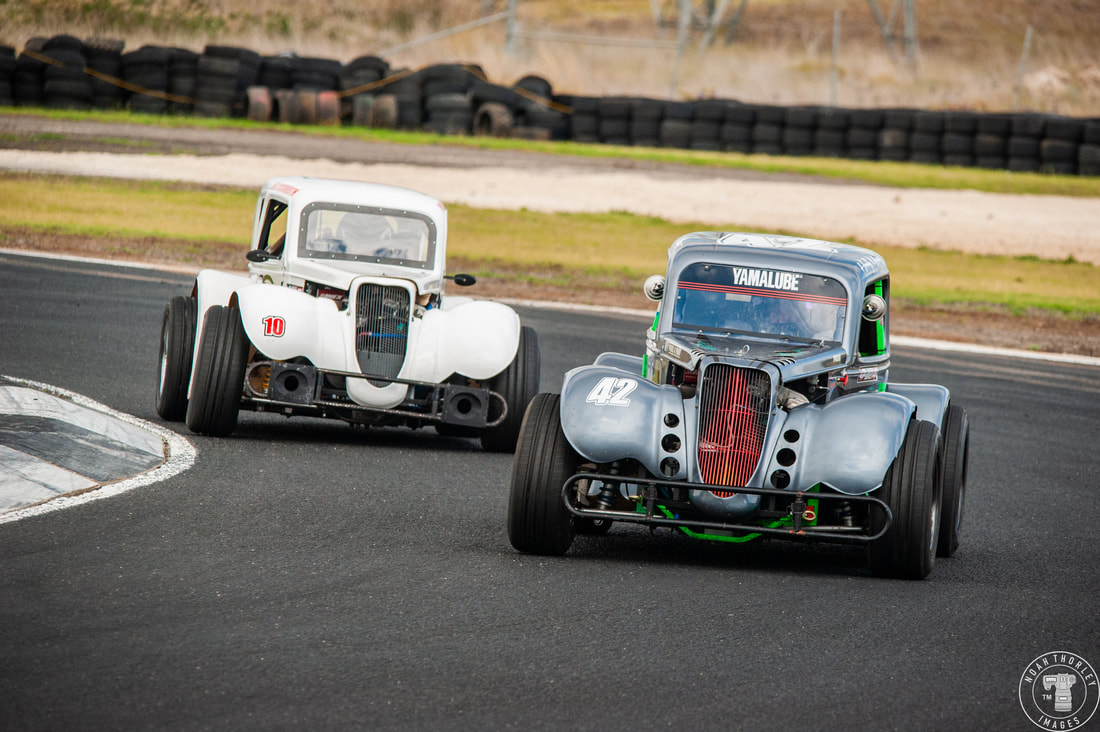 To Mexico, across to the UK and Northern Europe, to Italy, France, and over here in Australia, these Legend Cars are raced on dirt, asphalt and even ice across 30 countries. And every one of them is built in Harrisburg North Carolina by Legend Cars International, who produce the largest amount of racing cars in the world. 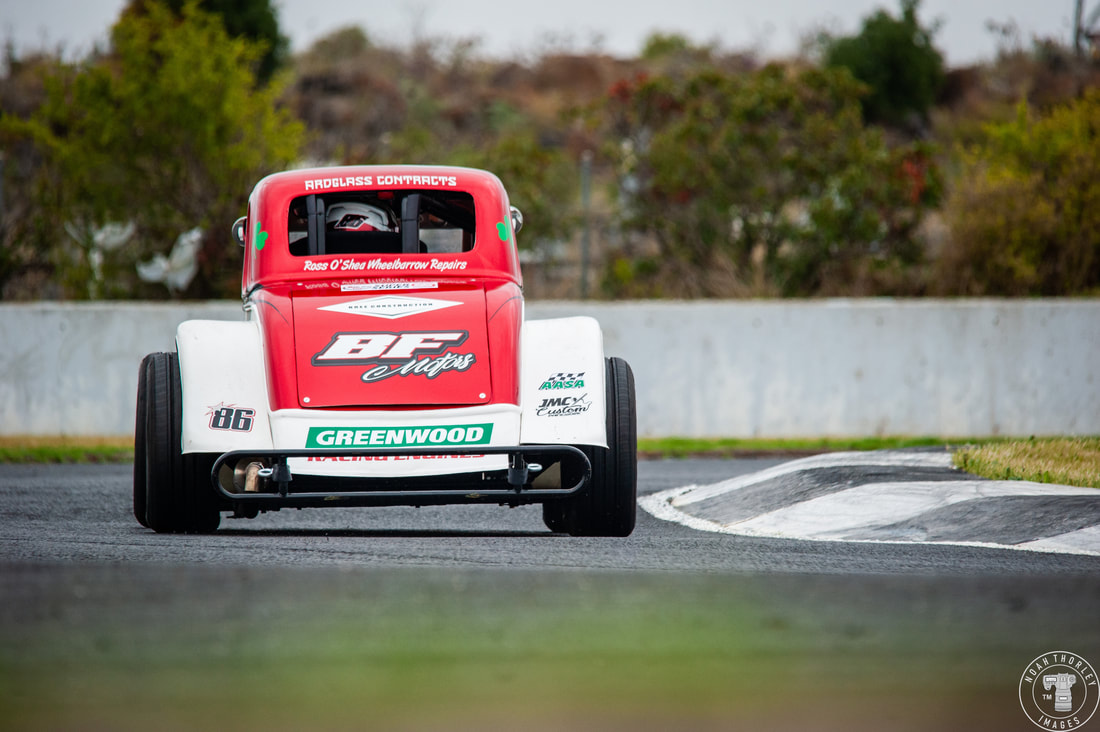 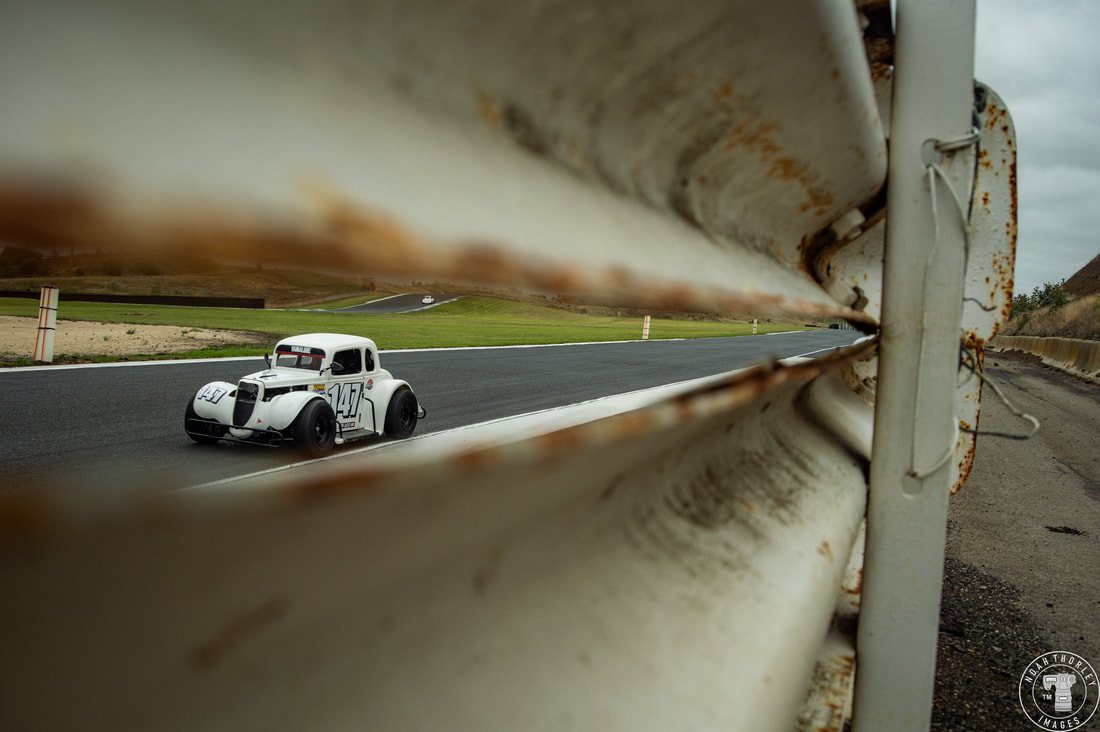 In Australia, these cars are raced across the country on our main circuits, whilst also travelling to dirt speedways in Western Australia, Queensland and NSW. In addition, our infamous Aussie Racing Cars are based off the Legend Car platform. 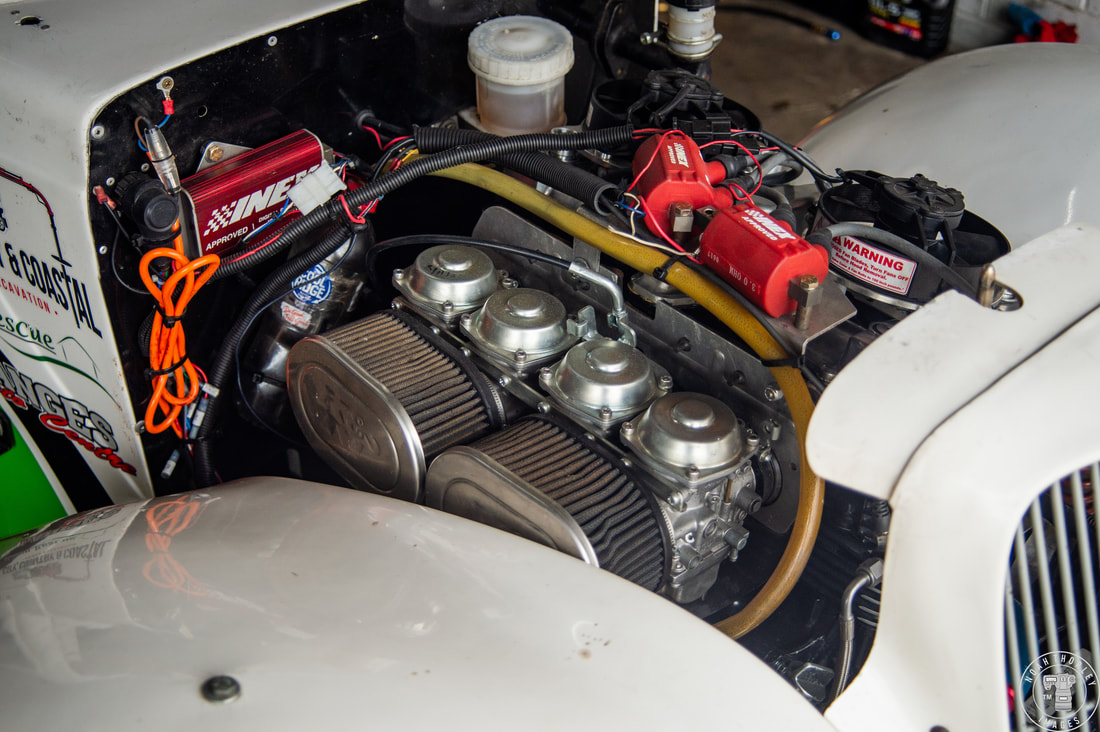 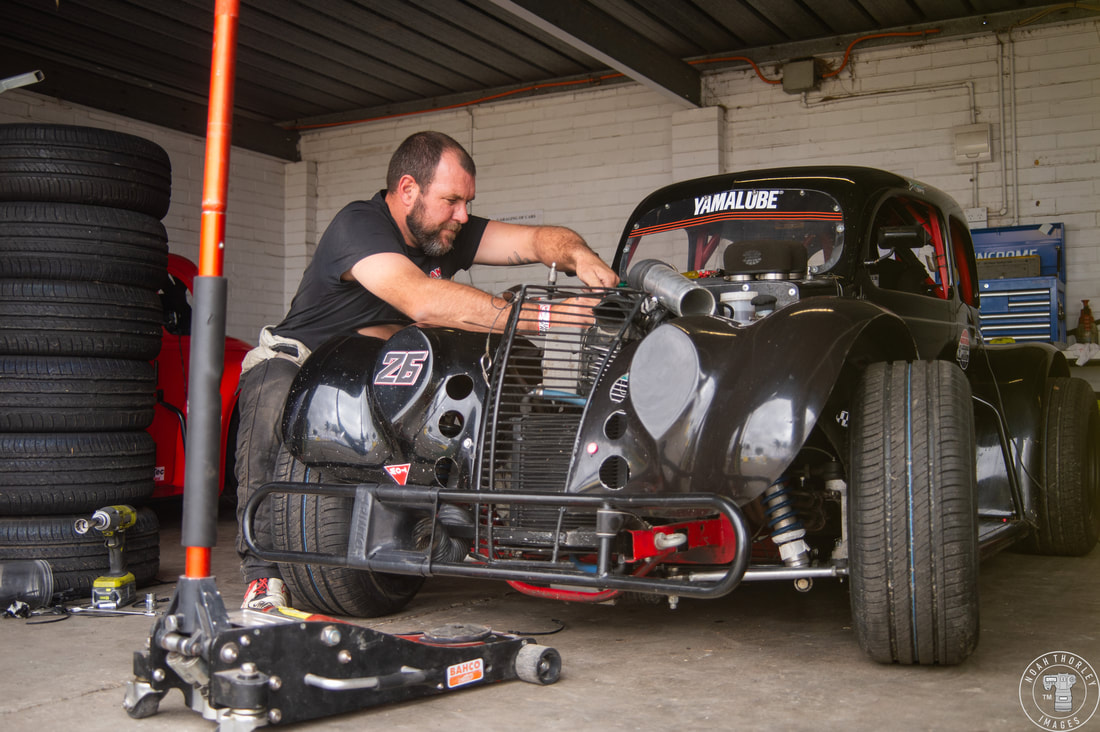 With fuel and driver onboard, they weigh 560kg, and are powered by a three-cylinder Yamaha engine, with drivers getting the choice of the air cooled XJ1250 and FJ1200 or the water cooled FZ09 powerplant. To keep the racing fair and costs down, the engine is sealed up and only the clutch is allowed to be replaced by an aftermarket piece. 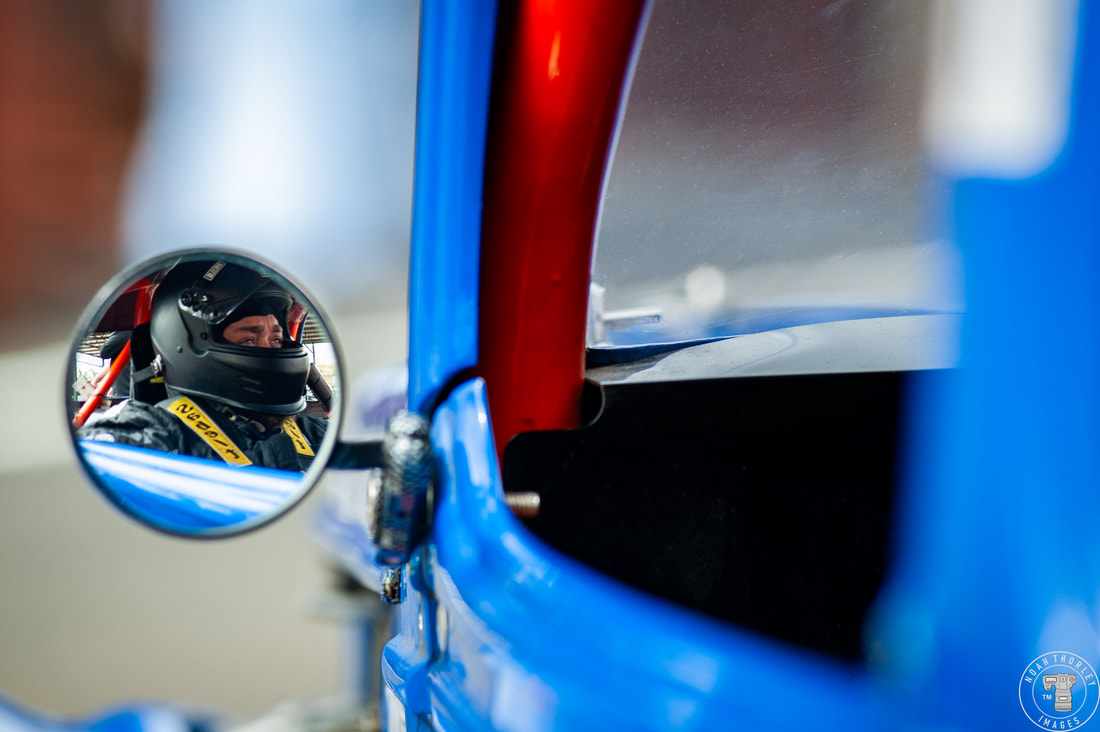 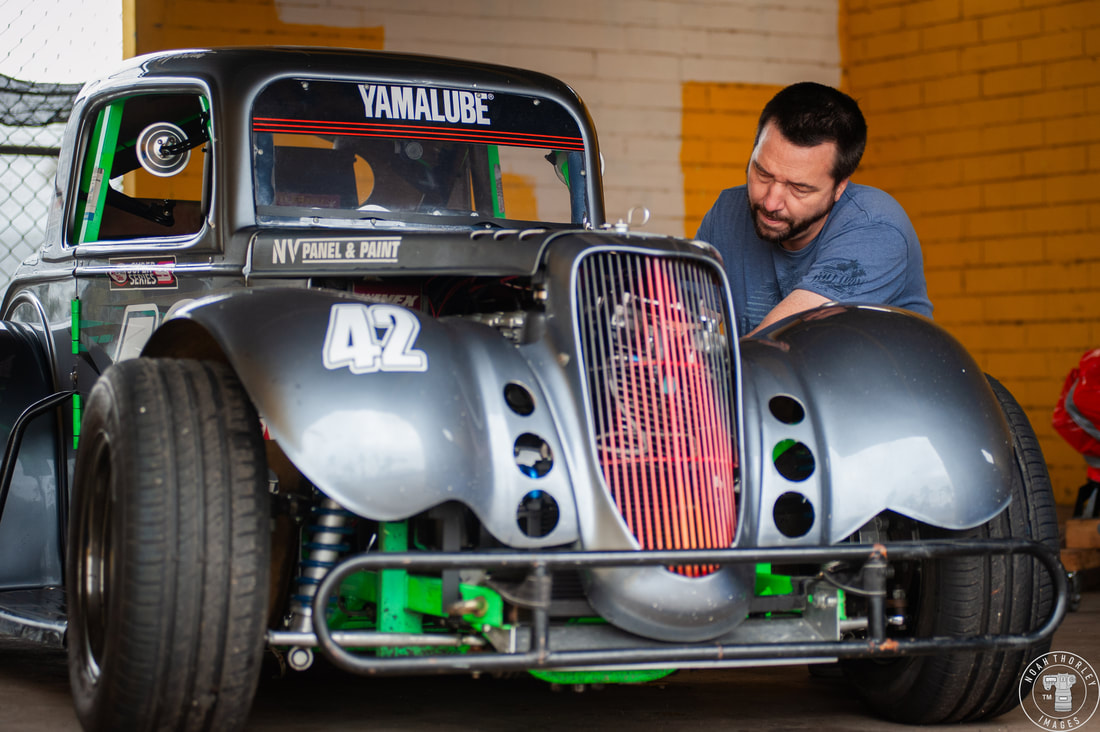 All the teams and drivers can do is adjust suspension, camber, toe, ride height, tyre pressure and the gearing. With all cars being the same (other than the body shape), it's all down to setup and driver skill. 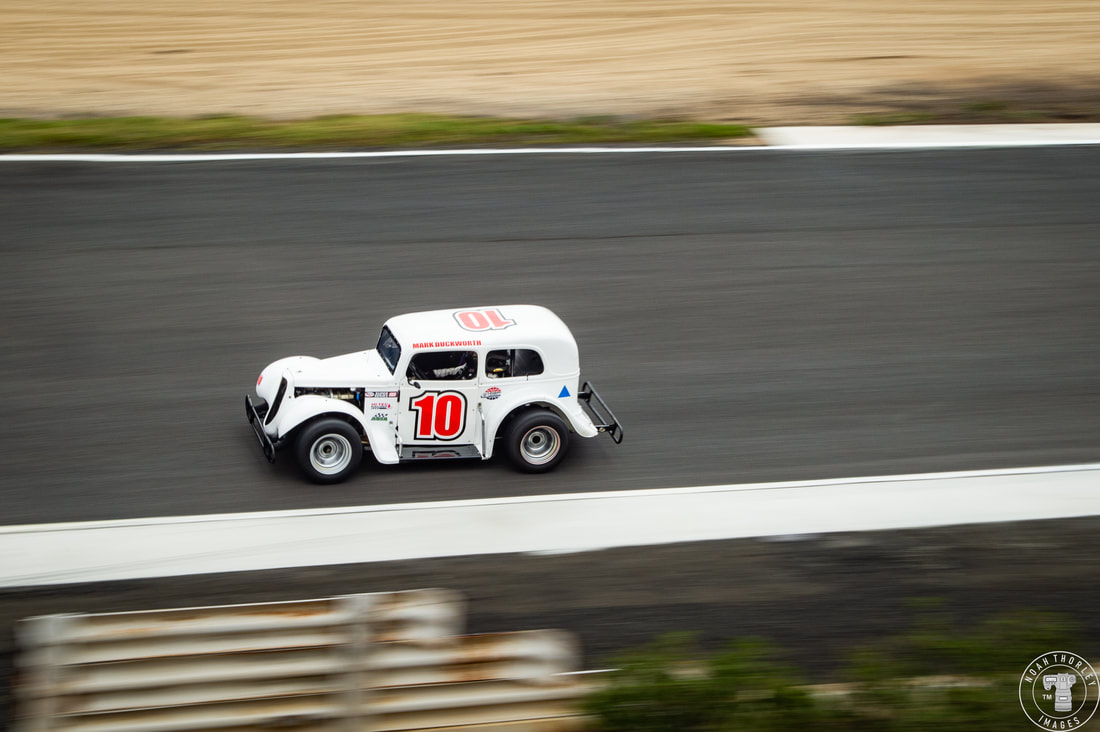 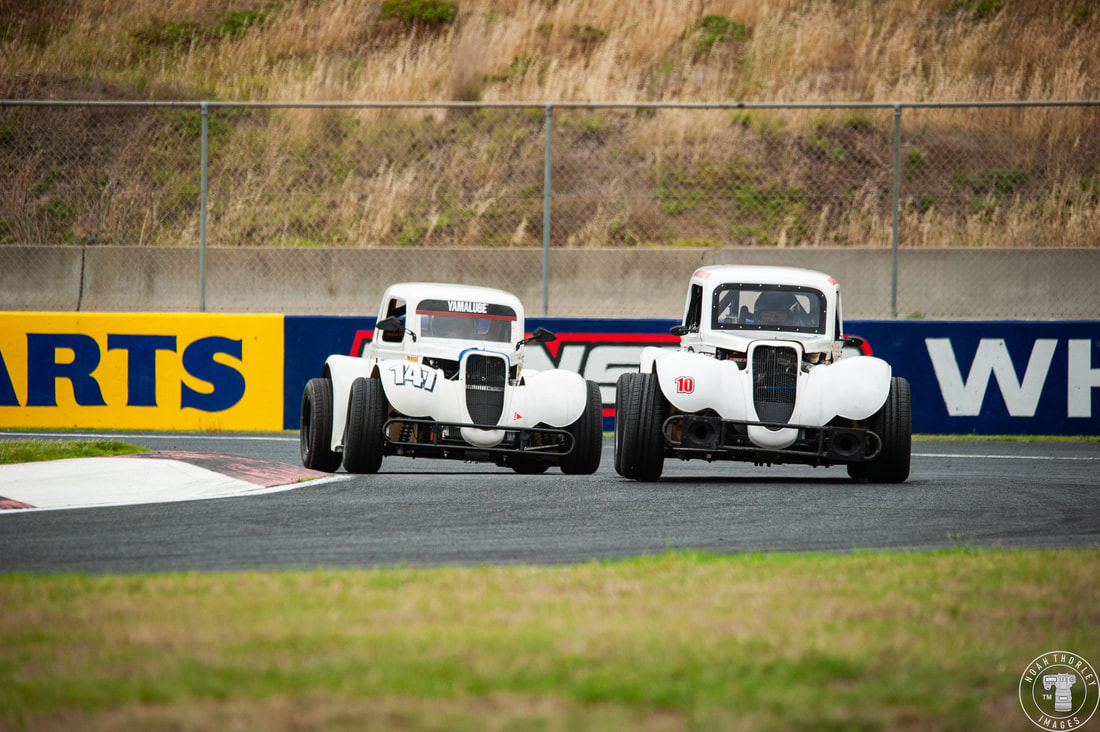 This racing recipe, including a fixed rear axle and a 6-speed sequential gearbox makes for some great competitive racing and some hairy cars to drive, meaning overall a successful product. Bonus Gallery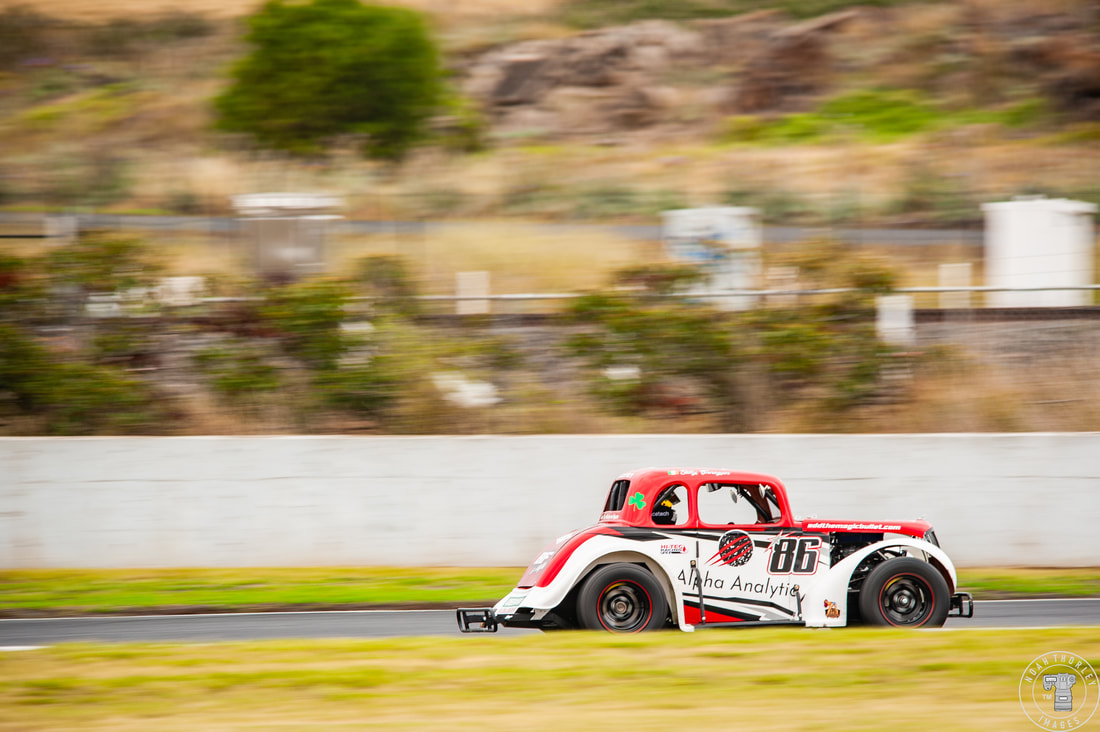 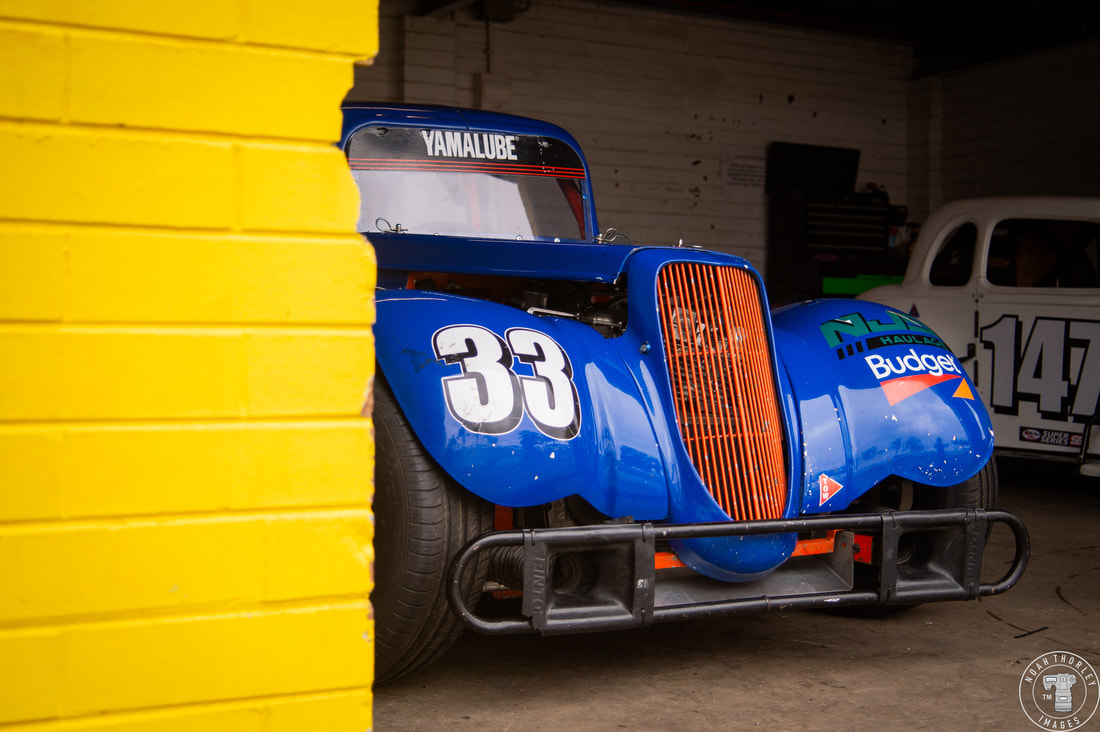 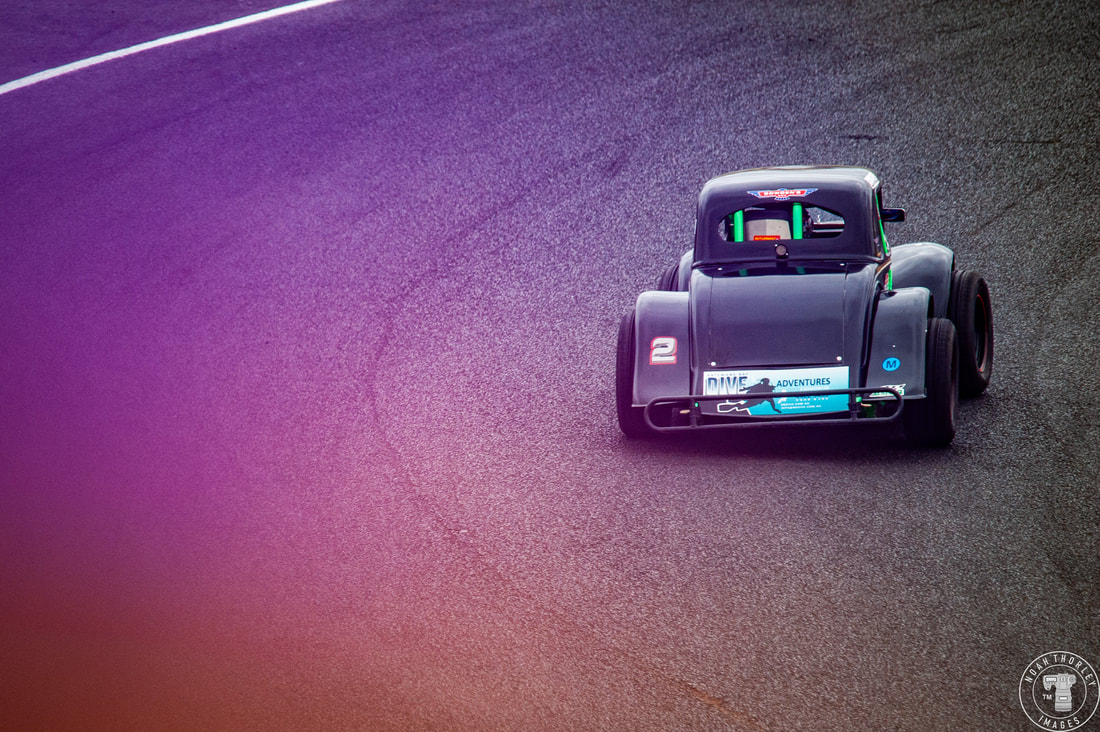 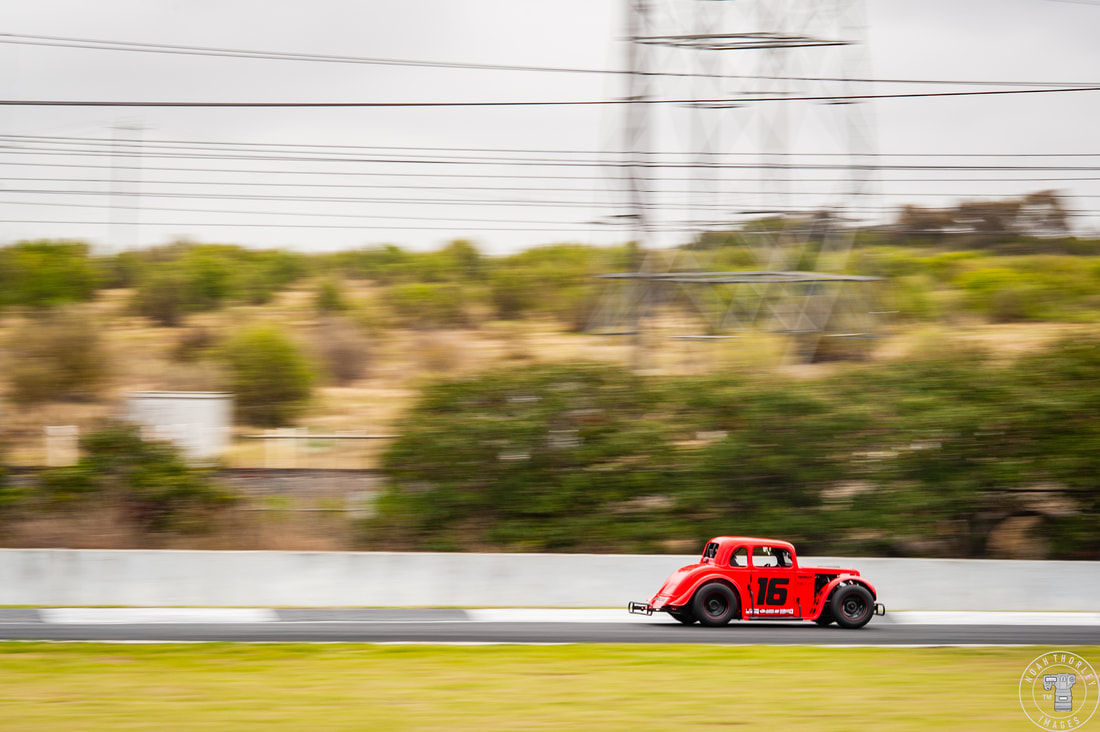 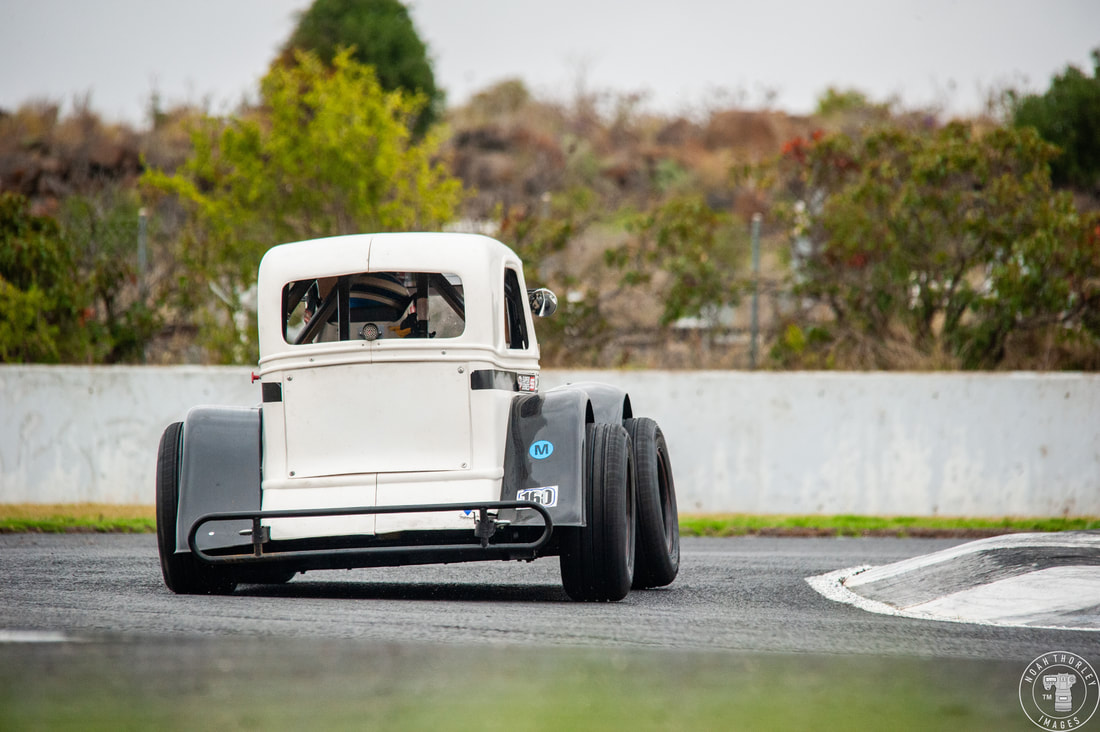 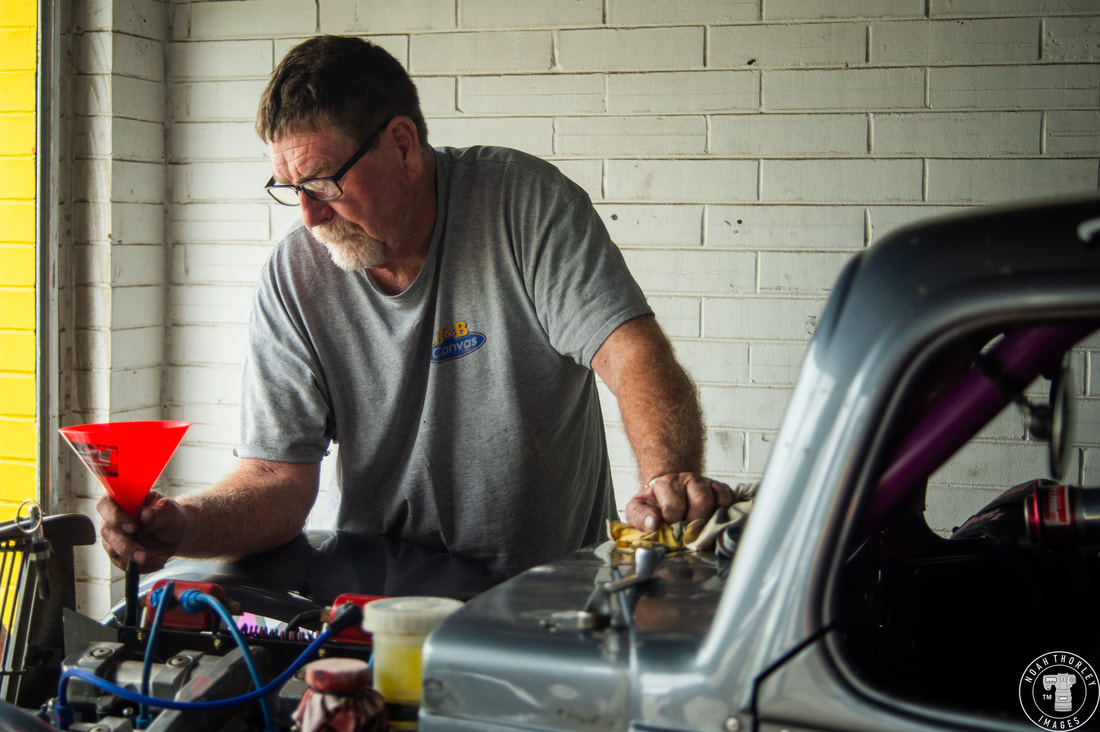 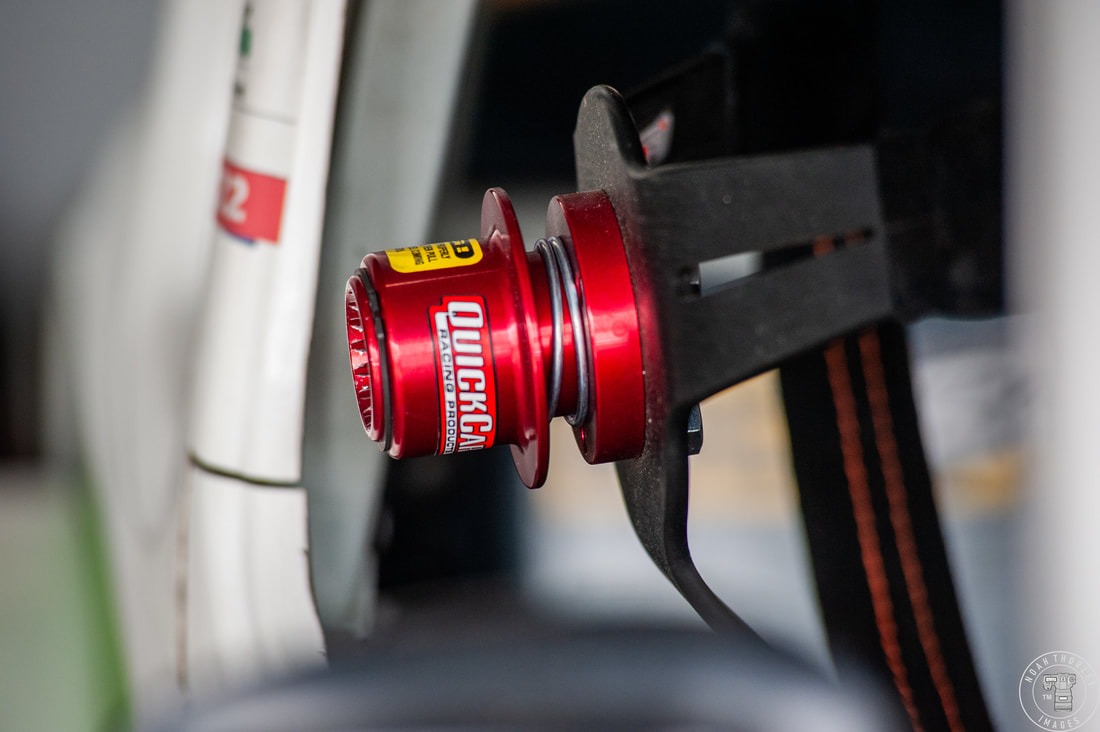 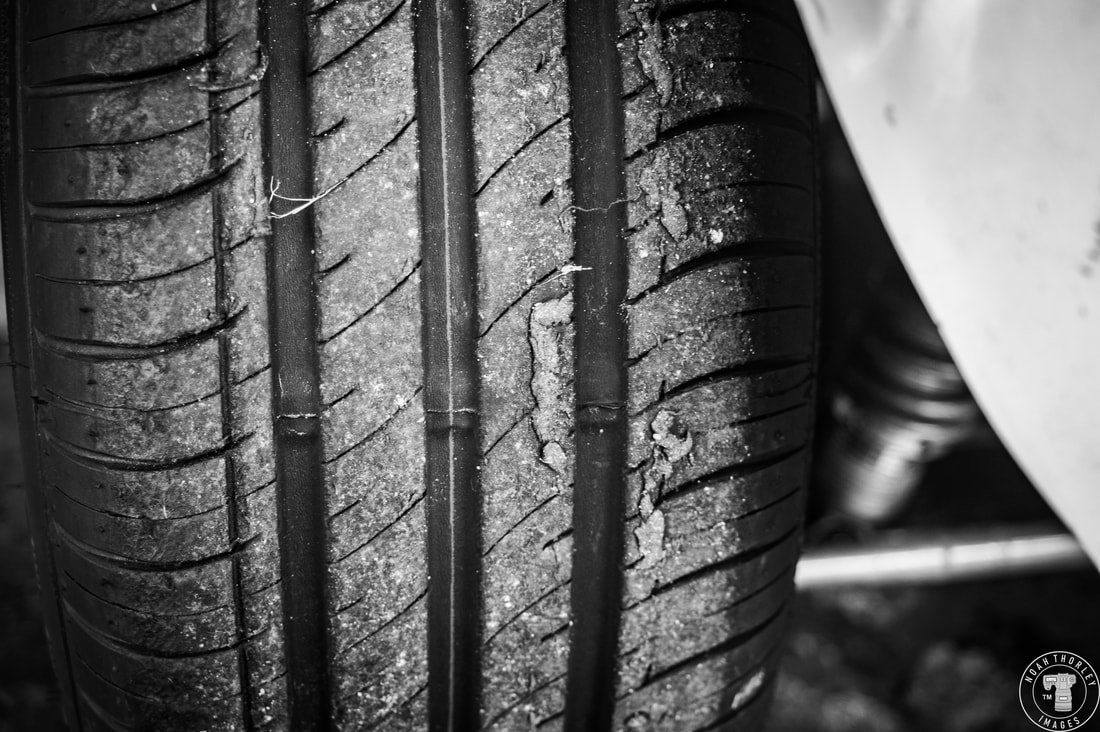
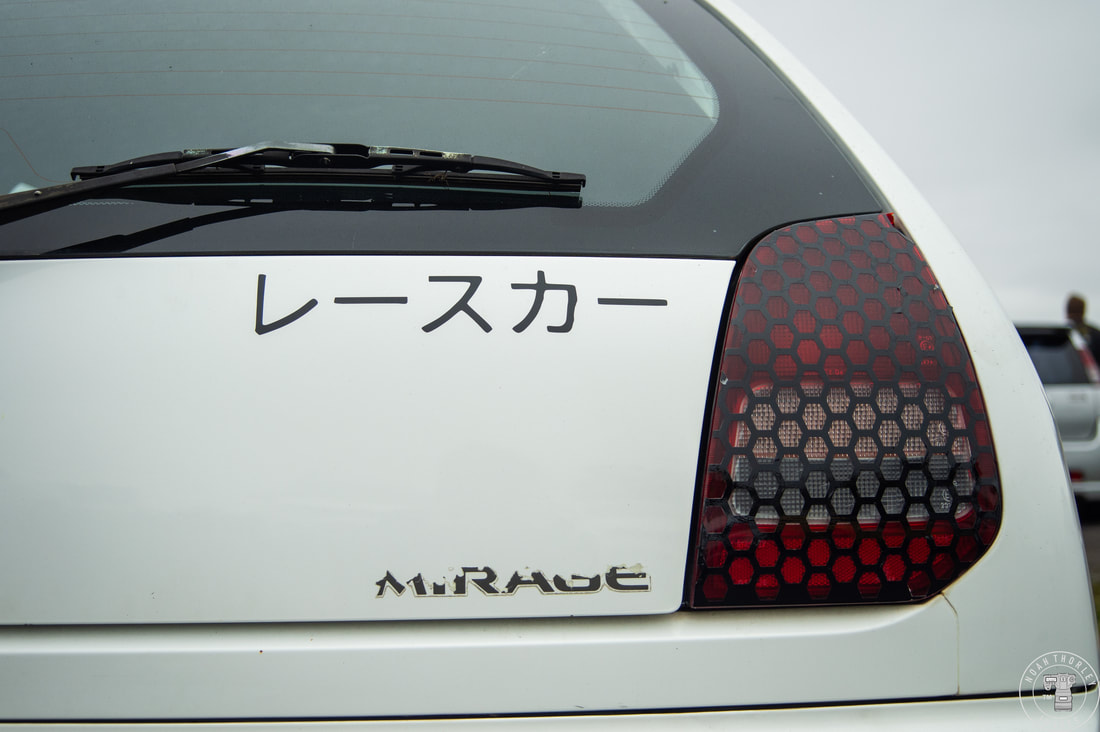
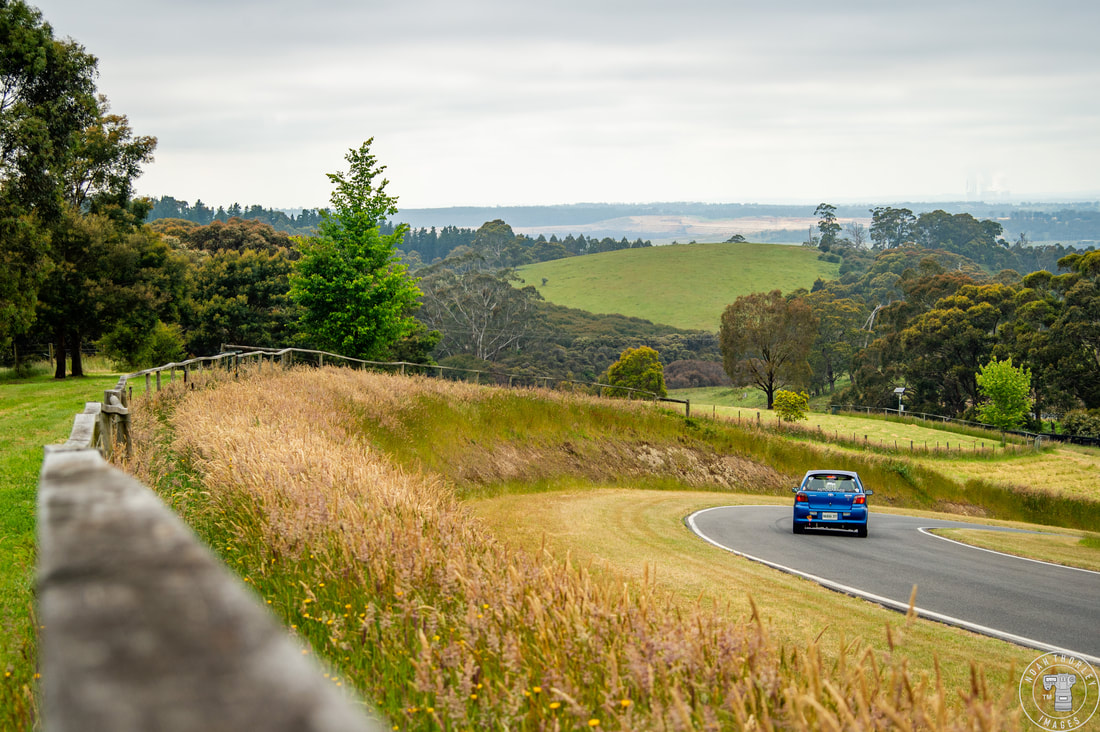
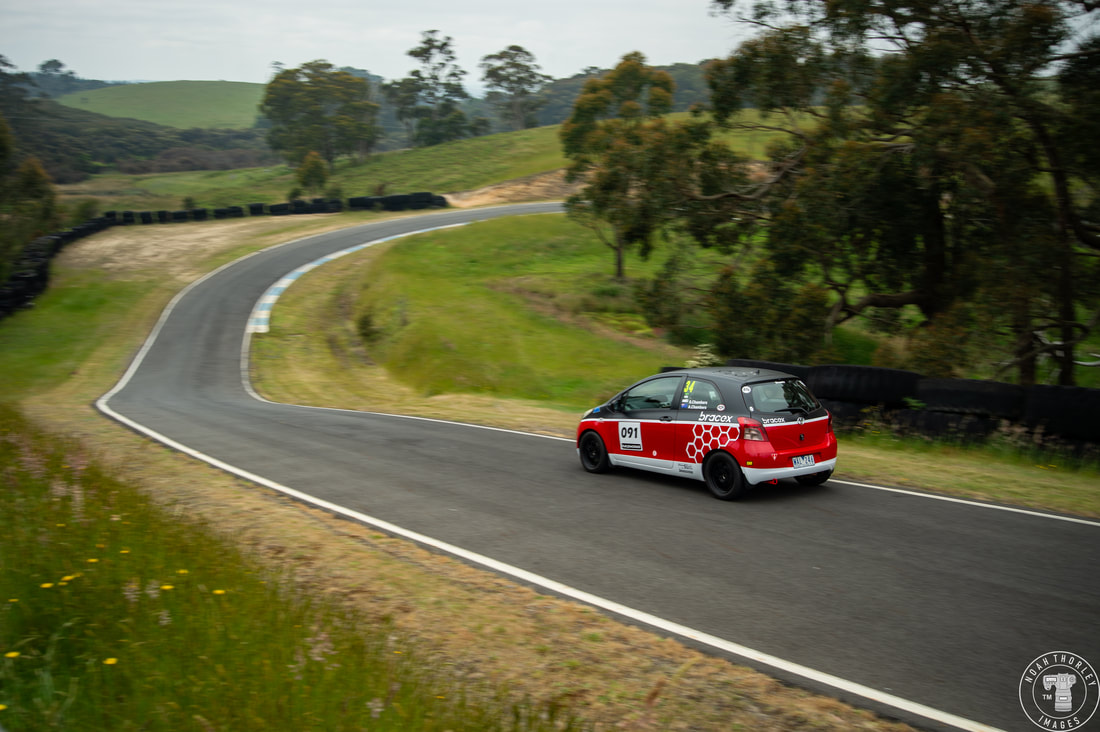
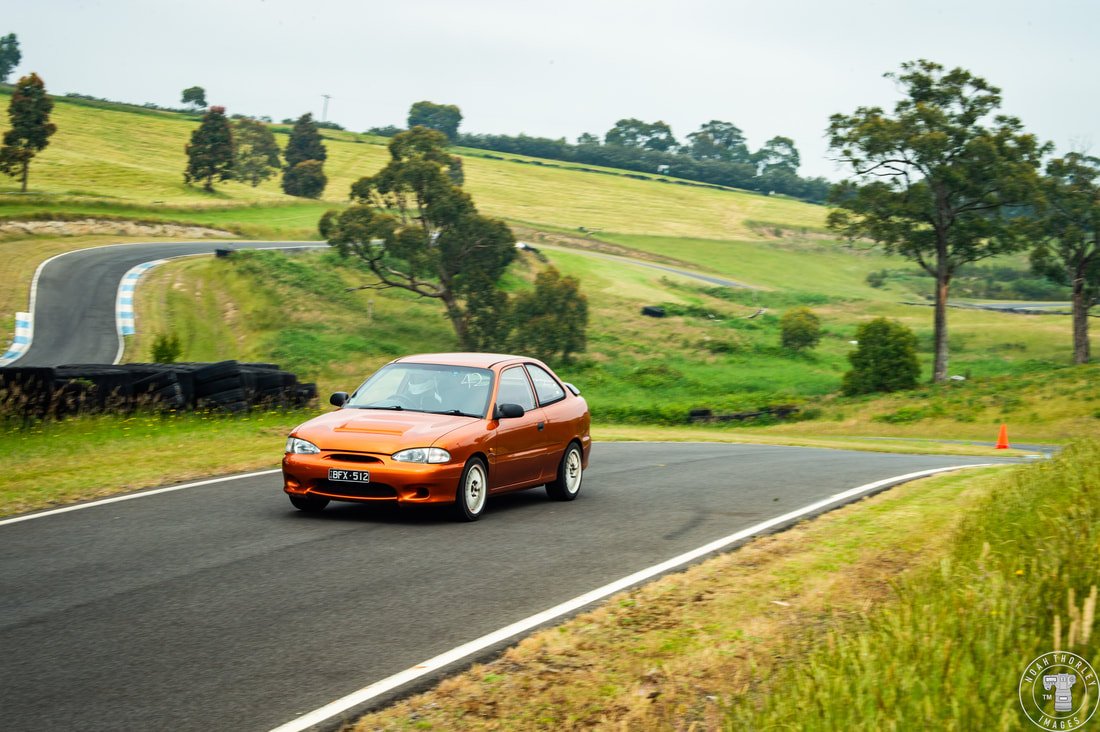
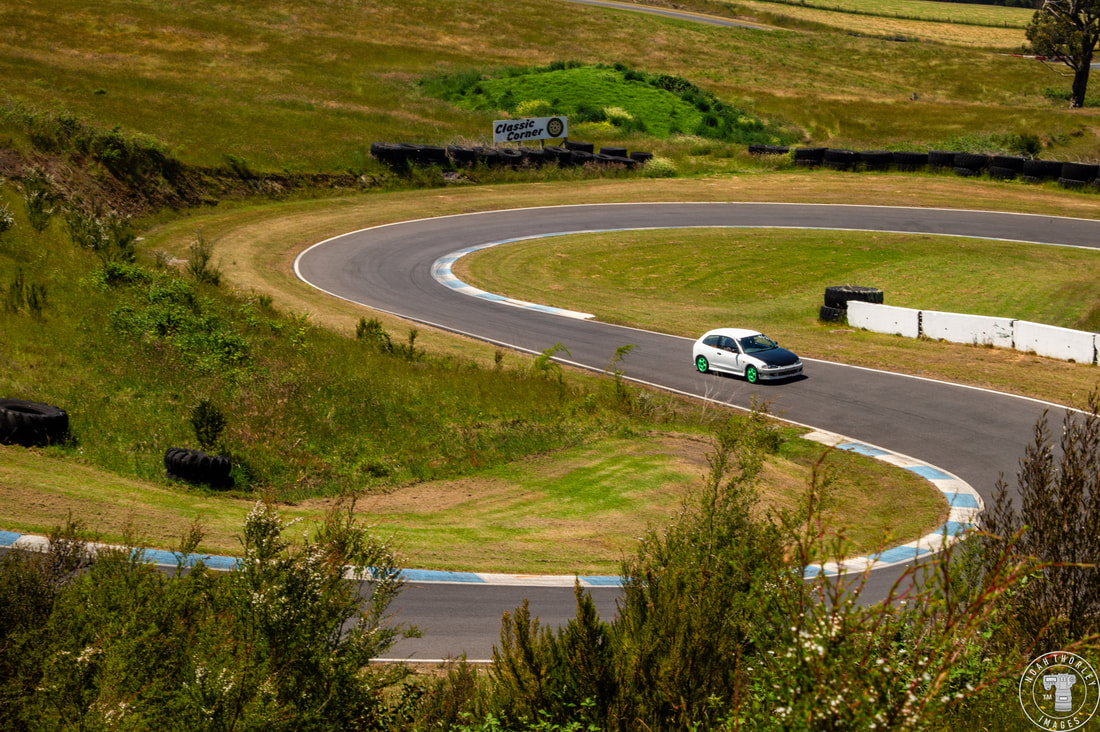
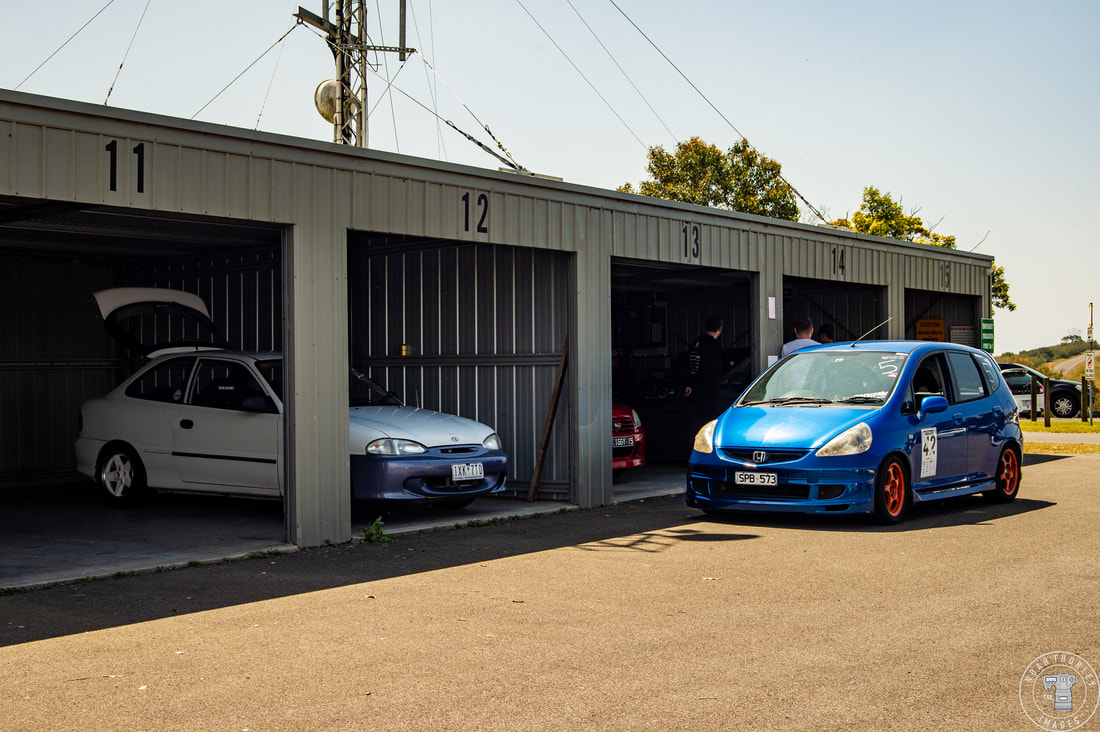
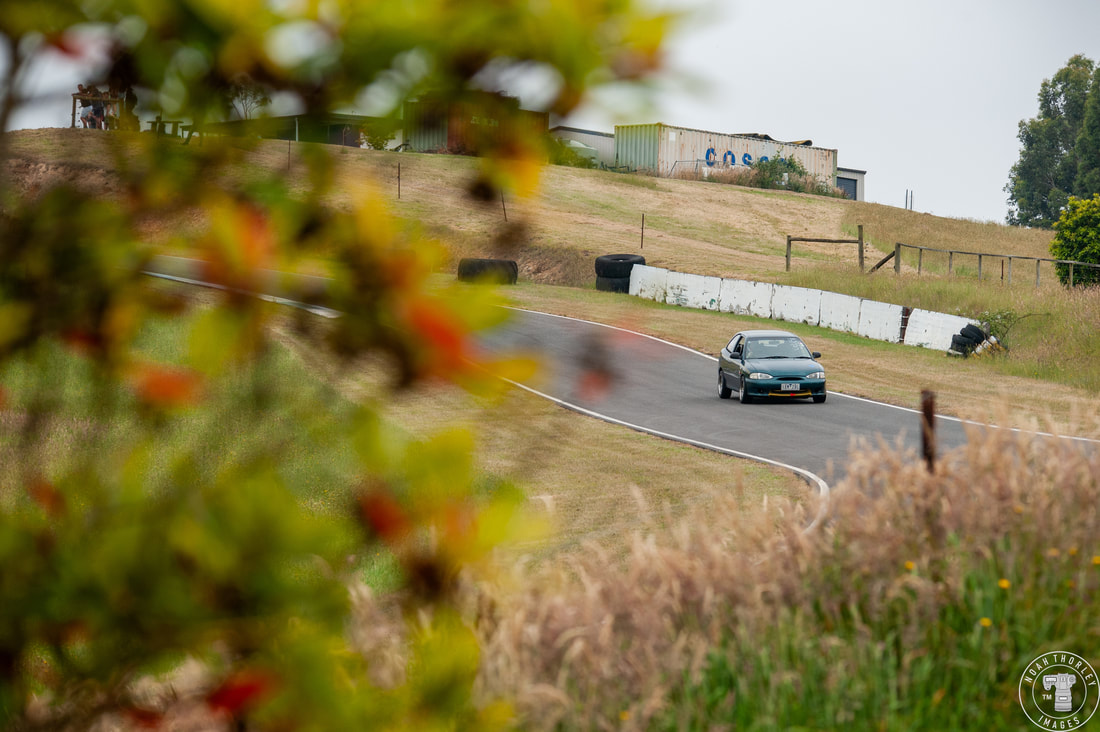
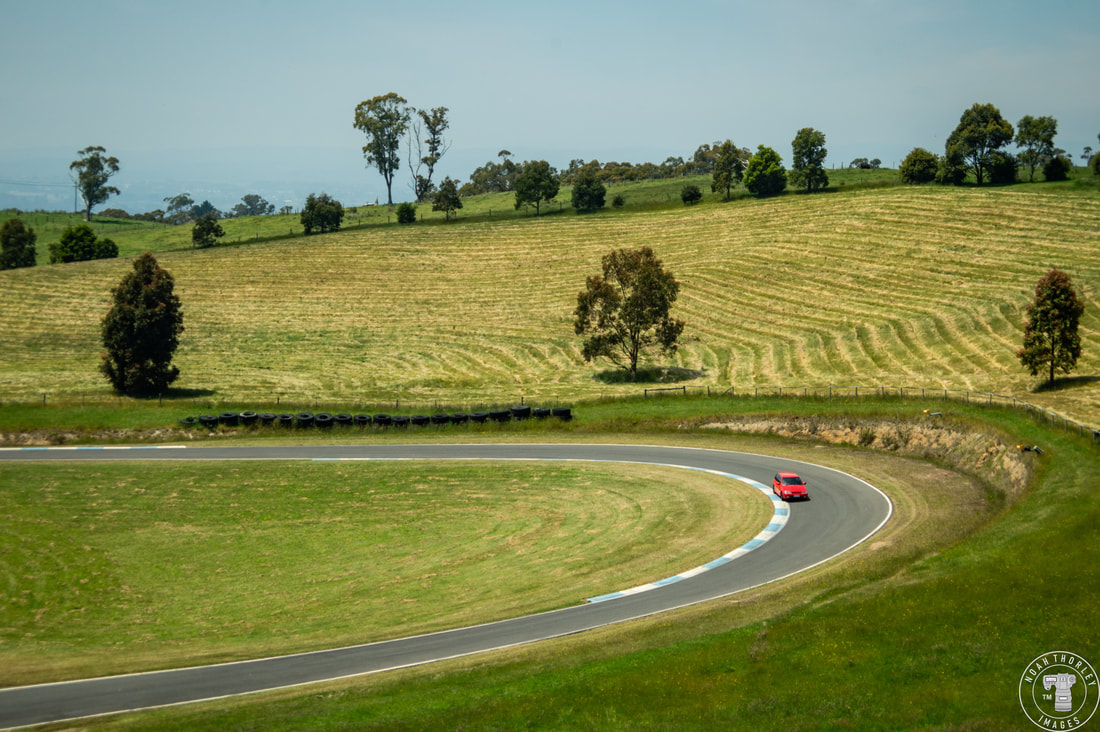
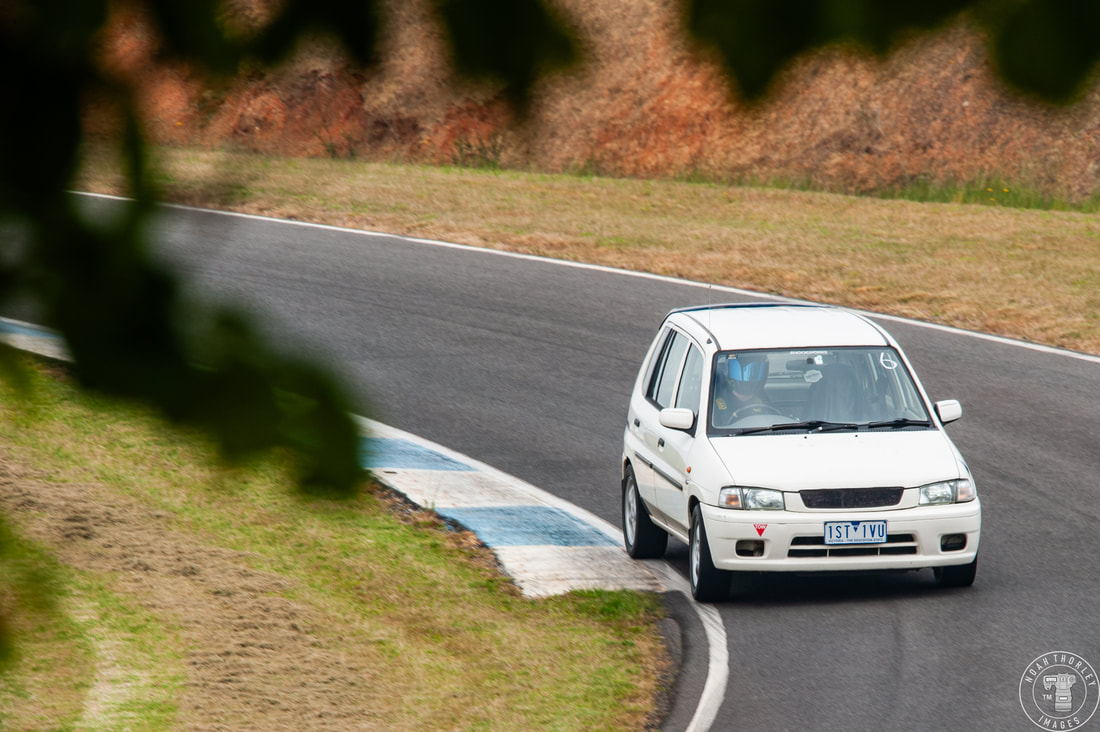
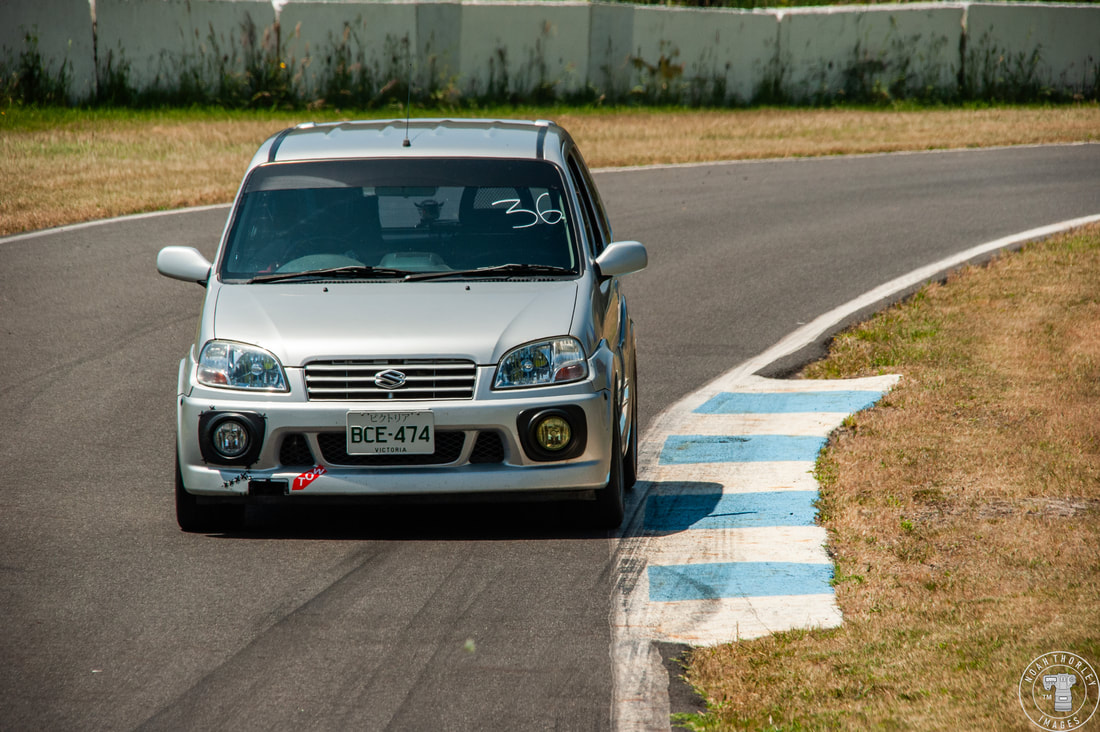
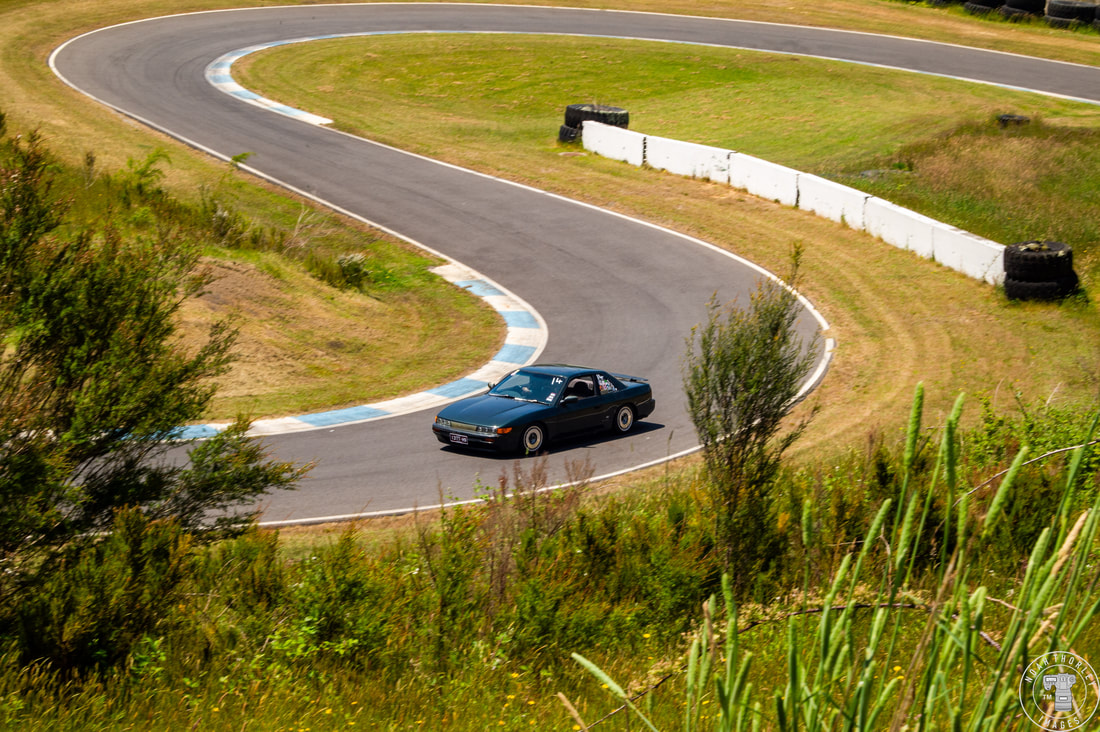
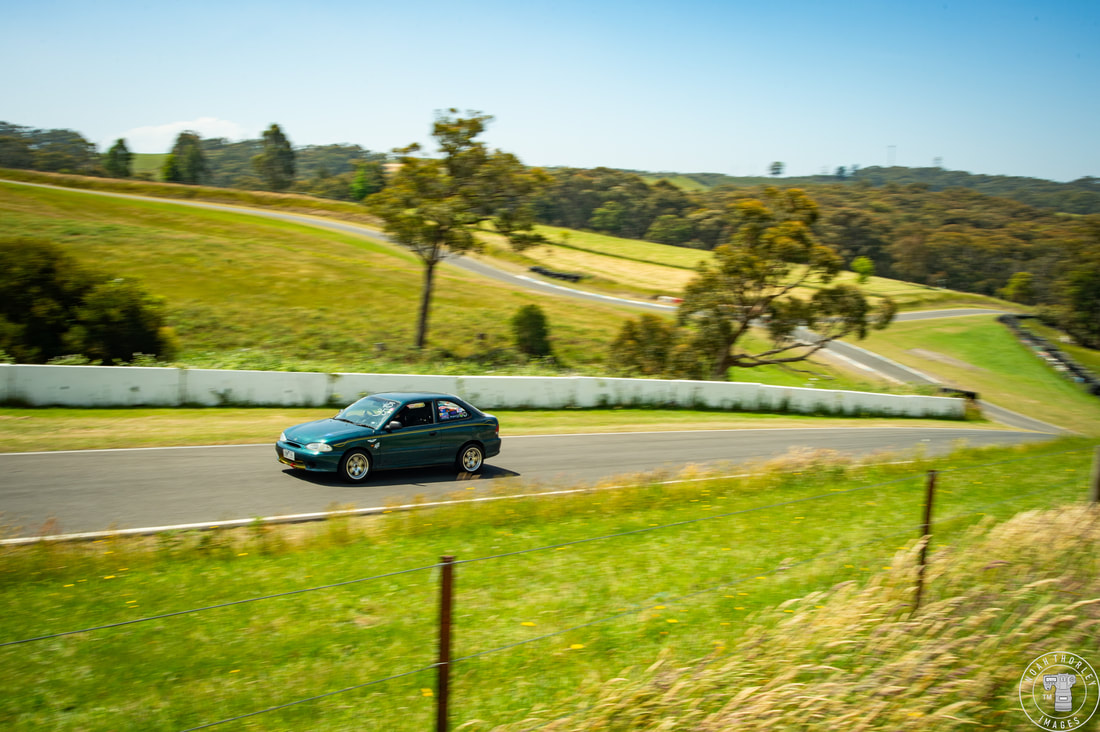
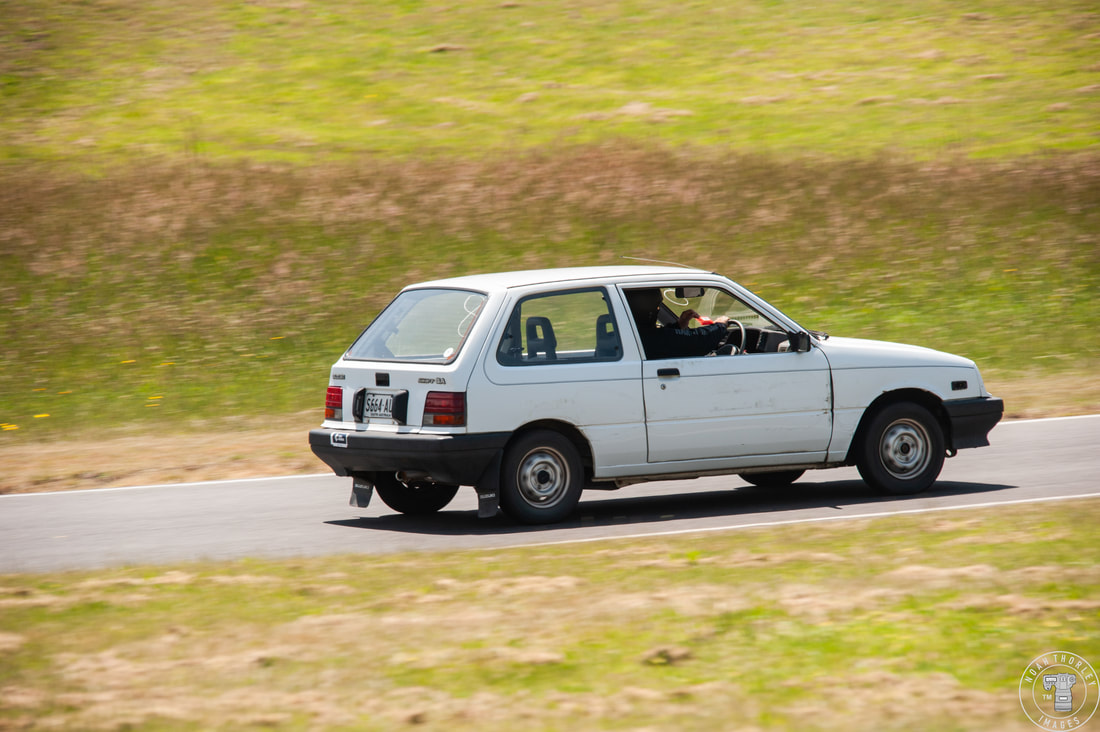
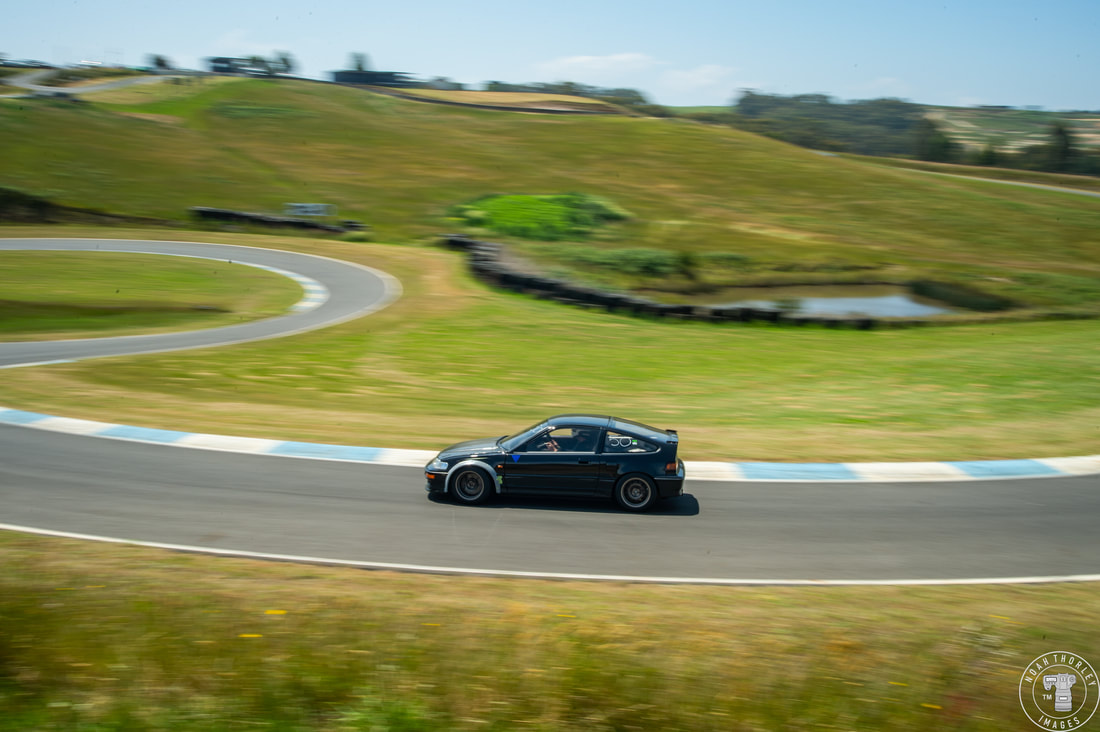
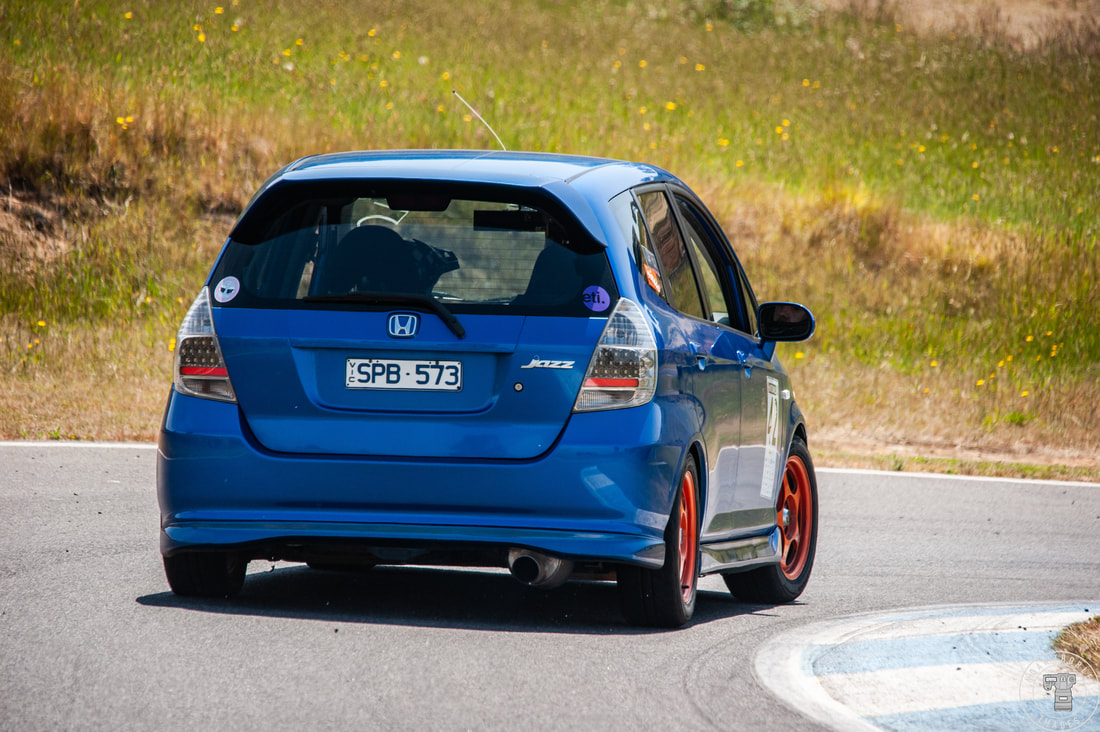
        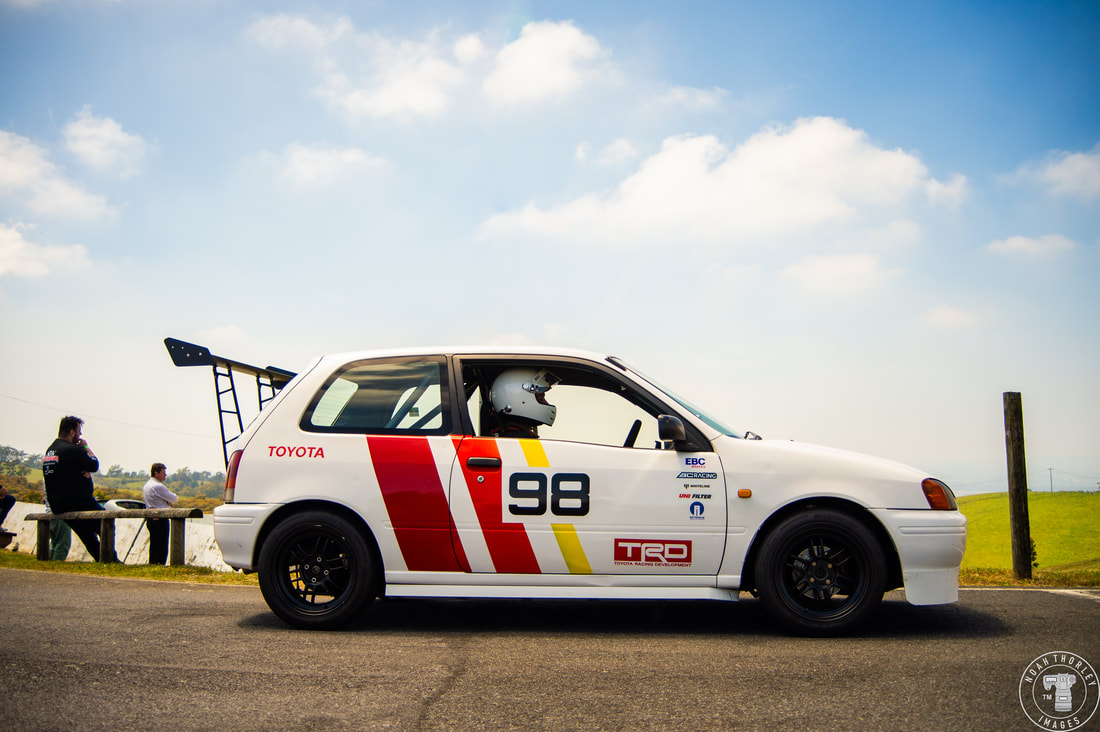 Small cars are fun. They’re light, nimble and underpowered which means you can use all of the car’s potential all the time. They are also quite cheap, with parts most of the time, easy to find, which make them perfect for getting a taste for motorsport. 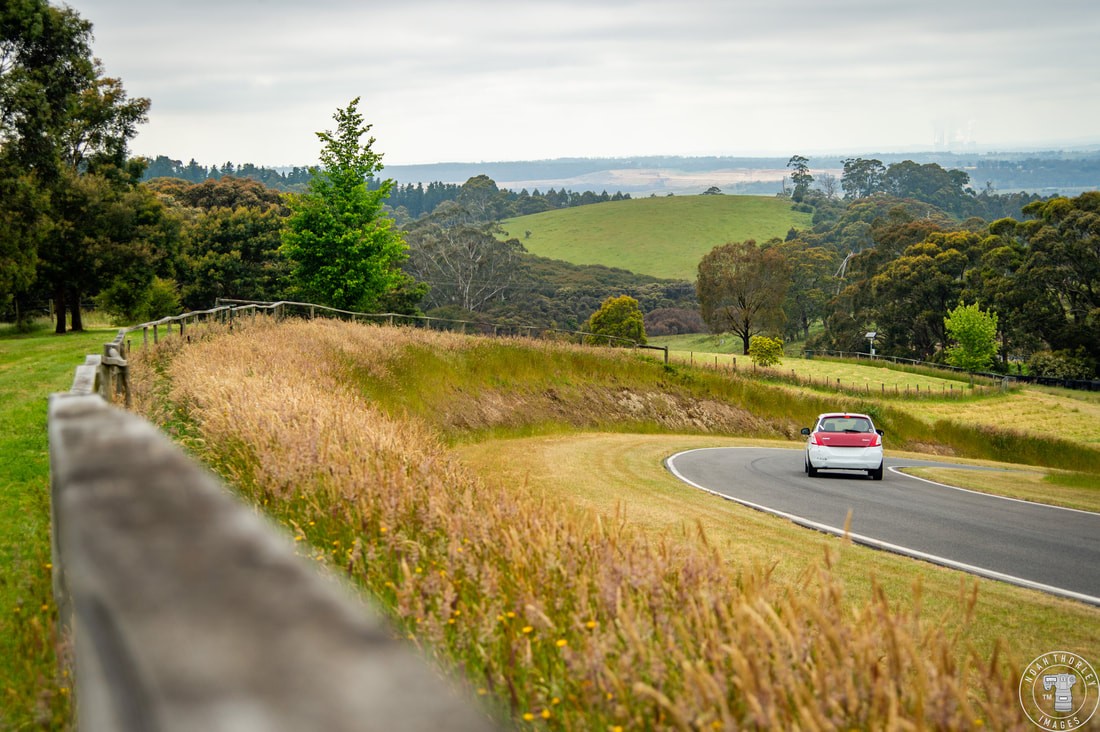 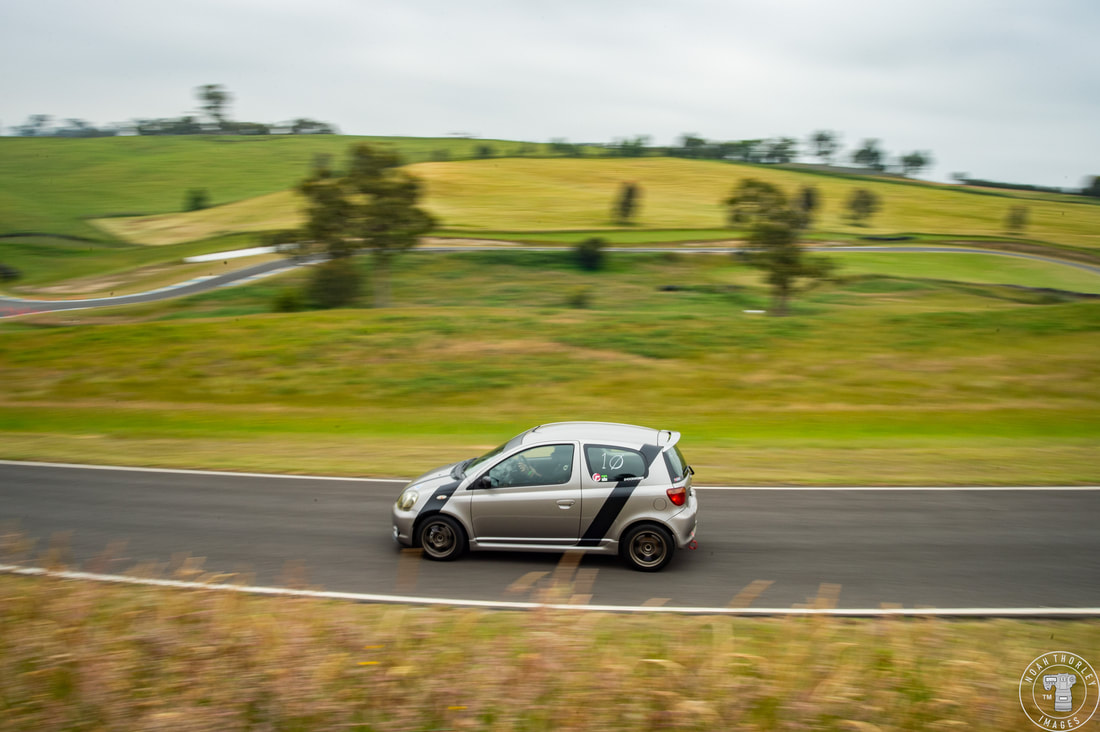 That was the idea for the now quite well-known Nugget Nationals, a time-trial based yearly calendar of events suited for low horsepower cars. 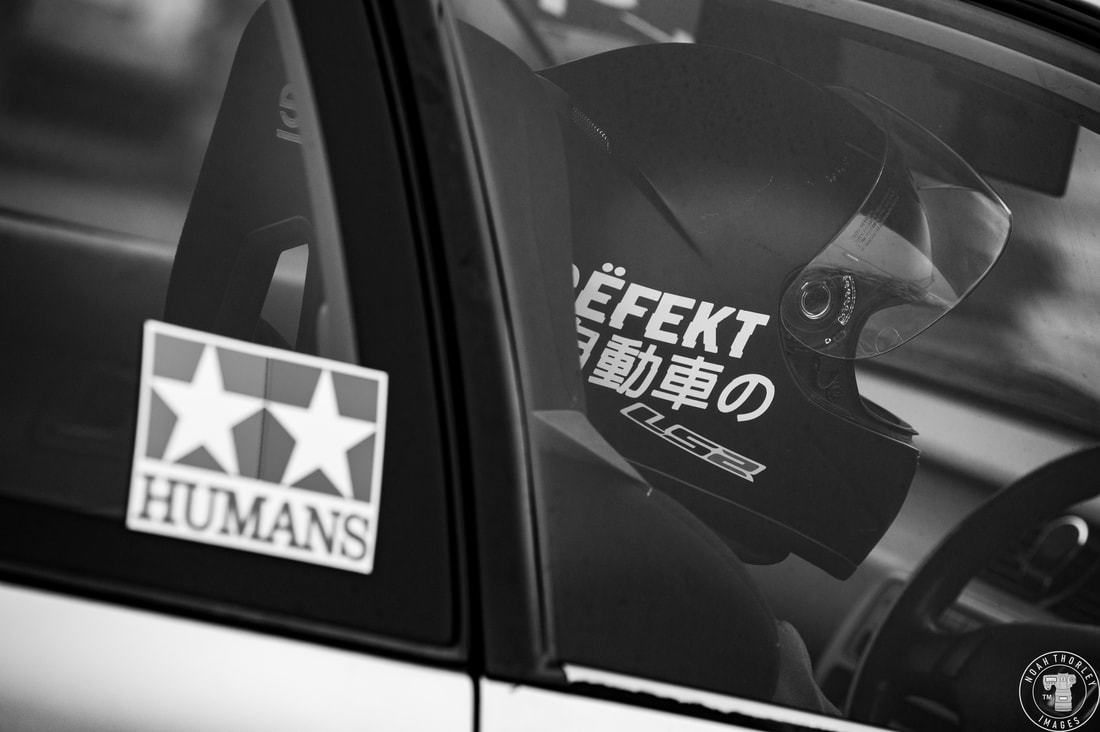 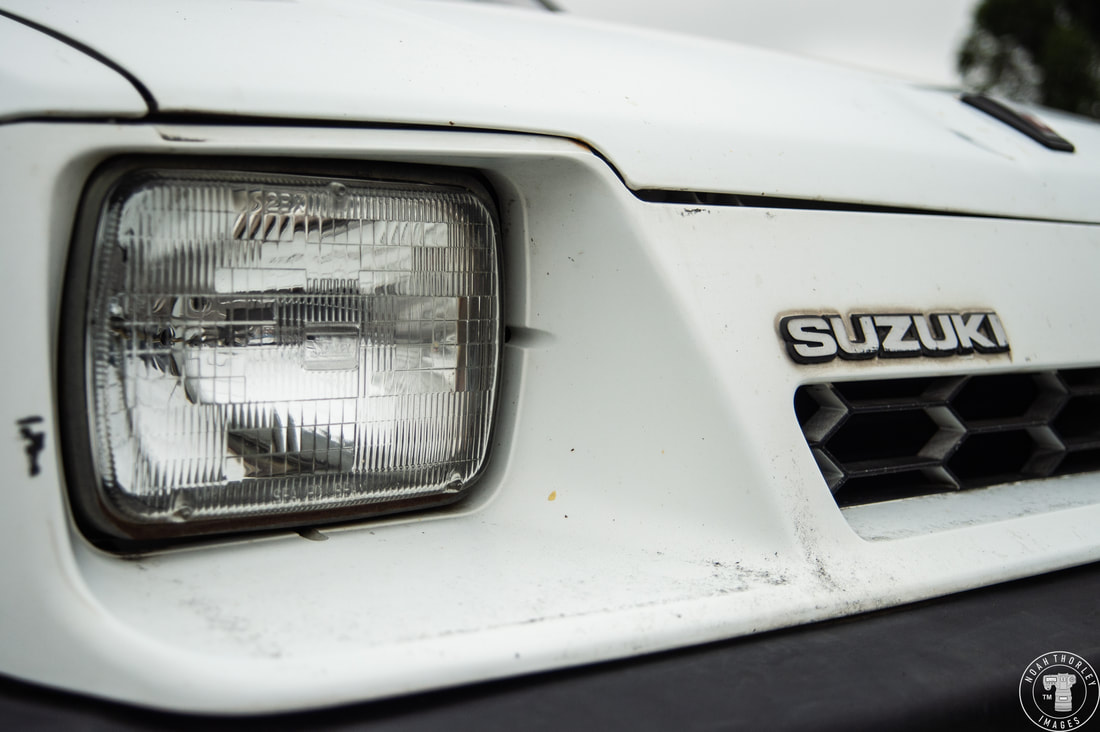 Not only is Nugget Nationals designed for fun in small and discrete automobiles, but also as a cheap way to get on track and develop some racing skills. 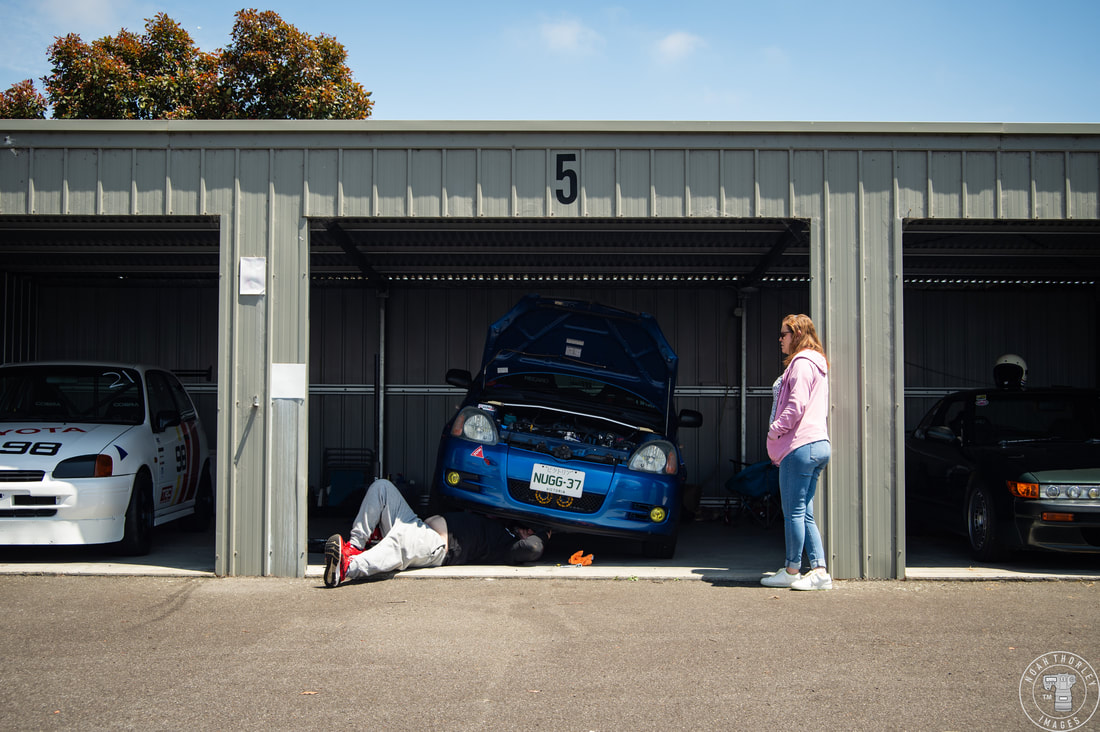 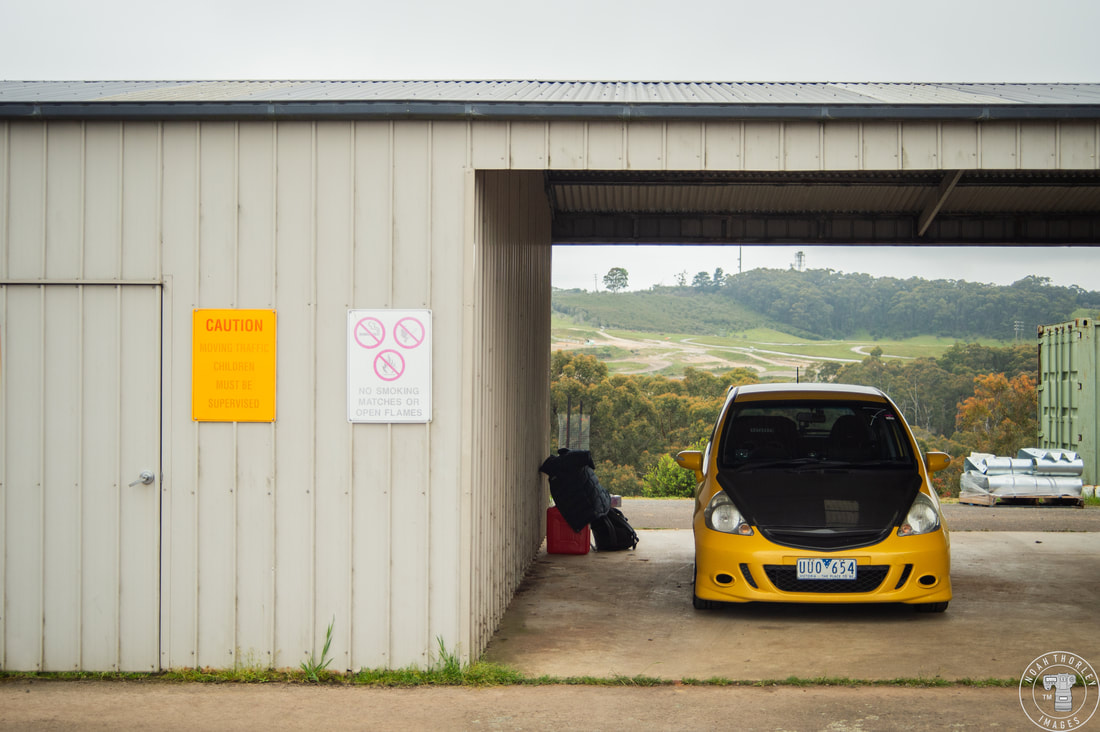 There are a few restrictions to what you can compete in. The car has to have cost no more than $3000 ($5000 after any safety parameters are added) and must have an engine no larger than 1.5 litres. Only cars that are eligible for road registration in Australia are allowed and modifications are quite strict. 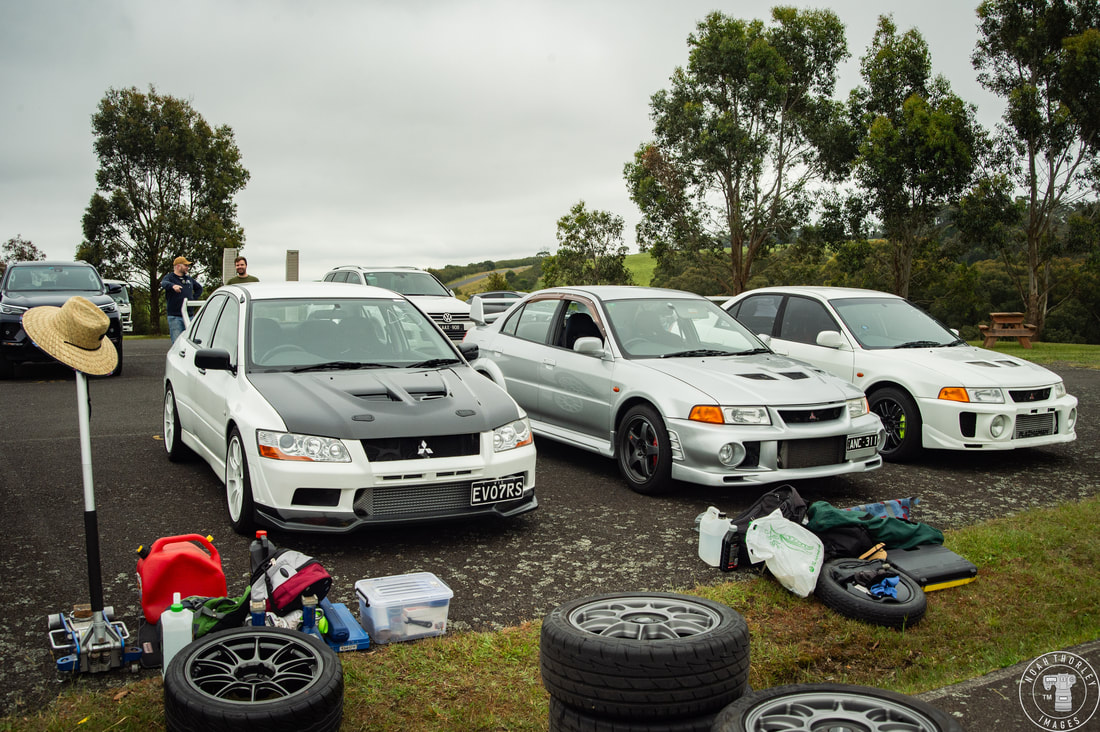 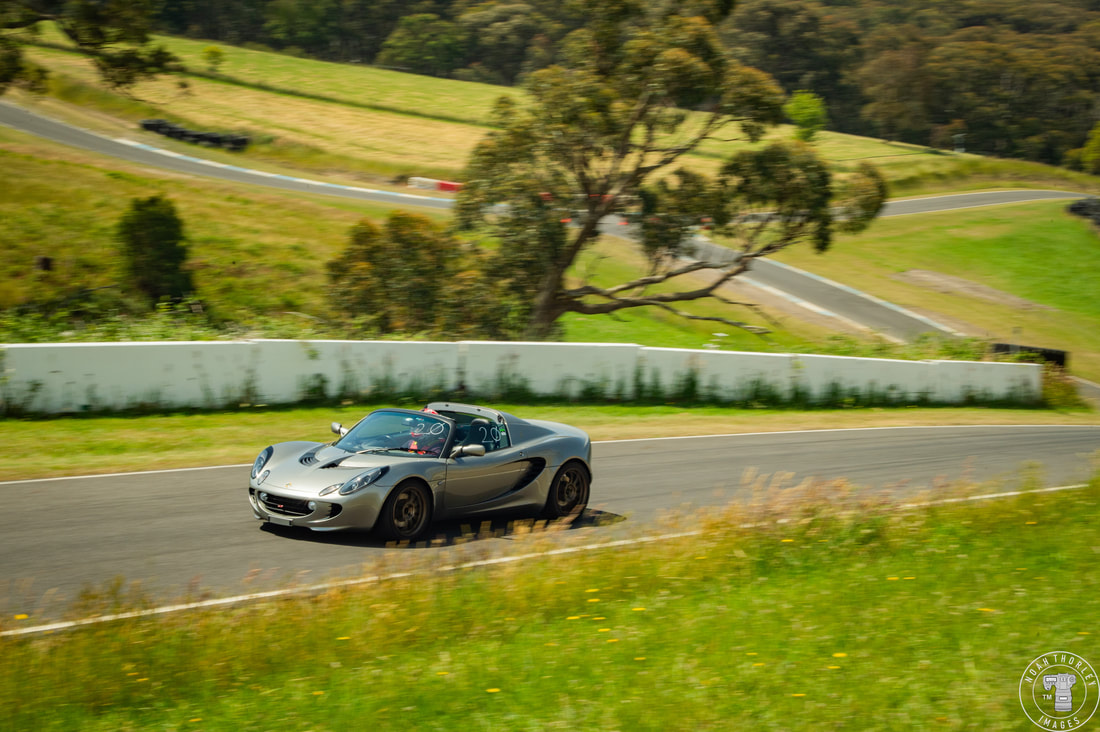 In recent years, a new class has been added called the 'Not Nugs', allowing drivers to come with cars that don't meet the regulations to still come out and hone in on their skills. 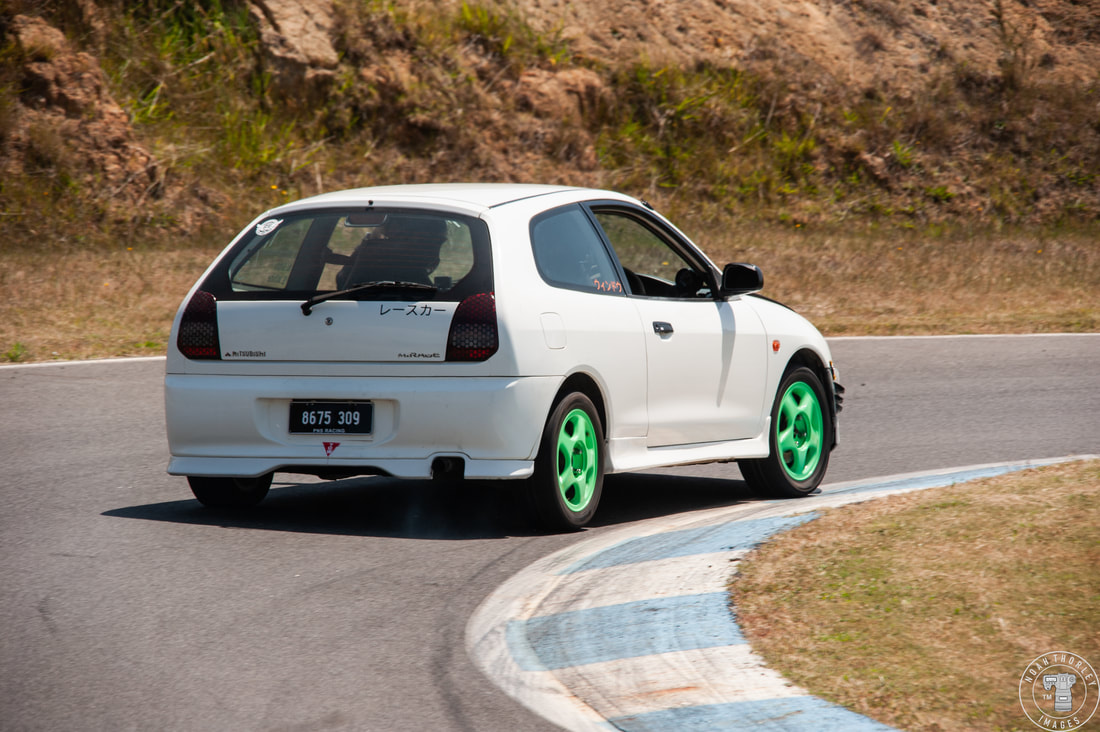 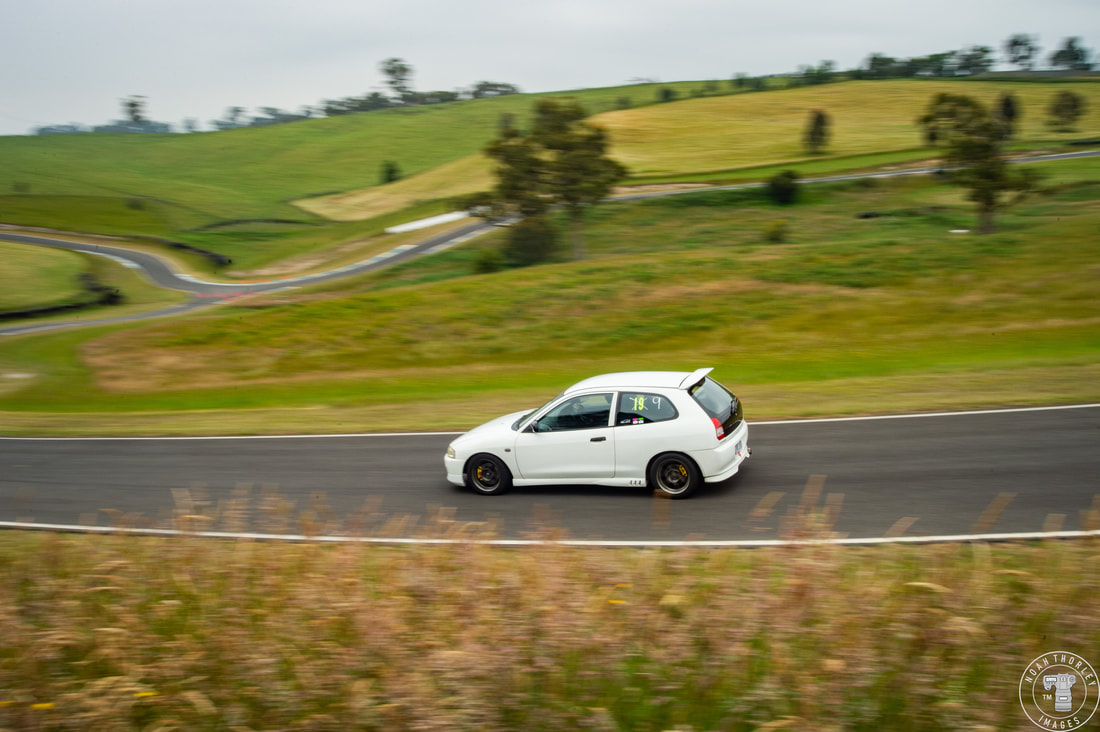 This pair of fifth generation Mitsubishi Mirage's were my personal favourite cars on the day, not because I'm biased or anything. 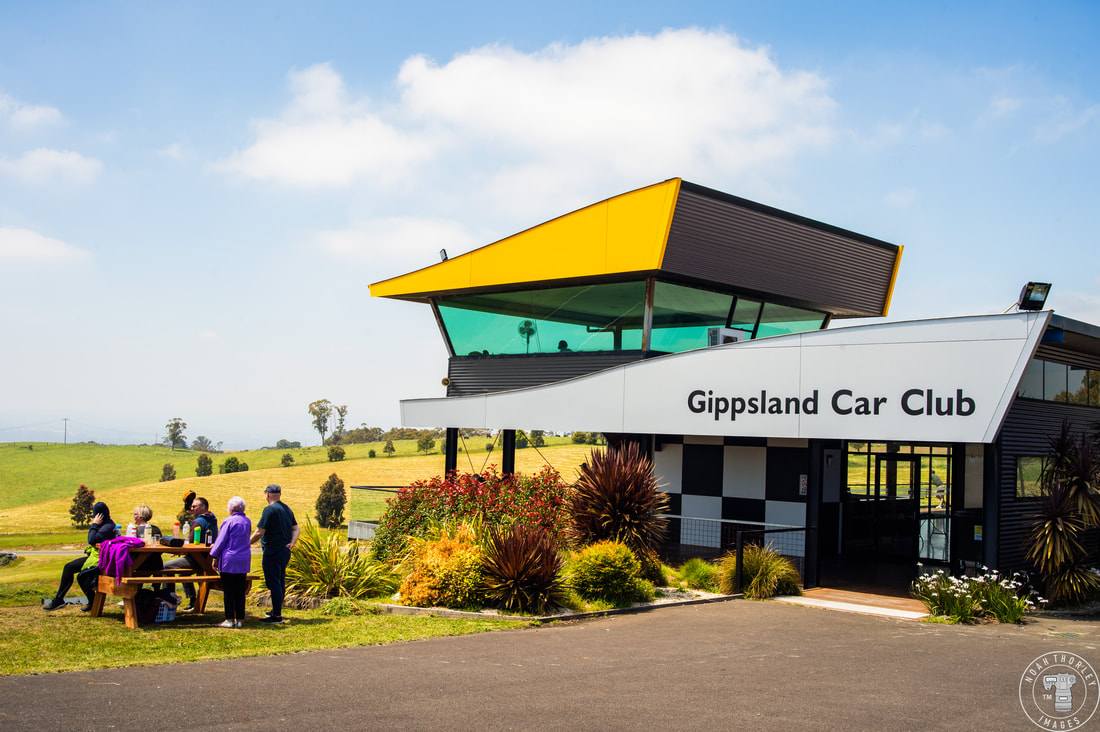 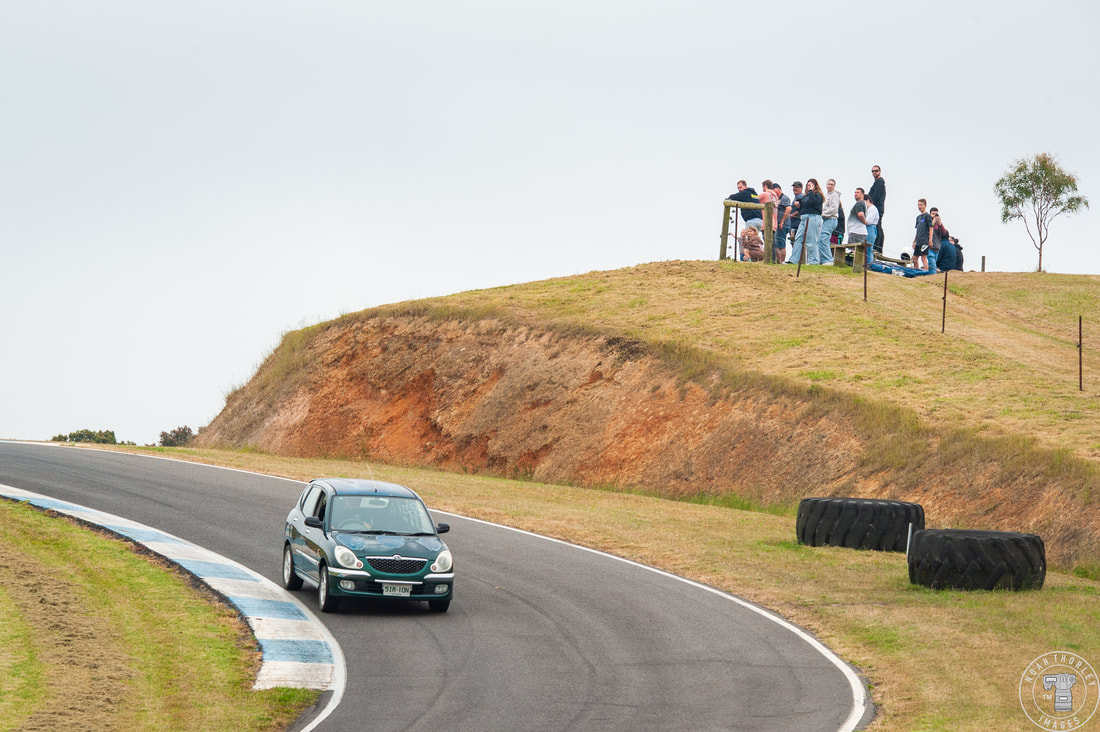 The sixth and final round for 2023 would be held at Gippsland Car Club's Bryant Park (also known as Haunted Hills). This track is a hidden gem, full of undulating turns and flowing tarmac, it's a quality facility for hill climbs and track days such as this. 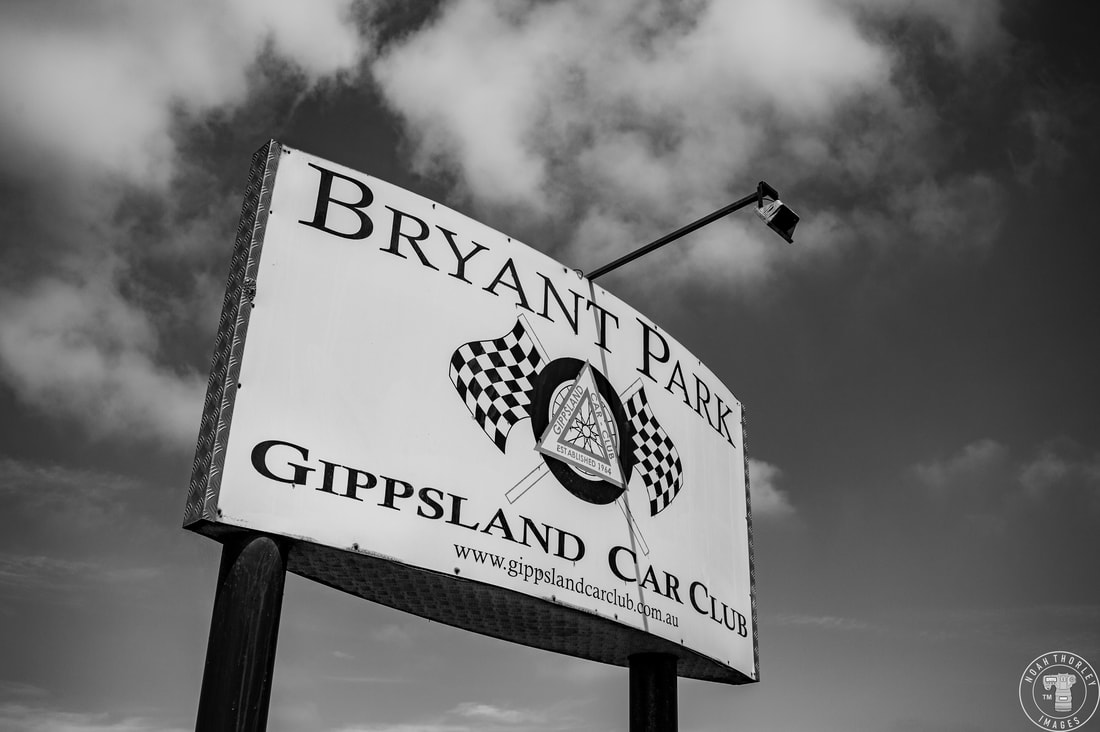 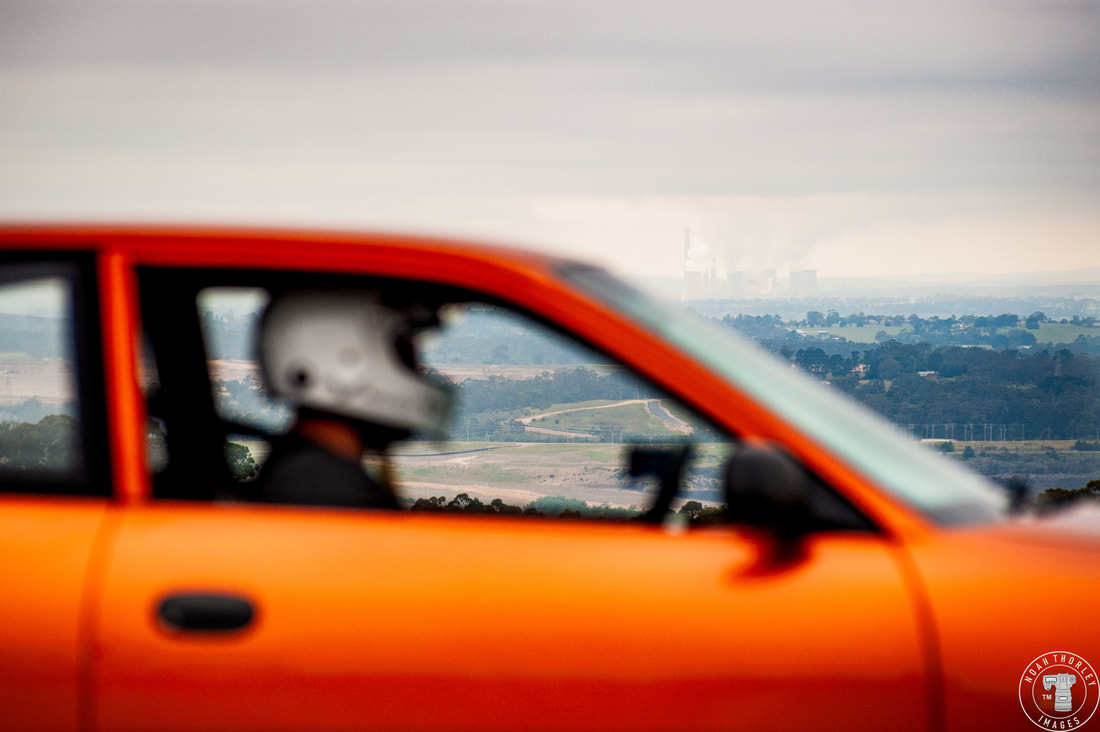 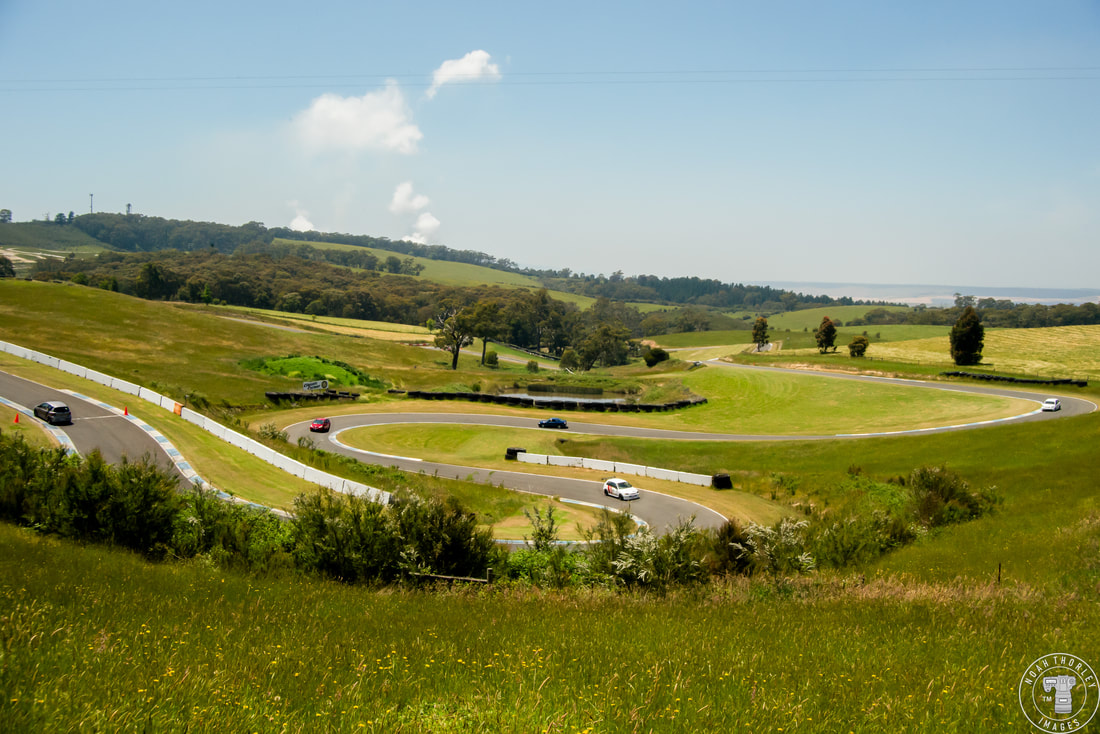 The Gippsland Car Club was formed in 1964 by enthusiasts in La Trobe Valley, originally organising motorsport out of Gippsland Park. Later, the car club would move to Bryant Park, where in 2008, this ebbing and flowing racetrack would be constructed. 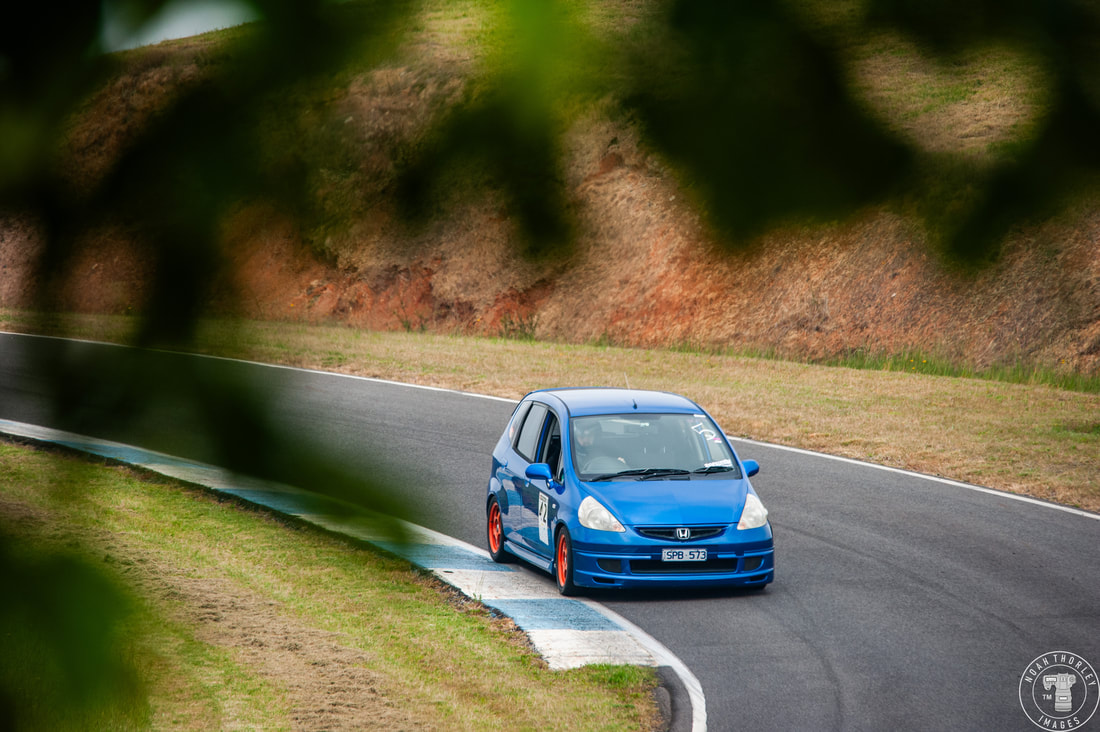 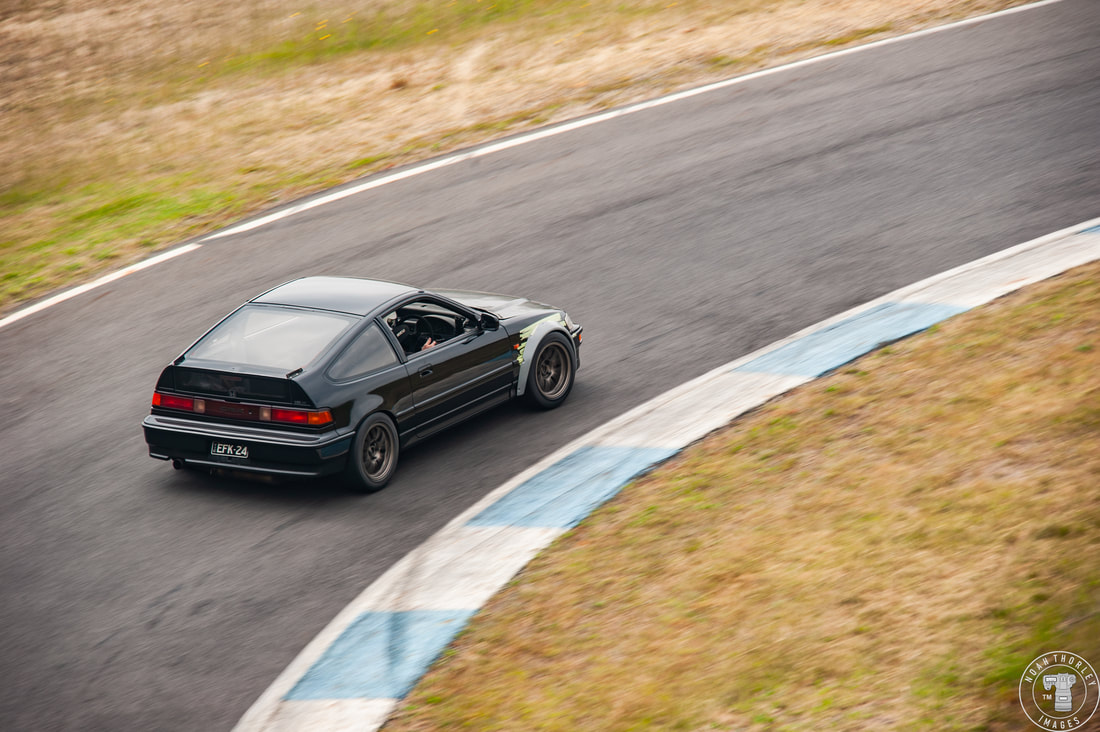 With a few layouts on offer, the full outer loop would be used, pushing drivers and their cars for 50+ seconds. This track has plenty of blind corners and is almost always uphill or downhill. Miss a gear and it will be a slow ascent. 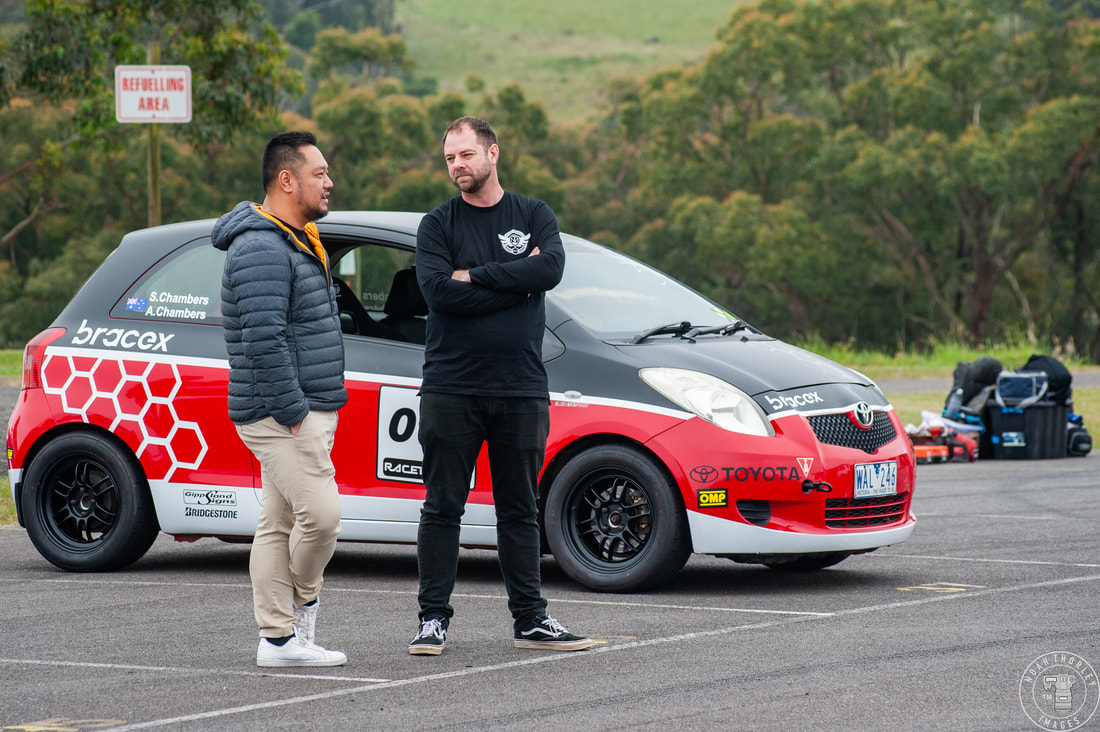 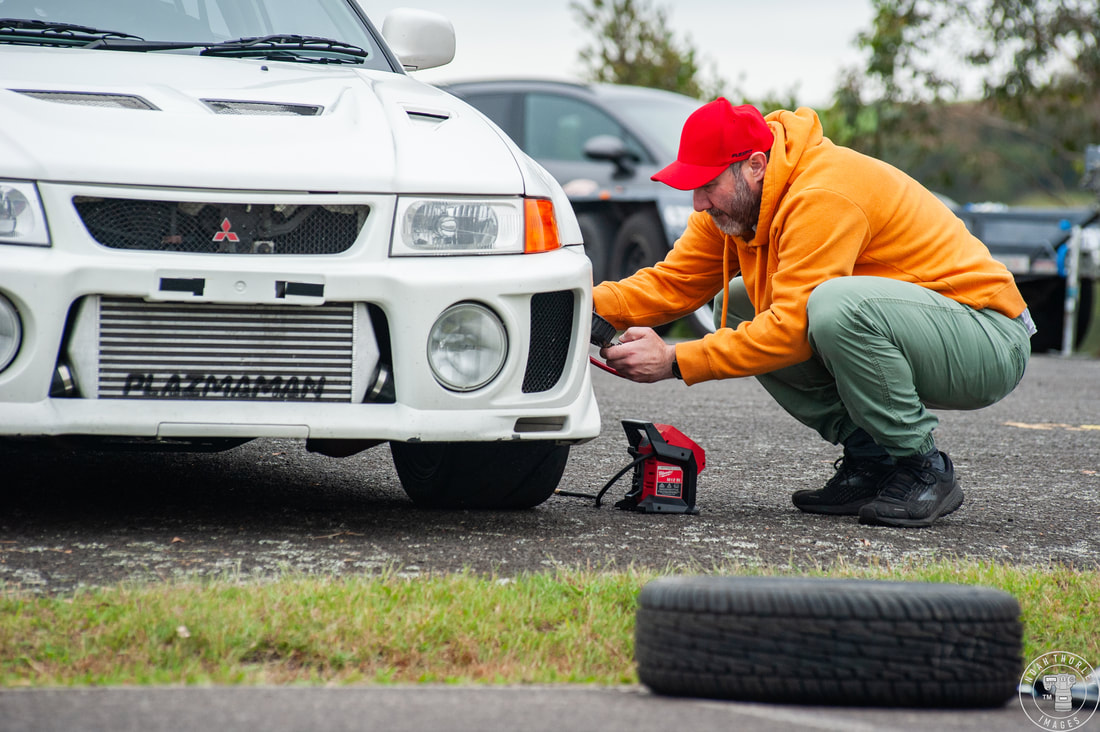 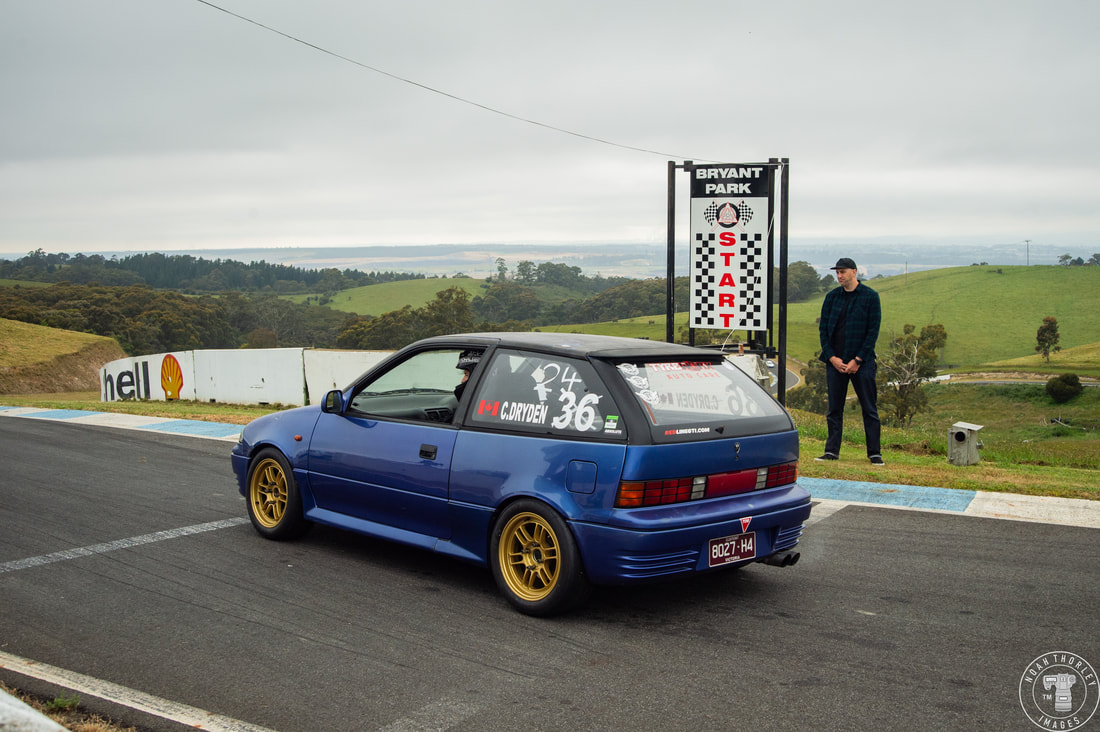 Even with the track pushing these low power cars and their drivers to the limit, Nugget Nationals is quite a chill event, with almost non-stop running, giving everyone a maximum of 12 runs each. 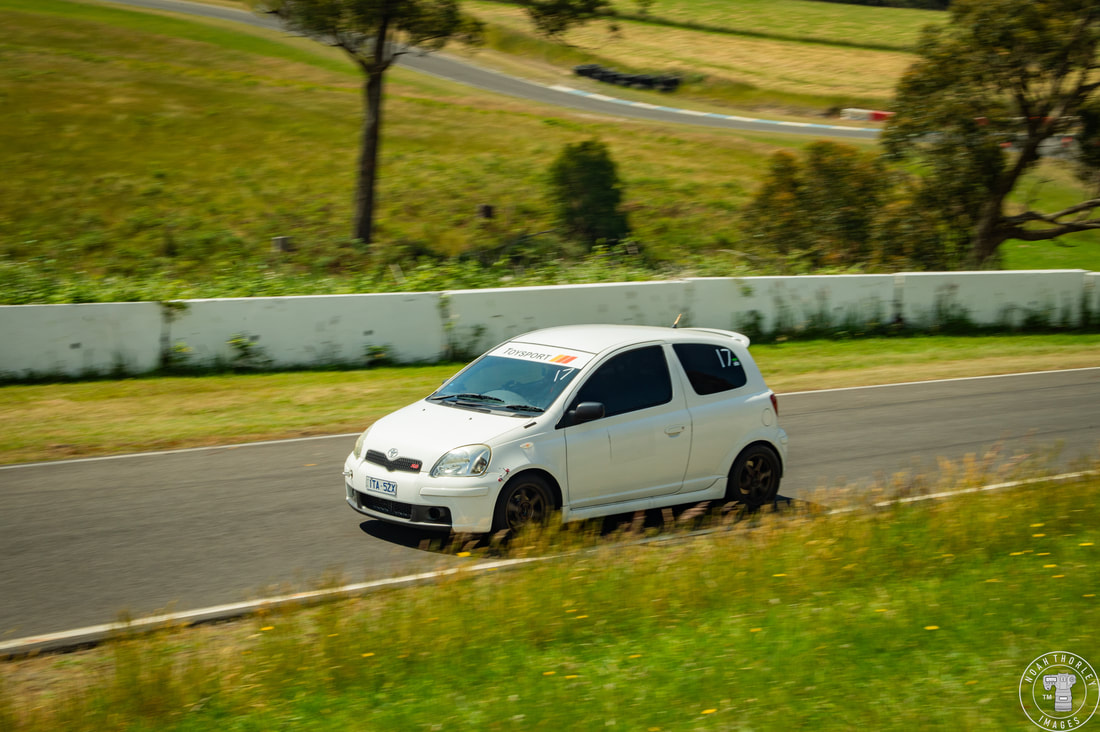 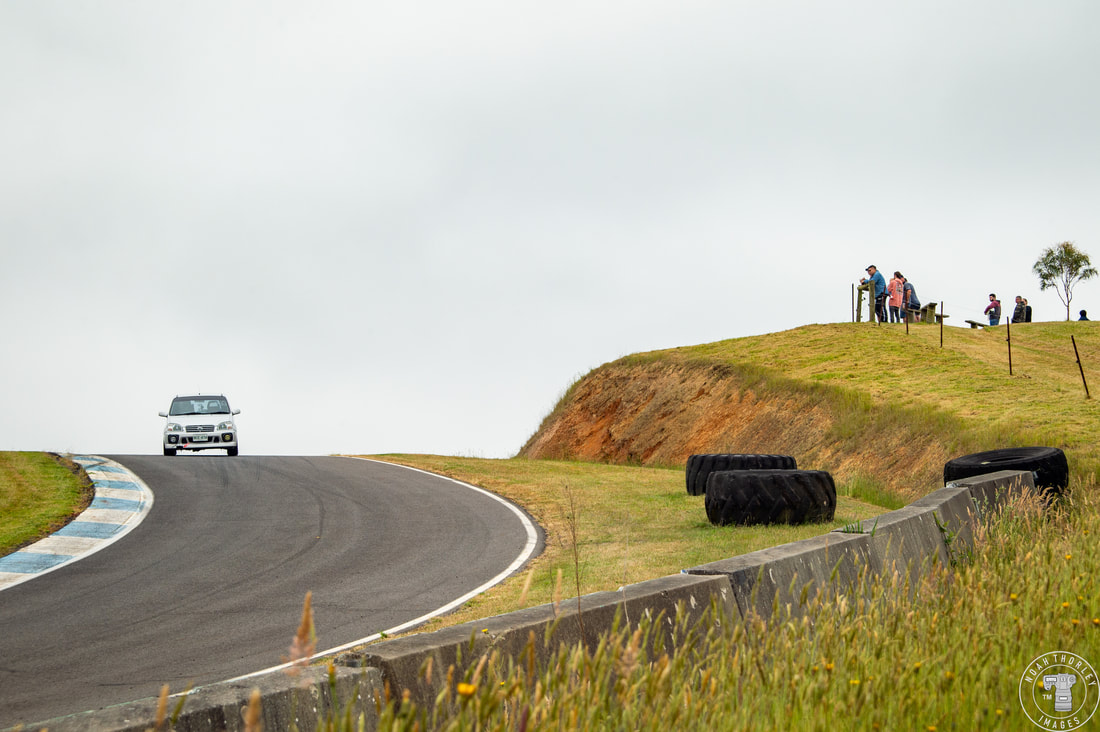 At the end of the day, Stefan Kalev in his Toyota Echo would be the fastest of the Nuggets, setting a time of 59.32 seconds, whilst James Dyer went to the top of the leaderboard in the 'NOTNUG' class as he set a 56.78 second lap time. 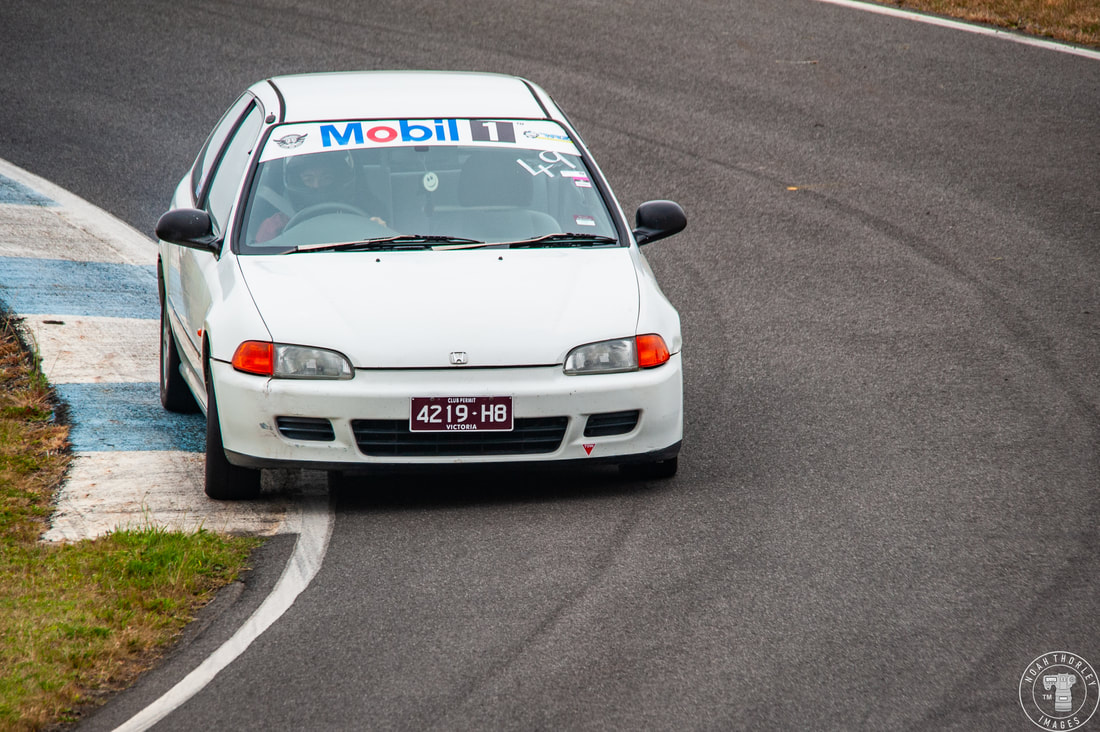 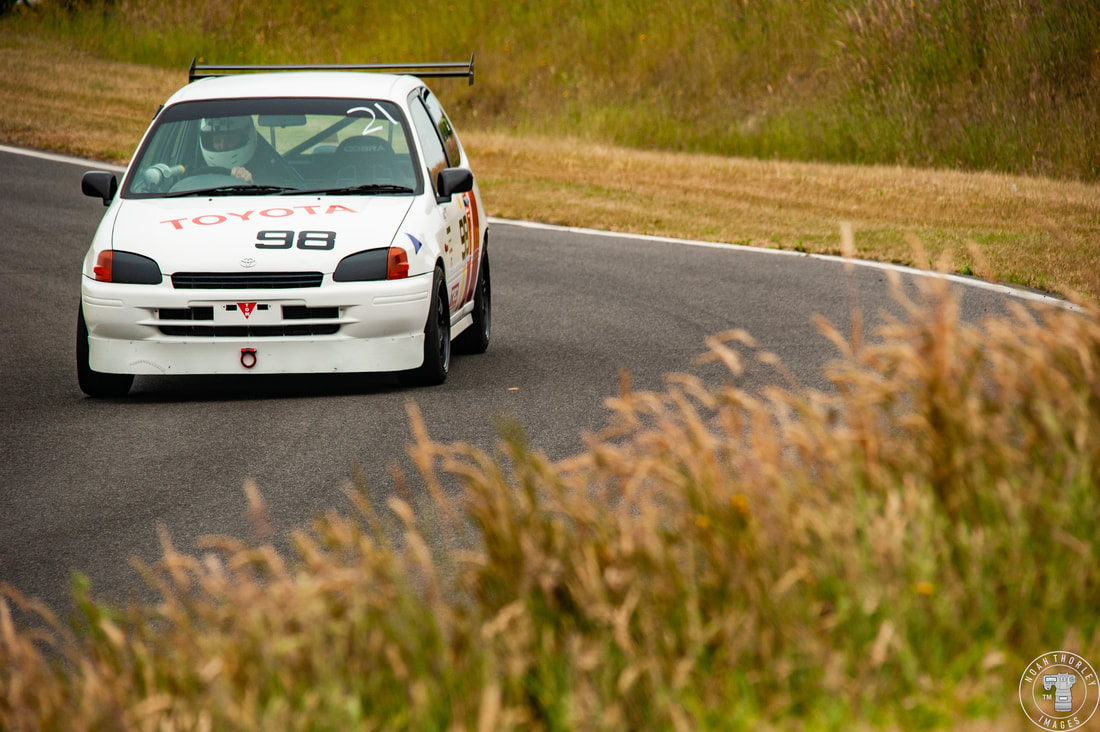 So, if you've got yourself a nugget in your driveway, definitely consider taking it to the track, you'll be surprised at how much fun you can have. Bonus Gallery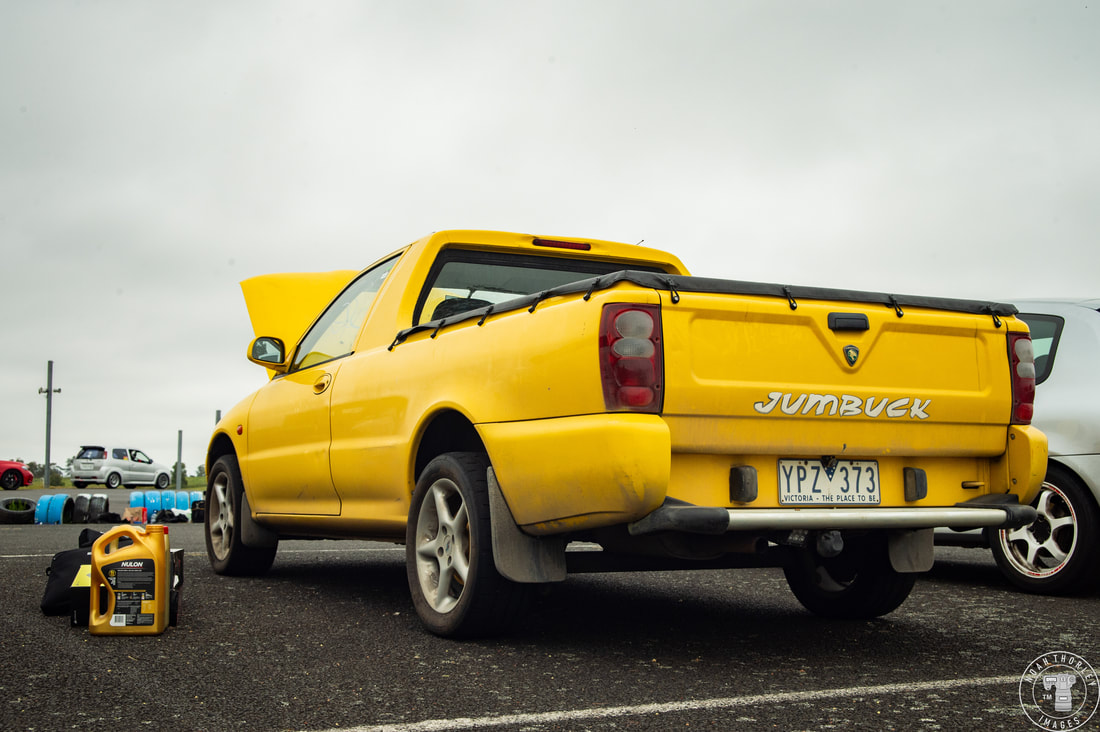
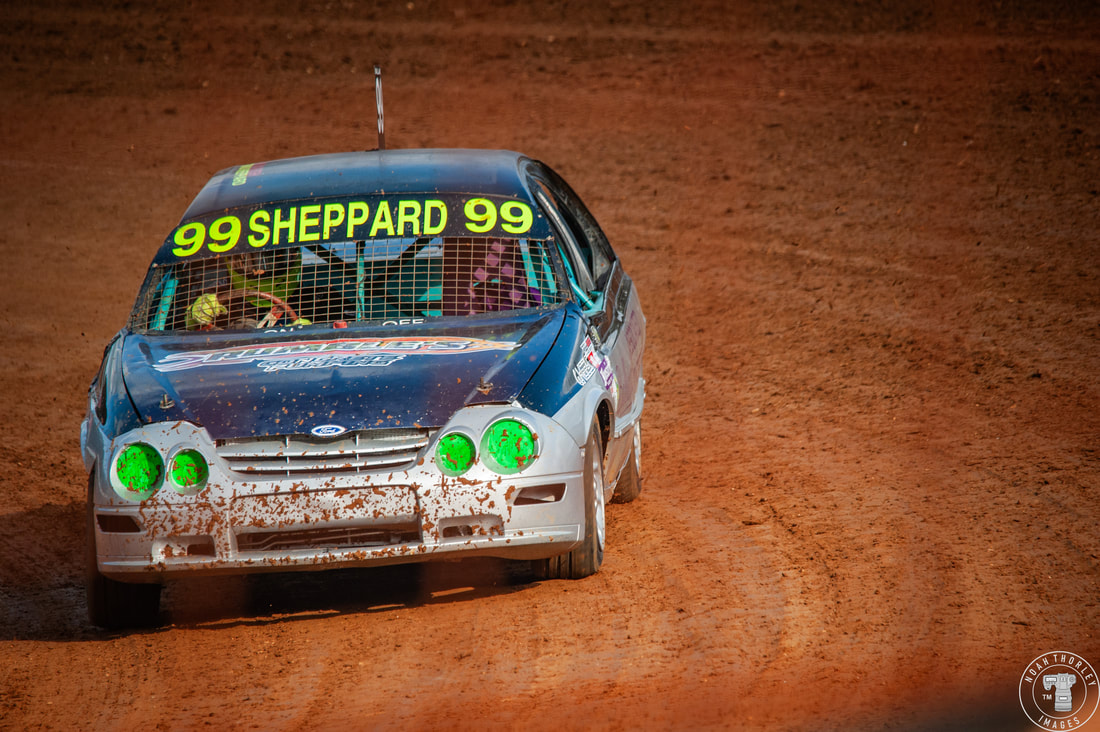
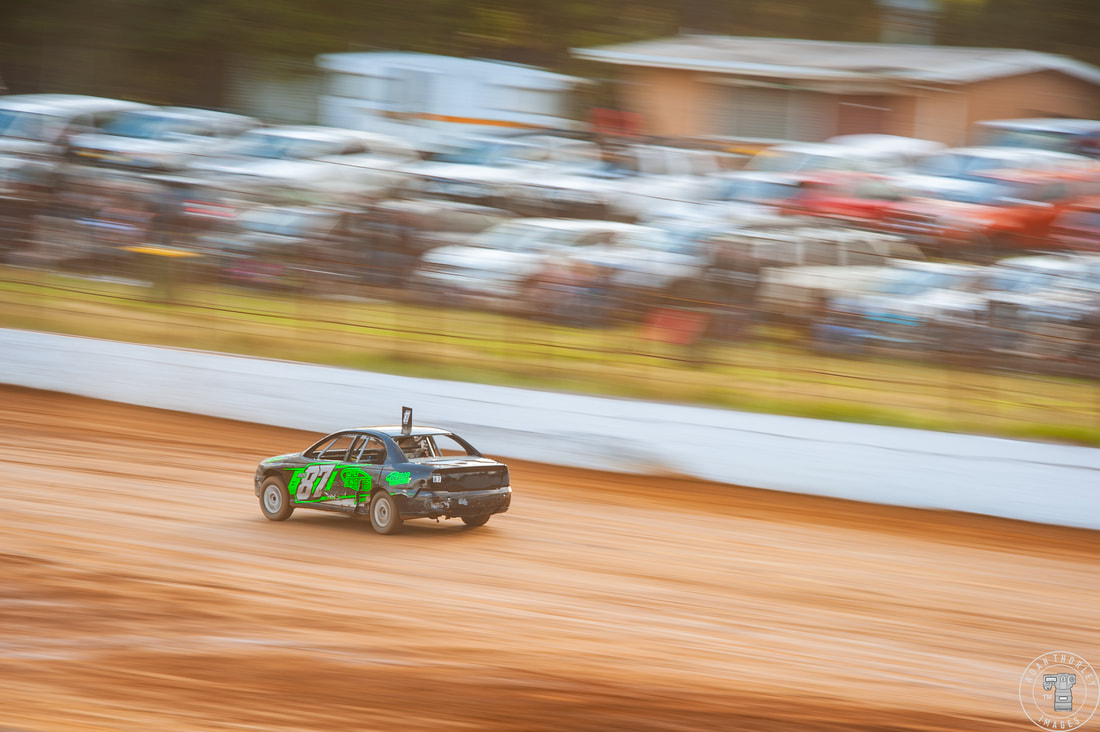
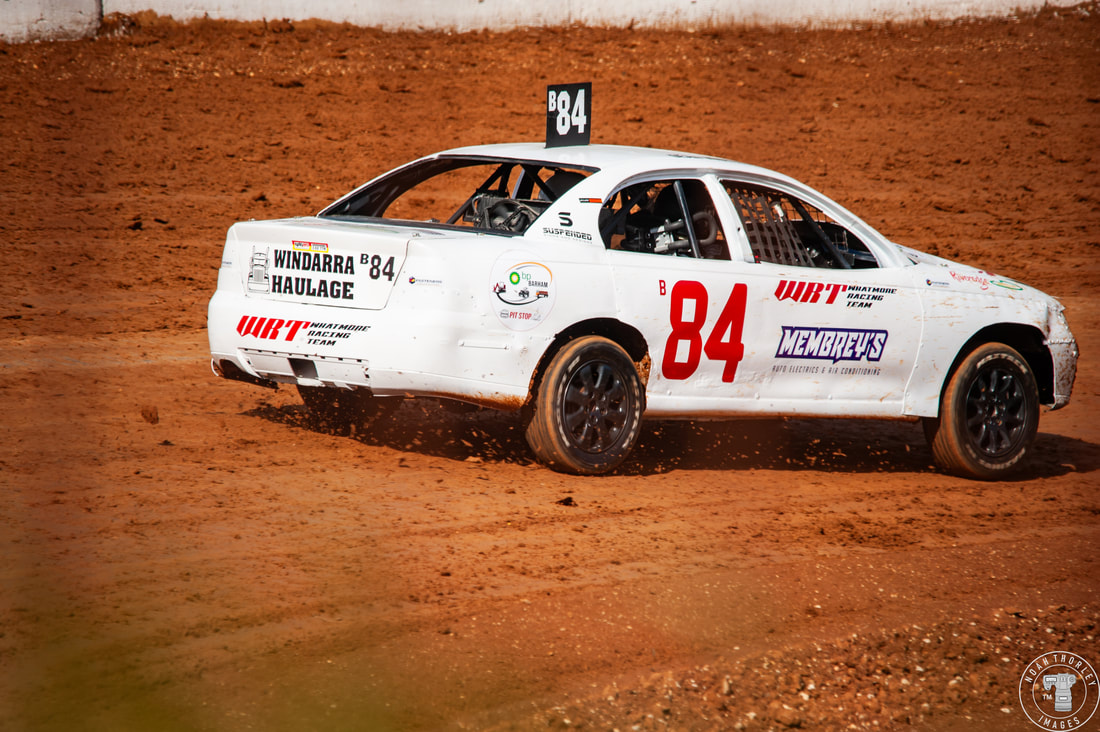
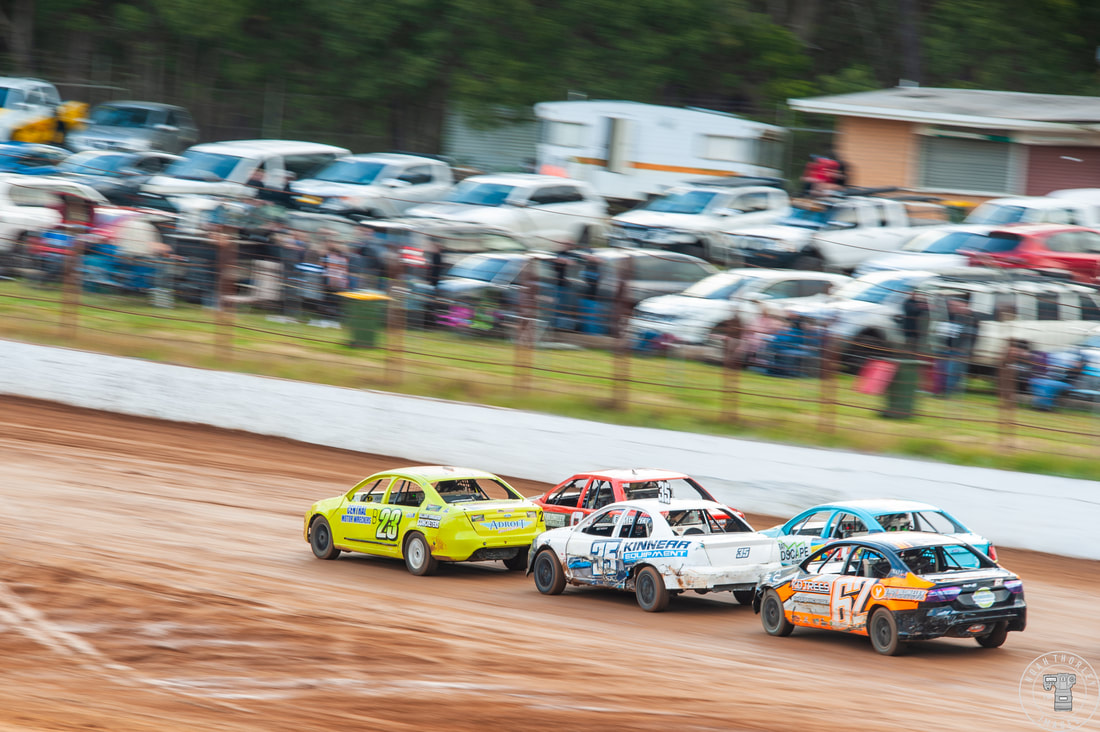
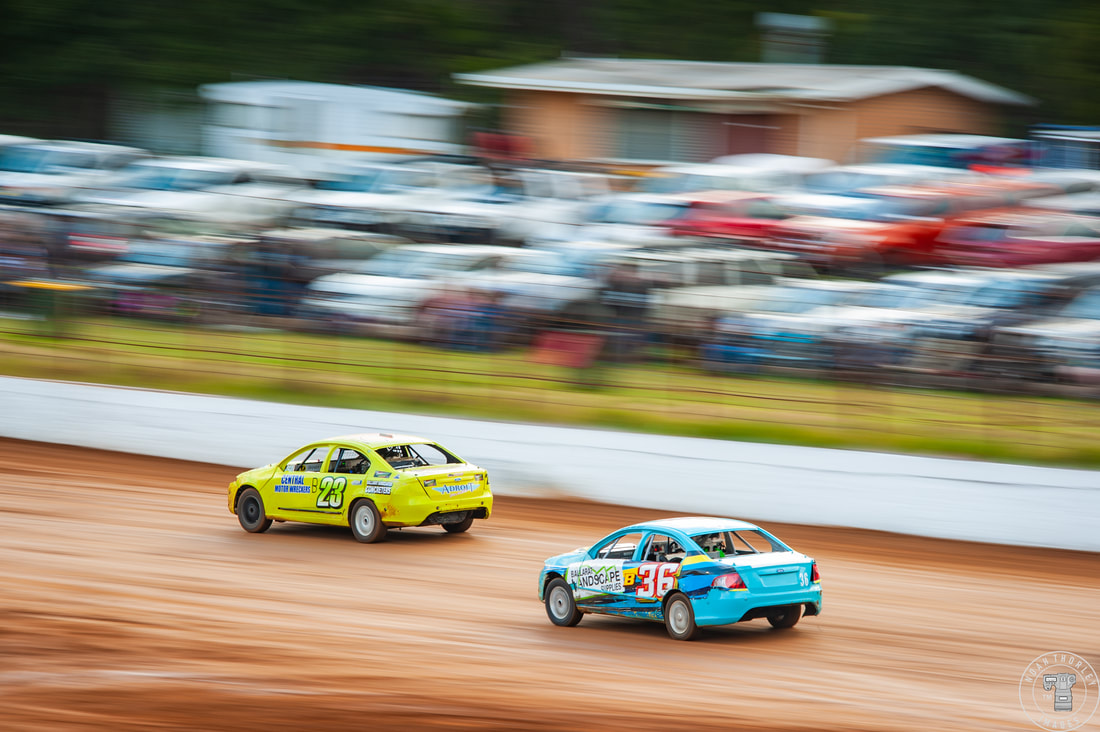
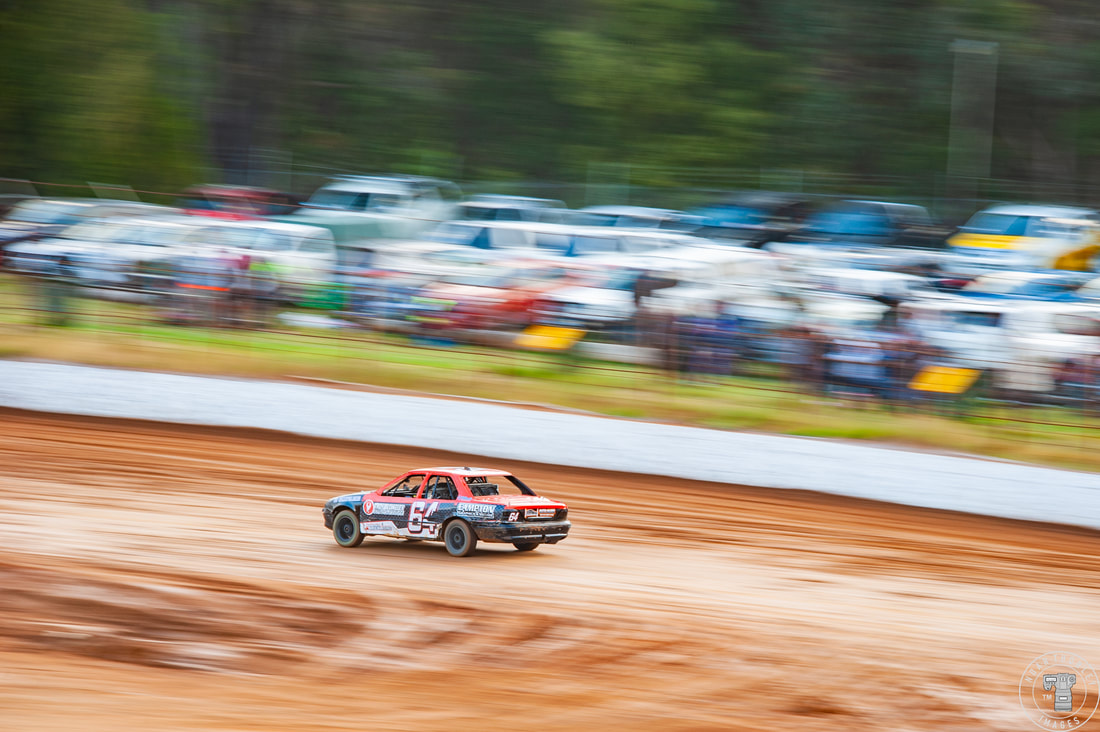
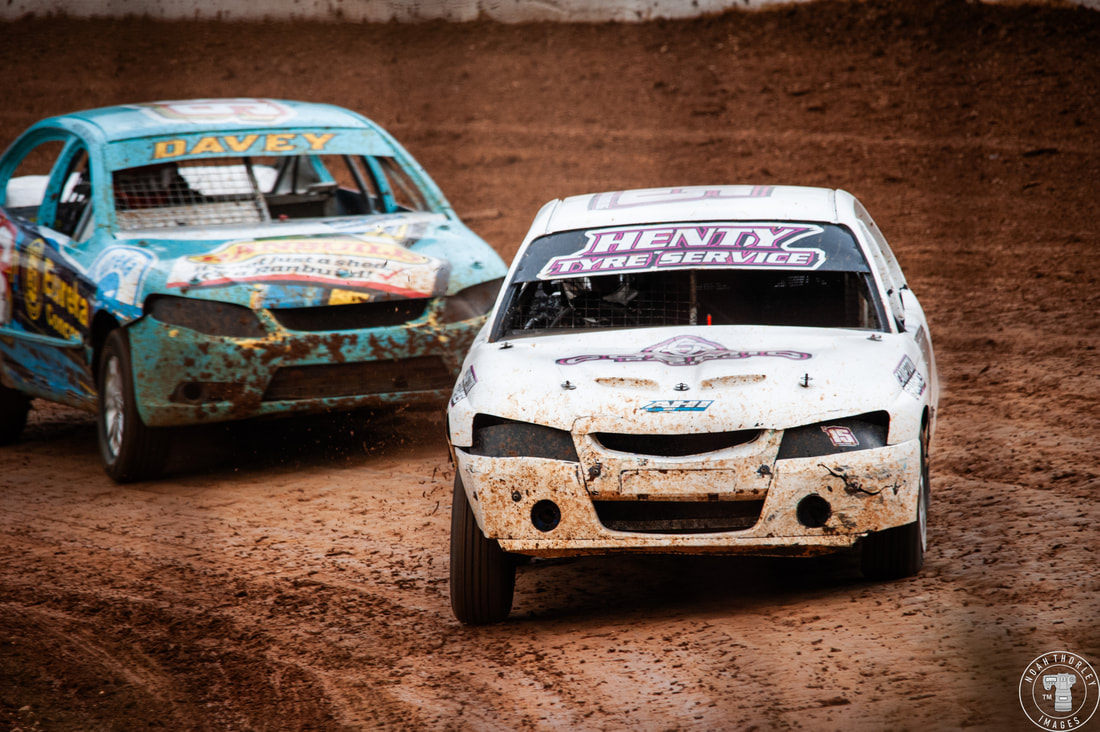
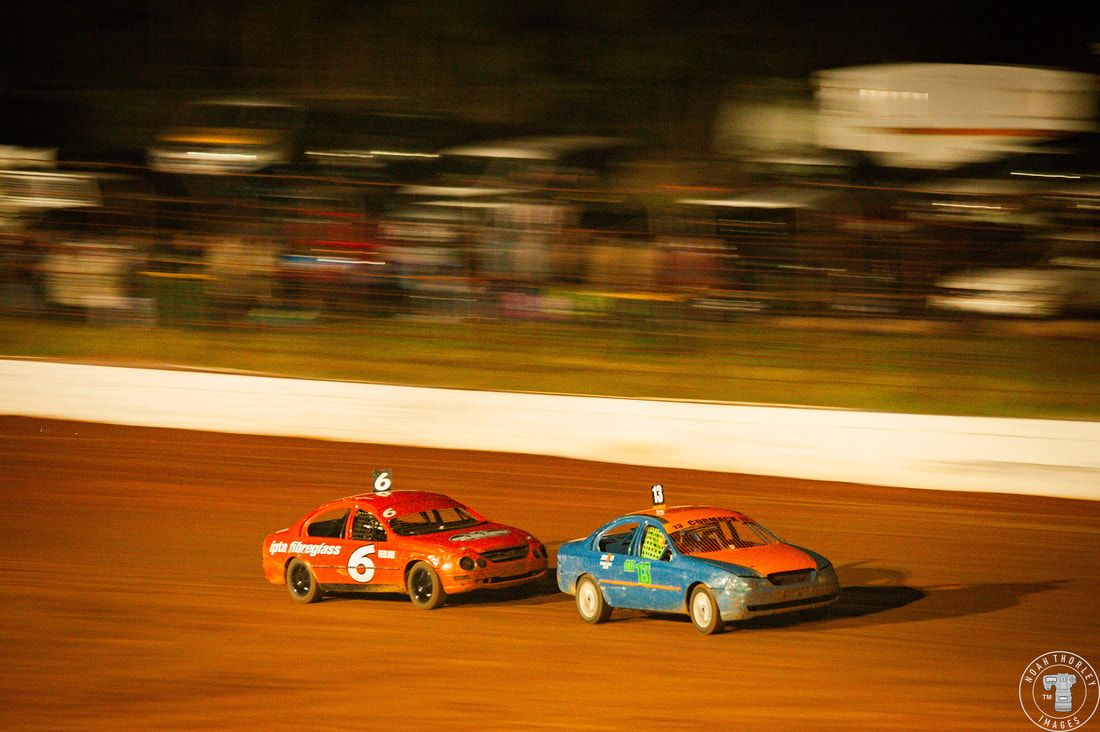
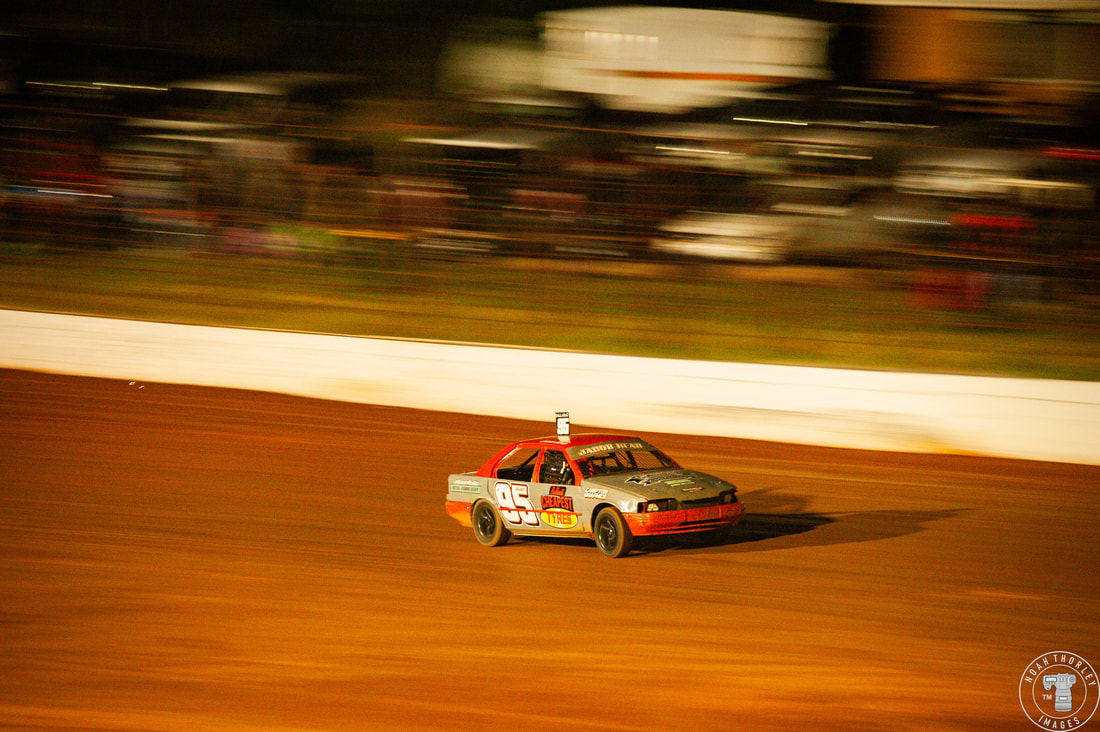
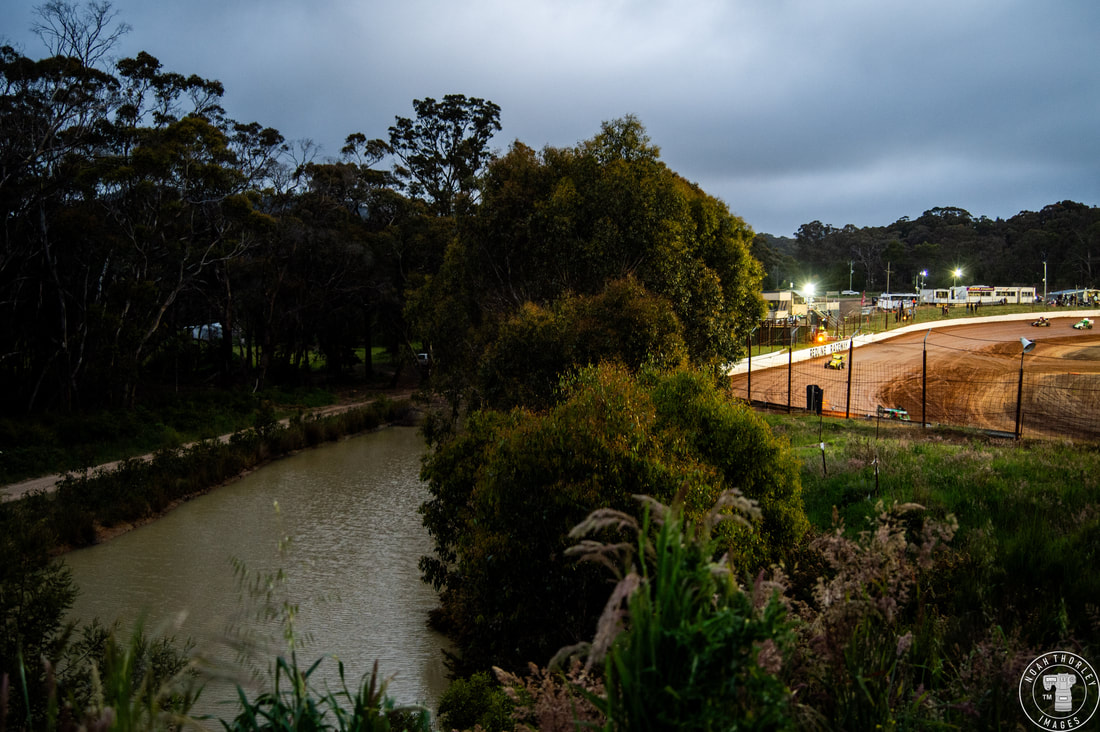
             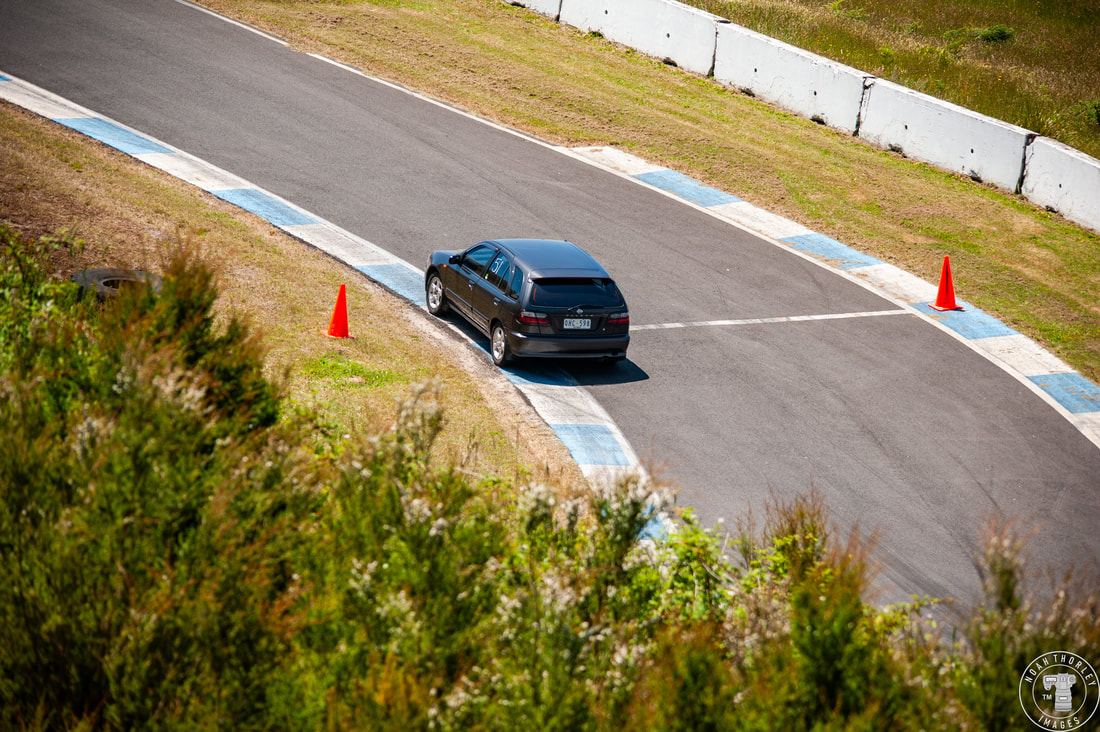 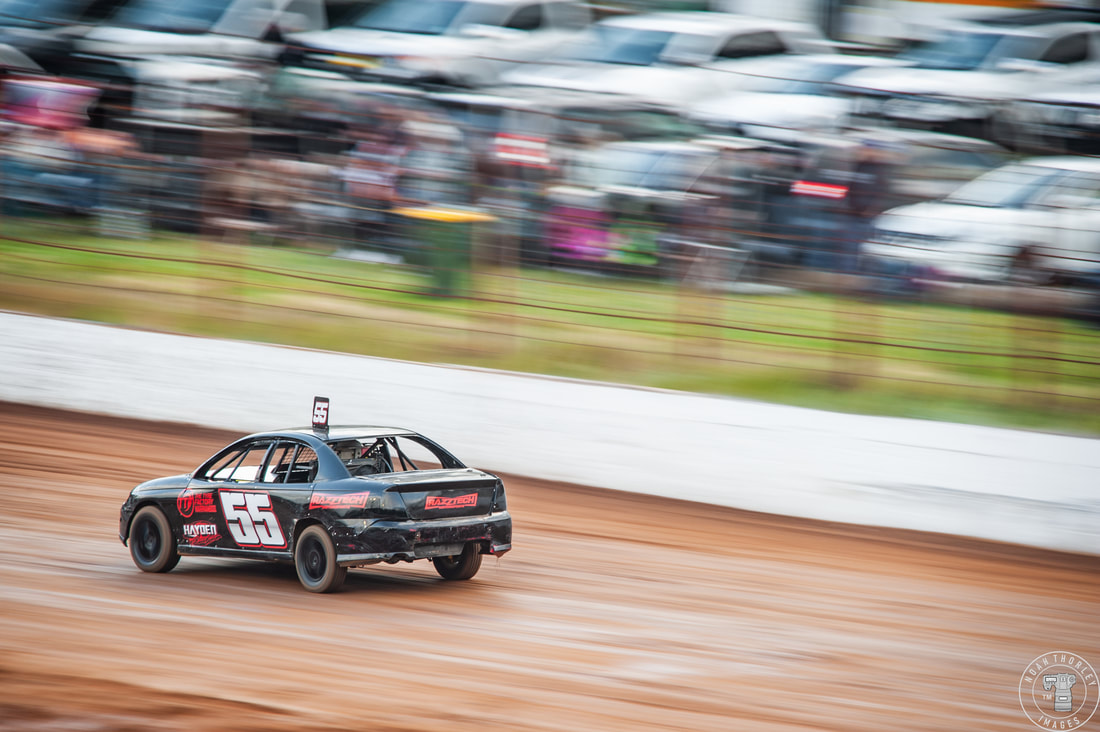 Driving down Yankee Flat Road, it's quite easy to miss the bull ring. However, in a clearing surrounded by thick windbreaking trees lies Redline Raceway, Ballarat's home of Speedway racing, where the clay has plenty of racing stories to tell over its almost 60-year history. 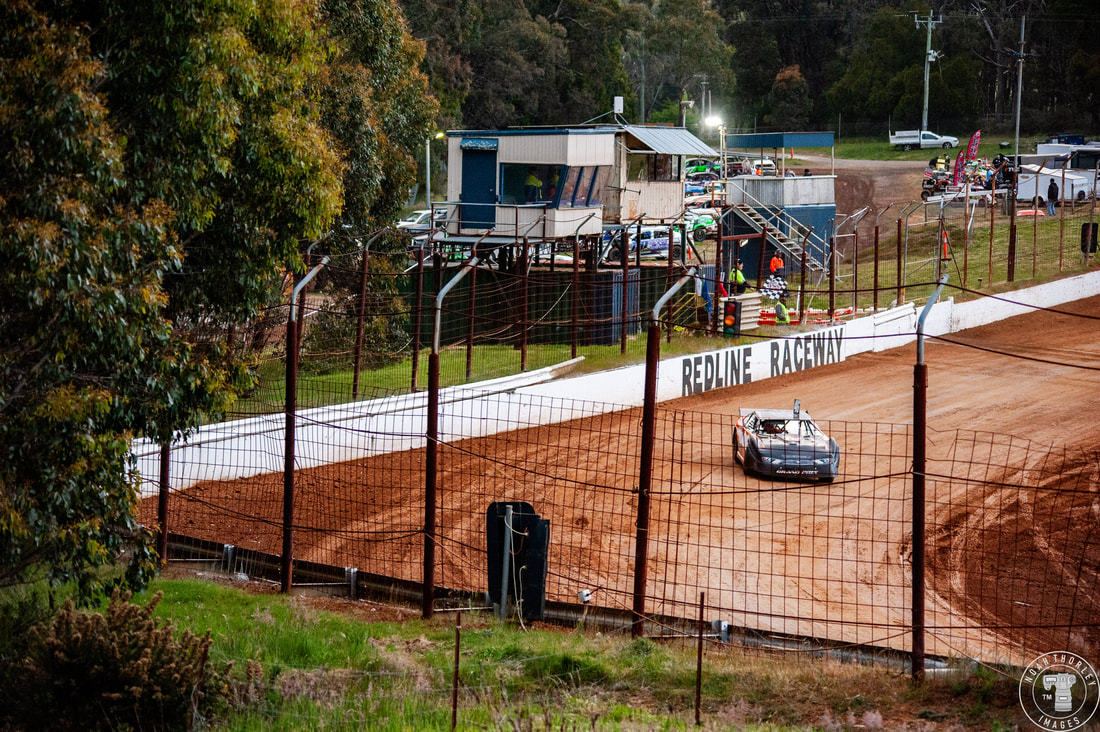 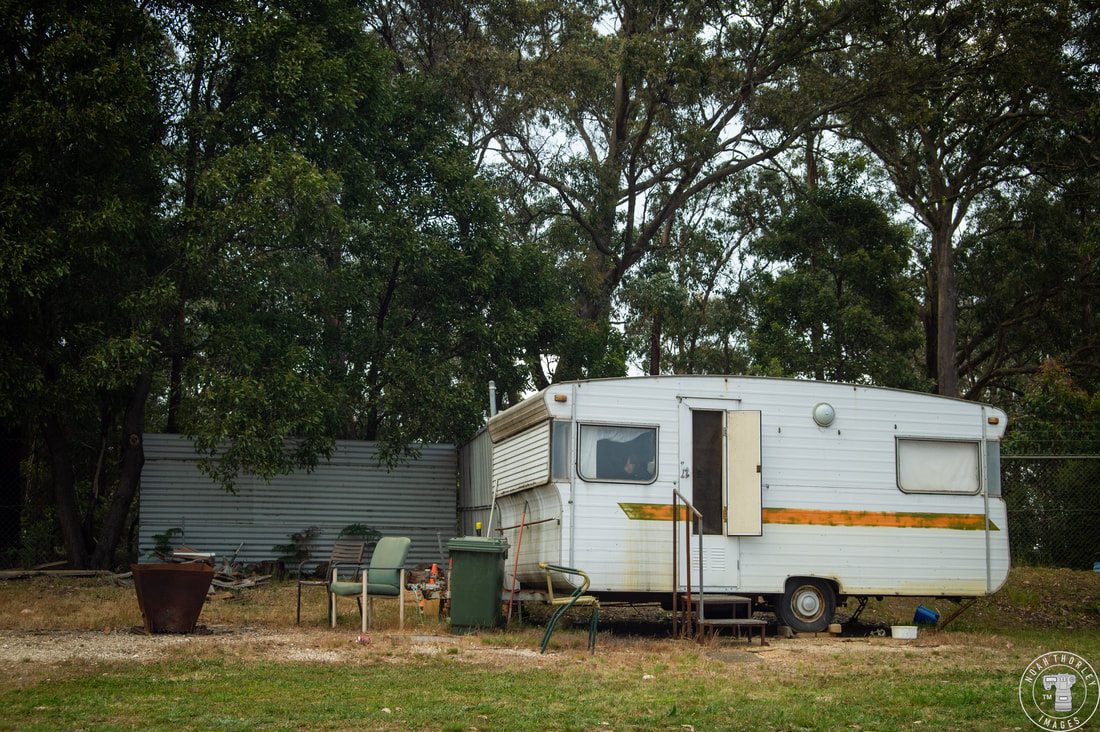 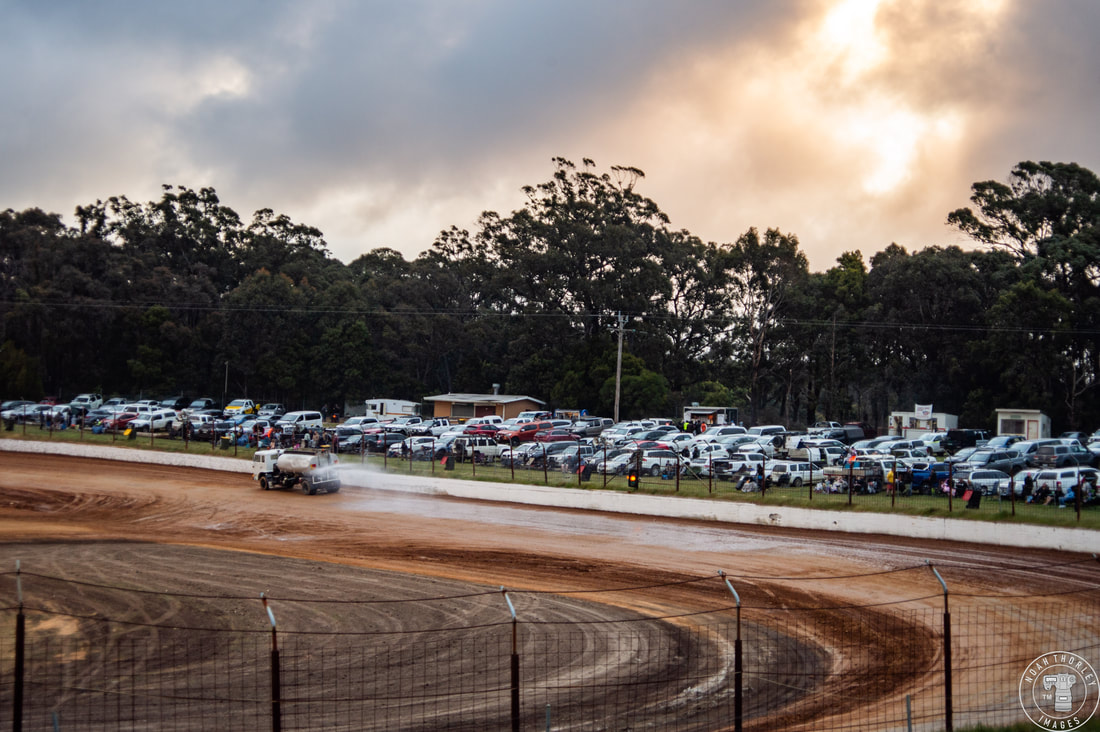 Originally named 'Torana Speedway', the 420m clay oval was built in 1965, and has held a range of big races and very cool speedway categories, including the 1968-69 Australian Production Car Championship, which had over 100 entries. More recently, Redline Raceway held the largest Australian championship in the country's speedway history, which turned out to be the 2016 National Street Stock title. 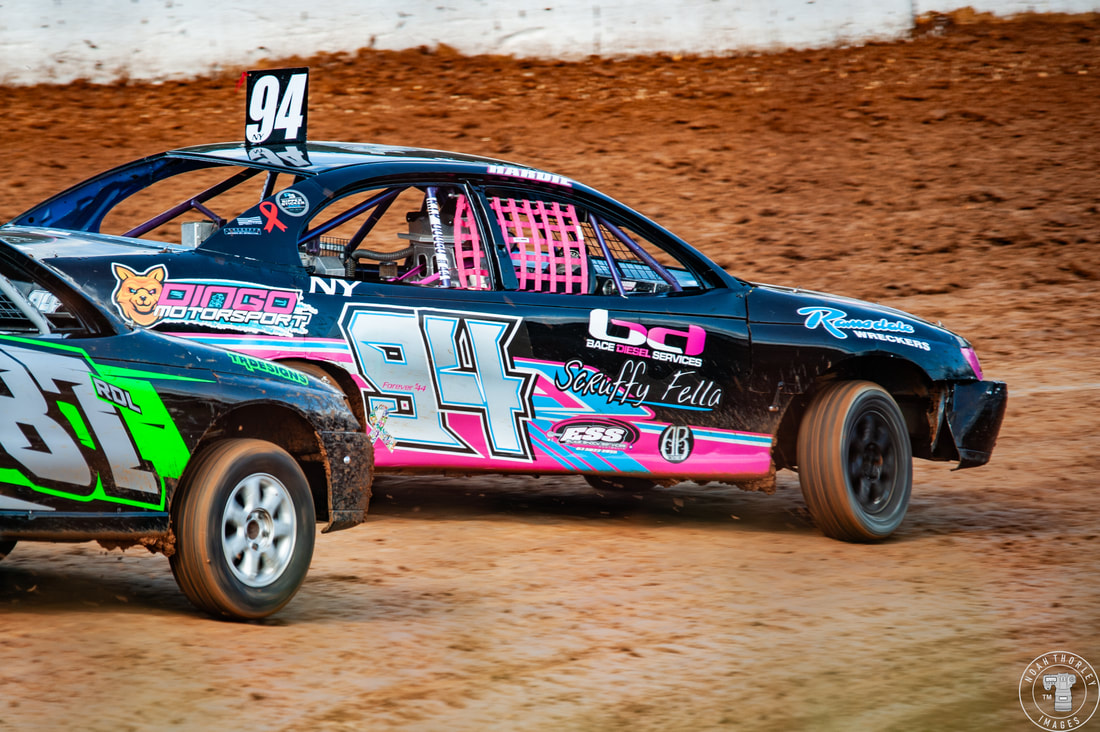 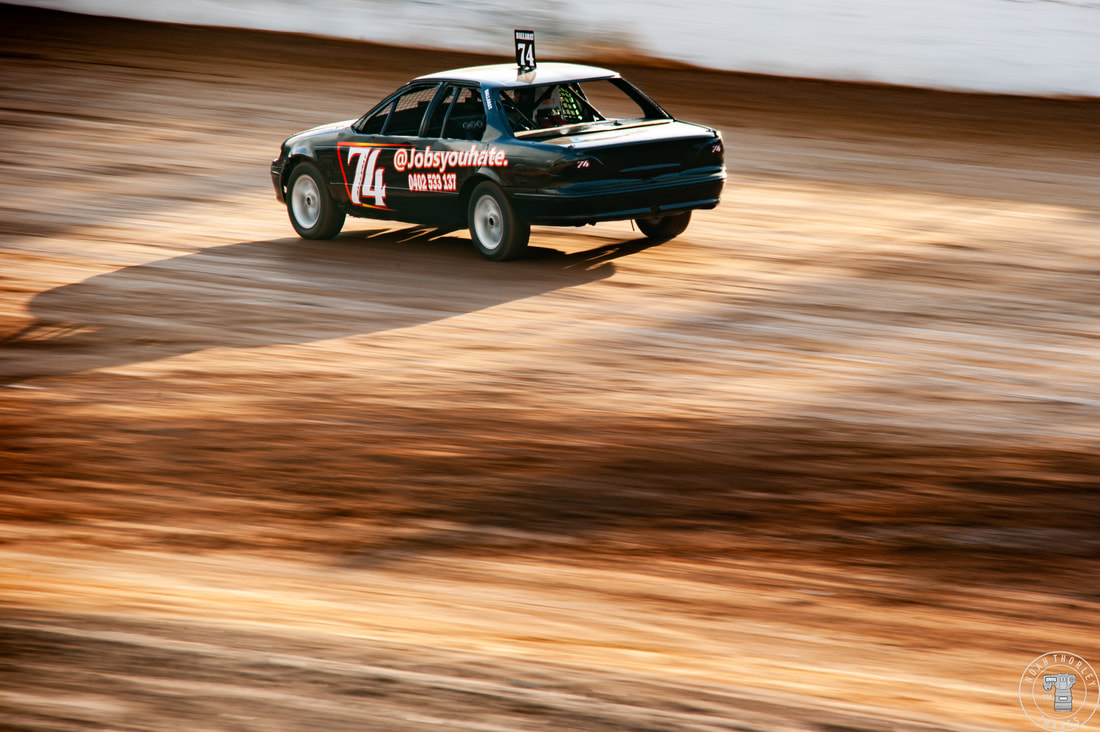 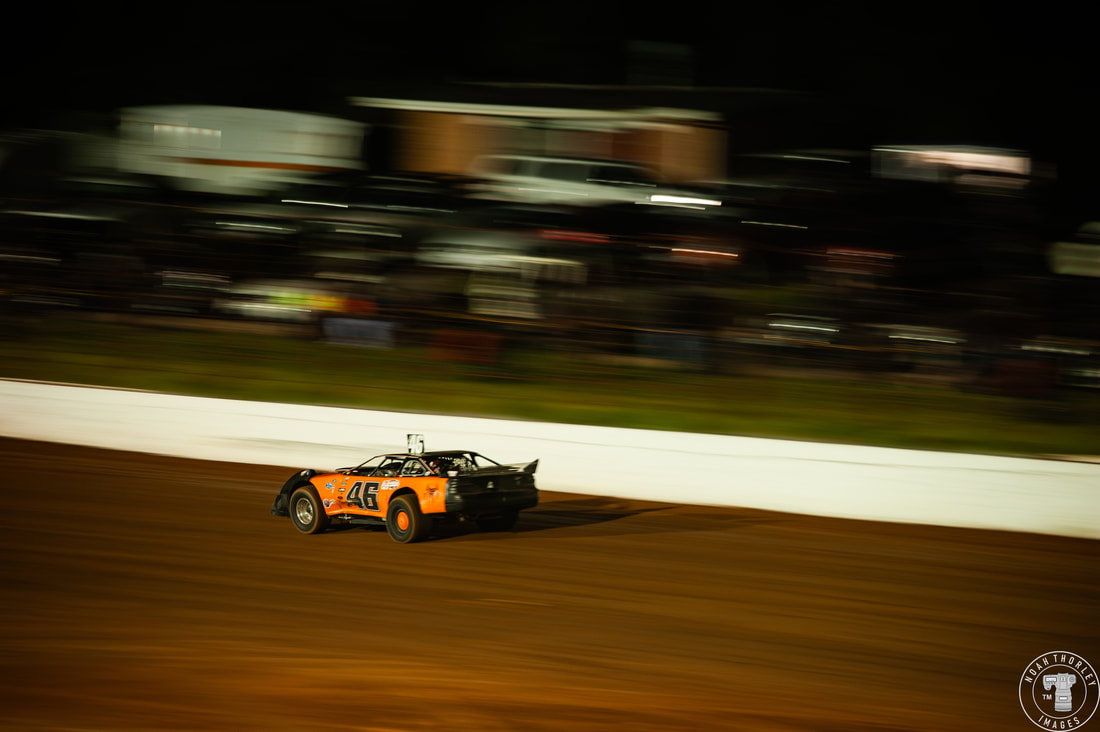 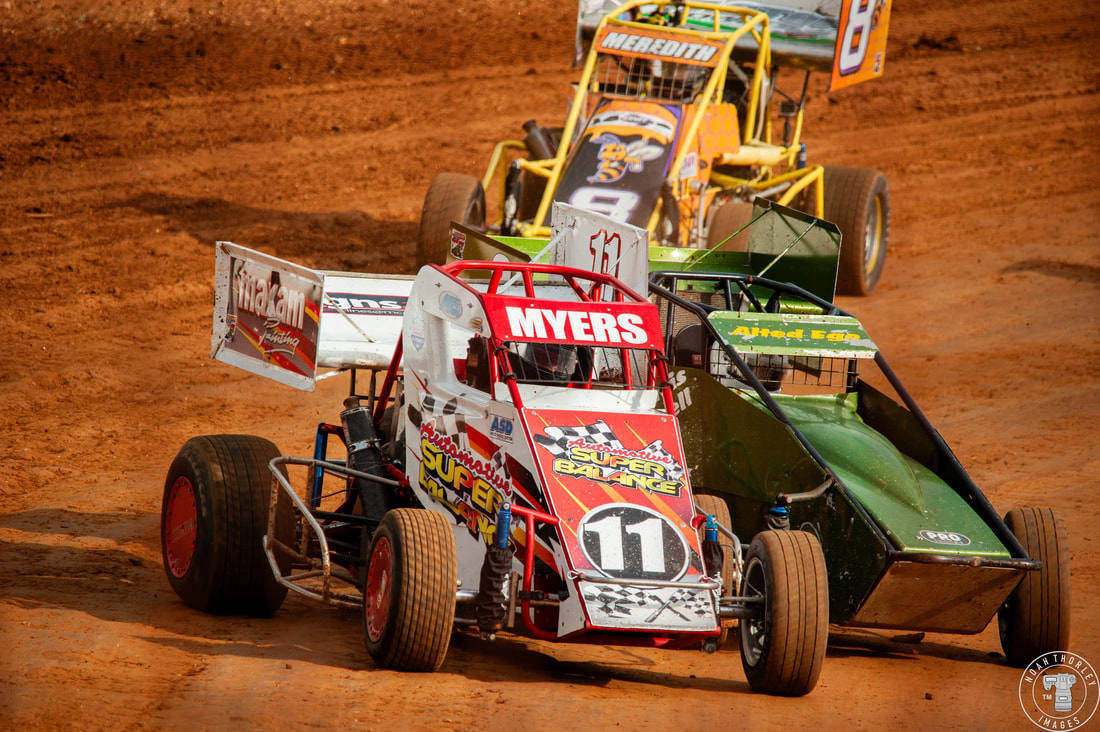 For Redline's 2023-24 season opener, Street Stocks, Standard Saloons, Unlimited Sedans and GP Midgets would occupy the roster, with the latter being what I was most intrigued by. 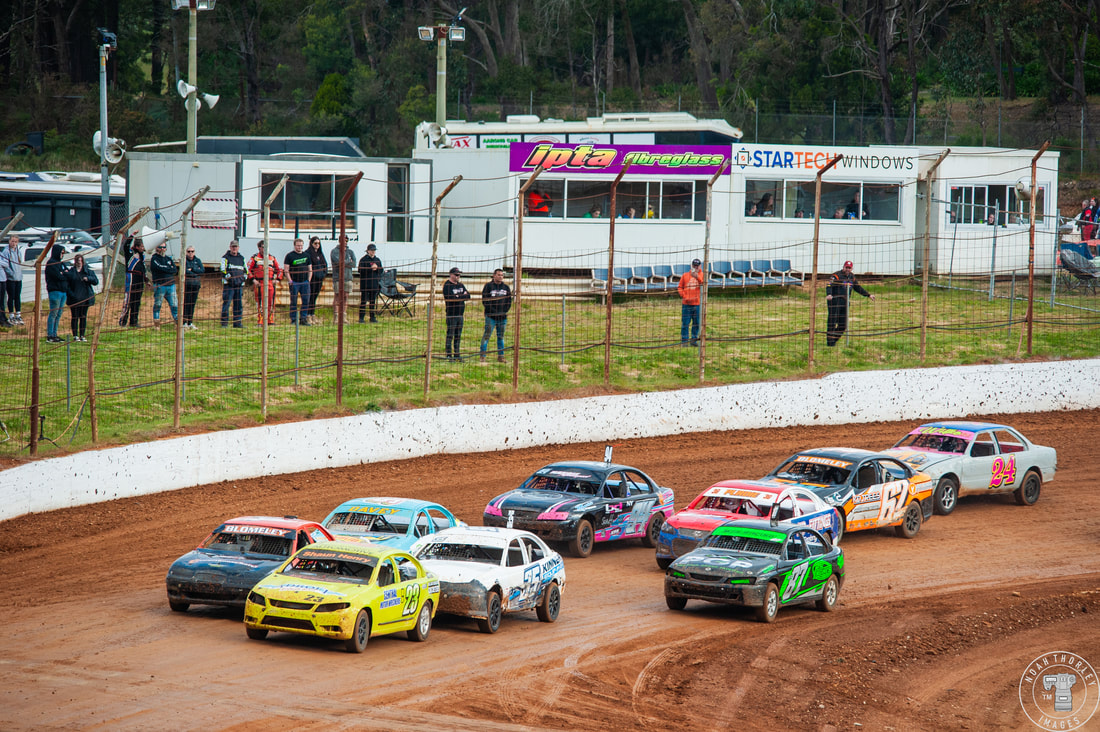 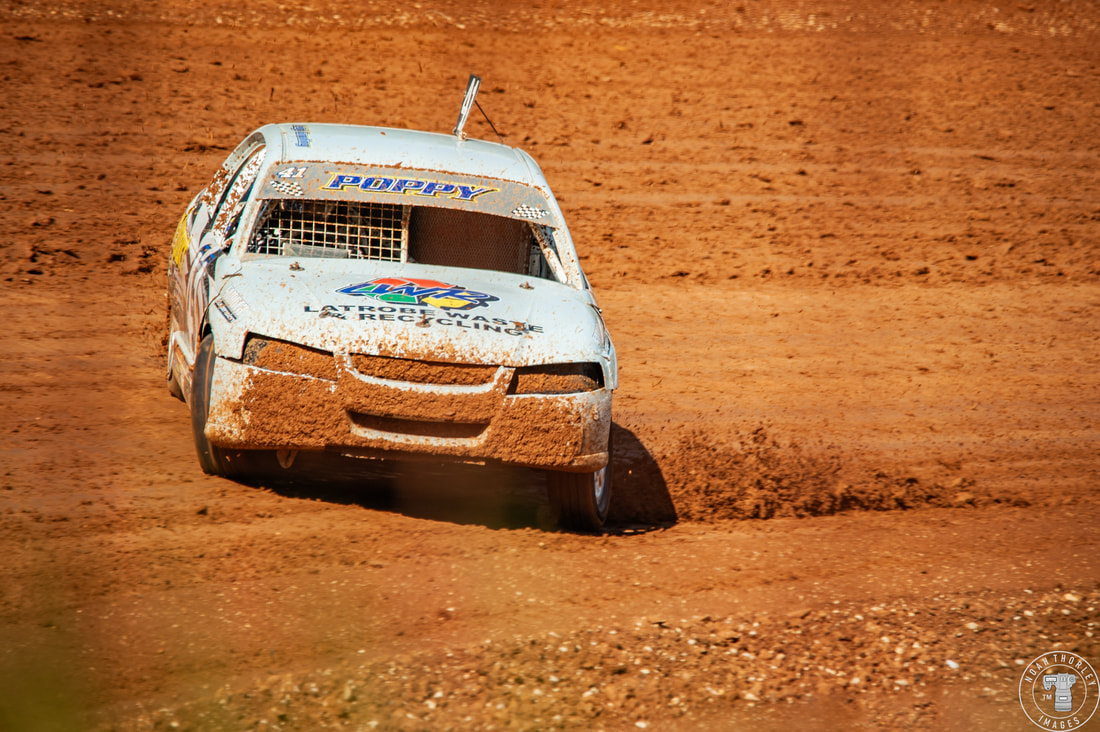 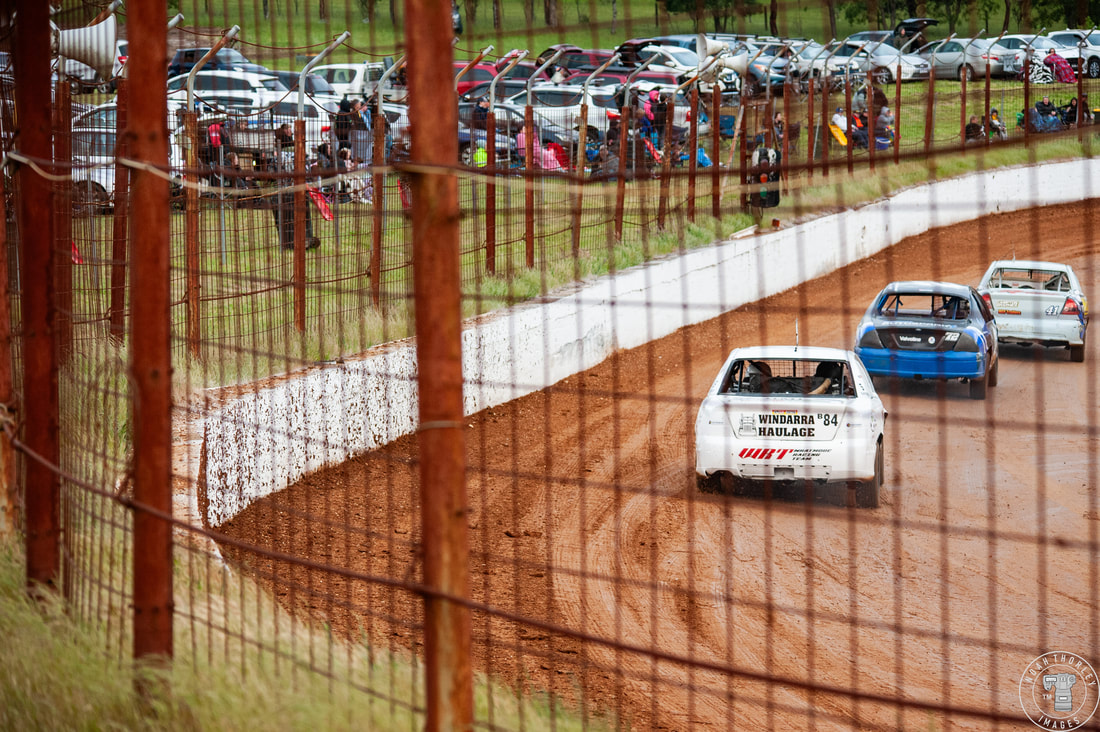 Before I get into the midgets though, I also want to mention my plan was to shoot the event from spectator areas only. One piece of advice I hear from many speedway photographers is to embrace shooting through the fence, and that is definitely one thing I'm going to work on during this new season of Speedway racing. Thankfully, the Redline fencing isn't too dense, so shooting close up wasn't much of an issue, I just had to find the right angles to better depict the cars as they raced on the clay. 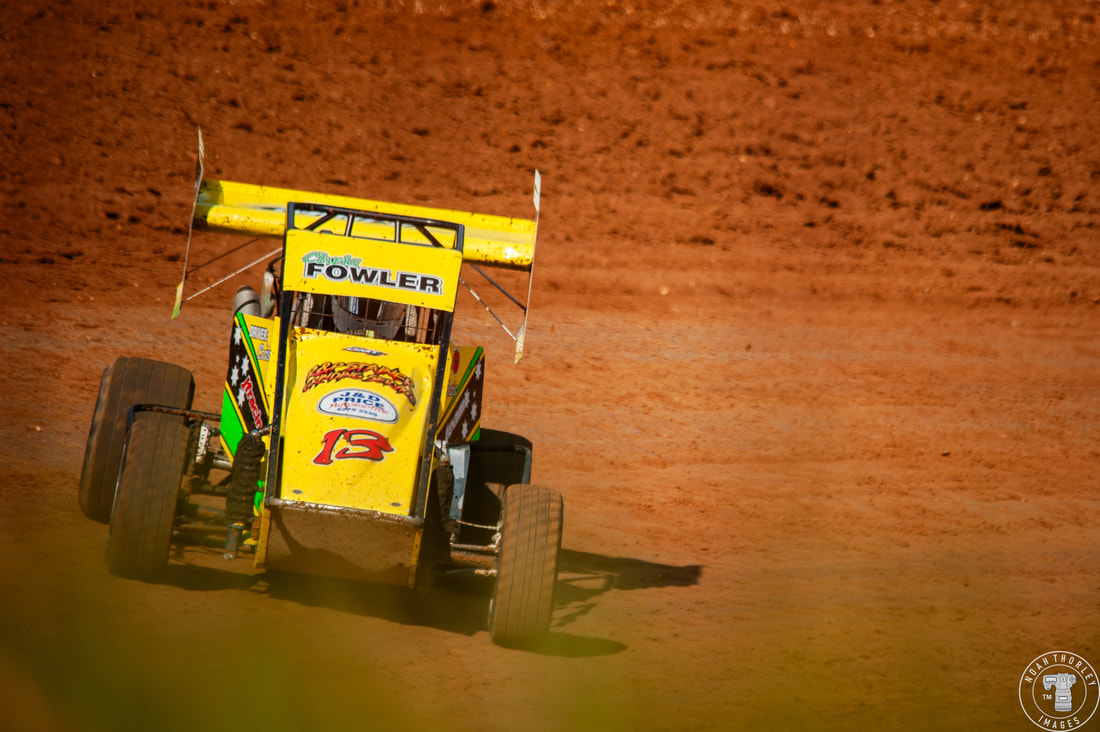
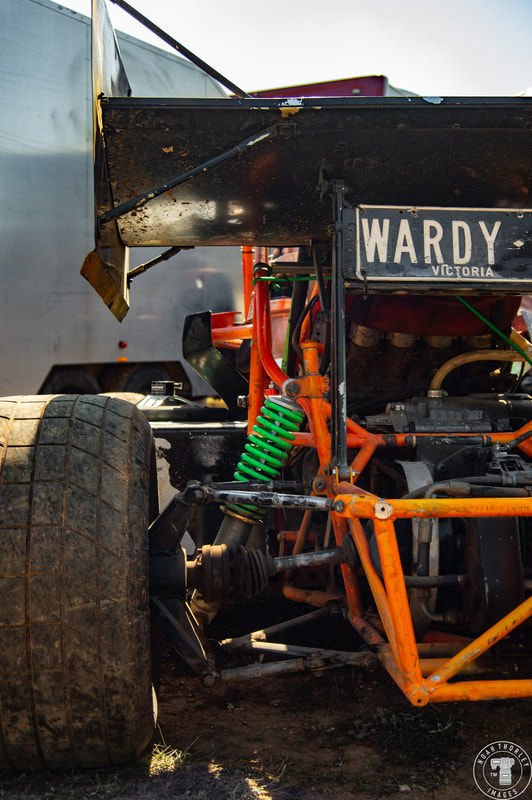
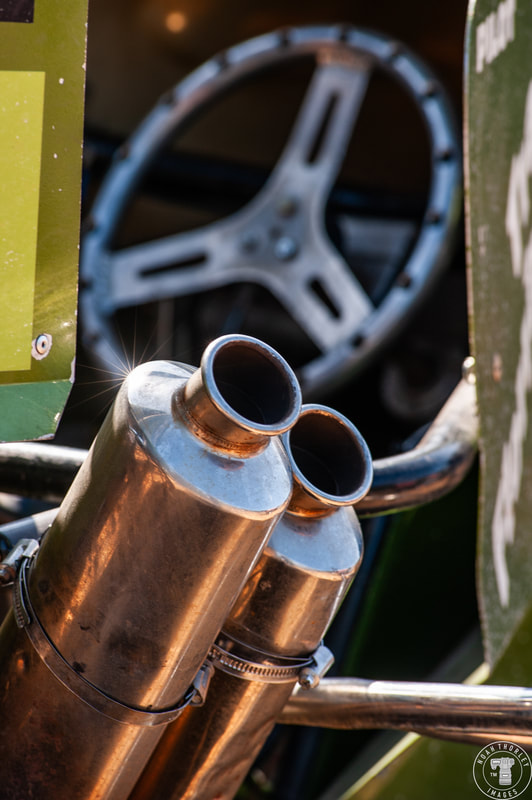
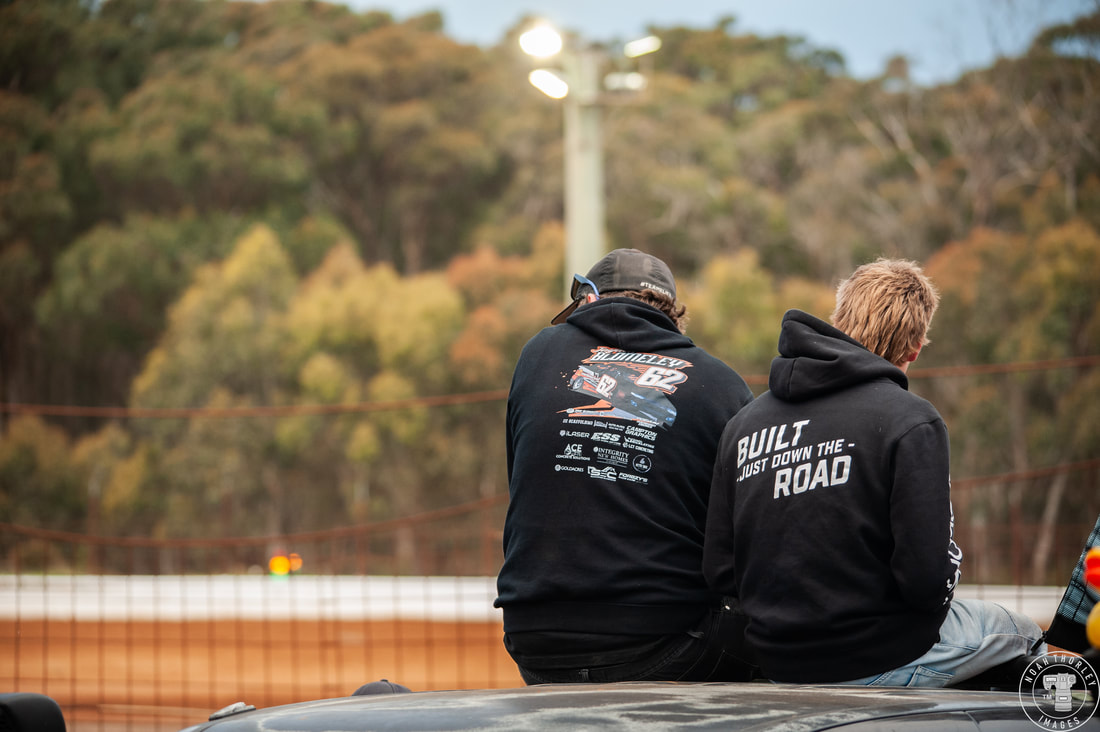
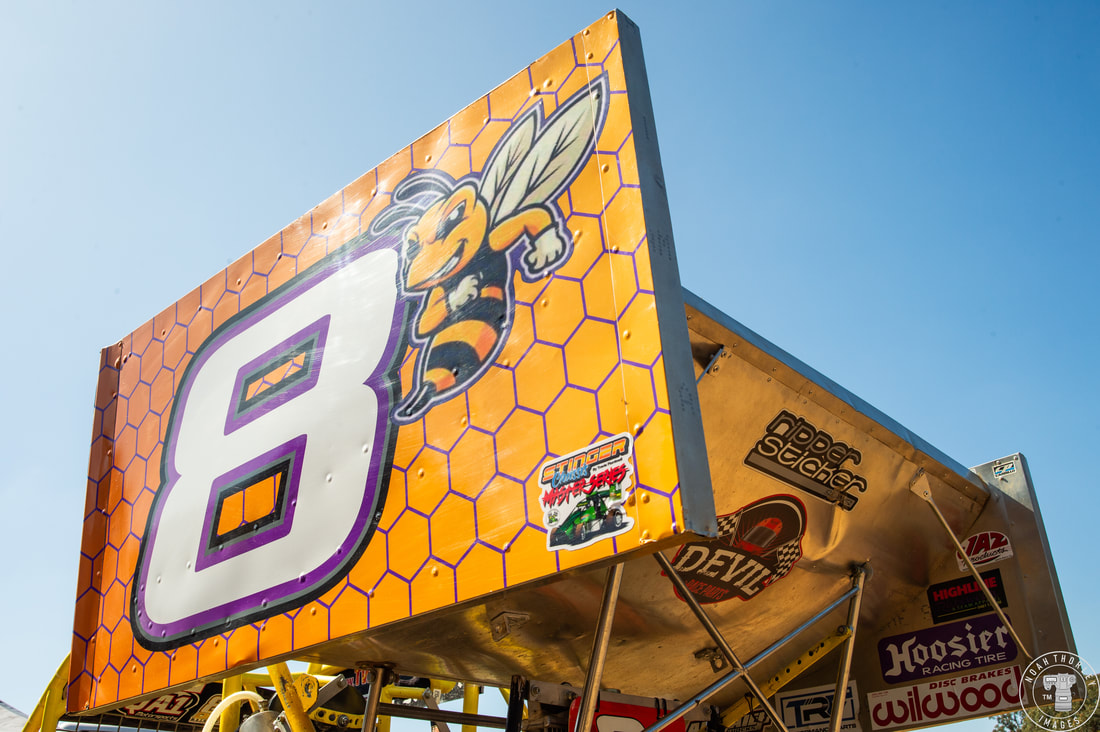 GP Midgets are another style of open wheel midget which race across NSW and Victoria. They feature a motorcycle engine at the rear, (allowing a maximum capacity of 1200cc) and a chunky wing over the engine and rear tyres for added downforce. 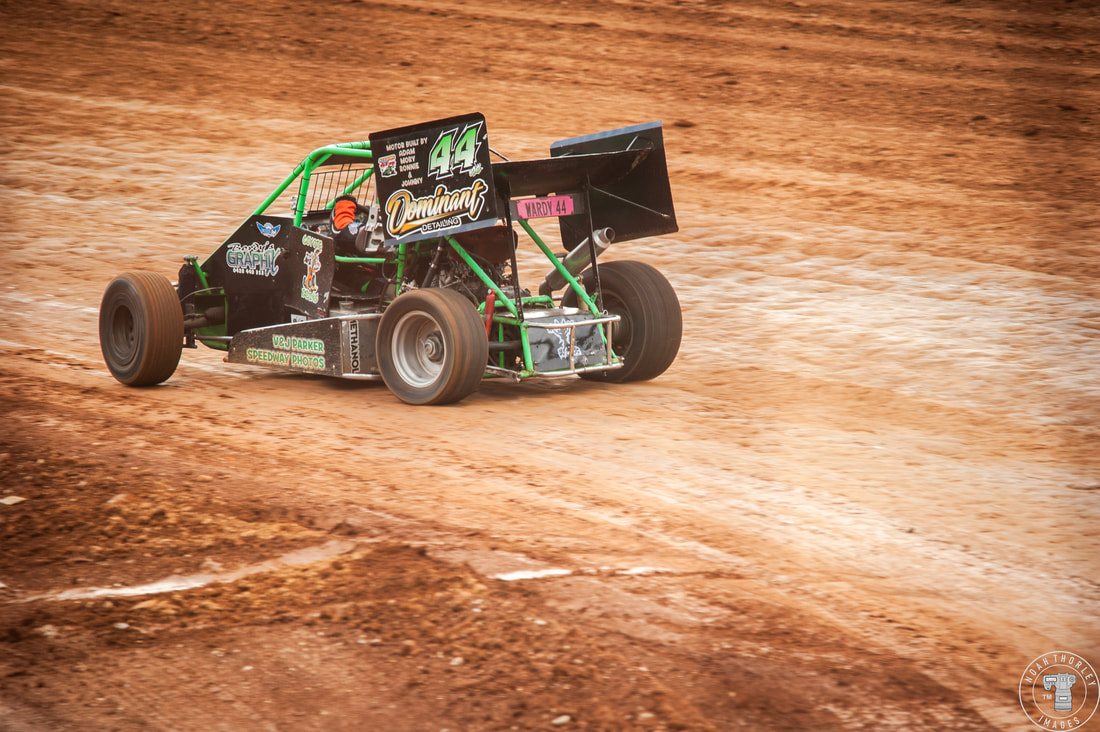 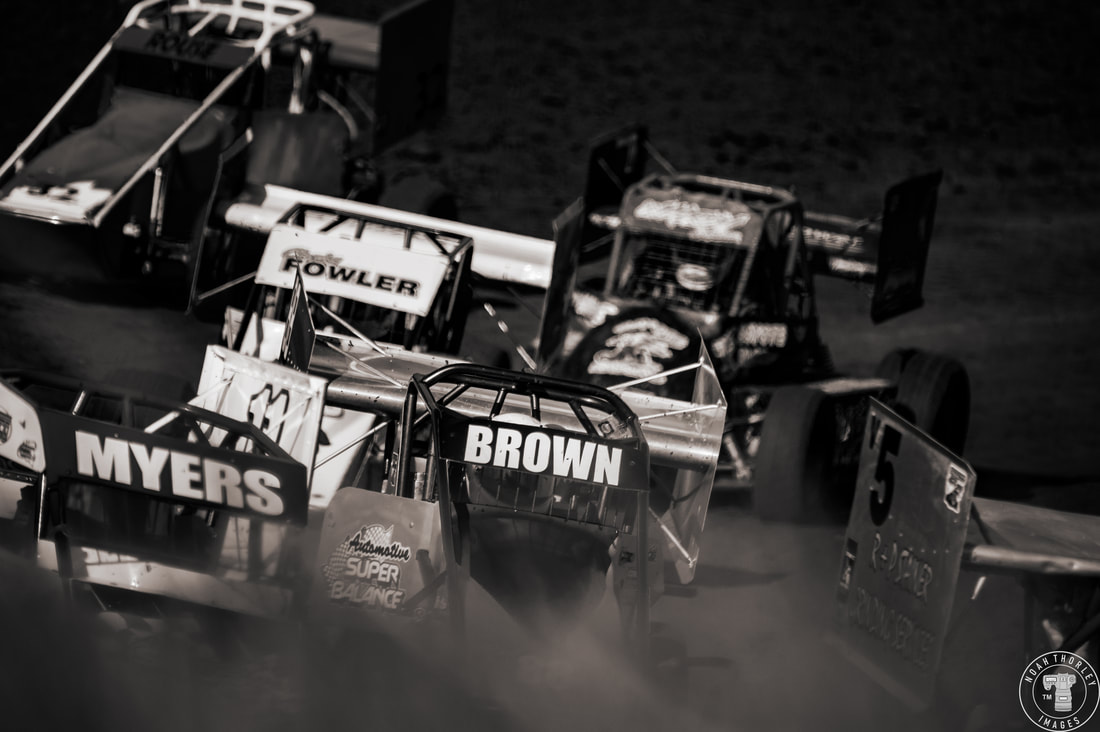 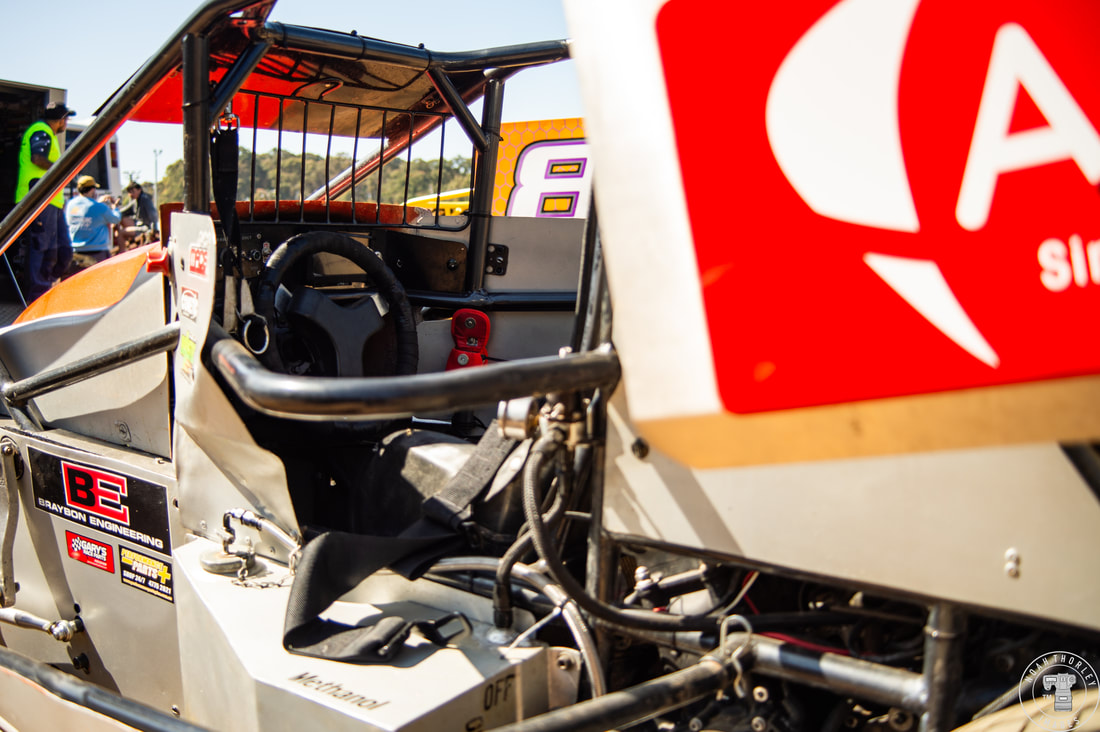 They are certainly one of the most unique looking Speedway racers I've come across, as they look like a blend between an off-road buggy and a Sprintcar. These anomalies formed from the old F500 (known as three-quarter midgets at the time) in the 1950s. In the early days in Victoria, they were known as Formula 750, as they were powered by 750cc motorcycle engines. 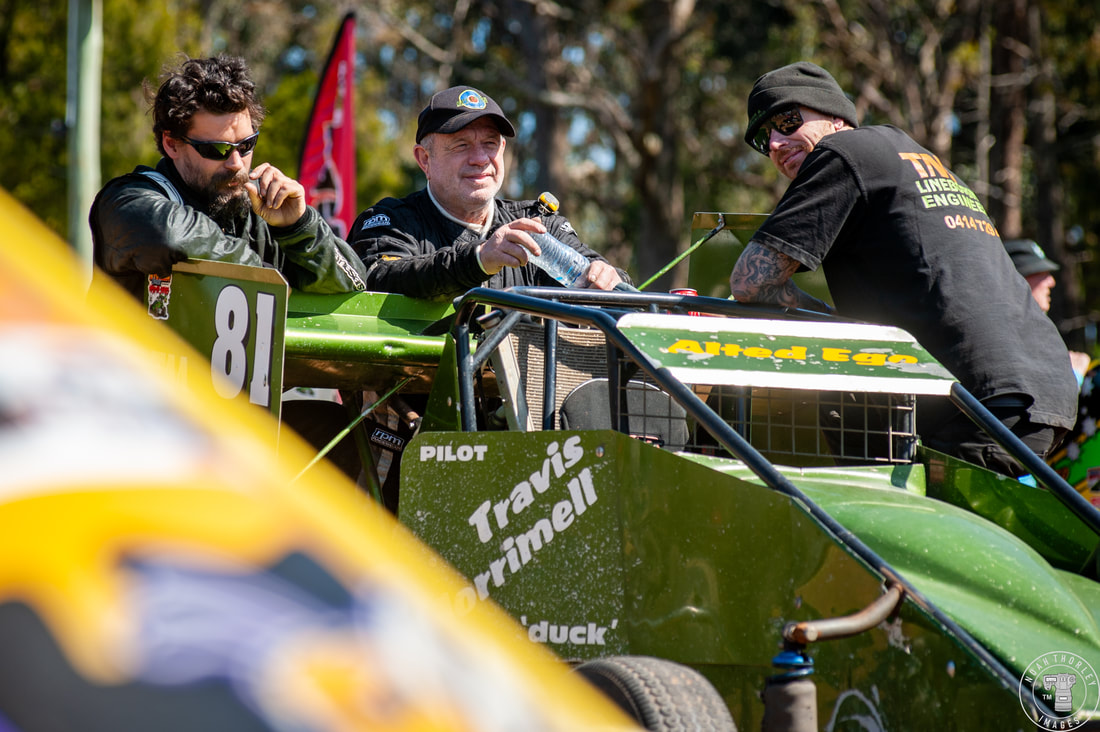 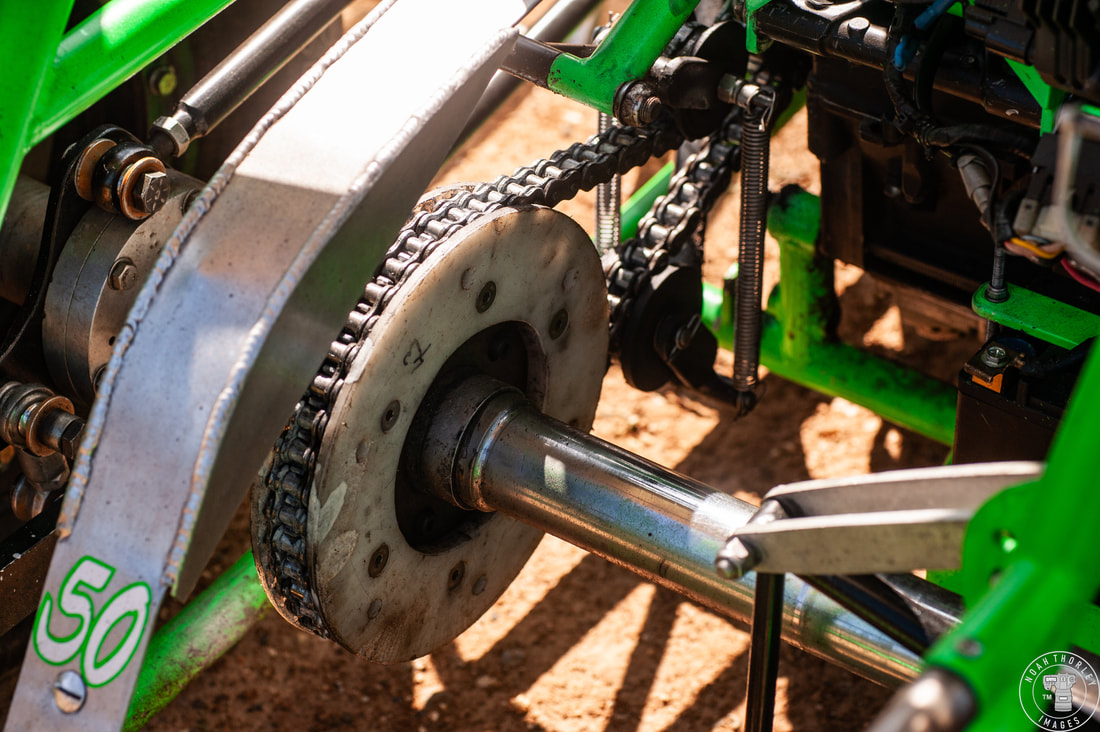 The now well-known name of GP Midgets was given to the category when motorcycle engines up to 1200cc were allowed in the 1970s. It was at this time that GP Midgets began to truly grow, and in 1977, the Victorian Grand Prix Midgets Association was formed. 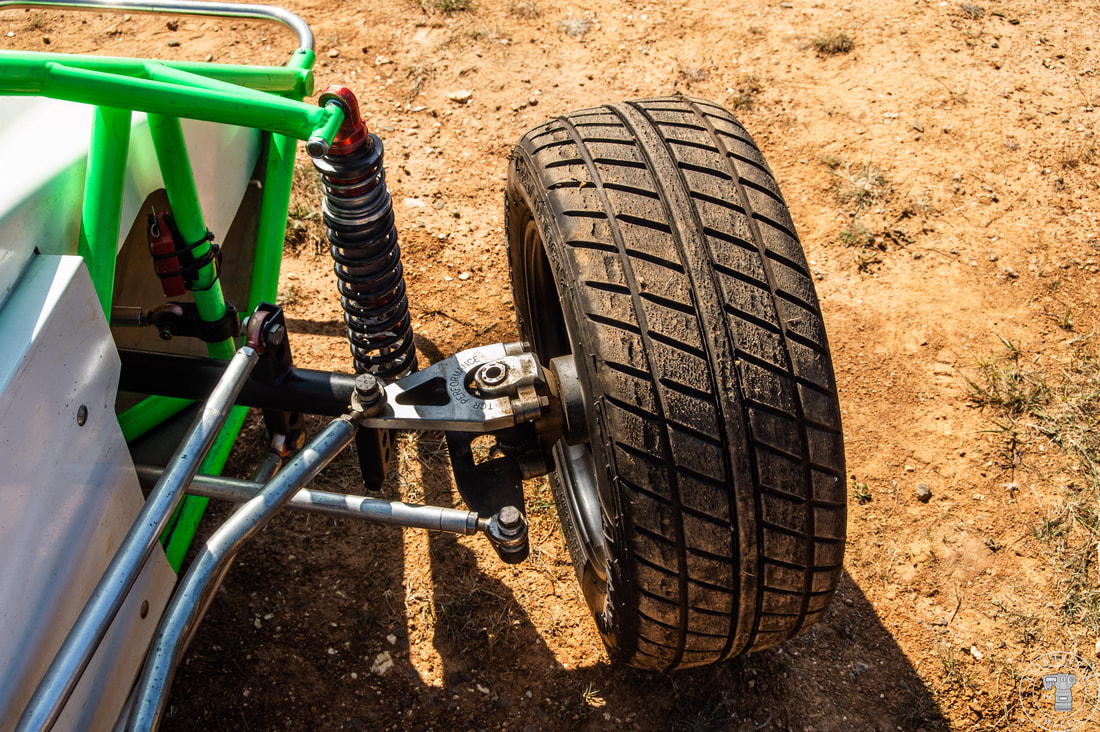 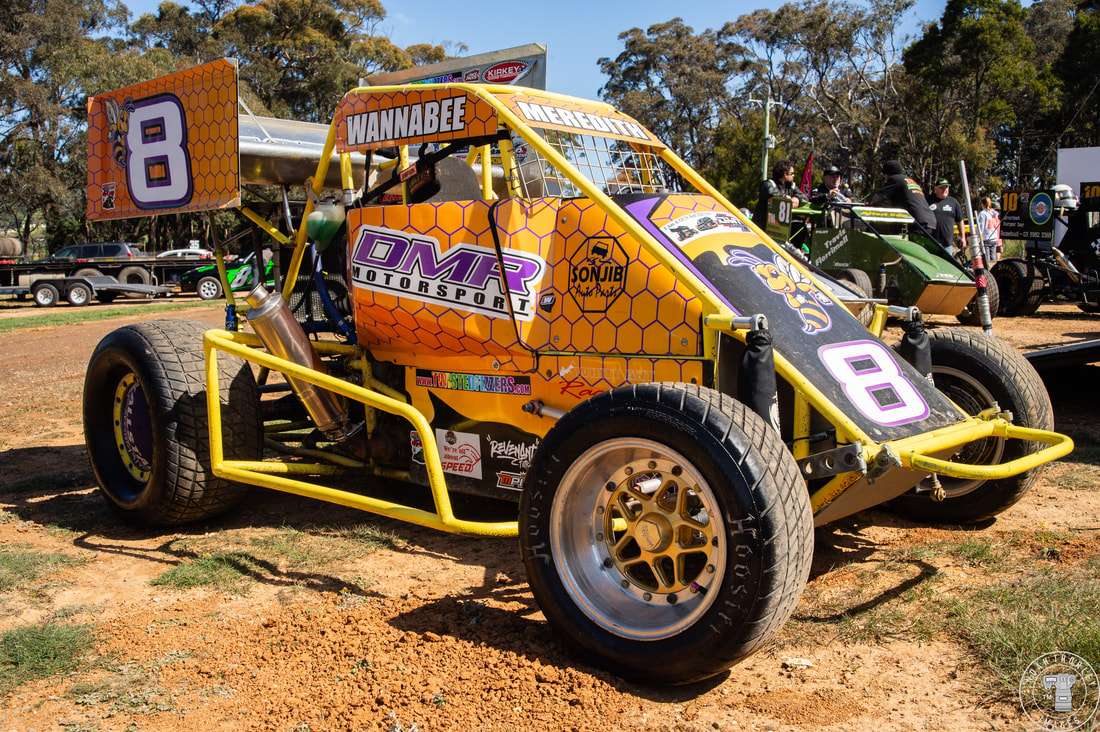 Chassis wise, Clive Pollett from NSW built over 30 GP Midget chassis in the 80s, but by the time the 90s rolled around, the Stinger chassis (which is most similar to what you see above) started to dominate the scene, built by Brian Pilbeam. Over time, new chassis makers have come along to refine the design and build more competitive packages, yet there are still some original Pilbeam Stingers racing up the front in races today. 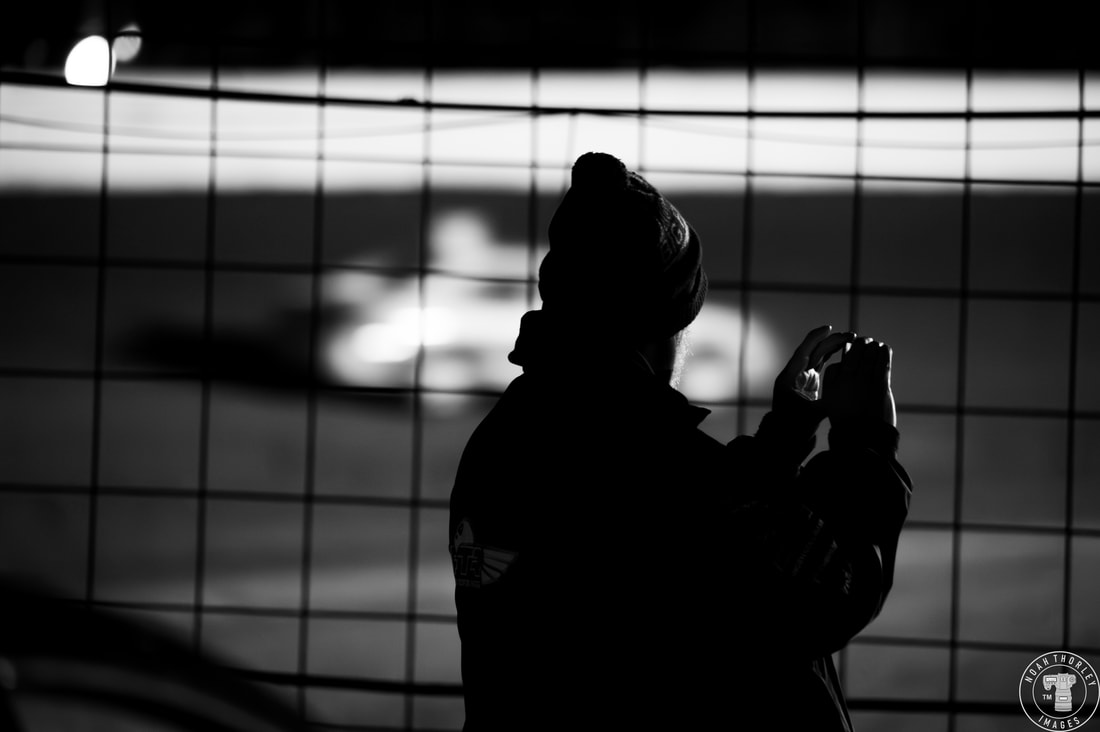 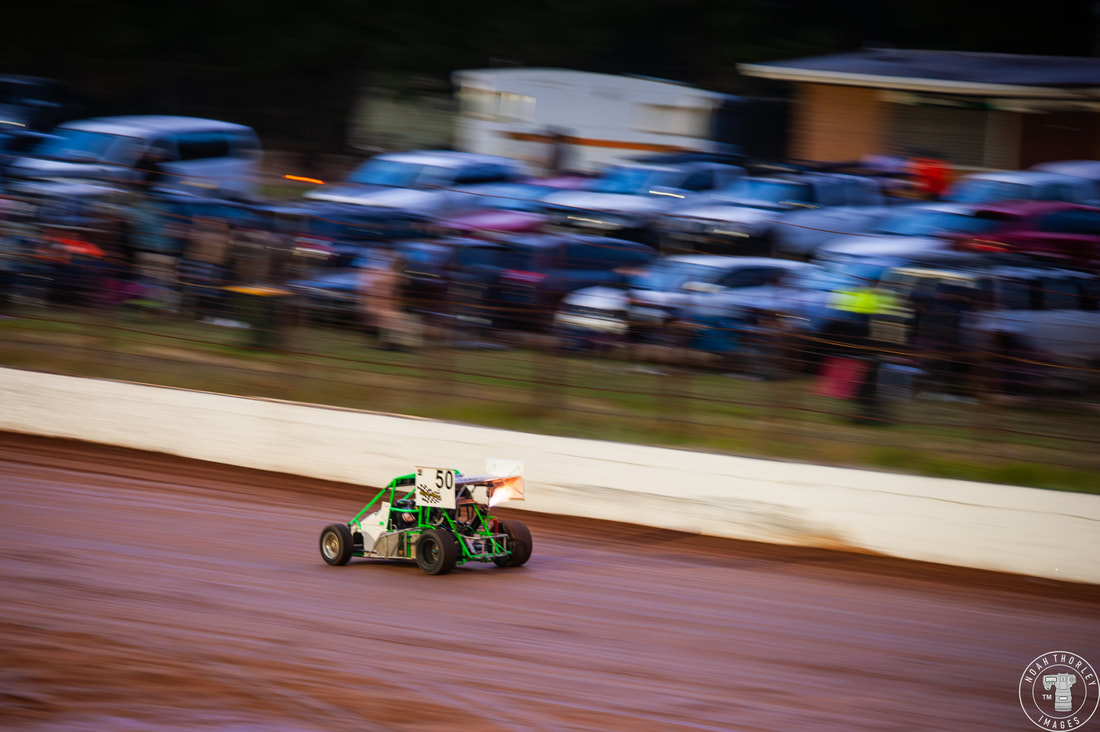 With the weekend being the first time GP Midgets used transponders at Redline, we now have lap records, with Peter Robotham setting the single lap record of 14.973 seconds and a 10-lap record of 2:32.761. Chris Fowler would win the feature, by only 0.015 seconds ahead of Chris Myers, to set a 12-lap record with a 3:13.652. 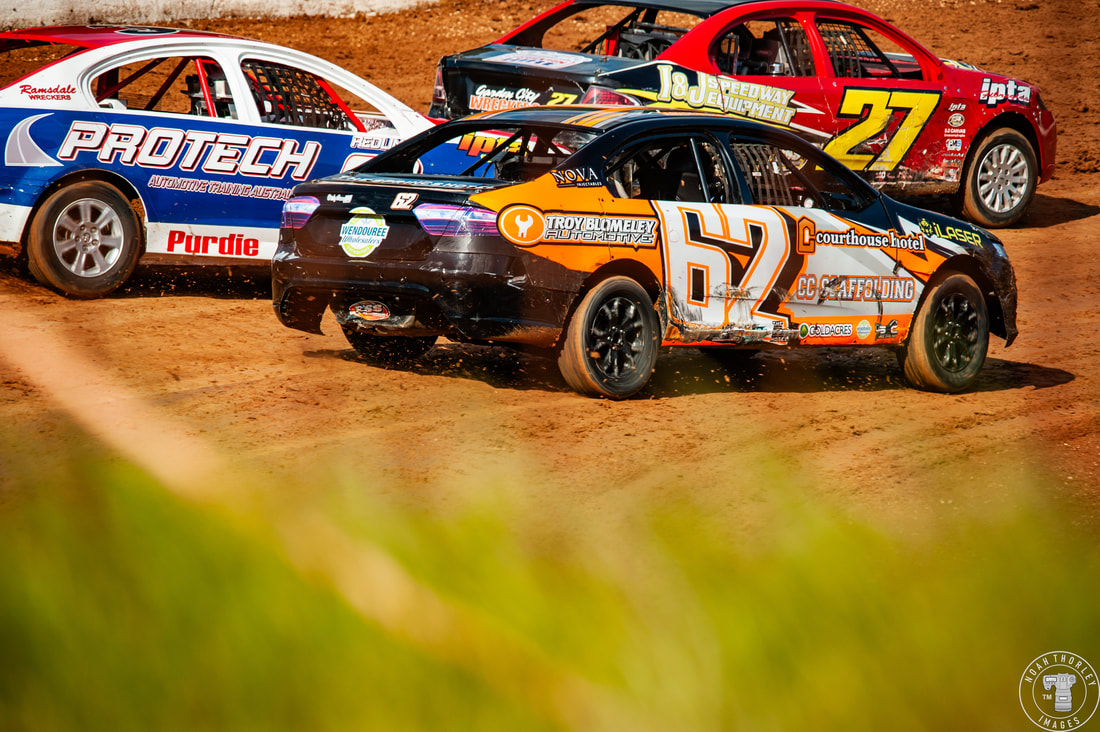 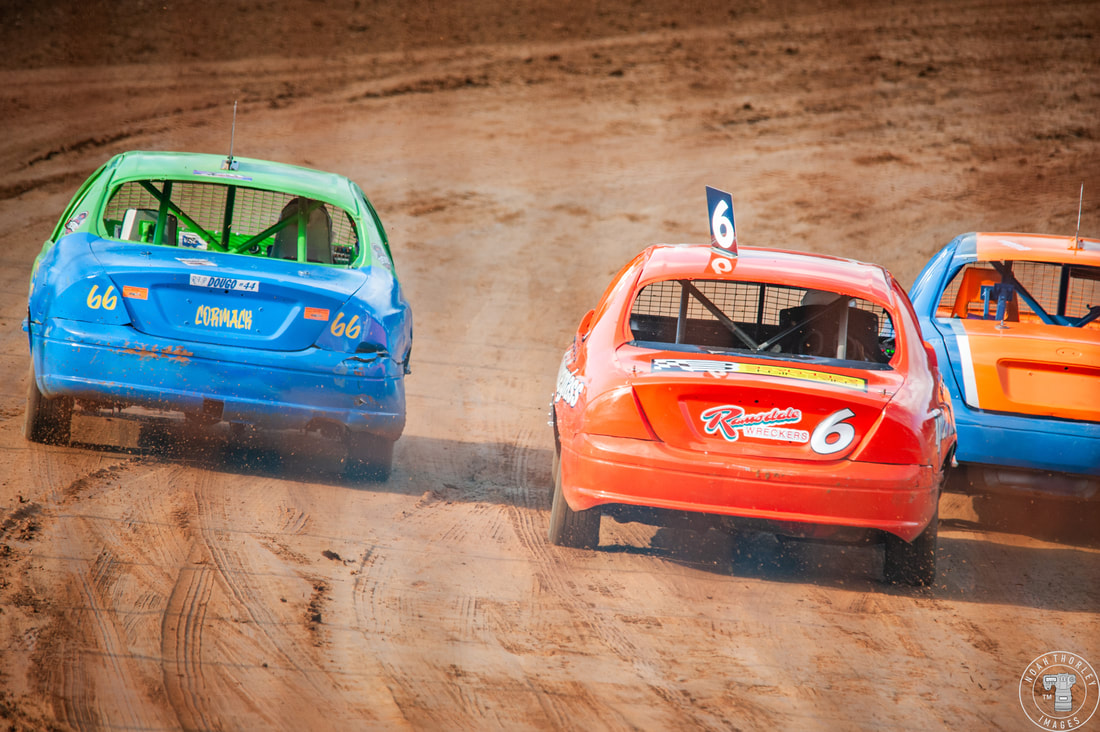 Two track records would also be broken, with Jayden Blomeley (no. 62) winning the Street Stock feature race and setting a new 20-lap record of a 6:03.303. Late entrant Scott Whittle (no. 6) would start at the back in every race, but that wouldn't stop him, winning the Standard Saloons feature race and breaking the 20-lap record for that class with a 6:15.040 in the process. The crowd showed their approval by flashing their lights and honking their horns during the winner's victory lap at the end of what was a night of attrition, with many drivers falling out of contention due to mechanical failures or damage received on track. Bonus Gallery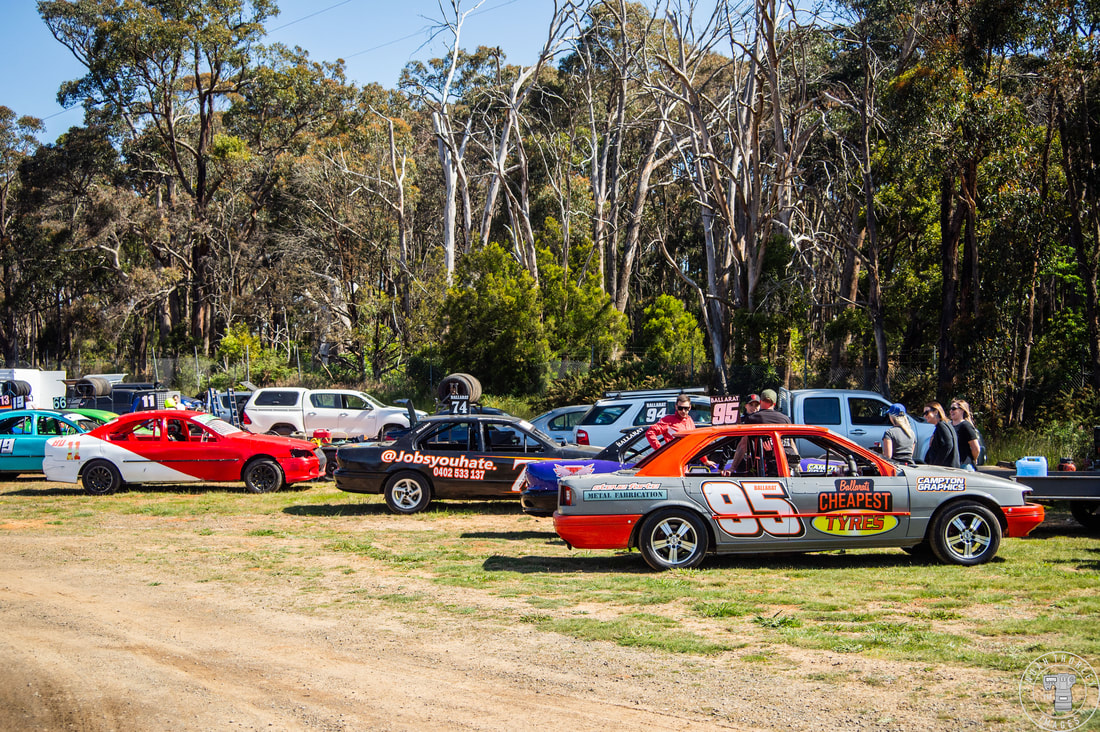 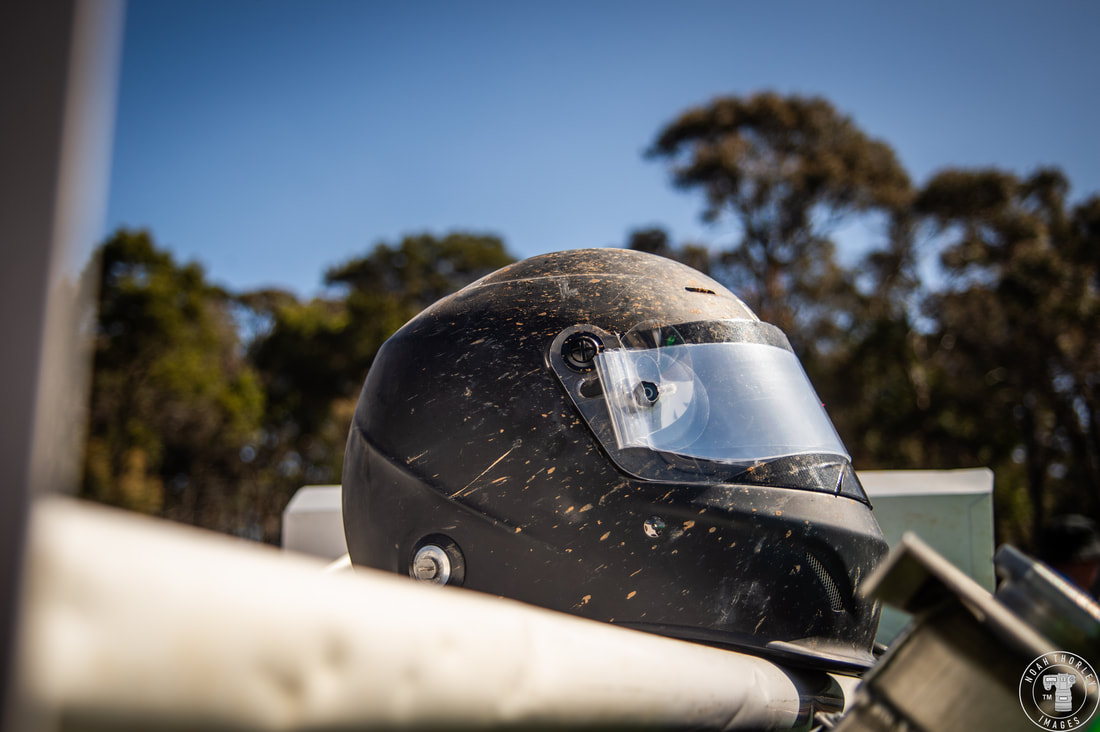
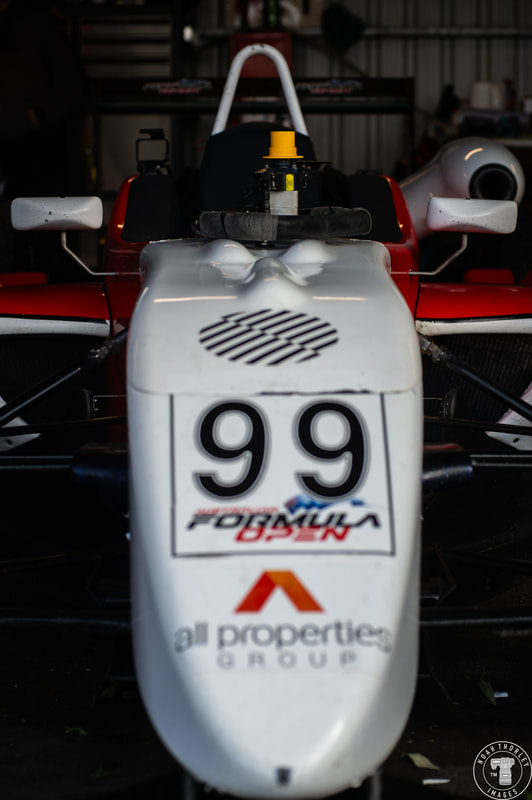
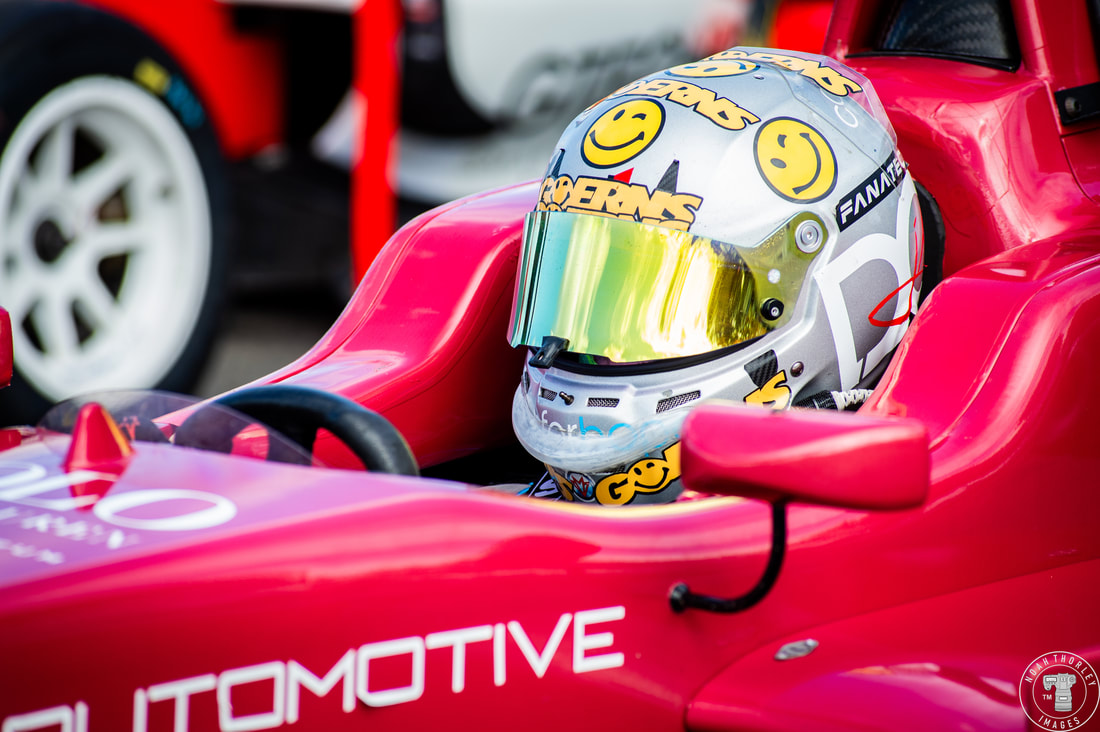
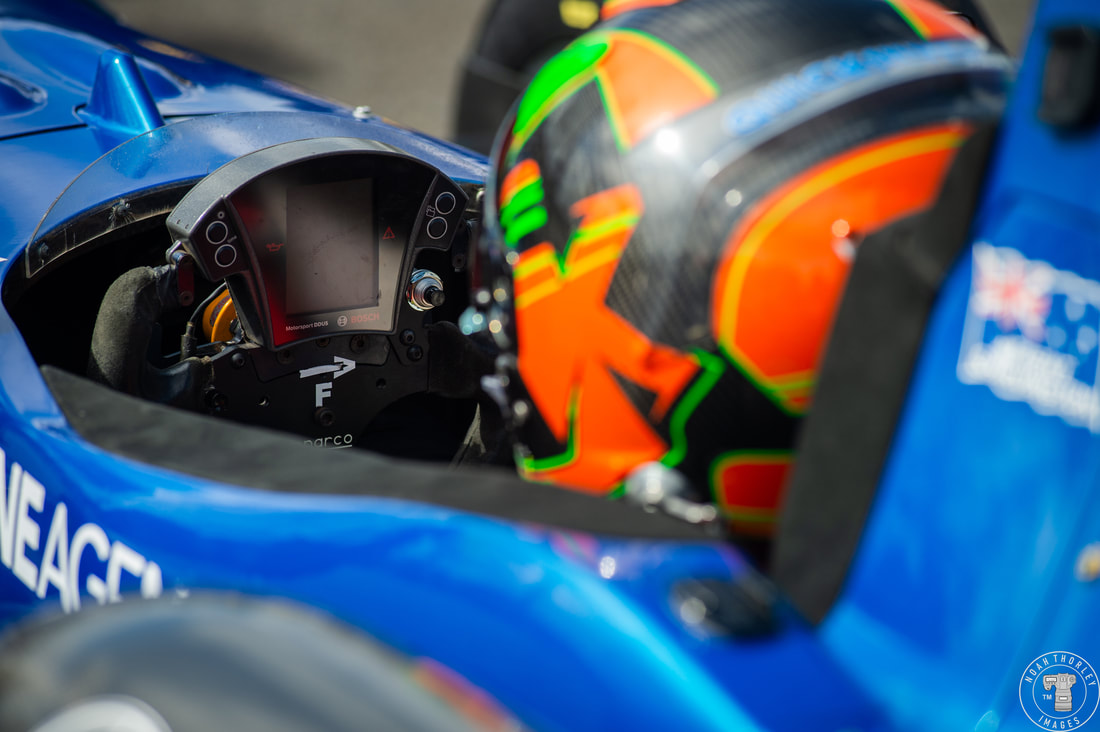
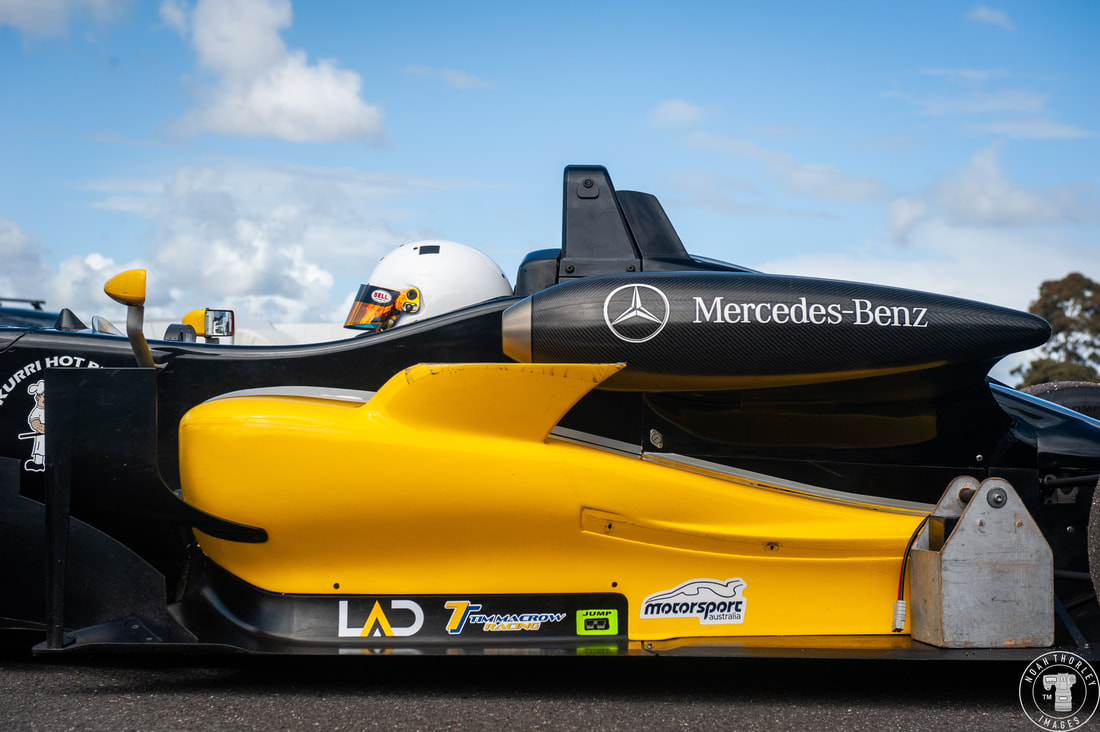
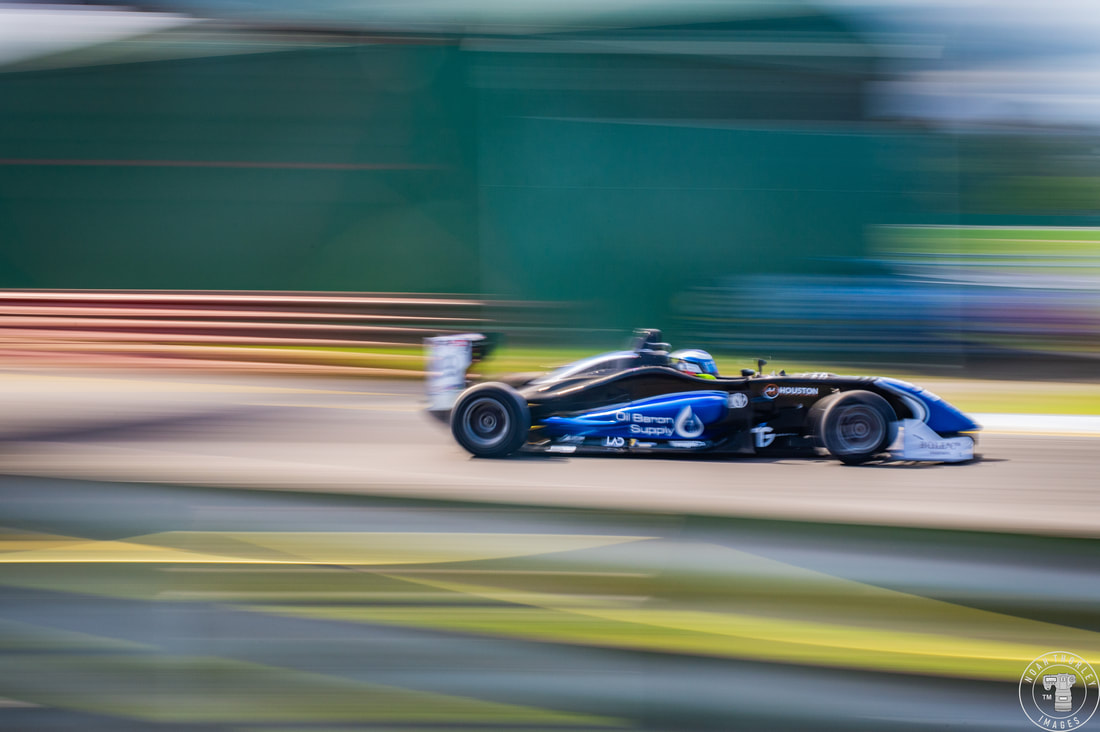
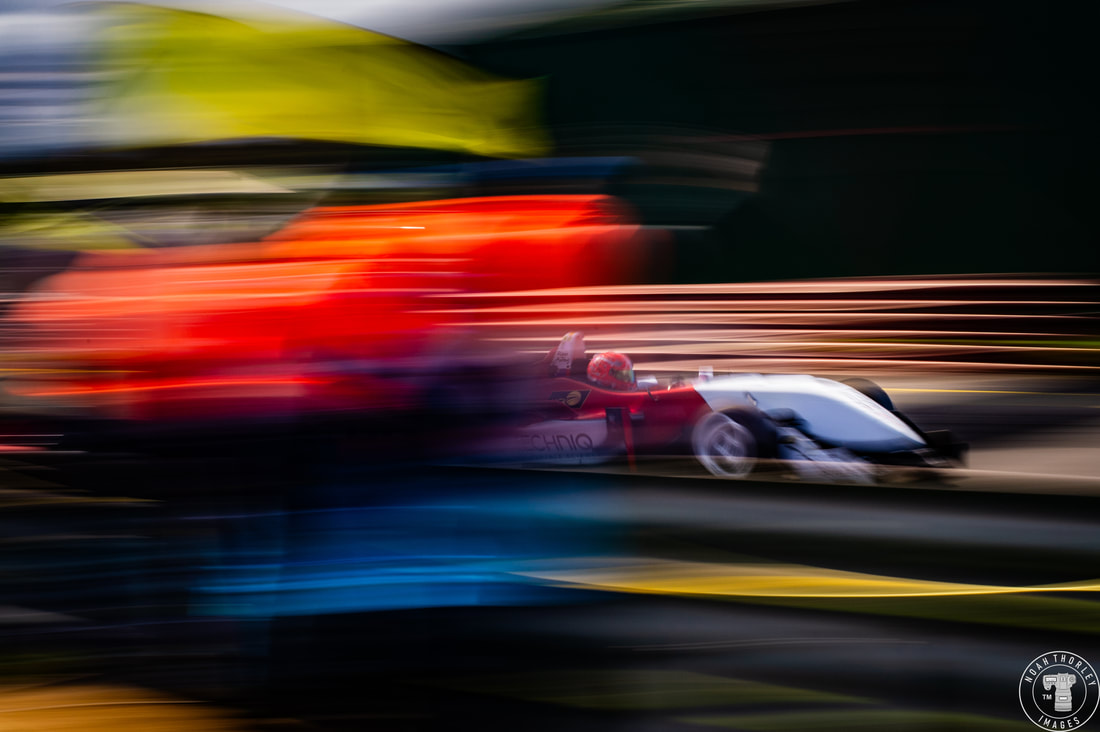
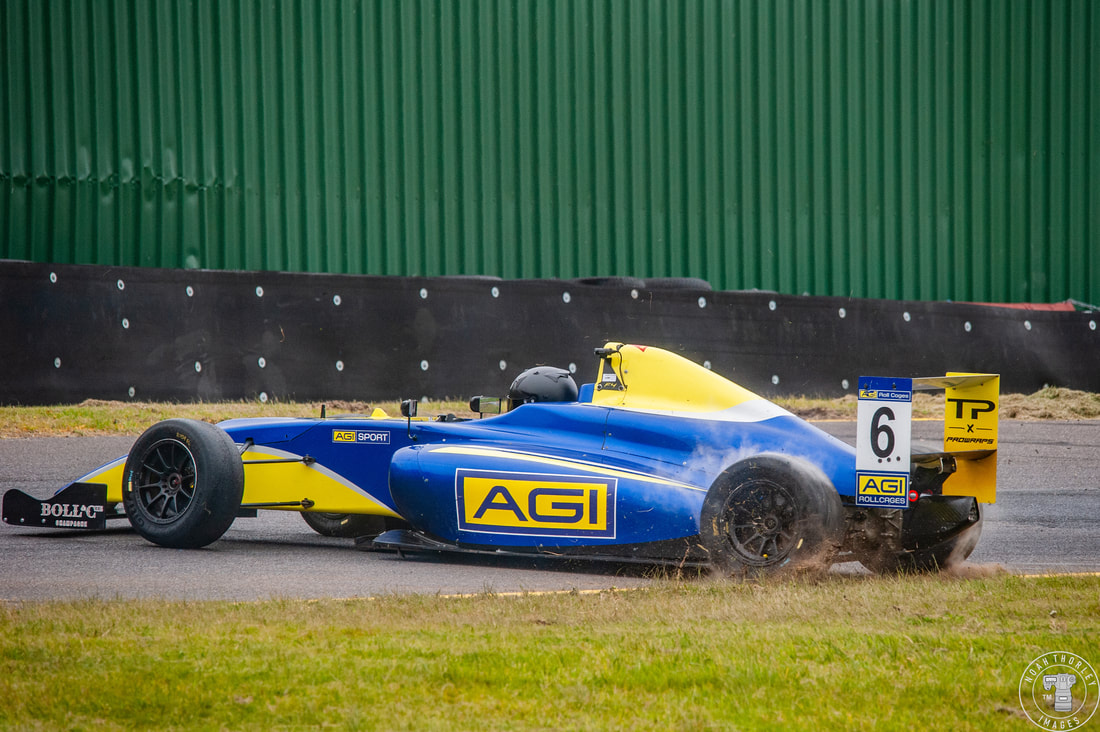
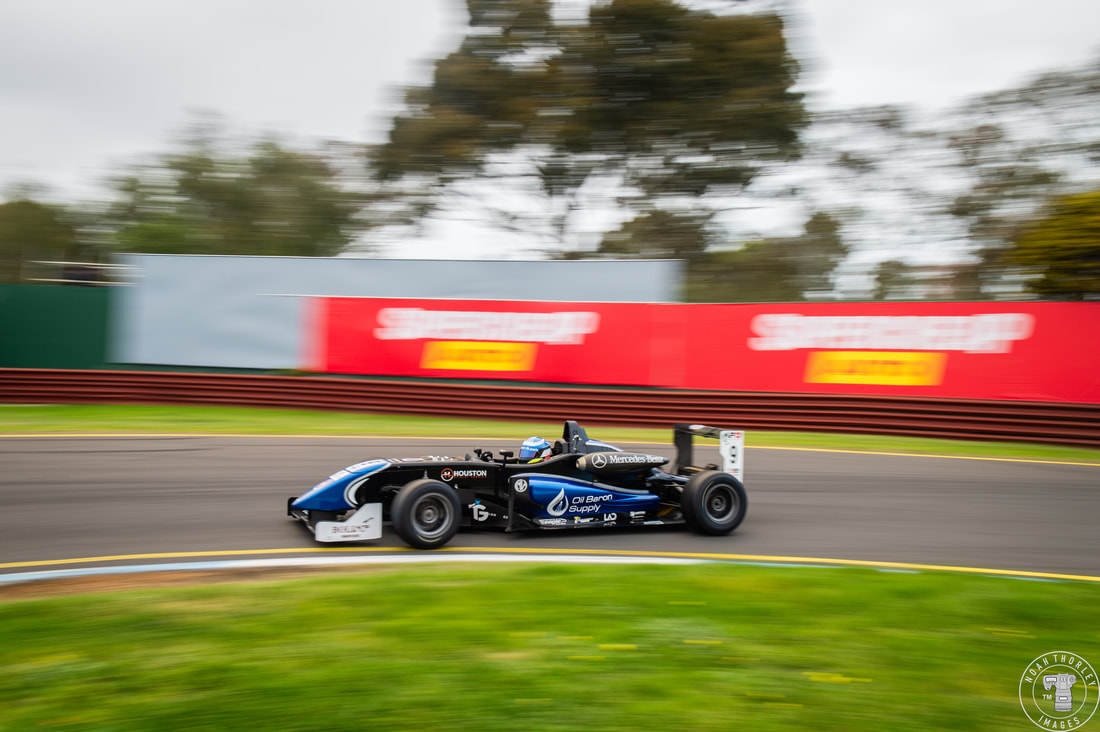
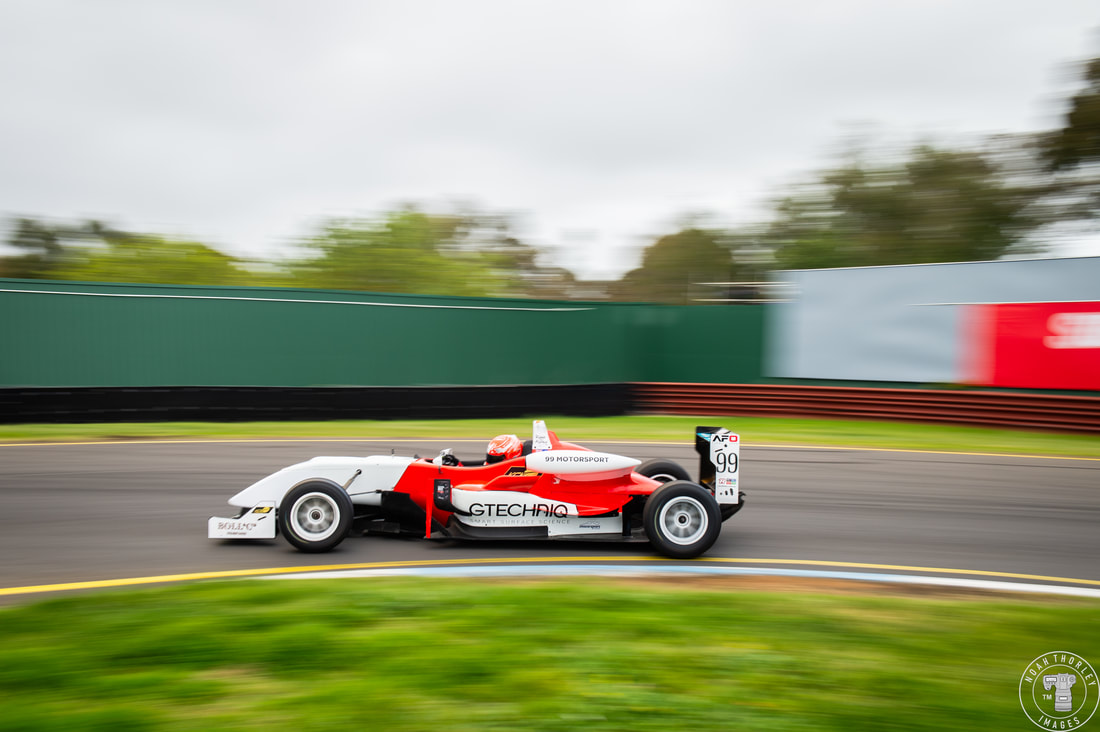
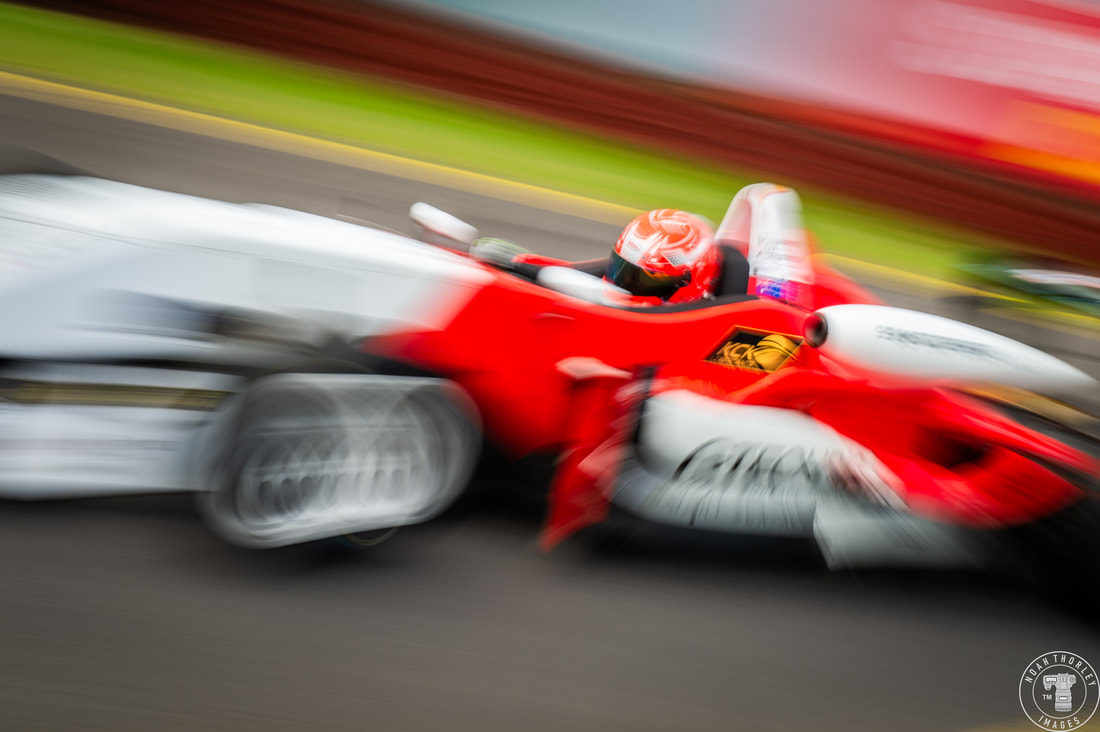
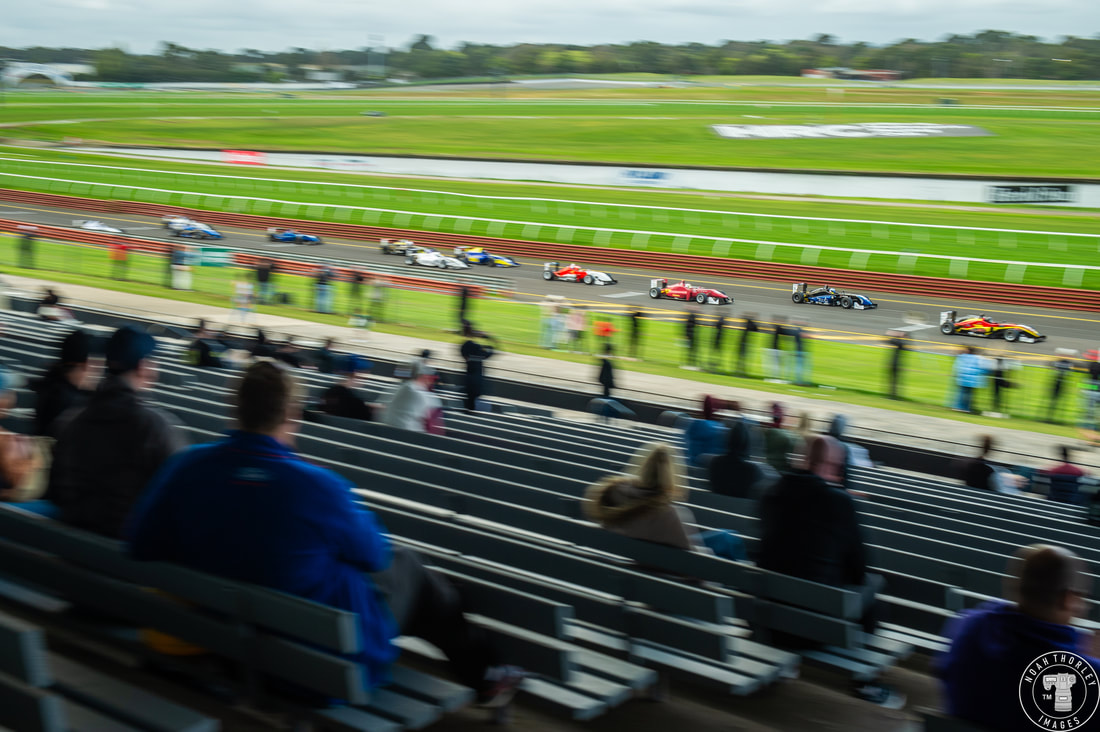
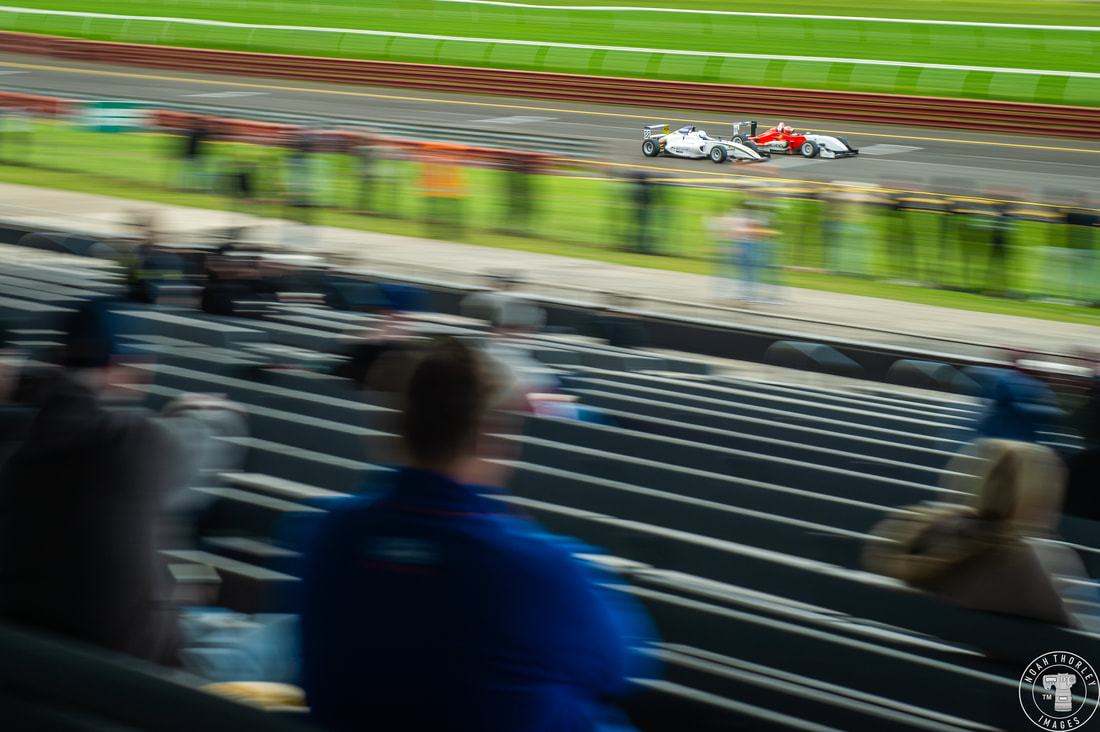
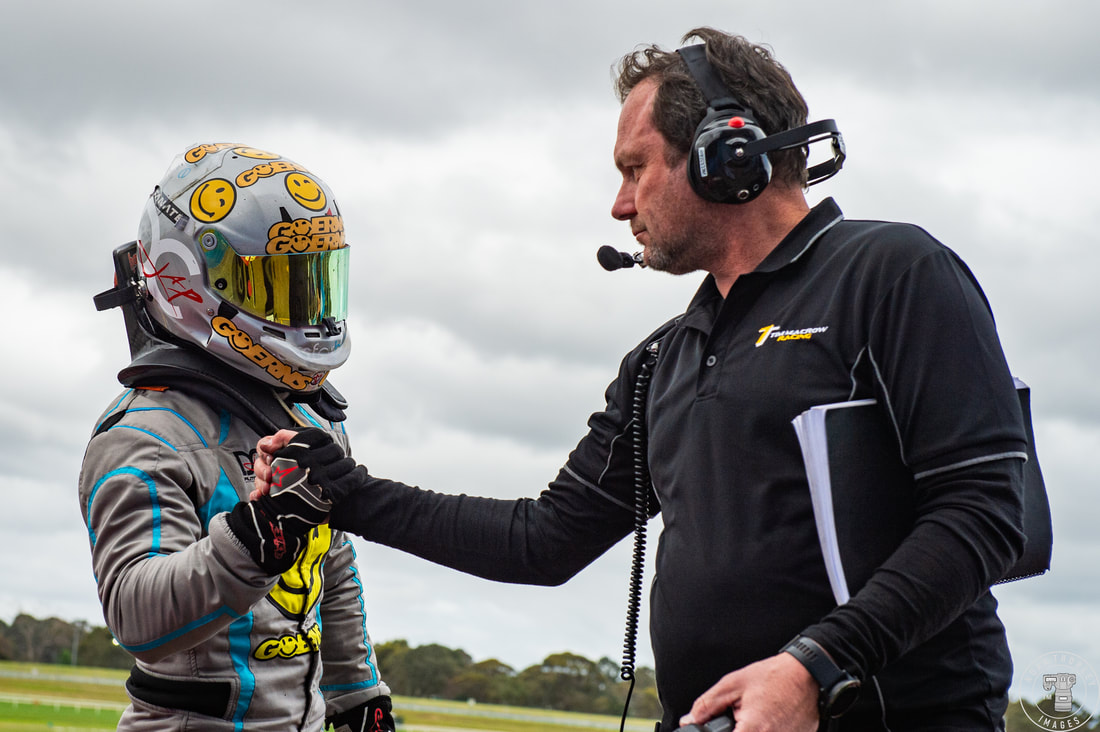
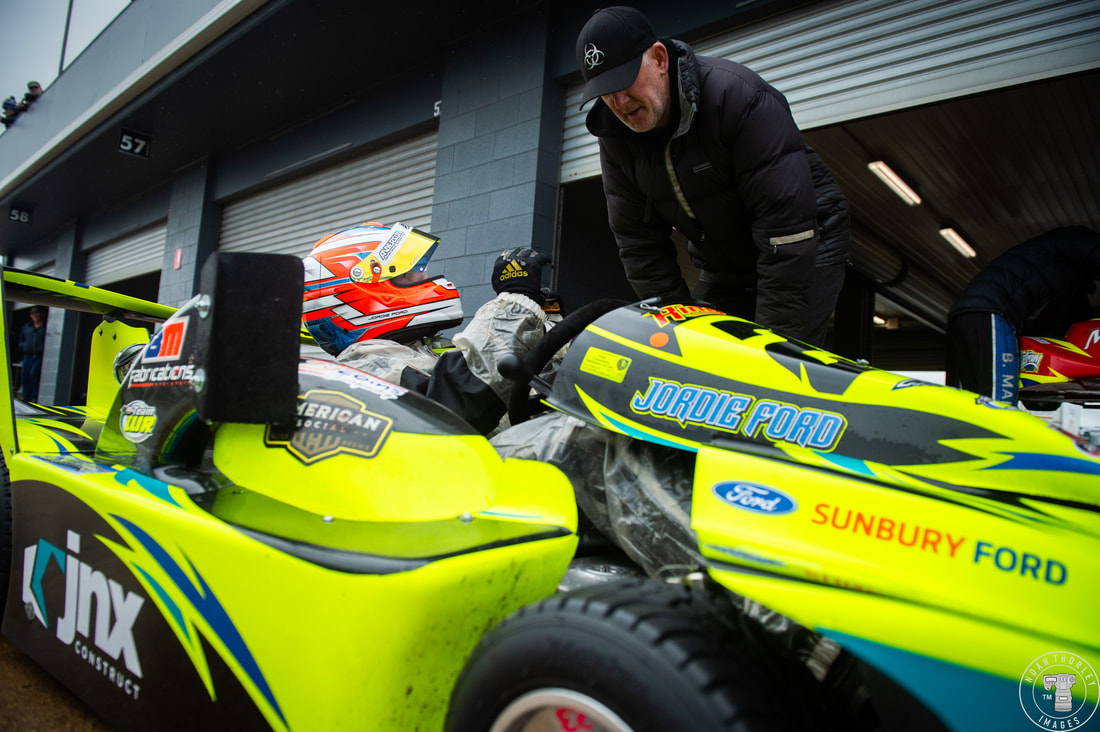
 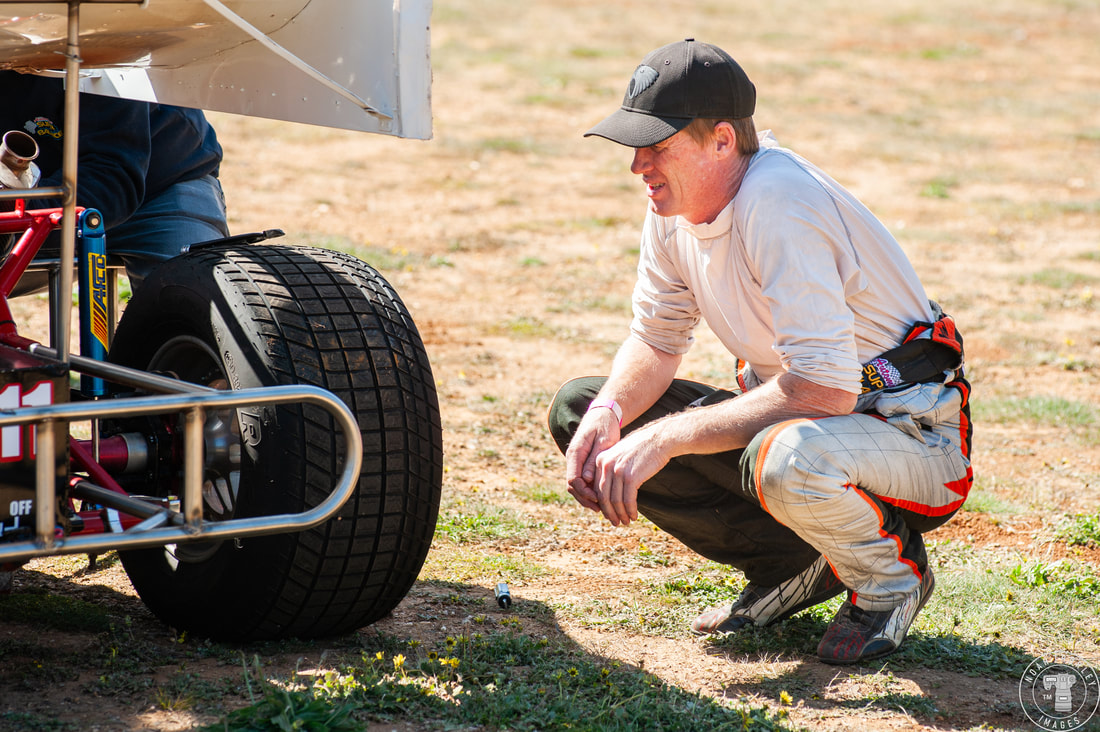 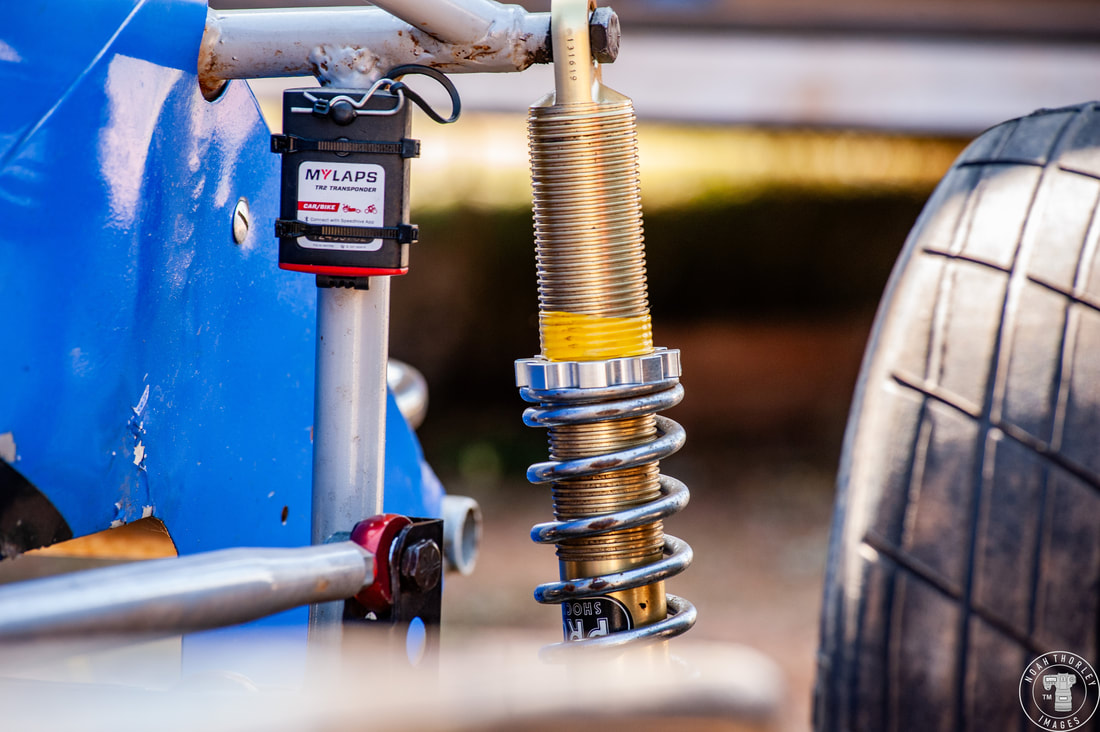 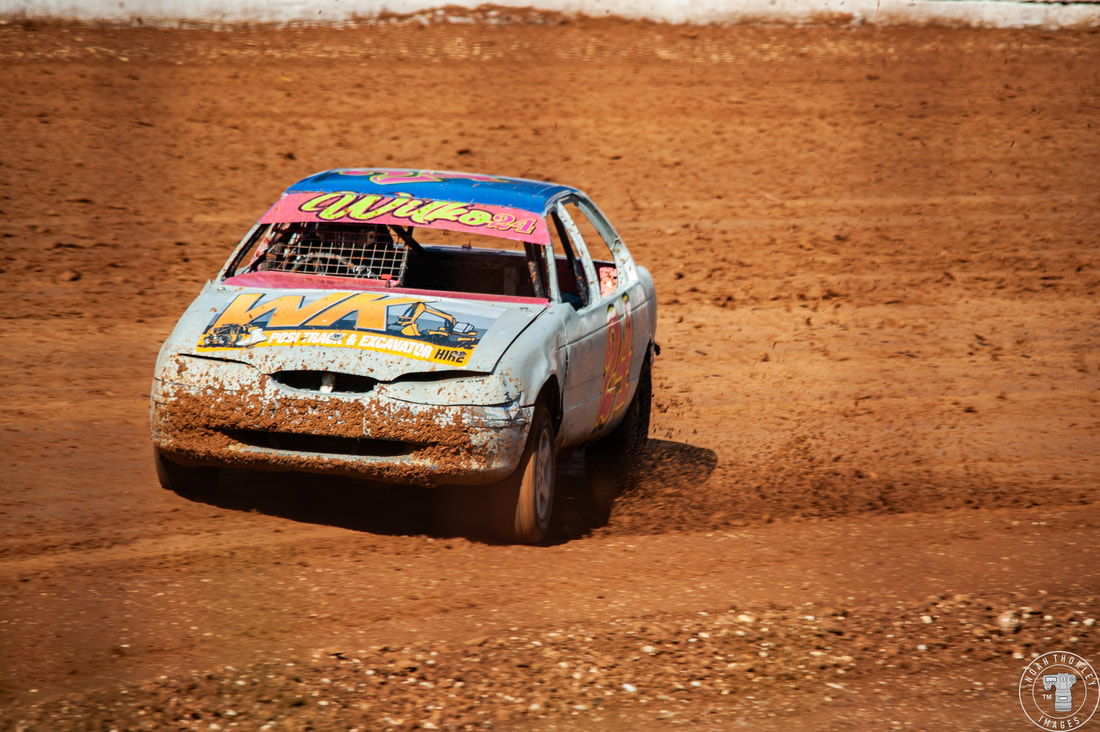 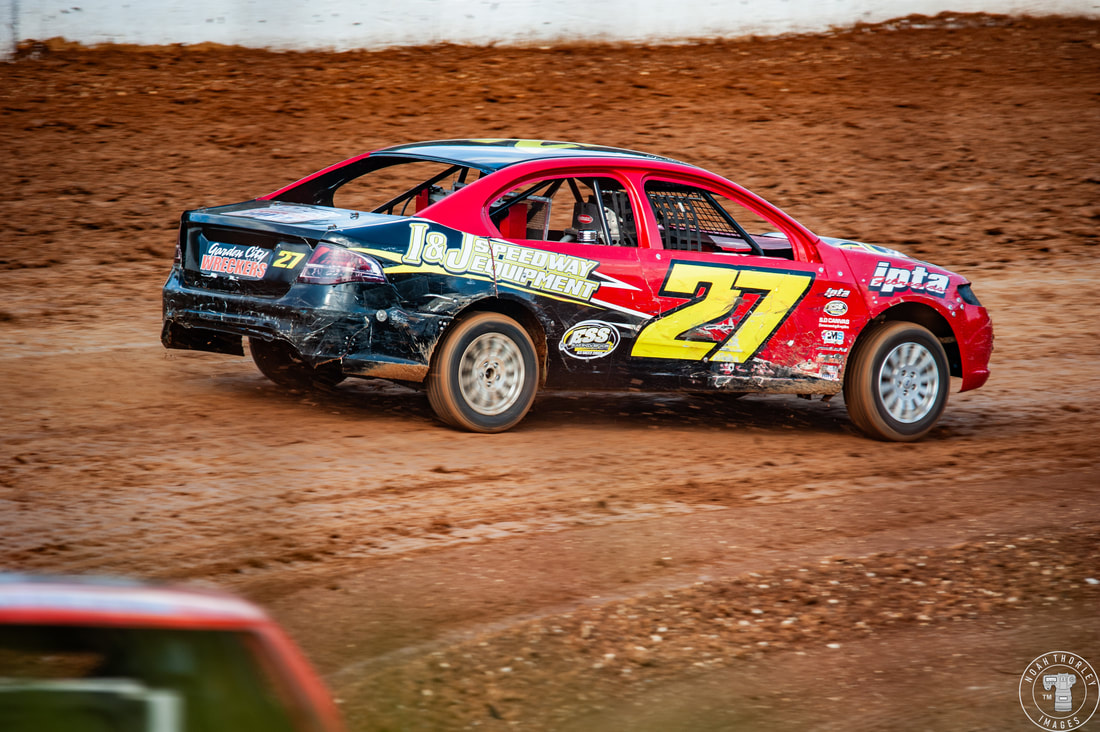     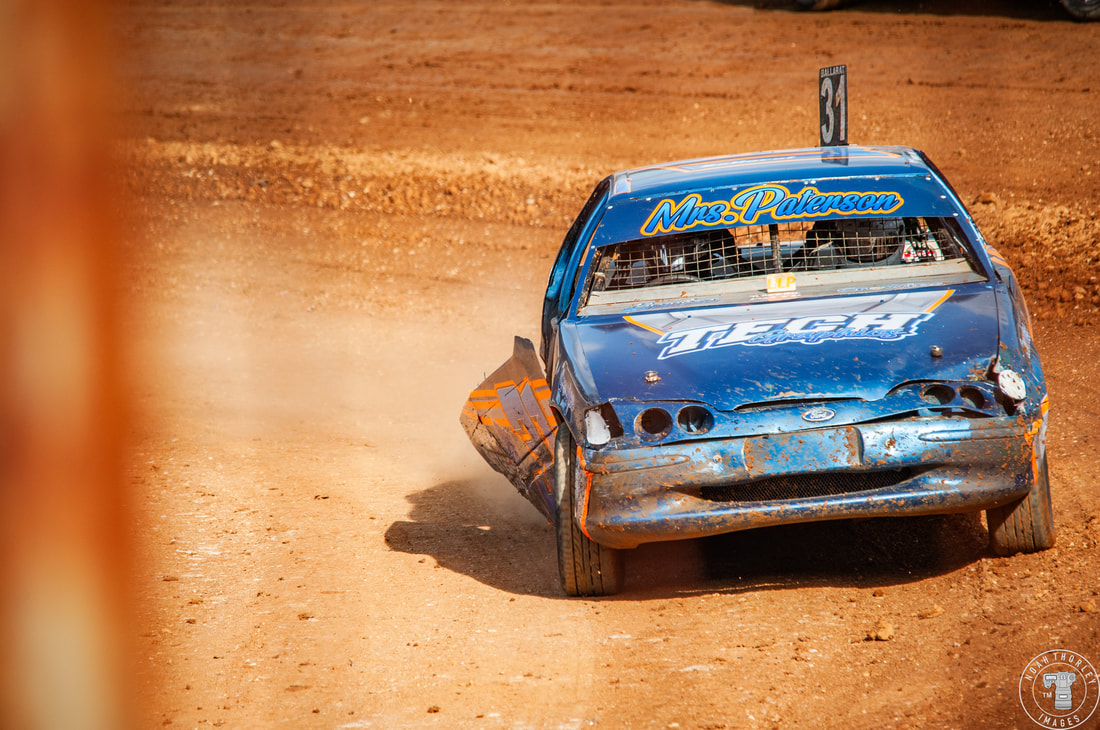 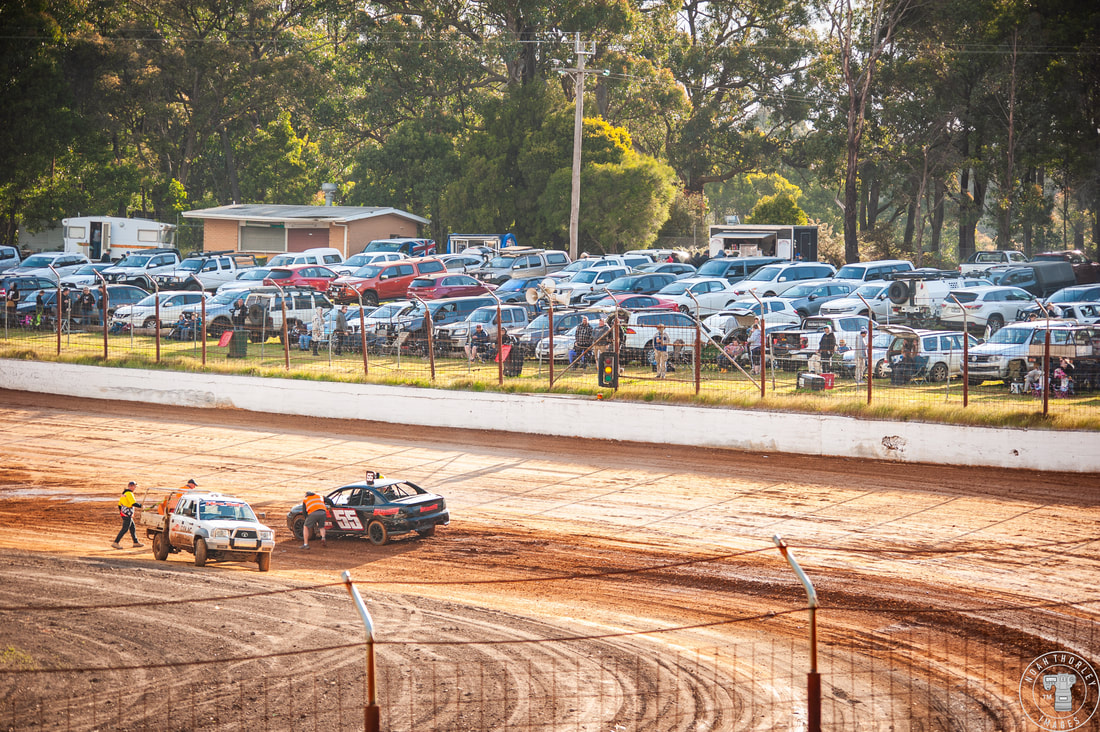 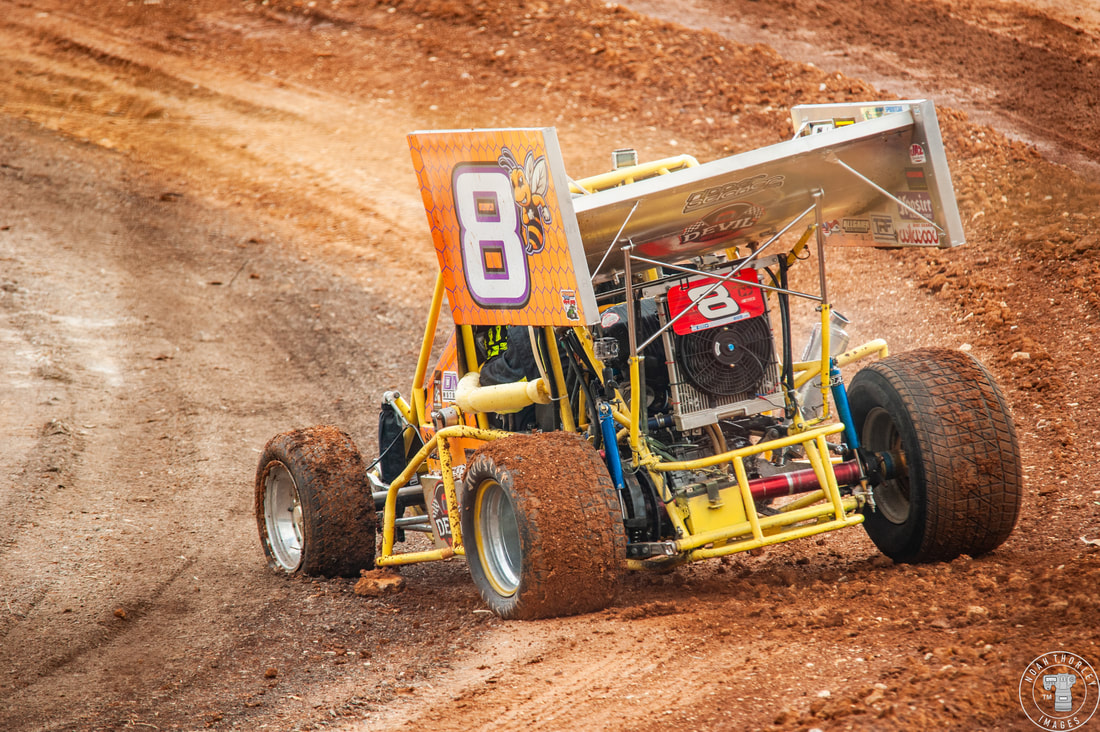 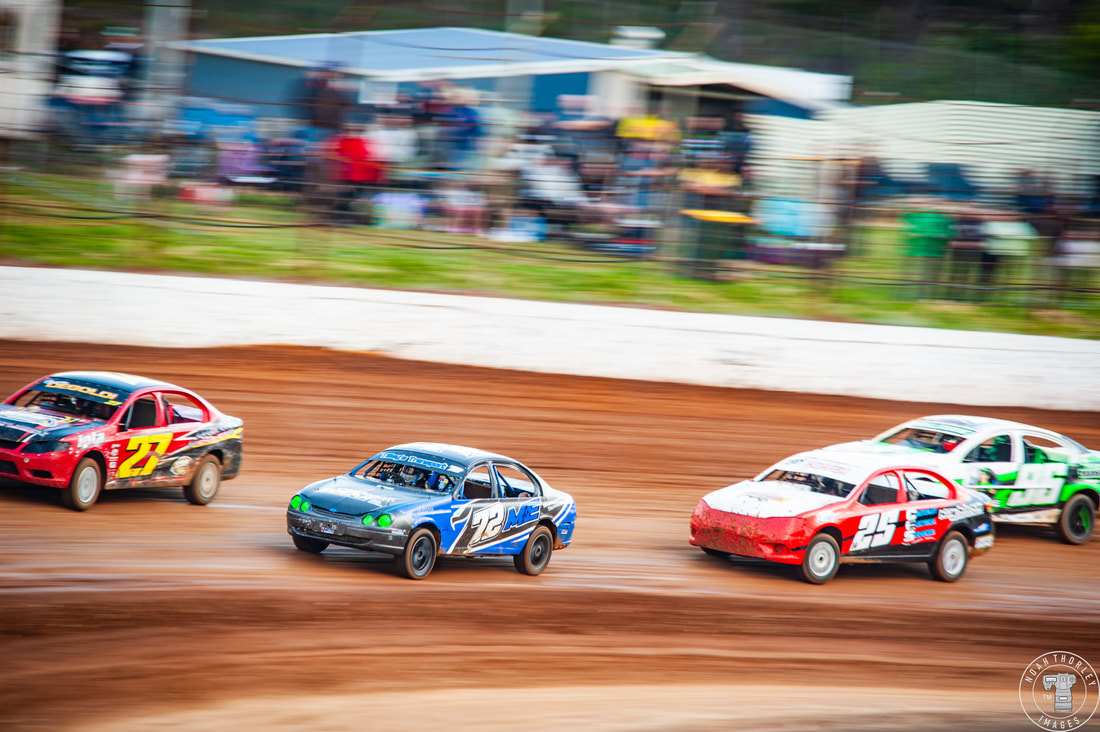        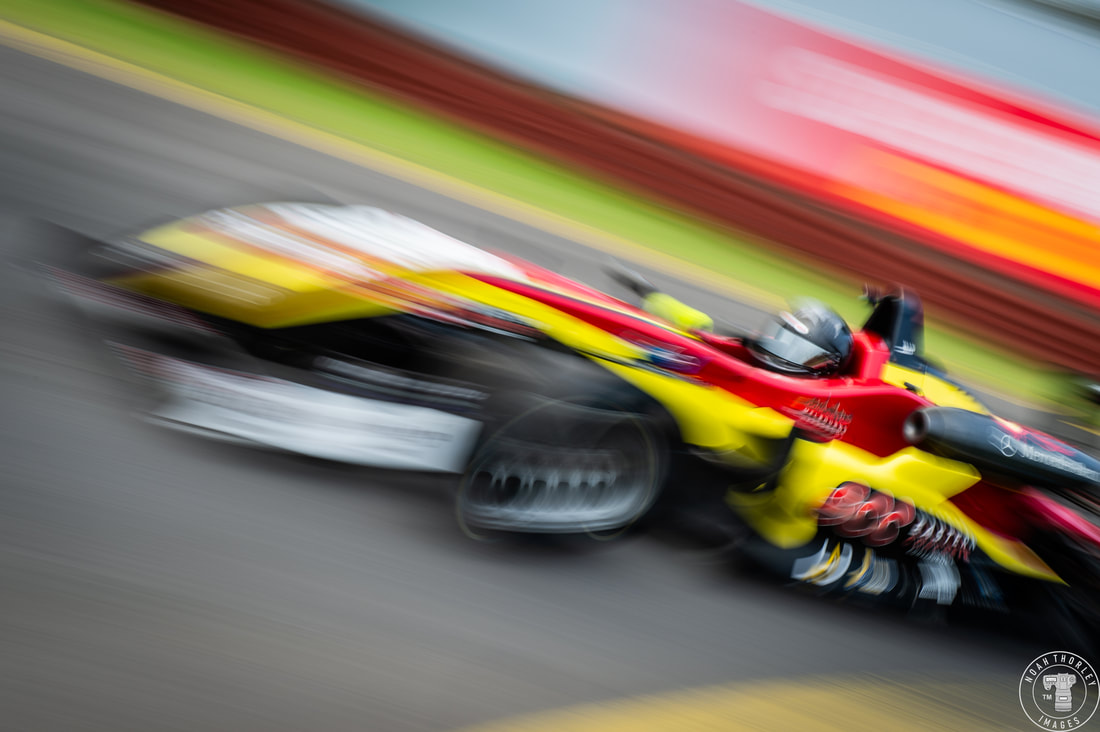 Formula 3 has been used all over the world to breed driving talent and give drivers, engineers and mechanics the experience to then compete in the higher levels of motorsport. This year, Formula 3 and Formula 4 in Australia would form under a new 'Wings and Slicks' banner, the new Australian Formula Open series. 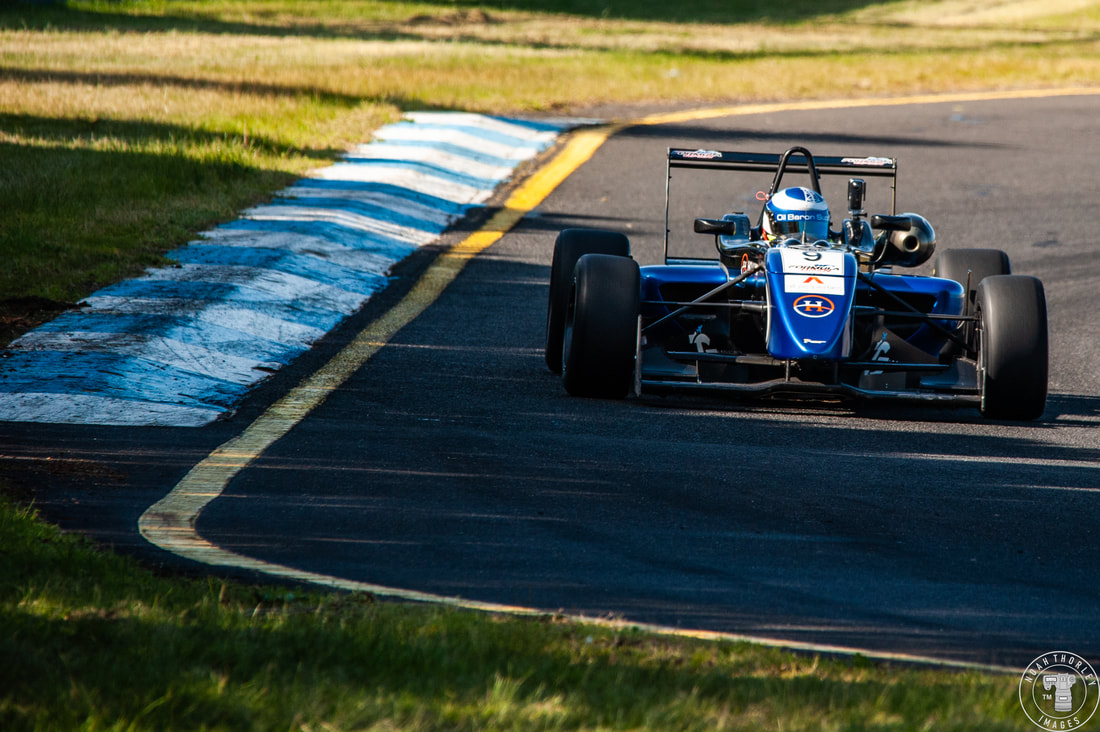 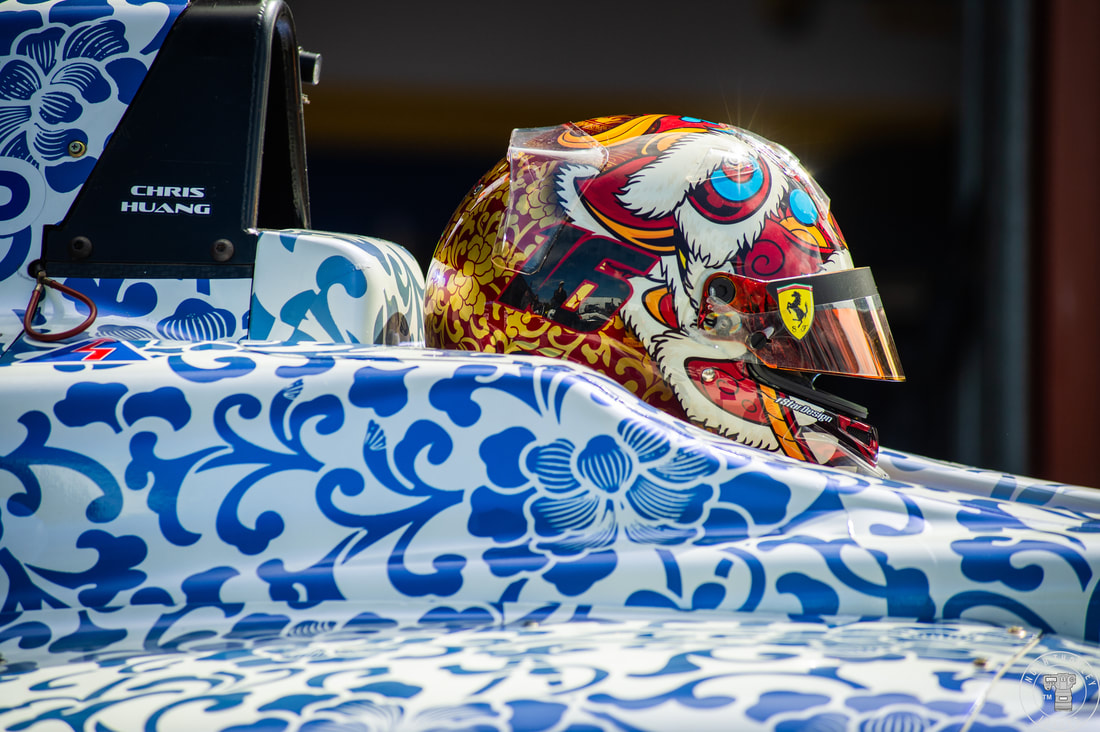 Formula 3 originated from the post World War II era of motor racing, being adopted by Formula 1 in 1950. The first Formula 3 cars were an evolution of lightweight and low-cost racing cars from Bristol built in the 1930's, with a tube frame chassis and a 500cc motorcycle in the front. 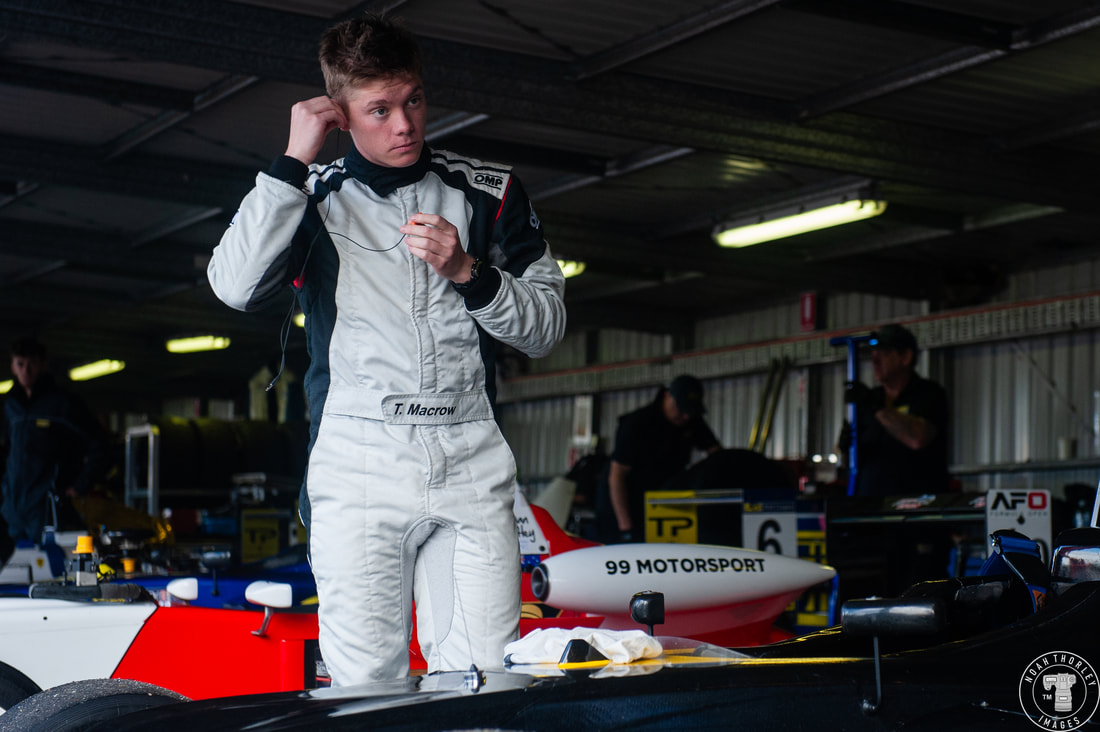 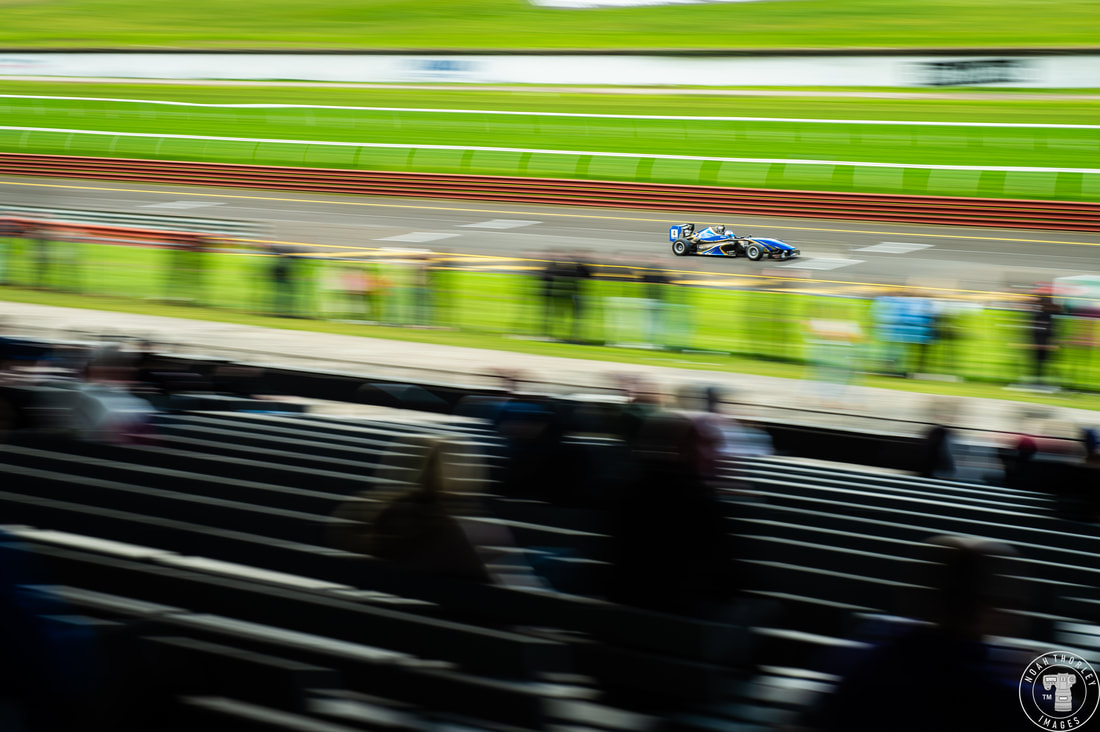 In Australia, Formula 3 racing began in 1964, by following the FIA Formula 3 championship recipe during the 60's and 70's. However, Australia's first attempt at Formula 3 racing was discontinued in 1977. The current era began in 1999, with the newly introduced 2 litre Formula 3 cars, which competed alongside the Australian Formula 2 cars at the time. In 2001, CAMS (now Motorsport Australia) granted Formula 3 in Australia national championship status and in 2005 Formula 3 became Australia's premier open wheel category. 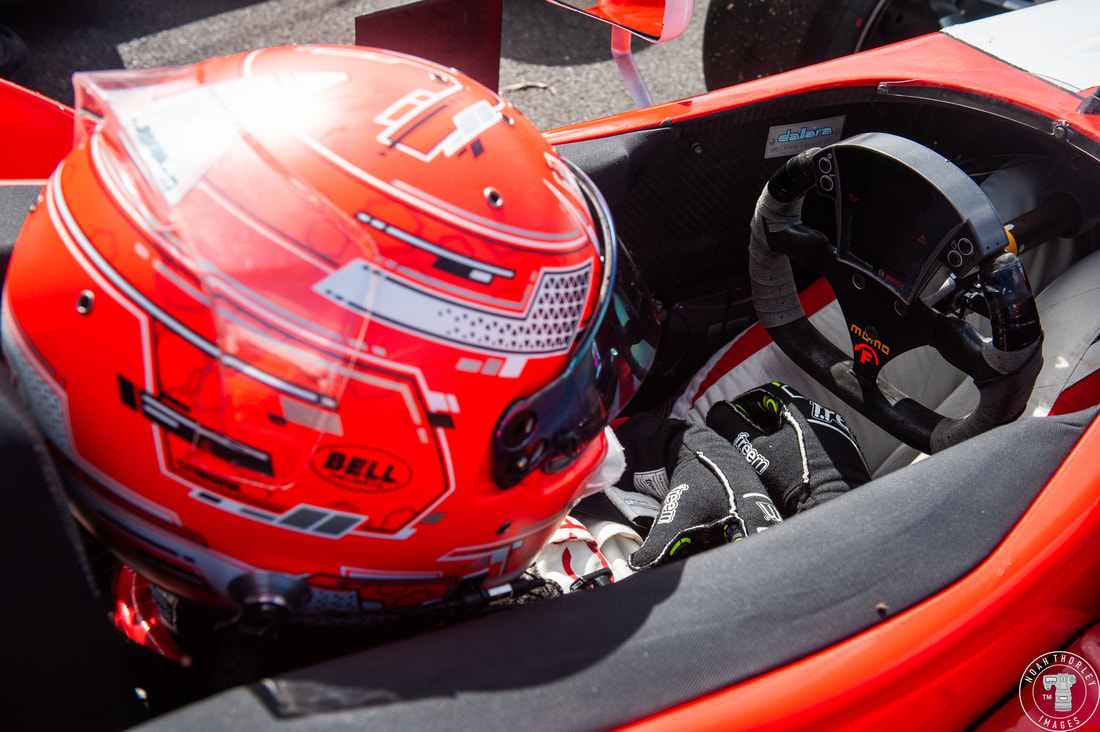 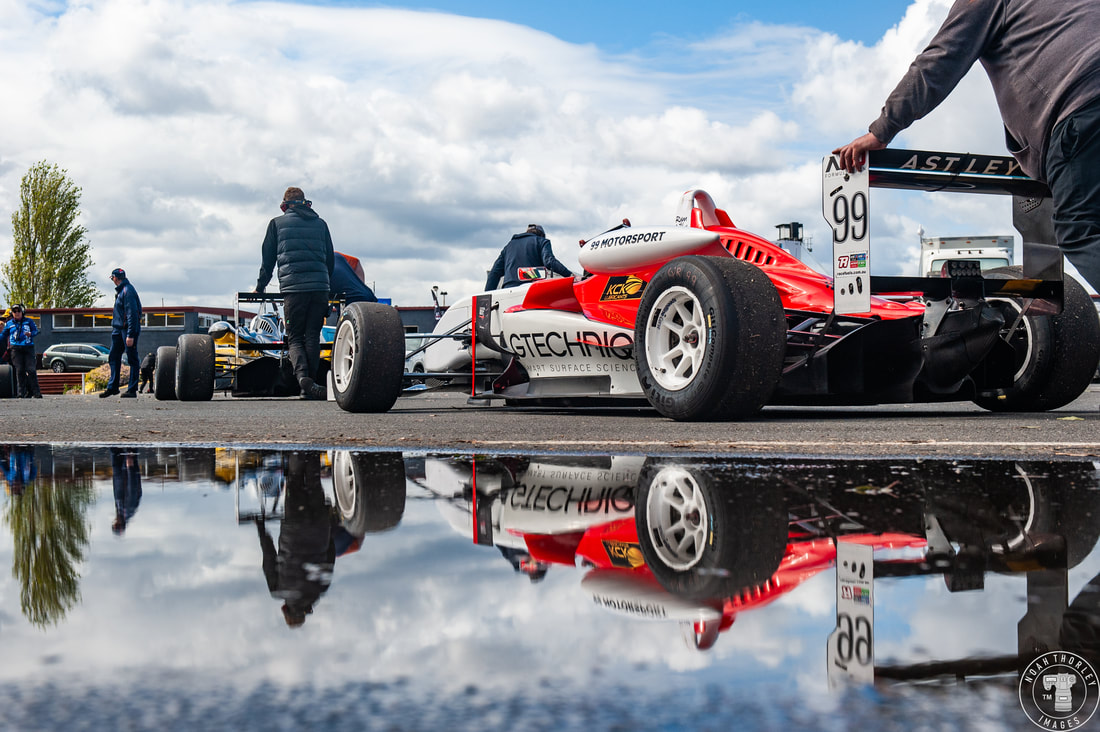 Due to low grid numbers from 2015 until 2019, CAMS would strip the series of its Australian Driver's Championship status and it would no longer give the converted Gold Star award to the champion. In 2019, Formula 3 would be picked up by AMRS which returned it to national championship status. 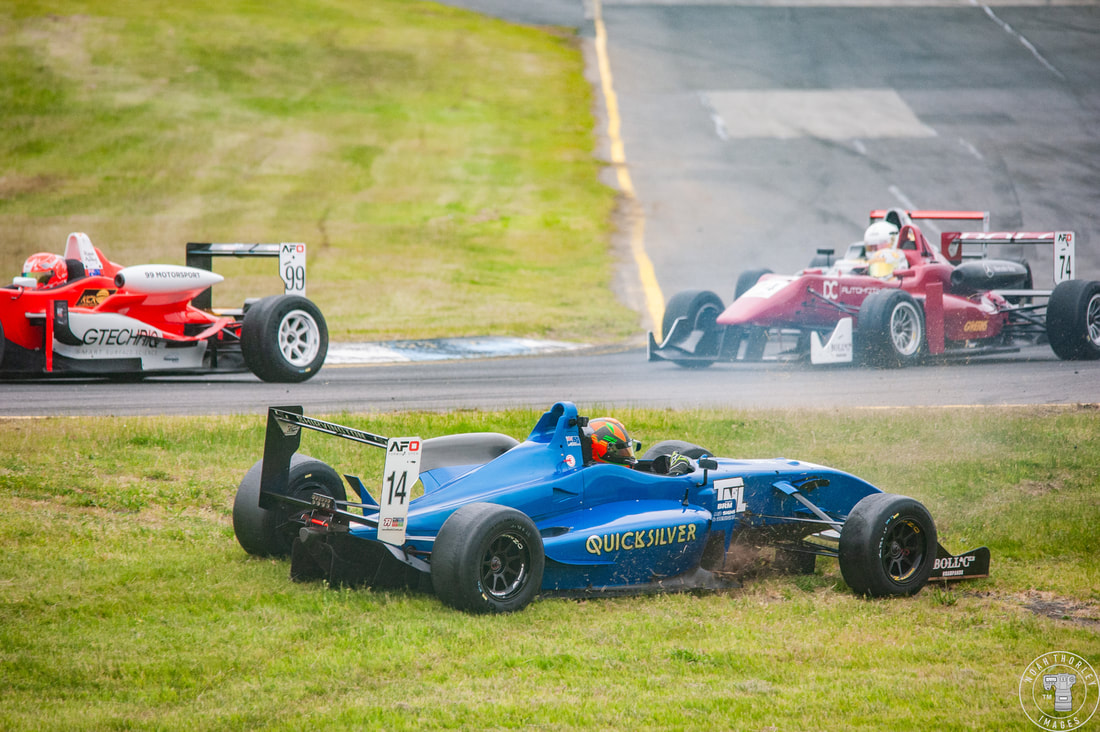 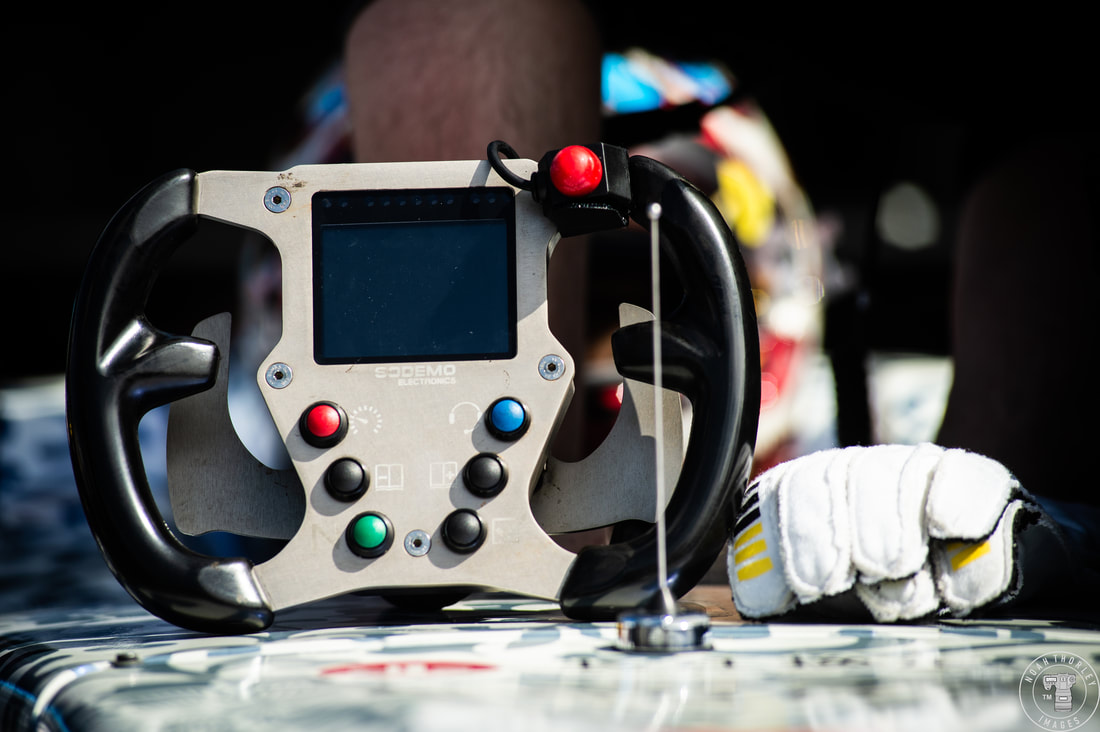 The COVID-19 pandemic would hit motorsport in Australia and around the world hard with only a single race meeting at Sandown in December of 2020, and some state level races in 2021. In addition, the FIA would would now hold rights to the Formula 3 moniker, so a new name would be needed. 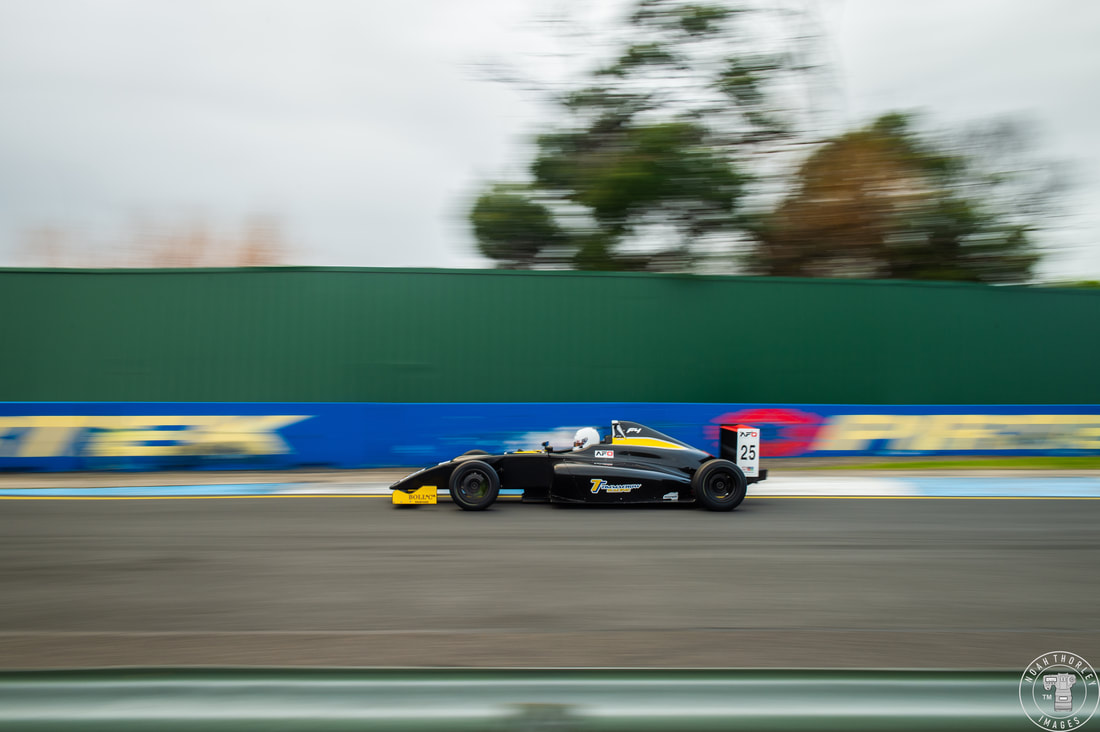 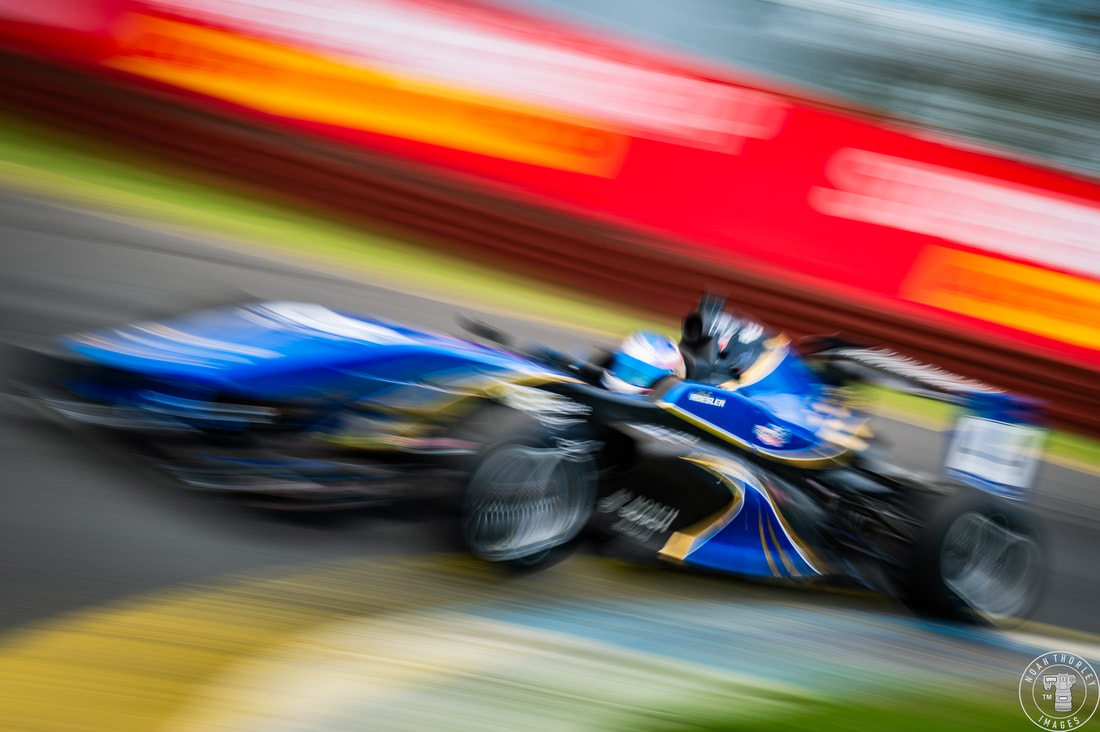 Australian Formula 3 would have one more season under the name in 2022 before the Australian Formula Open would be created, with Tim Macrow at the helm. Formula 4 would also join the roster since its demise at the end of 2019. 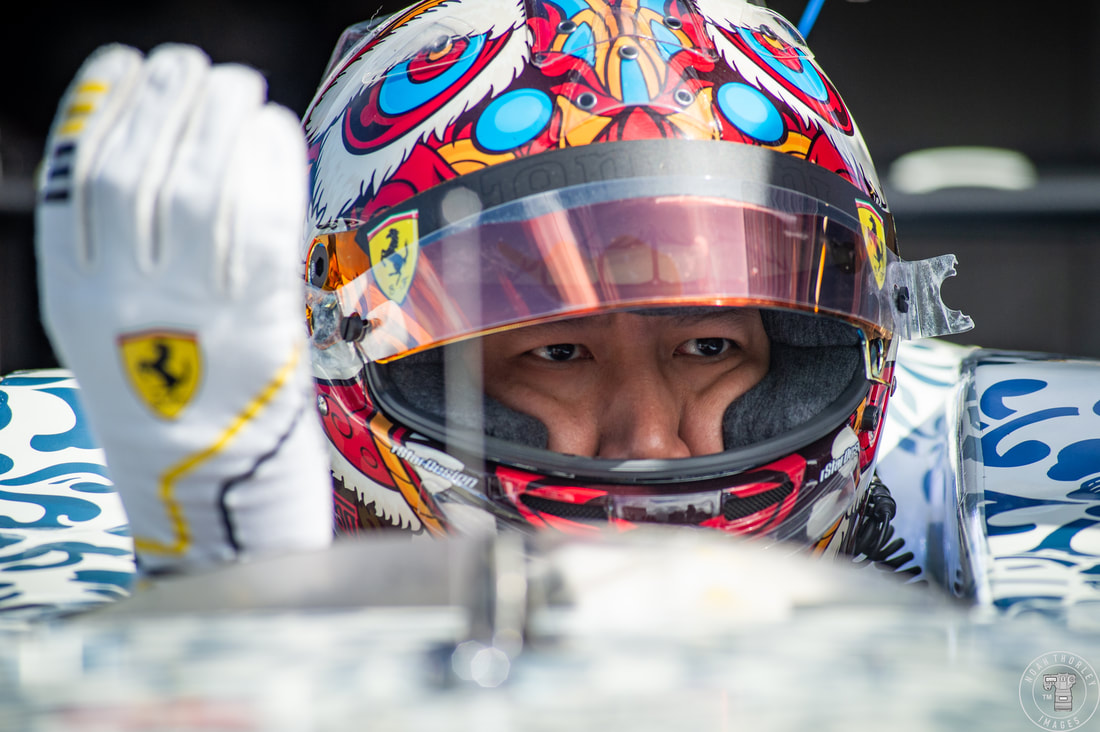 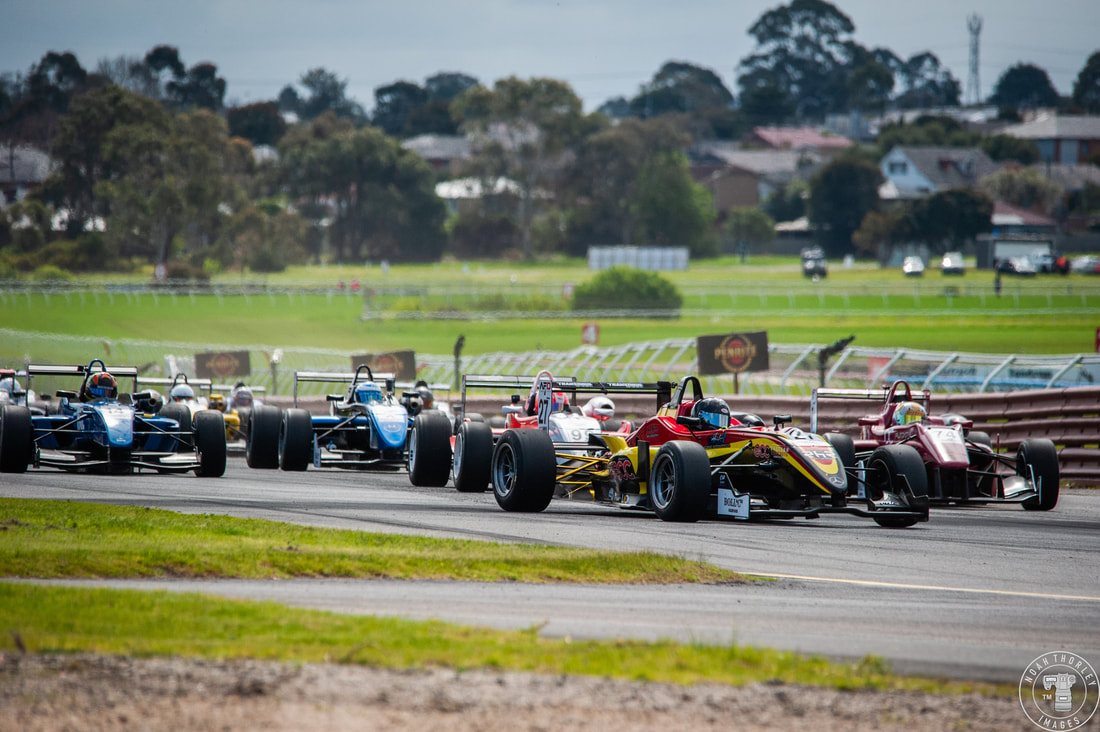 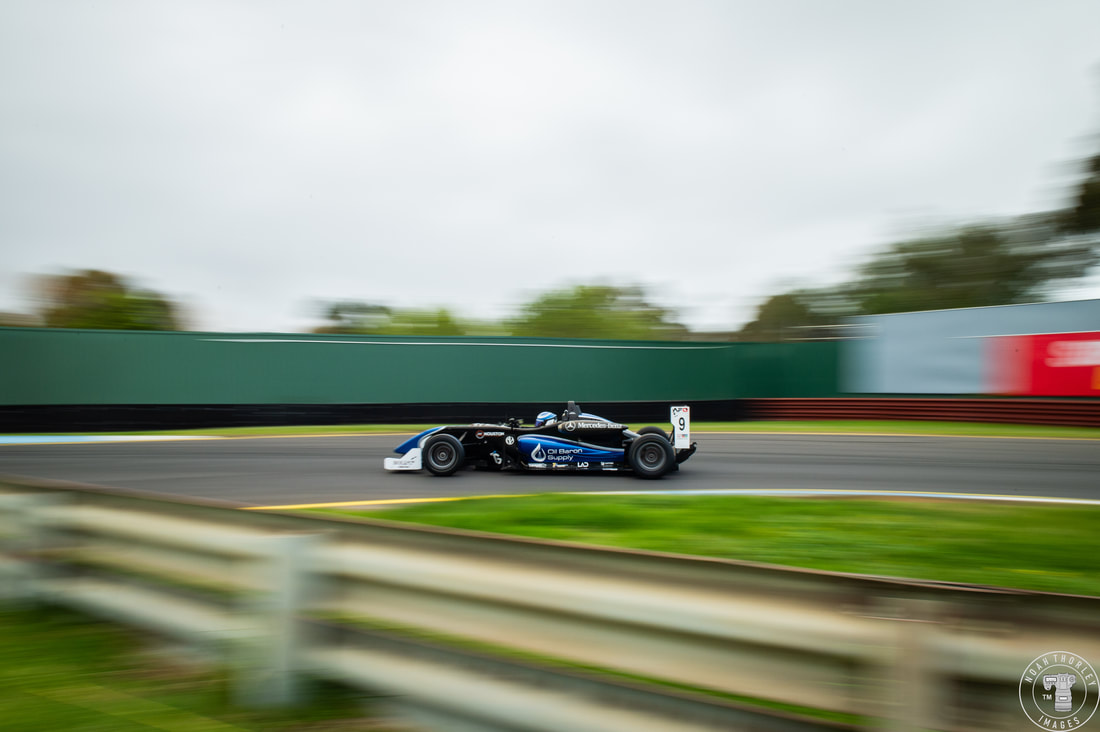 In Australia, there are plenty of Formula 3 cars and similar race cars such as Toyota Racing Series open wheelers that need a series to race in, hence why Formula Open also caters for additional styles of cars thanks to multiple classes within their championship. Without Formula 3 and Formula 4, there is a big gap between go-karts/Formula Ford to then jump to S5000 or racing in Europe, as Tim Macrow explained to Formula Scout. We’ve got a gaping hole in Australian motorsport for a development category. Either coming from Formula Ford, which is more state-based, or even going straight into Formula Open from karts. Kids shouldn’t be going straight from karts to S5000, it’s the most brutal car you’ll ever drive." - Tim Macrow (speaking to Formula Scout) 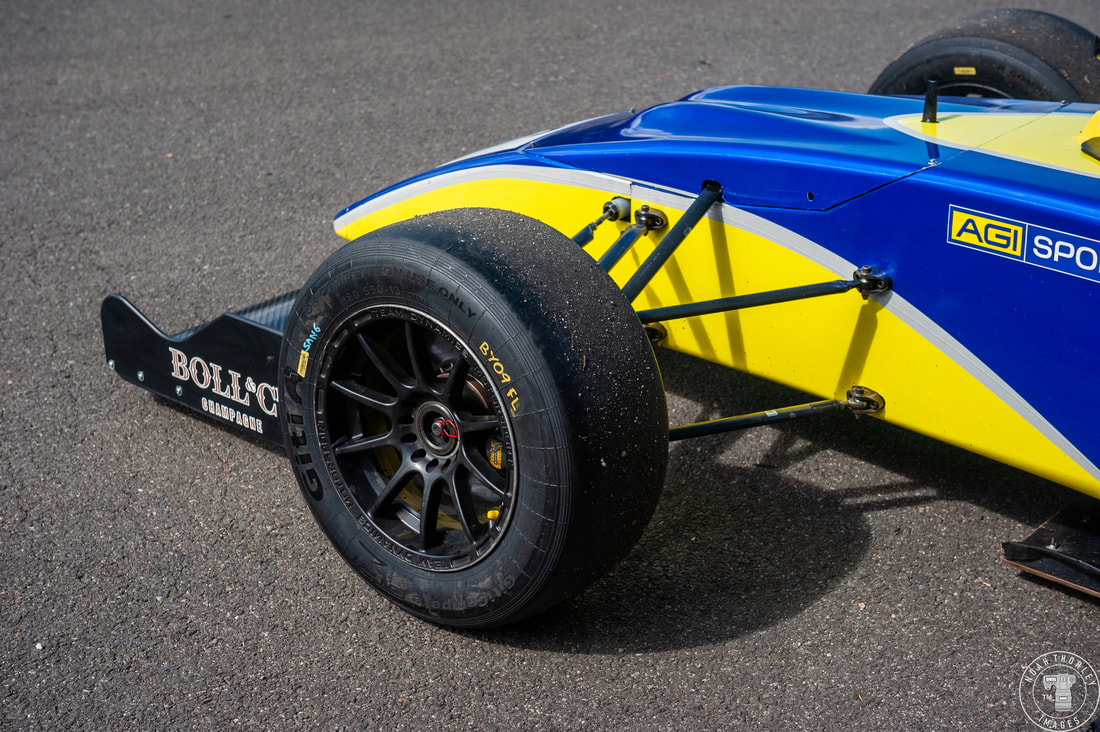 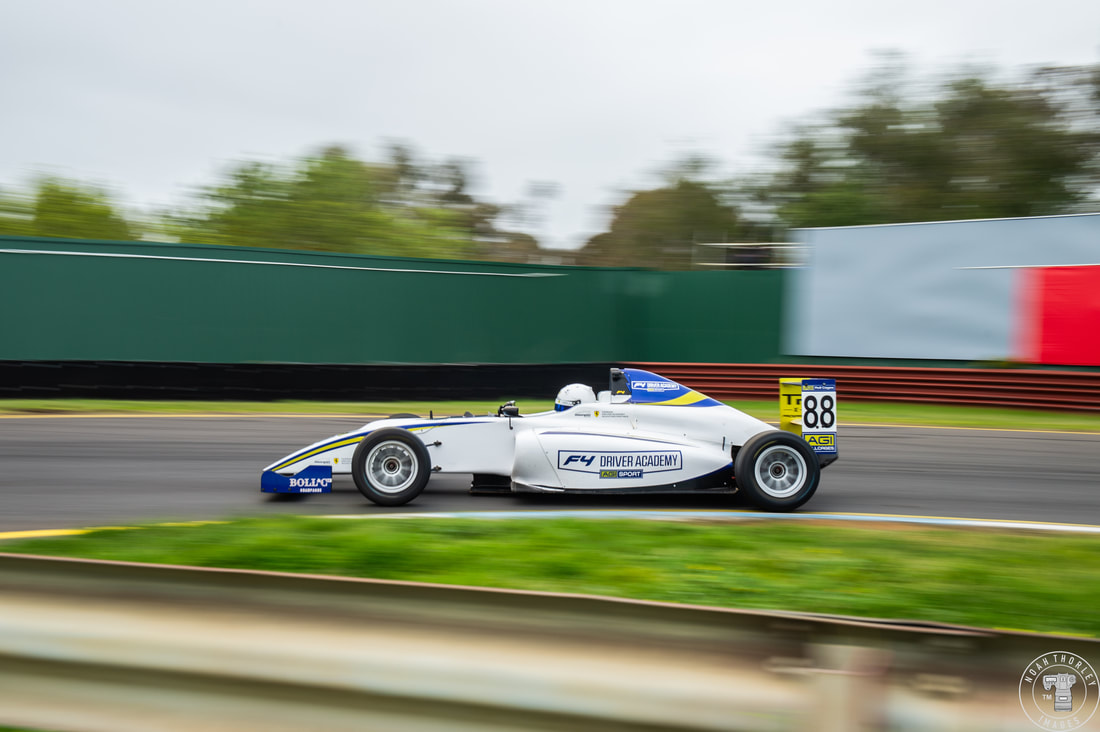 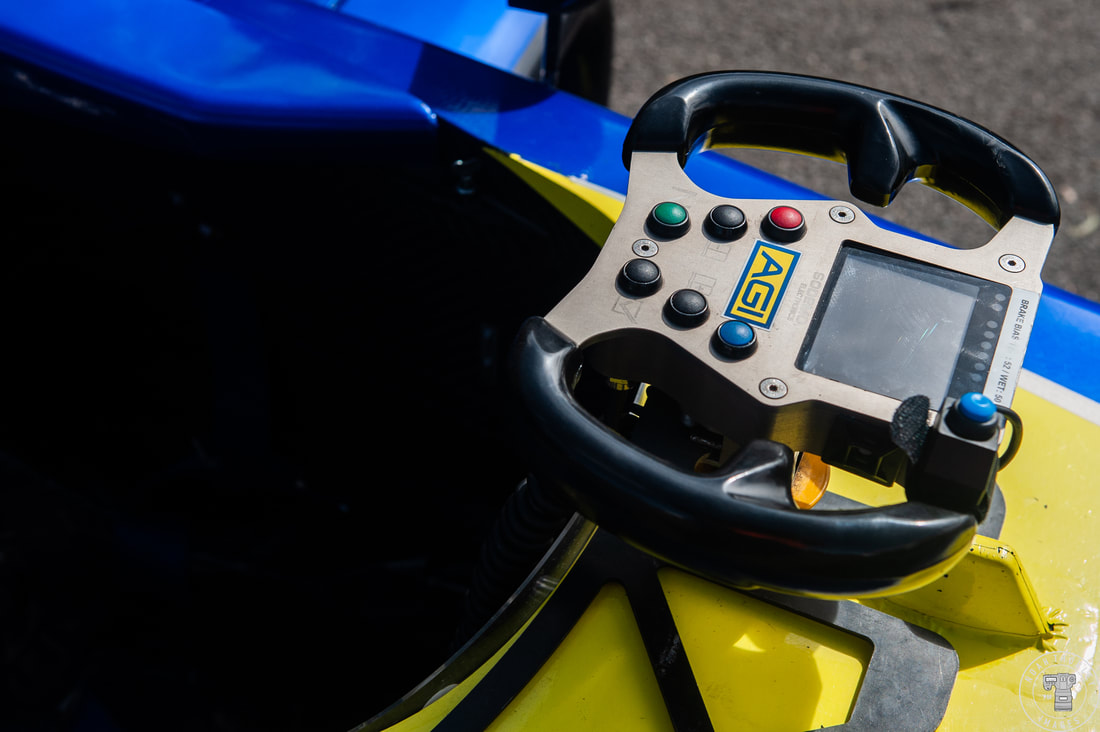 Formula 4 in Australia has only been around since 2015, and unfortunately ended at the closure of 2019, due to low grid numbers. This year, the category has returned to racing with Formula Open. In addition, a new Formula 4 series in the works for next year thanks to AGI Sport as a fleet of current spec Formula 4 cars are shipped to Australia. The championship will start in April, with five rounds expected to be contested. How this affects the new Formula Open series though is yet to be known. 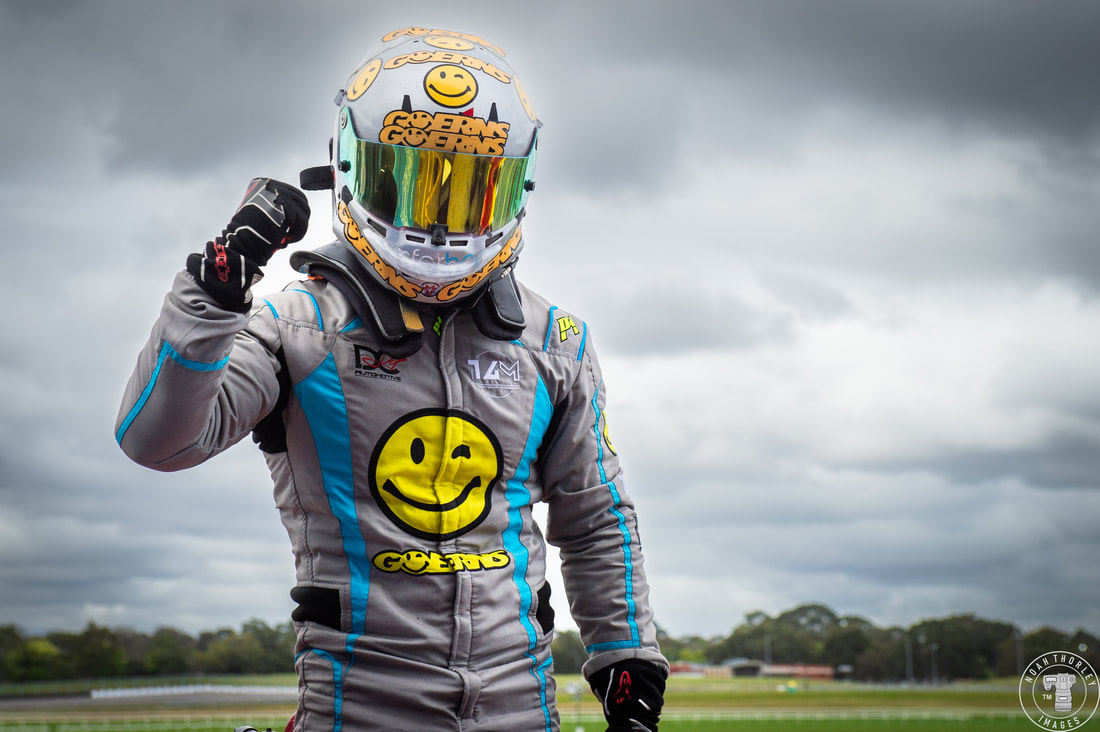 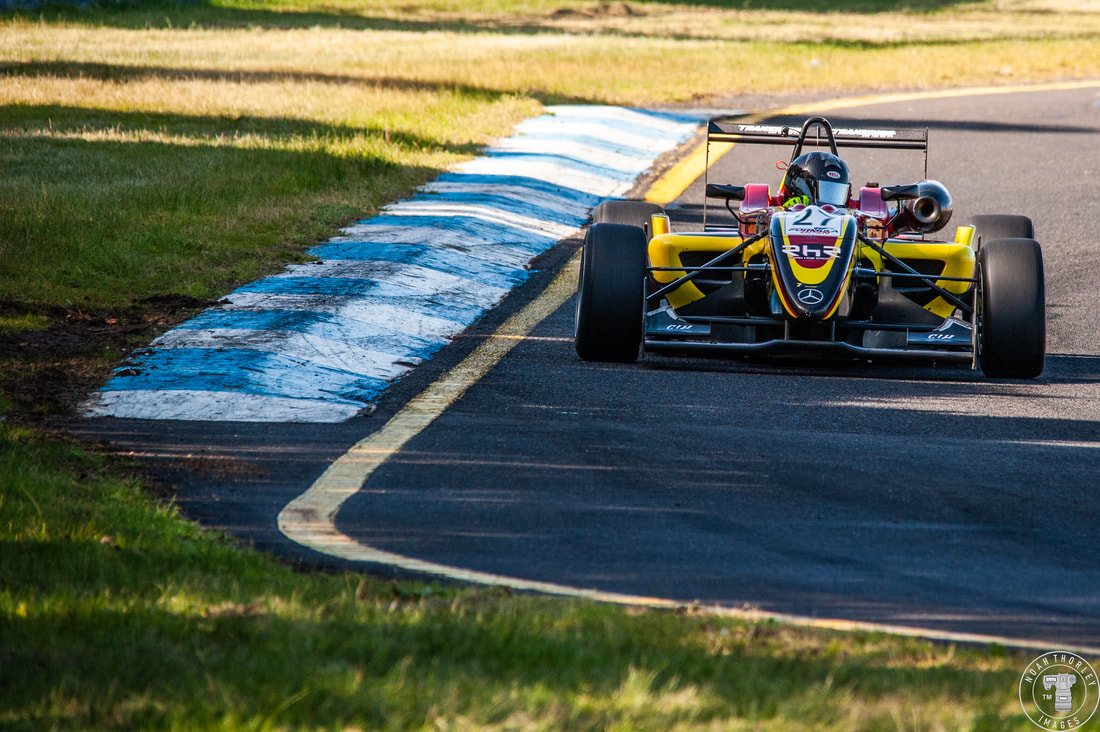 This year's Formula 3 championship is a battle between Trent Grubel and Ryan Howe. Grubel currently leads the championship after 8 wins already this year on 196 points. Howe closed the gap slightly at Sandown, with two more wins to his name against Grubel's one, and only follows him by 20 points as they head into the final round at Phillip Island at the end of November. 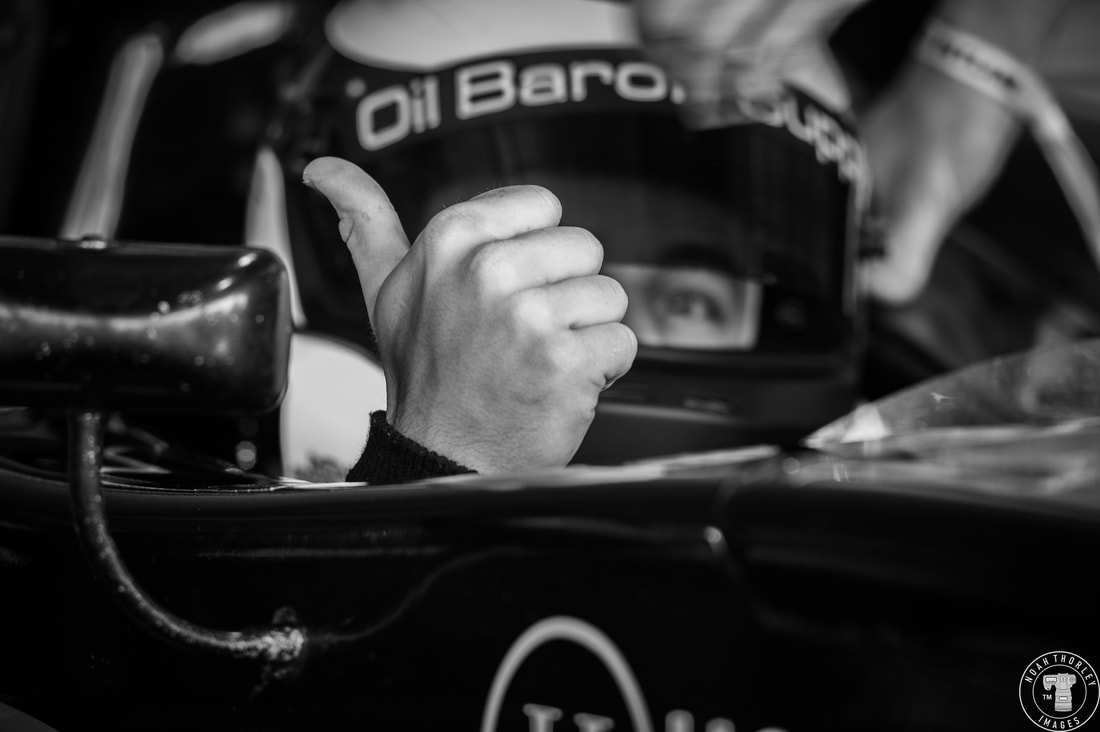 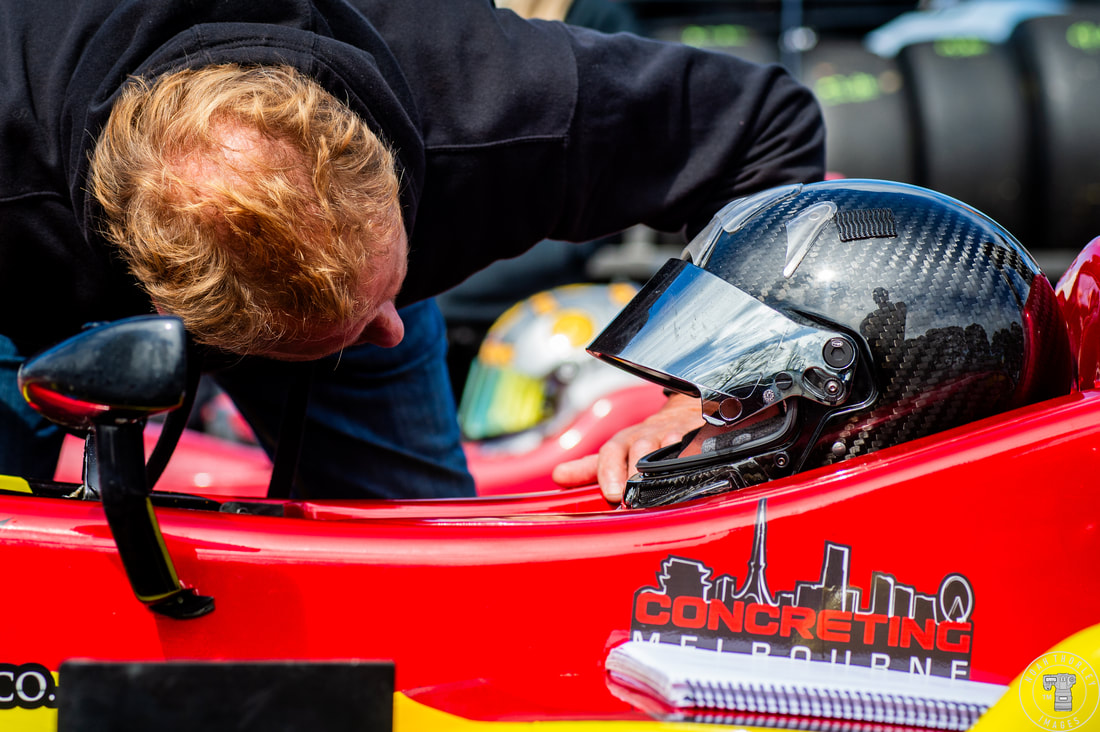 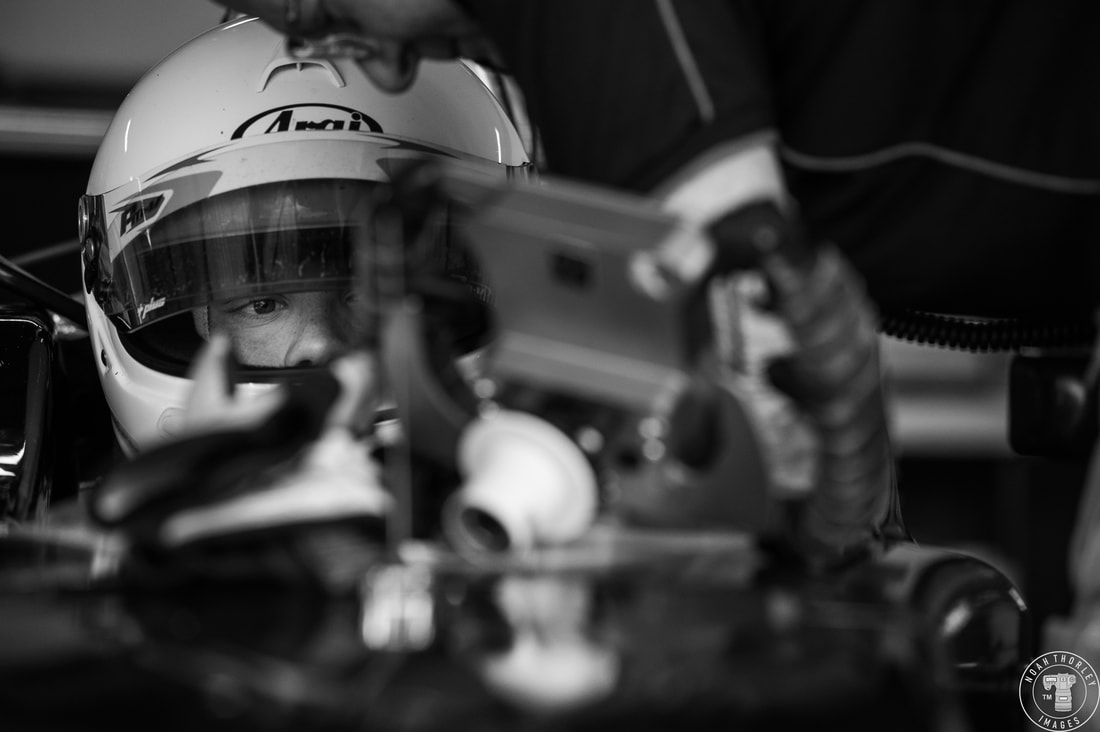 The winner of this year's championship will be granted a test in an S5000, and additionally a free entry into one S5000 race next year or later. Overall, it's great to see Formula 3 return to some stability thanks to the team behind the Australian Formula Open and also be a clear stepping stone to possible rides in S5000, which definitely needs to see more growth. Bonus Gallery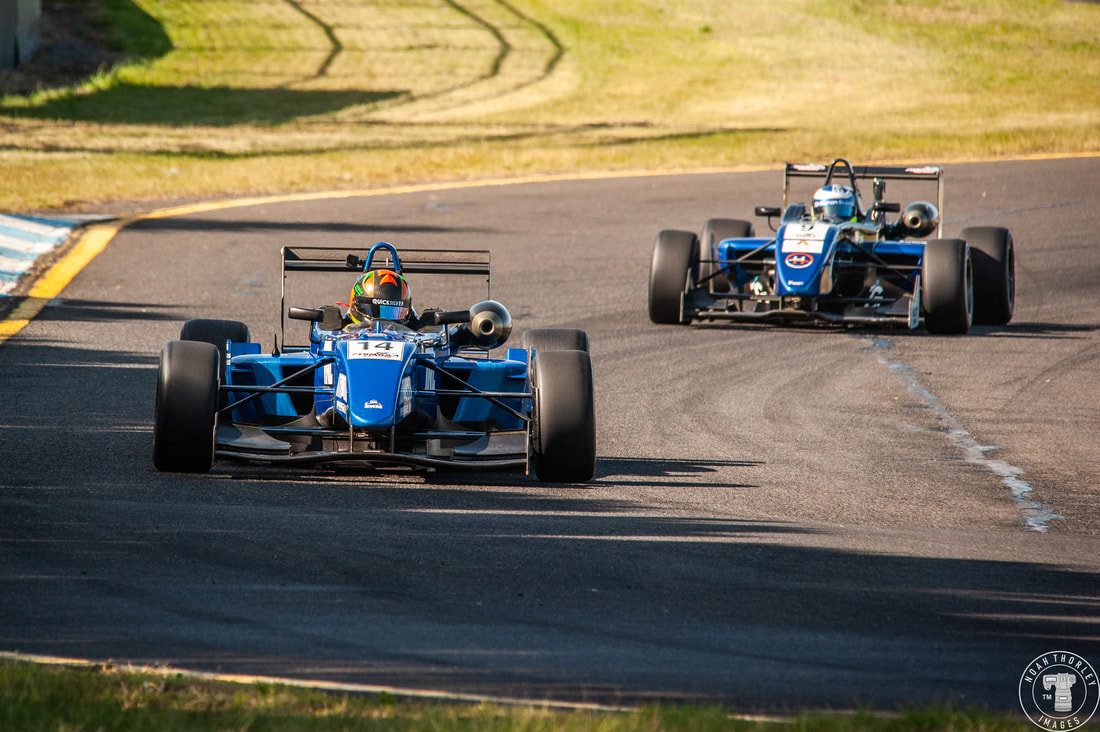 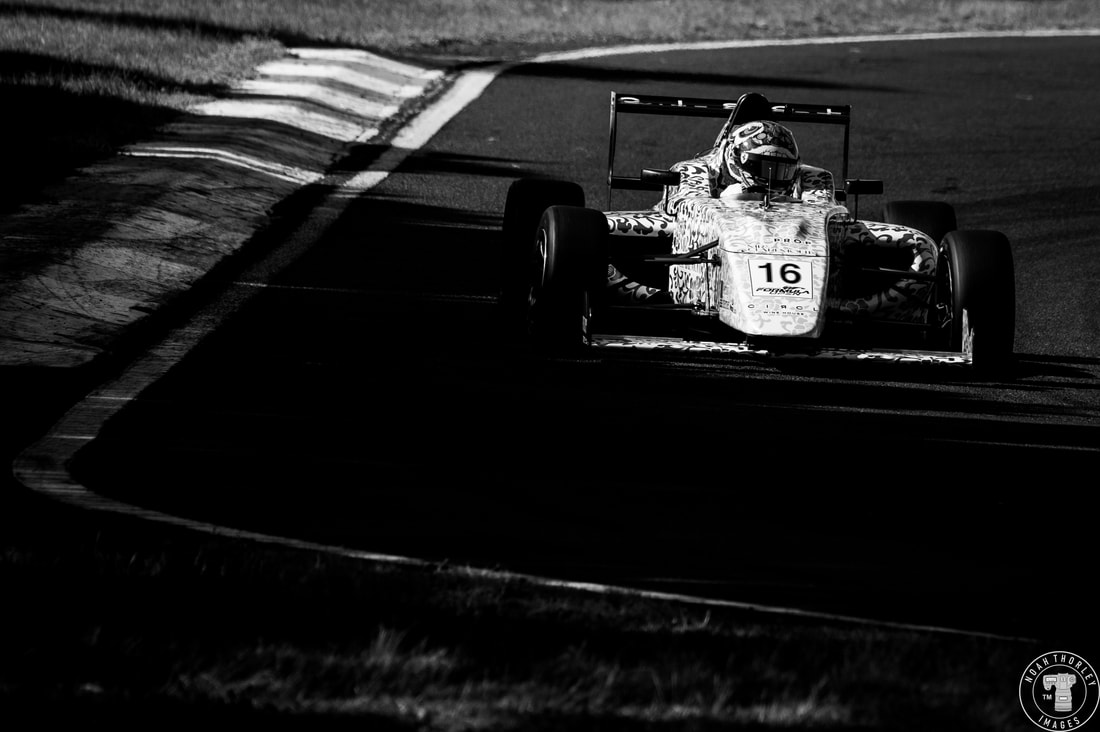 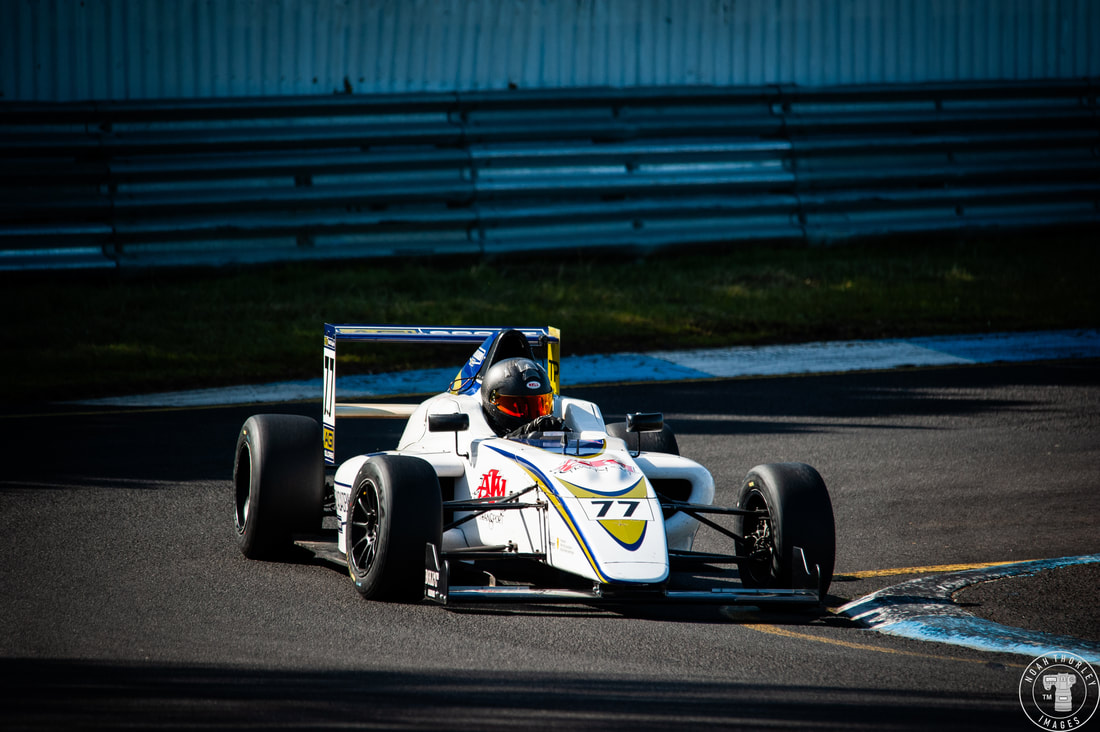 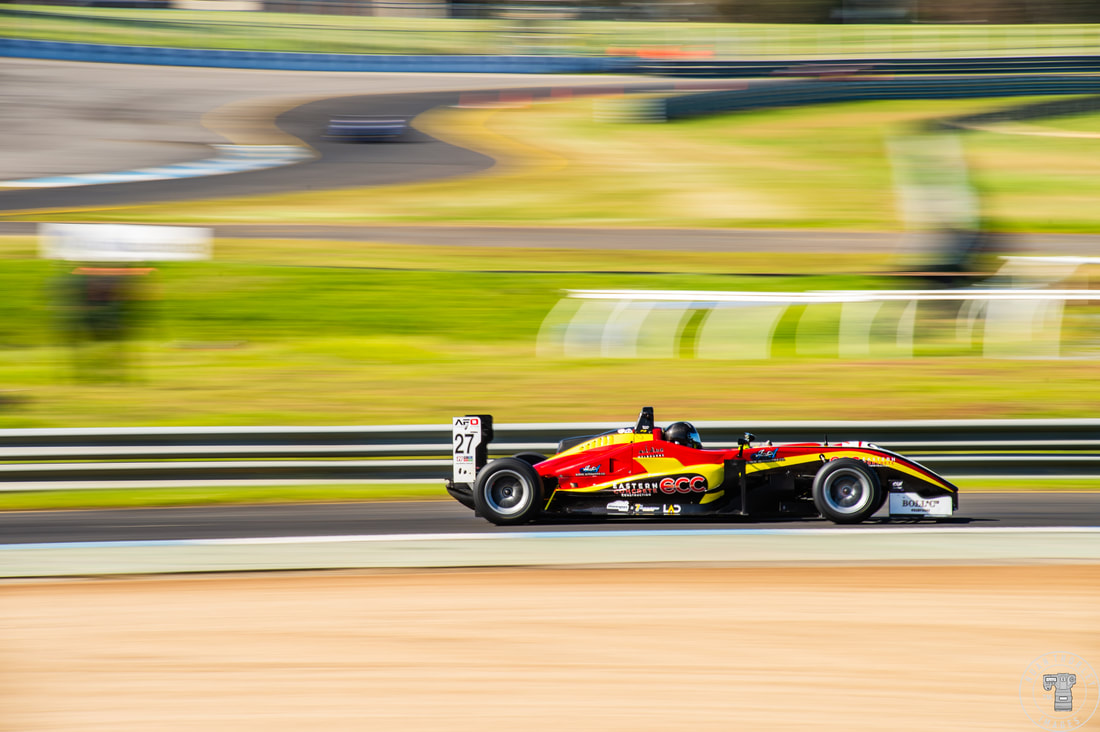 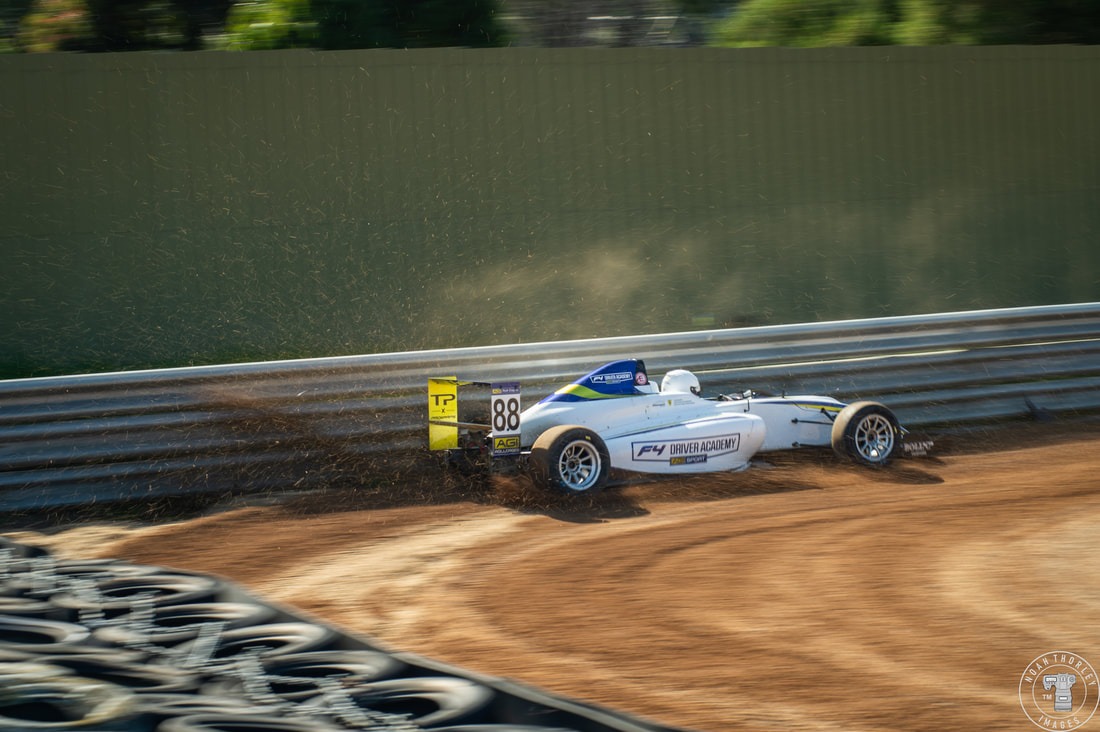 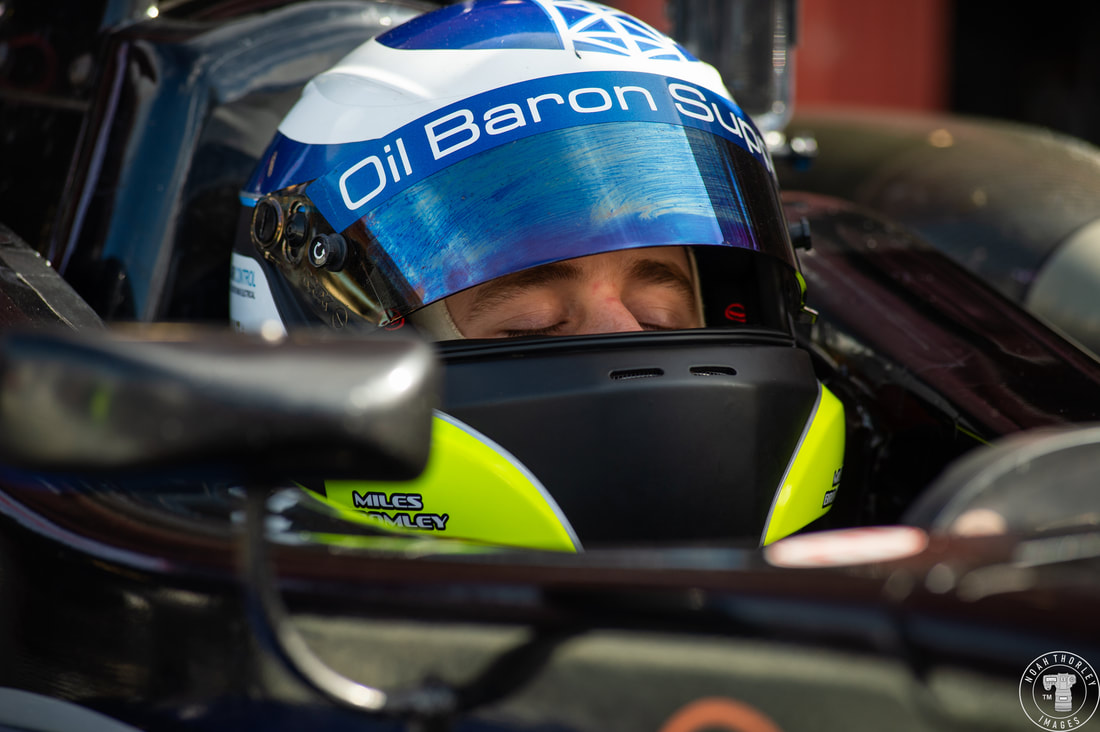
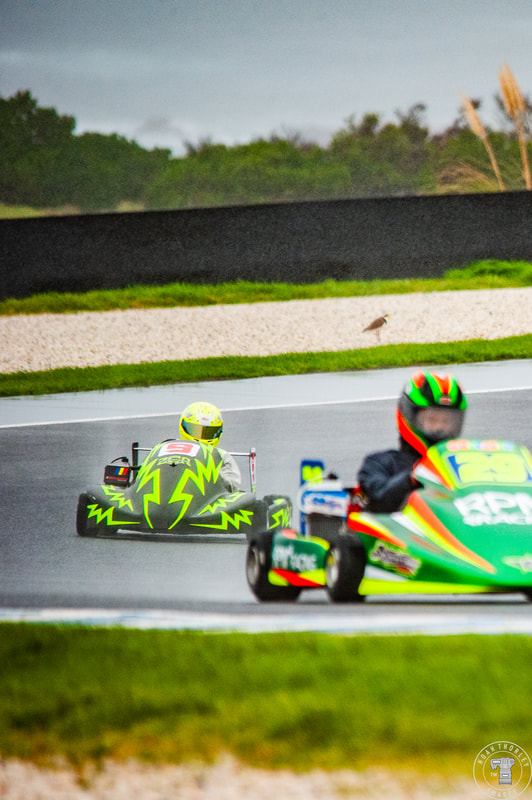
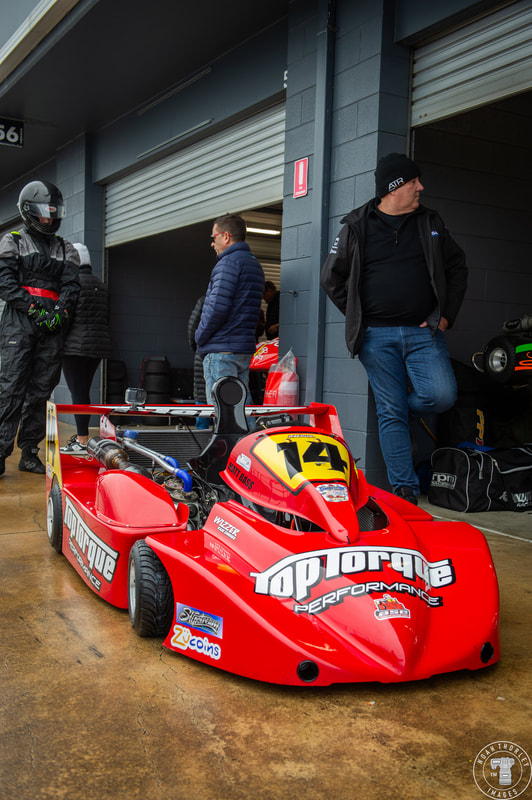
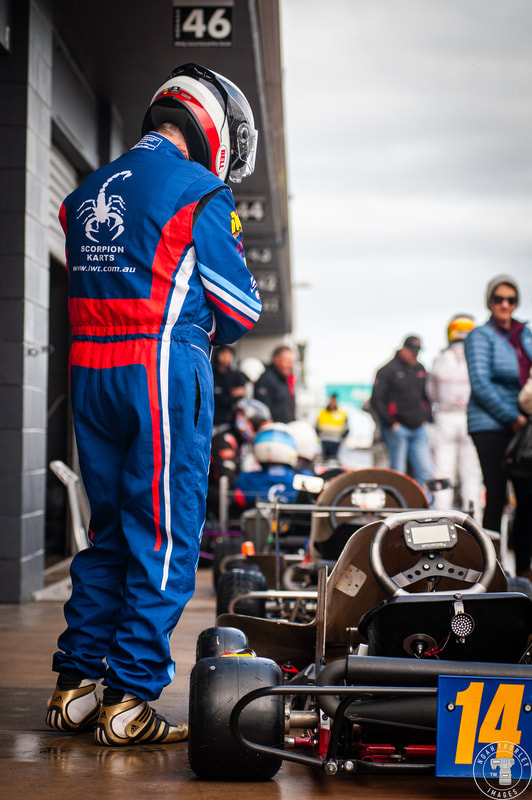
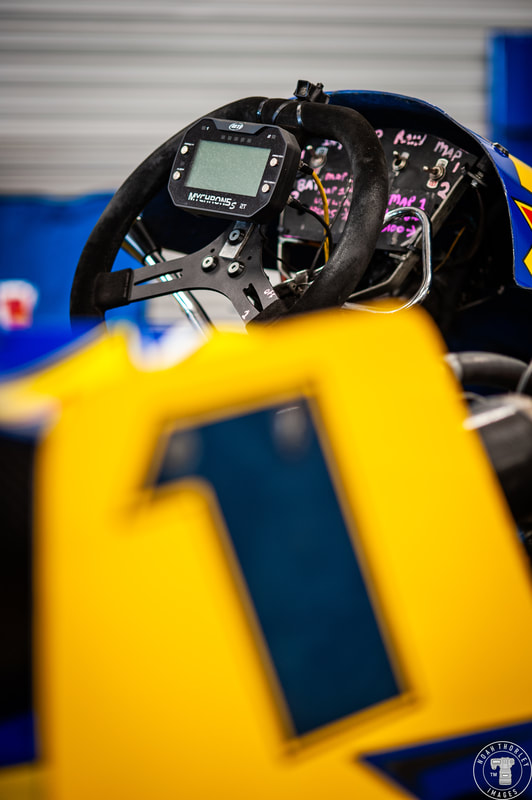
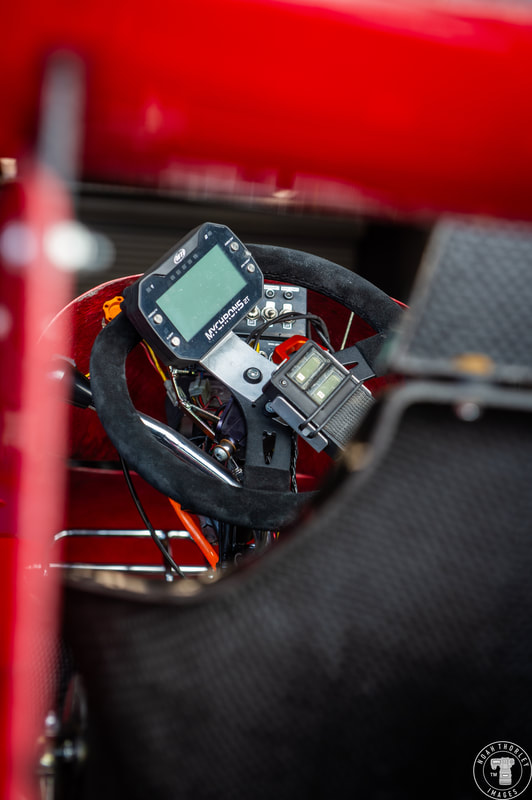
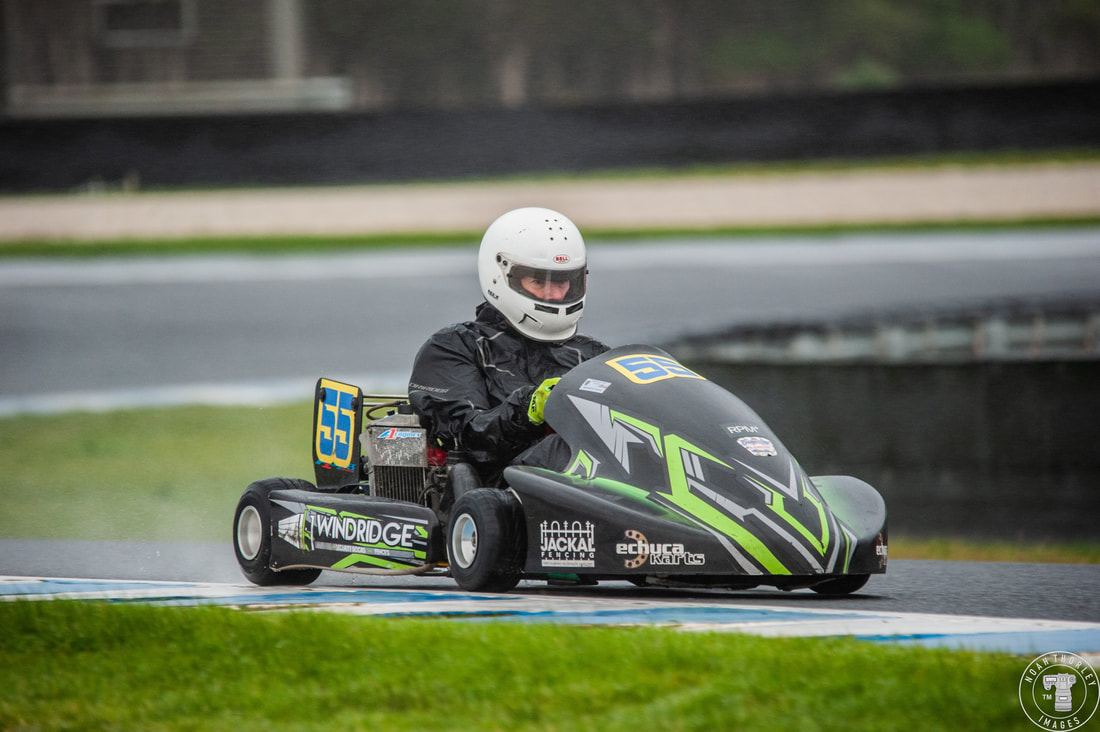
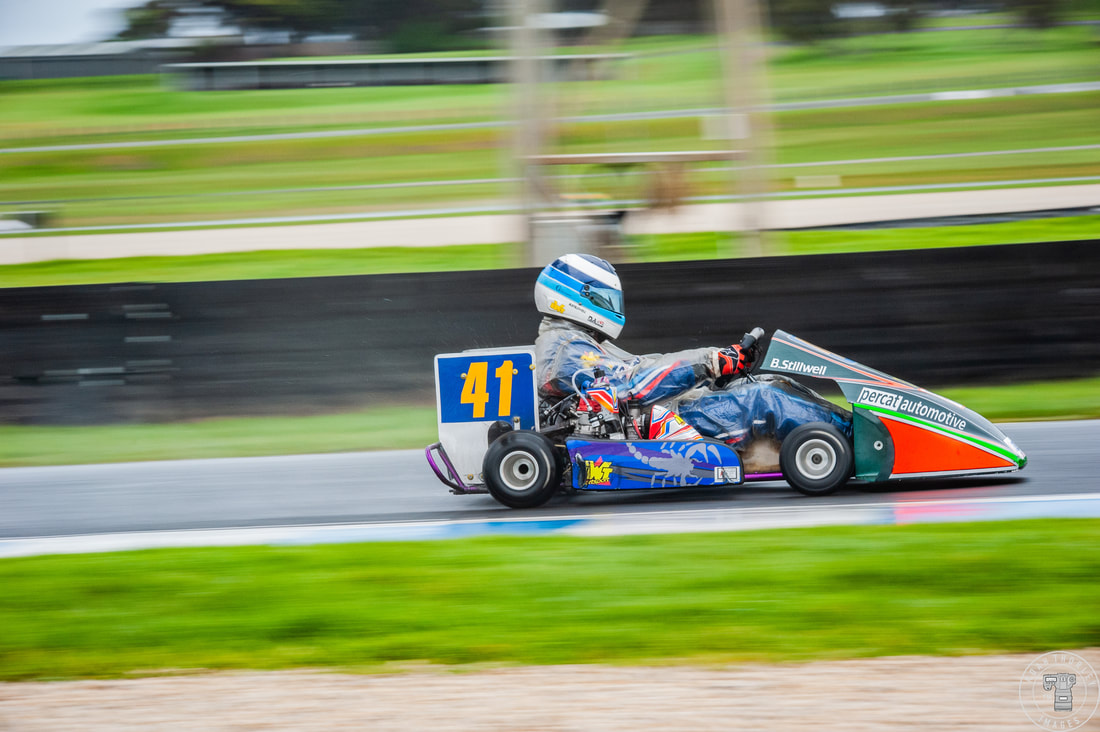
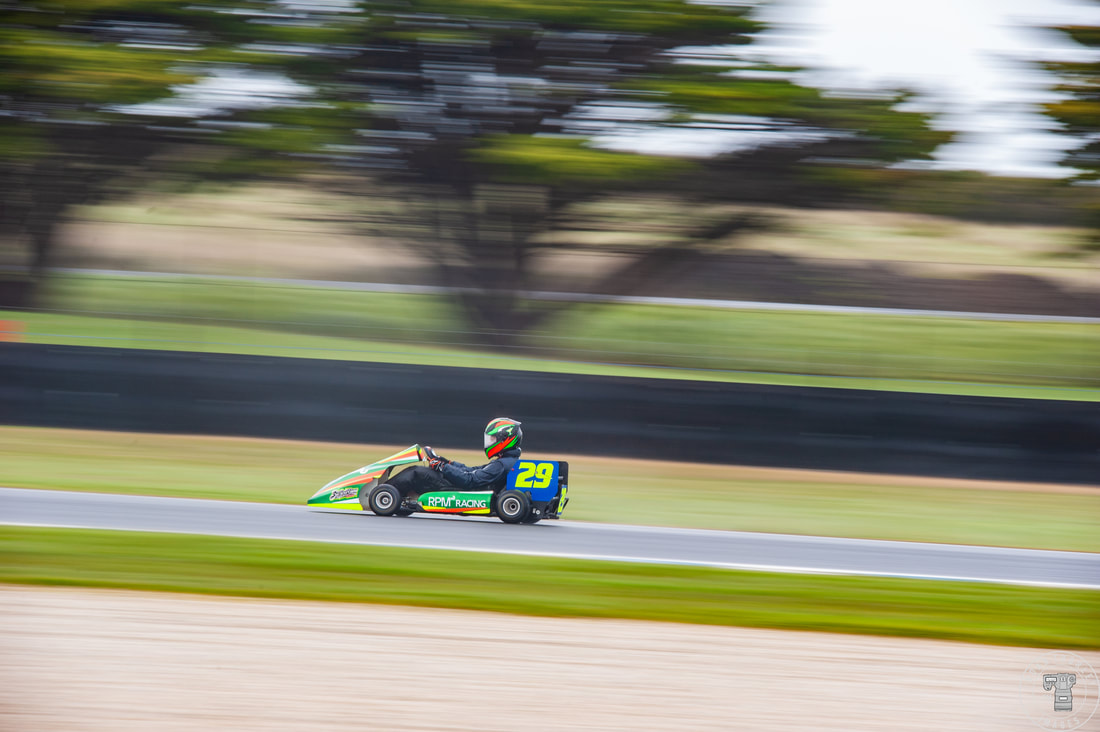
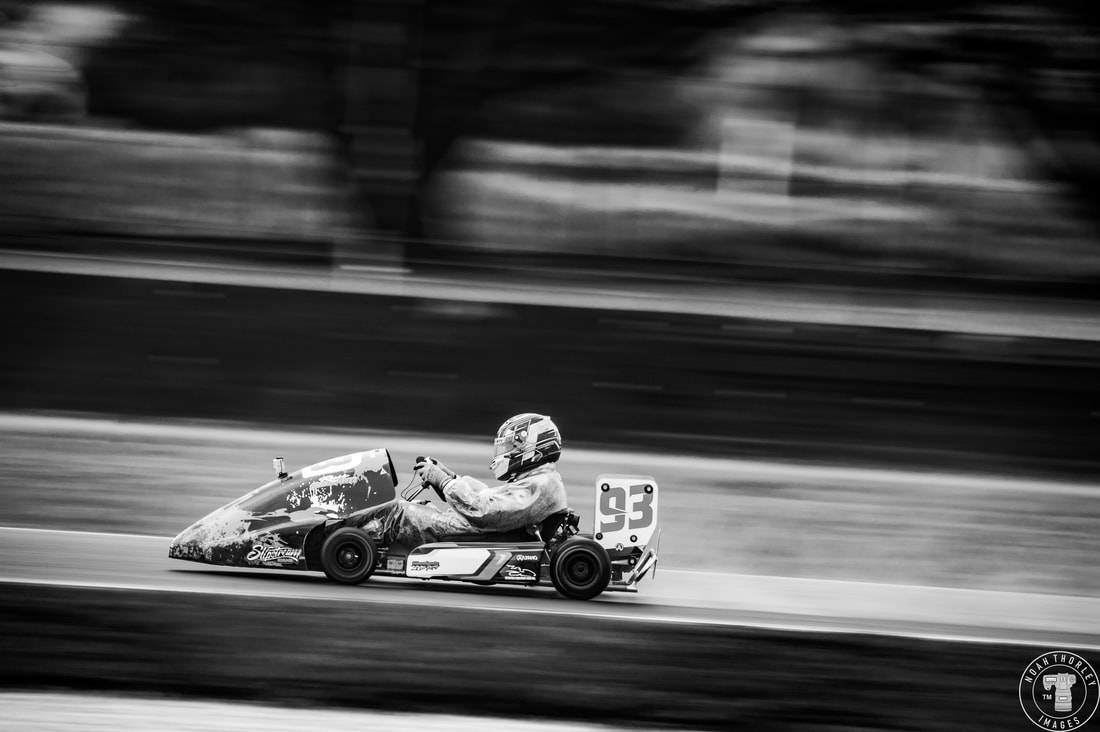
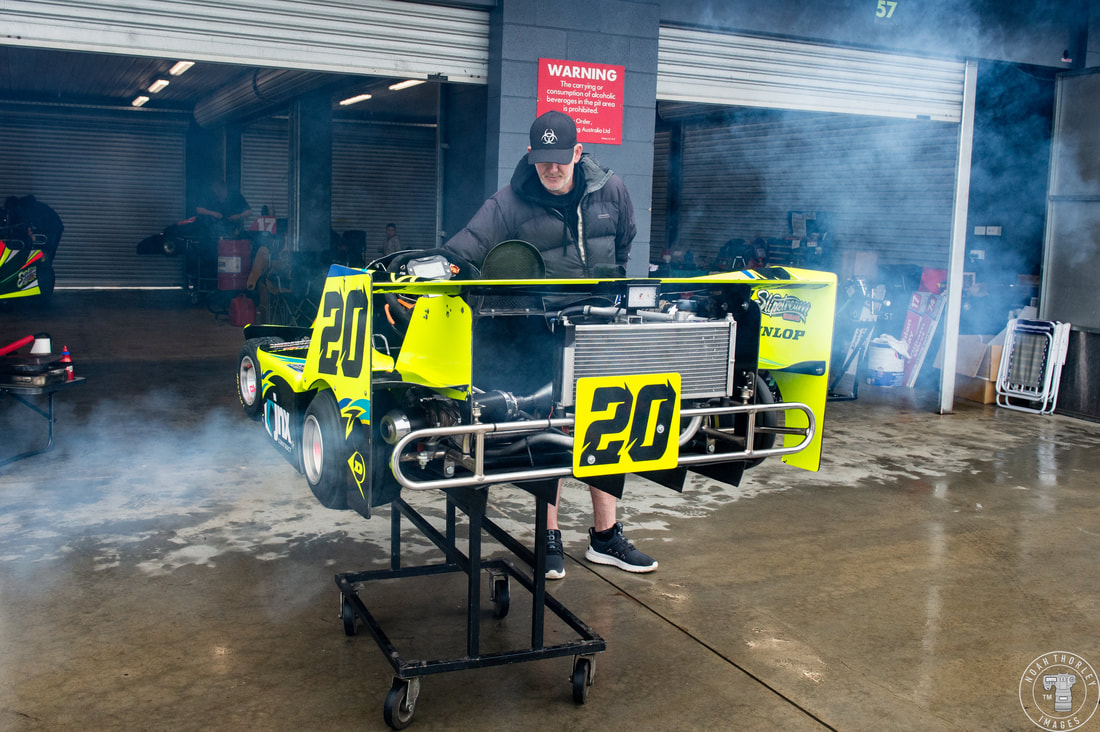
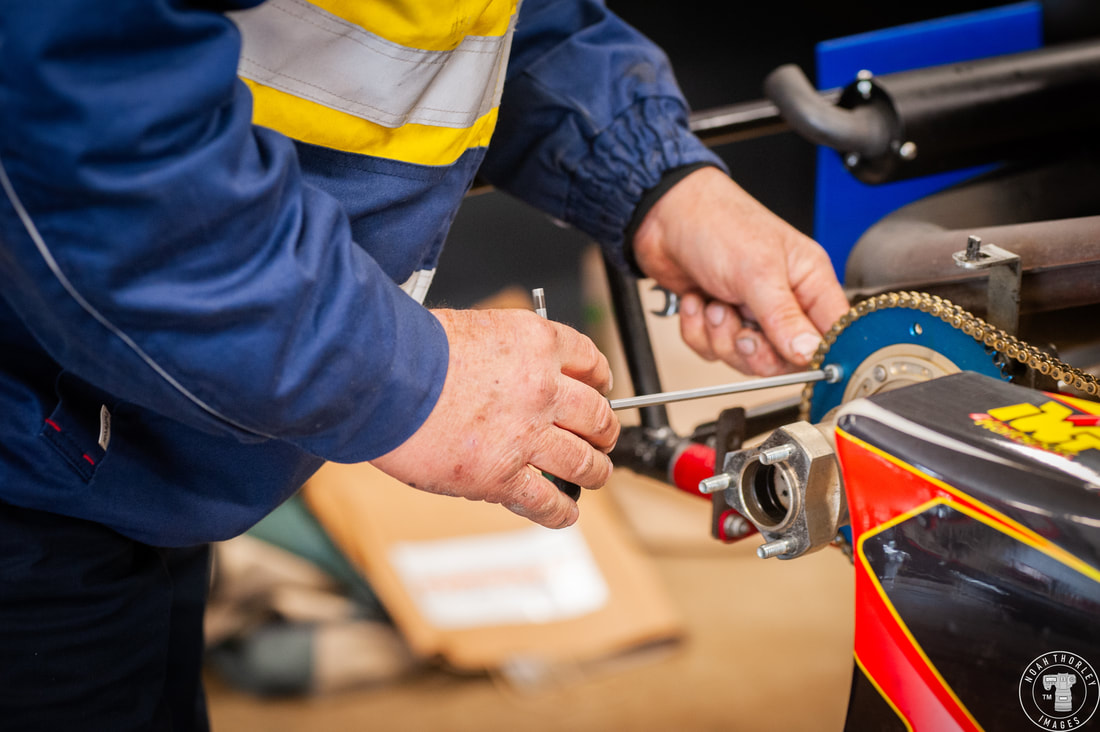
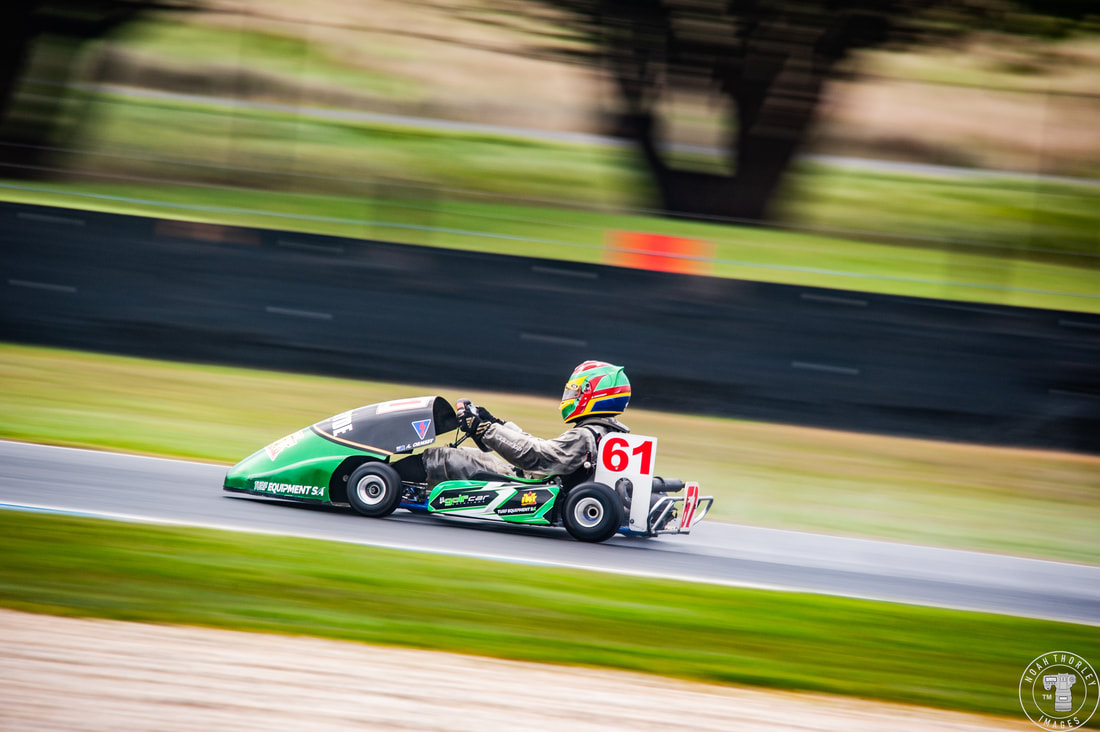
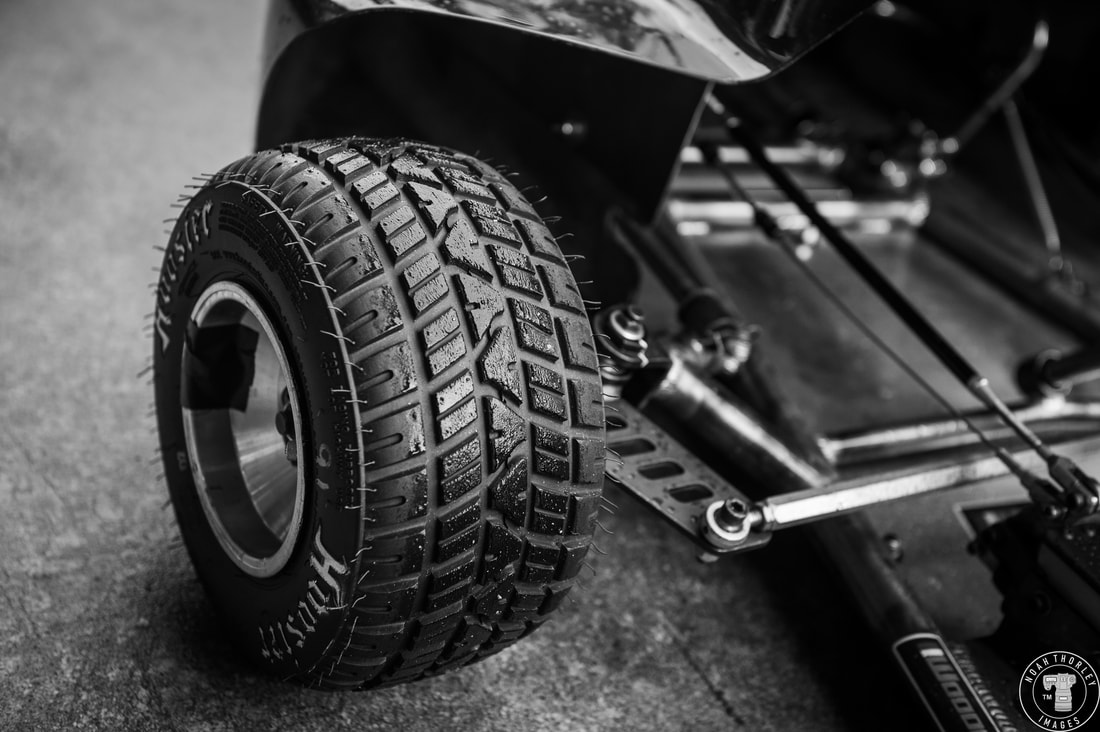
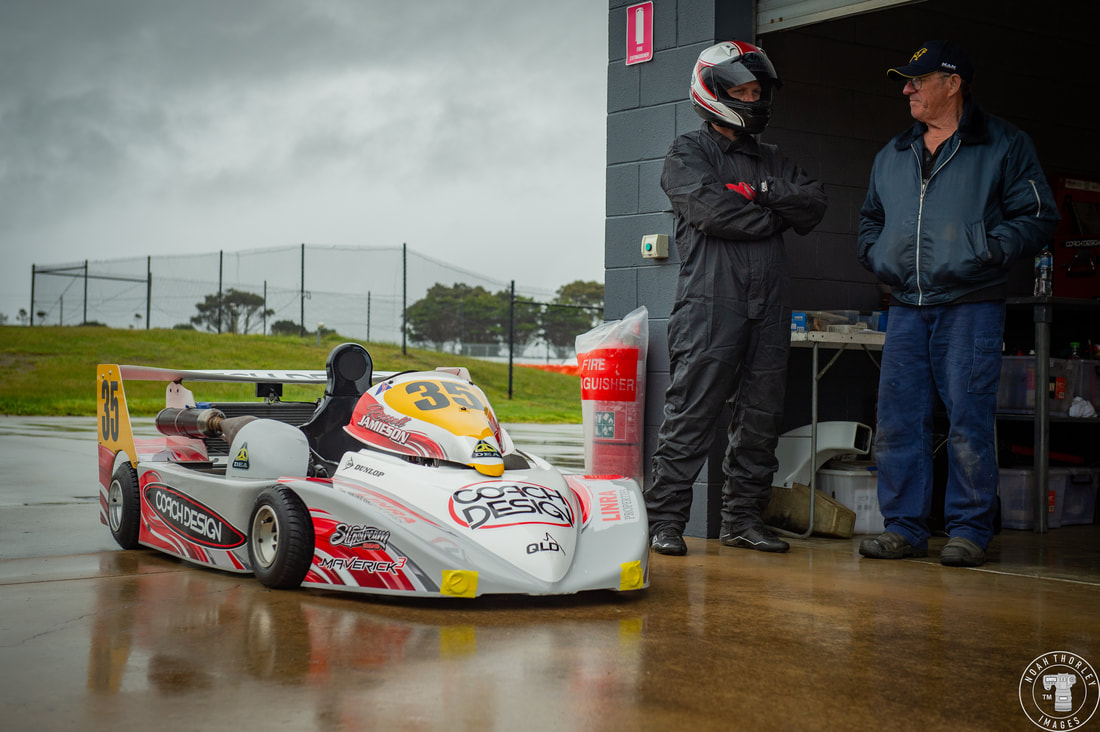
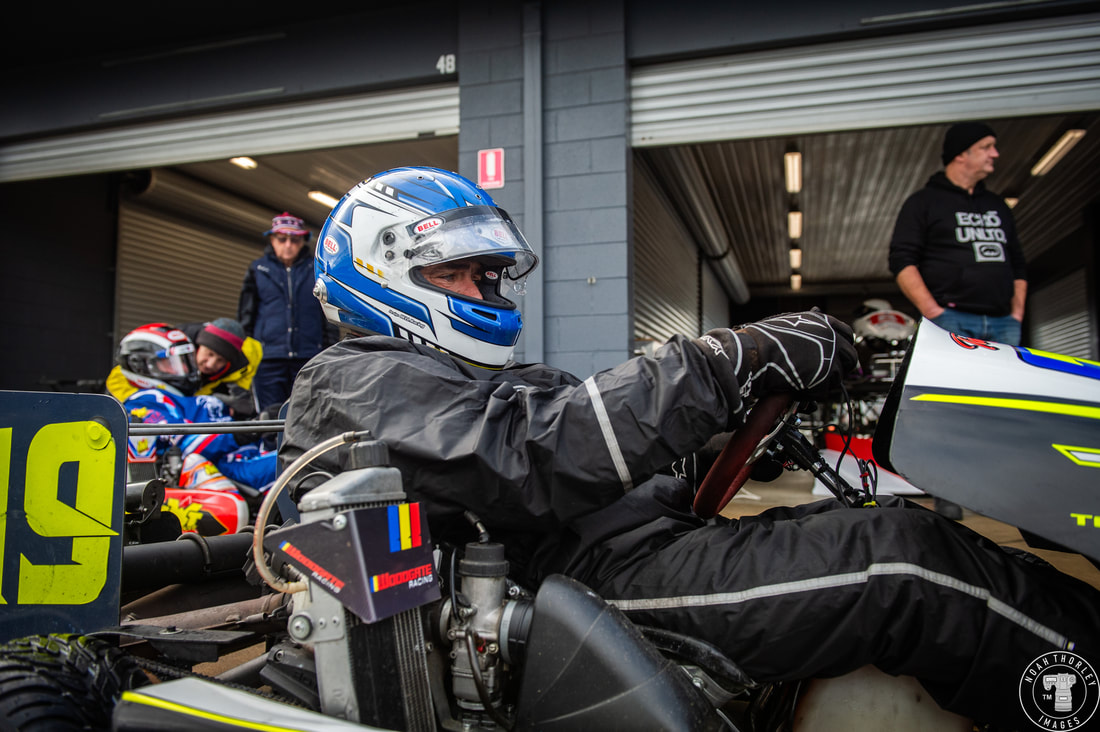
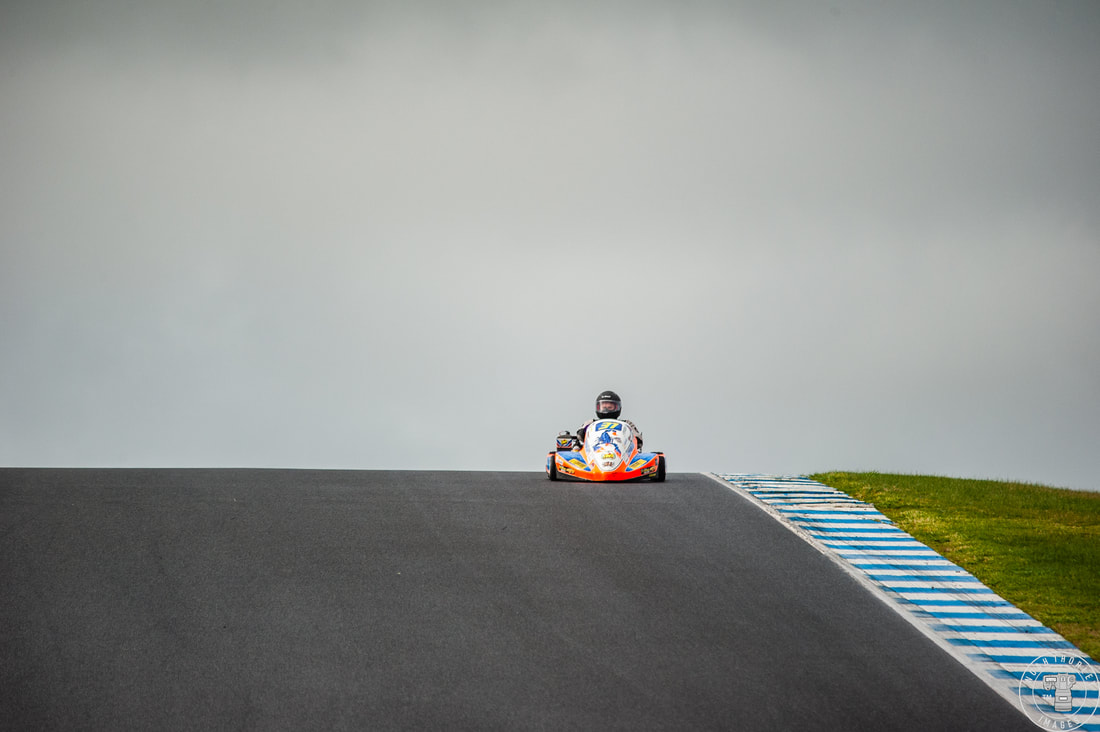
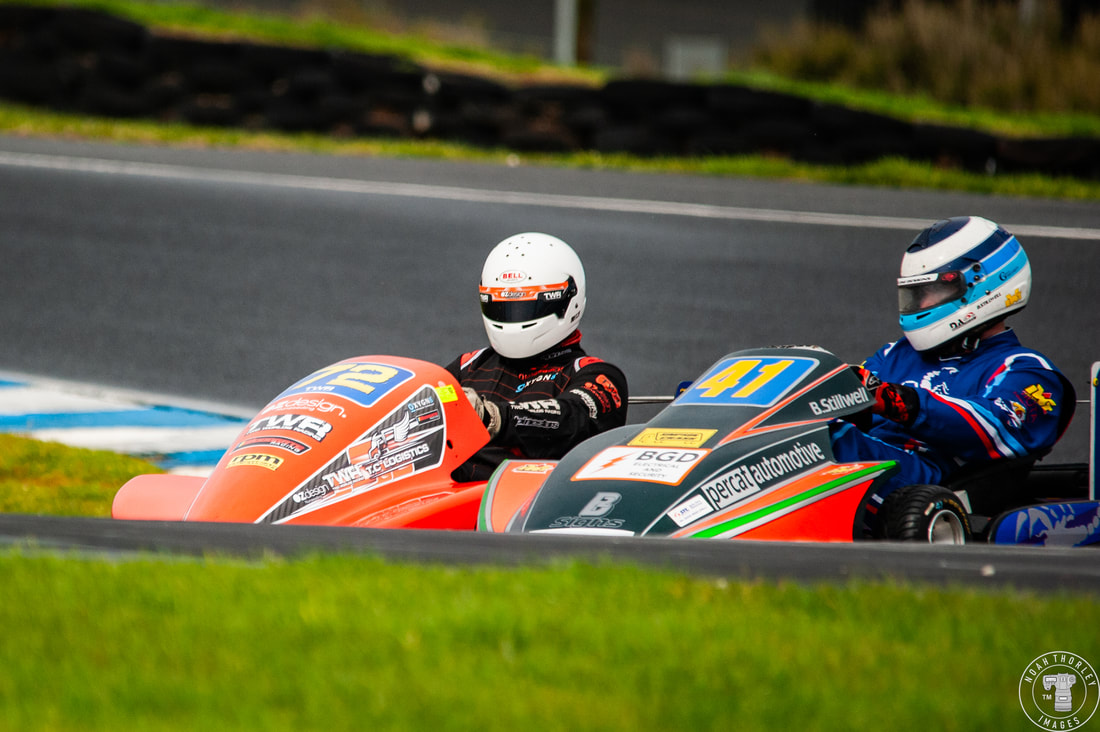
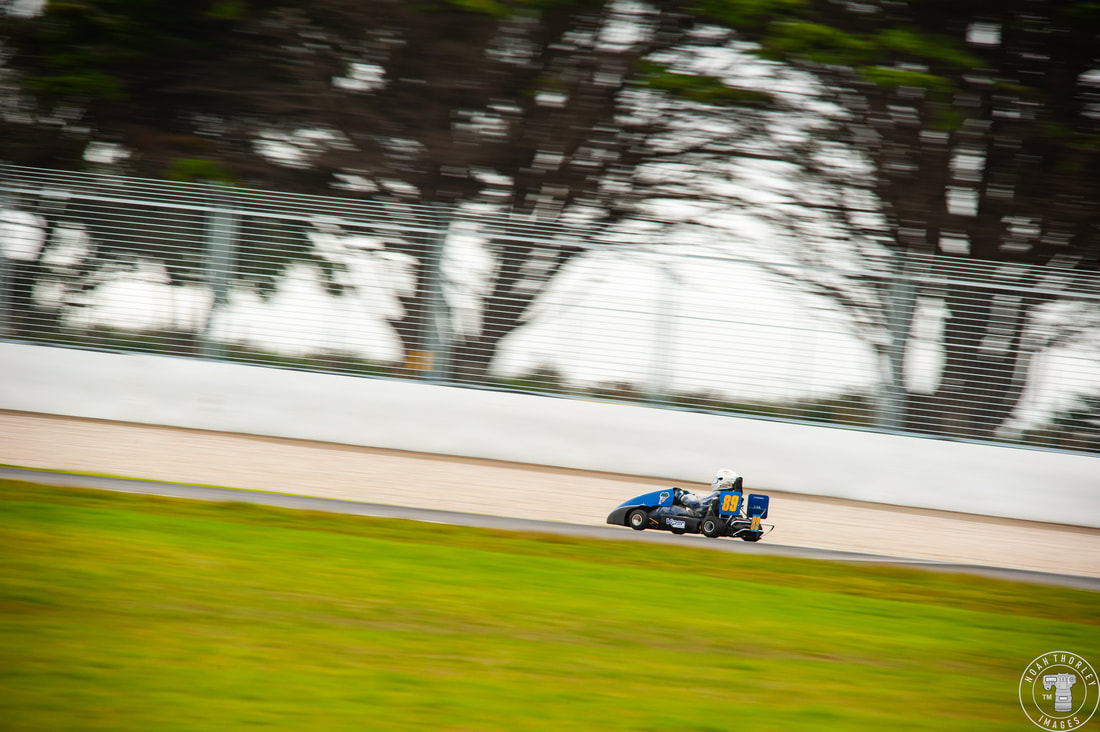
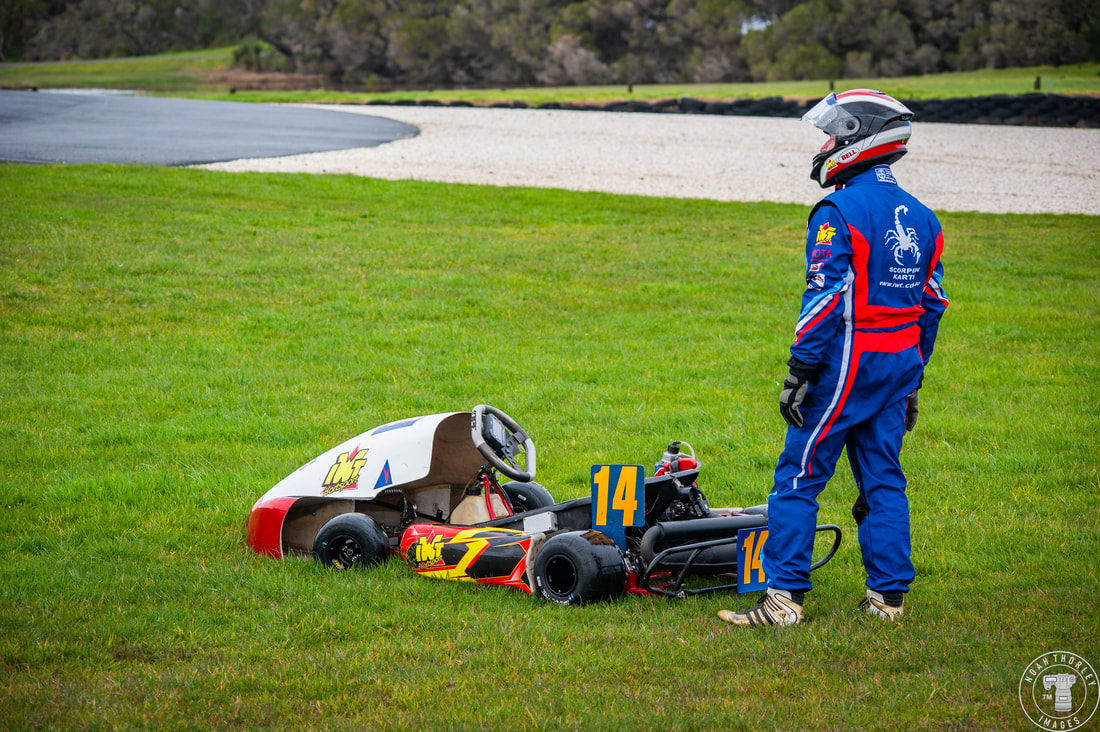
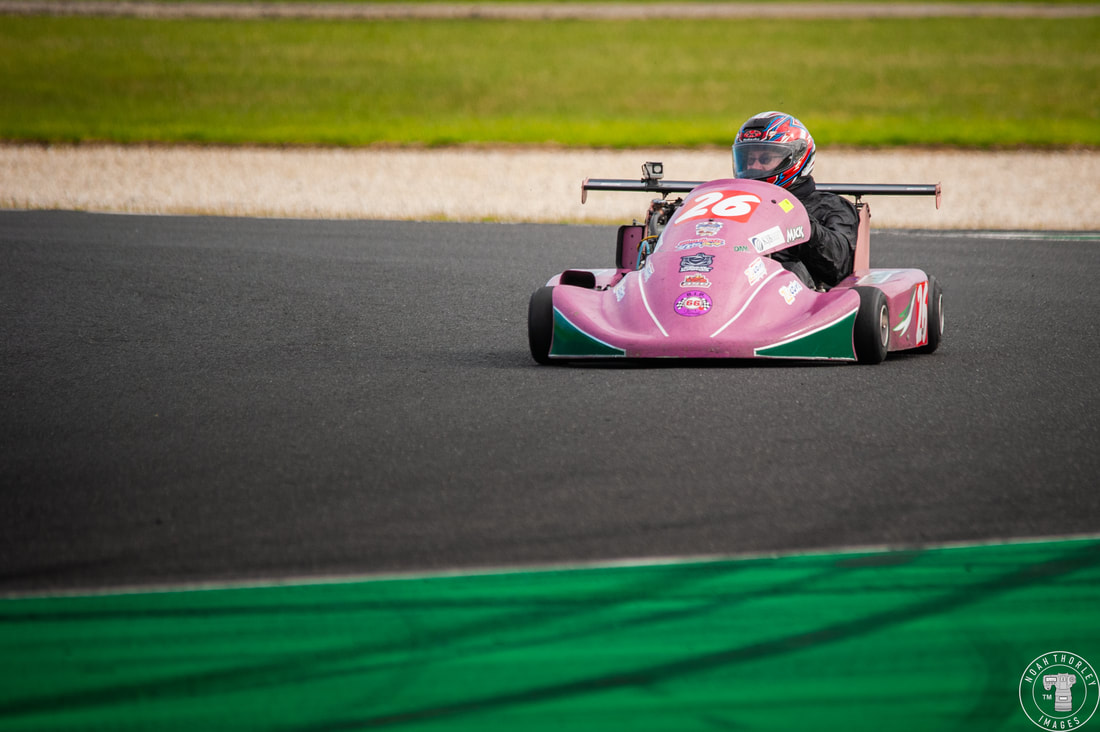
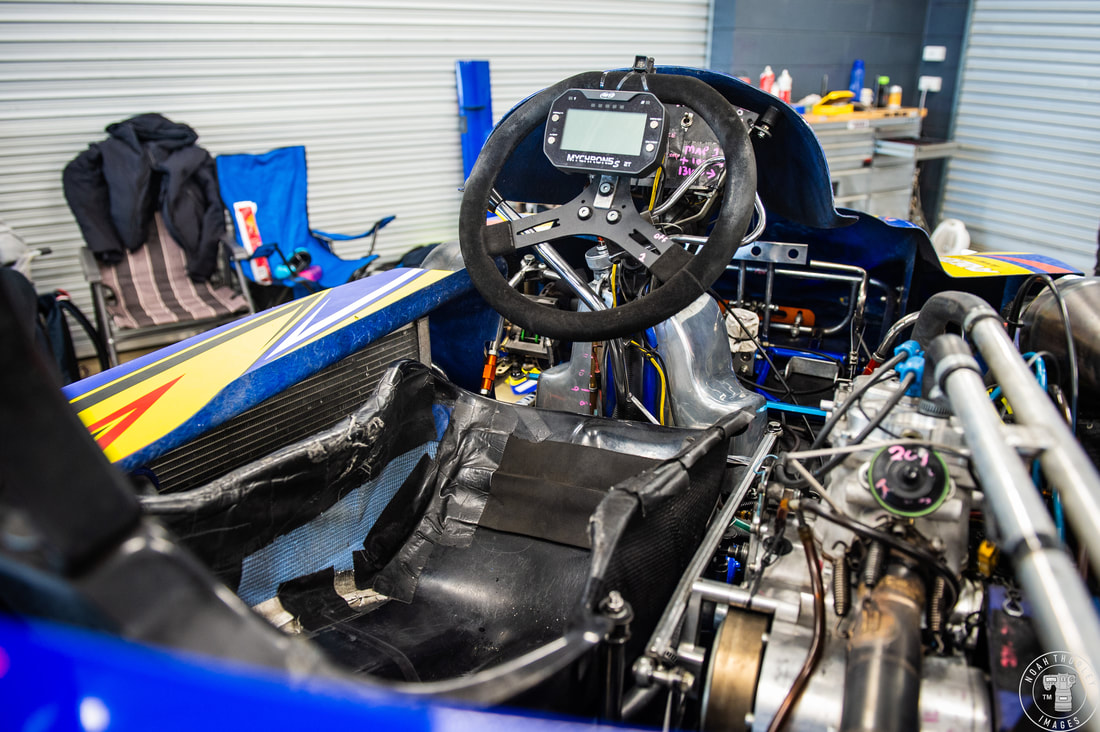
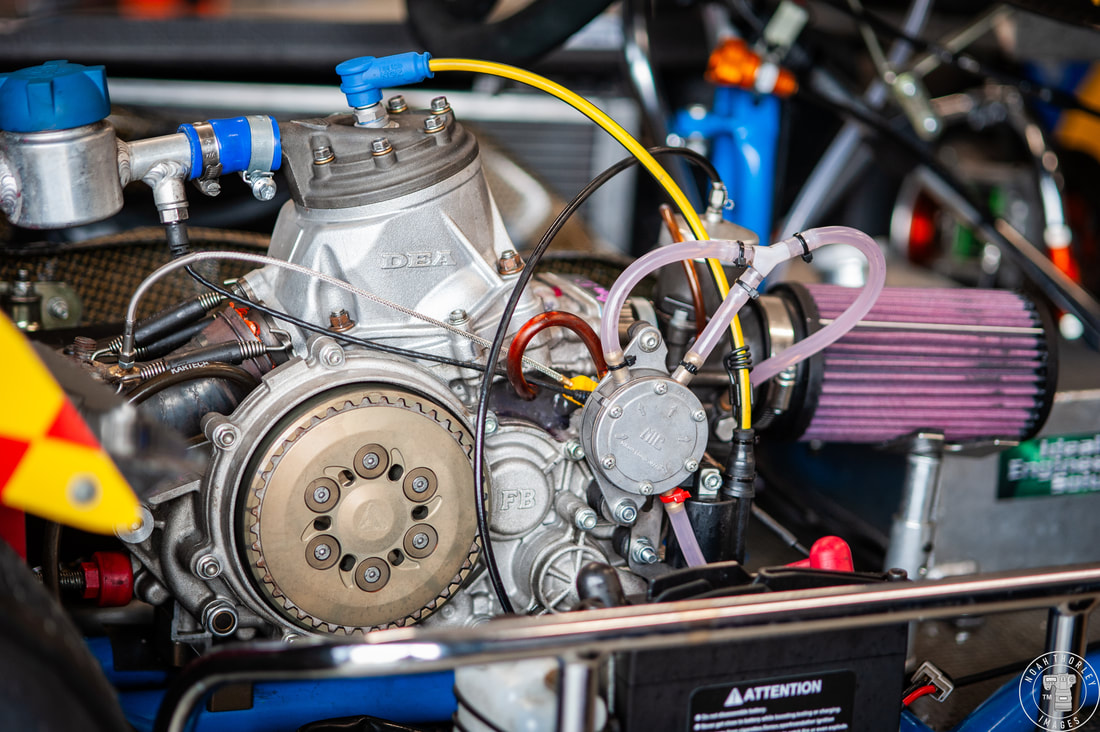
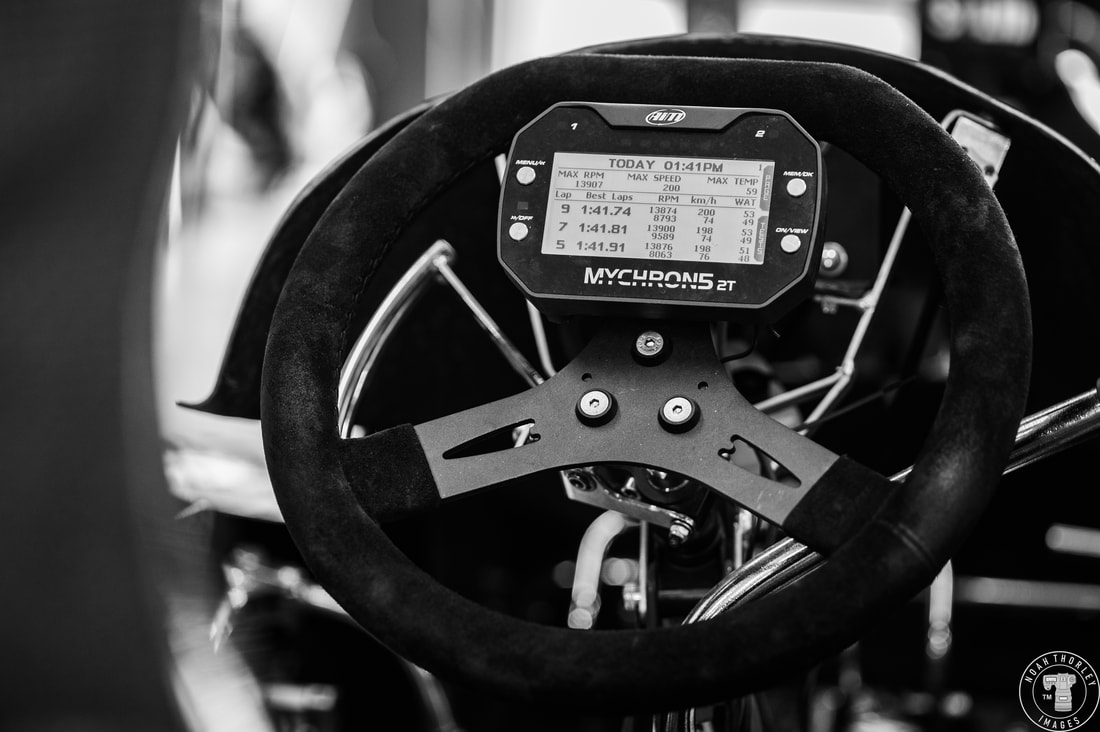
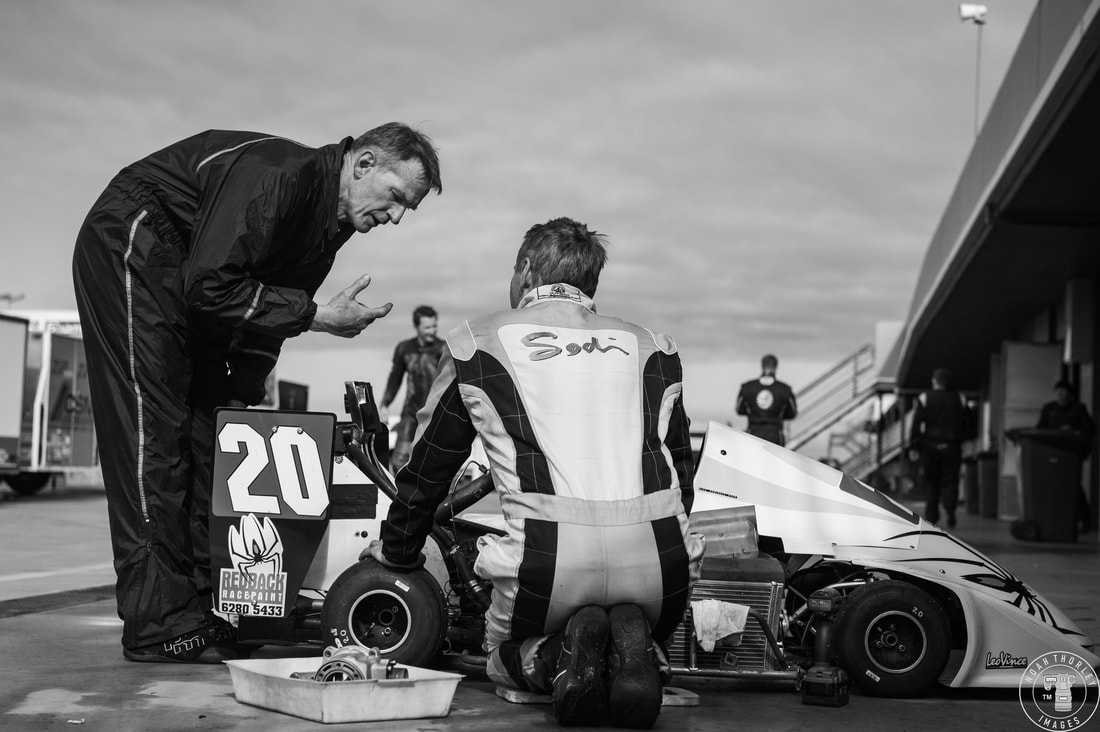
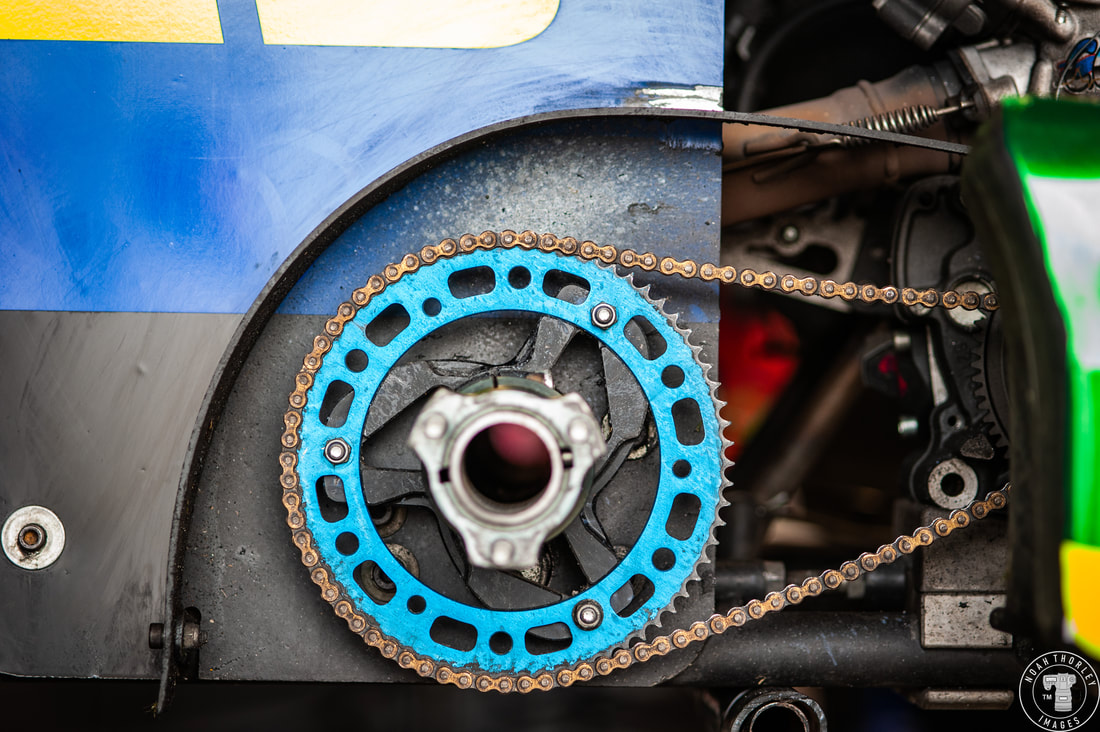
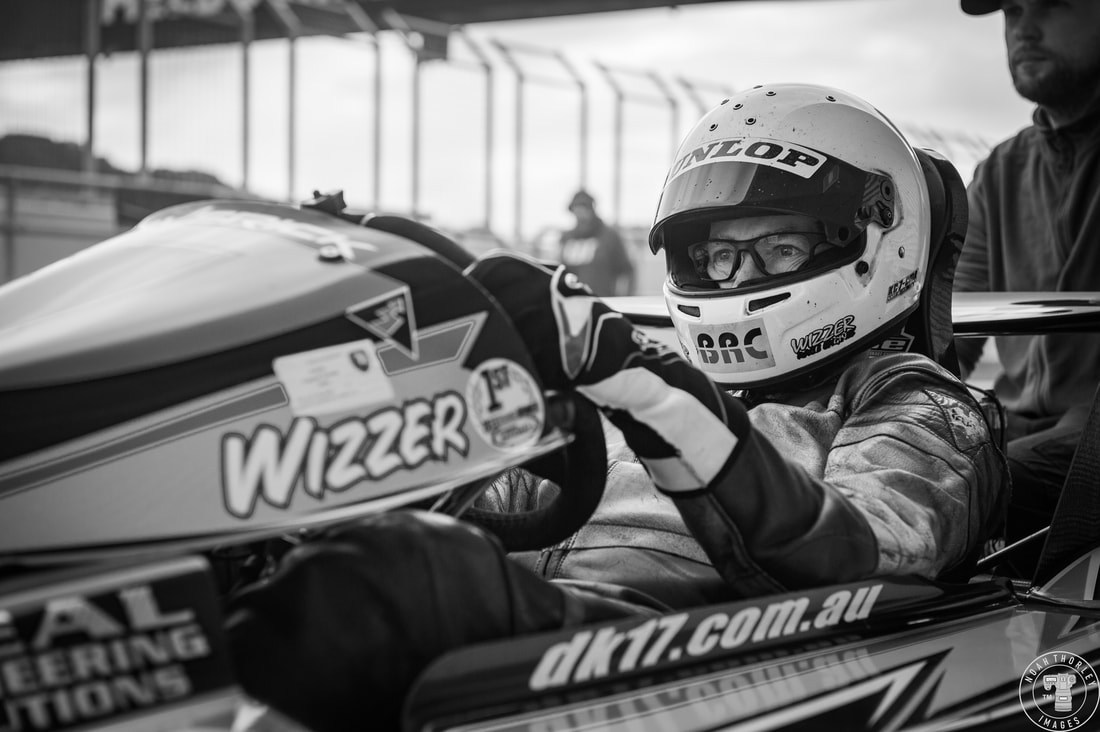
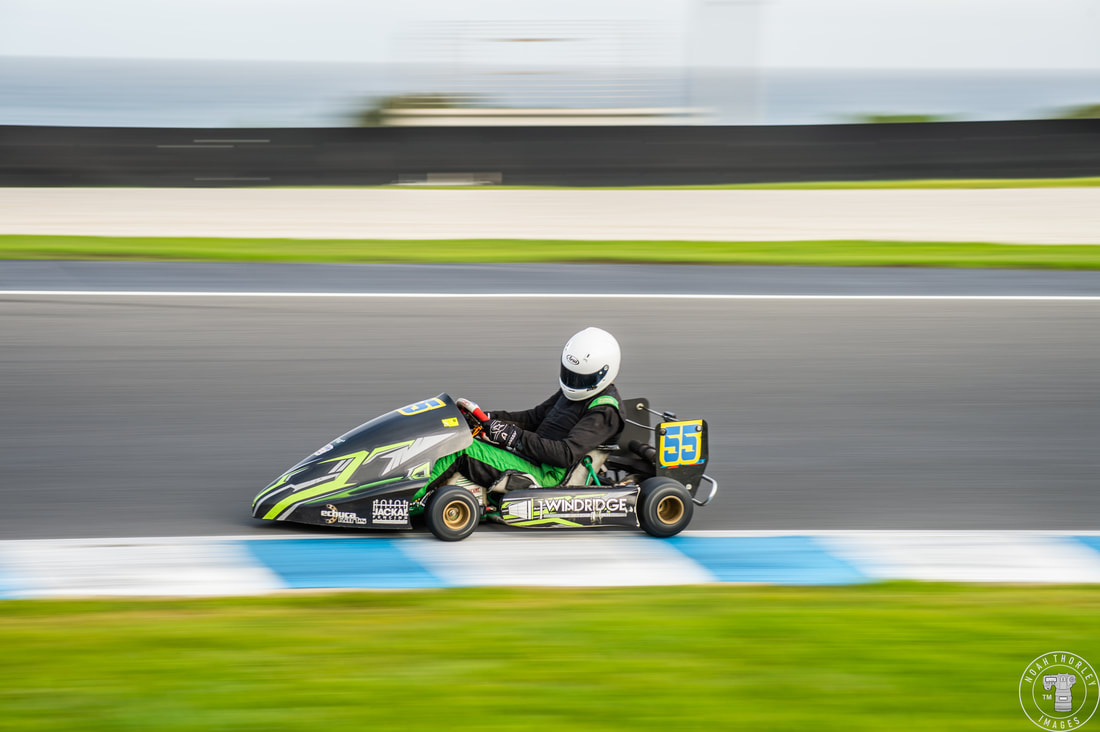
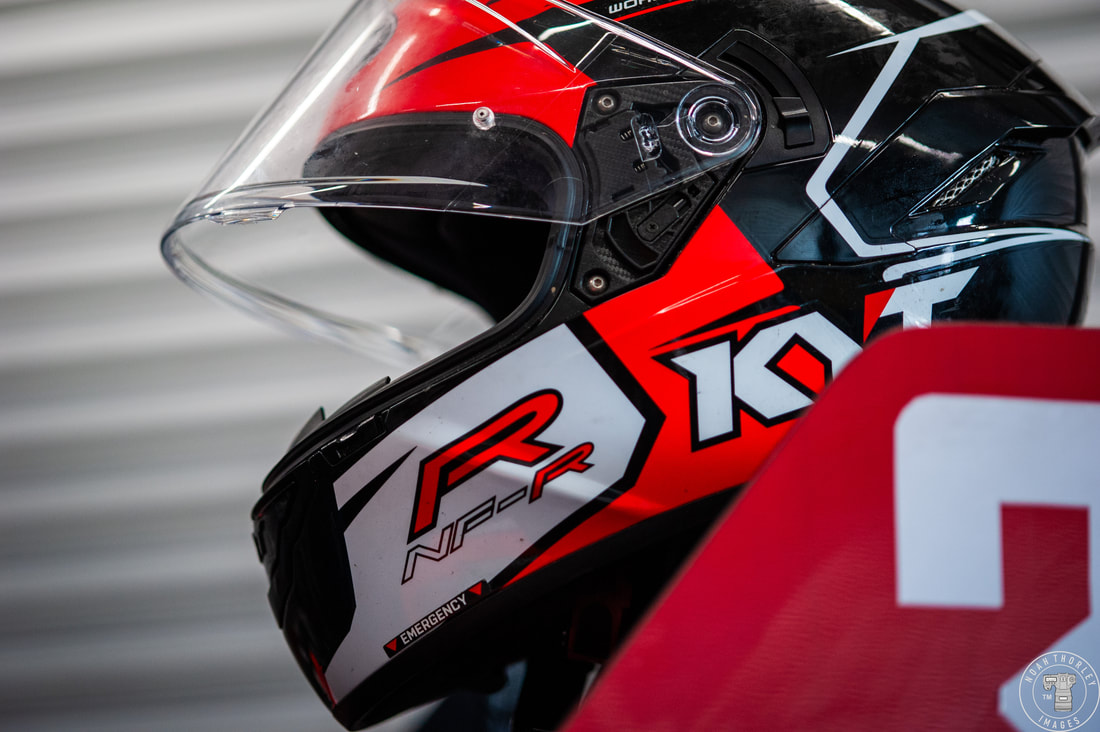
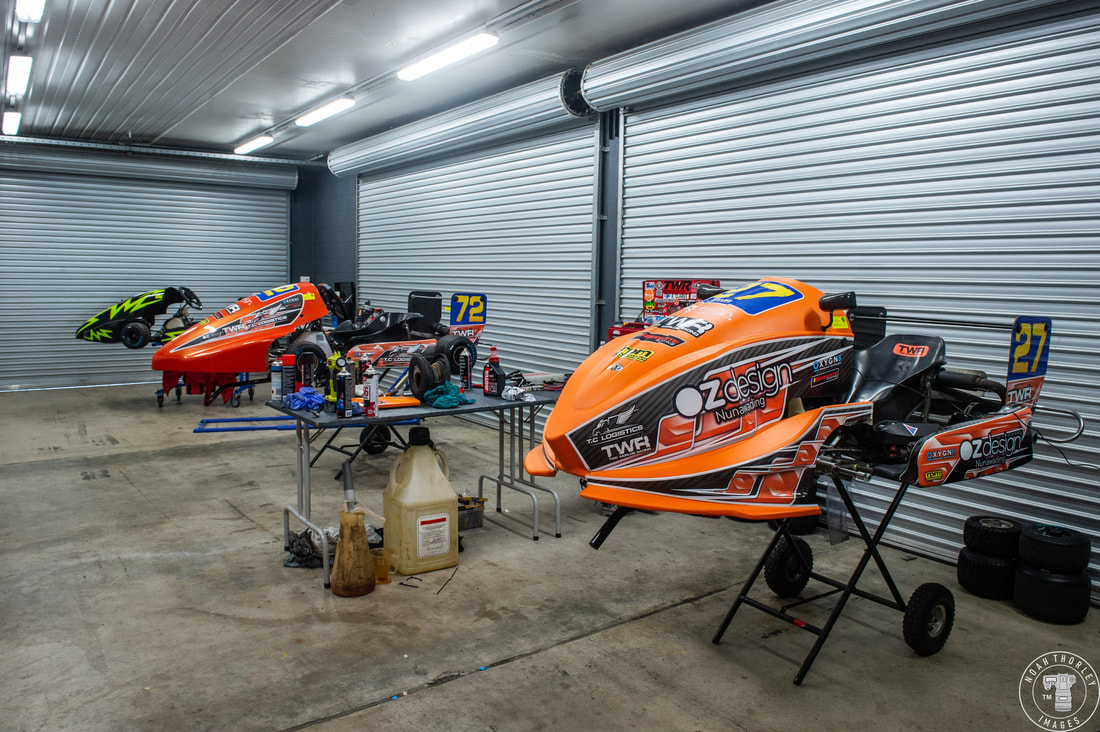
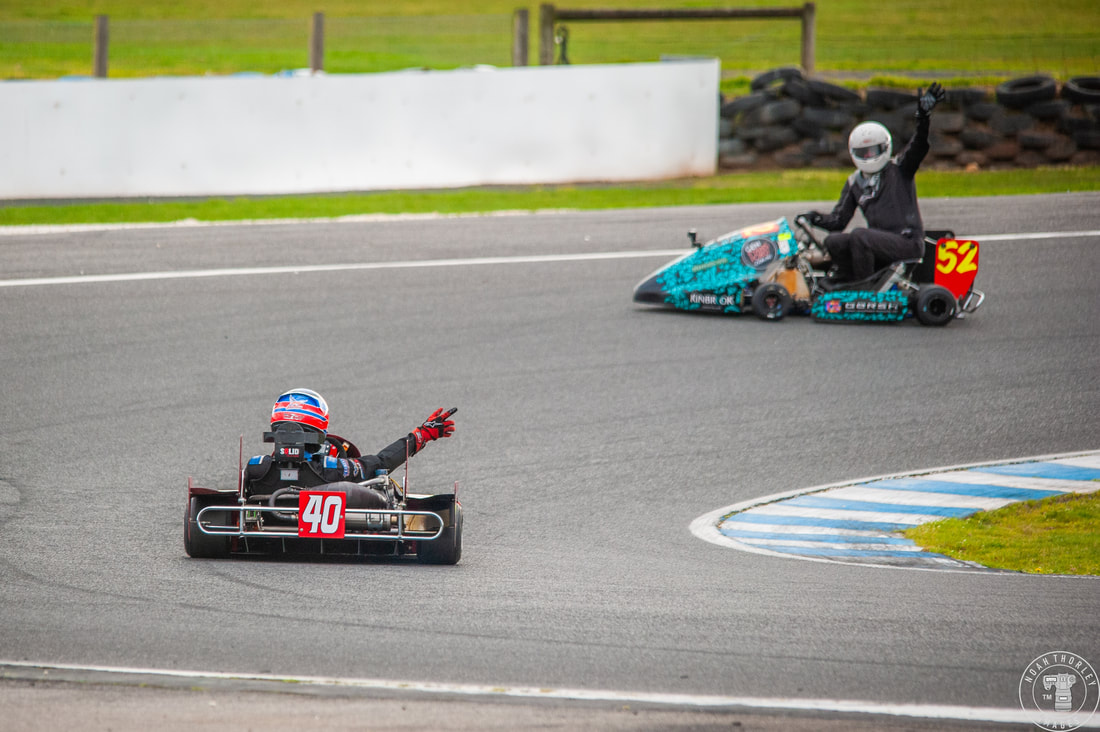
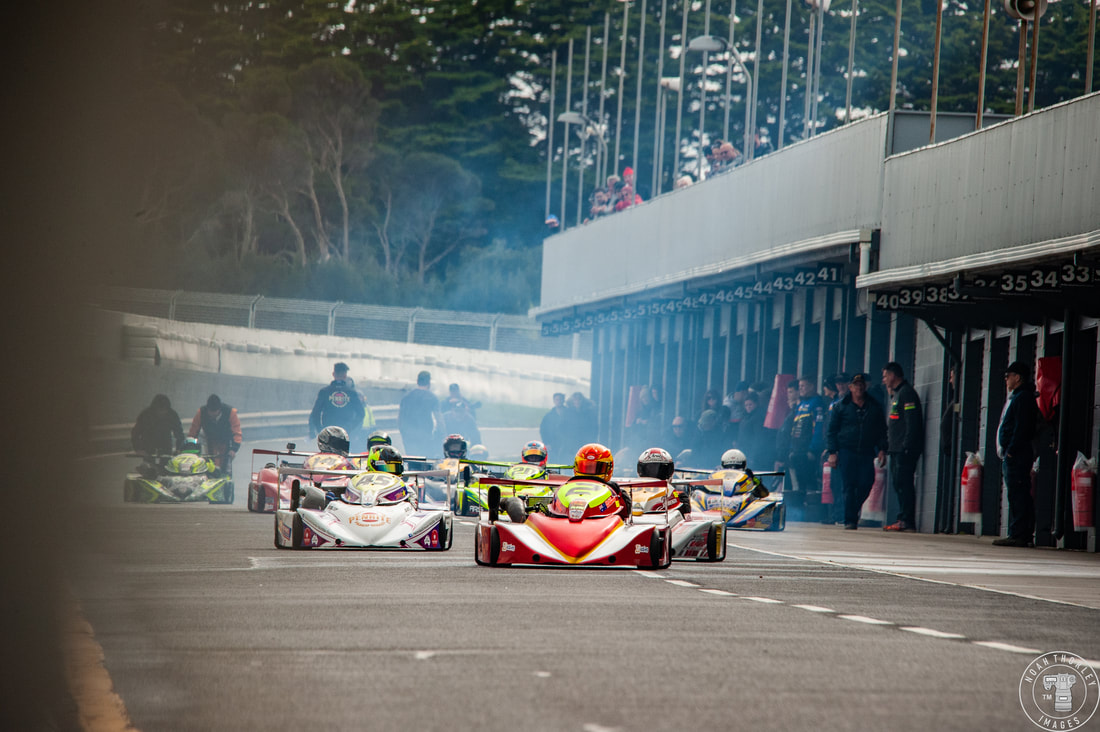
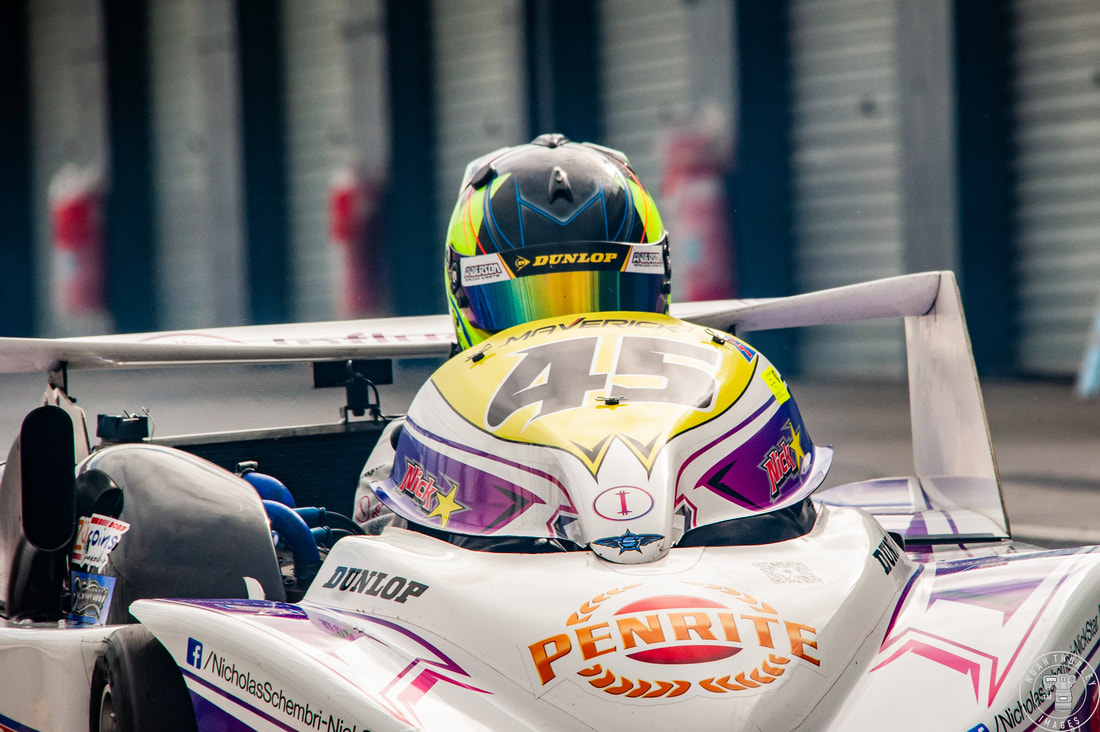
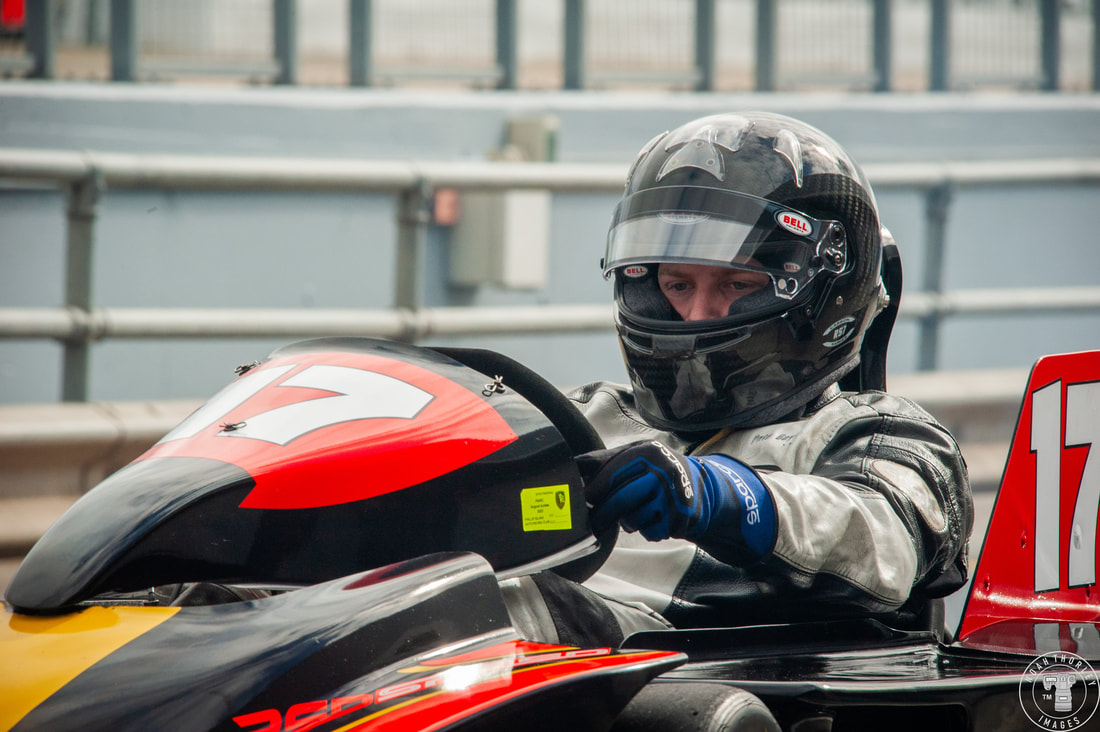
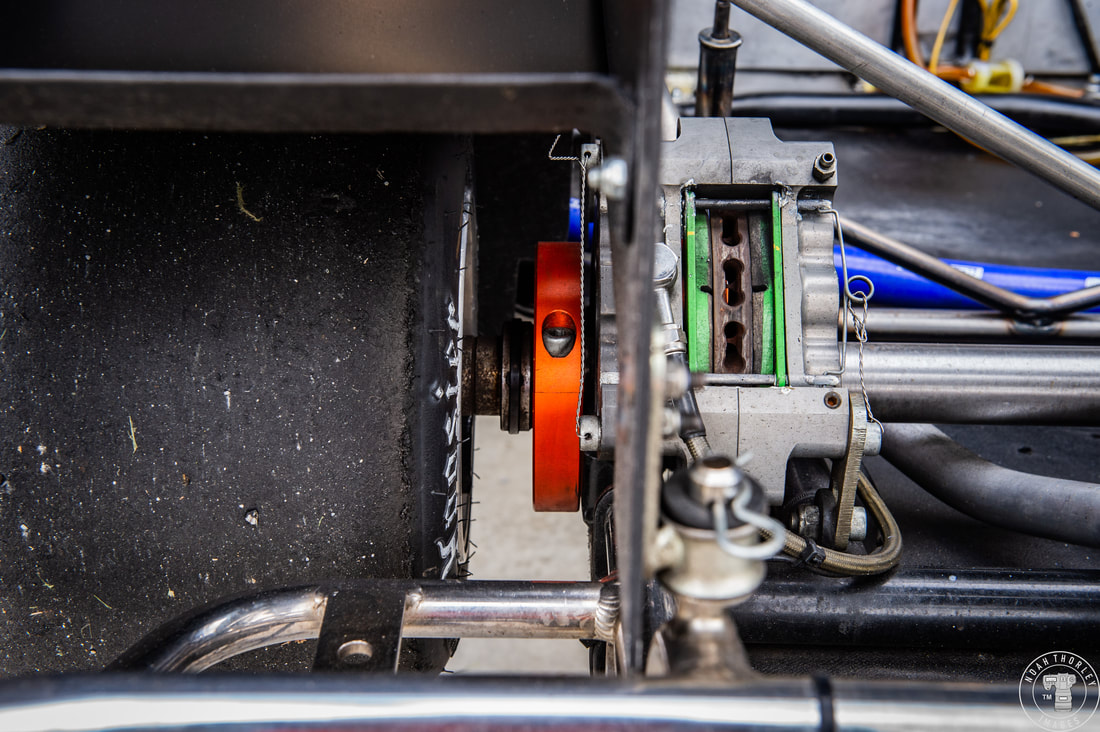
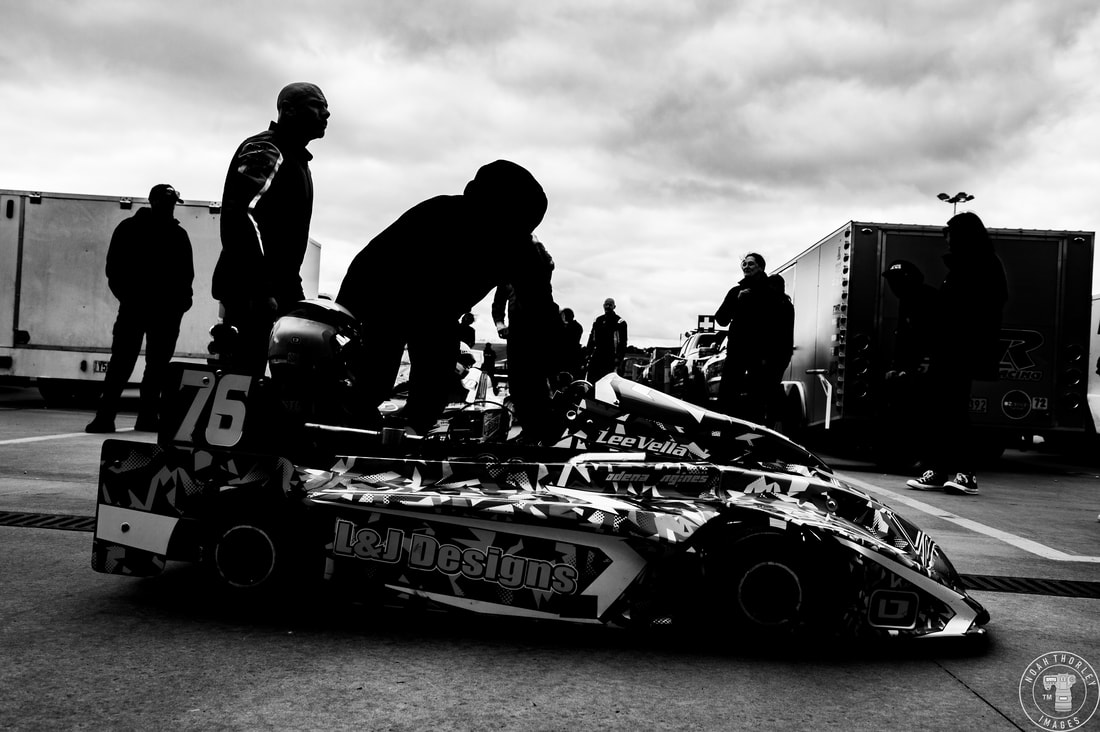
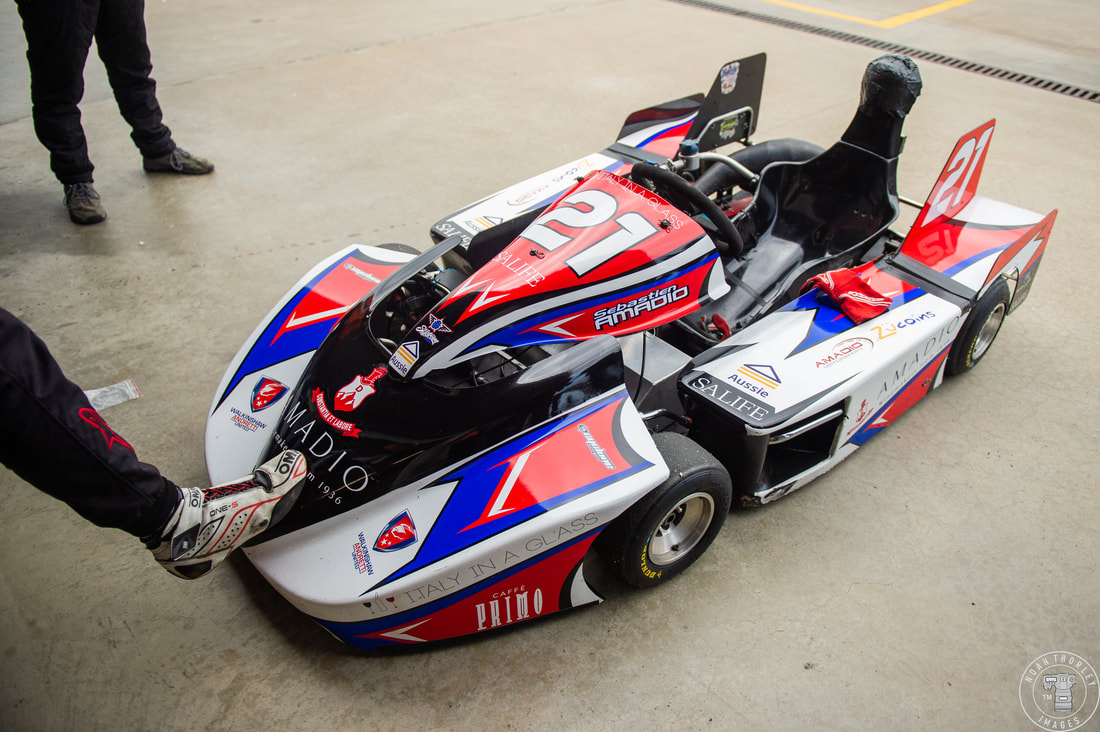
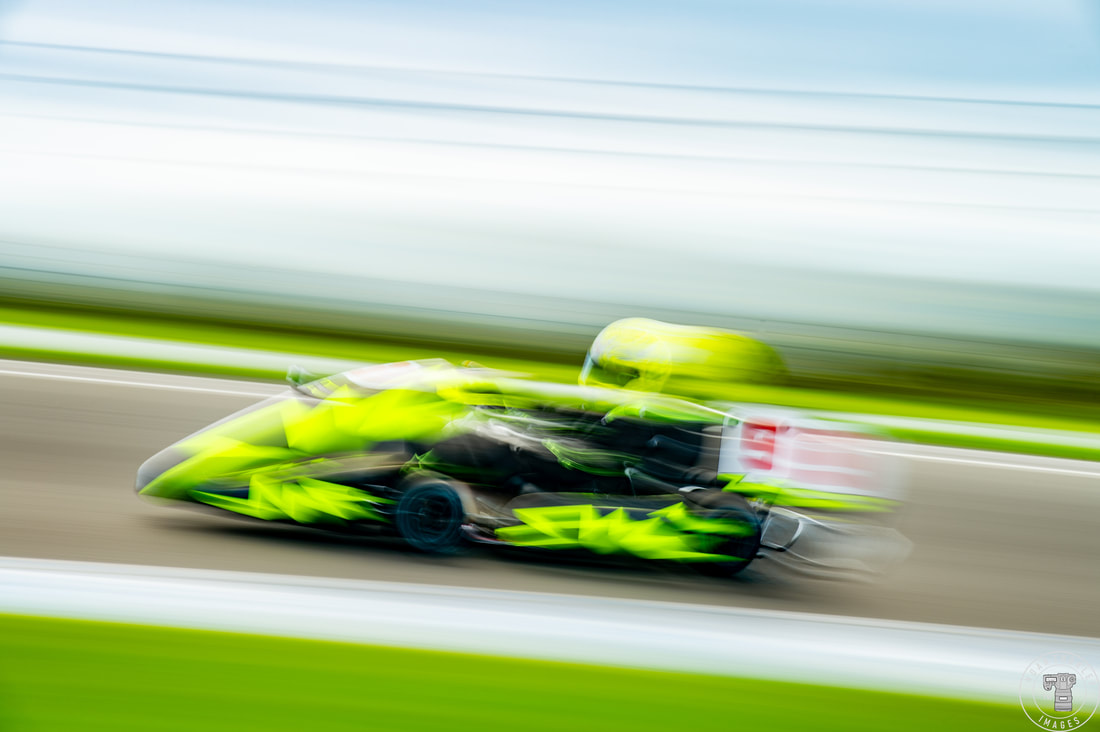
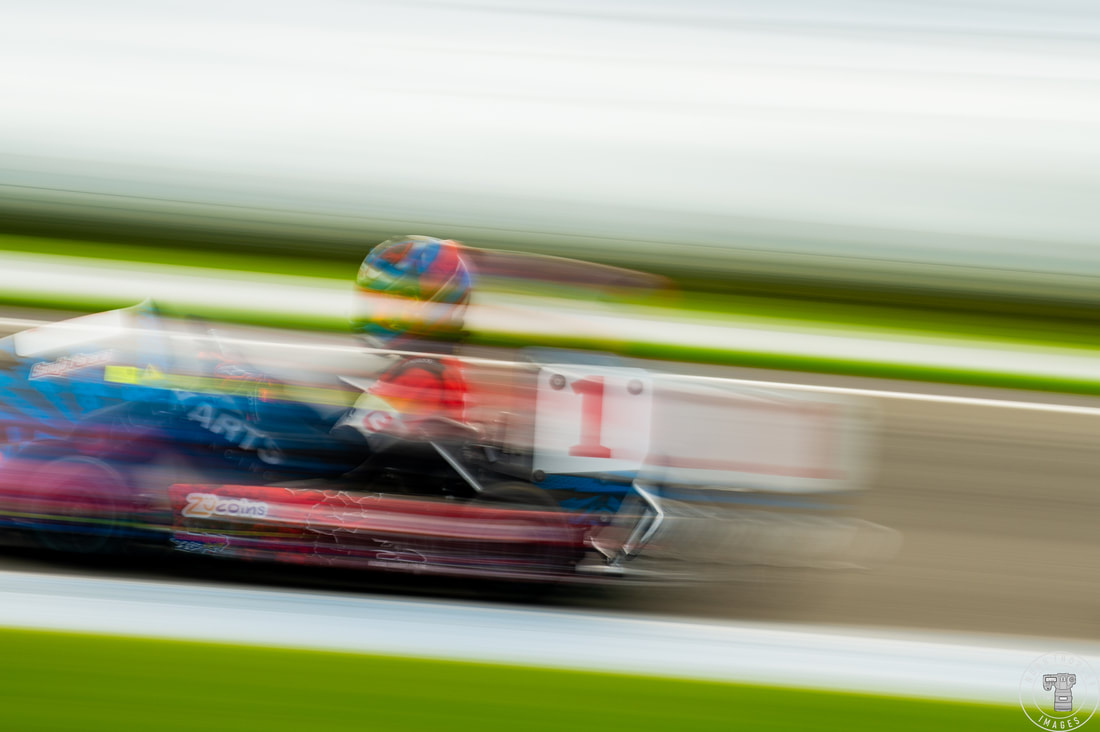
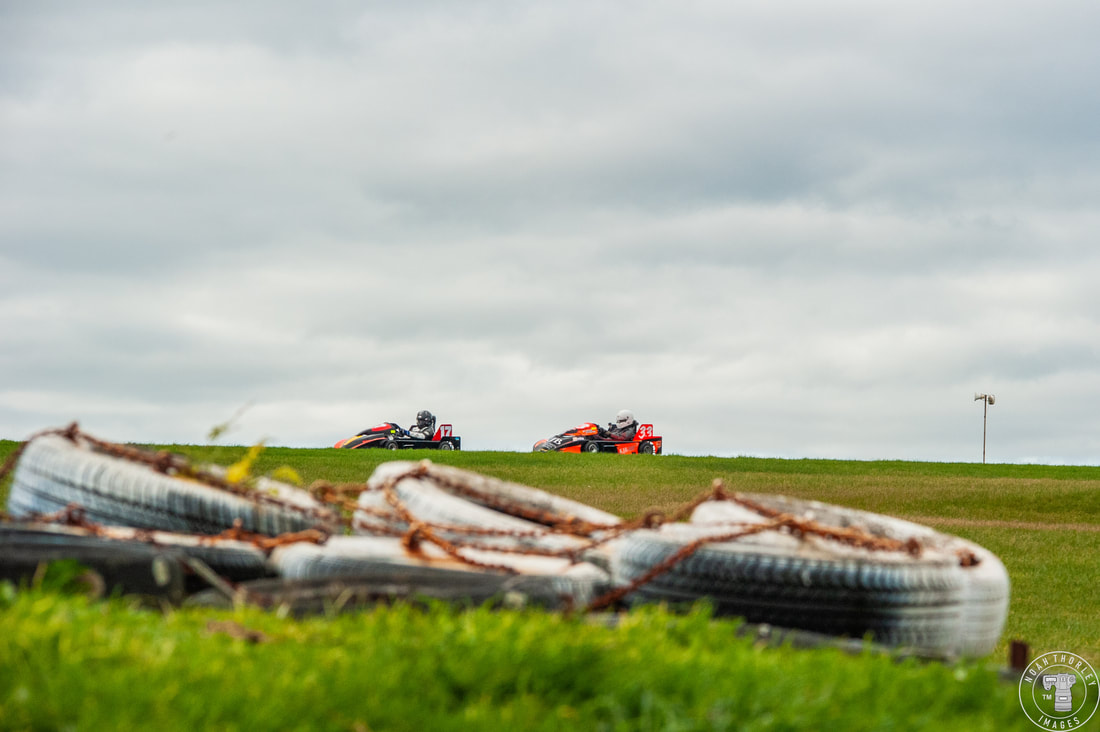
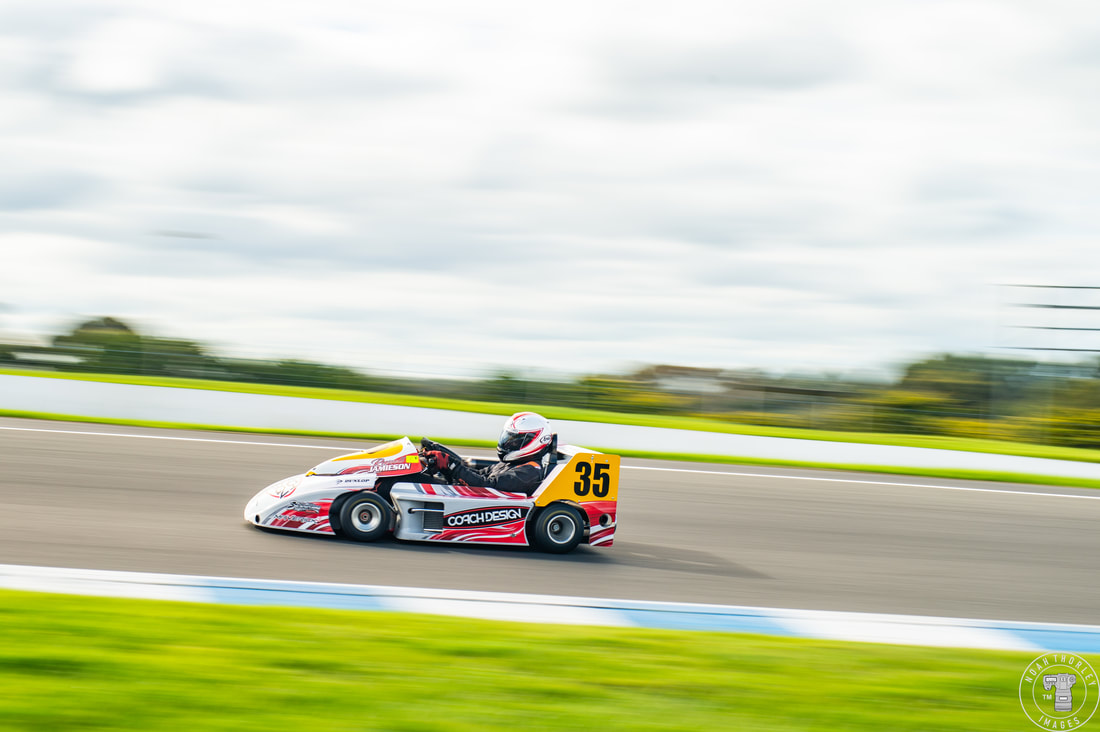
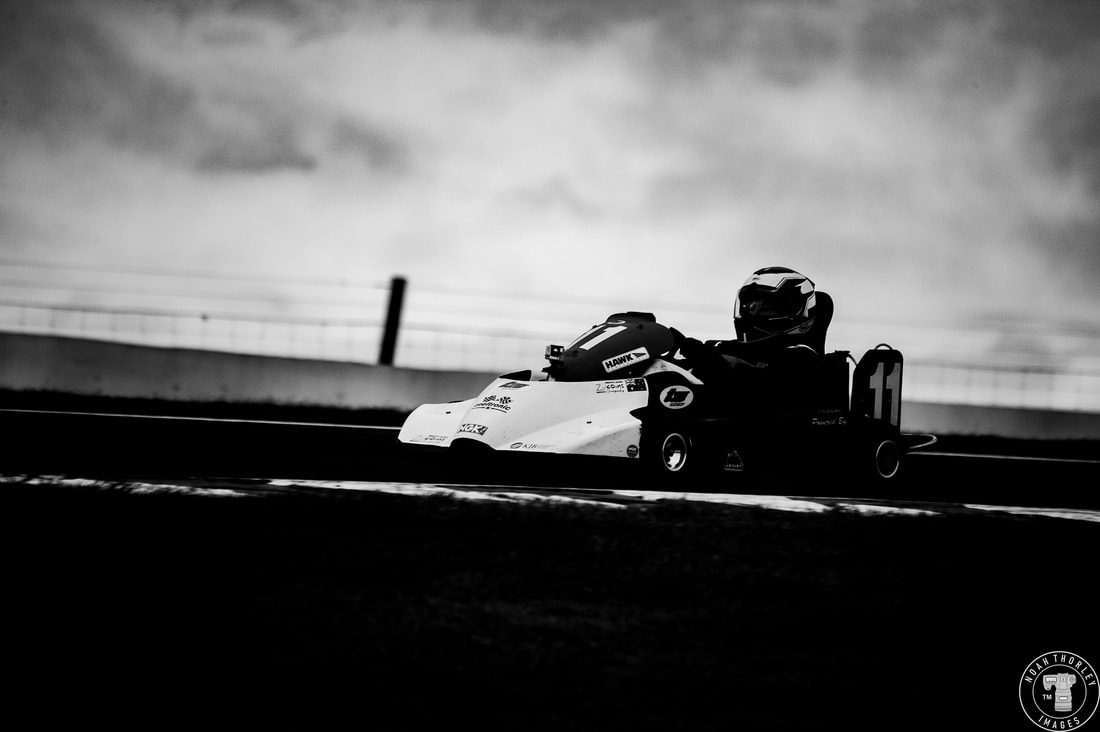
              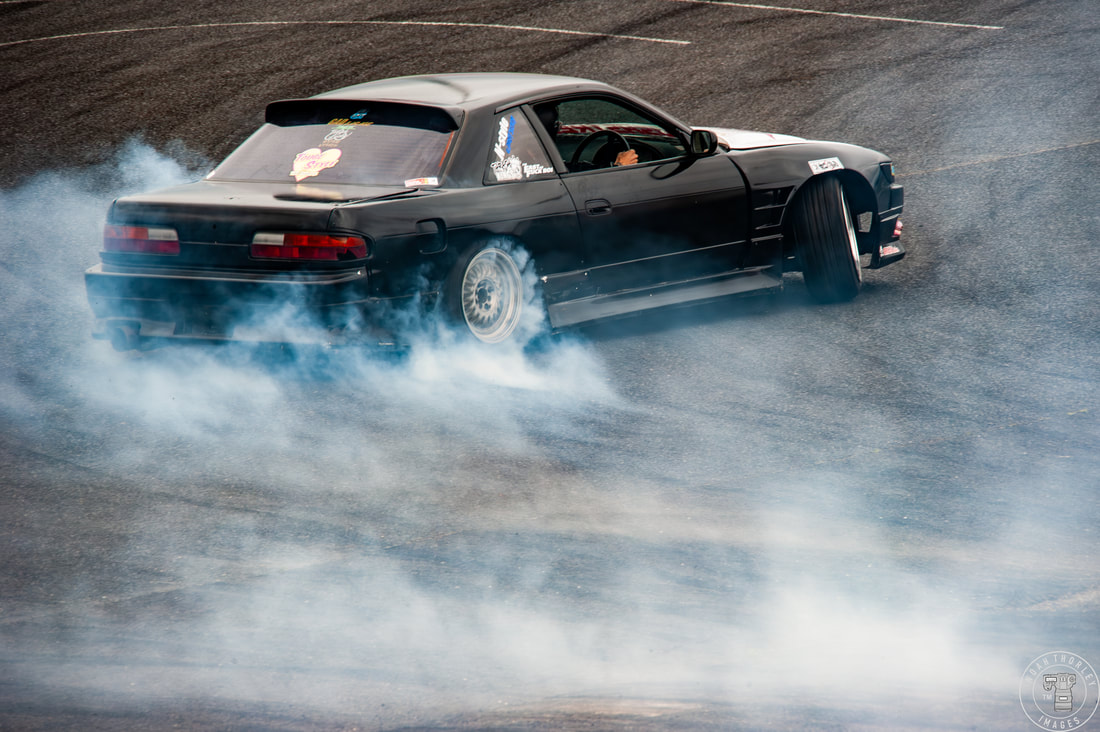 After three rounds of this year's Battle Royale championship, it came time to crown a champion at 'The Crossover' layout. With a championship on the line, it would be all to play for, not only for those at the top of the leaderboard, but for anyone else who could advance their position. 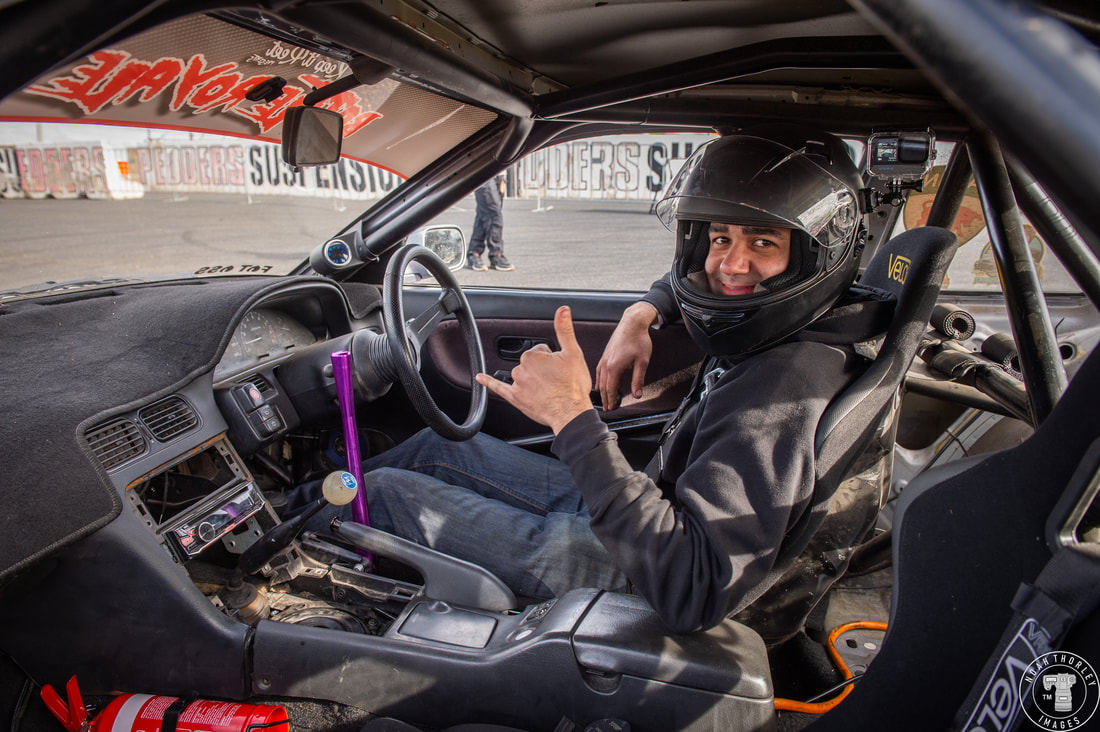 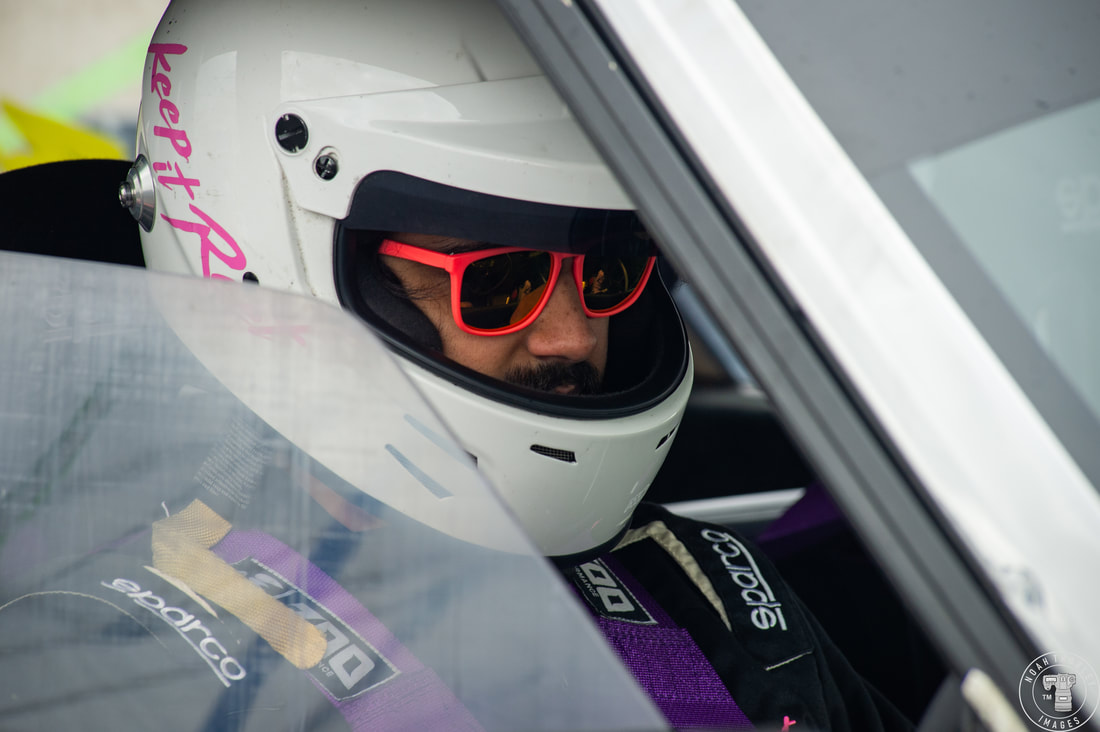 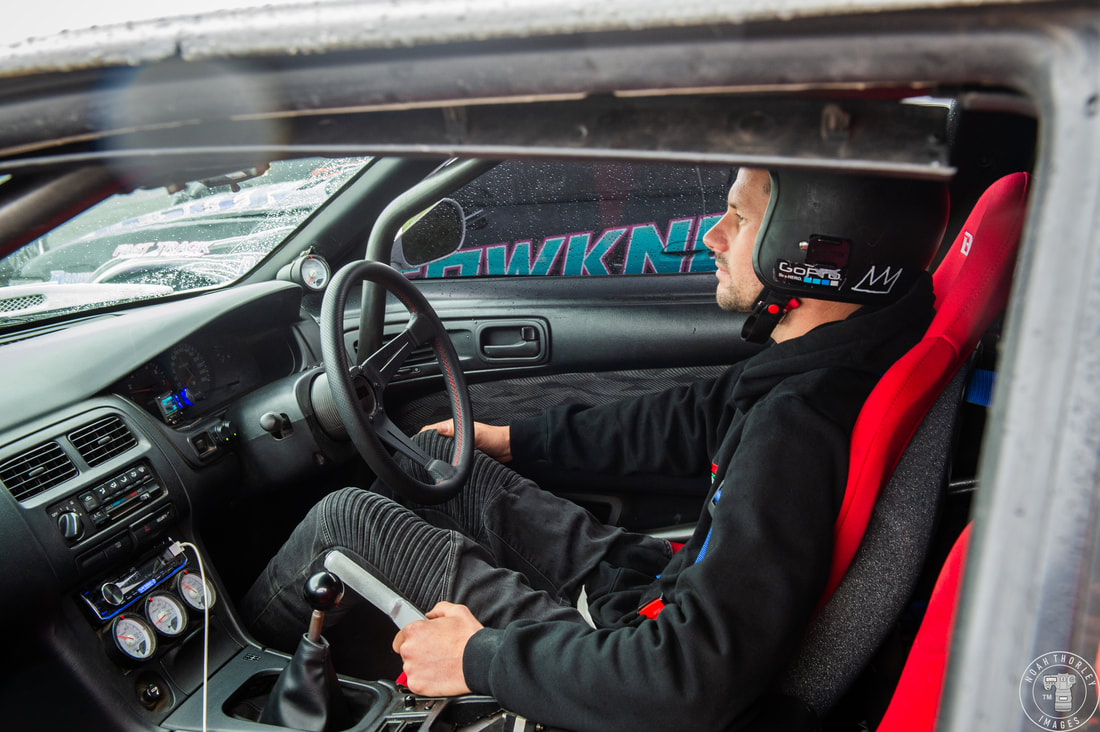 Marcus McCathie led the way and was my pick for the championship with 296 points, after two second places and a third. Jason Ferron was in second trailing by 35 points followed by South Australian Scott Miller on 249 points. 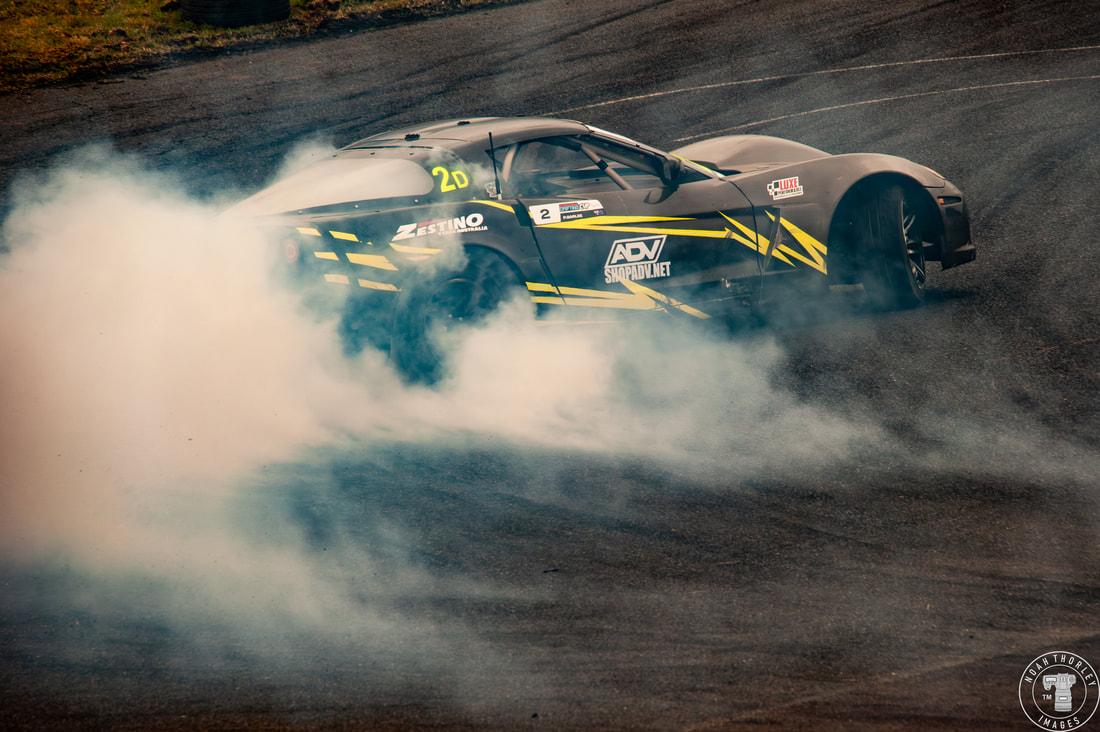 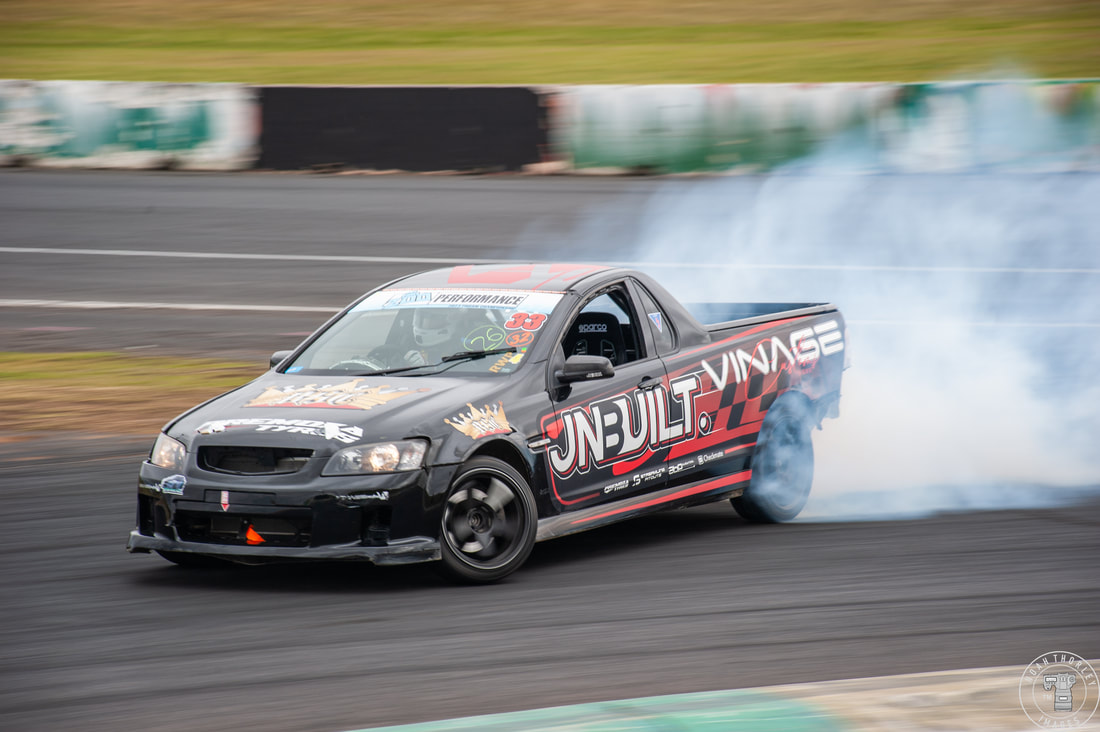 Both Patrick Barlee and Jordan Sanderson were also in the running for the championship but would be relying on everything going pear shaped for the top three. However, they did have a fair shot at snatching third place from Scott Miller. 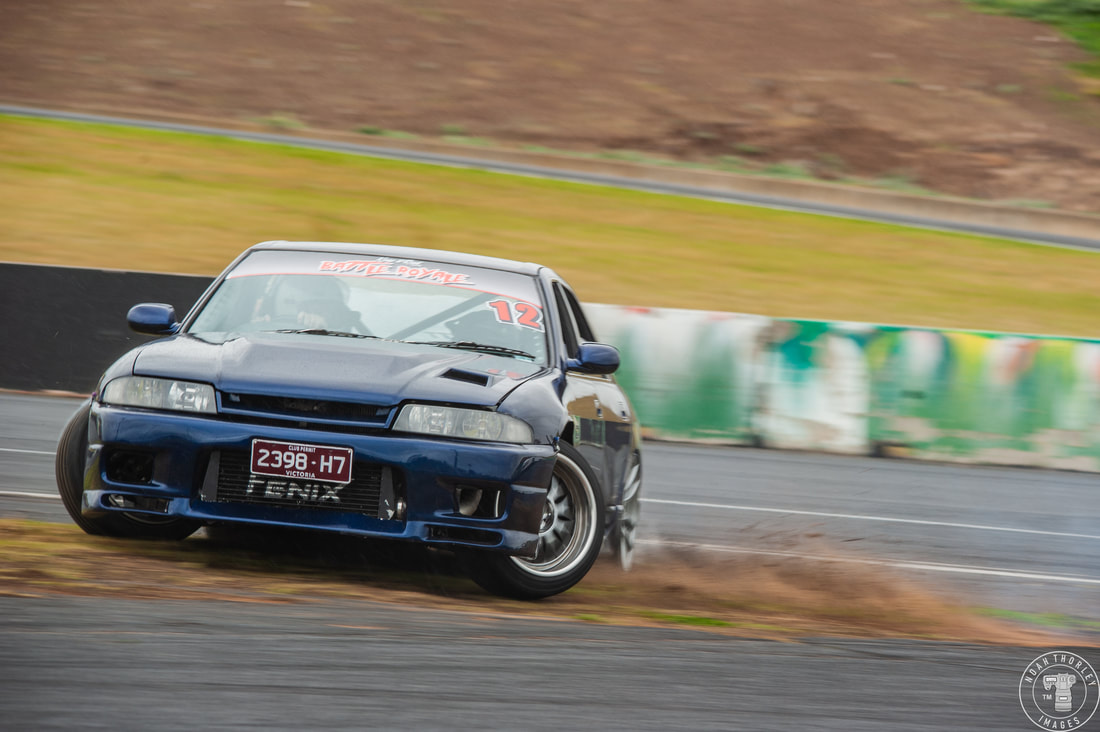 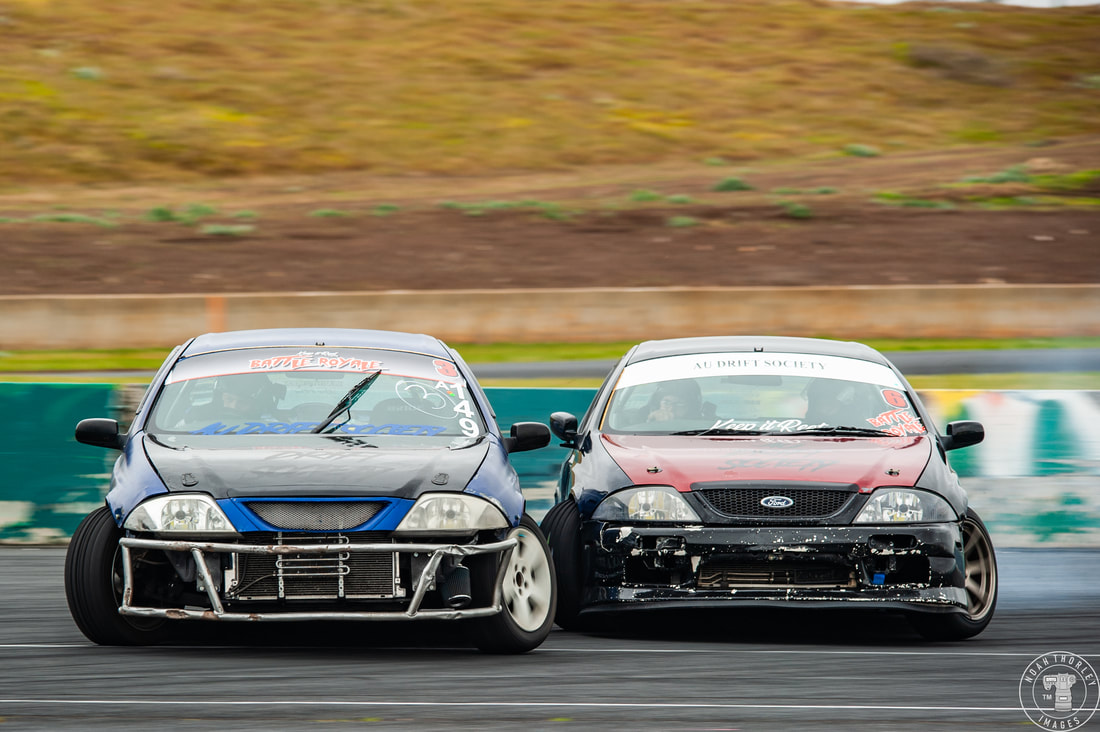 As usual at 'The Crossover' layout, the first corner would be the trickiest, and the cold track didn't help which was thanks to brutal winds and early morning rain. 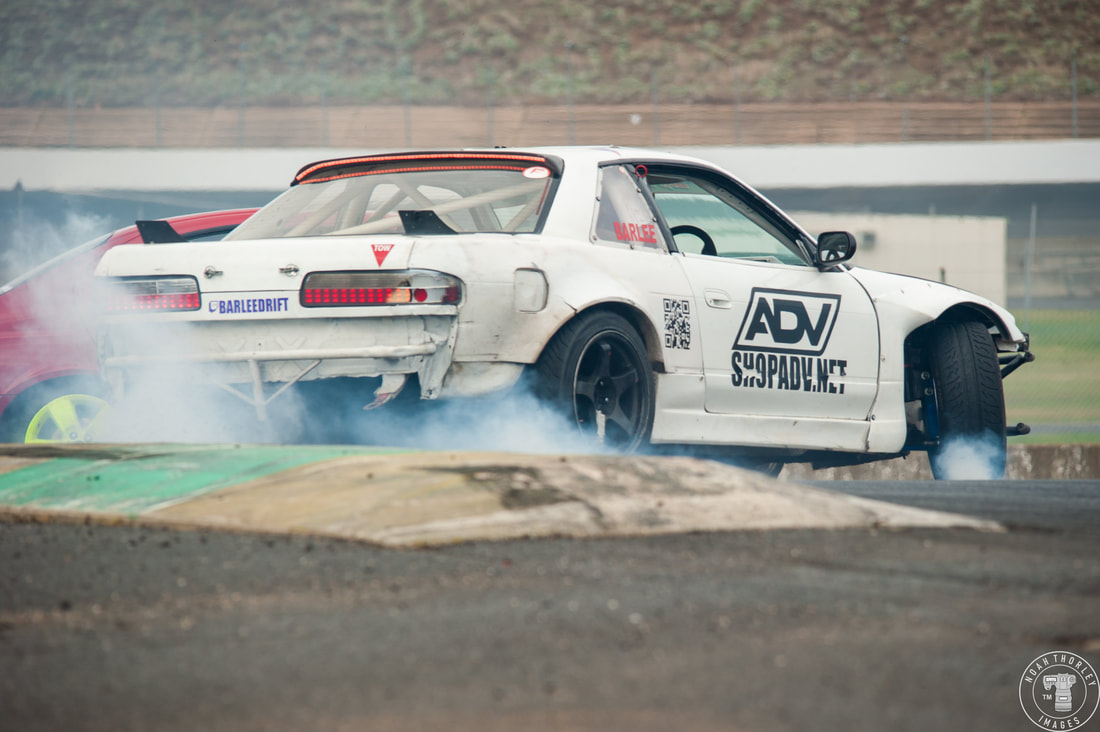 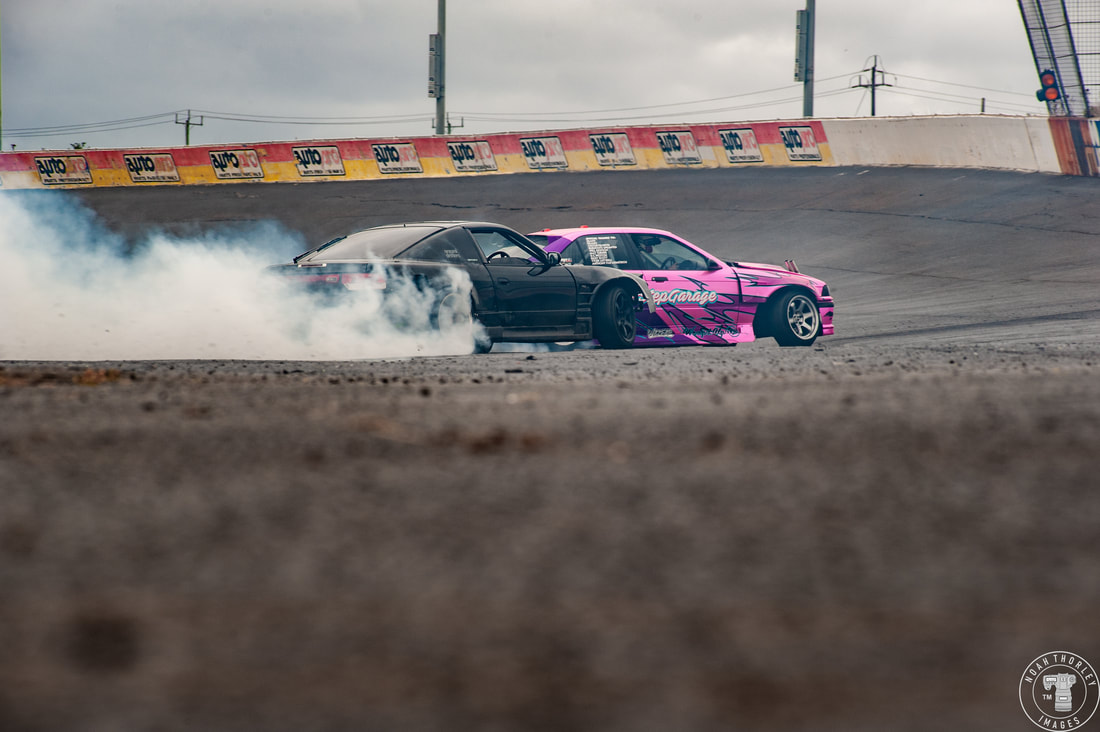 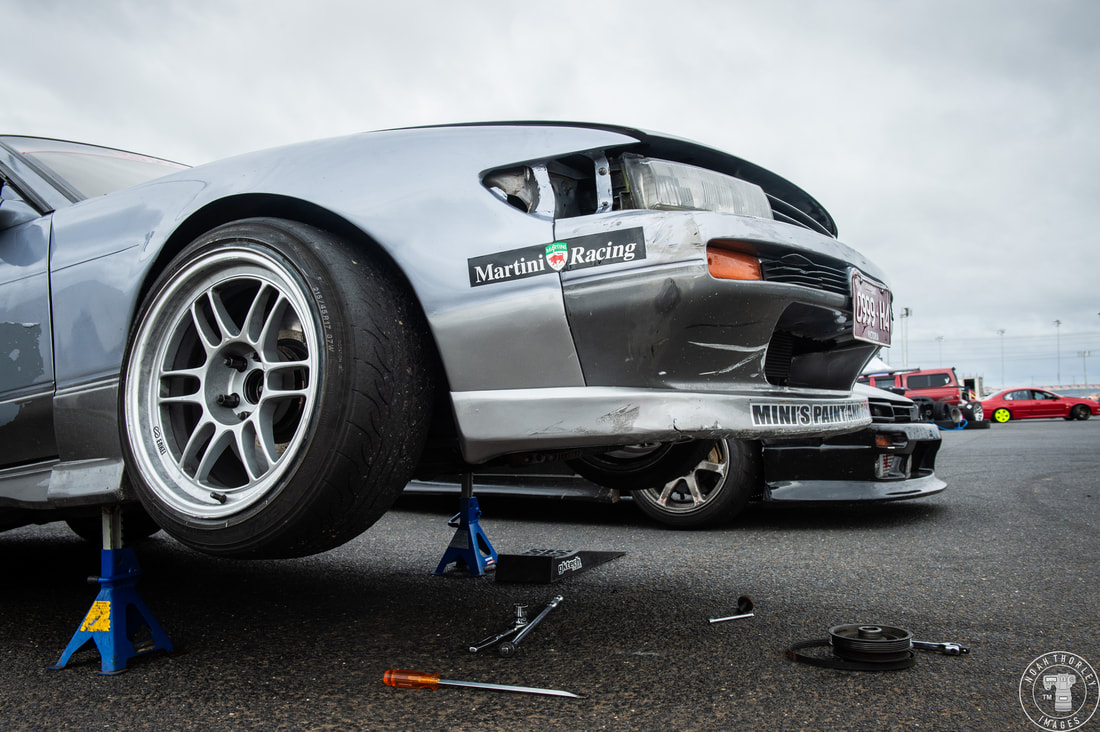 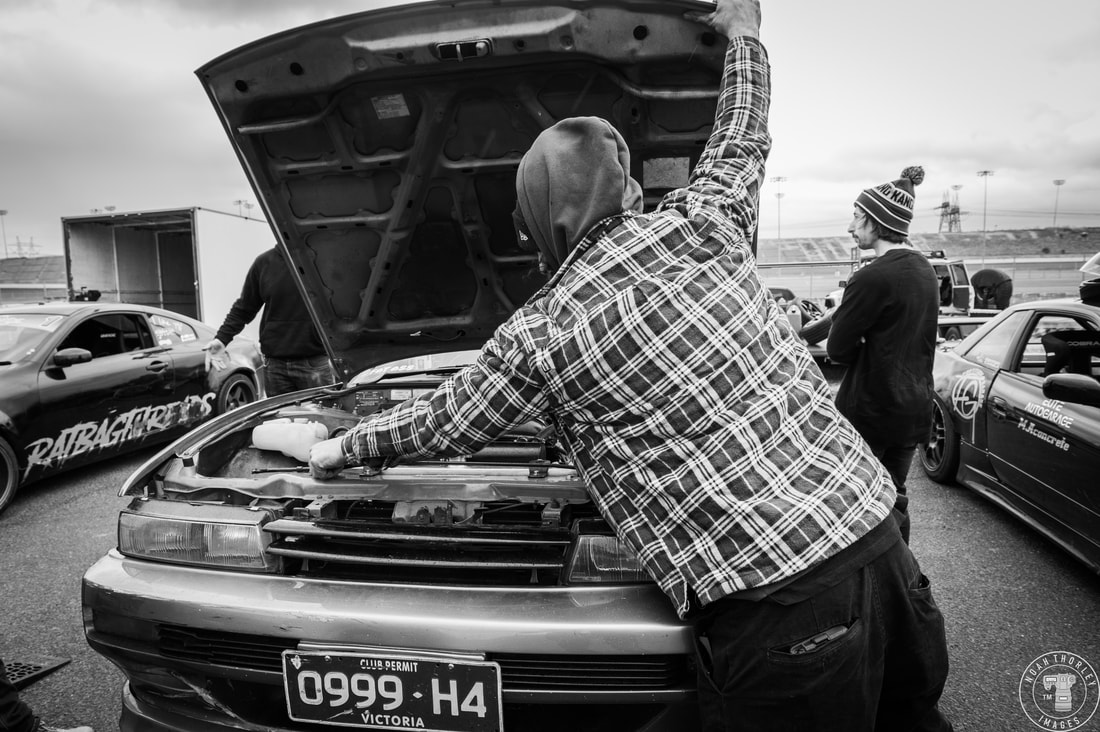 As others grew accustomed to the track, championship leader Marcus McCathie would have his car up on the jacks, and in need of a new harmonic balancer. Thankfully, the right part was acquired and McCathie would be back on track for qualifying. 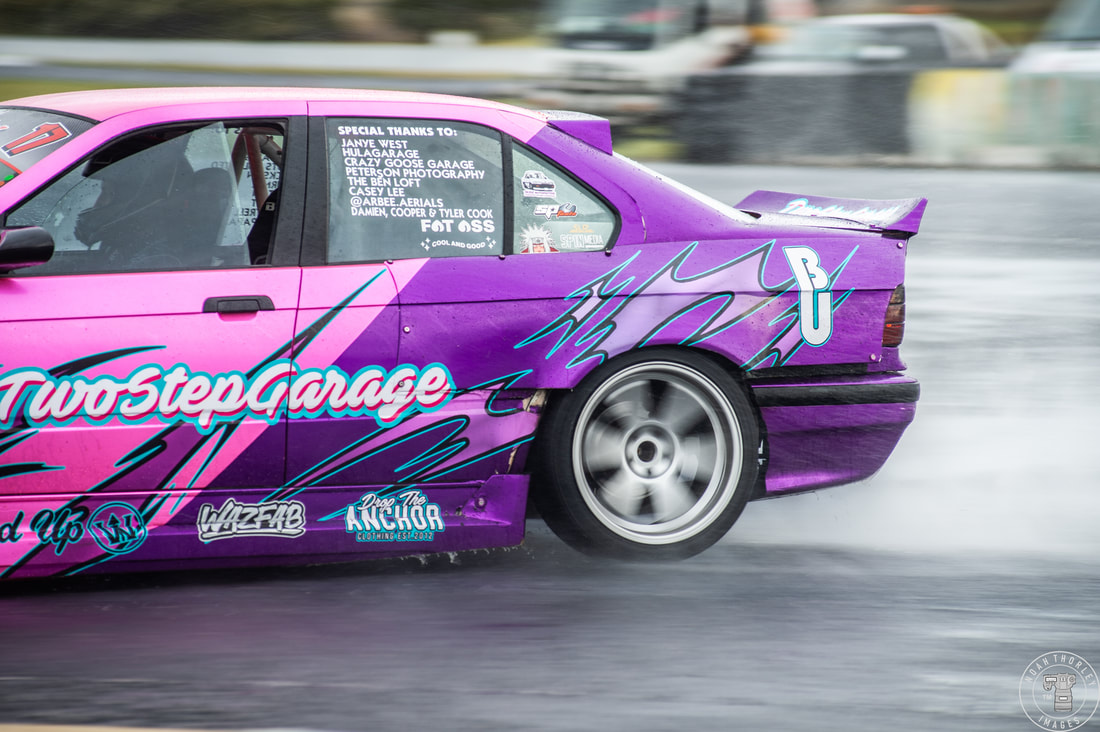 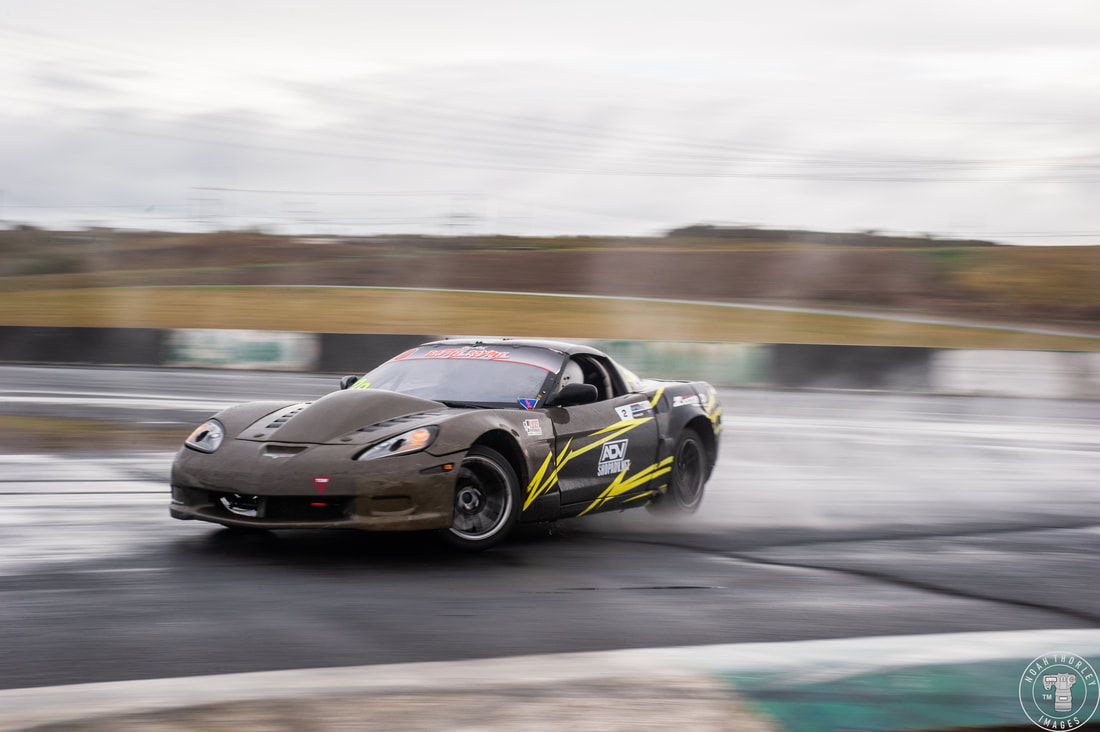 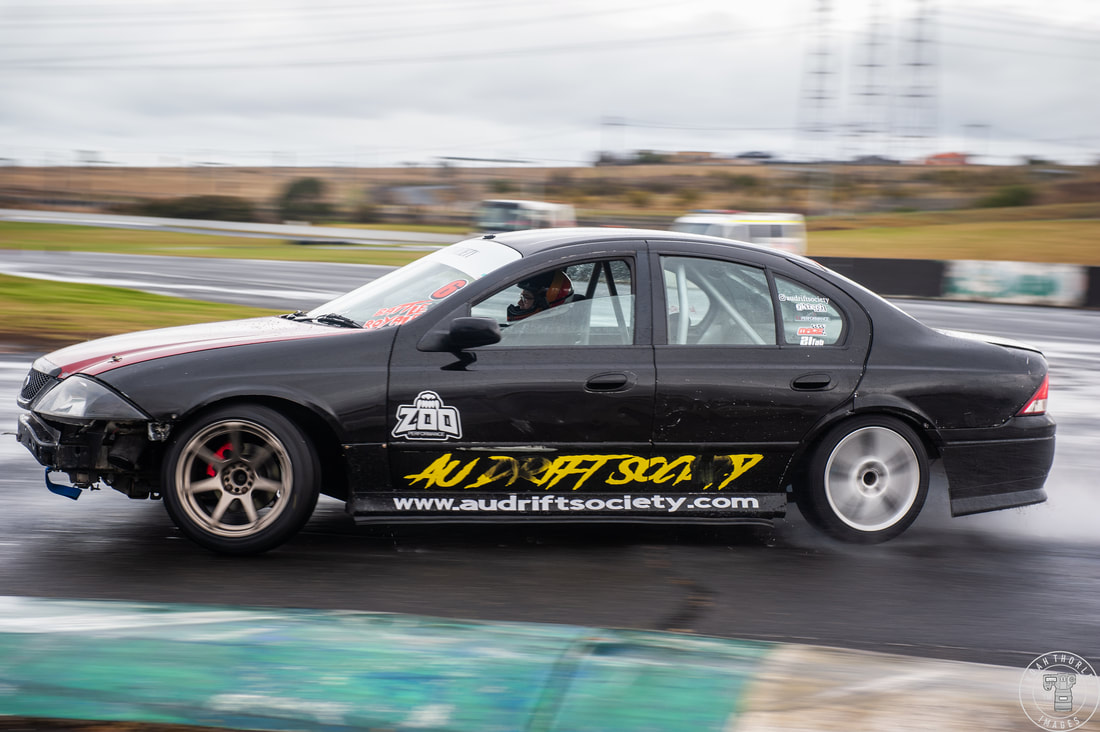 That's when the rain came down making the track more slick, and qualifying battles treacherous. Rather than 90-point qualifying scores, the rain made proximity almost a non-factor, while the top scores were only 50 to 60 points. Despite this, the rising star of the last year, Jamie Stevkovski, would grab his first drifting 'Top Qualifier'. 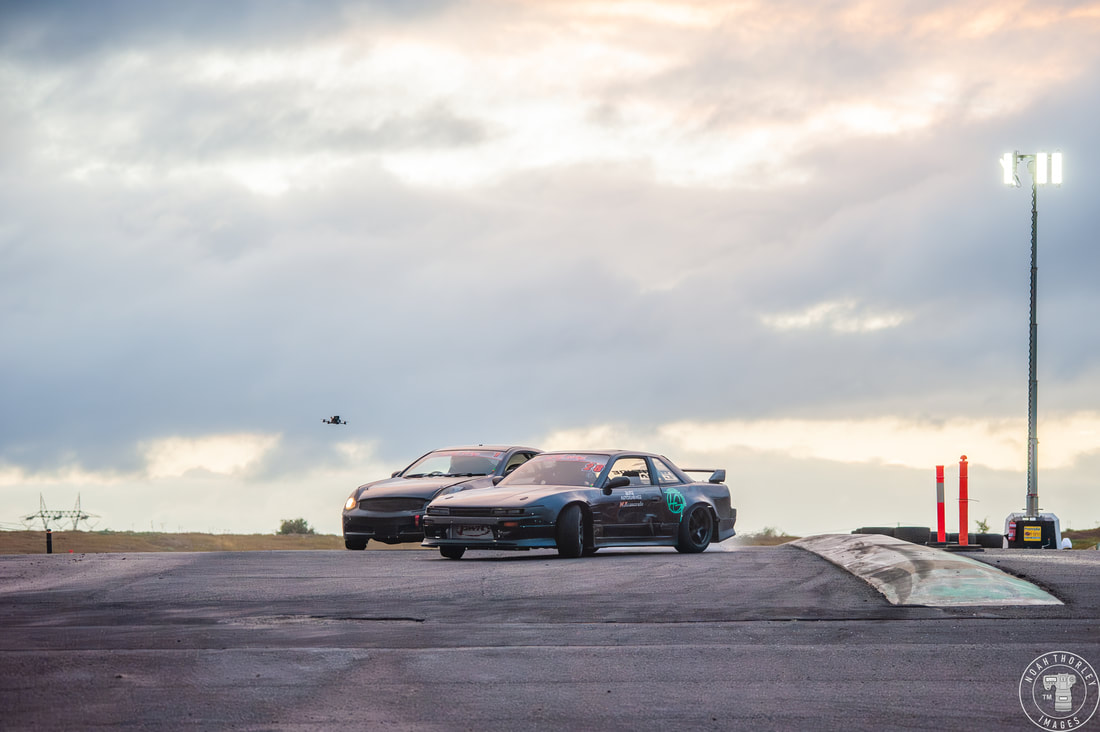 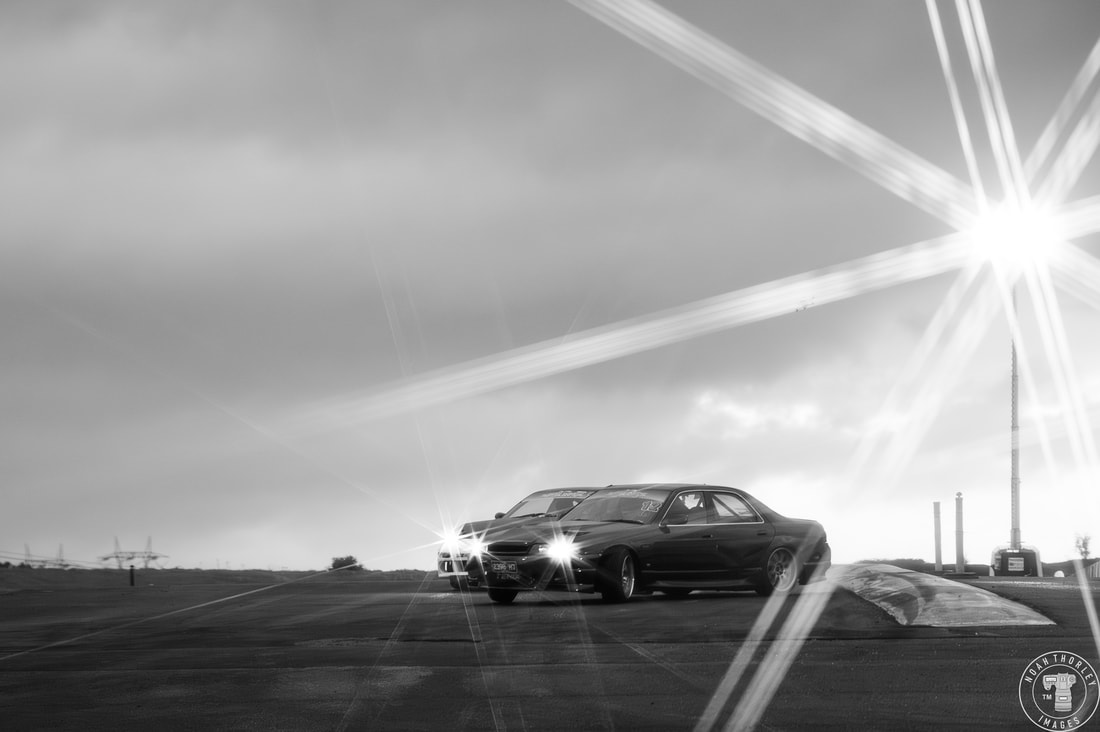 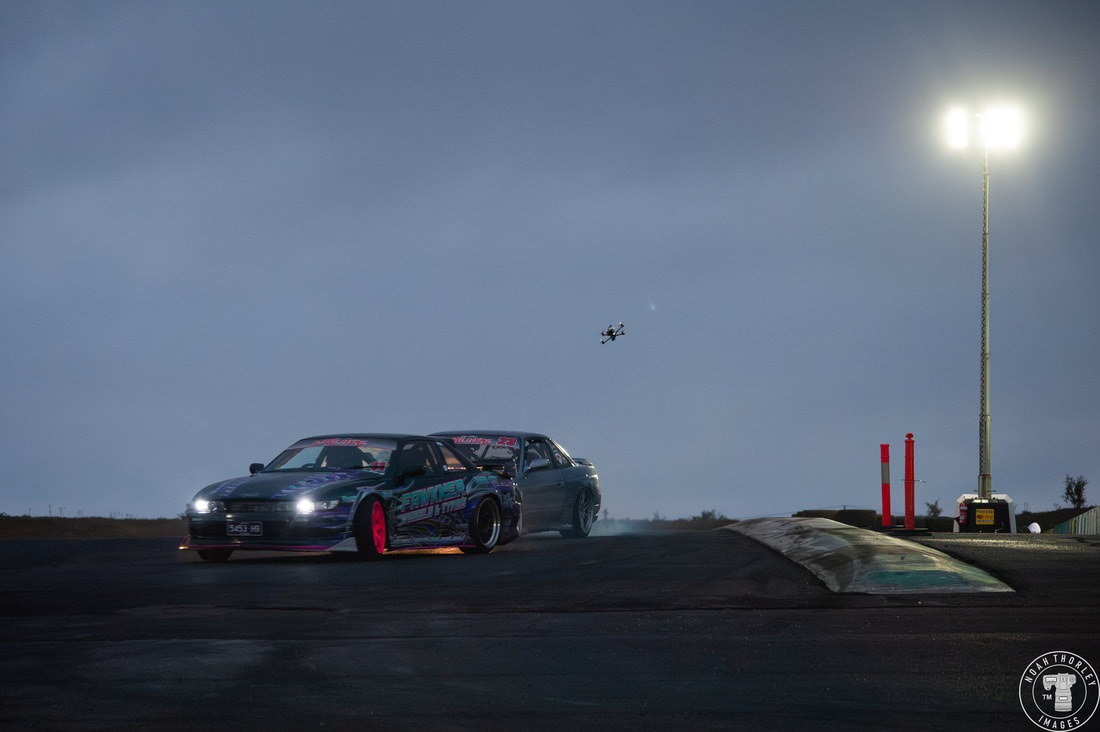 The light would disappear and the track would dry up during the Top 16 battles. Notably, and for the fourth time this year, the S13 pairing of Adge Punaro and Marcus McCathie would face off, with Punaro winning once again, and leaving McCathie already in the position of being knocked out. 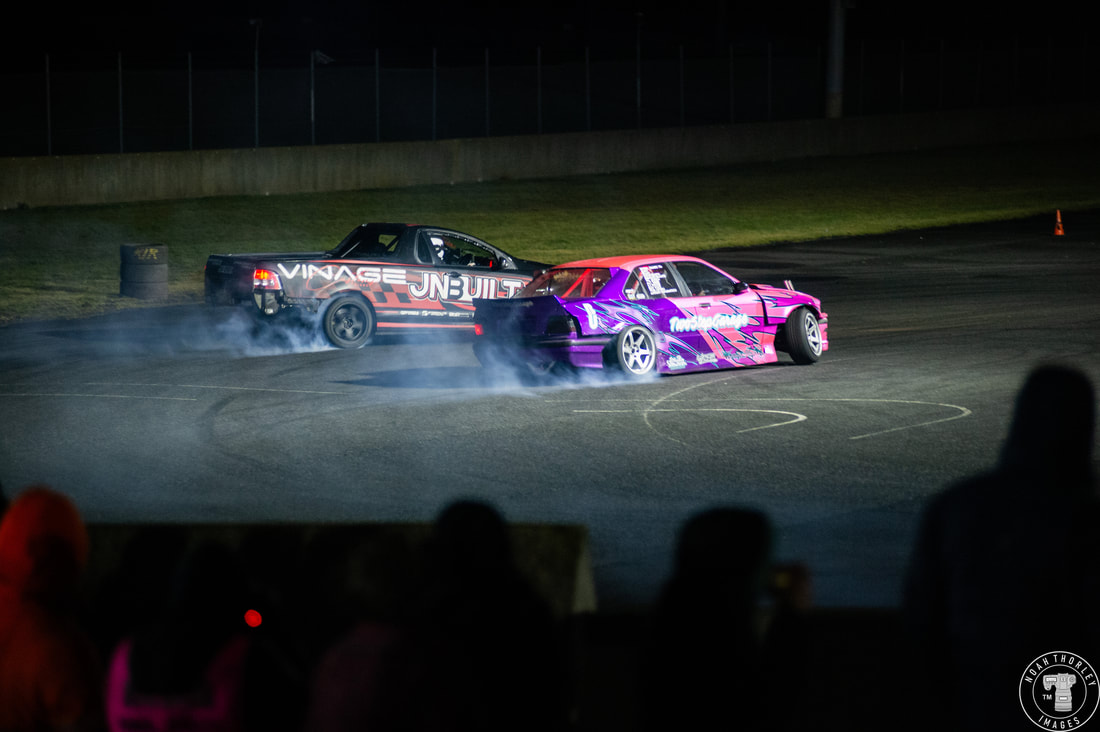 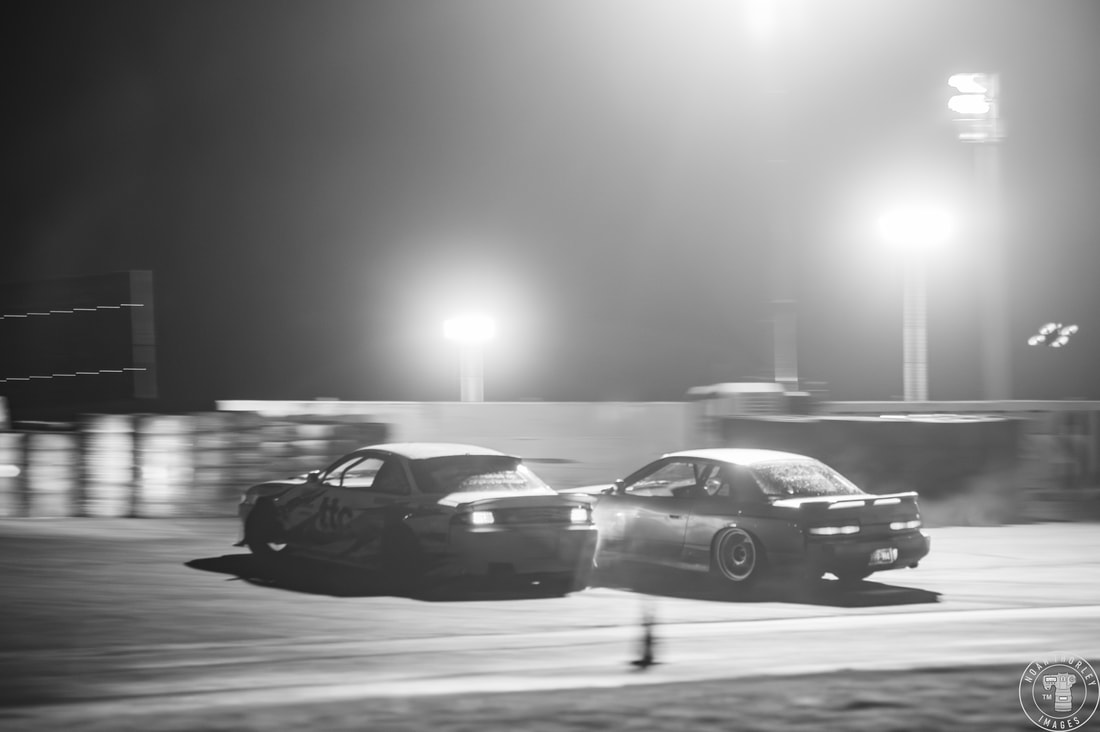 Mike Lake would be on form during round 4, defeating Jordan Sanderson as they both headed to the Top 12. Mike Lake had also handed championship contender Scott Miller his first loss, meaning that Miller would battle McCathie in a knockout battle not only for the round, but for the championship. McCathie would live to see another battle as Miller would be knocked out of contention and in the process, lose his third place in the championship to Patrick Barlee. 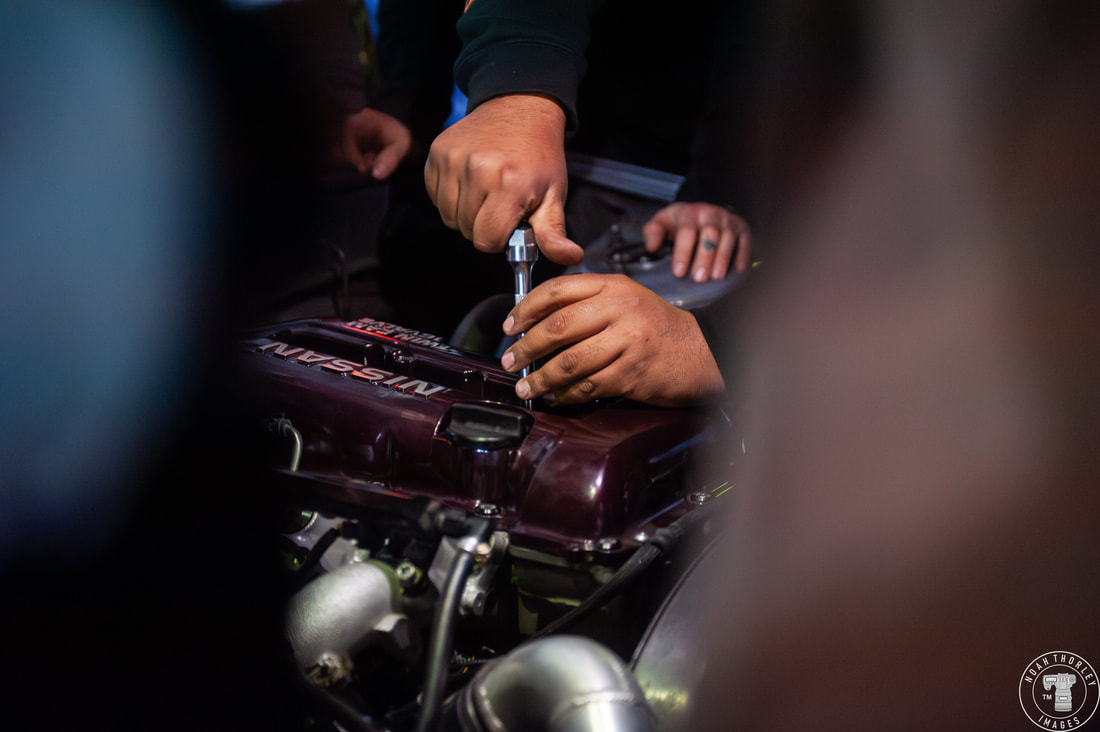 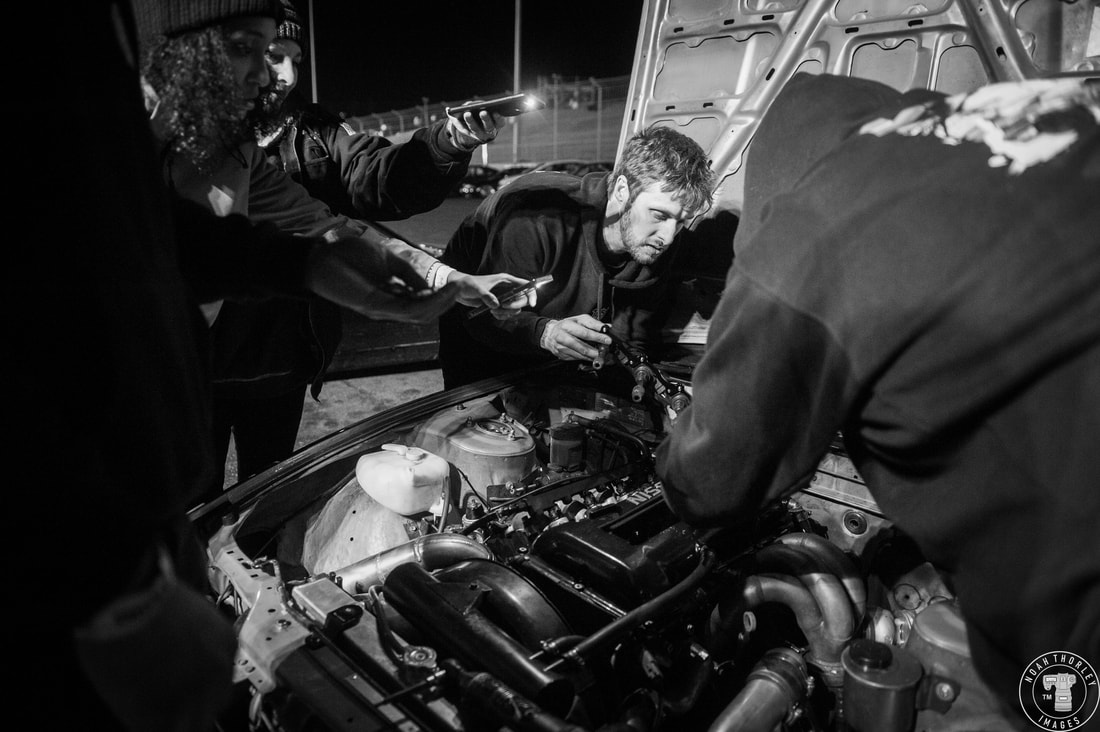 McCathie would have to battle another championship contender in the Top 12, Jason Ferron. Before the battle, McCathie would call for a 5-minute mechanical, allowing him to change his spark plugs. If he could win this battle, he would knock out Ferron and claim the championship, but if Ferron won, McCathie would have to sit on the sidelines hoping that Jason didn't progress much further. 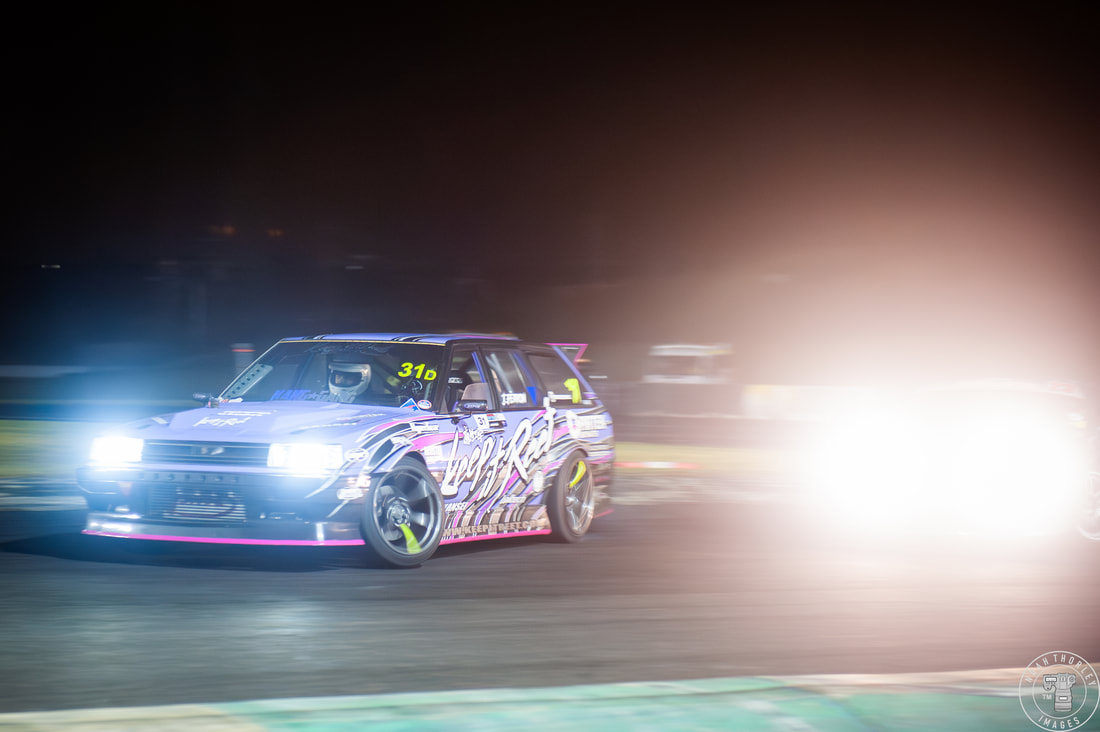 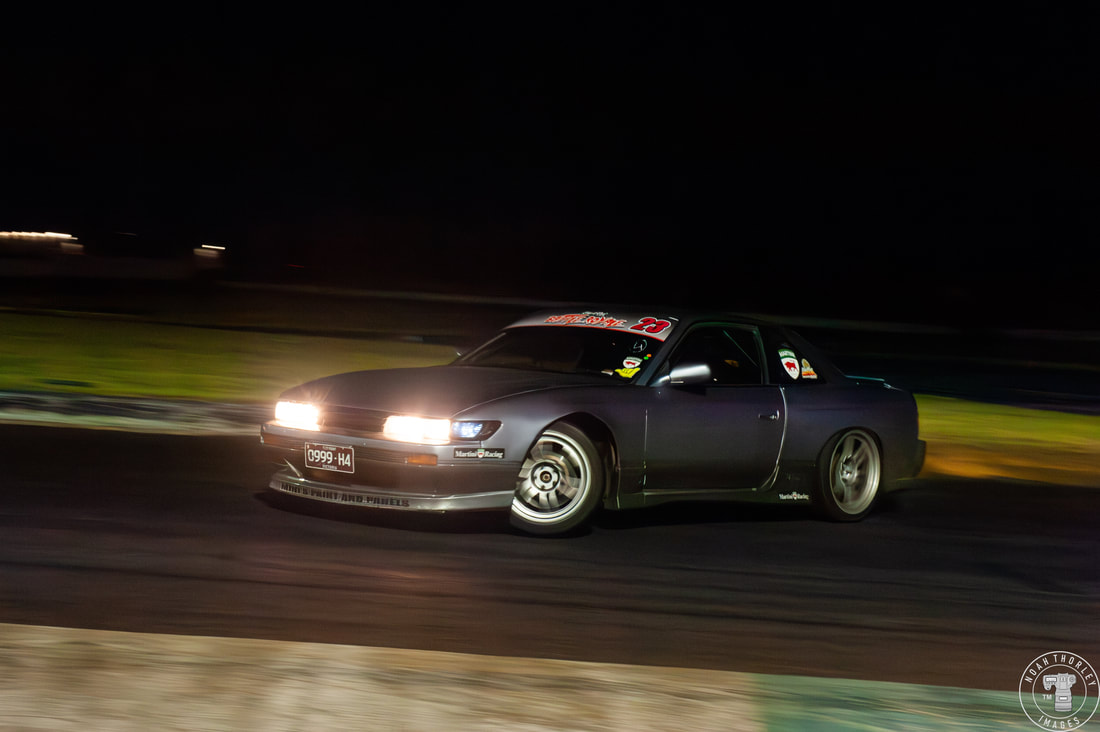 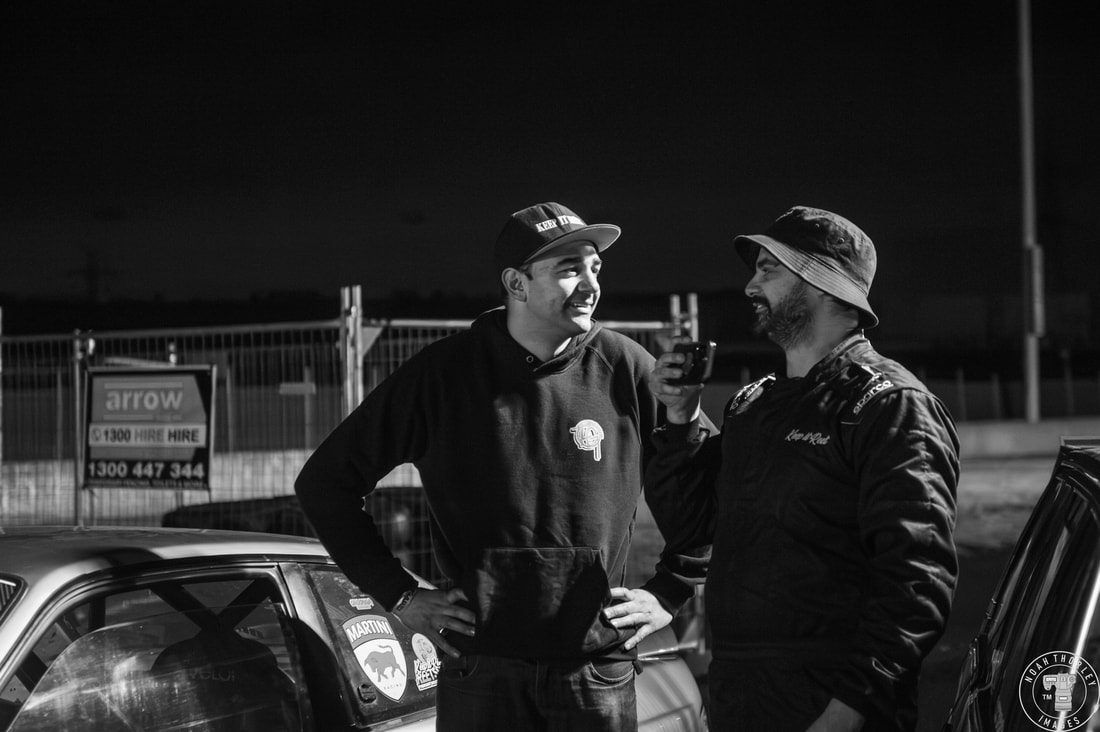 The battle would be close, with plenty for the judges to look at it, but it would be Jason Ferron who would knockout Marcus McCathie. McCathie put up a solid fight, being paired up with three heavy hitters early on, but now all he could do was wait. 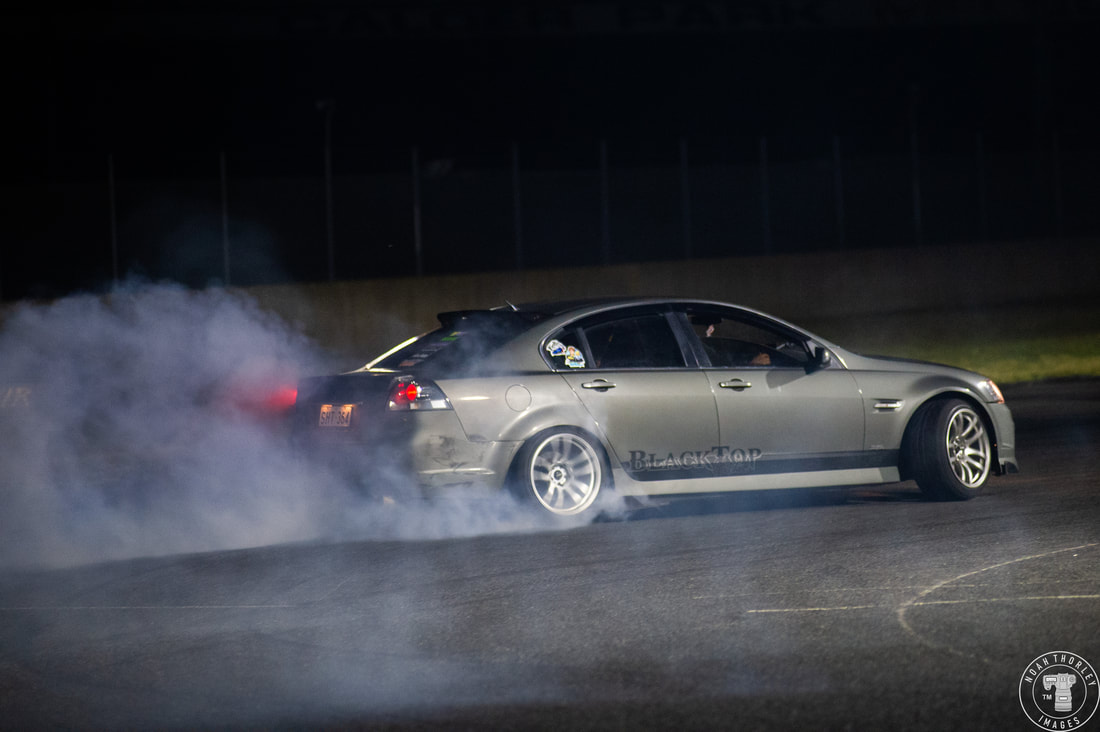 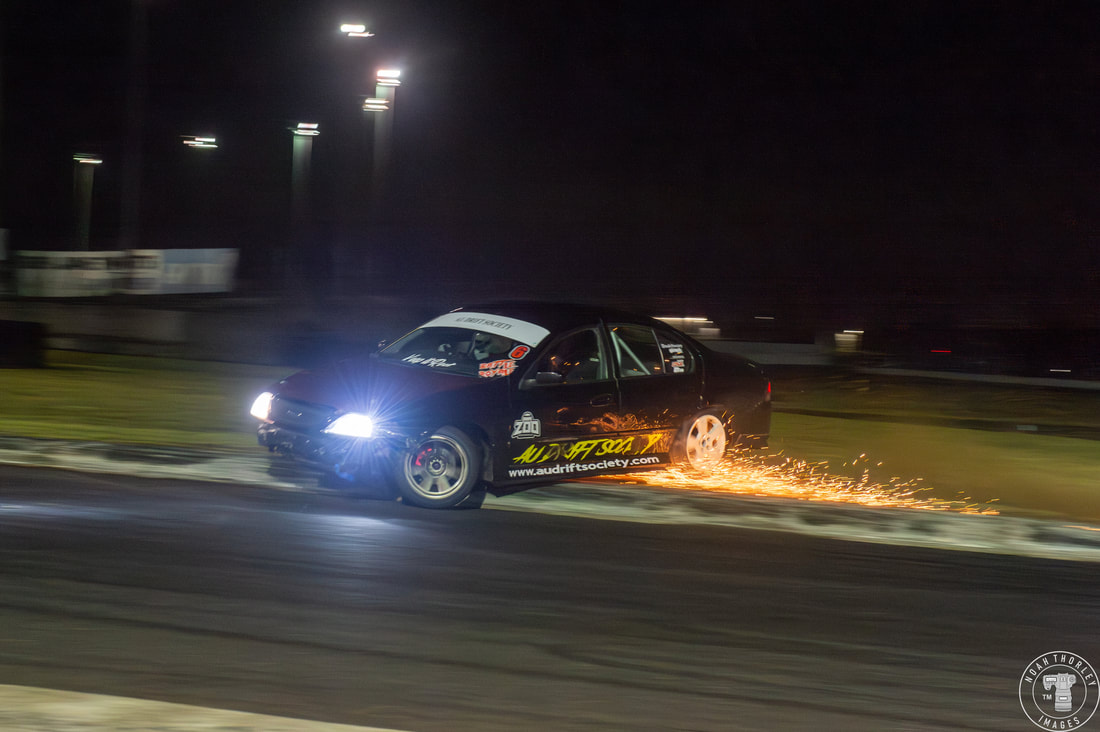 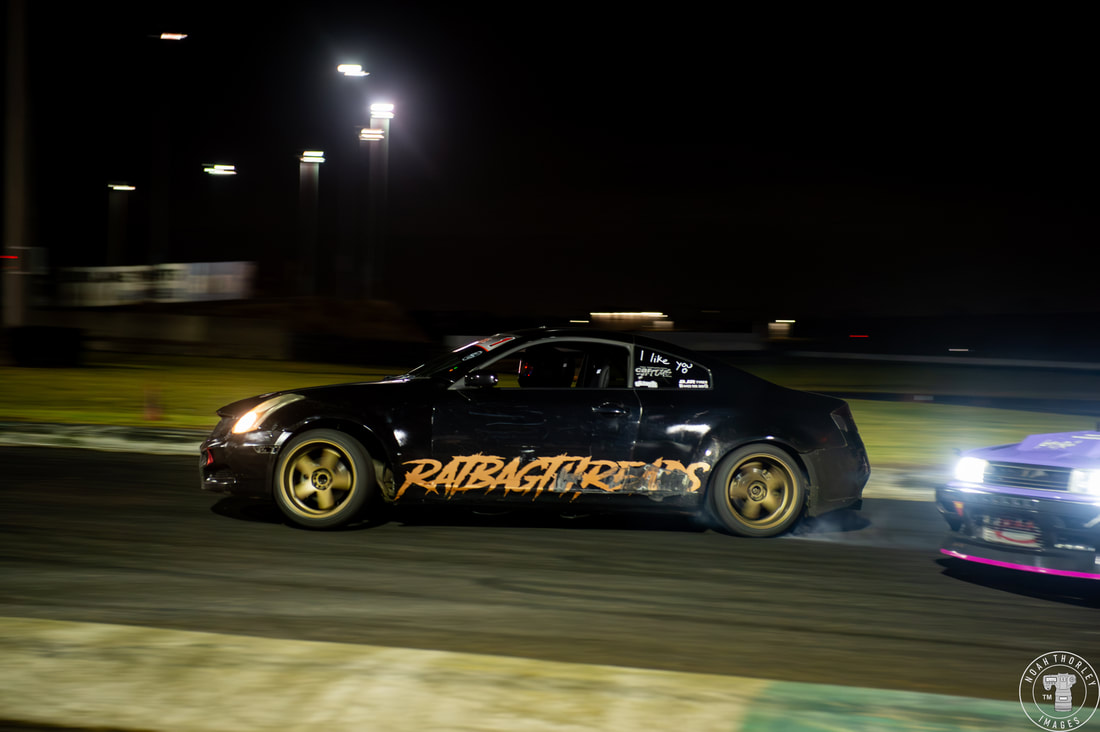 Jordan Sanderson would have engine issues on his Commodore Ute, having to swap ot the dark side, borrowing Jamie Stevkovski's AU Falcon. Sanderson would knock out Brendan 'Bogga' O'Grady in his first battle in the AU but would skate across the kerb in his Top 8 battle with Jackson Snell. The young John Hurst was putting up a stellar display all-night long in his LS1 powered V35 Skyline and would go up against Jason Ferron in the Top 8. With Jason winning and knocking out John Hurst, it would move him up into the Top 5, scoring enough points to now become the 2023 Battle Royale Champion. 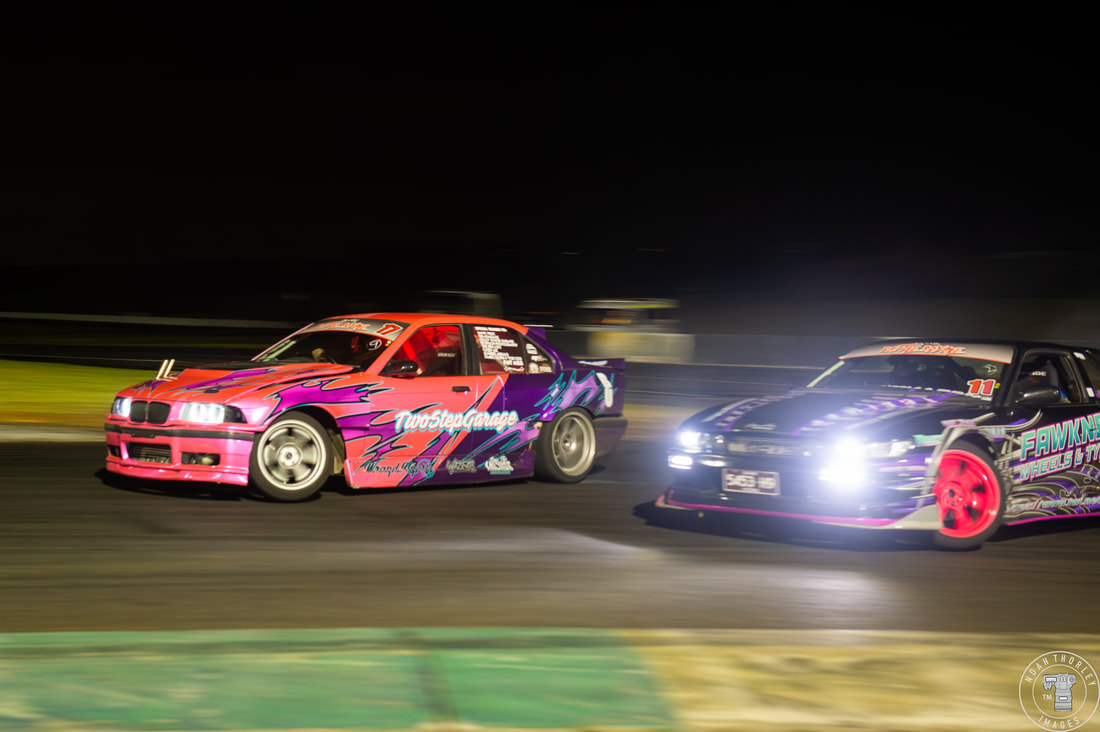 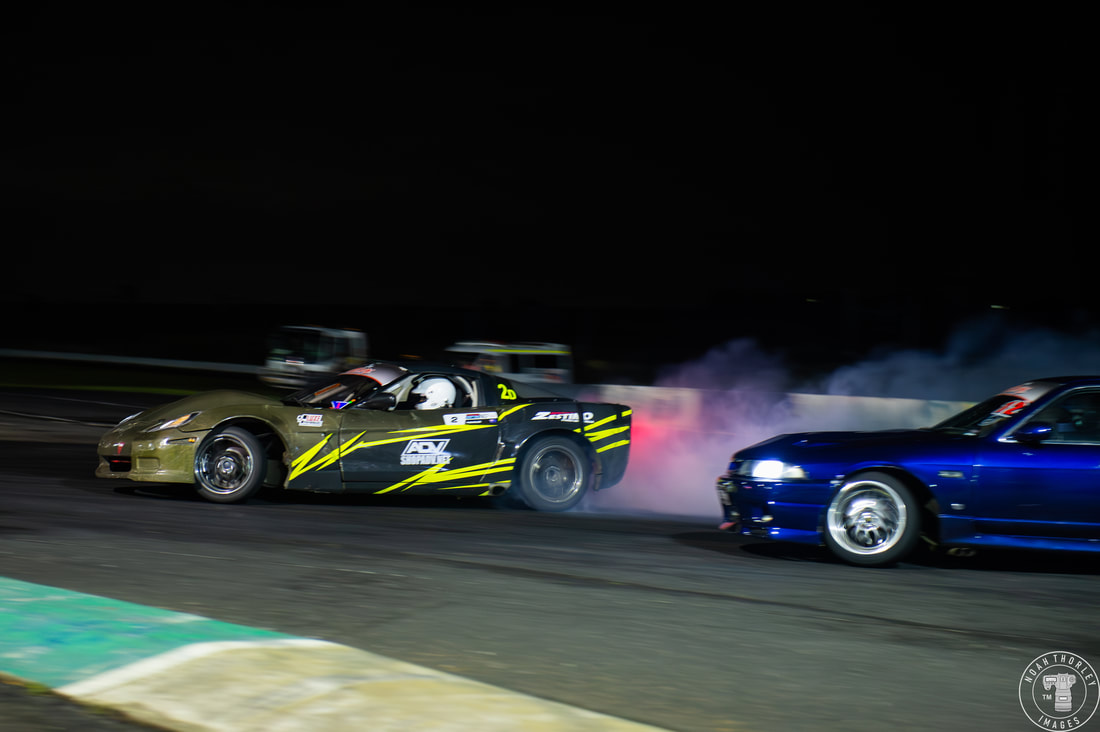 Although the championship had been locked up, there was still plenty of close battles, with the fans getting their wish, wanting a 'One-More-Time' battle against Mike Lake and Adrian Punaro. The victory of what was probably the best battle of the night would go to Adrian Punaro. There has to be something said for both Mike Lake and Jamie Stevkovski, as they were the two highest placed drivers on the championship leaderboard without a podium. Meanwhile, the ticket to the Final Battle was being decided between Patrick Barlee and Cam Marton, with Marton once again winning and going straight to the final. 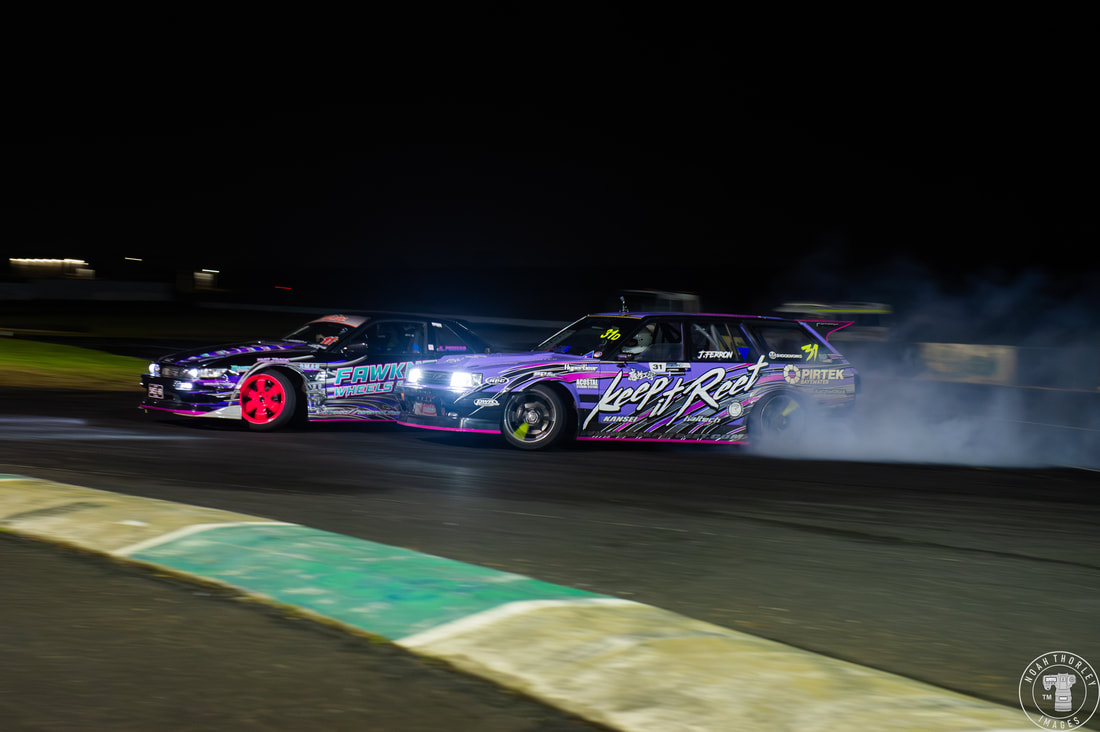 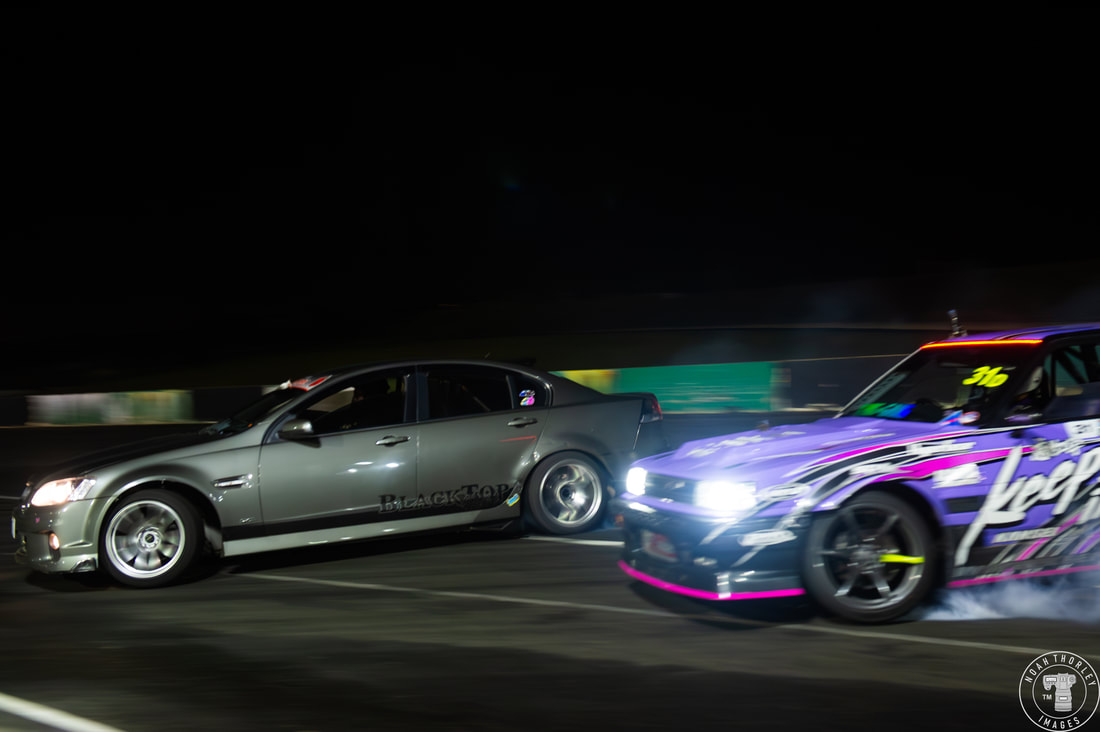 Unfortunately, Patrick Barlee broke a shaft in his Corvette, and his decision to not drive his brother's car meant he would finish fifth. On track, and although he had locked in the championship, Jason Ferron was still hanging onto the rear of every car he battled, first picking off Adrian Punaro and then Jackson Snell. The last time Jackson had competed in Victoria was I believe in 2020 at VicDrift, and he had done extremely well to finish in the Top 4, with no power steering in his Commodore too. 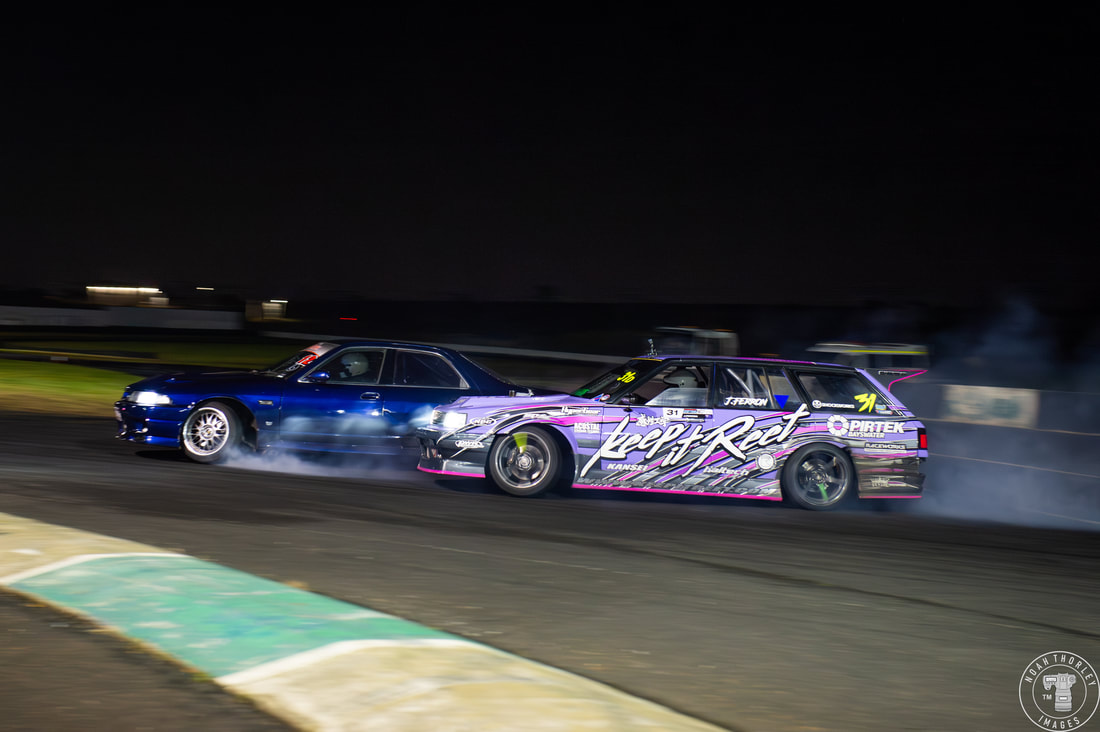 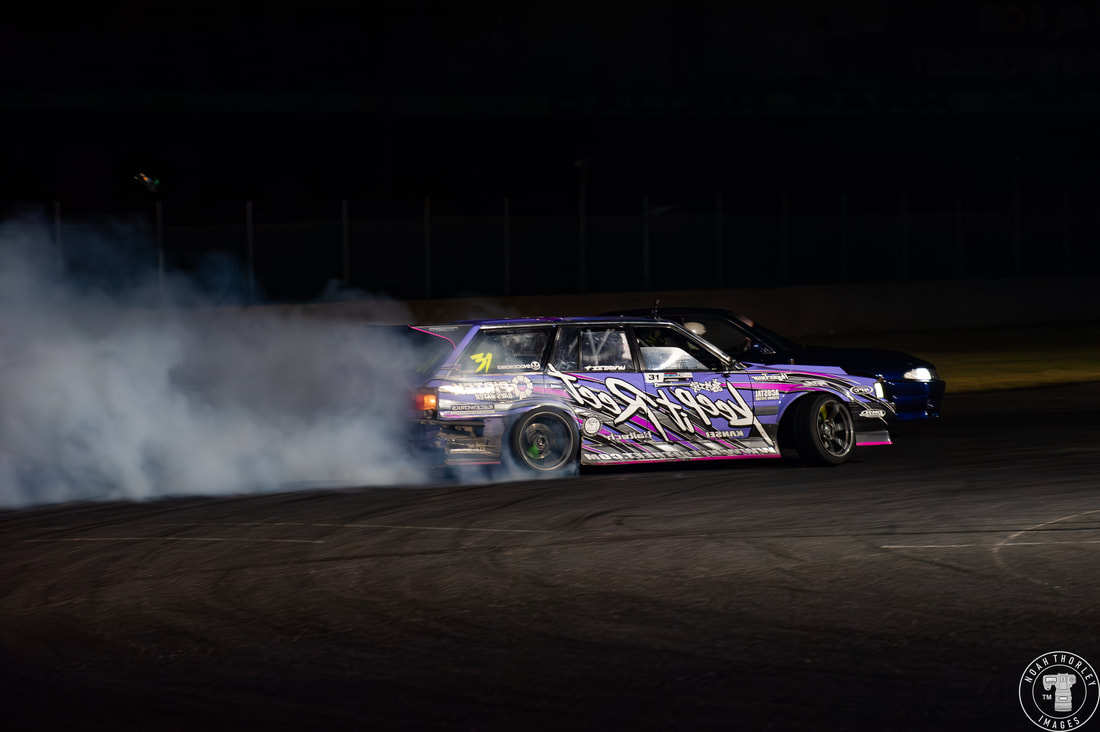 Just like Round 2, Ferron and Marton had met in the early battles, and would face off again in the final, this time though, it would now be a battle between the 2022 Battle Royale Champion and the new 2023 champ. Although we may have seen this before, motorsport is unpredictable when you least expect it. At the start of the final run of the third and final battle between the two, Cam Marton pulled his R33 sedan to a stop, with Jason Ferron following. The fuel pump on Cam's car had stopped working. 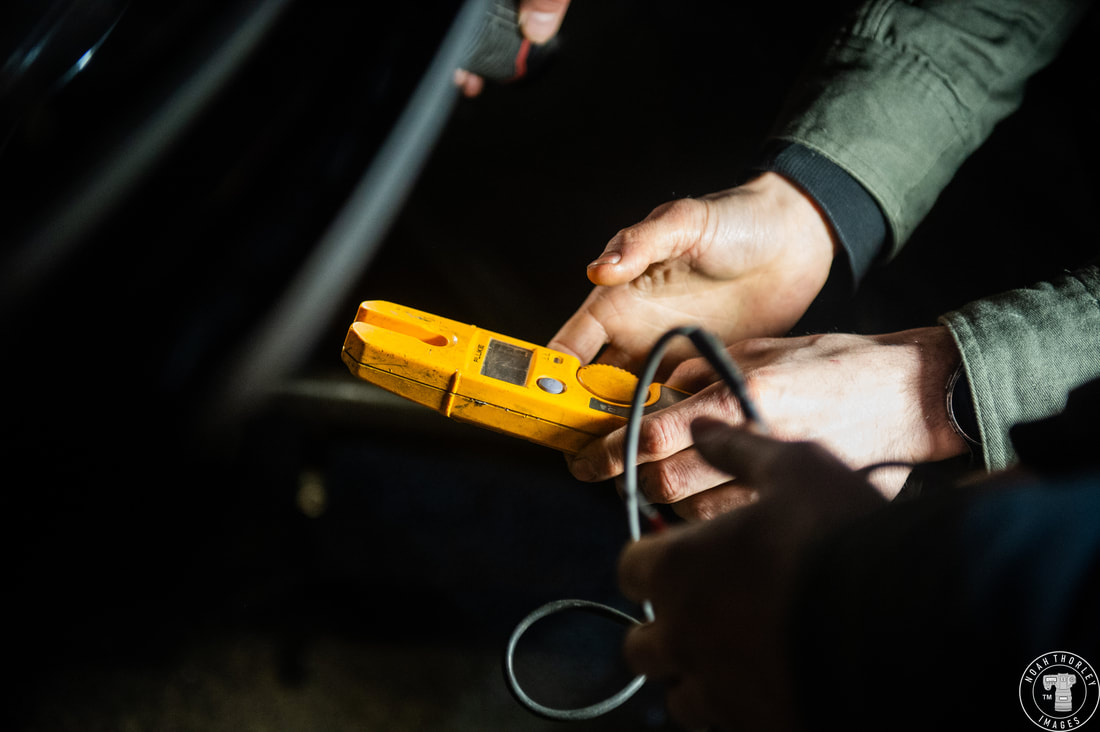 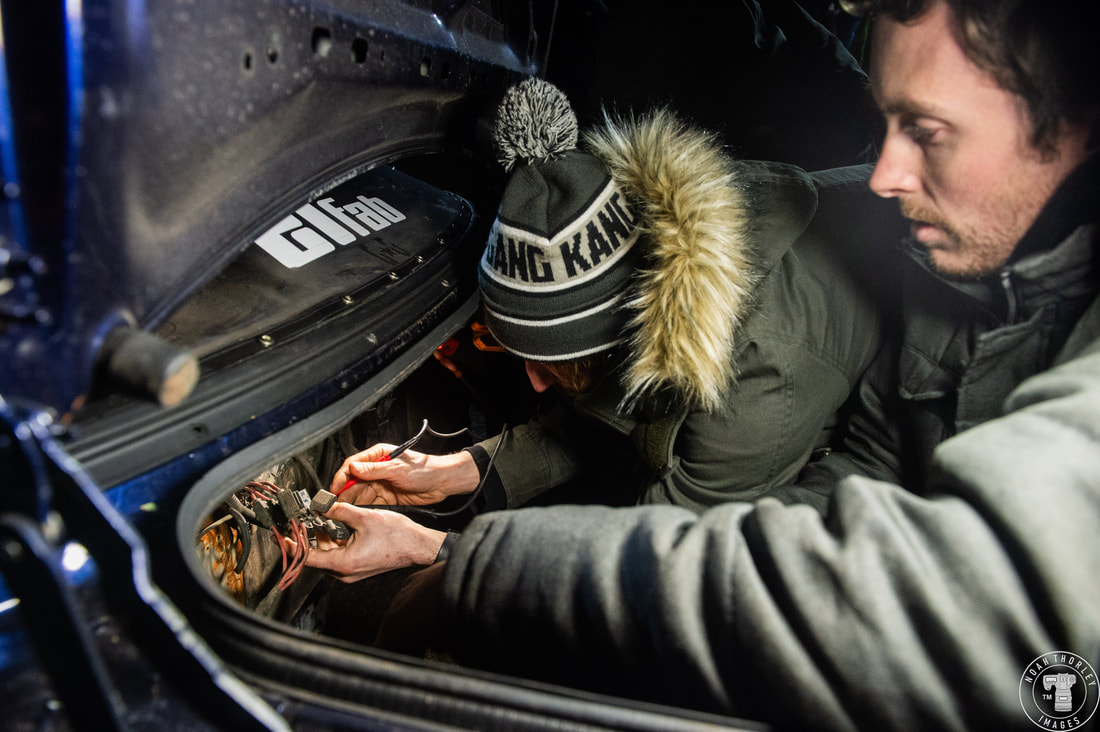 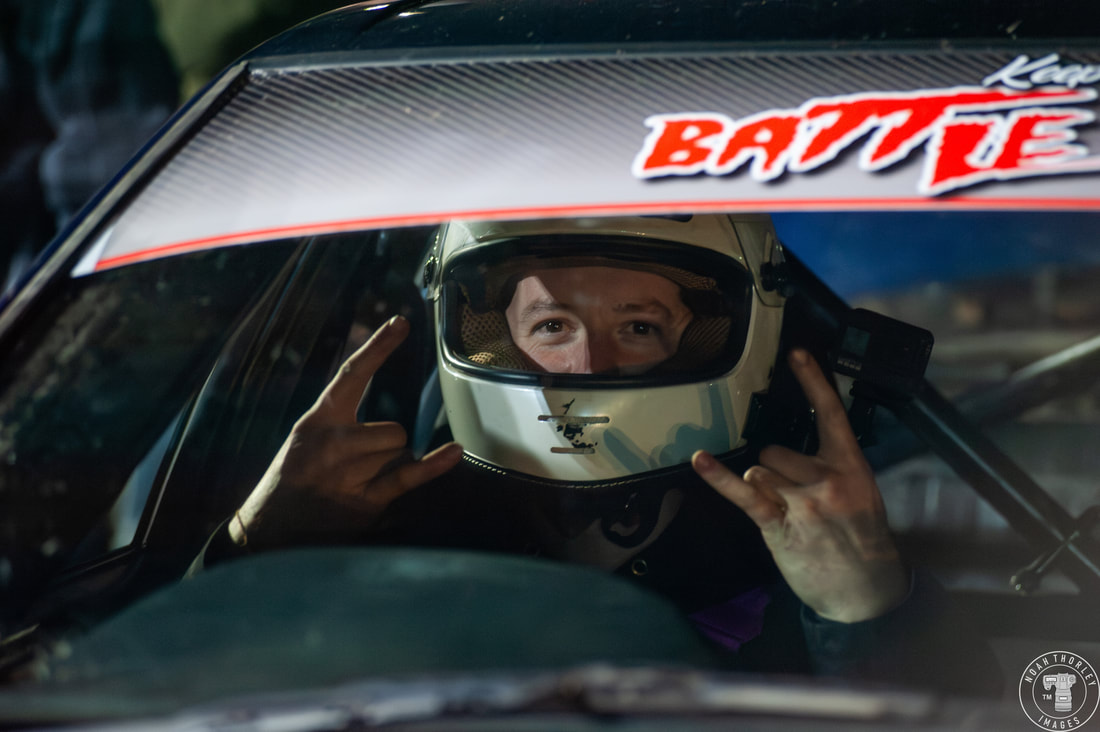 Cam Marton called a five-minute mechanical to solve the issue as many rallied around him. Although this isn't Formula Drift, Jason Ferron also called a five-minute mechanical to make sure there was enough time for the fuel pump to be wired back up again and that charge was being sent back to the fuel pump. The R33 fired up and we had ourselves one final run for the 2023 Battle Royale season. 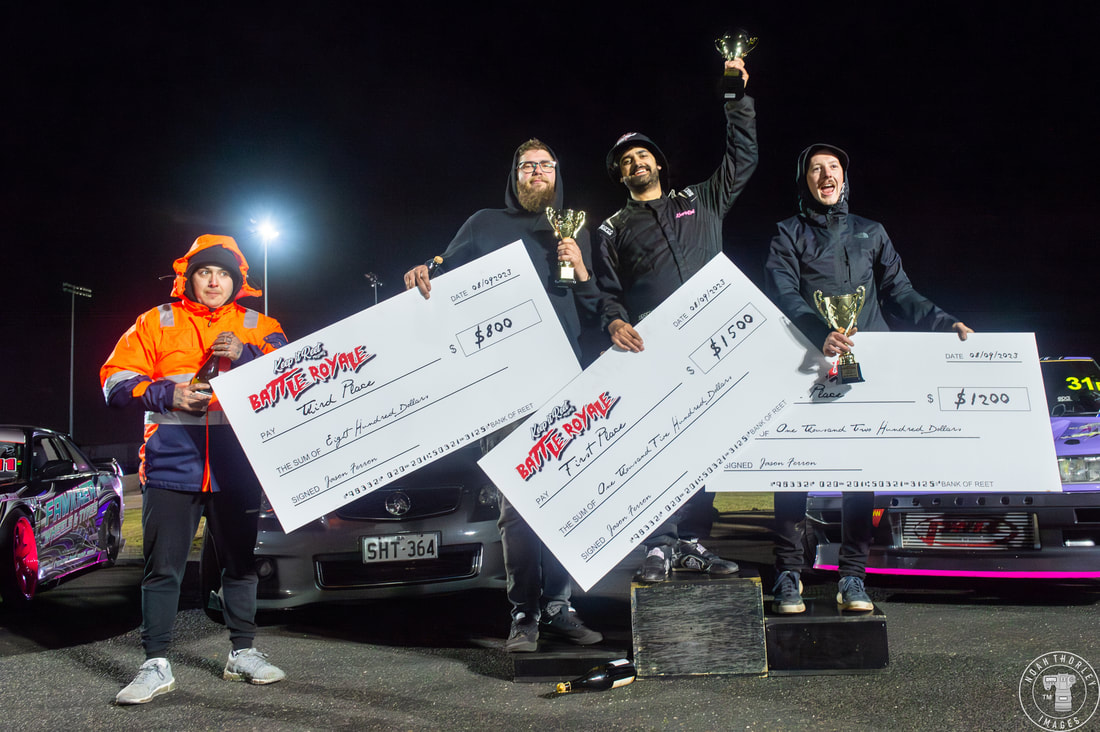 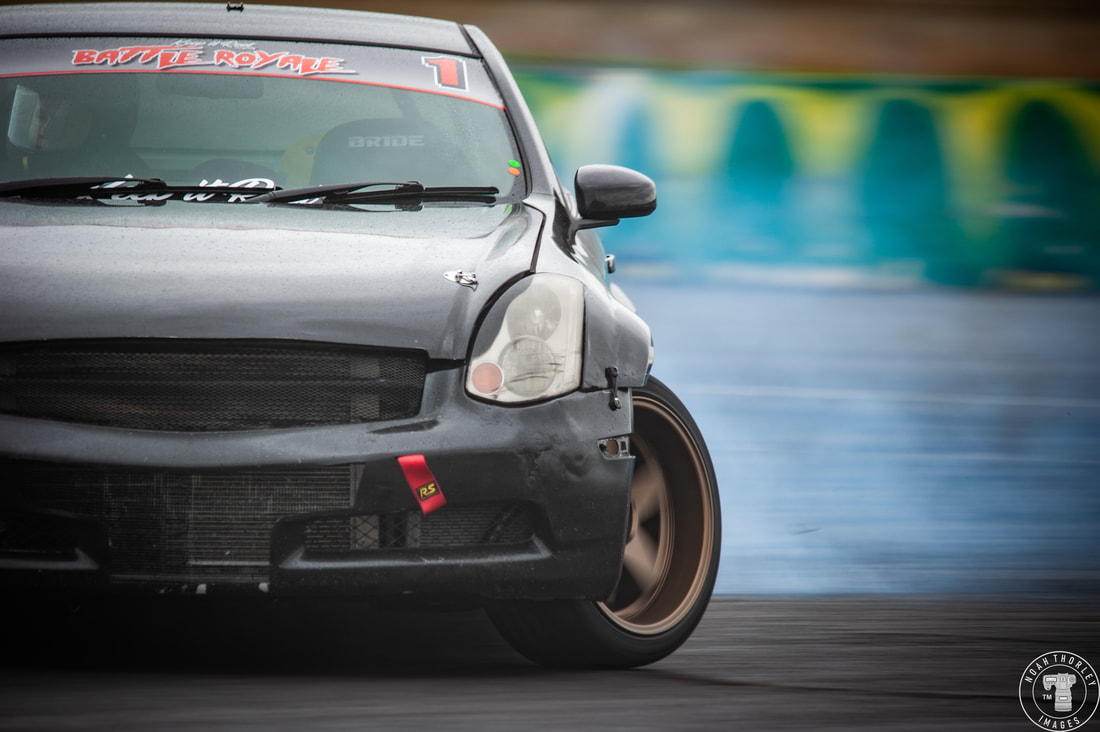 And just like Round 2, Jason Ferron would take the victory, with Cam Marton settling for second once again. Jackson Snell says he "pulled off a Bradbury" as he claimed third in his Commodore, with Adrian Punaro finishing fourth. A special mention would go to John Hurst, taking home the Chris Dejager 'Thrash Kings' award. 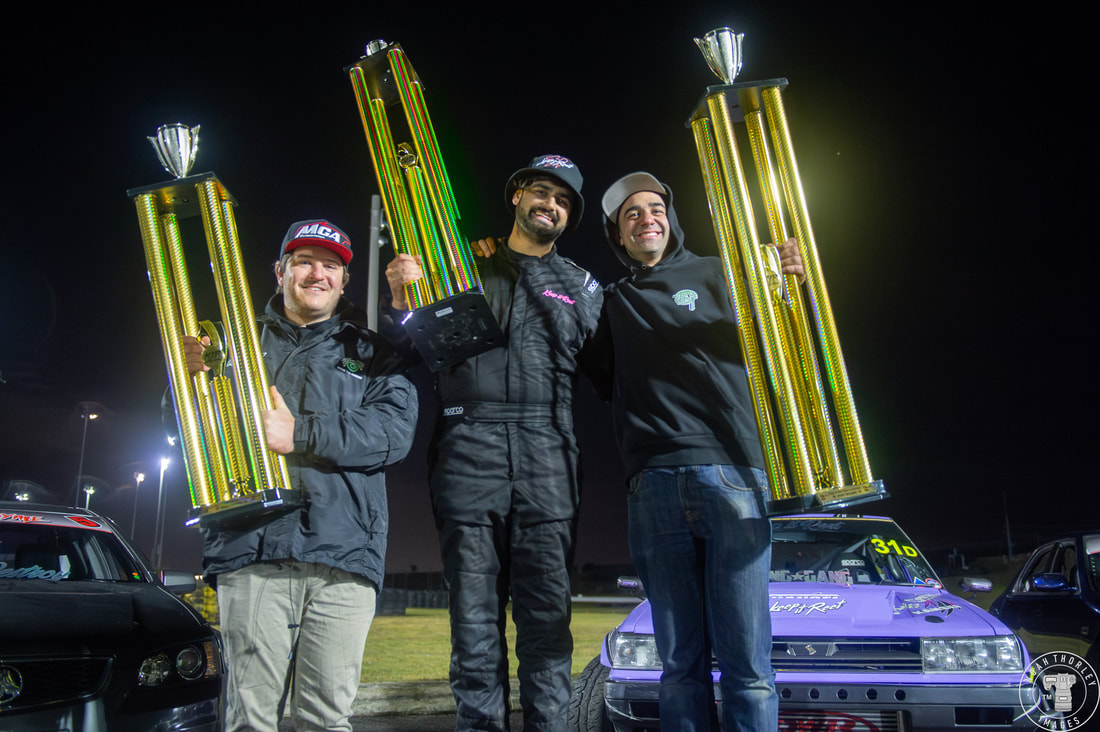 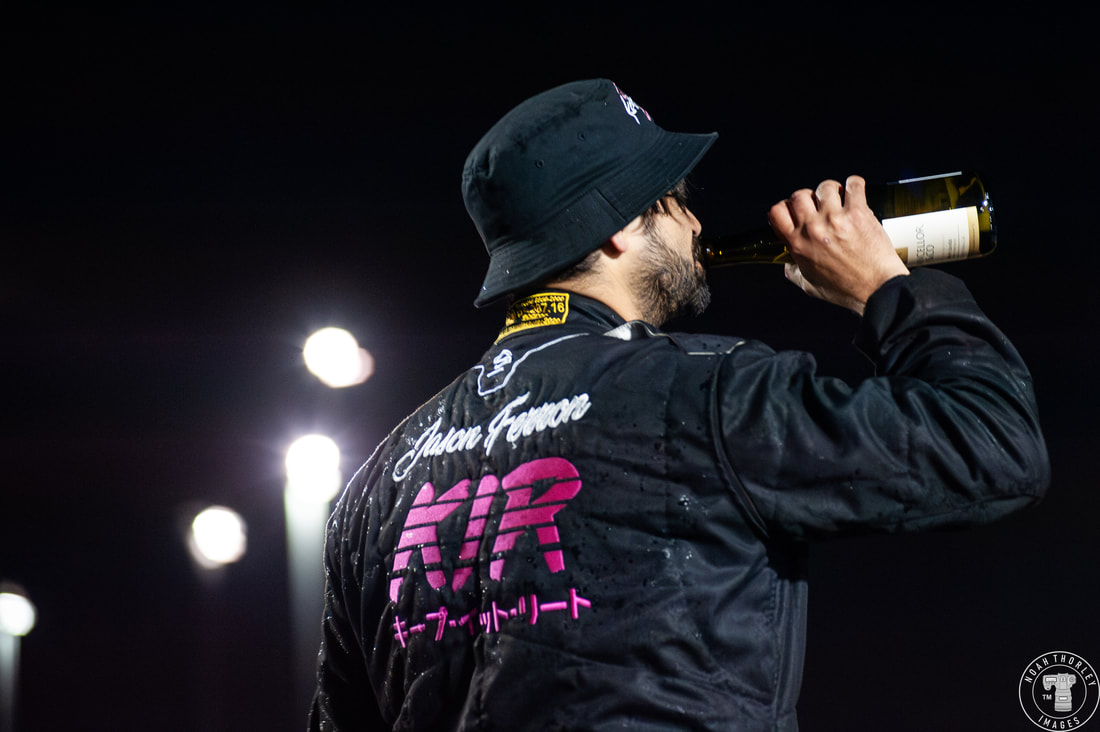 Jason Ferron would claim the Round 4 win and the 2023 Battle Royale Championship with 376 points, followed by Marcus McCathie on 349 points, as Patrick Barlee jumped up to third with a total of 313 points. What a final round it was, and overall, an incredible season of drifting, all thanks to the team at Keep it Reet. Bonus Gallery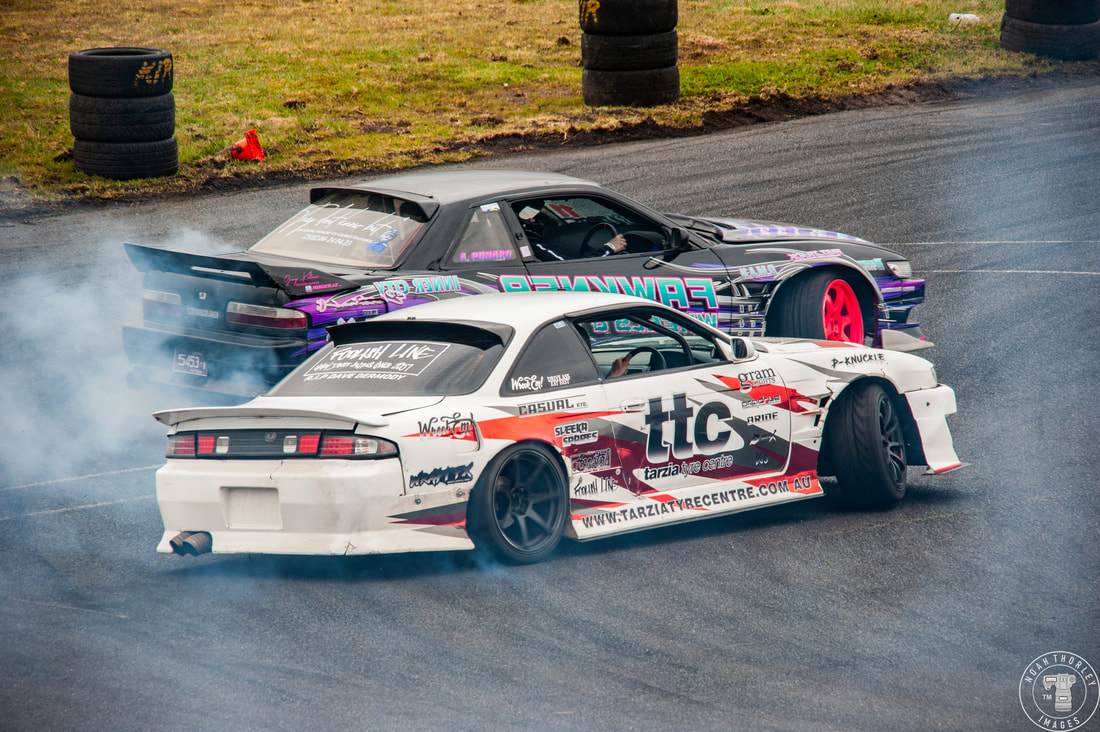 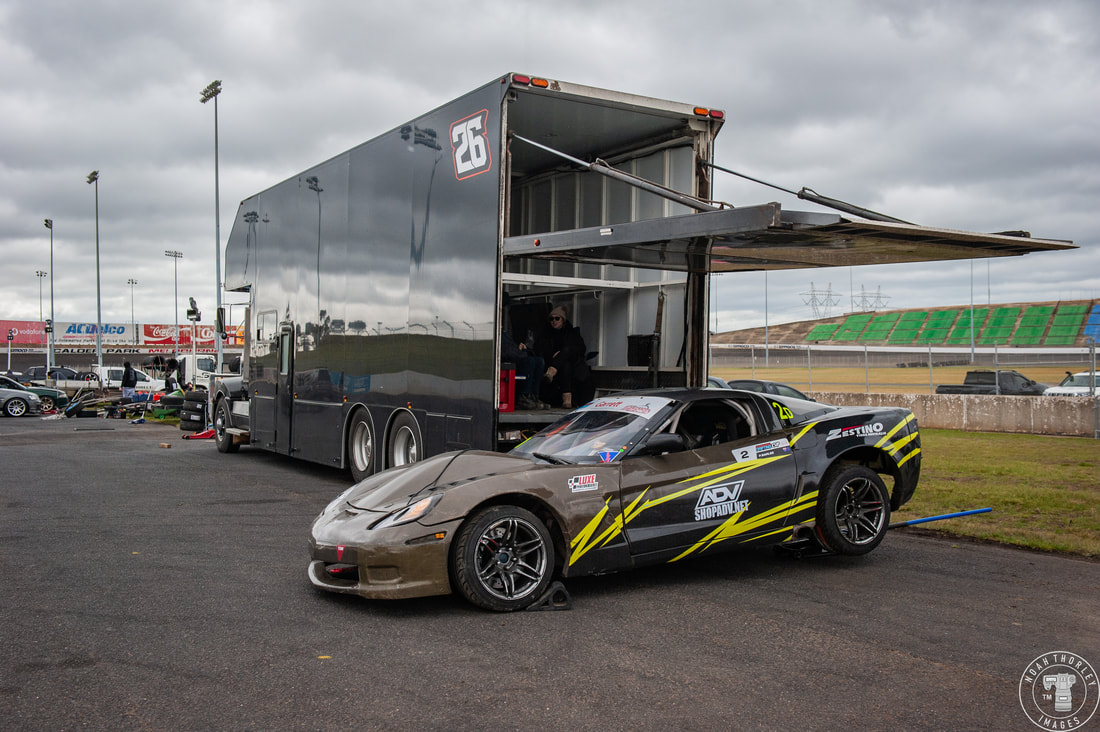 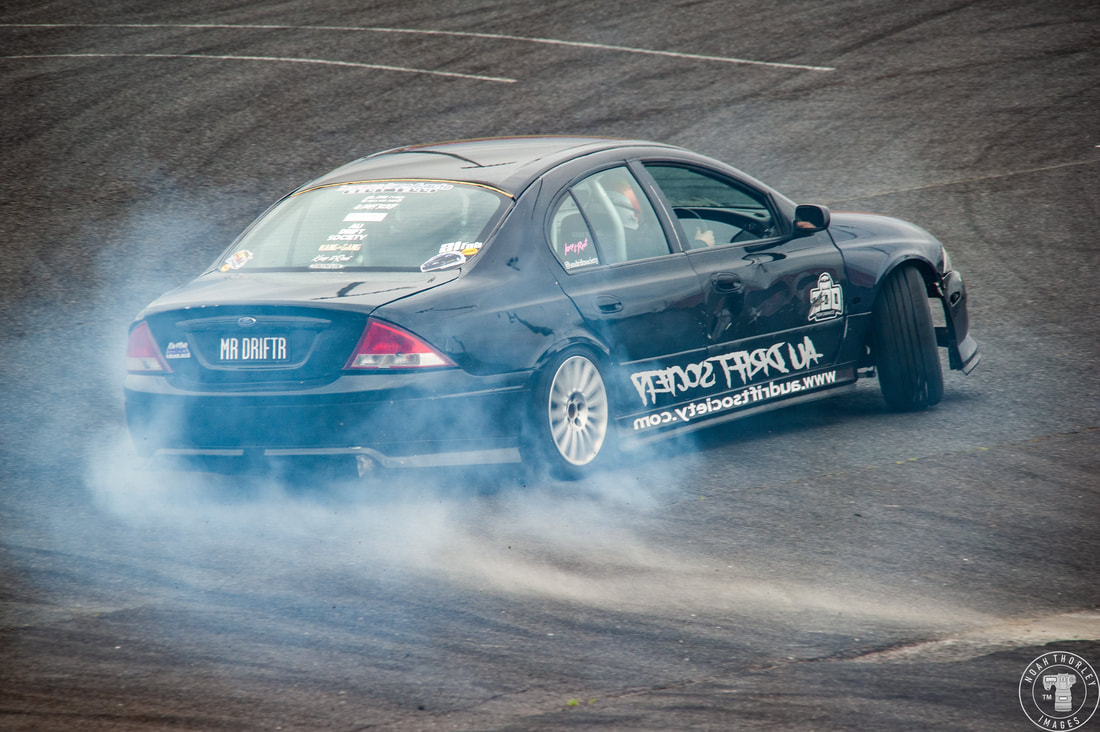 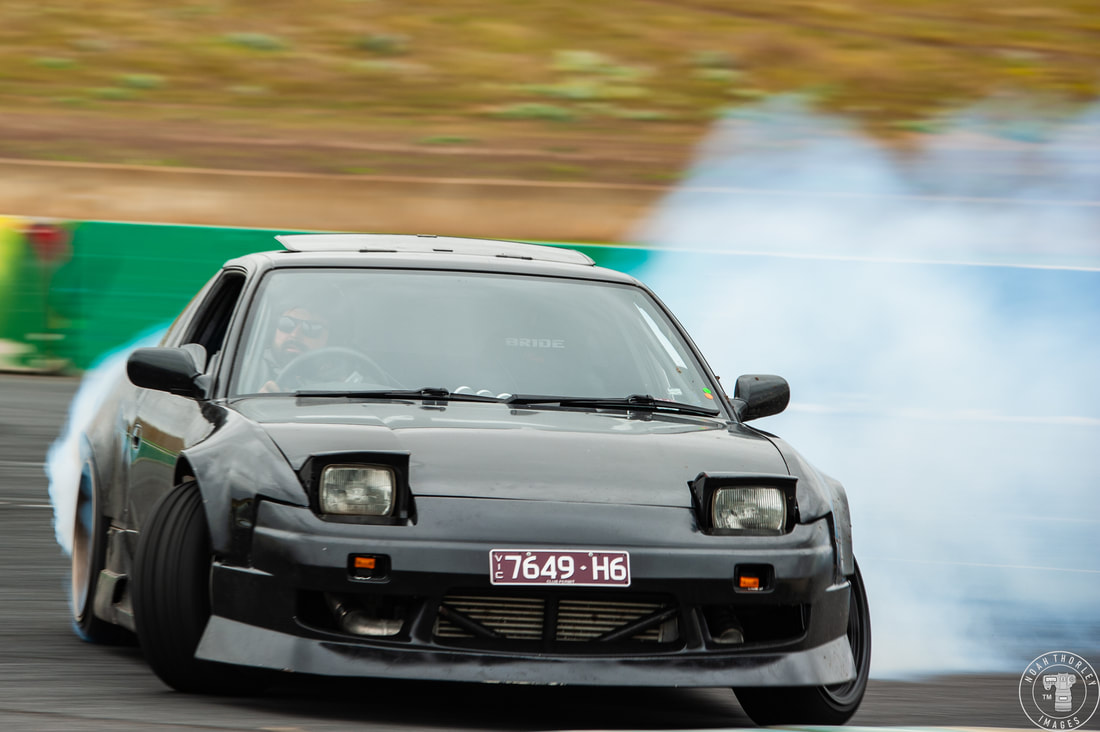 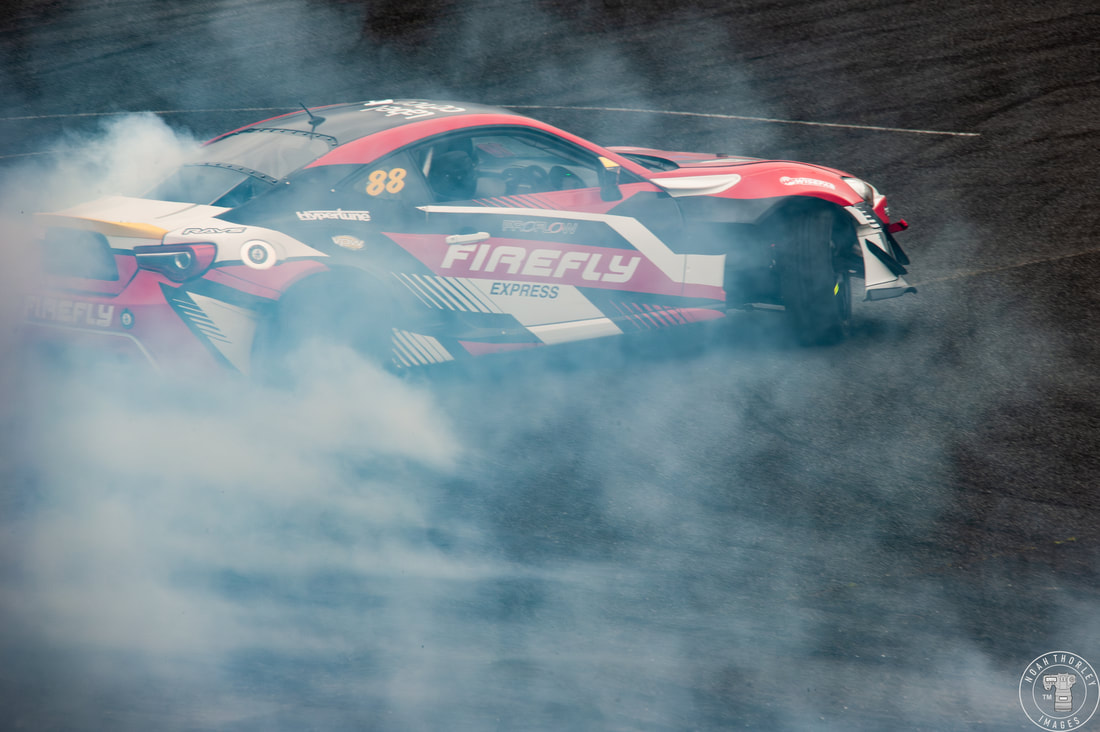 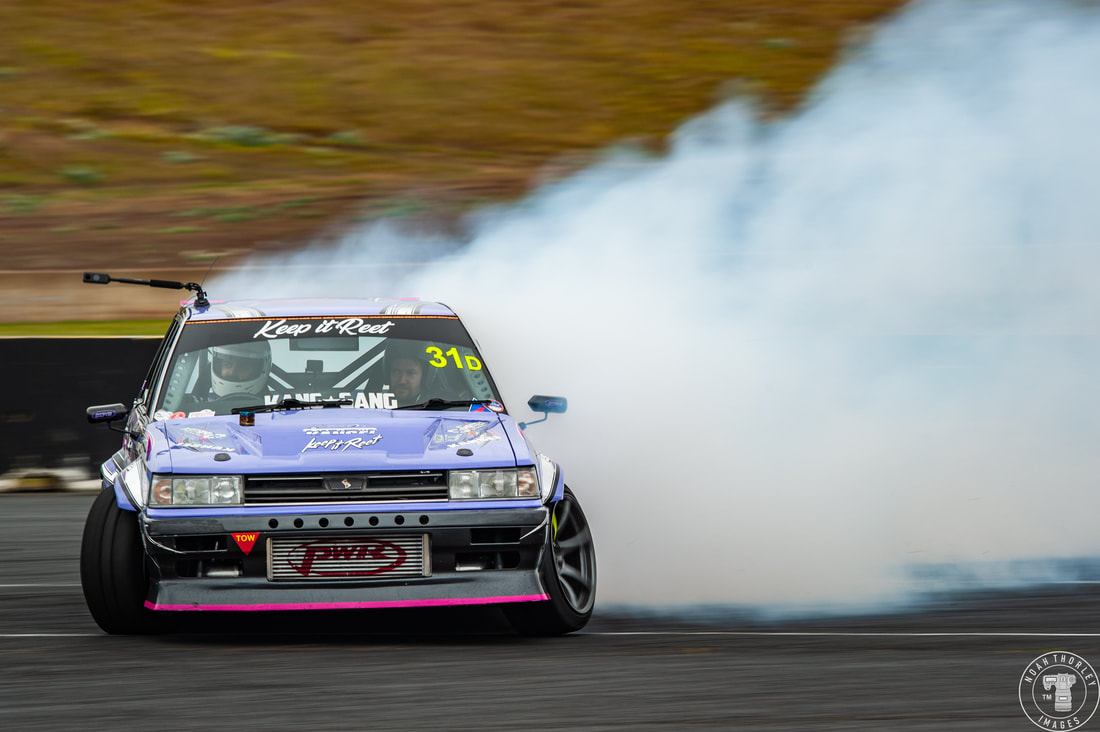 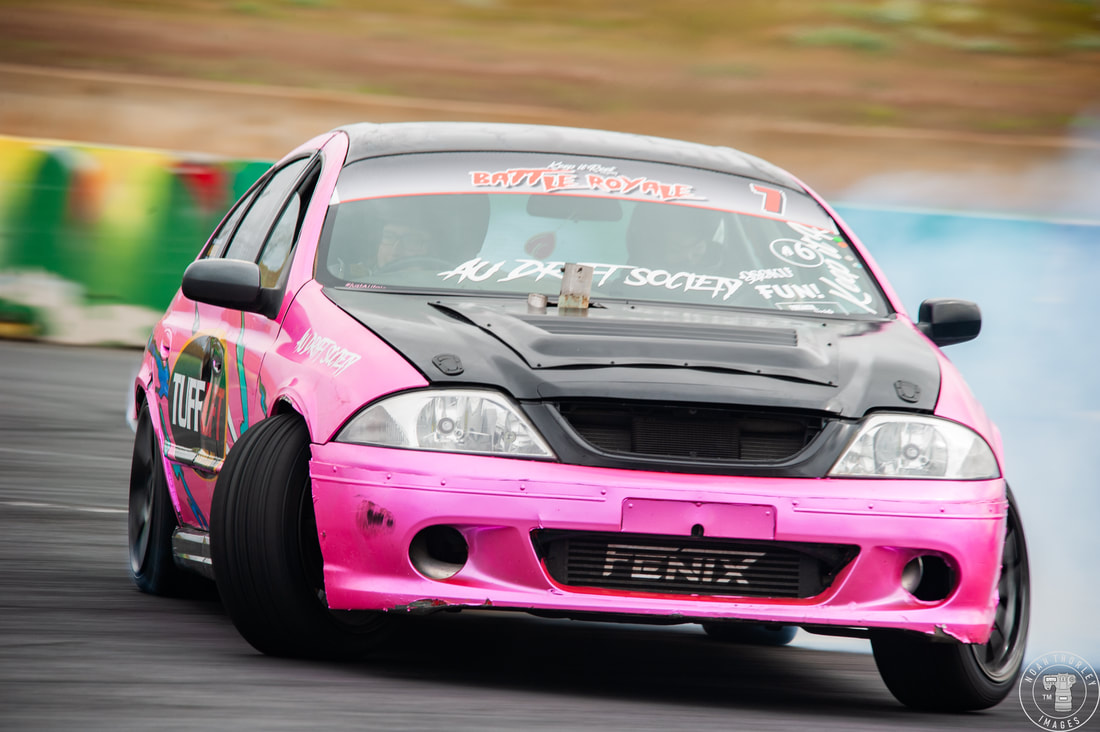 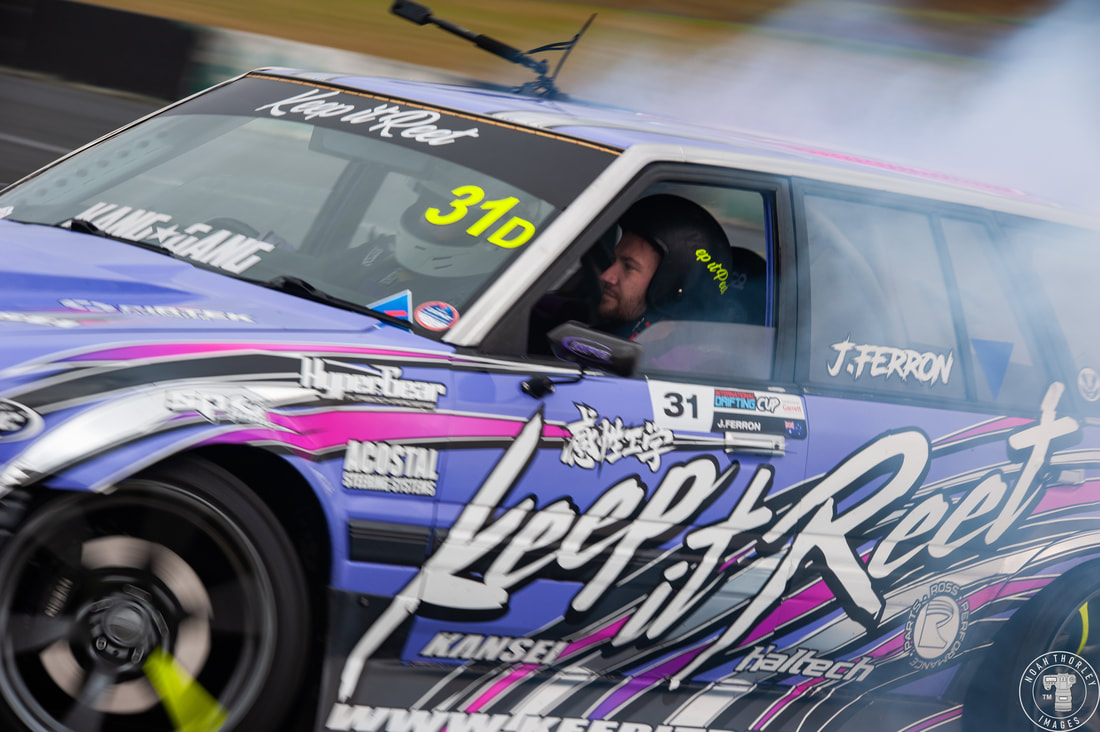 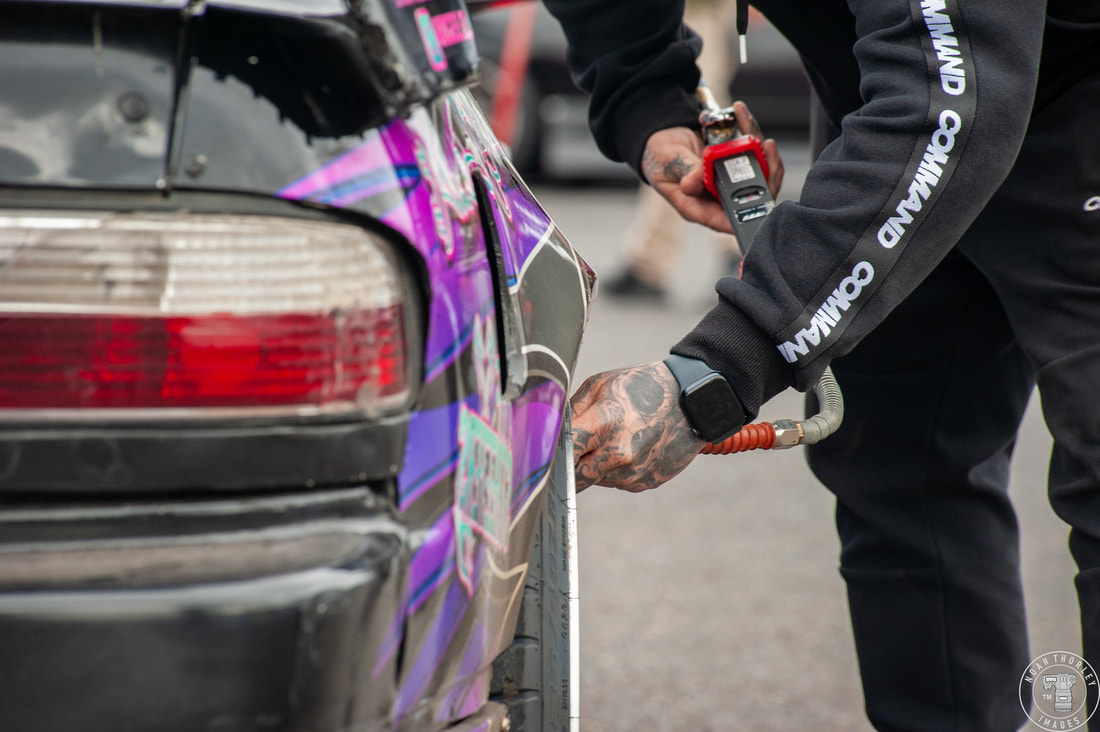 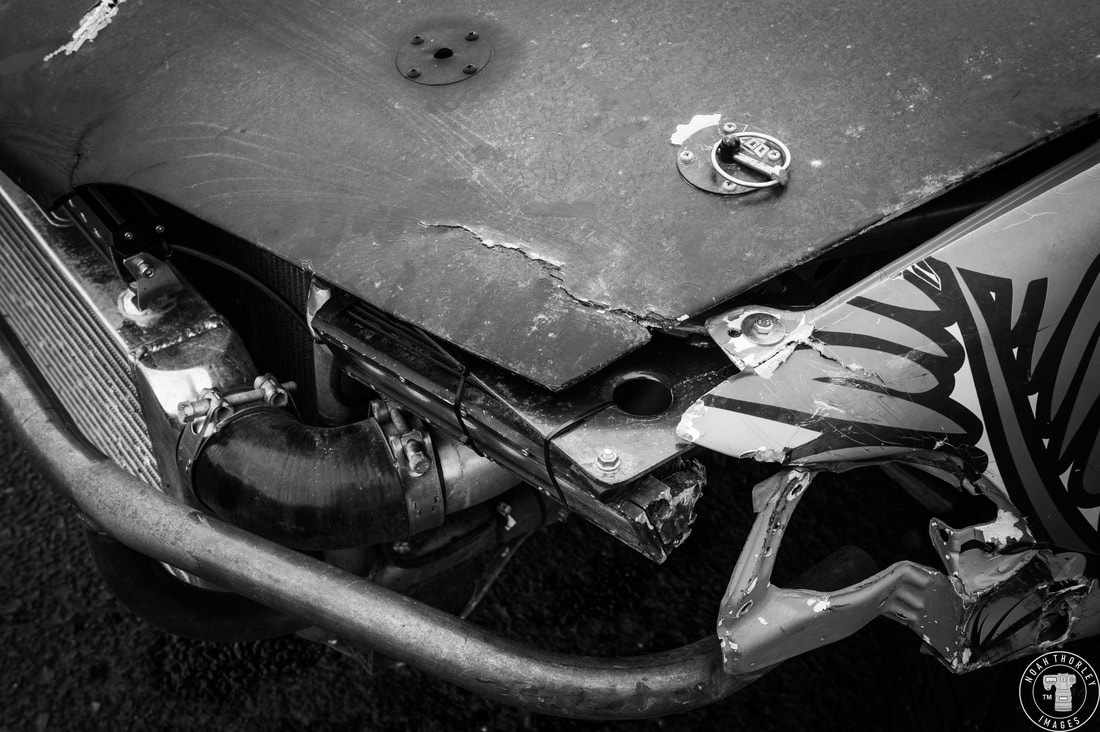 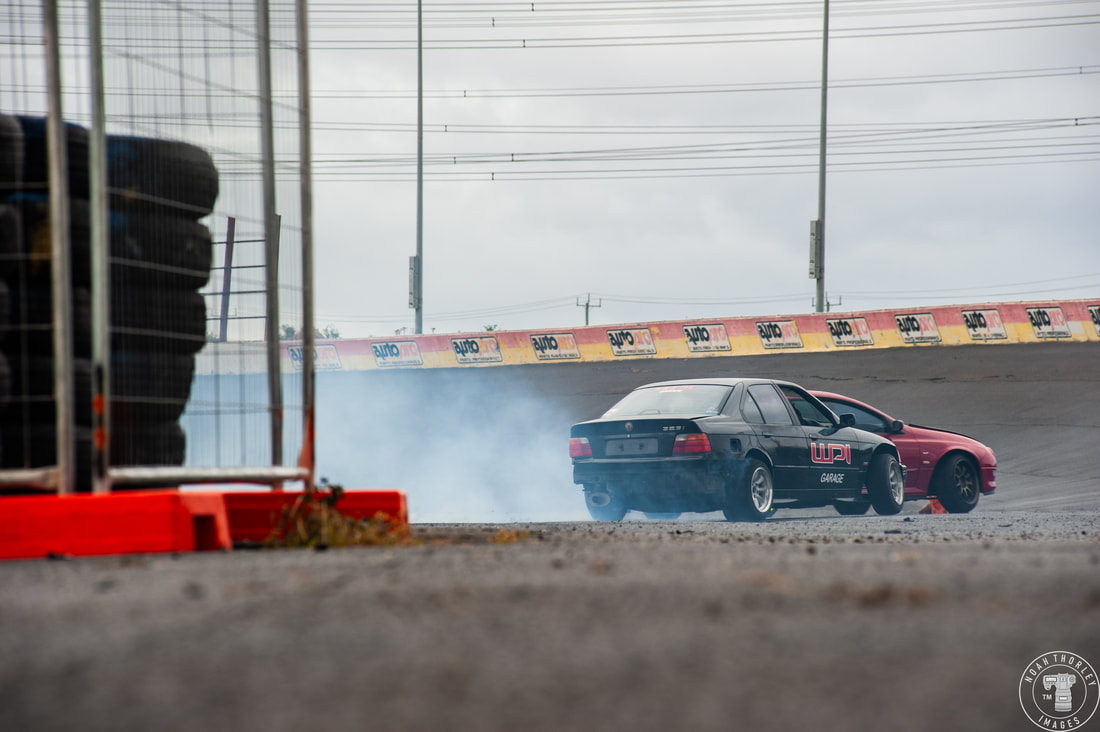 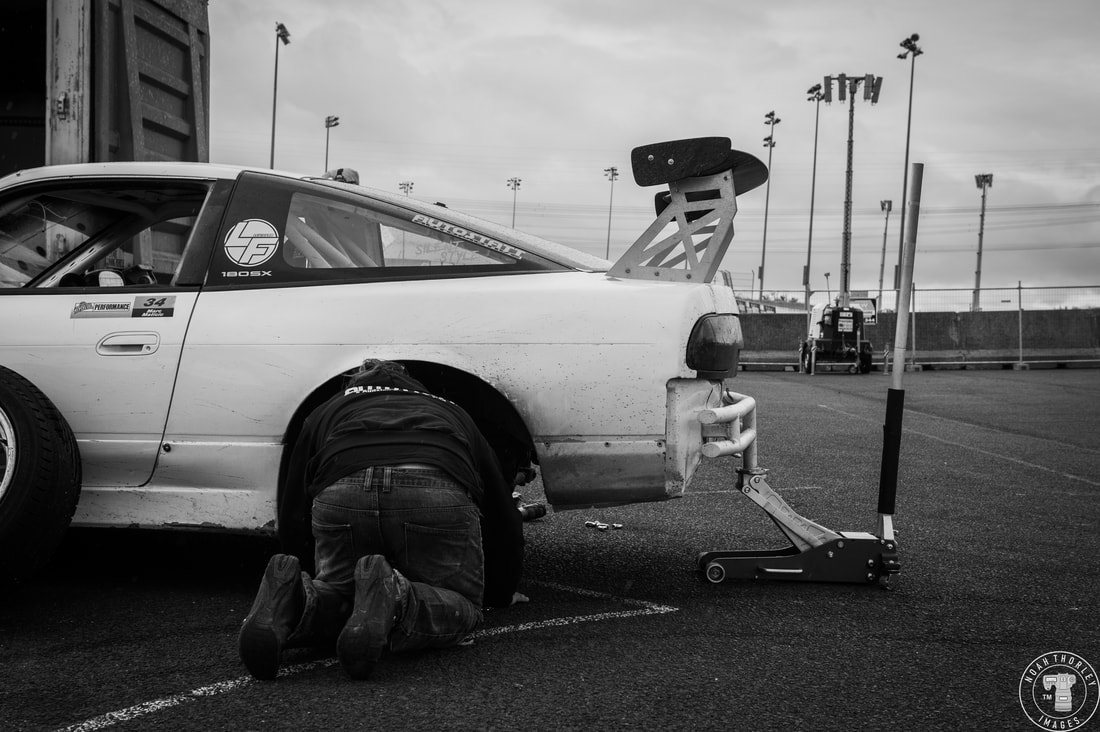 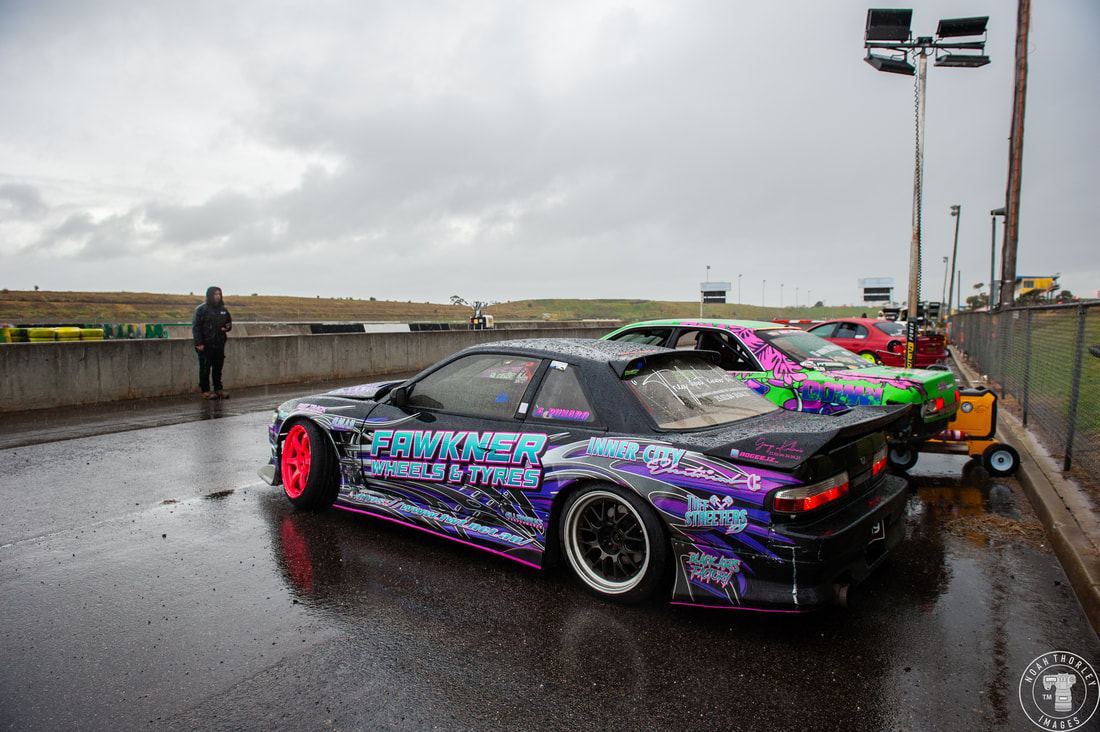 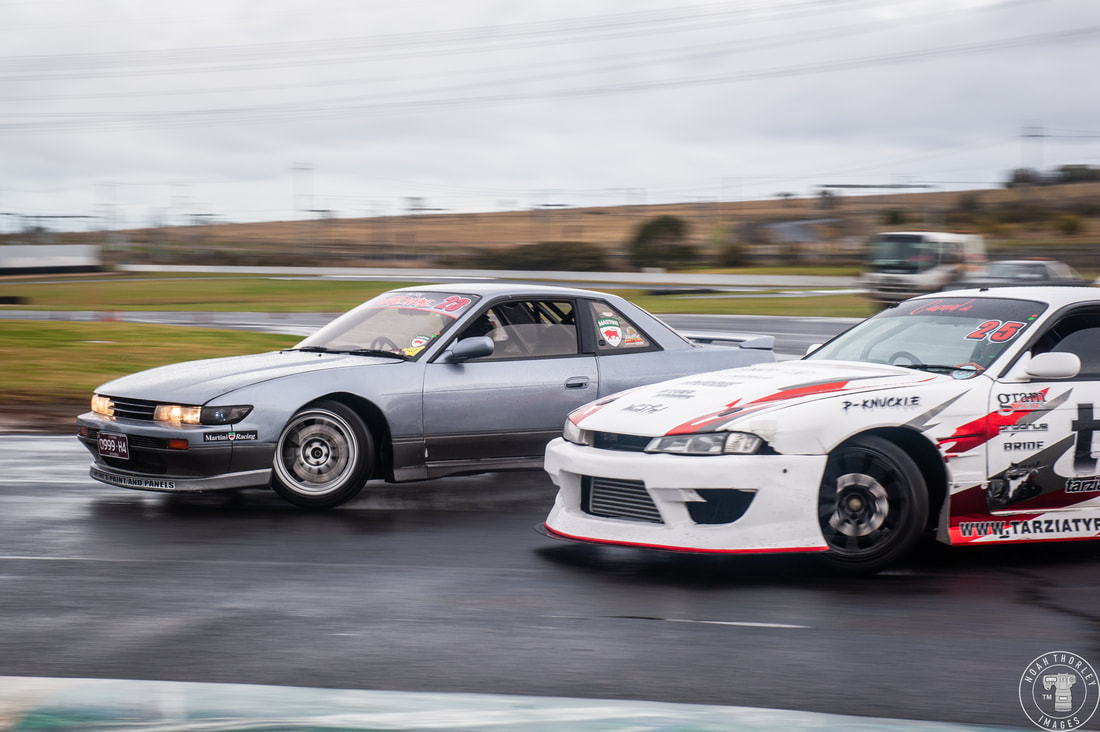 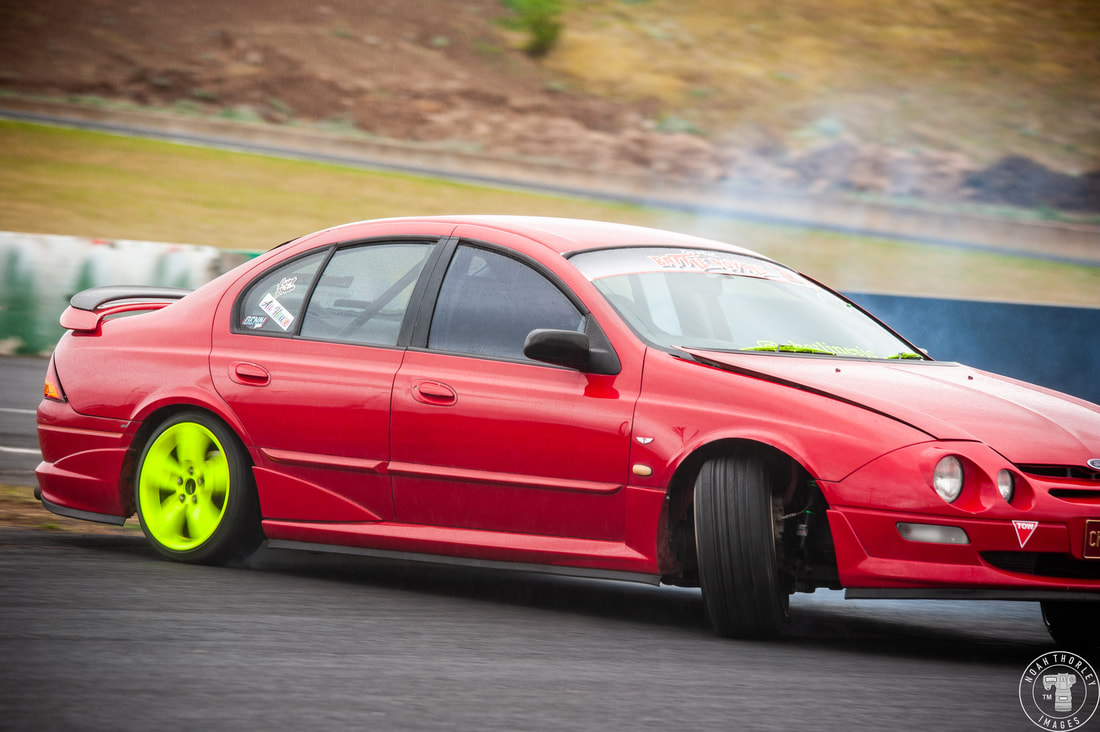 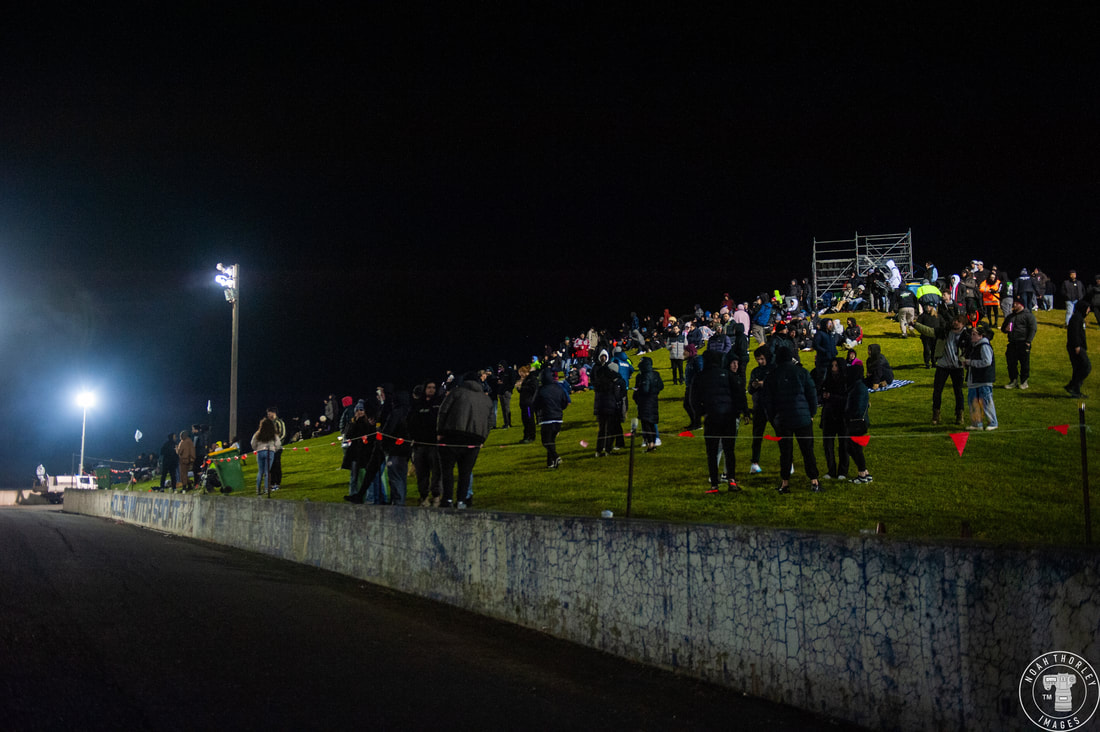 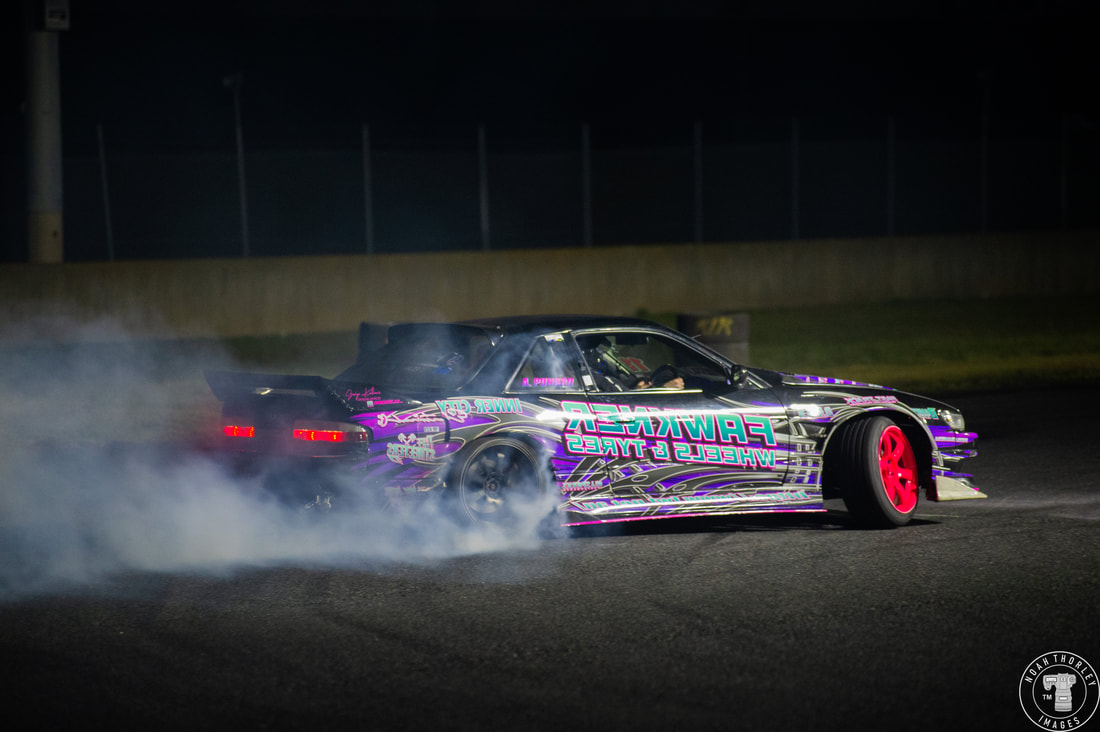 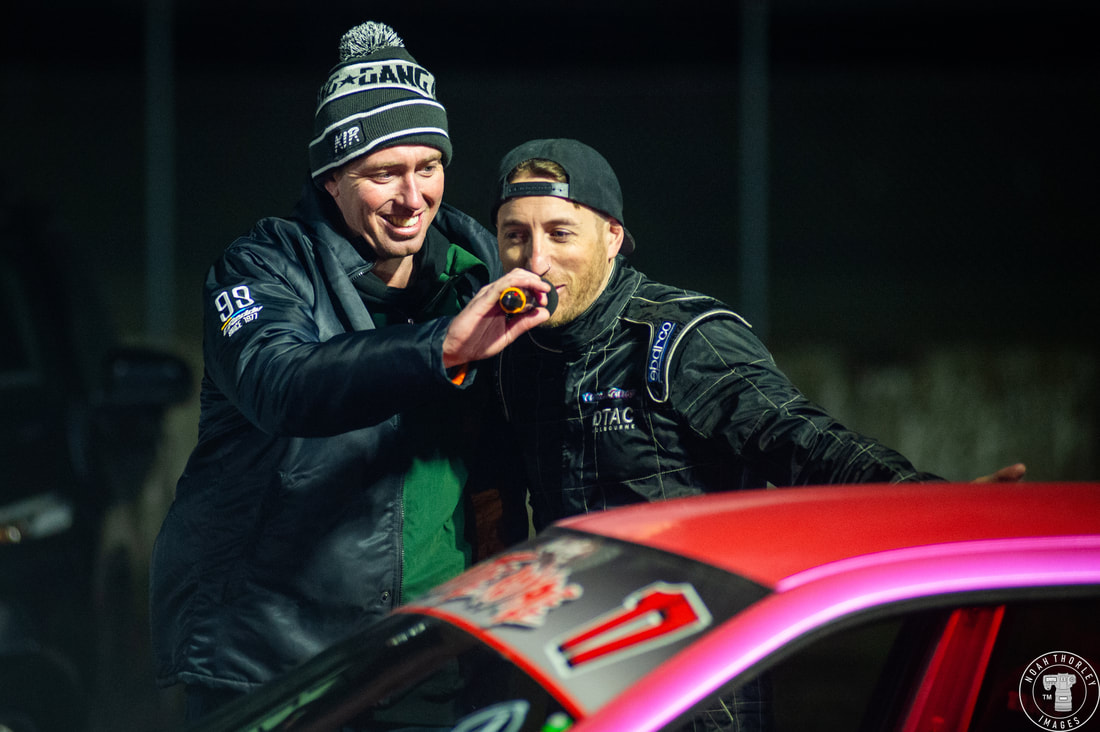 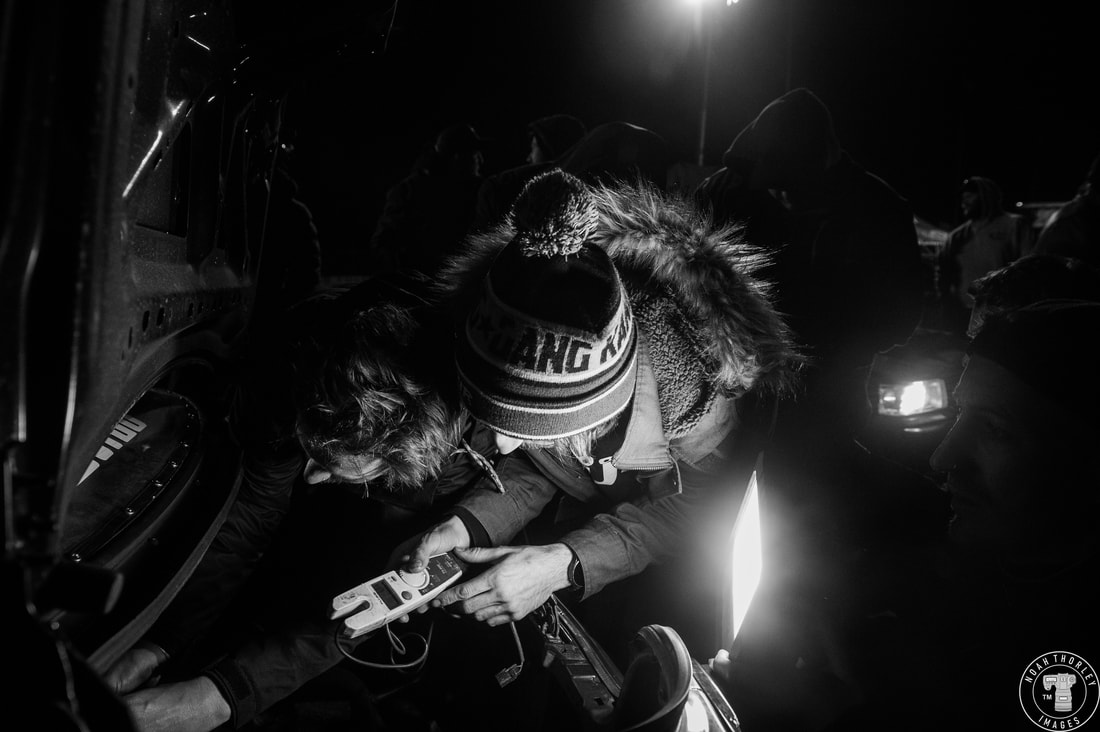 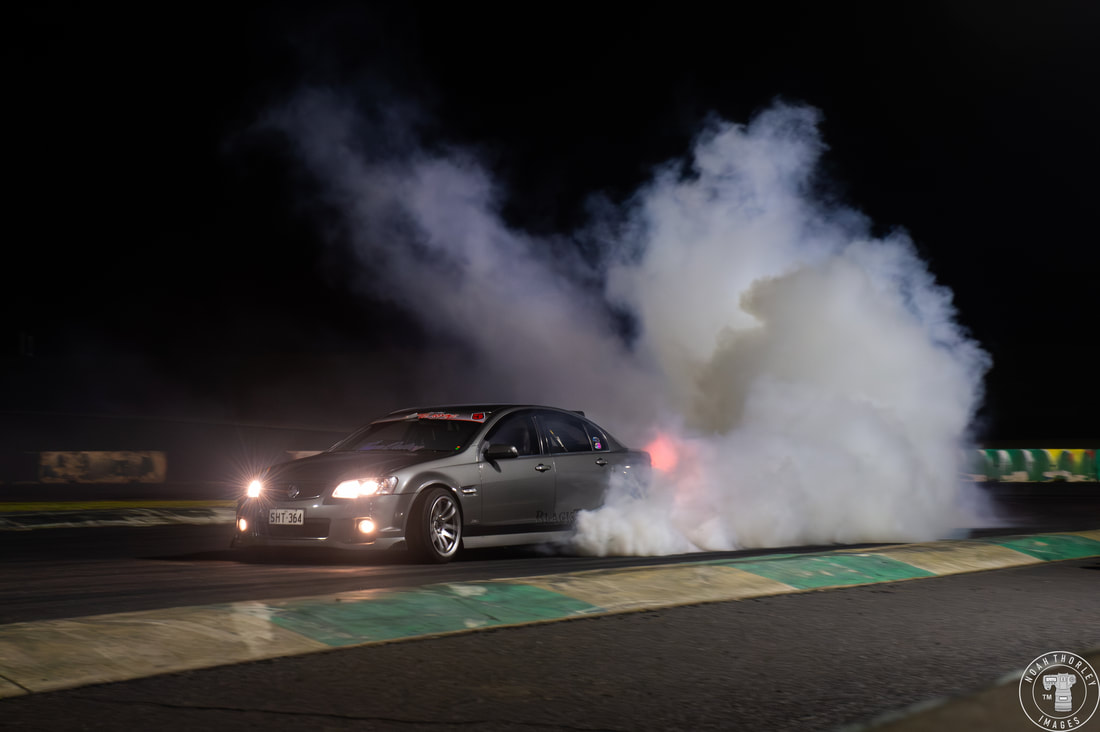 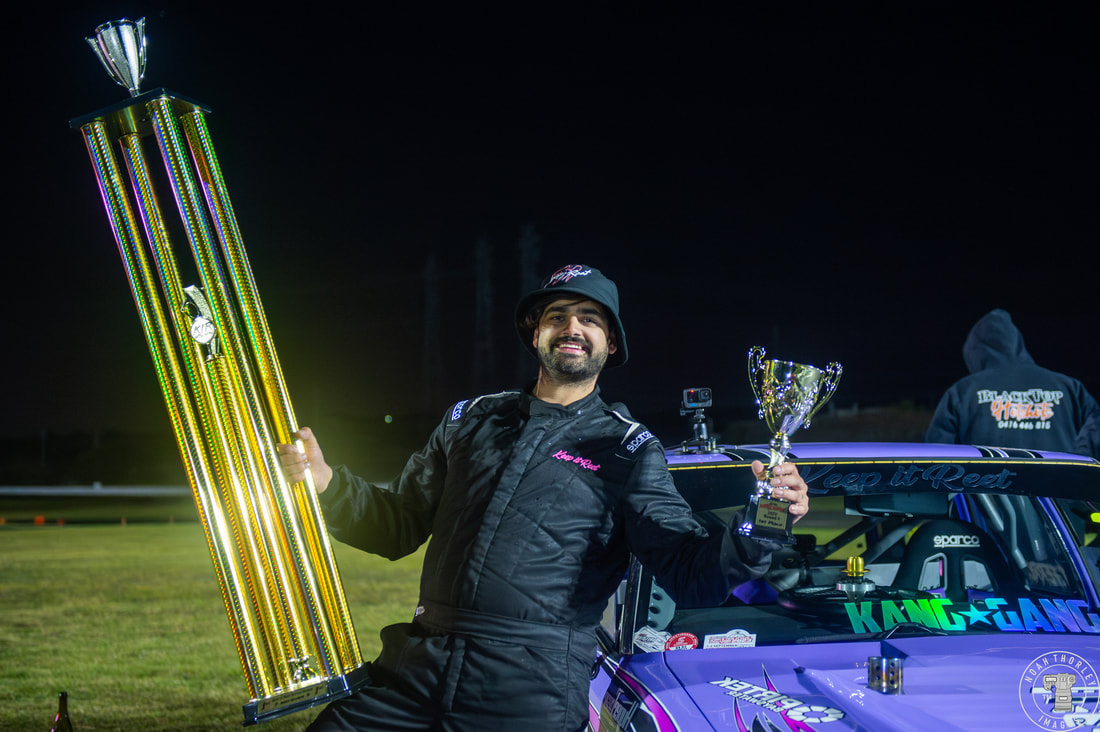 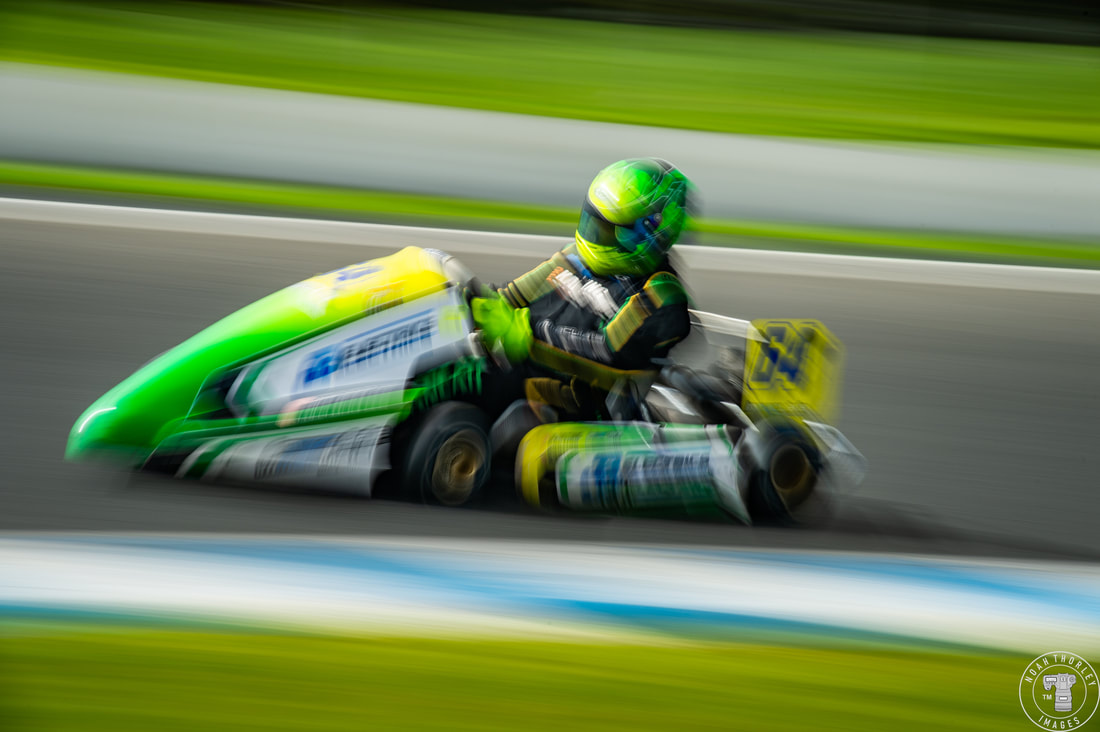 If you visit Phillip Island, you'll certainly find a pamphlet advertising Go Karts at the Phillip Island Grand Prix Circuit. At the south-west area of the track, you can race go-karts at a small replica of the larger Grand Prix circuit. I'm sure there have been plenty of visitors wishing they could drive the tiny go-karts on the full-length track. 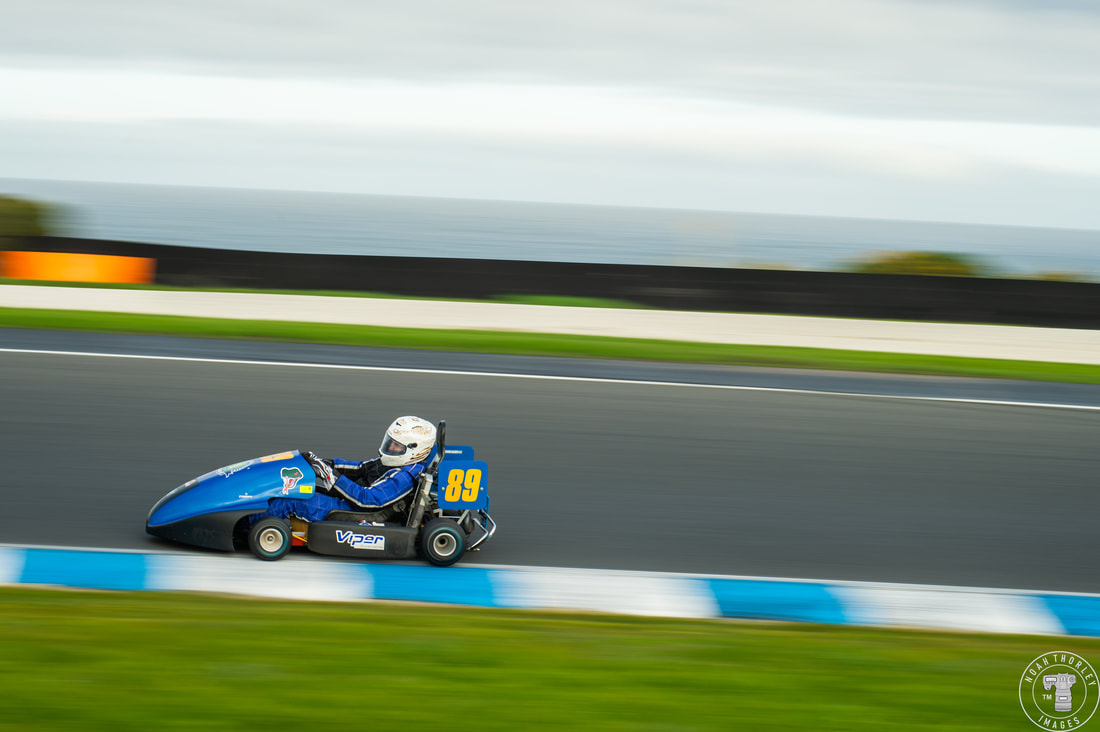 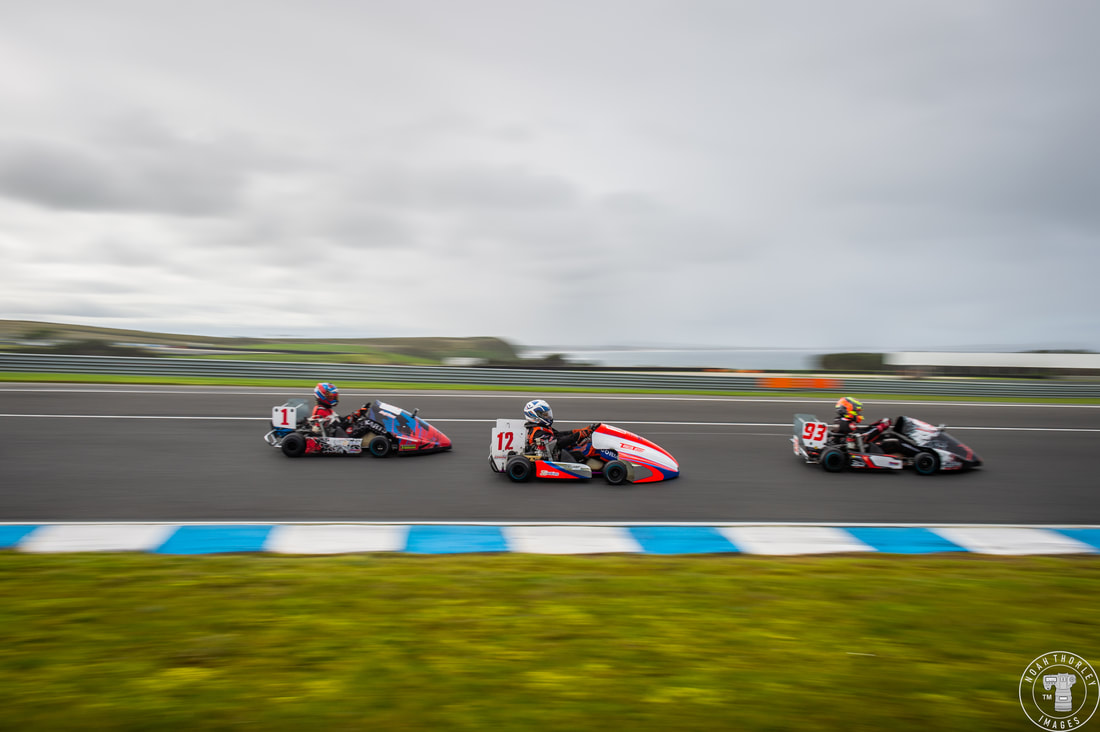 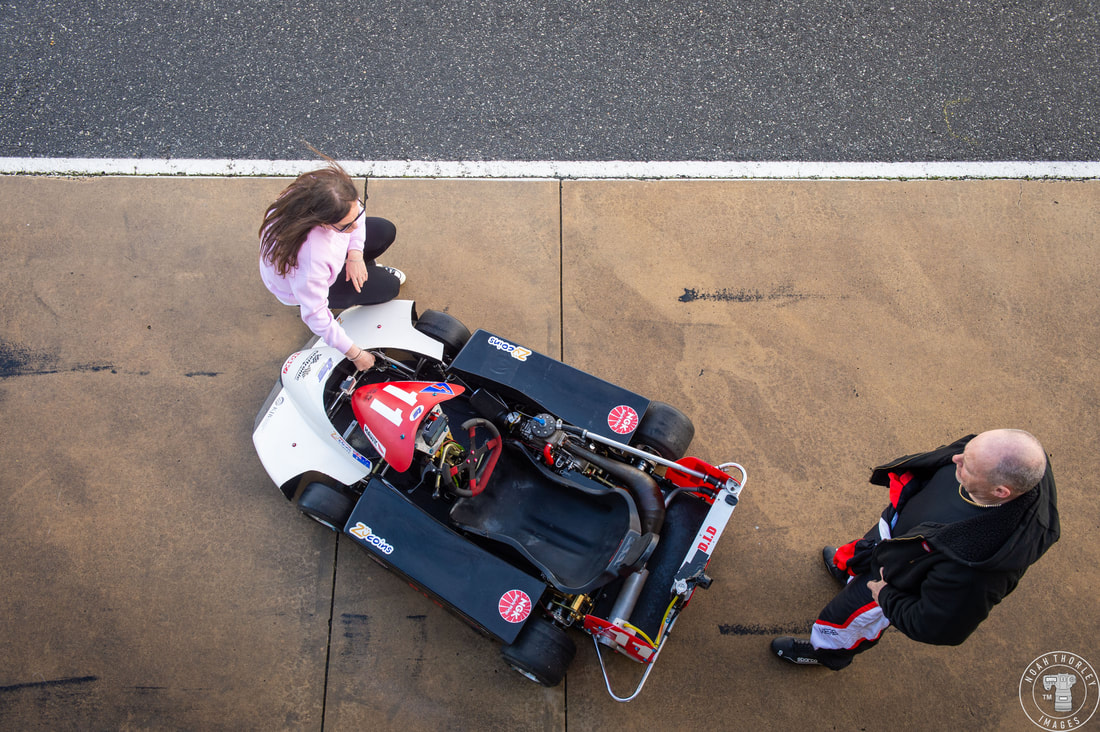 These are Superkarts, specifically designed to tackle the big tracks. In Australia, teams and drivers race at circuits all across the country including Winton, Eastern Creek (SMSP), Broadford, Lakeside, Queensland Raceway, The Bend, Wanaroo, Phillip Island and Mallala. 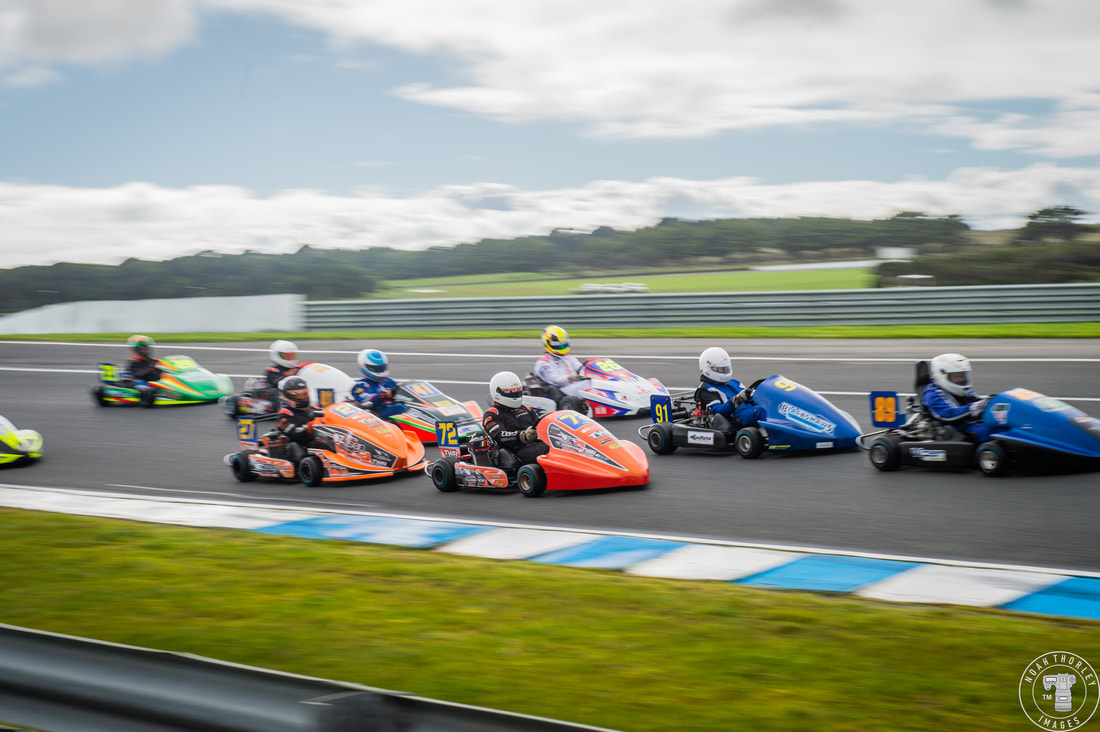 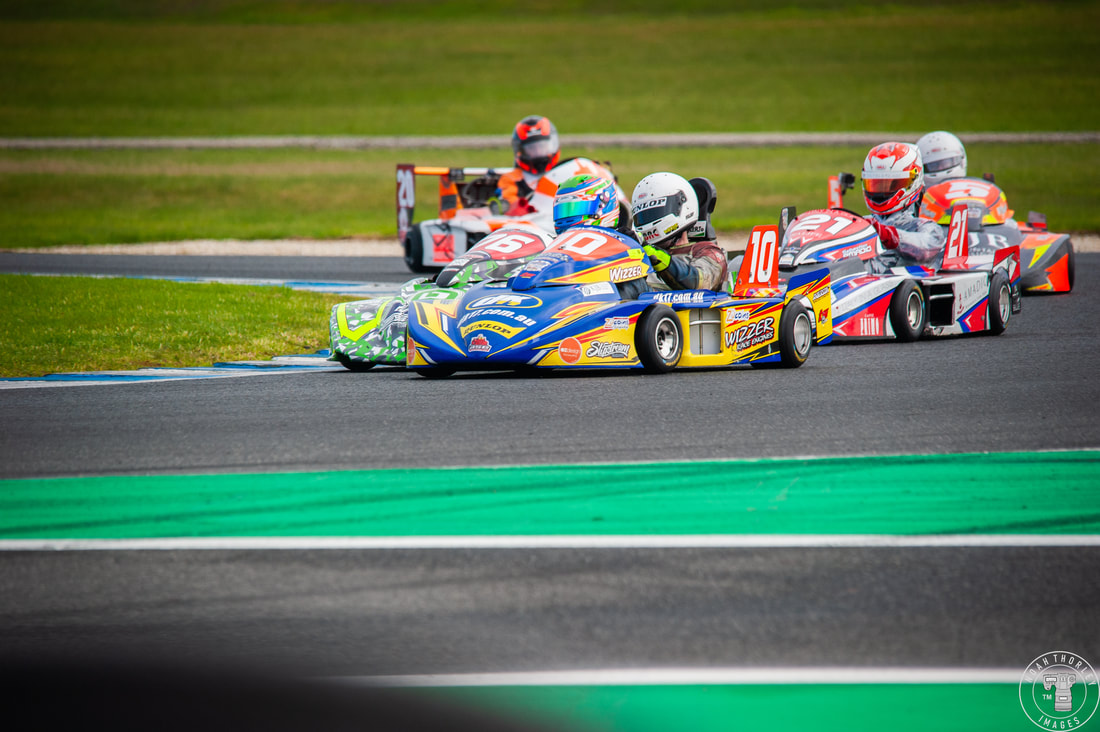 With the wider tarmac, drivers can more easily race in large packs, going two and three wide through corners, whilst exploring longer and wider karting lines. 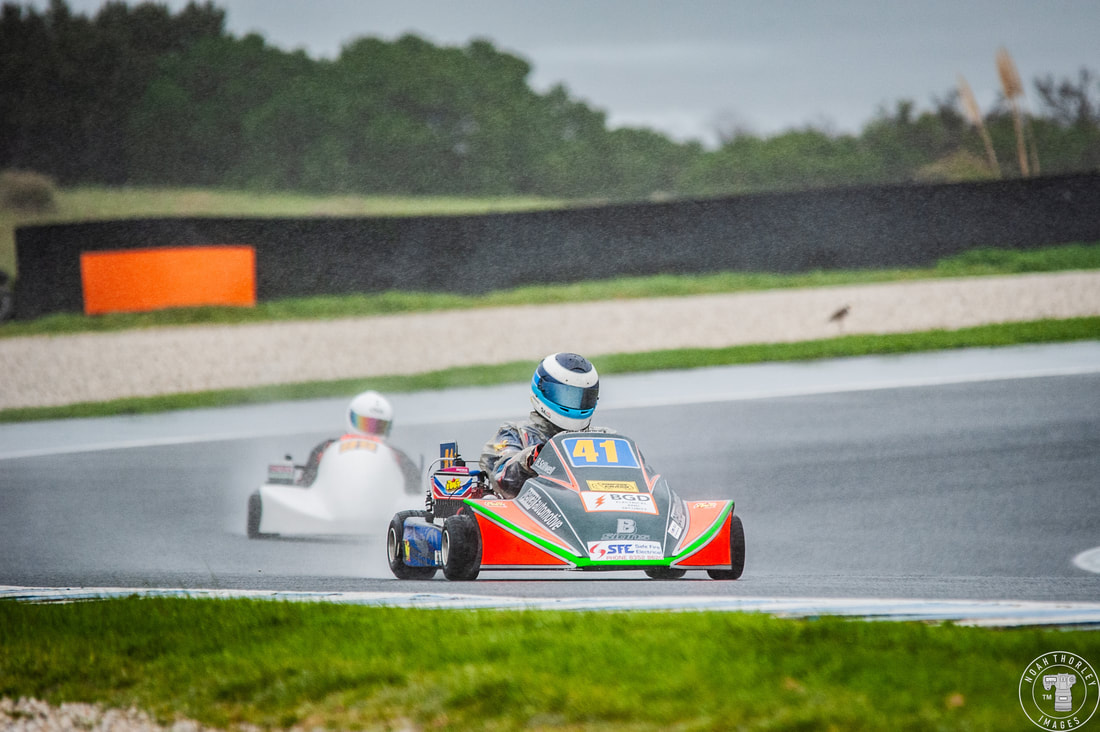 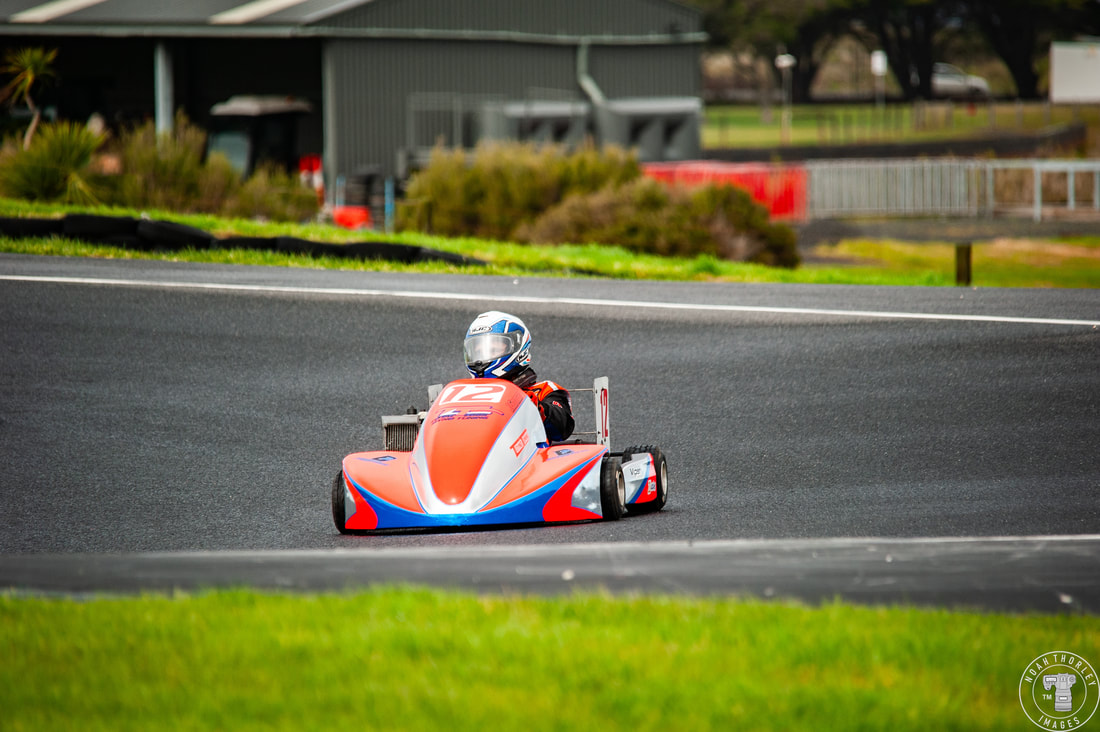 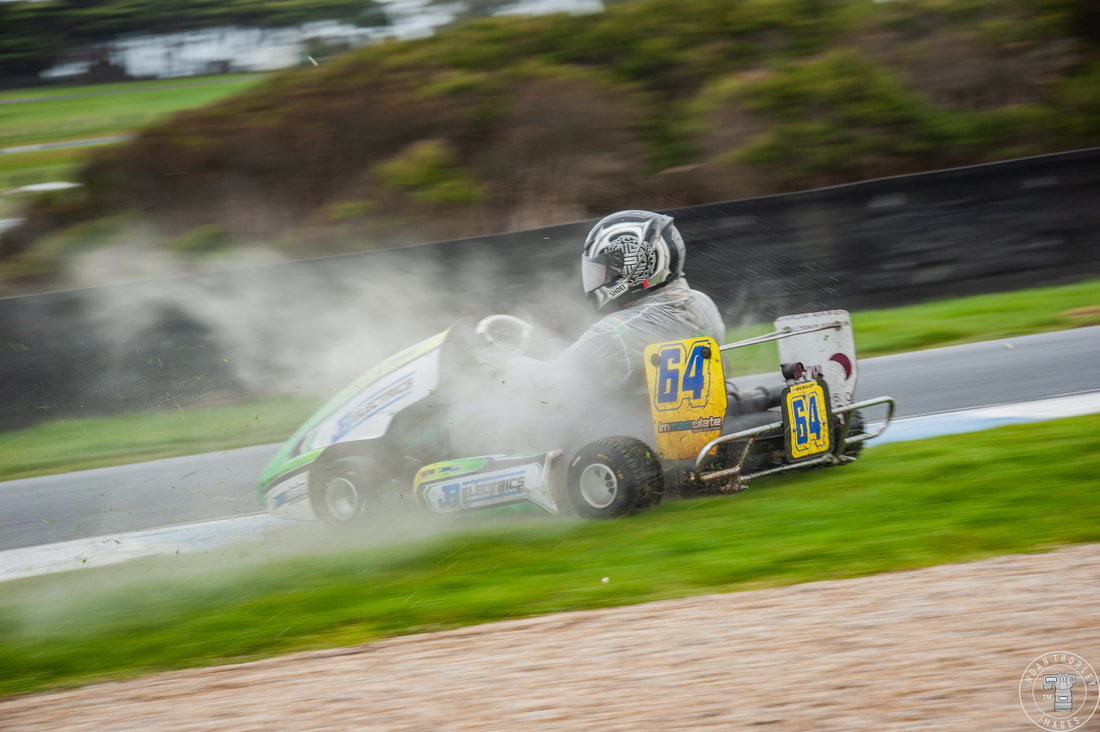 Grooved tyres for the wet conditions during the weekend would be used, and as the track dried up, drivers would begin to make the change to slick tyres. In both types of conditions, drivers would slide around the corners, searching for grip whilst correcting any oversteer. It was wild to watch, but not everyone would stay on track. 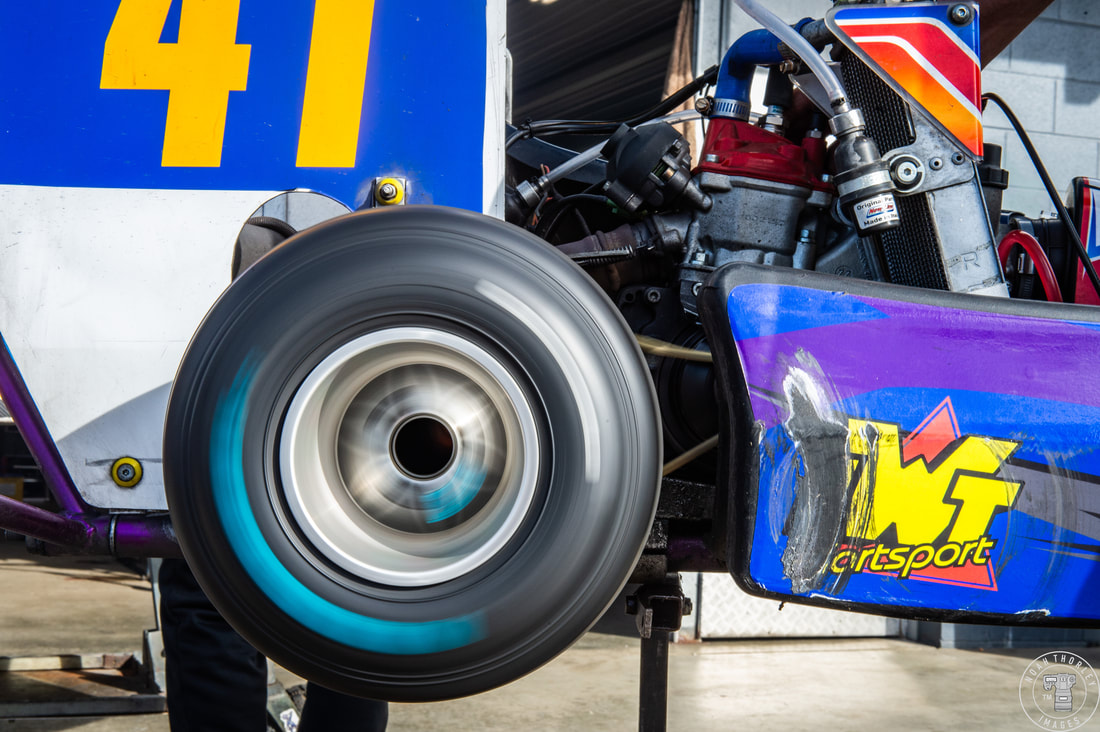 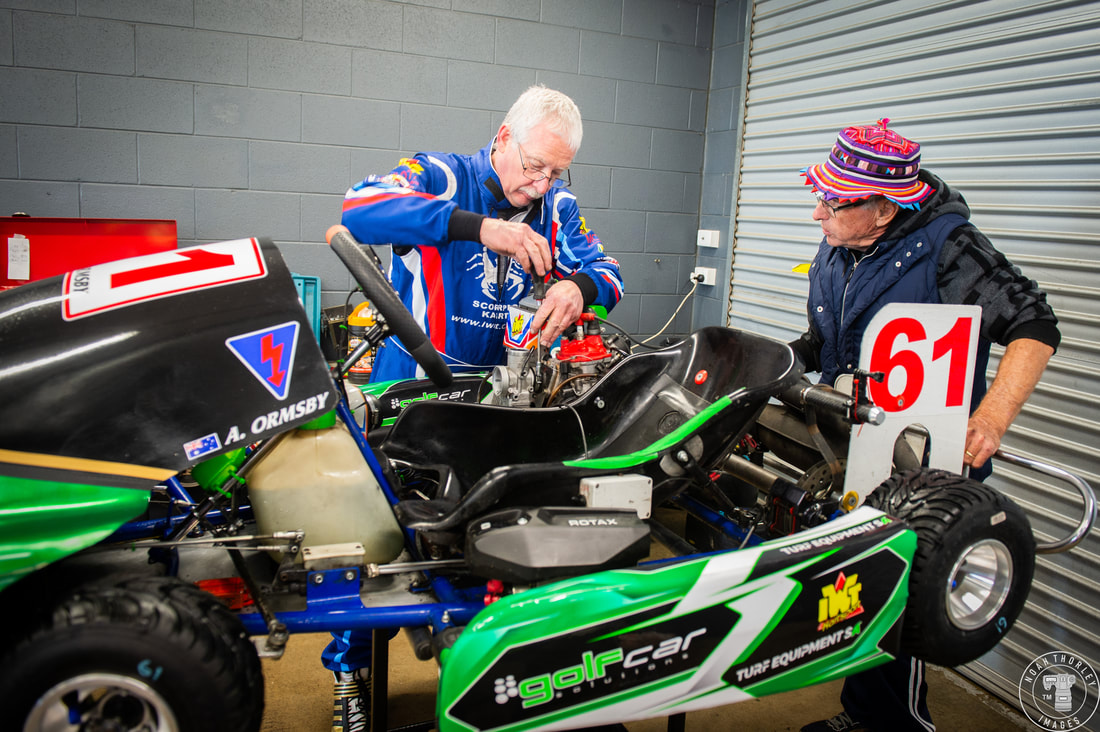 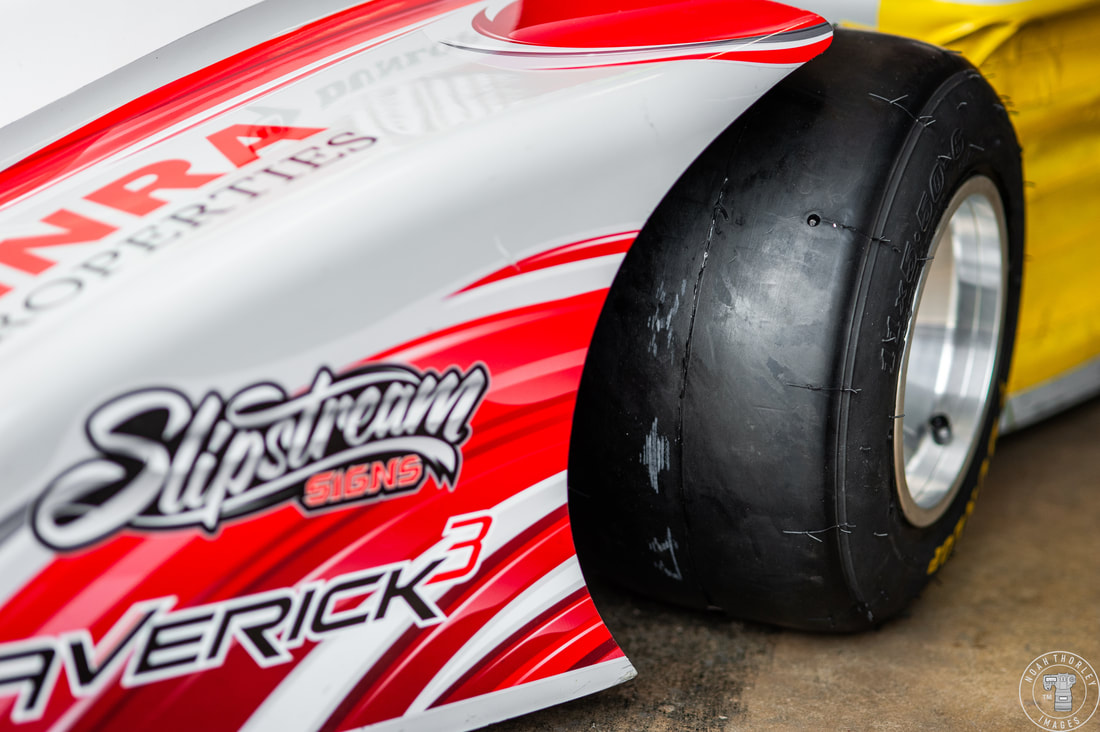 The competition would be split among three categories, although there are actually five classes of Superkarts that are raced under the Victorian Superkart Club. 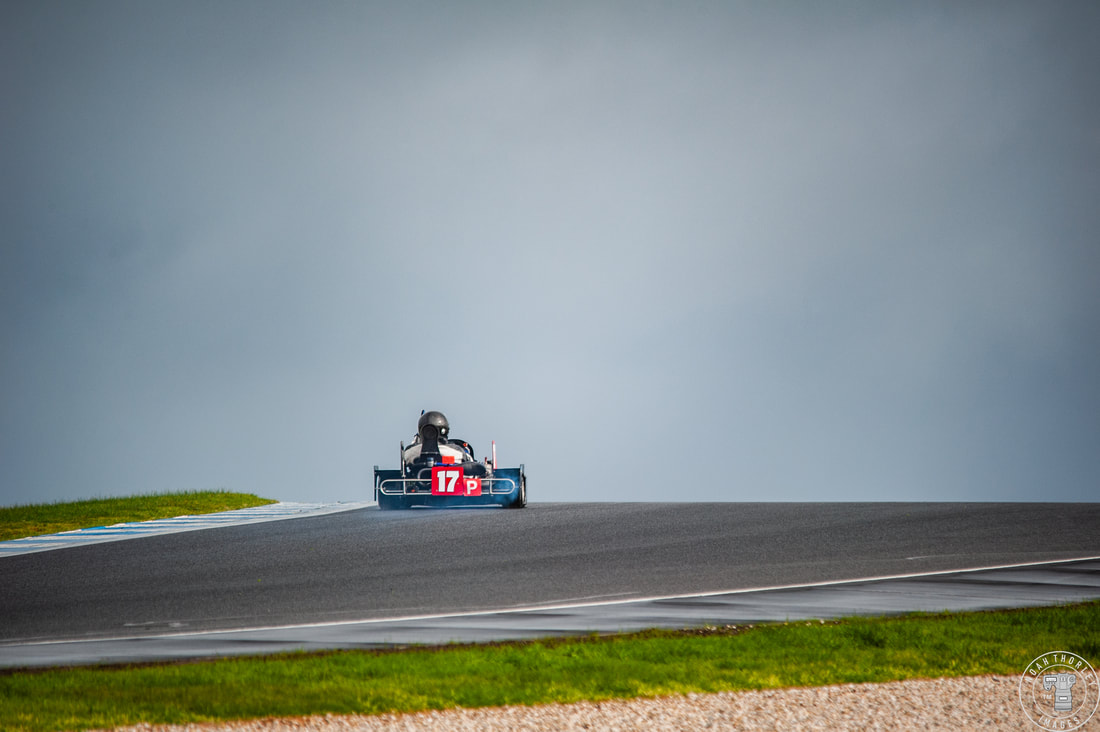 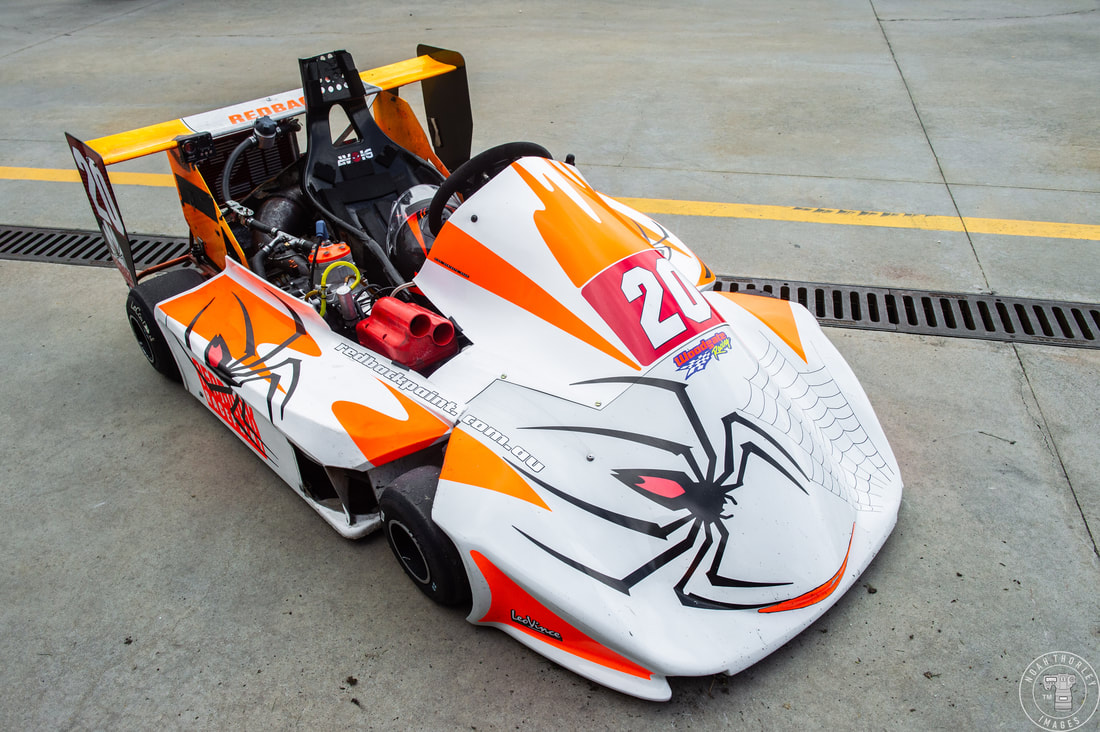 We’ll start with the 125cc Open class. Powered by a 125cc GP motorbike engine paired to a six-speed gearbox, these karts can reach almost 200km/hr. Most drivers like to run a Honda RS125 engine, however, teams aren’t limited to a single brand of engine, nor its tuning modifications. 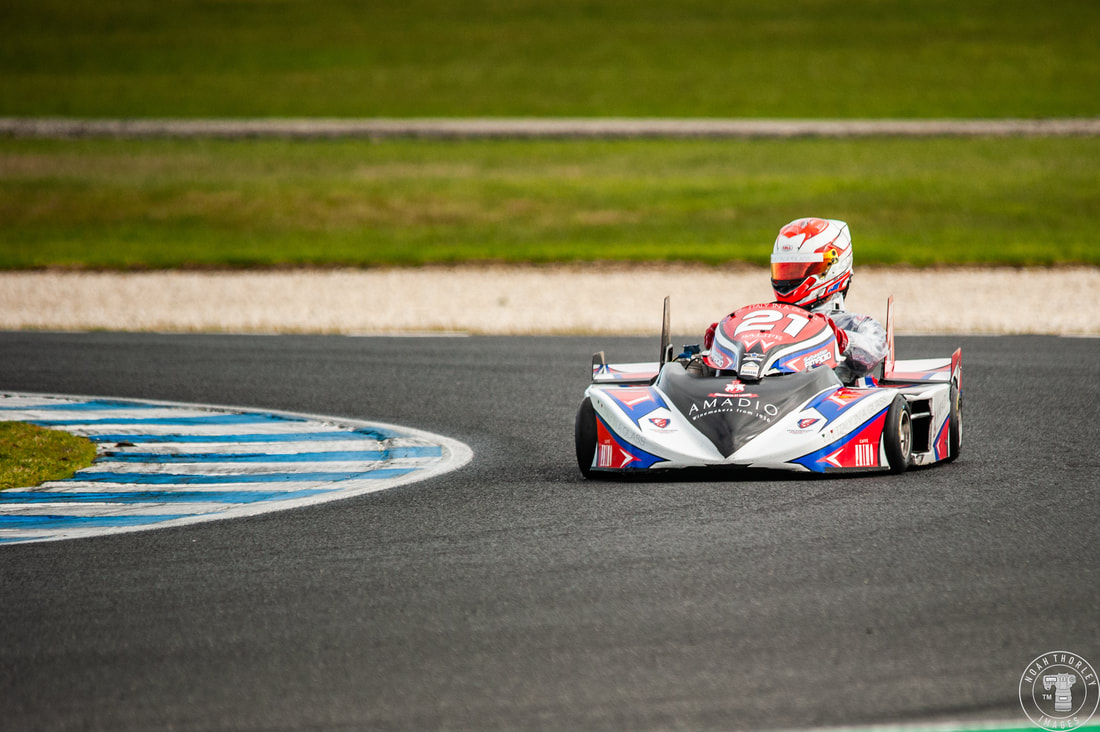 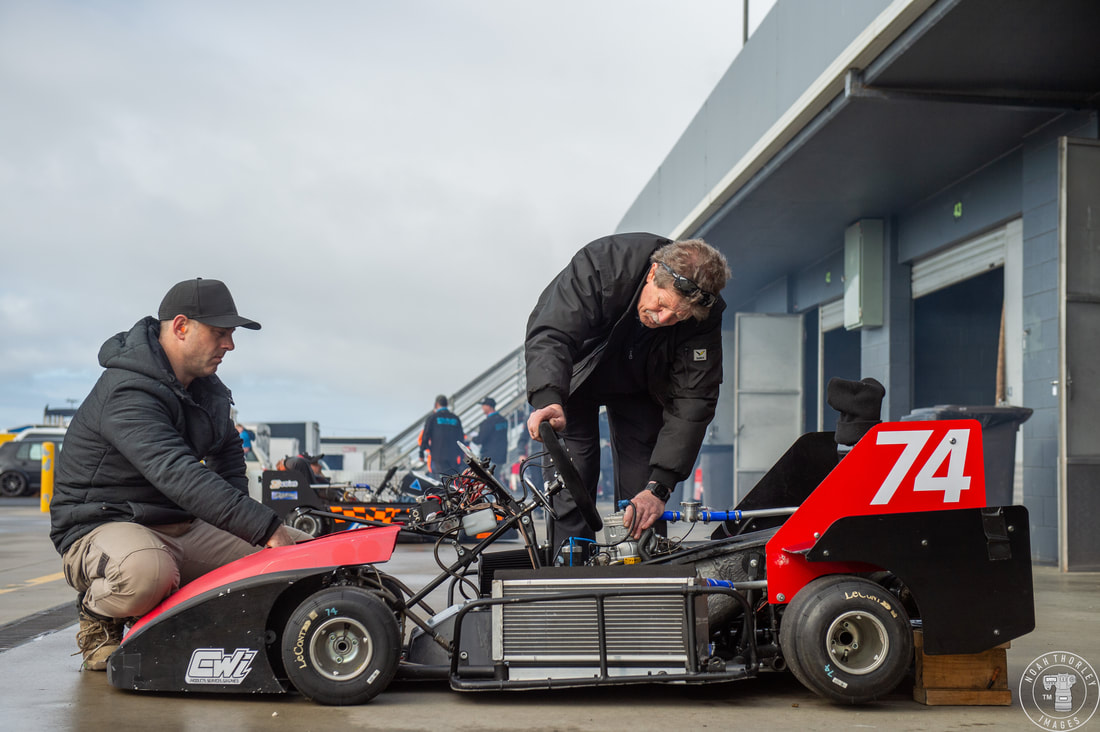 Like all Superkarts, their prominent aerodynamic bodywork makes sure the air pushes down on the front wheels (and with the use of a rear wing, the rear wheels), allowing for more grip through the faster corners. 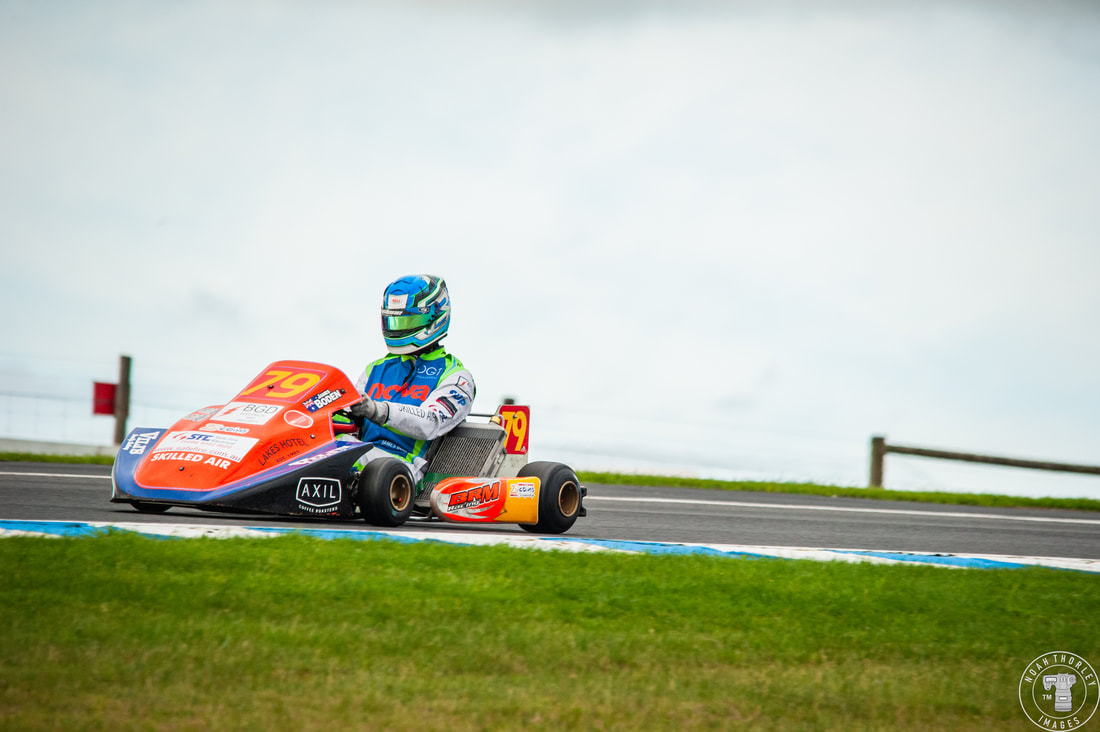 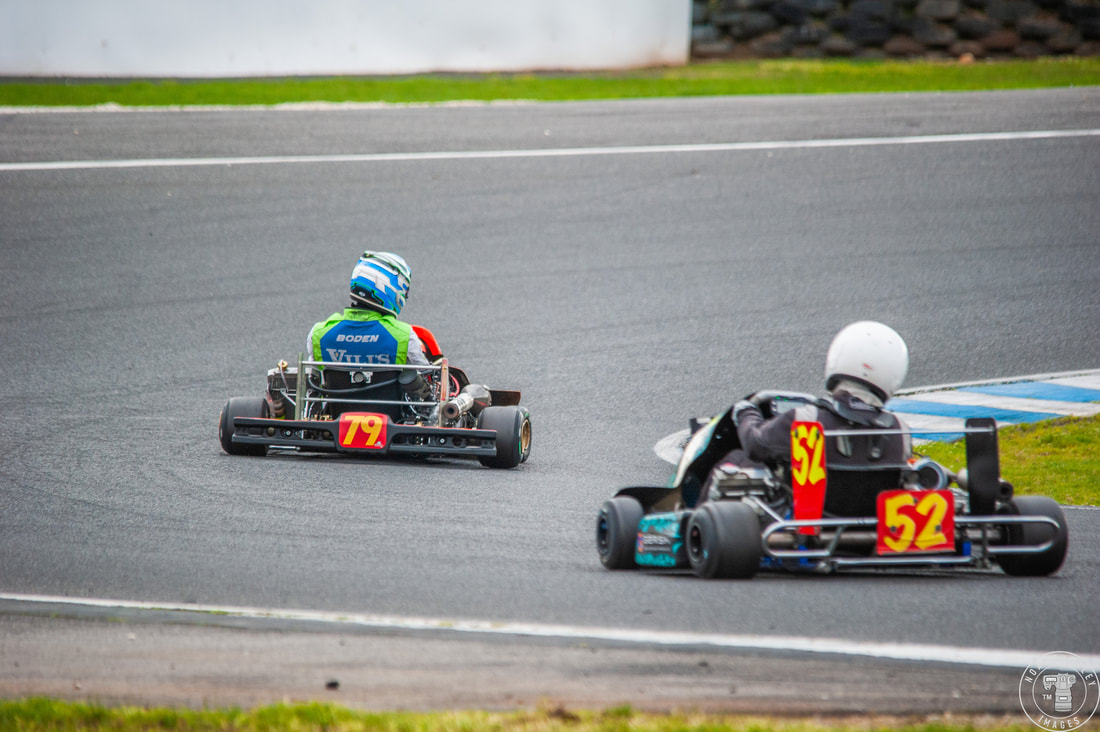 The second type of kart competing in the 125cc category are the Stock Hondas. Powered by a Honda CR125 engine, these karts and the rules are designed as a cheaper entry point into Superkart racing. Any work on the chassis, engine and bodywork is controlled, however, a push start button is allowed to be installed, as most Superkarts need few people to give the kart a push to get started. 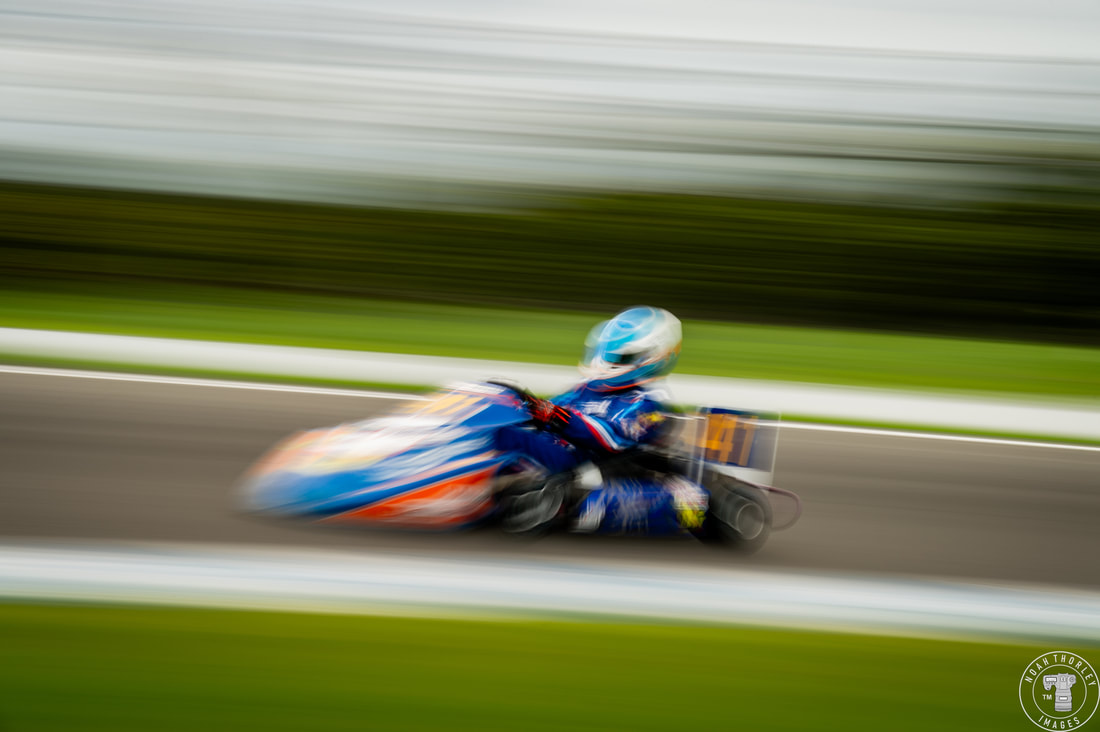 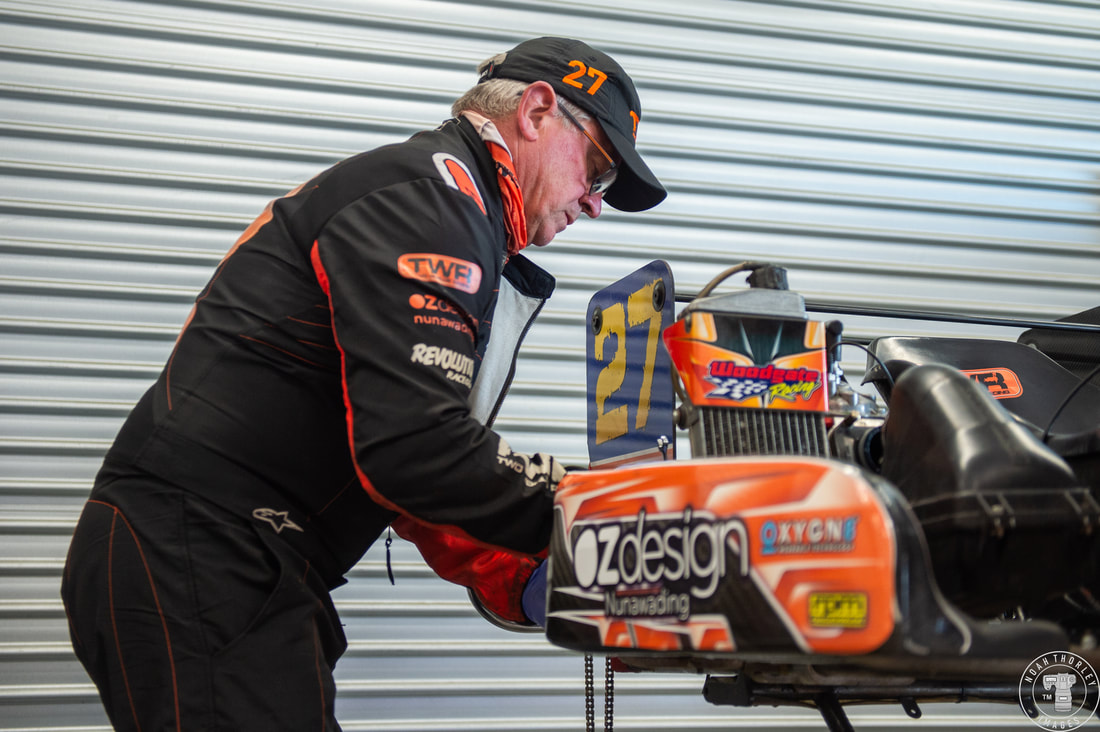 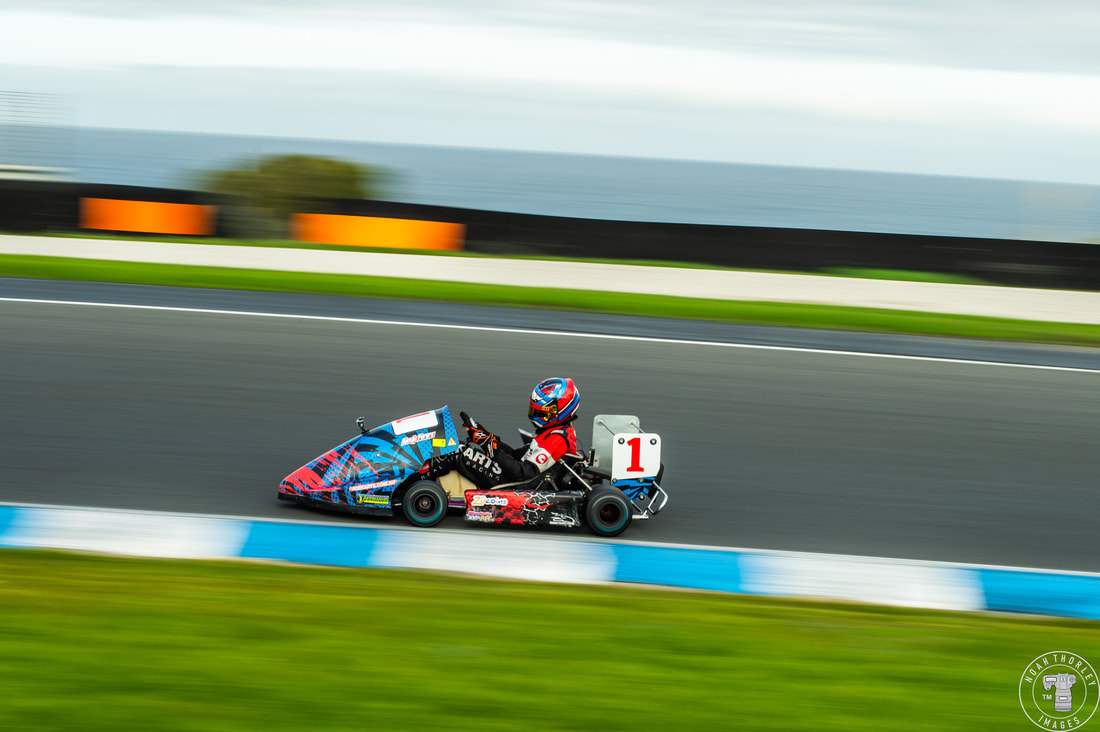 This next category is a separate 125cc Superkart class. Known as NGB, this is the entry level class of Superkart that uses a FR125 Rotax Max engine, allowing drivers to reach 175km/hr. Uniquely, these Superkarts have a centrifugal clutch instead of a gearbox. This and the exclusion of any engine modifications means that drivers have a kart that is easy to set up, and the ability to focus on learning racing lines, maintaining speed through corners and focusing on race craft rather than seeking a mechanical advantage. 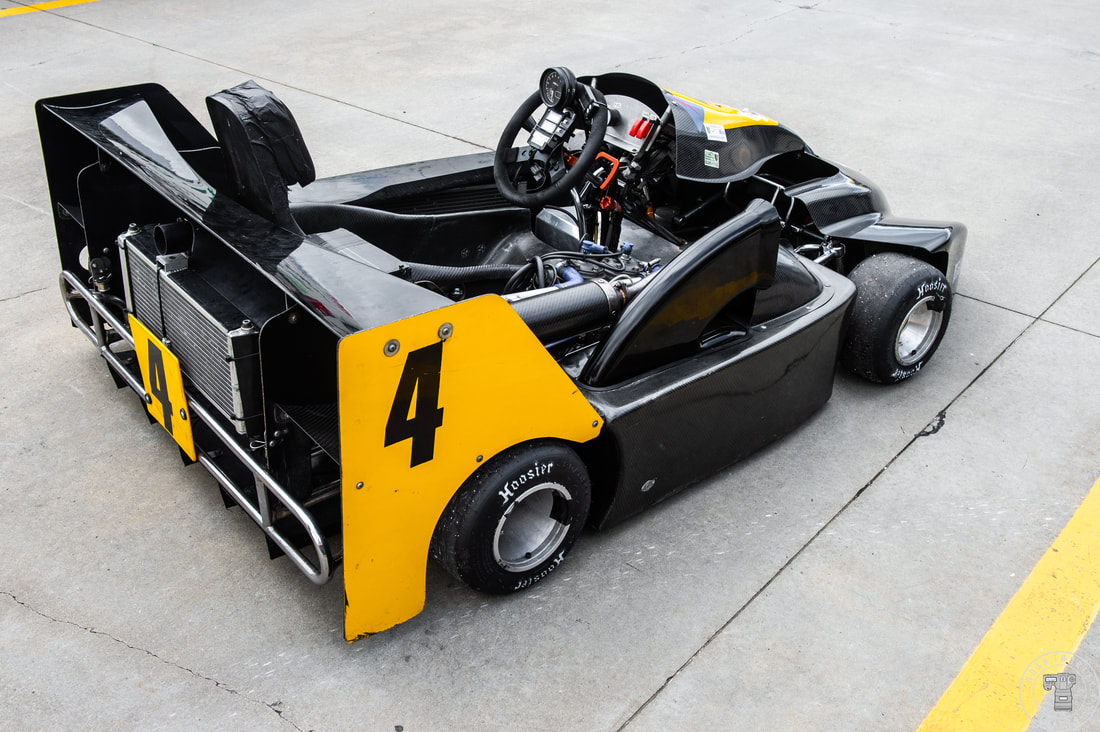 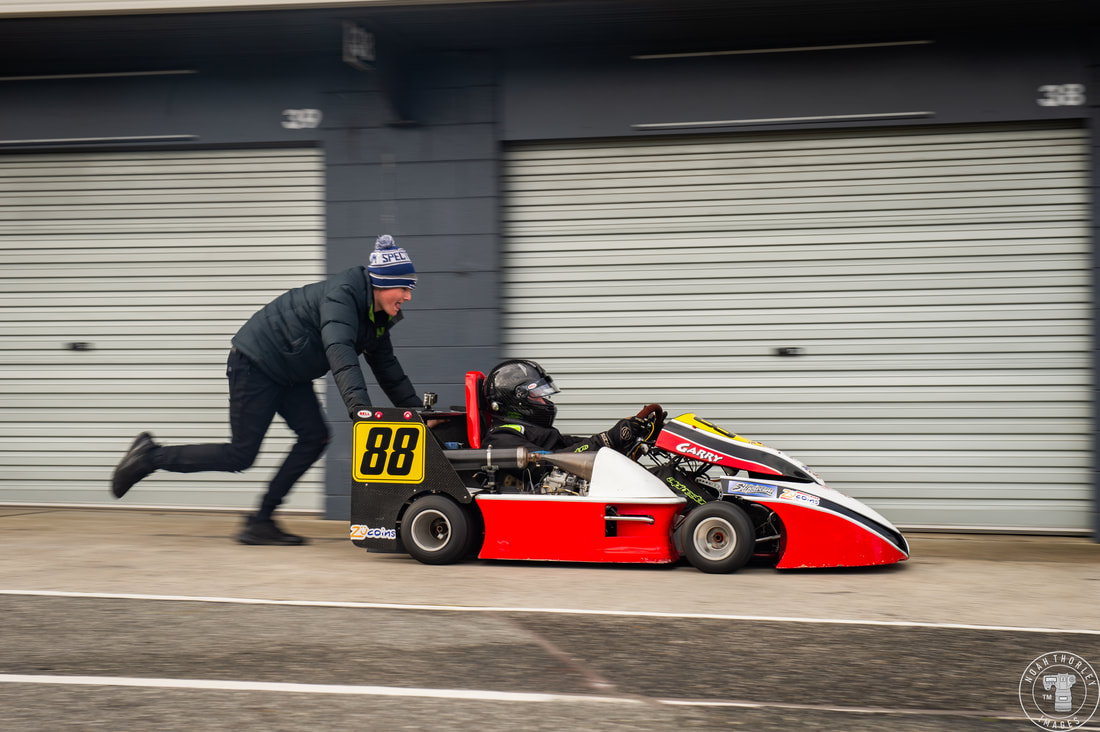 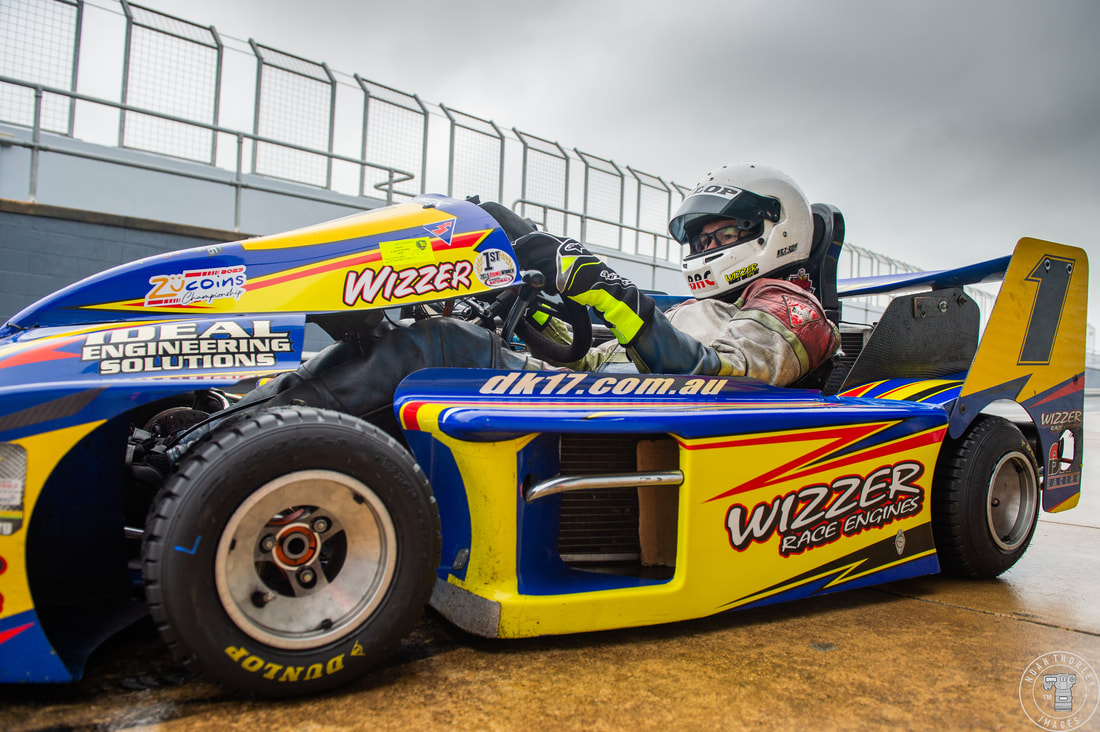 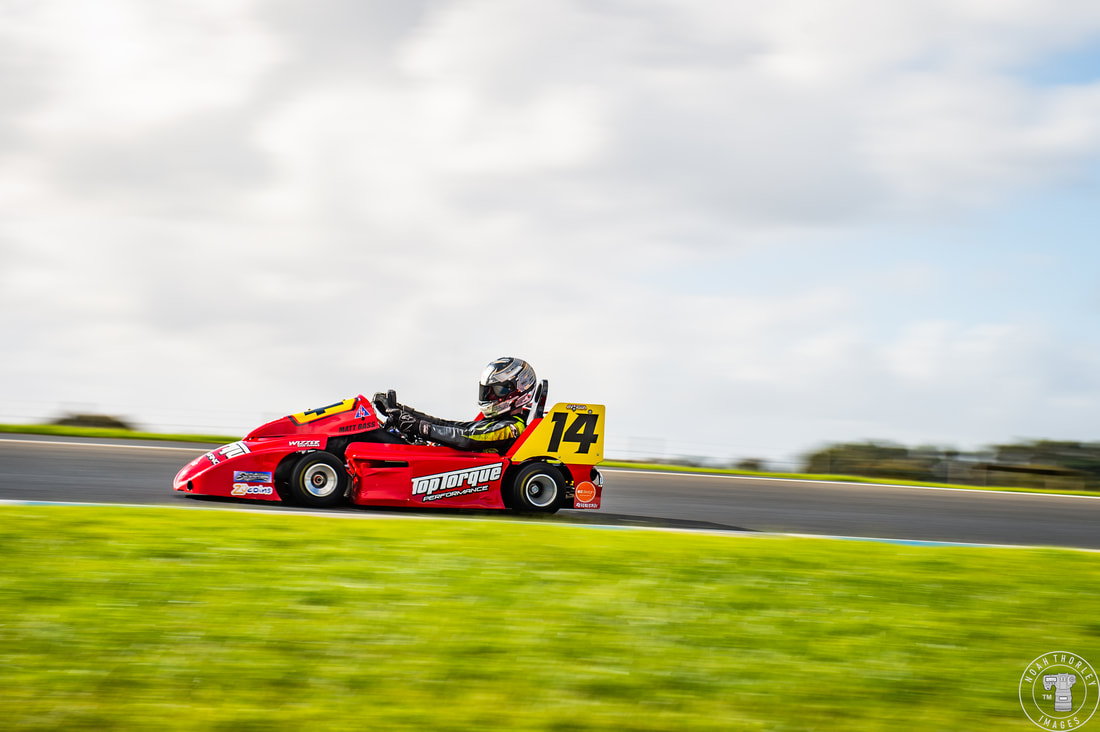 The premier Superkart category is the 250cc, again split into two classes. The International class uses a twin cylinder 250cc GP motorbike or purpose built Superkart enigne that produces upwards of 90bhp, giving these karts a top speed of 240km/hr. The chassis and hence aerodynamics are longer and wider, whilst disc brakes are at each corner of the kart. These karts can also include adjustable brake bias and data logging, so some serious stuff in such a small package. 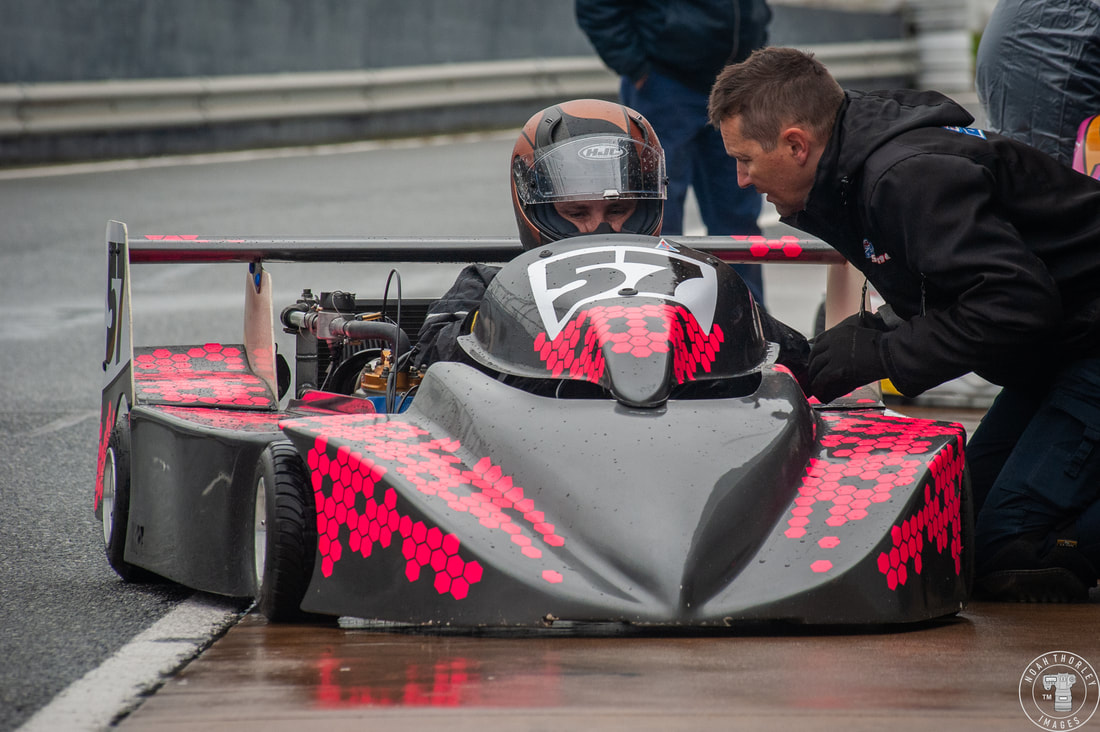 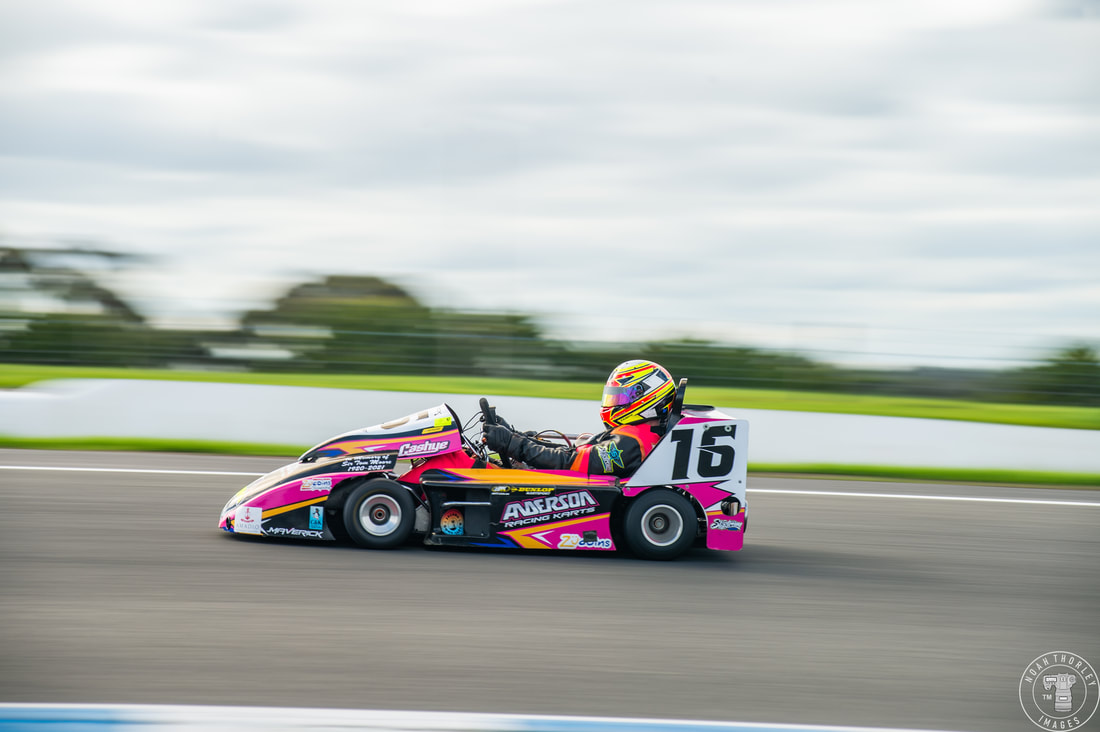 The little brother of the 250cc International is the 250cc National. These are powered by a water cooled single cylinder engine producing 60bhp, topping out at 210km/hr. Occasionally, the same chassis will be used as the International class, so similar cornering and handling, just with the less powerful engine package. 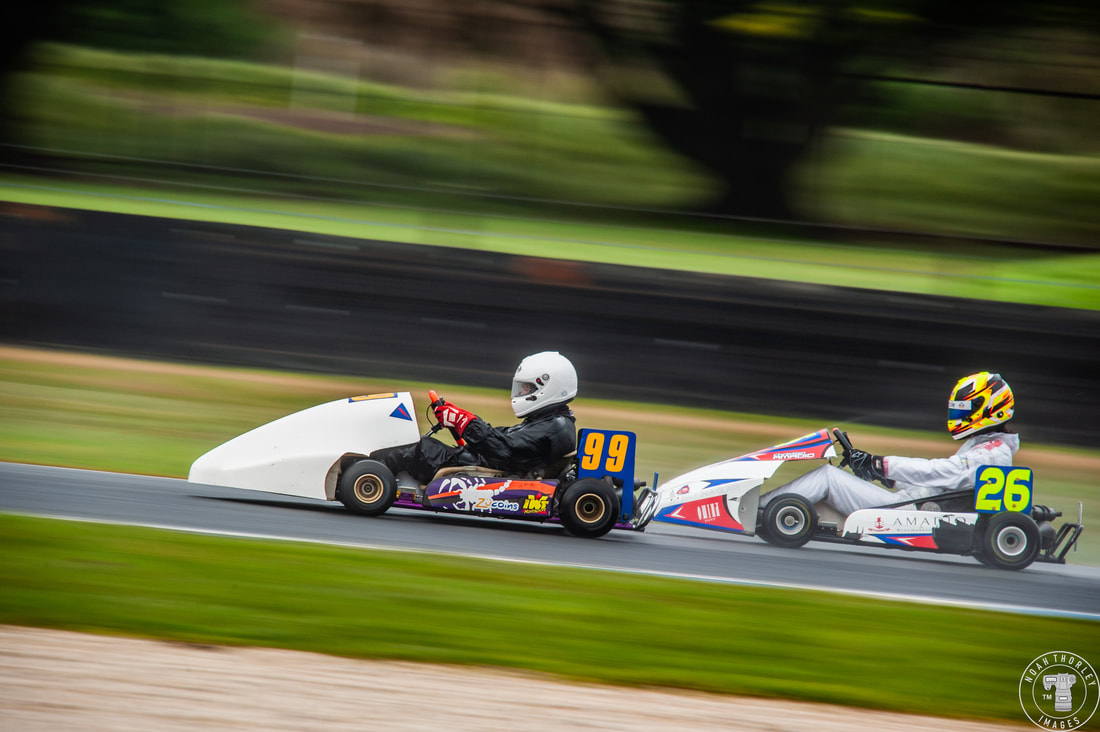 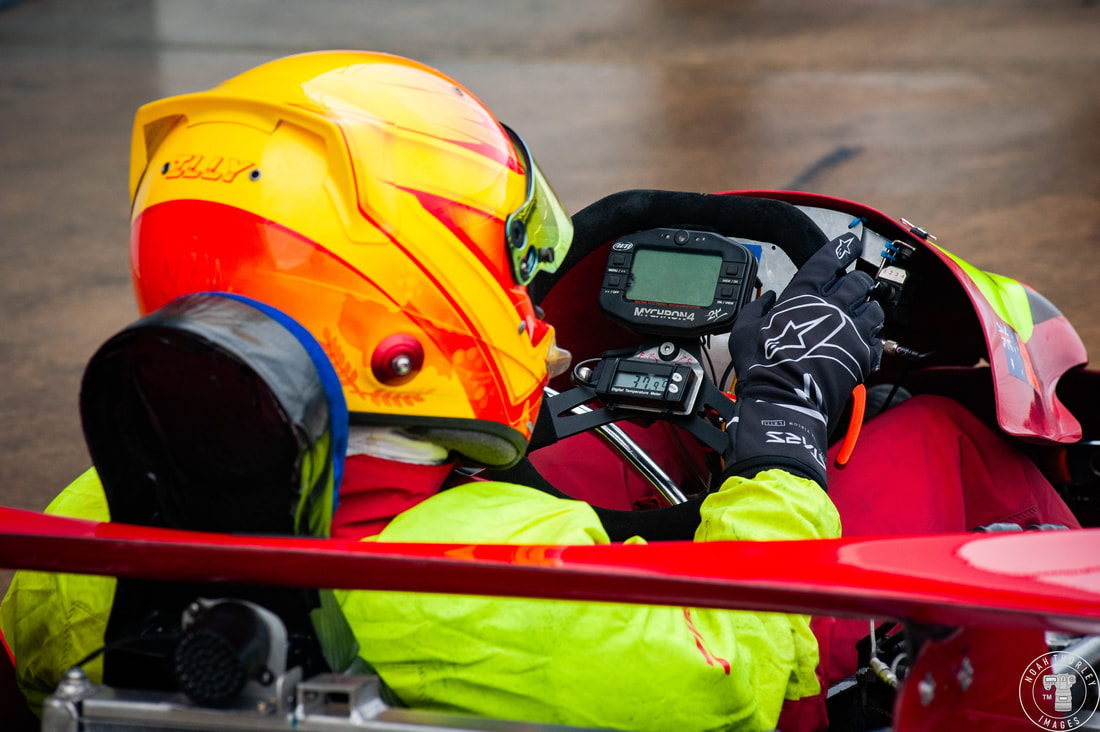 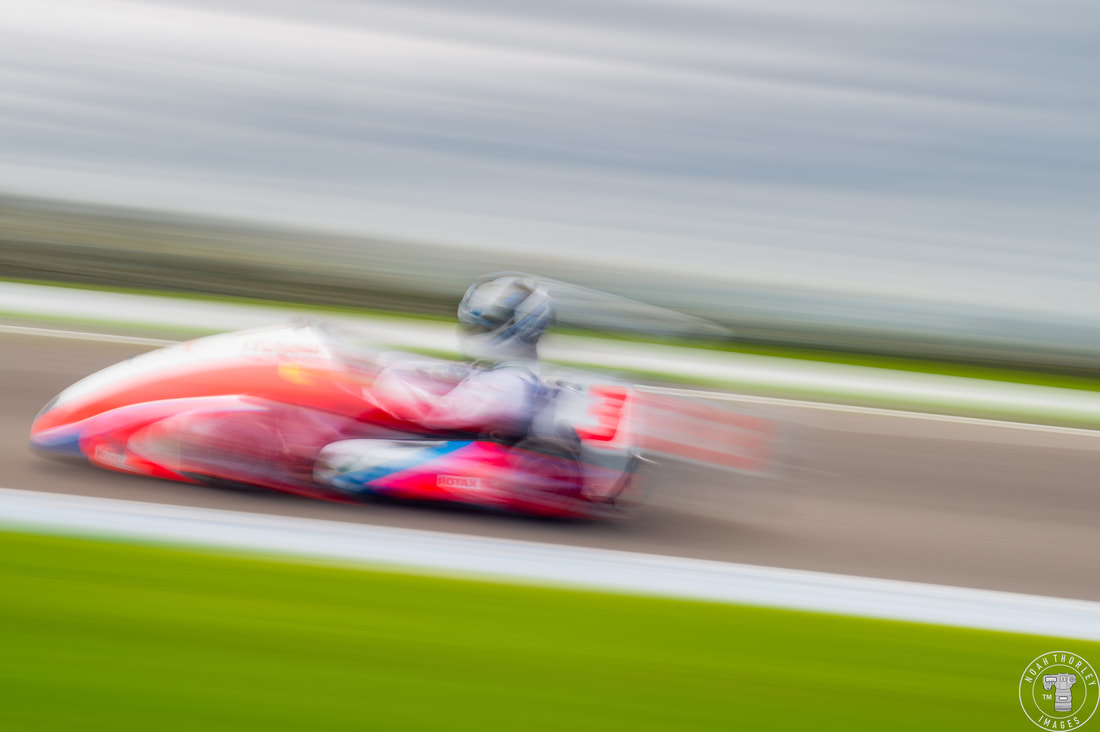 Superkarts are extremely quick and their small nature makes them a challenge to photograph. I think however, the drivers had a bit more of a challenge on their hands. To finish off, I’ll leave you with an onboard of a Superkart race at Phillip Island, taken in 2015. Bonus Gallery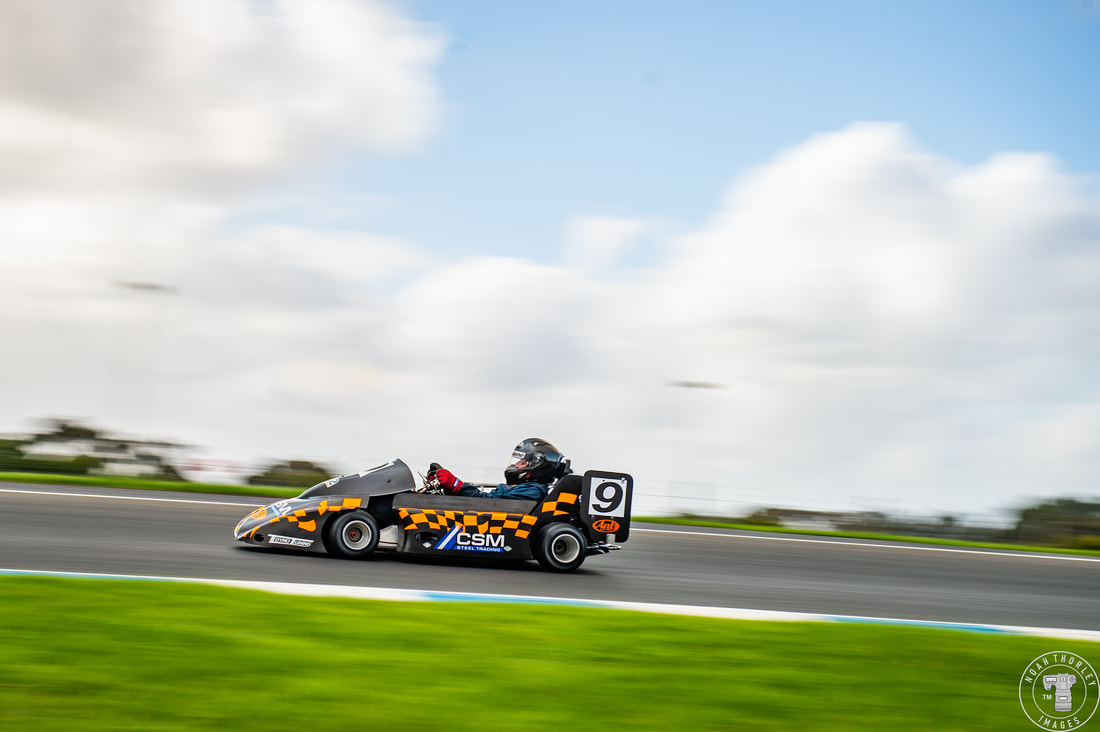
           |
AuthorMy name is Noah Thorley. I'm a motorsport and car culture photojournalist based in Melbourne Australia. I document and tell visual stories for the current and next generation of car enthusiasts. 
|